
First and foremost, it is important to understand why scars form. The skin is made up of 3 layers that form a real barrier to external aggression. Skin cells are renewed every 28 days. When only the epidermis is affected (the outer layer), there is generally no healing process, given the continuous renewal. However, when the wound is deeper, other structures in the body are affected (blood vessels, nerves, etc.), triggering a defensive response from our body: cell renewal is no longer sufficient and there is an "abnormal" proliferation of cells, giving rise to scarring.
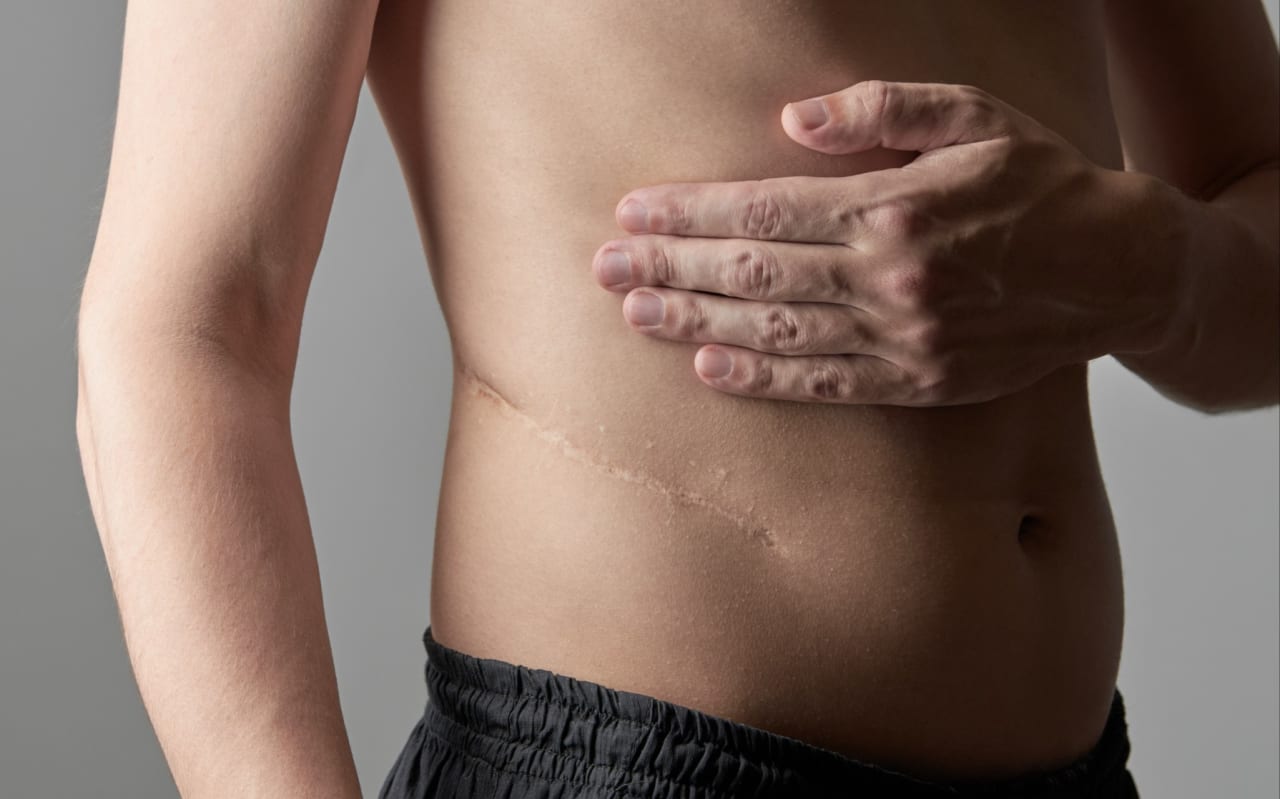
How to reduce and prevent the appearance of scars?
By The Aroma-Zone editorial team
Published on: Monday, August 01, 2022, Updated on: Wednesday, September 30, 2026
White, red, swollen, keloid or hypertrophic, your scars are like your trademark. They tell us a lot about your past experiences, and some can bring back bad memories… If you want to make them disappear, be careful to use gentle, natural products.
How can you reduce or even erase scars with essential oils? Read on for our advice on how to remove these unsightly marks naturally.
Contents
Why do I have scars?
Which oils to choose to reduce scars?
Essential oils offer a natural, targeted approach to reducing scarring. They stimulate skin regeneration, reduce inflammation and have antiseptic properties, all without harmful chemicals. What's more, you can customise scar-healing blends to meet your specific needs, offering a holistic approach to skin healing.
Which plant oils can help prevent and reduce scarring?
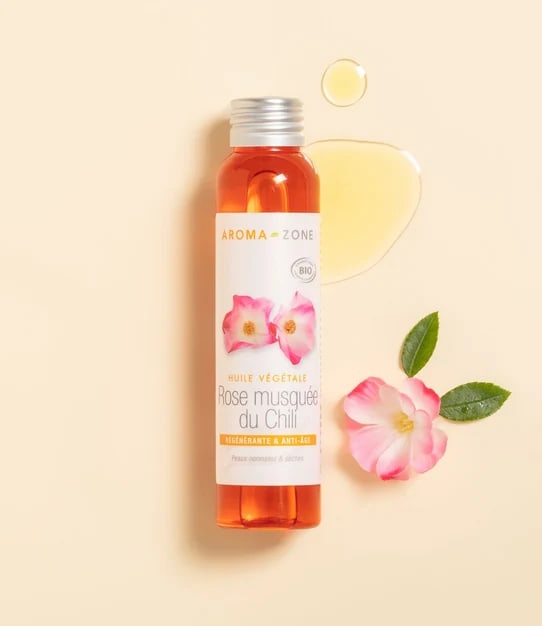
To protect the skin from dehydration, limit feelings of tightness and eliminate the itching that is partly responsible for the appearance of scars, plant oils are excellent sources of nutrients to provide the elements needed for skin regeneration. Choose rich-textured plant oils such as Musk Rose, Avocado or Wheat Germ, or butters such as Shea Butter or Almond Butter, which are sources of antioxidants, to soften the skin, restore its elasticity and prevent it from cracking , leading to the appearance of scars. These oils and butters also help to relax the skin and support the natural healing process.
How can I get rid of acne scars?
Touching the face, picking and popping pimples causes inflammation of the skin and increases the risk of bacterial infection. When the skin is mistreated in this way, regeneration does not take place smoothly and scarring becomes visible. Known for its restorative properties, Aloe vera gel is the perfect ally for skin with acne scars. Renowned for its ability to diminish brown spots, it will visibly reduce scars discoloured by time. In synergy with plant oils and essential oils, Aloe Vera Gel is perfect for preventing facial scars and helping them fade.
See our health factsheet "Fighting acne with essential oils".
How to care for chickenpox scars?
Like acne, chickenpox causes unsightly, itchy pimples. If you scratch them too hard, you run the risk of snagging them and causing an infection. To prevent the scars from becoming ingrained and having a hard time disappearing, opt for a twenty-minute bath with 2 tablespoons of Epsom salt. This bath will dry out the pimples and scars that are forming and speed up the healing process. When you get out of the bath, pat the skin with a towel to soothe the skin and limit itching.
See our health factsheet "Getting rid of chickenpox with essential oils".
How can stretch marks be prevented?
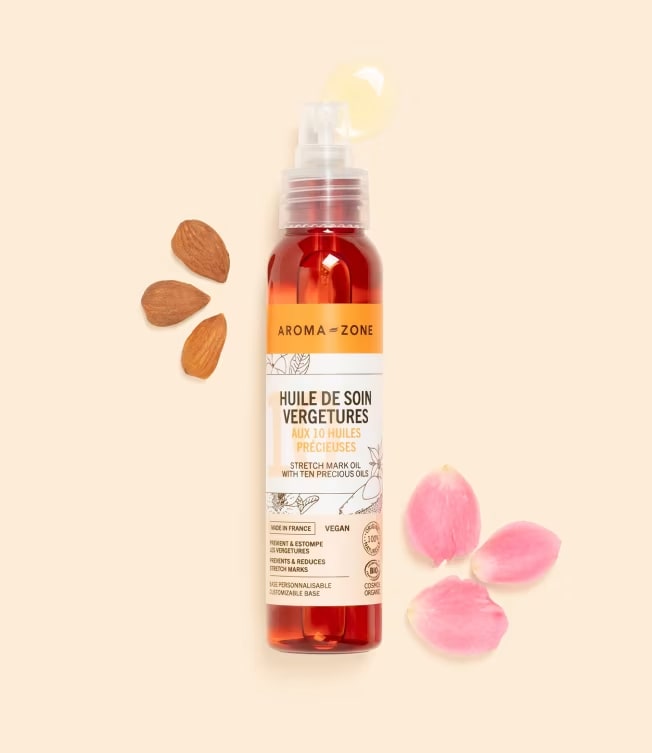
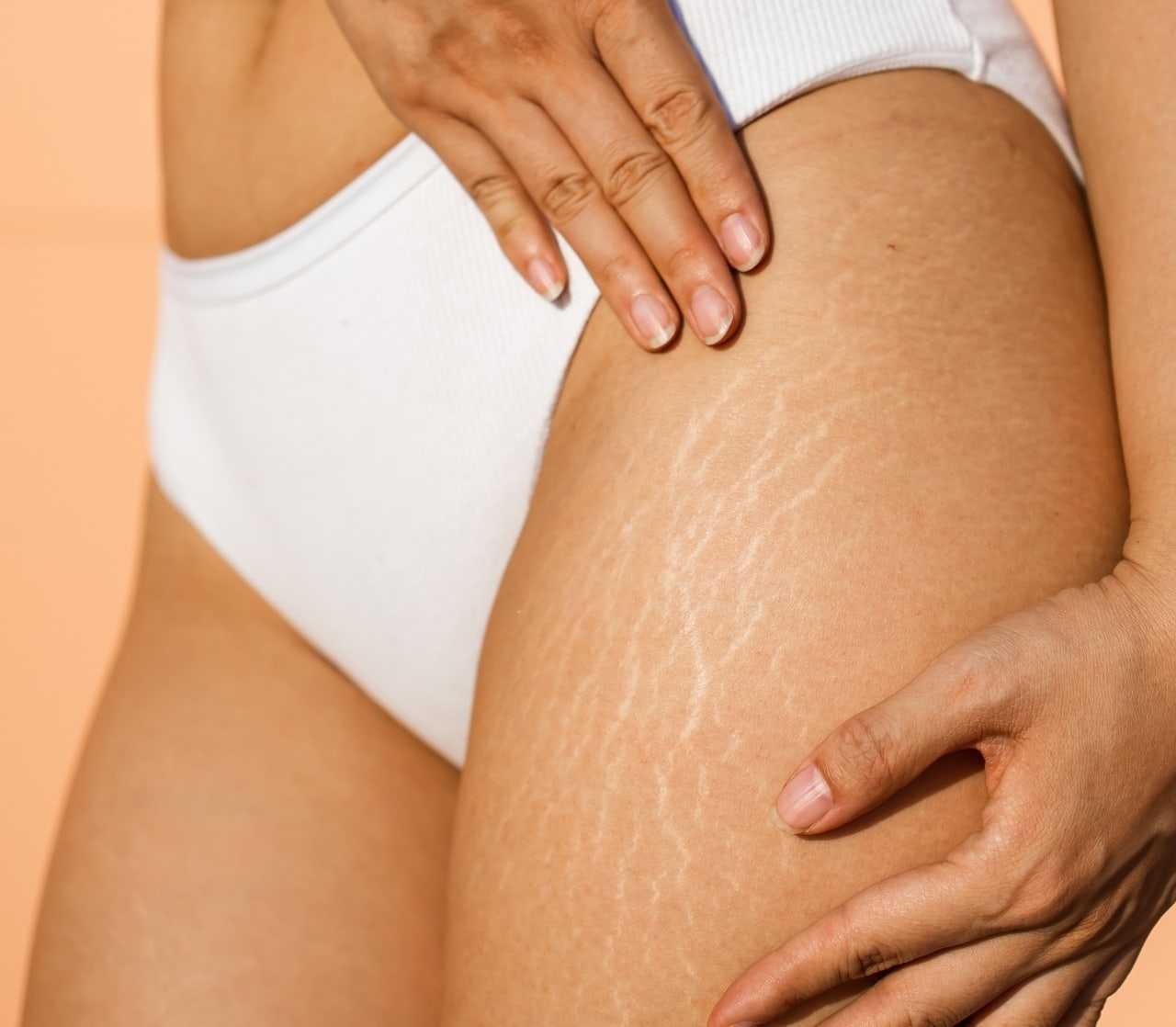
A common scar in women, stretch marks are caused by a tear in the deep dermis . When you grow too fast, or gain or lose weight quickly, the skin has to adapt quickly. But cells have a very precise cycle and cannot renew themselves faster than natural! That's why stretch marks appear ! Opt for rich, nourishing and emollient plant oils such as Musk Rose, Borage or Wheat Germ to restore suppleness to the skin and allow it to relax without those stretch marks appearing.
See our health factsheet "Reducing stretch marks with essential oils".
How can hypertrophic scars be prevented?
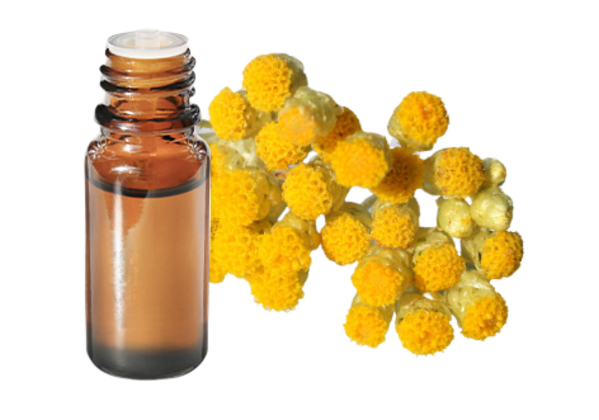
Often the result of a severe burn or surgery, hypertrophic scars are swollen, voluminous, red and quite hard. To complement the treatments you will be offered after an operation, use Helichrysum Italicum essential oil on an oily base , with its desclerosing properties, to prevent abnormal multiplication of skin cells and the appearance of hypertrophic scars.
How can I get rid of keloid scars?
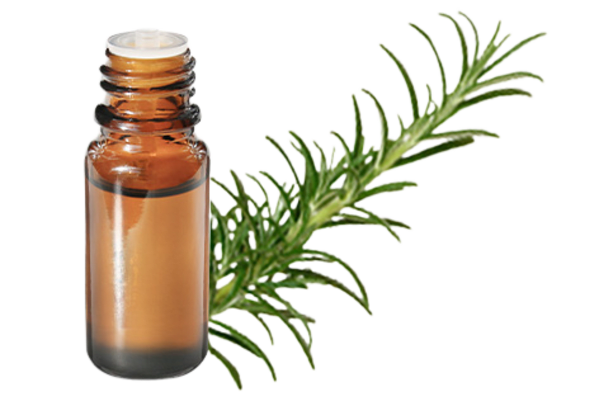
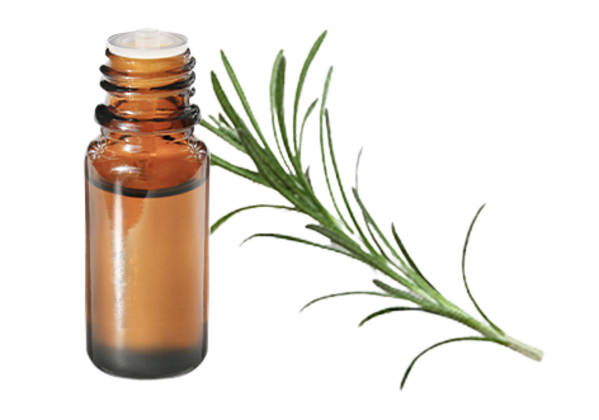
Keloid scars seem to be genetically determined or are over-healing caused by excess collagen in the dermis. Pigmented skin seems more prone to this type of scarring. Essential oils with ketones adapted to this problem, such as Rosemary Verbenone, Helichrysum Italicum or Rosemary Camphor, gently exfoliate the skin. For optimum effectiveness, combine them with a plant oil and Aloe vera gel, which has regenerating properties.
How can scars be avoided?
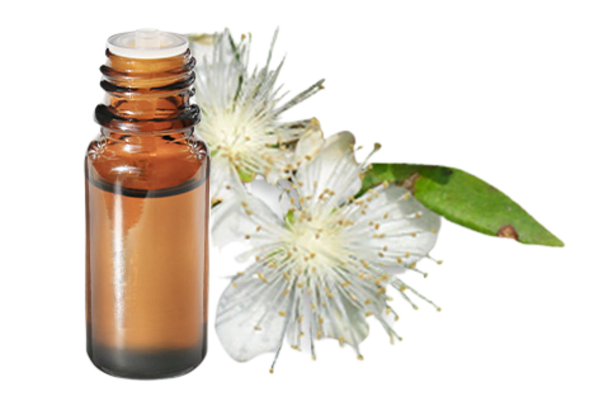
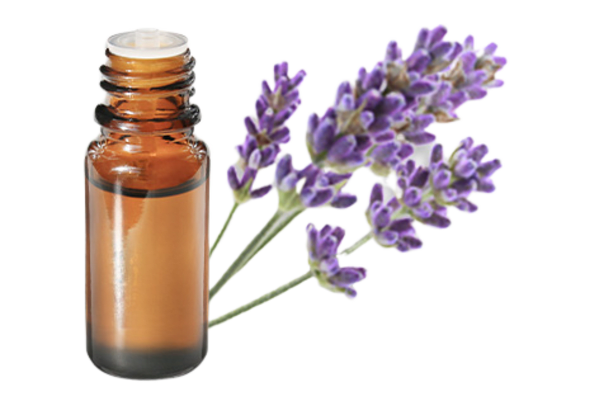
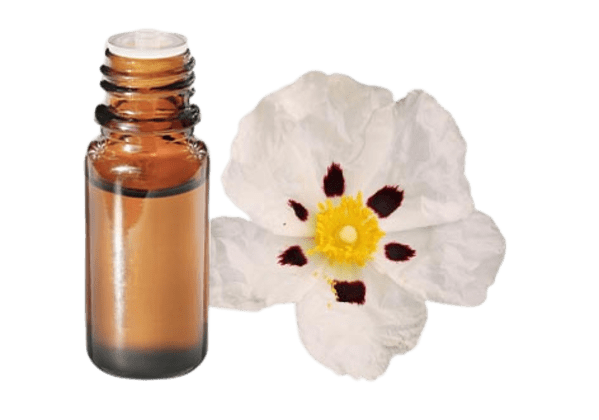
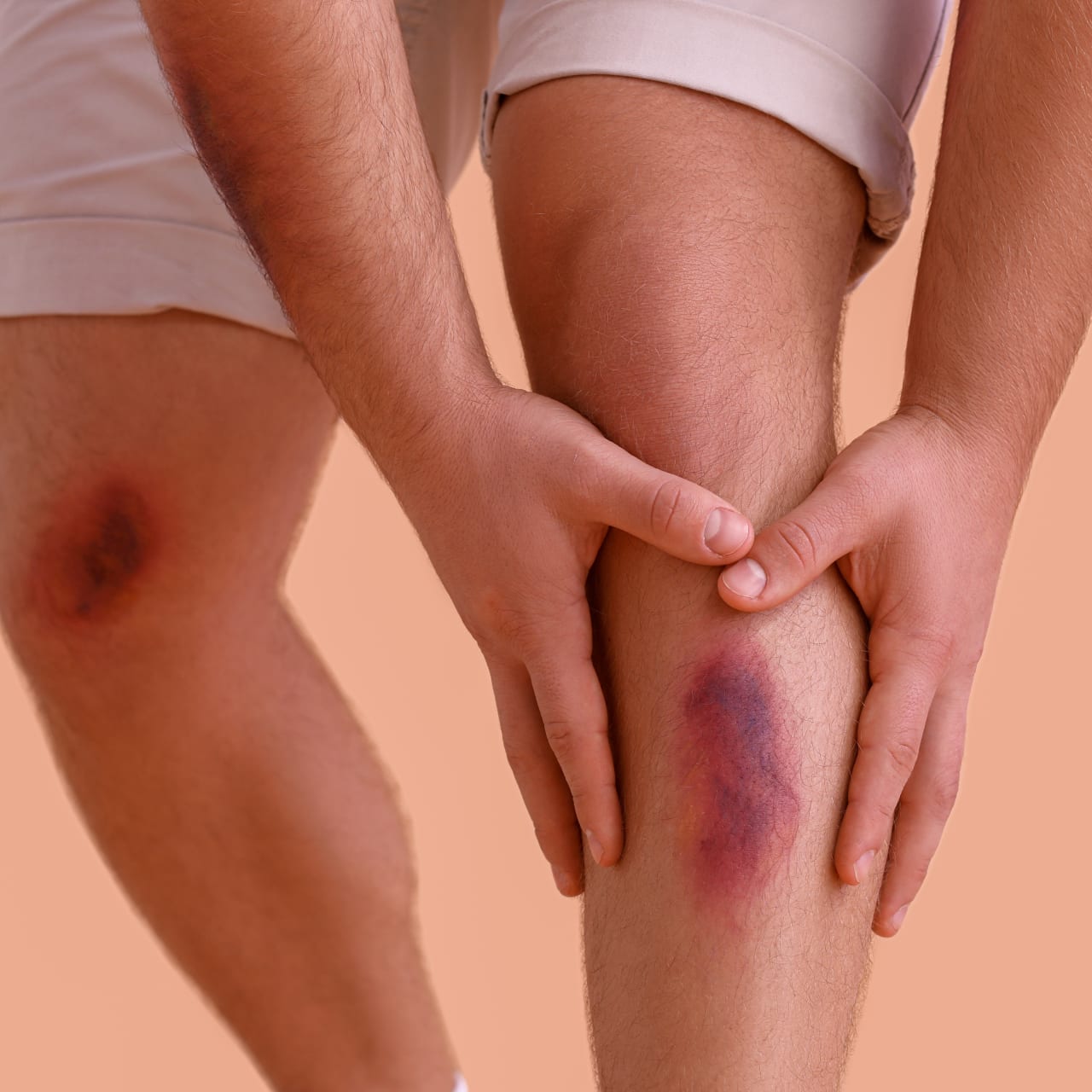
After a fall, a cut or even a knock, the skin bleeds and leaves a wound. It's vital to take care of it as soon as possible to avoid unsightly scars. The first thing to do is to clean the wound with soap and water and remove any debris (stones, dust, etc.) before disinfecting the area. Choose a solution made with essential oils of Gum rockrose to stop the bleeding, True lavender to sanitise the wound and Myrrh to stimulate healing. Avoid scratching the scab once it has formed.
How do you massage a scar?
Following surgery or a tear, it is essential to massage the scar. During the formation of scars, the skin can stick to the muscles and tissues under the skin. Massaging will help to loosen the skin and avoid this problem. Start by massaging the scar once it has healed (wound closed, no crust or fluid draining) for 5 to 10 minutes a day. For more supple, less painful and uncomfortable skin and a less swollen, less red and less sensitive scar, press down on the scar with your fingertips and make circles (without rubbing). Continue moving up and down, then from left to right and back again. Then place your fingers on either side of the scar and gently lift to try to loosen the skin from the tissues and muscles. Stop massaging if any liquid comes out. Finish by applying softening and restructuring plant and essential oils to amplify the benefits of the massage.
A few examples of recipes to reduce scarring
Precautions for using essential oils to treat scars
When using essential oils to treat scars, it's important to take certain precautions. Firstly, it is advisable to dilute essential oils in a plant oil before applying them to the skin, as they can be irritating in their pure state. Make sure you also do an allergy test in the crease of your elbow to check that there is no allergic reaction.
For people at risk, such as those who are pregnant, or who have epilepsy, children and people with sensitive skin or a history of skin allergies, it's best to consult a healthcare professional before using essential oils for scar care. In addition, avoid exposure to the sun after applying photosensitising essential oils, such as lemon essential oil, which can cause burns or spots on the skin. Finally, if you have any doubts or experience an adverse reaction, stop using essential oils immediately and consult a doctor.
Expert advice
The word "hypertrophy" is made up of the formants hyper- from the Greek uper (meaning "beyond") and trophy, from the Greek trofē (meaning "nutrition"). A hypertrophic scar is therefore due to a proliferation of skin cells beyond what is normally expected.

Aude Maillard
Doctor of Pharmacy, graduate of the Faculty of Pharmacy in Tours.
Bibliography
Frequently Asked Questions
Associated tips
Body Care Tips
Wound care tips


