How can you protect your scars from the sun?

Dark spots, discolouration, bleached borders
 Scars and the sun don’t mix! Scars, which may be caused by blemishes, scratches, cuts or burns, can leave permanent discolouration when they are exposed to UV rays too soon. These marks aren’t always aesthetically pleasing, but fortunately they can be avoided by taking certain precautions. In this article, we explain why scars can lead to permanent discolouration, and how to avoid finding yourself in this situation.

Reading time: 0 min.

Understanding the scarring process

First and foremost, it is important to understand the cause of scars in order to best prevent them from forming. The skin, which consists of three layers, acts as a protective barrier against external damage. Skin cells renew themselves every 28 days, mainly in the epidermis (the outer layer of the skin). Thanks to this constant cell renewal, superficial wounds do not usually trigger a scarring process. 

Problems arise when the wound penetrates deeper into the skin, potentially affecting blood vessels and/or nerves. The body reacts by triggering a defensive response. This ‘abnormal' growth of cells leads to the formation of scars.

These are usually pink or red in colour when they are recent (less than 6 months old). They turn white once the skin’s repair process is complete. The scar can then be considered mature and may be exposed, provided certain precautions are taken. If you notice brown patches or lines on your body, these are most likely scars that have become pigmented in the sun.

Of course, it is natural to want to avoid and prevent marks and discolouration on your body or face, and to want to prevent it. But if this happens to you, bear in mind that the healing process is a natural response by the body to repair damage to tissue. It is a vital mechanism, which also demonstrates the body’s incredible ability to protect and repair itself.
Why do I have a scar? The different causes

Scars can result from anything from minor injuries to major surgical procedures. Here are the most common causes:

  • Injuries: Falls, cuts, burns, grazes, bites, etc. These injuries can occur in everyday life, during accidents at home, at work or on holiday.

  • Surgical procedures: Although modern techniques are used to minimise scarring, the incisions made during surgical operations, whether minor or major, are unavoidable and can leave scars.

  • Skin health: Acne, chickenpox and eczema can cause scarring, particularly if these skin conditions are poorly treated or touched or scratched excessively.

  • Genetic factors: Finally, the way each individual's skin heals and regenerates plays a part in the scarring process.

The prevention and treatment of scars, through appropriate wound care, the use of scar-healing creamsand protection from the sun’s UV rays, play a major role in the long-term appearance of the scar.

How can you reduce the appearance of scars? The right steps to minimise permanent marks

What’s the first thing you should do after a fall, cut, a burn or any skin injury? Treat it as soon as possible to prevent infection and unsightly scars. The following steps are a general guide:

  1. Clean the wound with soap and water

  2. Remove any debris (dirt, dust, etc.)

  3. Disinfect the area to prevent the wound from becoming infected (you can even use true lavender essential oil to helpsanitise the wound naturally! Discover all our tips on caring for an open wound)

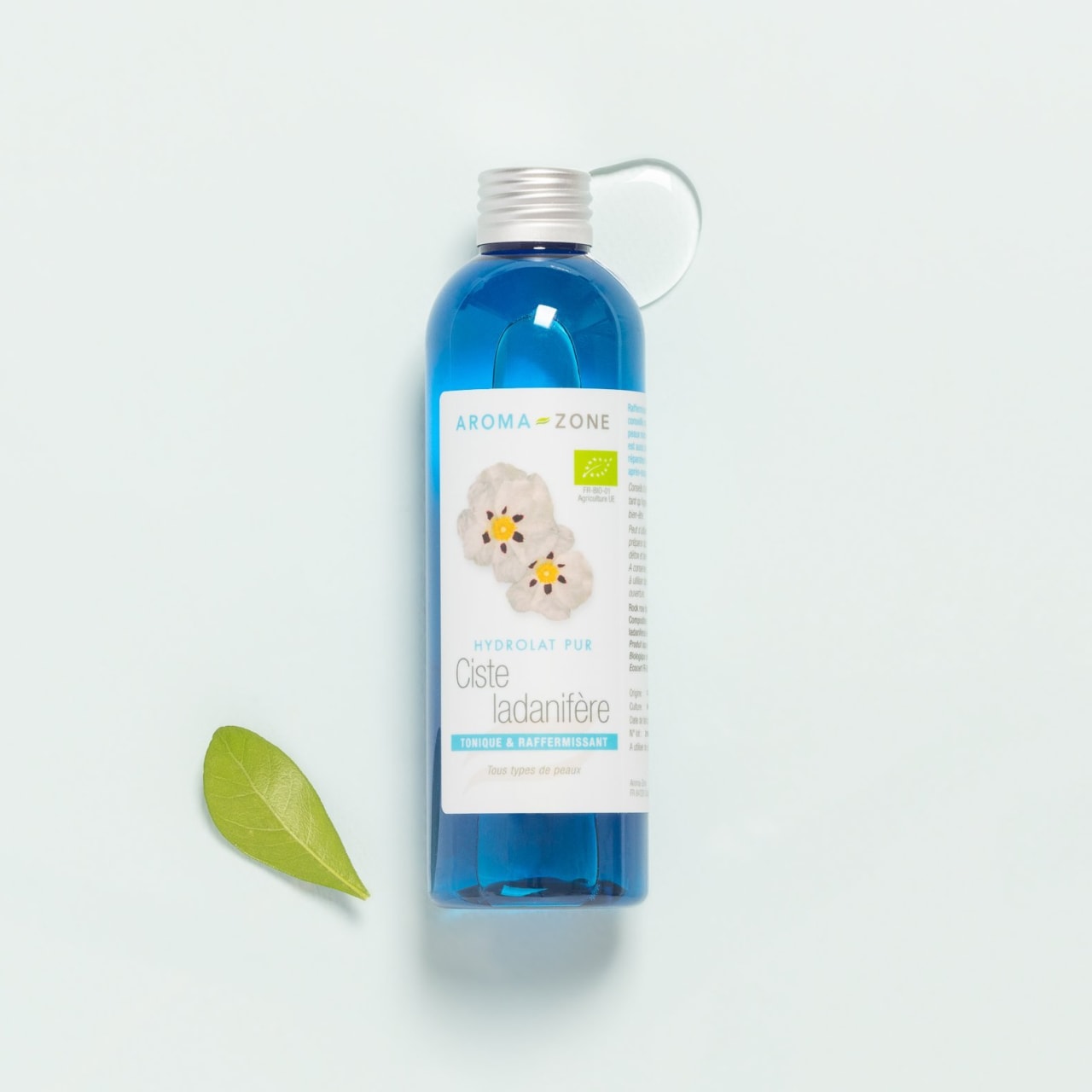
  4. Help stop the bleeding using rockrose essential oil

  5. Promote healing using myrrh essential oil

  6. Avoid picking at the scab once it has formed, or you might find yourself back at square one

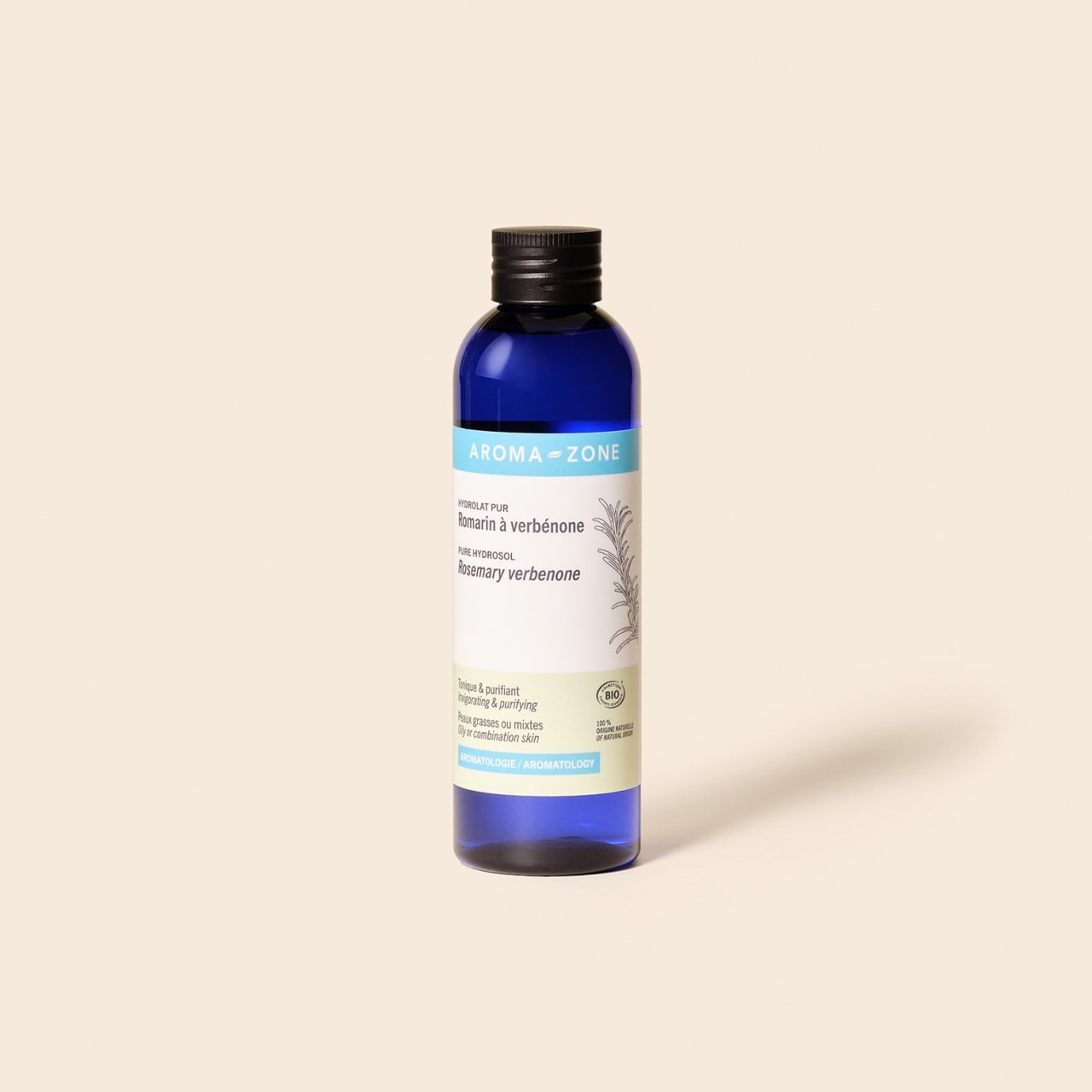
  7. Promote cell renewal with the help of the excellent active ingredients found inverbenone-rich rosemary essential oil or spike lavender essential oil

  8. Moisturise the scar and protect it from the sun: Moisturising your scar regularly will help it to heal. It's also essential to protect it from the sun to prevent discolouration

  9. Be patient: A scar may never disappear completely, but bear in mind that time can help it fade

Why shouldn’t you expose a scar to the sun? The risks of leaving a fresh scar in the sun

There are various risks associated with exposing a scar to the sun.

  • Dark spots: Exposing a scar to the sun can lead to hyperpigmentation of the skin around the affected area. In practical terms, this results in the appearance of marks and brown patches which, unfortunately, can last a lifetime.

  • The risk of sunburn: Without the skin’s protective barriers, scars are more sensitive to damage caused by the sun. Prolonged exposure can cause sunburn on a wound.

  • Possible complications: Sunlight can slow down the scar healing process by disrupting normal skin cell regeneration. Excessive exposure to the sun can increase the risk of irritation, inflammation and infection of the scar.

To avoid these risks, we strongly advise you protect your scar from the sun’s rays.

How can you protect a scar from the sun?

Protecting a scar from the sun is crucial for promoting optimal healing and minimising the risk of complications. Here are several ways to protect your scar from the sun:

  • Long, lightweight clothing offers effective protection against UV rays. Using a plaster or bandage can also work, while reducing the need to wear heavy clothing in hot weather.

  • Try to limit the time you spend in the sun, particularlyduring the hours when the sun’s rays are at their strongest (between 10 am and 4 pm).

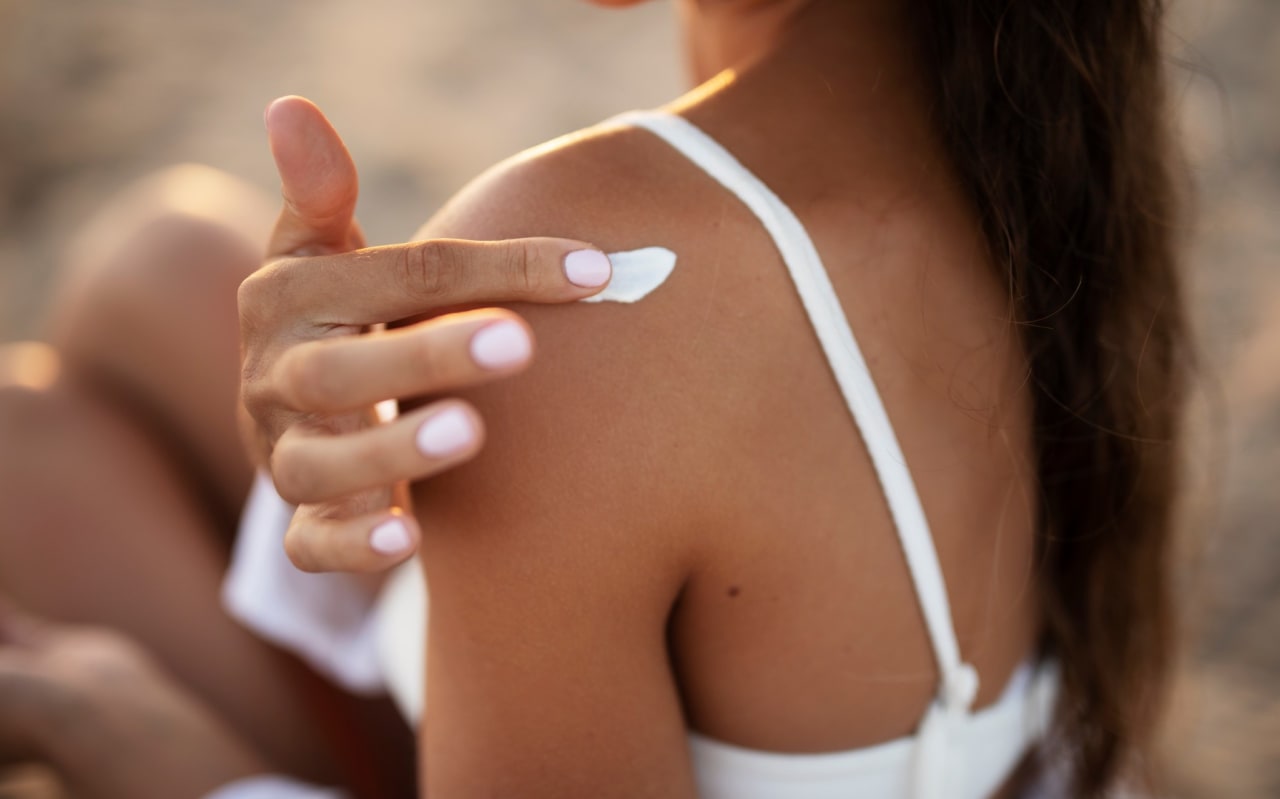
  • Finally, we recommend that you apply a broad-spectrum sunscreen with a high sun protection factor once your scar has healed sufficiently.

Protecting a scar from the sun: our solutions

Aroma-Zone organic suncare products

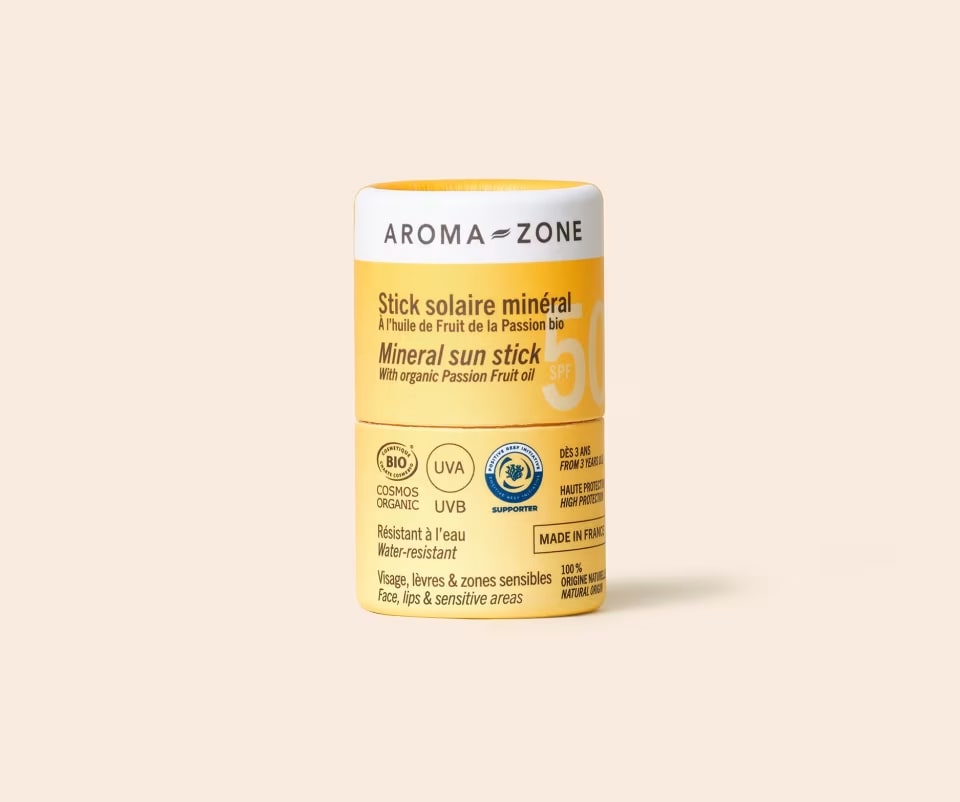
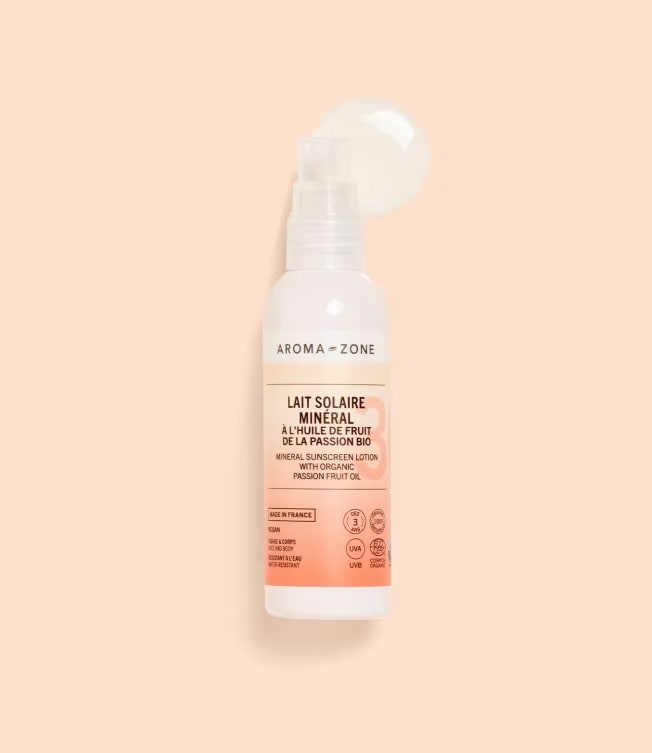
Formulating certified organic sun care products that are non-sticky, free from titanium dioxide and chemical filters, and which do not leave a white cast on the skin, was a major challenge for our Research & Development teams! Our suncare products are formulated using a 100% mineral filter: zinc oxide. They contain organic passion fruit oil, which is rich in bioflavonoids and omega-6, with regenerative and antioxidant properties that make it ideal for protecting the skin from photoaging.

Our certified organic suncare range for face and body is suitable for all skin types, including sensitive skin, children aged 3 and over, and pregnant and breastfeeding women. If you have a recent scar, it is essential to protect your skin from UVA and UVB rays with SPF 50. Please do not hesitate to ask your doctor or dermatologist for advice on using a daily sun cream. To find out everything about Aroma-Zone’s organic suncare products, check out our dedicated feature.

SPF 50 sunstick

This solid sunstick is easy to carry in its compostable and recyclable cardboard case. Every stick purchased supports the ‘Positive Reef Initiative’, an organisation working to protect and restore coral reefs. Ideal for surfing, in the mountains, for outdoor activities, and to protect recent tattoos or scars


Discover the SPF 50 sun stick

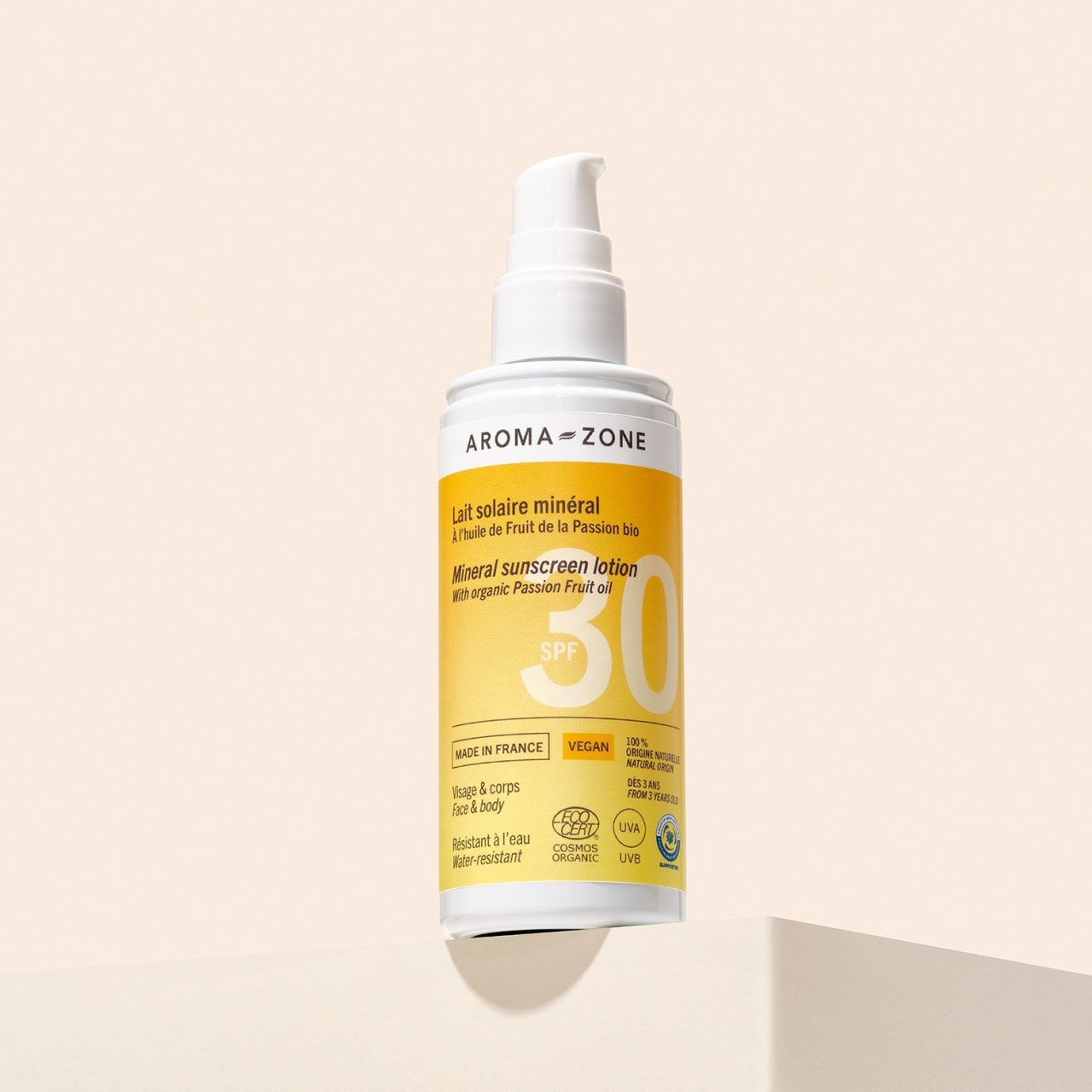
SPF 30 mineral sun cream

With its invisible finish, this SPF 30 face and body sun milk effectively protects the skin from UVA and UVB rays thanks to its 100% naturally derived mineral filter. Its certified organic formula is suitable for children aged 3 and over. It combines zinc oxide with an extract of Karanja, known as Pongamol, to offer you a high level of protection. This high-protection suncare product is enriched with organic passion fruit oil, rich in bioflavonoids and omega-6, which has antioxidant properties, making it ideal for protecting the skin against photoageing.


Discover the SPF 30 mineral sun milk

How long after an injury can you expose a scar to the sun?

It is recommended that you wait several months before exposing the scar to the sun. The ideal time to begin exposing a scar to the sun depends both on how much time has passed since the injury, and on the appearance of the scar. Here are the precautions to take:

  1. Wait for the wound to heal: During the first few weeks after the scar has formed, it is crucial to protect it from the sun. During this period, the skin is still healing and is very sensitive to damage caused by UV rays. As long as the scar is red or pink – that is, for the first six months – any exposure to the sun is strictly prohibited. The only option is to cover the area.

  2. Apply sun cream and keep an eye on your skin: When you start exposing your scar to the sun, make sure you apply a broad-spectrum sun cream to it. This helps to protect the skin and reduce the risk of hyperpigmentation and skin damage. From the moment you expose your scar to the sun, keep a close eye on how the skin around the scar reacts. If you notice any adverse reactions such as irritation, redness or itching, please protect the scar again until it has fully healed.

It is important to take precautions when exposing a scar to the sun and to consult a healthcare professional or a dermatologist in the event of any complications. They will help you achieve optimal healing.

Discover: Our natural selection of products to soothe sunburn

Our natural remedies for preventing scars

Balm for bumps, bruises, scars and stretch marks

Inca Repair Balm for Stretch Marks & Marked Areas

Inca Repair Balm for Stretch Marks & Marked Areas

Restorative Myrrh Cream

Restorative Myrrh Cream

Cream with restorative cistus and lavender oils

Cream with healing cistus and lavender oils

Scars in the sun: precautions

If you have scars, it’s important to protect them from the sun to avoid worsening their appearance or delaying their healing. Here are a few precautions to take:

  • Avoid direct exposure to the sun by staying in the shade or covering your scars with protective clothing.

  • Apply sun cream regularly to exposed scars to protect them from harmful UV rays.

  • Watch out for signs of sun damage, such as redness or itching, and stop sun exposure if necessary.

By taking these simple precautions, you can help protect your scars and promote their safe healing.

Find out more

Sunburn on my scar: what should I do?

Have you been out in the sun and noticed redness and a feeling of heat on your skin around your scar? You’ve probably got a sunburn.

To relieve the symptoms, start by cooling the area by applying cold compresses or taking cool baths to soothe the burning sensation and reduce inflammation. Next, make sure you stay hydrated by drinking plenty of water (at least 1.5 litres a day) and moisturise your skin using a gentle, fragrance-free moisturiser to help relieve dryness and promote skin healing in the days following the burn. Avoid scratching or rubbing the affected area, to prevent aggravating the irritation and increasing the risk of infection.

Once the sunburn has subsided, make sure you protect your scar from future sun exposure using clothing, plasters or sun cream. And if your sunburn remains painful or shows signs of infection, we advise you to consult a healthcare professional for appropriate treatment.

Does the sun help with healing?

While the sun can aid healing to a certain extent by promoting vitamin D production and helping wounds to dry out, excessive exposure can lead to skin damage and permanent marks. It is therefore crucial to limit your scars’ exposure to the sun and to protect your skin with sun cream to prevent unsightly damage.

When is it safe to expose a scar to the sun?

It is generally recommended to wait until the scar has fully healed before exposing it to the sun, which can take several months and sometimes up to a year. During the first few months, protecting the scar from the sun is essential to prevent hyperpigmentation of the scar.

How long does it take for a scar to fade?

The time it takes for a scar to fade depends on several factors, including the scar’s size, depth and initial colour, as well as the care it receives. Generally, it takes several months to a year.

What are the different types of scars?

The different types of scars include hypertrophic scars (reddish swellings forming a slight bump), flat or white scars (discreet, lighter in colour), keloids (irregular swellings that extend beyond the injured area) and atrophic scars (which are sunken or pitted).

Spotlight on our specialist writer, Louise Hourcade

After graduating from ESCP business school in 2020, Louise began her career as an writer in 2021. Today, she writes a newsletter where she shares cultural recommendations, as well as more personal articles (dating apps, therapy and career guidance). She writes also for the media, brands and agencies on subjects such as well-being, mental health, culture and society.