White patches on the skin: causes and natural solutions

Less well known than brown spots, white spots are no less embarrassing for many of us. There are many factors and causes of this type of hyperpigmentation, and it's essential to understand them if you want to make these marks disappear. What's more, if you want to fade your white spots and help them disappear entirely, you can also introduce natural solutions into your skincare routine.

Reading time: 0 min.

What are white patches on the skin?

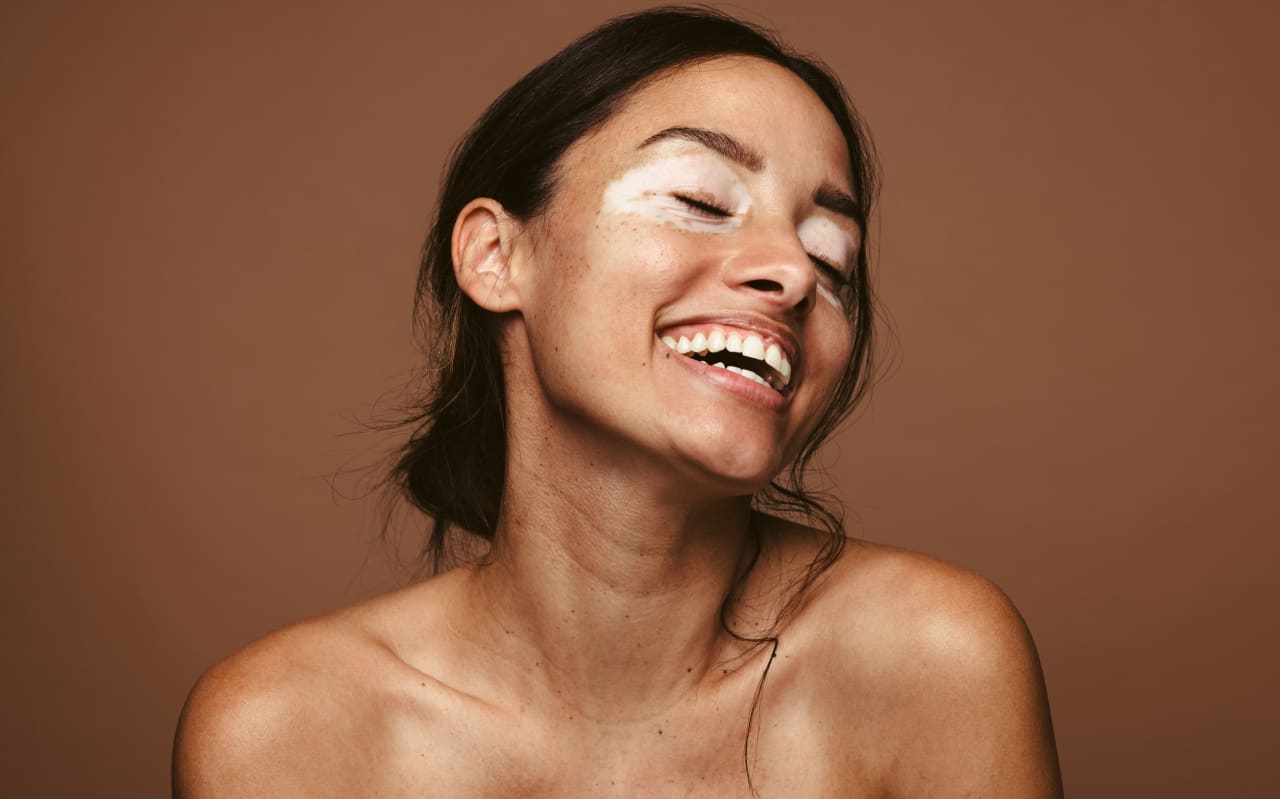
The white patches you see on your skin are part of the hypochromia family. These are areas that are lighter than the rest of the body. They are due to a discolouration of the skin that occurs when the epidermis no longer receives enough melanin. Melanin is a pigment that gives the skin its usual colour. When melanin levels fall, the skin may lighten or even completely lose its colour. This is known as white patches, skin depigmentation or discolouration. This pigmentation anomaly can be caused by a number of phenomena.

How does melanin work?

Melanin is produced by cells called melanocytes, which are found in the epidermis. These cells contain organelles called melanosomes, where melanin is synthesised. Once the melanin has been synthesised, it is transferred to the keratinocytes, located in the upper layer of the skin. The keratinocytes contain and distribute the melanin, but also break it down if necessary. This degradation process contributes to variations in pigmentation. This means that skin with a high melanin content absorbs UV rays more easily and remains protected.

White spots: what causes them?

The presence of scars

Certain injuries or inflammation of the skin, such as acne, insect bites or burns, can leave scars. These scars can become white over time:

  • Lack of melanin in the scar: during an injury, melanocytes can be damaged and no longer produce melanin, the pigment responsible for skin colour. Without melanin, the skin of the scar appears lighter than the rest of the skin.

  • Slow regeneration of melanocytes: during the healing process, melanocytes can regenerate slowly, temporarily discolouring the affected area.

Dermatological conditions

Certain dermatological conditions can lead to skin depigmentation, such as psoriasis and vitiligo.

Vitiligo: vitiligo is a chronic skin disease characterised by the appearance of white patches due to depigmentation of the skin on different parts of the body. This phenomenon is caused by the progressive disappearance of melanocytes, the cells that produce the skin pigment melanin. This destruction leads to depigmented areas on the skin, visible as white patches. Vitiligo is often multifactorial in origin, with genetic, immune and environmental factors involved. Stress or psychological shock can trigger the onset or worsen the symptoms, although the exact cause is still poorly understood.

Psoriasis: although psoriasis does not generally cause depigmentation like vitiligo, it can leave marks on the skin, sometimes in the form of lighter patches.

The presence of a fungus: in some cases, white patches on the face and body are caused by a fungal infection. Among the fungi most commonly involved is Malassezia furfur. This fungus grows and spreads in the most humid areas of our anatomy (armpits, back of the knees, chest, etc.). It causes scaly patches that are easier to see in summer, when the surrounding skin begins to tan.

Why do I get white spots when I tan?

  • Skin spots and the sun are often linked. This applies to brown spots as well as white spots. Here are the main situations in which you may see them.

  • Peeling skin: this is a natural phenomenon on tanned or sunburned skin. It means that the top layer of your epidermis is being renewed. This new layer is lighter than the one that tanned under the sun's rays. An uneven coat can therefore give the impression of small white patches on the body.

  • Dartre (achromia) : this skin condition causes small, rough patches that gradually turn from red to white. This discolouration normally disappears on its own, although it may take a long time. It seems to appear more during the summer months.

  • Idiopathic hypomelanosis in drops: this results in small whitish macules on areas exposed to UV light. These white spots most often develop on the arms and legs. They essentially reflect the ageing of your skin.

  • Actinic porokeratosis, resulting in grey-white to brown patches.

What are the main characteristics of white spots?

Here are the main characteristics that will help you identify the type of white spots on your skin.

  • How to recognise white spots caused by the sun: the spots are small, round and smooth, and do not change colour with further exposure to the sun. These spots mainly affect the most exposed areas, such as the forearms, legs and neck and breast area.

  • How to recognise vitiligo: to identify depigmentation due to vitiligo, it is important to watch for the appearance of distinctive white patches on the skin. These spots appear in the form of very pale areas with irregular contours, reminiscent of the coat patterns of calves, hence the name "vitiligo", which comes from "vitellus" meaning "calf" in Latin. They gradually spread, sometimes covering large areas of the skin. In some affected areas, the hair may also lose its colour and turn white, a phenomenon known as leucotrichia.

  • Signs of psoriasis: psoriasis manifests itself as red patches covered in white scales, often accompanied by itching or pain. These marks usually appear on the scalp, elbows, knees or lower back. To recognise it, look out for the characteristic white patches on your skin.

  • Recognising the presence of a fungus: these spots are generally scaly and not very itchy. They often become more visible after exposure to the sun, as the affected skin does not tan. Usually, a consultation with a specialist is necessary to confirm the diagnosis.

Note: it is important to consult a dermatologist who can advise you on the best care for your skin.

Which active ingredients to choose to reduce white spots

How to deal with white spots

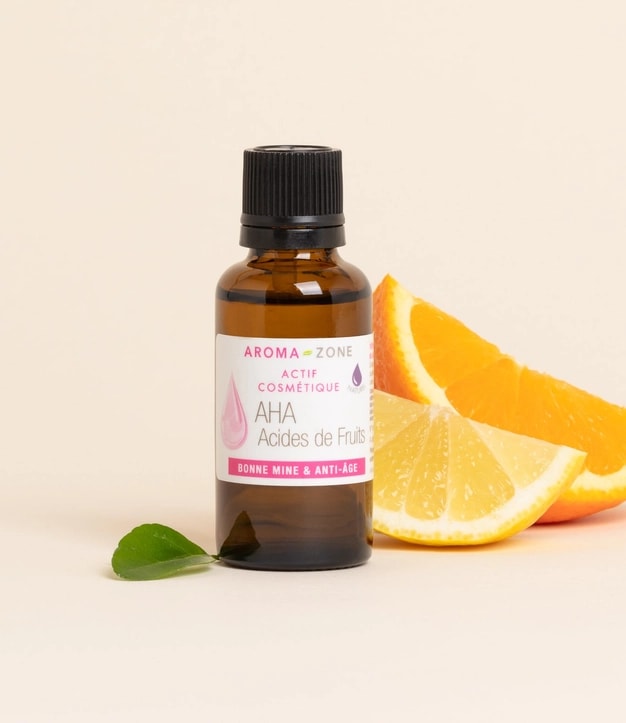
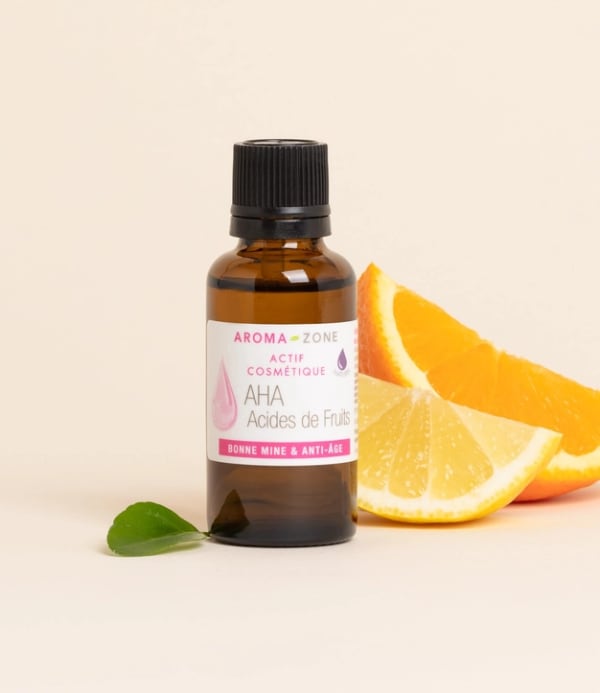
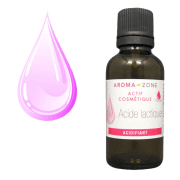
1. Opt for chemical exfoliation using acids such as fruit acids - AHAs. This active ingredient helps to eliminate dead skin cells, promoting cell regeneration. Skin is more even-toned more quickly, and marks and blemishes fade more easily.

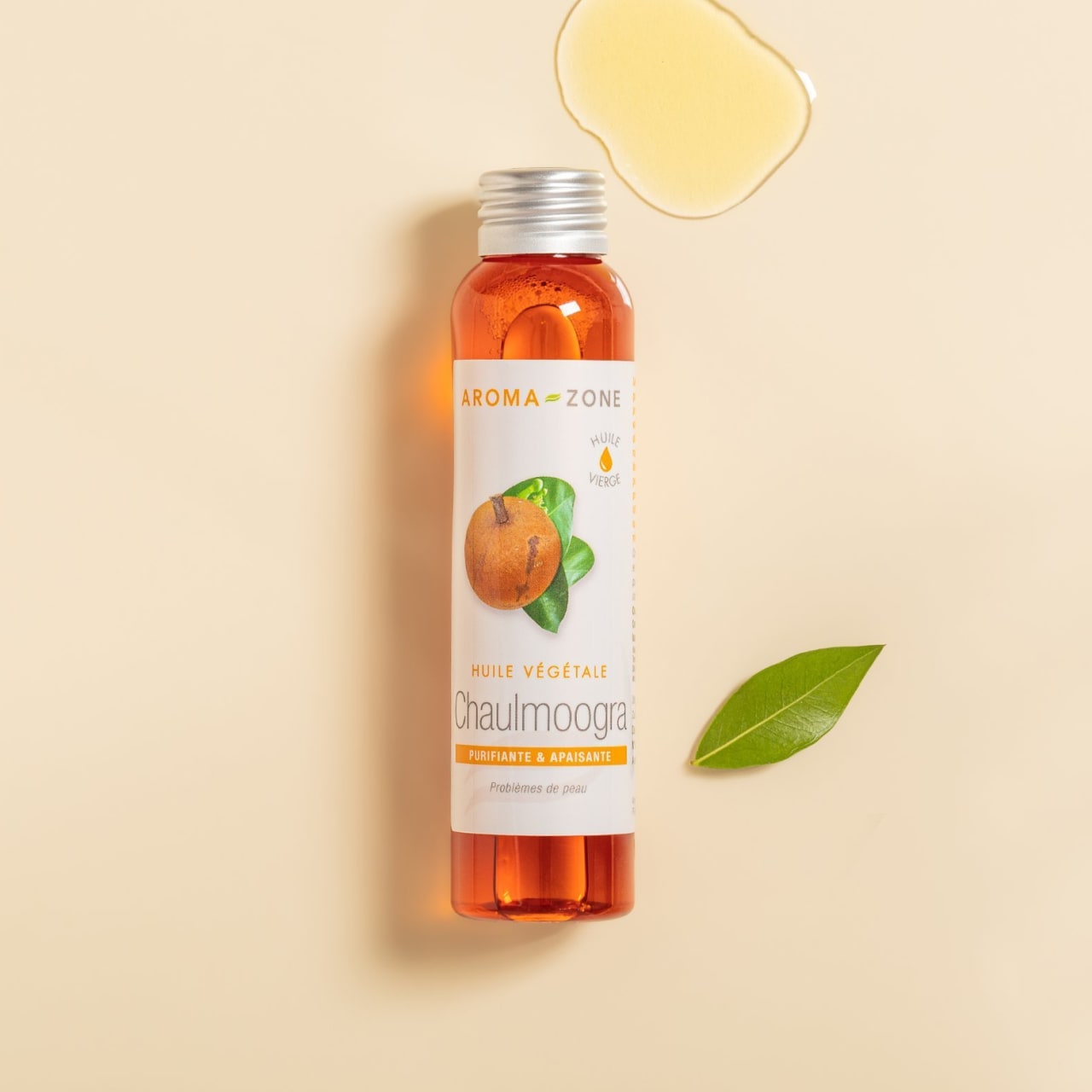
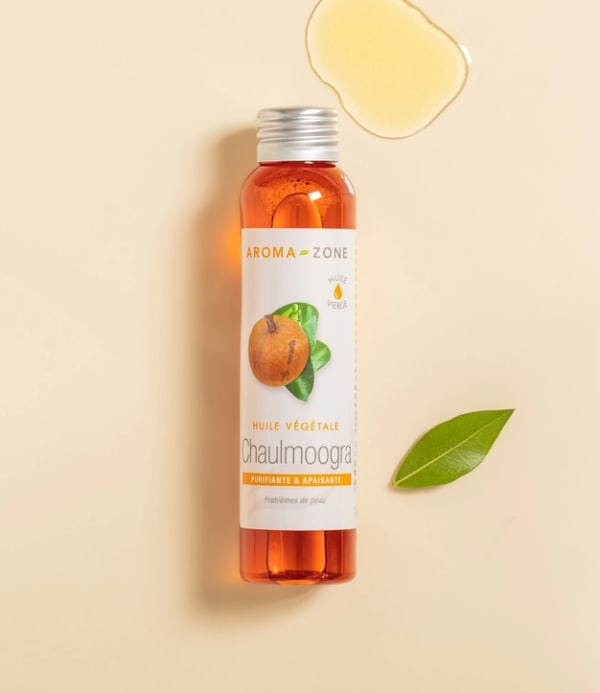
2. Nourish your skin with chaulmoogra carrier oil Studies have also shown that it is capable of harmonising skin pigmentation. It is thought to promote both melanocyte mobility and melanin synthesis. As a result, it helps the skin to tan and fade spots. Use it to accelerate and prolong your tan and harmonise skin pigmentation.

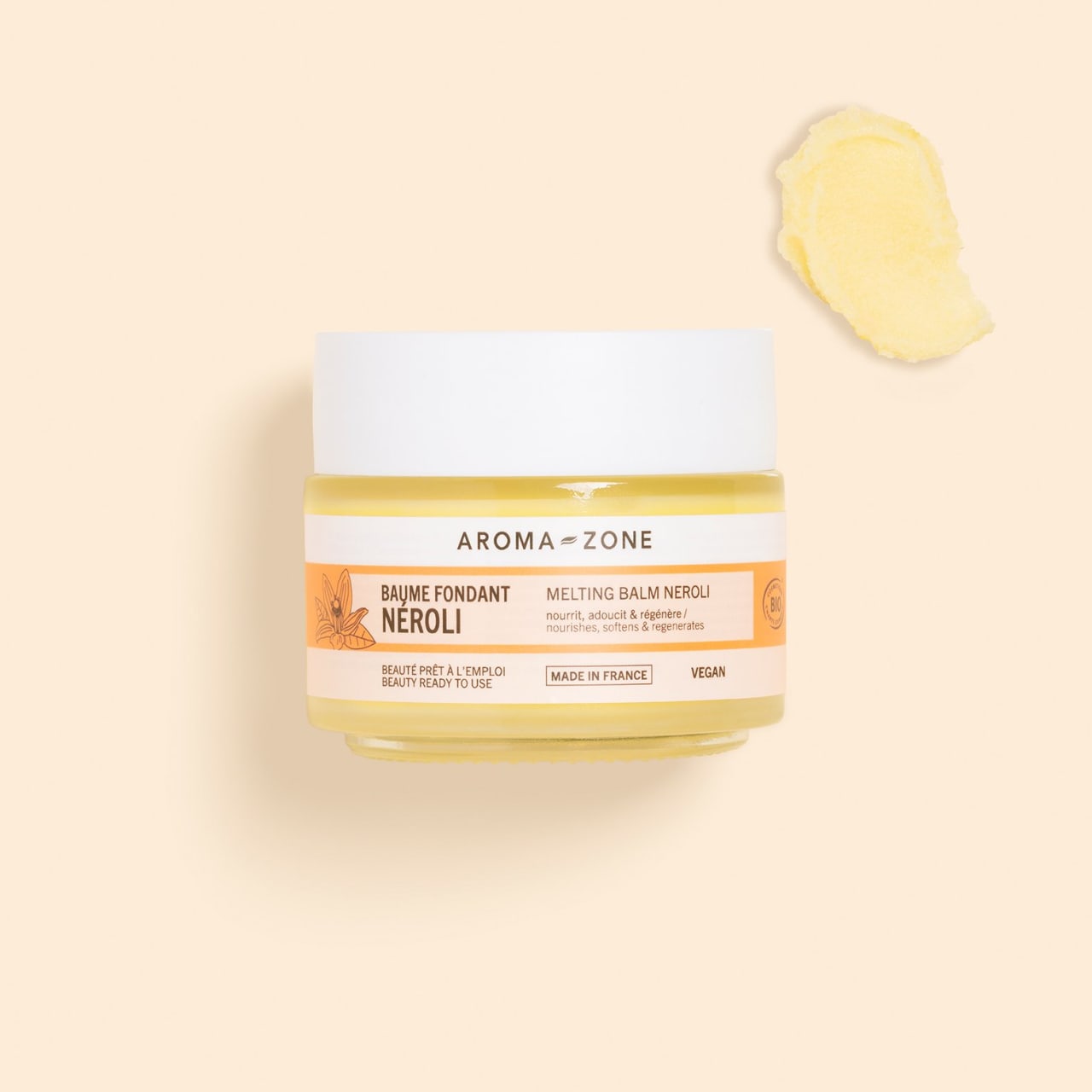
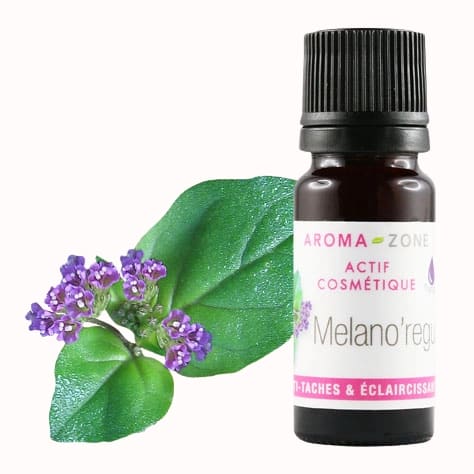
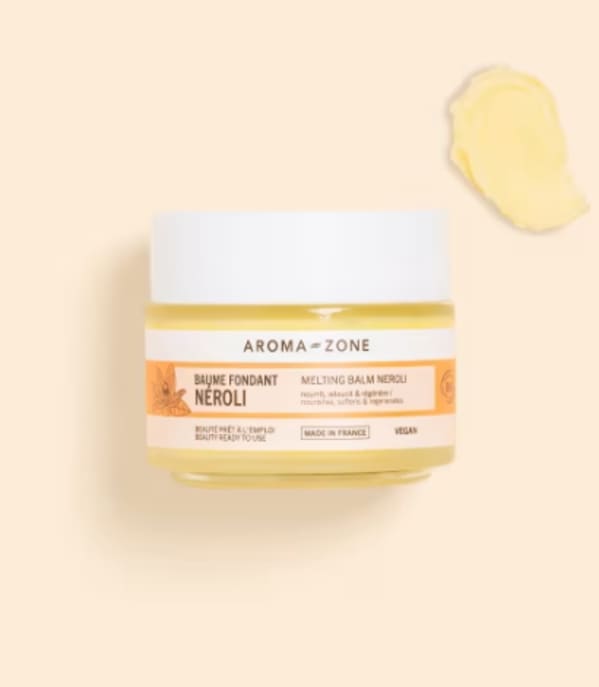
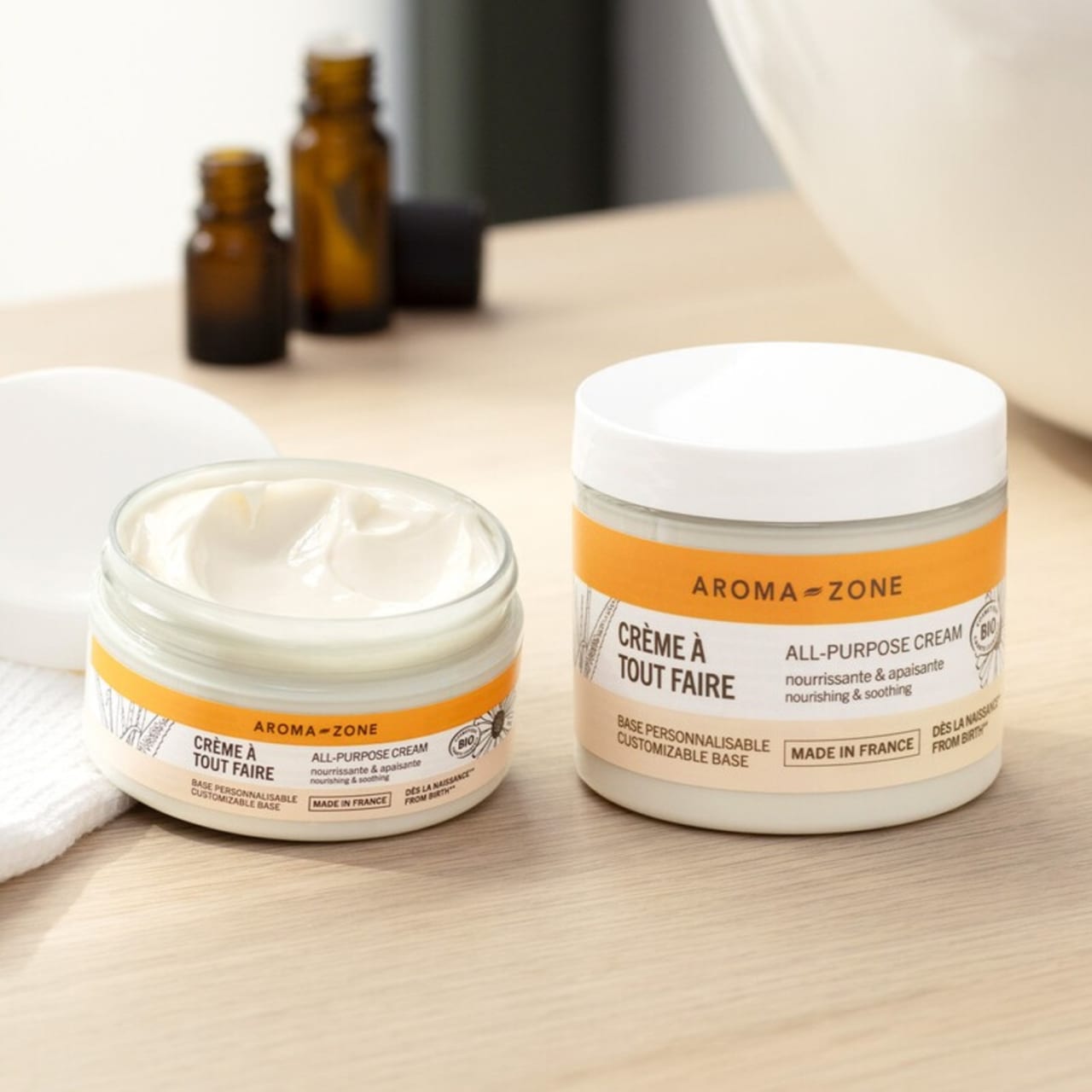
3. Use Organic Shea Butter and Neroli Balm. This gentle, fragrant balm is ideal for nourishing and softening the skin, particularly in dry areas. You can combine it with an active ingredient that helps to reduce white spots, such asMelano'regul active ingredient.

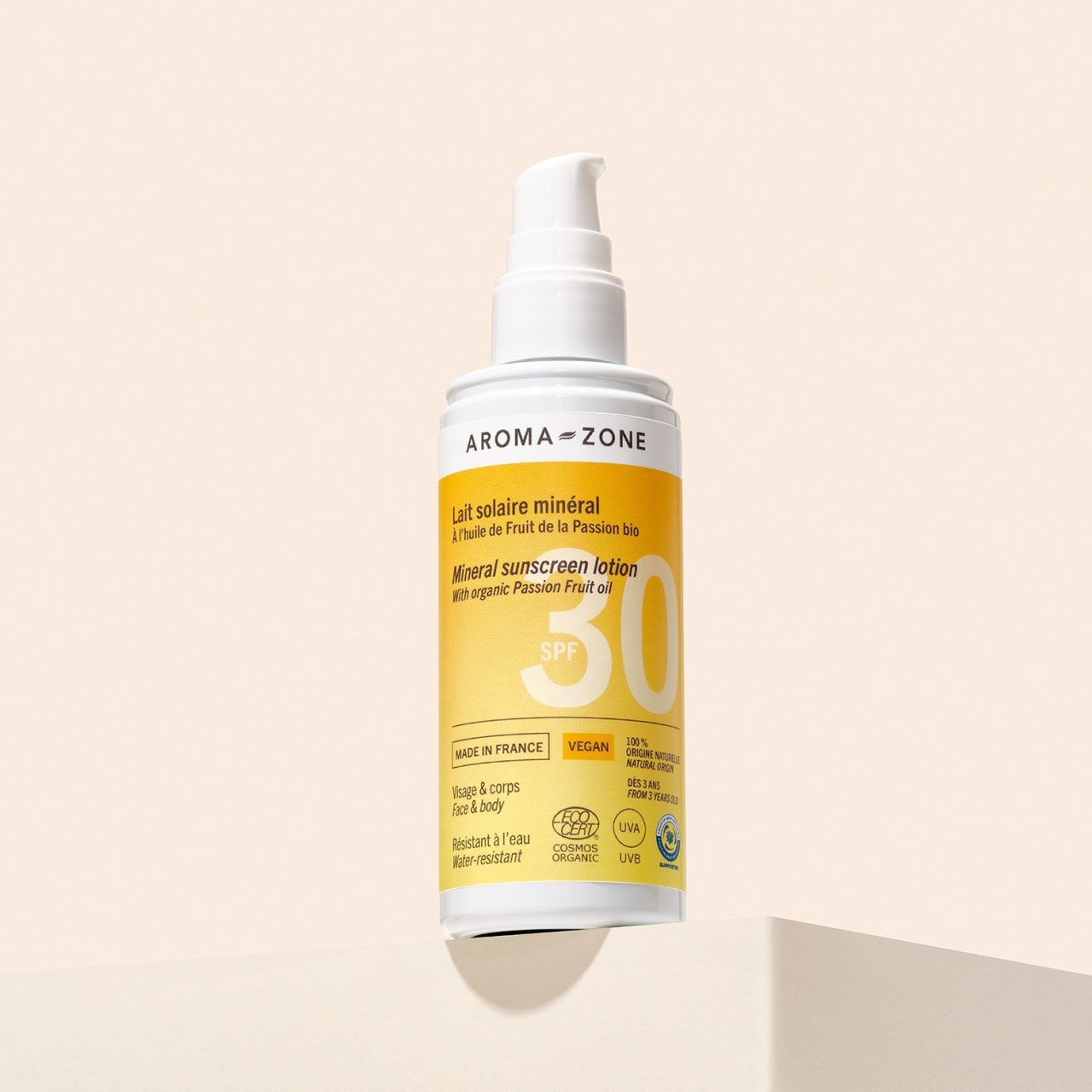
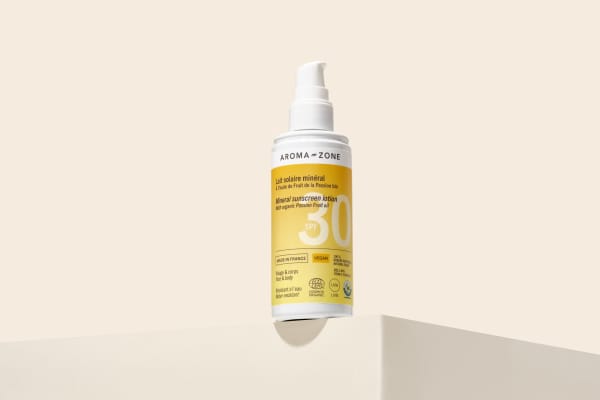
4. Apply an SPF 30 sun lotion to protect skin from the sun and prevent the pigmentation of scars or spots.

This integrated routine not only helps to improve the appearance of spots and hyperpigmentation, but also keeps skin well hydrated and protected. For personalised advice and specific products, it may be wise to consult a dermatologist.

Steps to take to prevent white spots

Here are a few essential steps you can take to prevent the appearance of white spots on the skin:

  1. Hydration: keep your skin well hydrated: Good hydration helps to strengthen the skin barrier and prevent irritation, as well as encouraging the healing process, which can reduce the formation of spots.

  2. Balanced diet: a diet high in antioxidants, vitamins and minerals supports skin health. Eat colourful fruit and vegetables high in vitamins A, C and E as well as omega-3 fatty acids to help keep skin healthy and elastic.

  3. Regular exfoliation: a gentle, regular exfoliation encourages cell renewal and eliminates dead cells. Choose gentle exfoliants to avoid irritating the skin and chemical scrubs based on alpha hydroxy acids (AHA) or beta hydroxy acids (BHA).

  4. Melanin-stimulating oils and active ingredients: incorporate plant-derived oils and active ingredients that stimulate melanin production, such as chaulmoogra oil, which promotes melanocyte mobility. Other ingredients such as vitamin C and vitamin E can also help even out skin tone and protect the skin from environmental damage.

Anti-spot skincare recipes

Discover our DIY recipes for reducing the appearance of spots:

Concentrated treatment with anti-dark spot active ingredients

Ingredients (without scales)

Tip

Full spoonfuls are always level: for a level surface, run a spatula or knife blade over the spoon or scoop to remove the excess product.

Preparation

1

Transfer phase A (lily macerate + emulsifying wax no. 3) into a bowl.

2

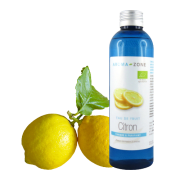
Transfer phase B (lemon water + mineral water + xanthan gum) to another bowl.

3

Heat the two phases separately in a bain-marie to 75°C/80°C.

4

When the phases are at the same temperature, slowly pour phase B into phase A, stirring vigorously for about 3 minutes. The mixture whitens and becomes homogeneous.

5

Without stopping stirring, place the bowl in a basin of cold water to accelerate the cooling and setting of the emulsion for another 3 minutes or so.

6

Finally, add phase C (the rest of the ingredients), mixing well between each addition.

7

Transfer the mixture to your bottle.

Note: the pH of this blend is approximately 6.5-5.7.

Store your bottle away from light and heat.

* Storage: if stored properly and manufactured under optimum hygiene conditions, your product will keep for at least 3 months.

Lightening and anti-spot hand cream with lemon

Preparation

1

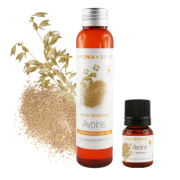
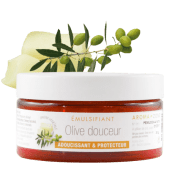
Pour phase A (oat oil carrier oil + sweet olive emulsifier) into a bowl.

2

In another bowl, transfer the phase B (aromatic lemon water).

3

Heat the two phases separately in a bain-marie to 75°C/80°C.

4

When the two phases have reached the same temperature, remove the bowls from the water bath and slowly pour phase B into phase A, stirring vigorously for about 3 minutes (until the temperature reaches 50°C).

5

Without stopping your stirring, immerse the bowl in a tub of cold water to accelerate the cooling and setting of the emulsion for another 3 minutes or so (to a temperature of 30°C).

6

Gradually add phase C (the rest of the ingredients), mixing well between each addition.

7

Pour the mixture into your jar.


Store your bottle away from light and heat.

* Storage: if stored properly and manufactured under optimum hygiene conditions, your product will keep for at least 3 months.

Precautions

If they persist, consult a doctor or dermatologist to get rid of your white spots. With their agreement, you may be able to introduce complementary natural solutions into your daily routine.

Expert advice

To camouflage white spots on the skin, you can apply a self-tanner. It will help you hide pigmentary irregularities by unifying your complexion with a pretty golden colour. To make your own, simply mix 1 to 12 Self-Tanning Drops with 3 pumps of our Youth Cream or Moisturising Cream (depending on your needs). Both can be applied to the face or body. If you like, you can also check out our DIY recipes, such as the two-phase self-tanning oil with natural DHA.

Find out more

What foods should I choose in the case of hypopigmentation?

You can turn to sources of beta-carotene (carrots, melon, spinach, parsley) and vitamin A (liver, sardines, butter). Some studies have also shown that supplementing with vitamin B12 and folic acid helps to improve the results of treatment for vitiligo. You will naturally find B12 in foods of animal origin. As for folic acid, it is found mainly in green vegetables, legumes and certain fruits.

How can you recognise the onset of vitiligo?

Pay attention to any localised itching, which may herald the appearance of a white patch. Macules have a tendency to spread: if a small pale patch gets bigger, it could be the harbinger of vitiligo. In all cases, avoid self-diagnosis and always consult a doctor if you notice the slightest change.

Spotlight on our specialist editor, Hélène Betoux

Hélène Betoux is a French beauty journalist specialising in web media. Every day she writes tips, advice and guides to help consumers choose the right beauty products. With a strong interest in natural, organic and clean cosmetics, she analyses and shares trends and innovations in the sector.

Bibliography

1

Cichorek, M., Wachulska, M., Stasiewicz, A., & Tymińska, A. (2013). Skin melanocytes: biology and development. Advances in Dermatology and Allergology/Postȩpy Dermatologii I Alergologii, 30(1), 30-41.

2

Schiaffino MV. Signaling pathways in melanosome biogenesis and pathology. Int J Biochem Cell Biol. 2010 Jul ;42(7):1094-104. doi : 10.1016/j.biocel.2010.03.023. Epub 2010 Apr 8. Review. PubMed PMID: 20381640 ; PubMed Central PMCID: PMC2885761.