What is microneedling and is it right for your skin?

What is microneedling and is it right for your skin?


By Gipsy Dauge

Published on: Monday, October 23, 2023, Updated on: Monday, October 26, 2026

A technique originating in the United States, microneedling has established itself in recent years as one of the leading treatments for improving skin quality without resorting to surgery. This technique, which involves the use of microneedles, is touted as a solution for smoothing the skin’s texture, reducing the appearance of certain scars and restoring the complexion’s radiance. Understanding the definition and principle of microneedling, what results can be expected, and under what circumstances it should be used has become essential for anyone interested in the procedure.

Contents

Related products

In brief

  • Microneedling involves making micro-perforations in the skin using tiny needles to stimulate skin regeneration, improve texture and radiance, and reduce certain problems such as scars or fine lines.

  • The technique can be carried out at a beauty salon or at home using a dermaroller, but it is essential to disinfect the tool thoroughly, choose the correct needle size and adjust the frequency according to the skin’s sensitivity.

  • The article points out that microneedling is not suitable for all skin types, particularly in cases of active skin conditions or high sensitivity, and that it is important to seek medical advice if in doubt.

What is microneedling?

Origins and definition

The microneedling trend originated in the United States. In the 1980s, a surgeon began using a tattoo machine without ink to reduce the appearance of scars, demonstrating that pricking the skin with needles could improve skin texture. It was between the 2000s and 2010s that the microneedling technique became widespread and gained widespread popularity.

Microneedling is a non-invasive cosmetic treatment that uses a device fitted with micro-needles. This micro-injection technique is used to deliver certain nutrients to the skin, such as hyaluronic acid or growth factors. This treatment aims to restore the complexion’s radiance, minimise the appearance of pores and refine the skin’s texture. It thus helps to improve the skin’s appearance. According to its proponents, microneedling helps the skin to become better hydrated and revitalised, and to regain suppleness, radiance and elasticity. 

“This technique is said to reduce fine lines and the appearance of wrinkles,” explains facialist Éléonore d’Arsay.

How does it work on the skin?

Microneedling involves creating tiny, controlled punctures in the skin using microneedles to trigger a natural healing process that stimulates collagen, elastin and cell renewal. These micro-injuries are shallow enough to remain minimally invasive, yet deep enough to activate the skin’s self-repair process and allow the active ingredients in skincare products applied during or immediately after the session to penetrate more deeply.

The different microneedling techniques

Microneedling can be manual, in which case it is carried out using a roller covered in micro-needles (a dermaroller), or automated, using a motorised device (a pen) that ‘taps’ the skin vertically with sterile needle cartridges. Automated microneedling is now the most common form used in beauty clinics.

Depending on the technology used, there are three types of microneedling:

  • Simple microneedling: microneedles only, often combined with the application of serums, but without any additional energy

  • Radiofrequency microneedling (RF microneedling): combines microneedles with heat delivered deep into the skin via radiofrequency, for a more pronounced effect on sagging skin and certain types of scarring

  • Microneedling with PRP or growth factors: the procedure is combined with the application of platelet-rich plasma or other growth factors to enhance cell regeneration.

Microneedling is generally carried out at a beauty salon, but may also be performed by a doctor in certain cases, such as for deep scars. In such cases, the doctor uses longer needles and treats the skin at a greater depth.

What are the benefits of microneedling?

Improving skin texture

Microneedling helps to refine skin texture, smooth out minor imperfections and reduce the appearance of ‘rough skin’. By stimulating cell renewal and collagen production, the skin’s surface becomes more even, with less visible pores and a softer feel.

Reducing the appearance of acne scars and certain superficial scars

Repeated sessions gradually help to fill in and smooth out the indentations of certain superficial scars, such as acne scars or small post-surgical or traumatic scars. They improve the skin’s texture and make the marks less visible to the naked eye.

Tackling the early signs of ageing

By stimulating the production of collagen and elastin, microneedling aims to restore the skin’s firmness, smooth out superficial fine lines and reduce the ‘wrinkled’ appearance of the face. It is used preventatively to reduce the first signs of sagging, or as an intermediate anti-ageing treatment, alongside other techniques such as laser therapy or deep chemical peels.

Even out the complexion and restore radiance

For dull, uneven complexions with small superficial spots or mild pigmentation marks, microneedling helps to even out skin tone. Faster skin renewal, often combined with suitable serums (antioxidants, gentle brightening agents), gives a radiant glow and visibly brighter skin following a course of several sessions.

Optimising the penetration of active ingredients

The micro-channels created in the epidermis facilitate the absorption of certain active ingredients applied during or immediately after the session, such as hyaluronic acid, vitamins or peptides. This technique helps to maximise the benefits of the formulations used: anti-ageing, moisturising or regenerating treatments act more deeply than with a simple surface application.

Suitable for different skin types and concerns, the microneedling technique is often highlighted for its proven results, its non-invasive nature and its generally short recovery time. These characteristics make it a popular choice for people wishing to improve the appearance of their skin without resorting to more invasive procedures.

What happens during a session?

Different intensities

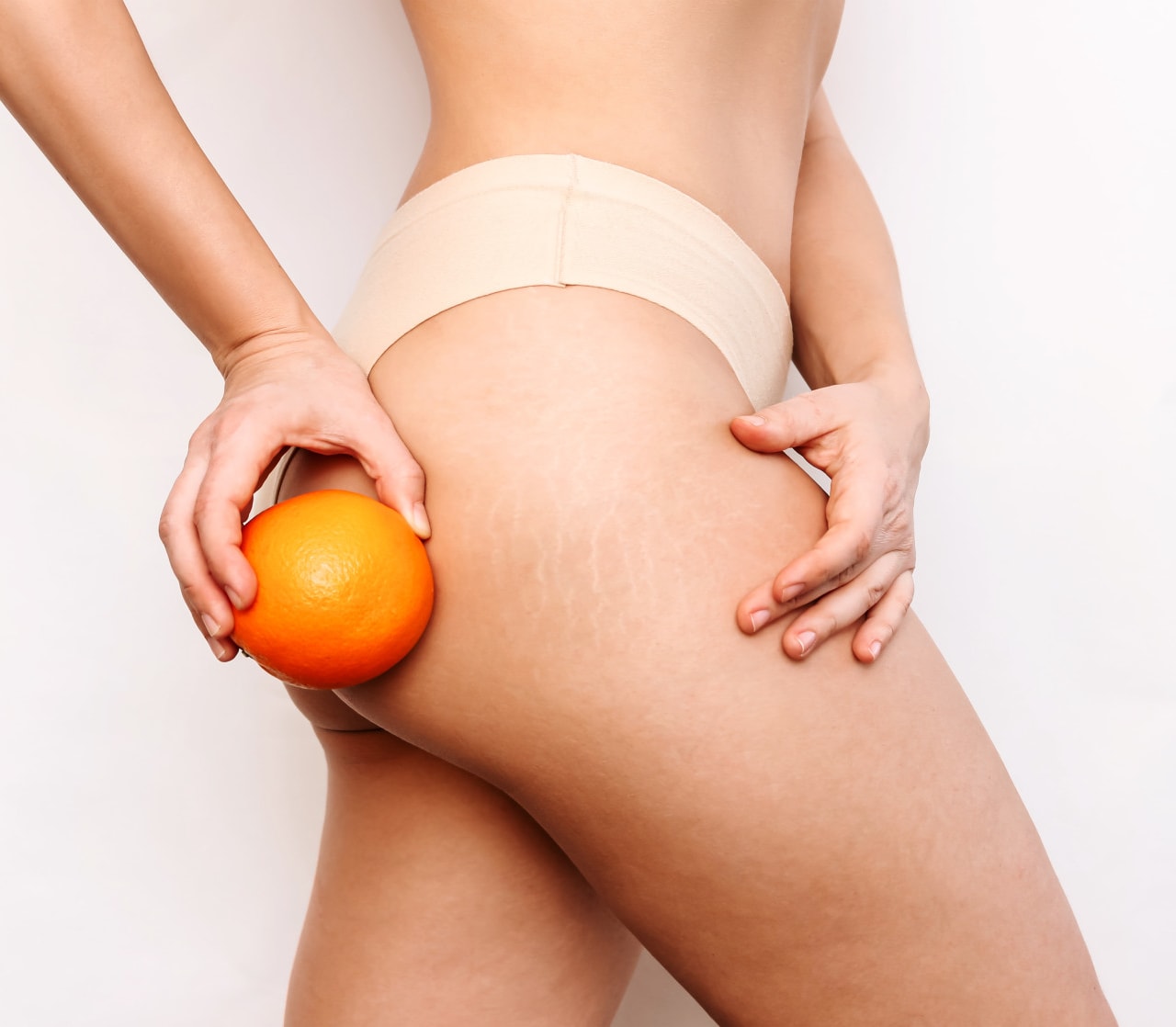
Amandine, founder of Phénix Paris, a beauty salon in Paris’s 20th arrondissement, explains that microneedling can be tailored to clients’ needs. “There are several intensity levels and settings depending on the client’s specific concerns,” the expert tells us. Practitioners can indeed adjust the depth of the needles according to individual concerns, such as wrinkles, acne scars or stretch marks. More serious skin problems may require deeper settings to achieve effective results, whilst less severe skin issues can be treated with shallower needles.

How does a session at a beauty salon work?

Microneedling is carried out in several stages. The founder of Phénix Paris explains that an assessment is first carried out to determine the client’s needs. Next, the skin is thoroughly cleansed to remove all traces of make-up, oil or dirt. The beautician applies a serum tailored to the client’s specific area and skin concern. The depth of the needles is also adjusted according to this concern. The session then lasts around 20 minutes. A device fitted with fine microneedles is used to create small, controlled punctures in the skin. These micro-injuries stimulate the skin’s natural healing process, promoting the production of collagen and elastin, which helps to improve the skin’s texture and appearance. At the end, a mask is applied. Amandine also reveals that she uses light therapy after this treatment to soothe the skin and help it regenerate. It is sometimes normal to experience redness and slight swelling after the session. These effects generally subside over the following days.

What steps should you take to maintain the results of a treatment session?

For long-lasting results, it is essential to follow the post-treatment advice provided by your practitioner:

  1. Be consistent: a course of four sessions, spaced one month apart, should be followed to achieve satisfactory results. However, the number of sessions may vary depending on the condition being treated; for example, scars often require a greater number of sessions

  2. Do not wear make-up: for 48 hours following treatment, avoid applying any make-up to your face

  3. Apply a healing cream: a healing cream is often recommended by the specialist following a session, to help the skin regenerate and restore its balance

  4. Protect yourself from the sun: after a treatment session, the skin is much more sensitive to UV rays, and unprotected exposure can cause dark spots, persistent redness and negate some of the benefits achieved. Use a broad-spectrum sunscreen and avoid direct exposure to the sun in the days that follow 

  5. Be gentle with your skin: avoid rubbing the skin or exfoliating, as this could perpetuate micro-inflammation. By being gentle, you give the skin the best conditions to stabilise

  6. Change your pillowcase: on the evening following your treatment, make sure you have a clean pillowcase ready to maximise the results

  7. Avoid tobacco and alcohol : alcohol and cigarette consumption can hinder the skin’s ability to heal properly.

Precautions for use and contraindications

Microneedling should be avoided by pregnant and breastfeeding women. It is also strongly discouraged in the following cases: taking acne treatment, having non-absorbable substances injected into the area, blood disorders, malignant tumours, recent sun exposure, current or recent fever, skin infections such as herpes or eczema, wounds or burns, severe illnesses, moles and warts, epilepsy or infectious diseases.

Common side effects include temporary redness of the skin, a sensation of warmth, mild itching and slight swelling. These symptoms usually disappear within a few days of treatment. In some cases, slight bruising may occur, but this also fades quickly. If in doubt, we encourage you to contact your doctor.

Expert advice

A consistent, gentle and targeted skincare routine – a non-stripping cleanser, a suitable moisturiser and daily SPF – helps to maintain the effects of microneedling and strengthen the skin barrier between sessions. Introducing or reintroducing stronger active ingredients, such as retinoids or acids, should be done gradually, following approval from your practitioner and whilst monitoring your skin’s tolerance.

Spotlight on Our Writer: Gipsy Dauge

Gipsy Dauge

Gipsy graduated from ESJ Paris and spent 10 years working in general and women’s magazines before specialising in health and wellbeing. Now a certified Yin Yoga teacher, she combines her passion for writing with her love of yoga. Through her articles, she aims to share simple, practical habits that support wellbeing and encourage a more mindful approach to everyday life.

Bibliography

  1. NIH, Microneedling in Dermatology: A Comprehensive Review of Applications, Techniques, and Outcomes, 2024 -

    https://pmc.ncbi.nlm.nih.gov/articles/PMC11499218/

  2. NIH, Microneedling, 2022 -

    https://www.ncbi.nlm.nih.gov/books/NBK459344/

  3. NIH, Study to determine the safety and efficacy of microneedling as an effective treatment for acne vulgaris, 2023 -

    https://pmc.ncbi.nlm.nih.gov/articles/PMC10549865/

Frequently Asked Questions

Frequently Asked Questions