
Once stretch marks form, they are permanent and can be difficult to reduce. Fortunately, certain methods can help minimise their appearance. Here are some treatment options you might consider to help:
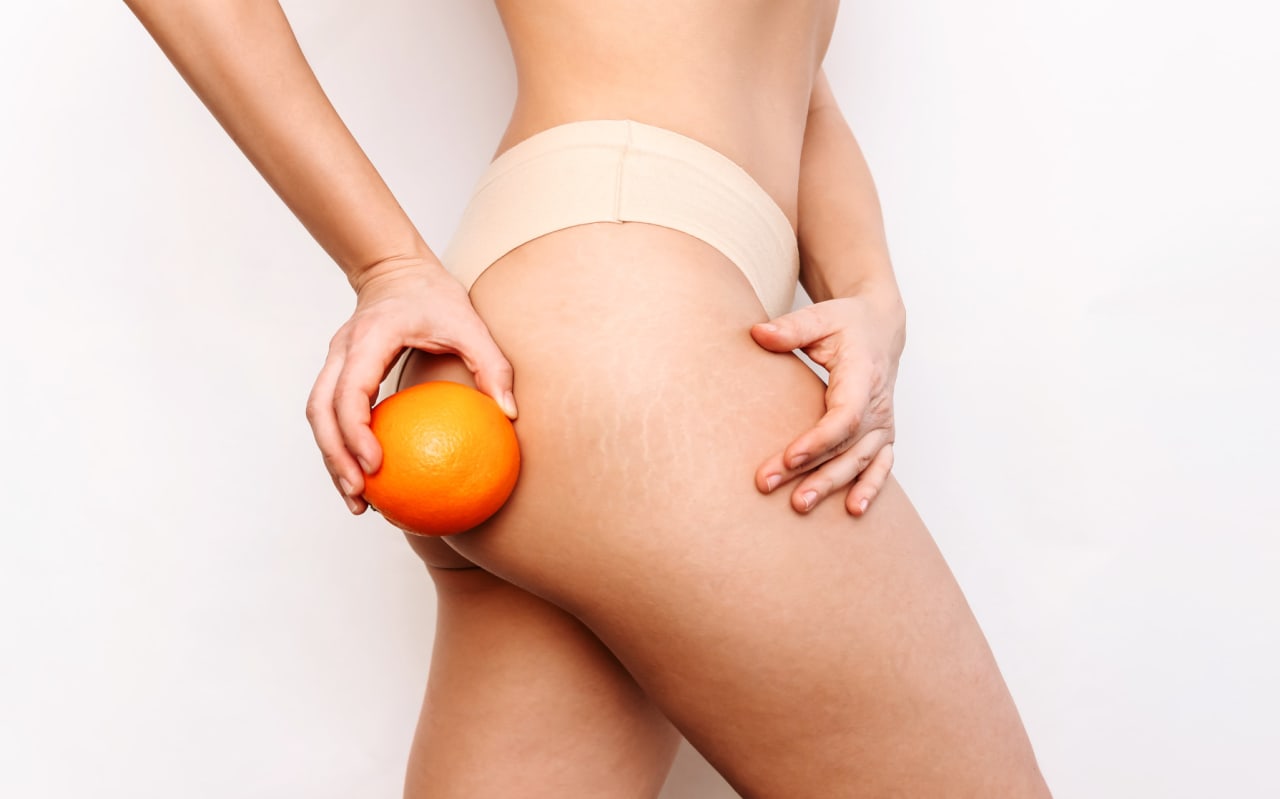
What Skincare Products Can Help with Stretch Marks?
Published on: Monday, January 22, 2024, Updated on: Wednesday, October 28, 2026
Stretch marks can be caused by factors such as rapid growth, pregnancy, or weight fluctuations. To minimise their appearance and promote skin regeneration, using the right skincare products is crucial. Here, we offer expert advice on how to look after your skin and combat stretch marks gently and naturally.
Contents
Related products

£5.00
100 ml

£5.00
10 ml
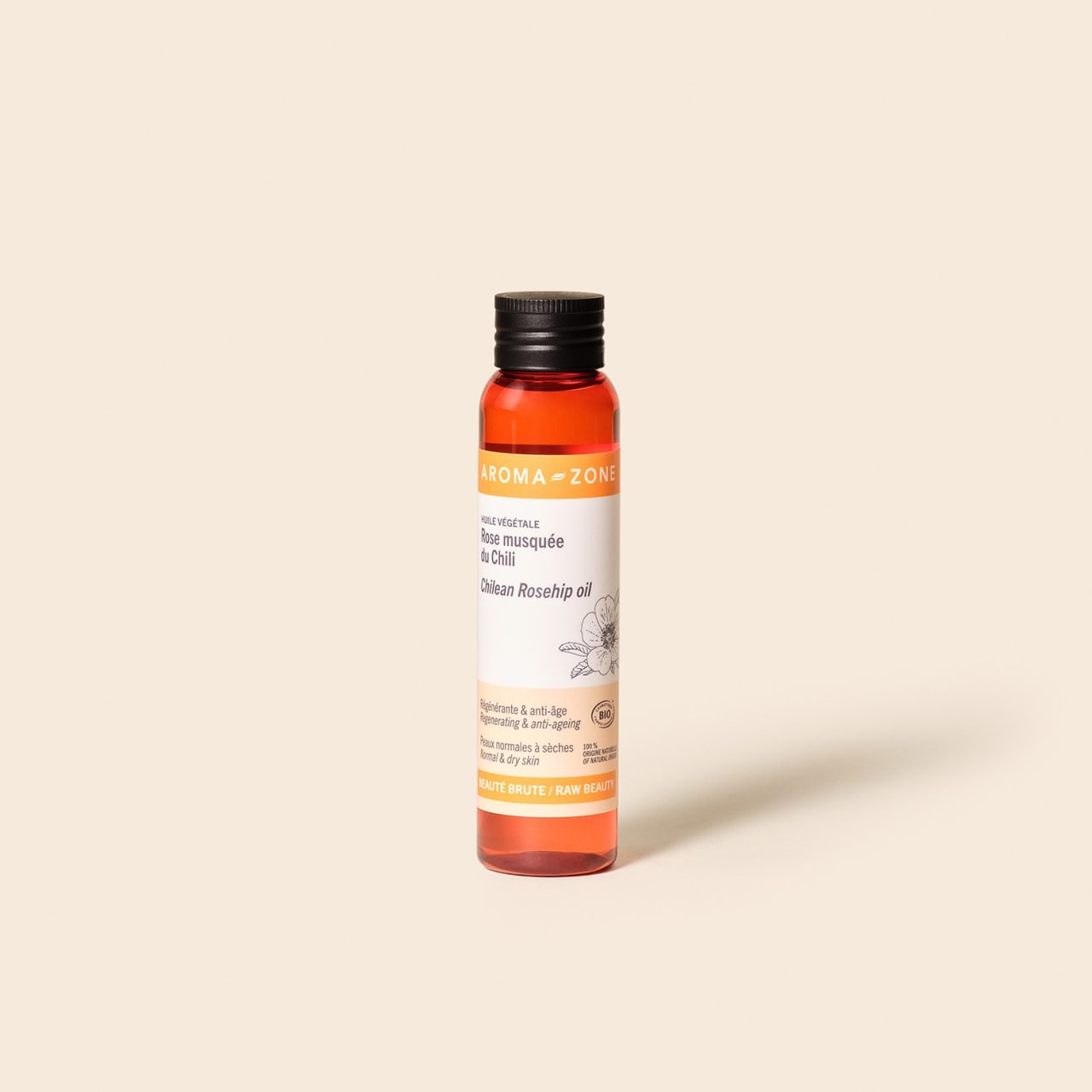
Organic Chilean Rosehip Seed Oil
Anti-ageing
£21.00
100 ml
2 options

Organic Rose Balm
Regenerating
Nourishing
£14.00
100 ml
Which treatment is most effective against stretch marks?
Creams and lotions
Creams and lotions are among the most accessible and widely used options for treating the appearance of stretch marks. These products generally contain a combination of specific ingredients designed to moisturise the skin, stimulate cell regeneration, and reduce the appearance of stretch marks. Here is an overview of some of the ingredients commonly found in these products:
Vitamin E: Vitamin E is an antioxidant that can help protect the skin against damage caused by free radicals. It is often included in creams for its moisturising properties and its ability to promote skin healing.
Hyaluronic acid: This ingredient is a powerful moisturiser that helps to retain water in the skin, thereby improving its hydration. Well-hydrated skin tends to look more supple and can help reduce the appearance of stretch marks.
Retinol: Retinol, a form of vitamin A, is known to promote cell renewal and stimulate collagen production. By using creams containing retinol, it is possible to improve the skin’s elasticity and reduce the visibility of stretch marks. The use of products containing retinol is not recommended for pregnant or breastfeeding women.
Plant extracts: Certain plant extracts, such as aloe vera, shea butter or argan oil, are often included in creams for their soothing and moisturising properties. They can help to soften the skin and improve its overall appearance.
The effectiveness of creams and lotions can vary from person to person, and results are not usually immediate. Regular, long-term use is often necessary to see significant improvements. Preventing stretch marks is often more effective than treating them. Applying these products as soon as the first signs of pregnancy, significant weight gain or rapid growth appear can help minimise the development of new stretch marks.
Laser treatments for a less natural approach
Laser treatments are a more advanced and often more expensive option for reducing the appearance of stretch marks. These procedures use laser light to target skin layers and stimulate collagen production, a protein essential for the skin’s firmness and elasticity. Fractional laser therapy is one of the types of laser treatment commonly used for stretch marks.
Here’s how fractional laser therapy for stretch marks generally works:
Collagen stimulation: The laser creates small areas of controlled damage in the skin, leaving intact areas in between. This stimulates the skin’s natural healing process, promoting the production of new cells and collagen.
Improved elasticity: By promoting collagen production, the skin can regain better elasticity and firmness. This helps to reduce the appearance of stretch marks by making them less visible.
Reduction in redness and pigmentation: Certain lasers can also target the redness and pigmentation associated with stretch marks, thereby helping to even out skin tone.
However, laser treatments do not guarantee consistent results for everyone. Several sessions may be required, usually spaced out over several weeks, to achieve significant results. Potential side effects include temporary redness, swelling and skin sensitivity. Furthermore, skin reactions to treatment vary from person to person, and results are not permanent. Stretch marks may reappear over time, particularly if underlying factors, such as rapid growth or weight gain, are not managed. Before opting for laser treatment, it is advisable to consult a dermatologist or healthcare professional to discuss the options, realistic expectations and any potential risks associated with the procedure.
Prescription-based topical treatments
Prescription-only topical treatments, prescribed by a dermatologist, may be an option for reducing the appearance of stretch marks. One common ingredient in these treatments is tretinoin, a vitamin A derivative. Here’s how this type of treatment can work on stretch marks:
Stimulation of cell renewal: Tretinoin, also known as a topical retinoid, promotes cell renewal by accelerating the skin’s exfoliation process. This can help remove dead skin cells and encourage the growth of new cells.
Improved skin elasticity: By stimulating collagen production, tretinoin can help restore the skin’s elasticity. This can make stretch marks less visible by improving the skin’s texture.
Reducing pigmentation: Tretinoin can also help to reduce the pigmentation associated with stretch marks, thereby helping to even out skin tone.
It is important to note that tretinoin can cause skin irritation, including dryness, redness and flaking. These side effects may be more pronounced at the start of treatment, but the skin generally tends to adapt over time. Before starting a prescription topical treatment, consult a dermatologist. A dermatologist will assess the severity of the stretch marks, determine whether tretinoin is a suitable option, and advise on proper use. Results may vary from person to person, and you may need regular treatment over an extended period to see significant improvement. Furthermore, keeping the skin properly moisturised and avoiding risk factors can complement the treatment by helping prevent new stretch marks.
Microneedling
Microneedling, also known as microneedle therapy, is a cosmetic procedure that involves using tiny needles to create micro-perforations in the skin. This technique stimulates collagen production and promotes cell regeneration. Here’s how microneedling can help minimise the appearance of stretch marks:
Collagen stimulation: The micro-perforations created by the needles trigger the skin’s natural healing response. This stimulates the production of collagen, an important structural protein that gives the skin its firmness and elasticity.
Improved skin texture: By promoting cell regeneration, microneedling can improve skin texture. This can make stretch marks less visible by creating a more even skin surface.
Improved blood circulation: Microneedling can also increase blood flow to the treated area, which helps nourish the skin by delivering essential nutrients and removing waste products.
Improved absorption of topical products: The micro-perforations created by microneedling allow for better absorption of topical products applied after the procedure. These may include creams or serums containing ingredients that promote skin regeneration.
Microneedling can be performed at different depths, depending on the patient’s specific needs and the skin condition being treated. A qualified healthcare professional, such as a dermatologist or beautician, can perform the procedure in a clinical setting. Please note that, as with any cosmetic procedure, it is recommended that you consult a healthcare professional to assess whether microneedling is suitable for you, based on your specific needs and your general state of health.
Deep hydration: plant-based oils at work
Moisturising is a fundamental step in preventing and minimising stretch marks, and Aroma-Zone recommends a natural approach using plant-based oils renowned for their high content of essential fatty acids.
Sweet almond oil
Among these treasures of nature, sweet almond oil stands out for its exceptional emollient properties. Thanks to its fatty acid composition, it penetrates deep into the skin, providing intense hydration that restores the skin’s moisture balance and boosts its elasticity.
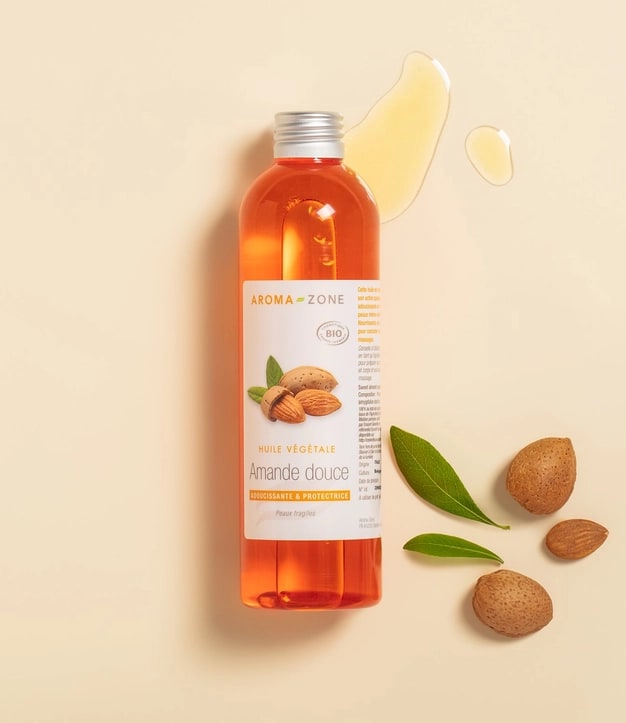
Spotlight on our Sweet Almond Oil
Sweet almond oil, used for a long time, is widely used for its soothing and softening effects on delicate, dry skin. It is used to create nourishing skincare products for all skin types, particularly skin that feels tight and uncomfortable.
Rosehip oil
Rosehip oil, rich in vitamins and fatty acids, is a powerful ally in the fight against stretch marks. It not only deeply moisturises but also promotes cell regeneration, helping reduce the appearance of existing stretch marks. Its ability to improve skin texture makes it an ideal choice for those seeking to maintain skin suppleness.
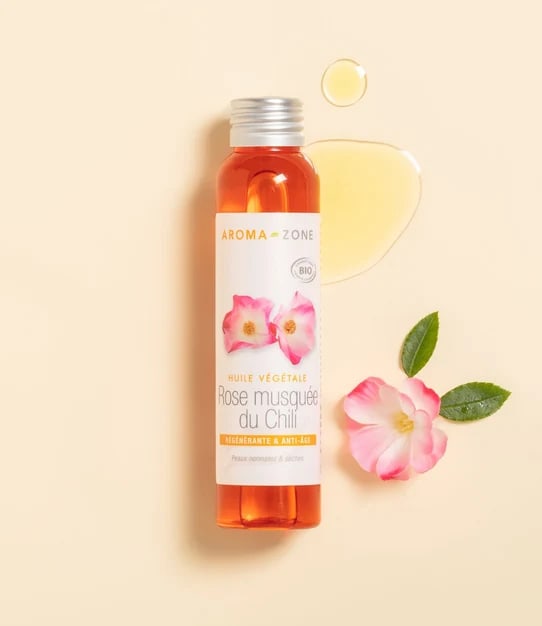
Spotlight on our Rosehip Oil
Rich in carotenoids, this oil is renowned for its exceptional anti-ageing properties. It is an ideal active ingredient for nourishing dry, sensitive skin, combating wrinkles, and caring for skin affected by stretch marks and scars. It is particularly renowned for improving the appearance of skin marked by ageing or sun damage.
Macadamia oil
Similarly, macadamia oil, rich in palmitoleic and oleic acids, provides deep and long-lasting hydration. This precious oil deeply nourishes the skin, improving its firmness and stimulating collagen production, which is essential for preventing stretch marks.
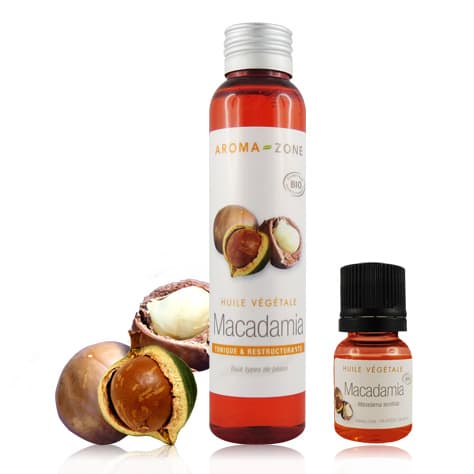
Spotlight on our Organic Macadamia Oil
Restructuring, nourishing, protective and softening, this oil is used to formulate skincare products for delicate and dry skin, as well as for the preventative treatment of stretch marks. Light and fluid, it absorbs without leaving a greasy film, making it an ideal ingredient for massage oils.
By choosing these high-quality plant-based oils, you’re adopting a natural and holistic approach to deeply nourishing your skin. Regular moisturising with these botanical gems not only helps prevent stretch marks but also minimises their appearance, offering a natural, effective way to keep skin soft and radiant.
Spotlight on Our Writer: Coralie Técher

Coralie has been a journalist and editor specialising in women’s interests for seven years. With a particular interest in topics related to beauty and wellbeing, she is passionate about highlighting the solutions nature offers for self-care and is always keen to stay informed on the subject so she can share the very best insights.
Bibliography
Lecerf, J. M. (2011). Vegetable oils: characteristics and uses. *Médecine des maladies Métaboliques*, 5(3), 257–262.
https://www.sciencedirect.com/science/article/pii/S1957255711702371
Rancurel, A. (2004). Oils, fatty substances and cosmetic products. Oléagineux, Corps gras, Lipides, 11(6), 398–400.
https://www.ocl-journal.org/articles/ocl/abs/2004/06/ocl2004116p398/ocl2004116p398.html
Masson, D. (1994). Vegetable oils: dietary, therapeutic, cosmetic and pharmaceutical uses.
https://agris.fao.org/search/en/providers/123819/records/6473604808fd68d54603db5e
Khadidja, G. O. U. R. D. A. C. H. E. (2015). A contribution to the study of the properties of essential oils (Doctoral thesis, Faculty of Science and Technology).
https://dspace.univ-bba.dz/handle/123456789/910


