Collagen: our complete guide

Often associated with hyaluronic acid, collagen is one of the flagship ingredients in anti-ageing food supplements. This protein is naturally present in the body and is responsible for the firmness and density of our skin, giving it its plump appearance! Collagen also contributes to joint and intestinal function. As we get older, our collagen production tends to decline, so taking supplements is a good way to help us age well. Let's find out more about its properties and benefits for skin and hair. Here is our advice on how to start a course of collagen and choose the type best suited to your needs.

Reading time: 0 min.

What is collagen?

Produced by fibroblasts, collagen accounts for around 1/3 of all proteins in our body. This structural fibrous protein forms the basis of our connective tissues such as bones, skin, tendons, cartilage and support tissues. There are around twenty different types of collagen in the body, including three main ones:

Type I collagen: the most abundant, present in bones, skin, tendons, cornea and internal organs.

Type II collagen: found in cartilage

Type III collagen: present in our cardiovascular system

Collagen is responsible for the firmness and elasticity of the skin. Hyaluronic acid, collagen, elastin and proteoglycans form an assembly that forms the support tissue of the skin and many other tissues. From the age of 25, and especially after the age of 40, our production of collagen decreases drastically, leading to ageing of the skin and cartilage. The skin becomes thinner, less dense and firmer, and wrinkles appear.

In addition to this normal ageing process, other factors disrupt the natural synthesis of collagen, such as chronic stress, excess UV rays, refined sugars, smoking, alcohol and hormonal changes, particularly during the menopause, with the drop in oestrogen levels.

Collagen is also involved in intestinal and joint comfort, and even in the proper functioning of our brain!

The properties of collagen

A protein fundamental to our connective tissues, collagen plays a role in many of the body's functions, including holding our tissues and organs together. Its name comes from the Greek "kolla" meaning "glue". Our support tissues are mainly made up of collagen. Their function is to connect and support the other tissues in our body, and they alone make up 80% of the human body.

Among the many benefits of collagen in the body, it is responsible for the following:

  • Maintains good skin hydration, and protects the epidermis from dehydration by retaining water in the tissues

  • Its regenerating effects on tissues gives the skin suppleness, resistance and firmness.

  • Promotes joint suppleness and muscle recovery

  • Strengthens nails and hair

  • Accelerates healing

Fundamental to the skin, collagen acts as a major support for our tissues and contributes to keeping the epidermis healthy. It gives the skin its volume and firmness.

The main anti-ageing benefits of collagen for the skin:

  • plumps the skin, giving it a firmer, plumper appearance

  • softens the skin

  • improves skin elasticity

  • prevents and reduces wrinkles and fine lines

  • helps reduce superficial blemishes and scars

To find out more, read our complete guide to the properties of collagen for the skin

We're all familiar with the benefits of collagen for the skin's youthful appearance, but less so with its role in keeping our hair looking good. Naturally present in the hair fibre, collagen has moisturising and restorative benefits for the hair. It is a powerful anti-ageing active ingredient for strong, healthy, vigorous hair:

  • Strengthens hair resistance

  • Promotes hair growth

  • Repairs the hair fibre

  • Protects the hair fibre from dehydration

  • Coats the hair and makes it thicker

To find out more and look after your hair with collagen, see our article

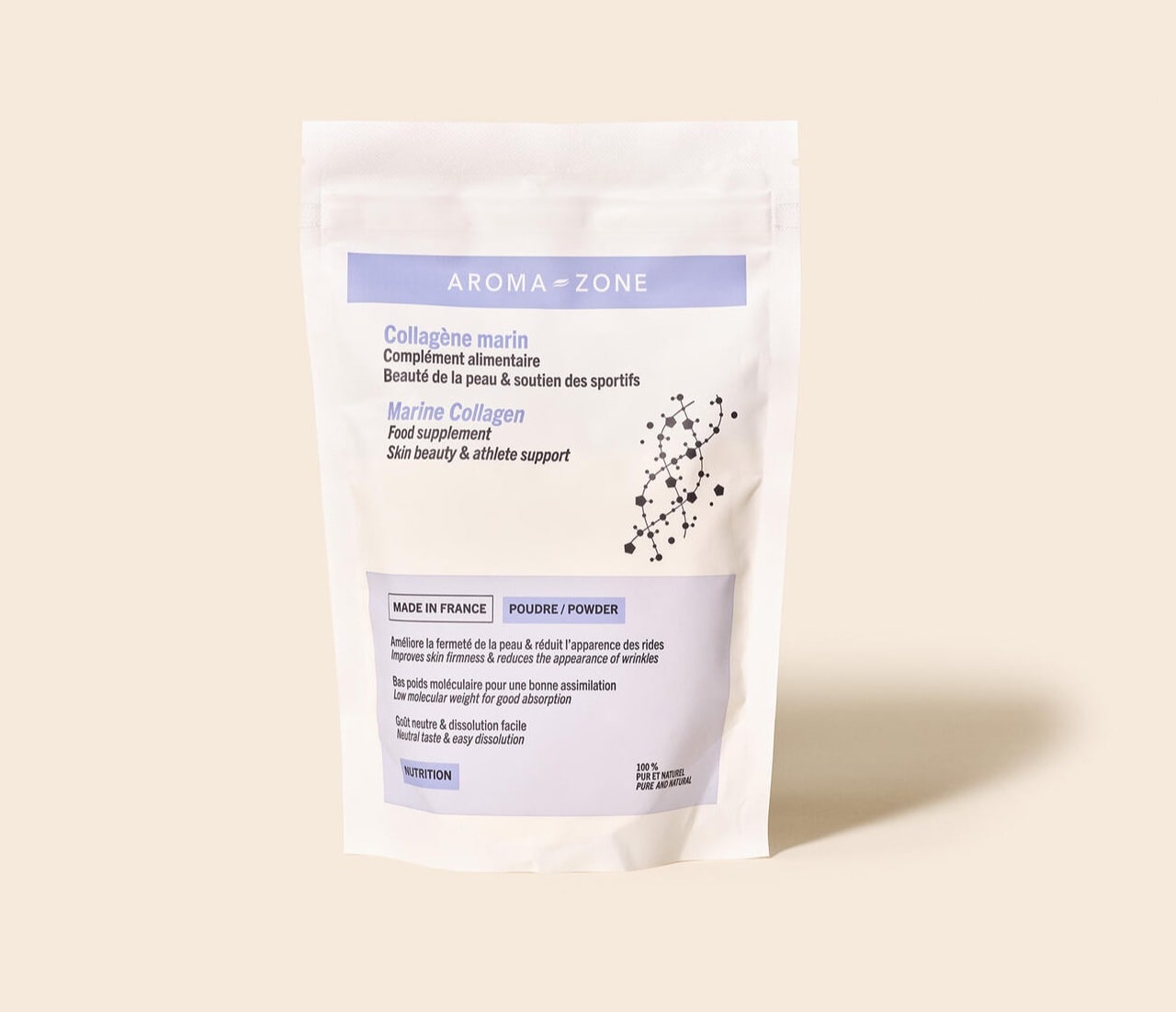
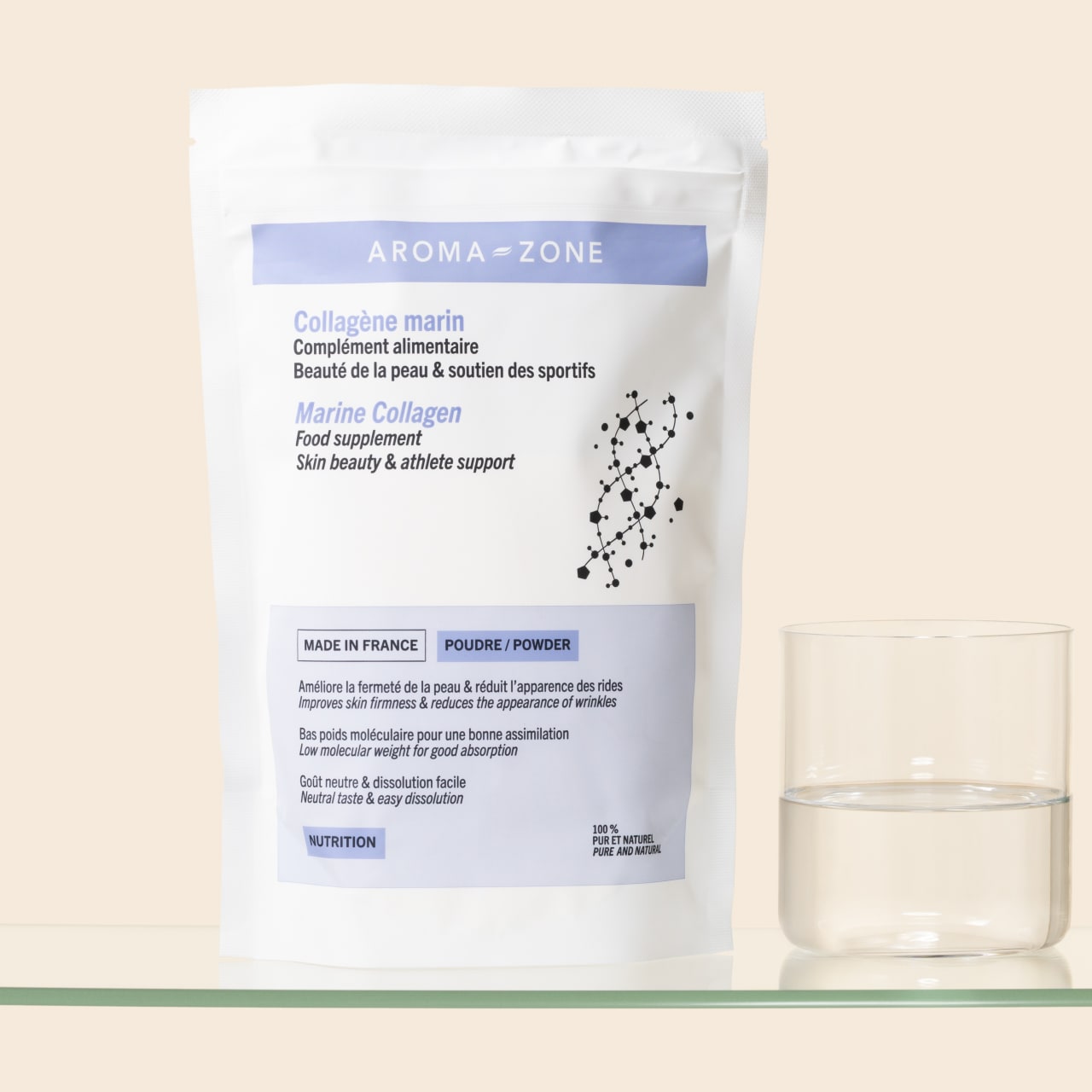
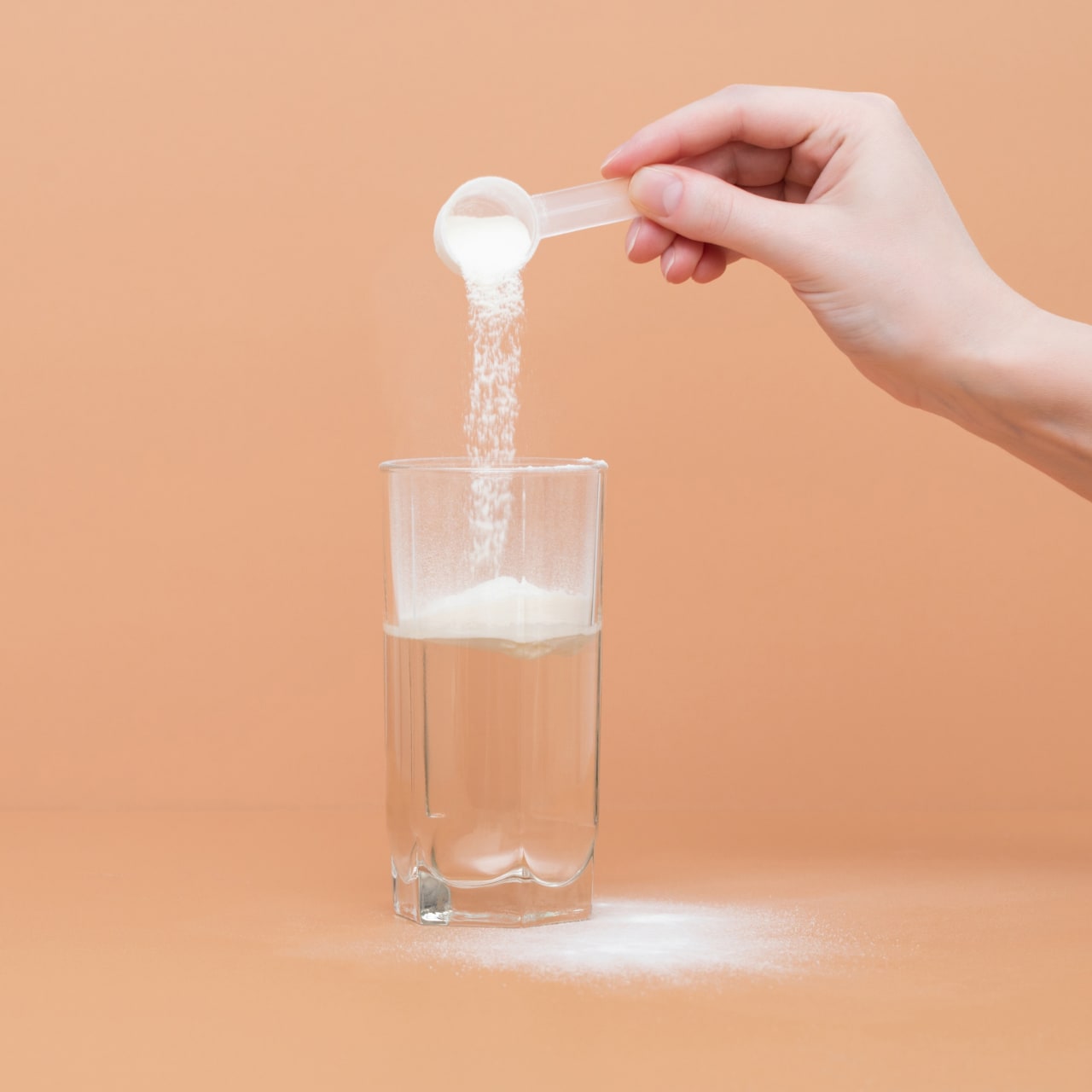
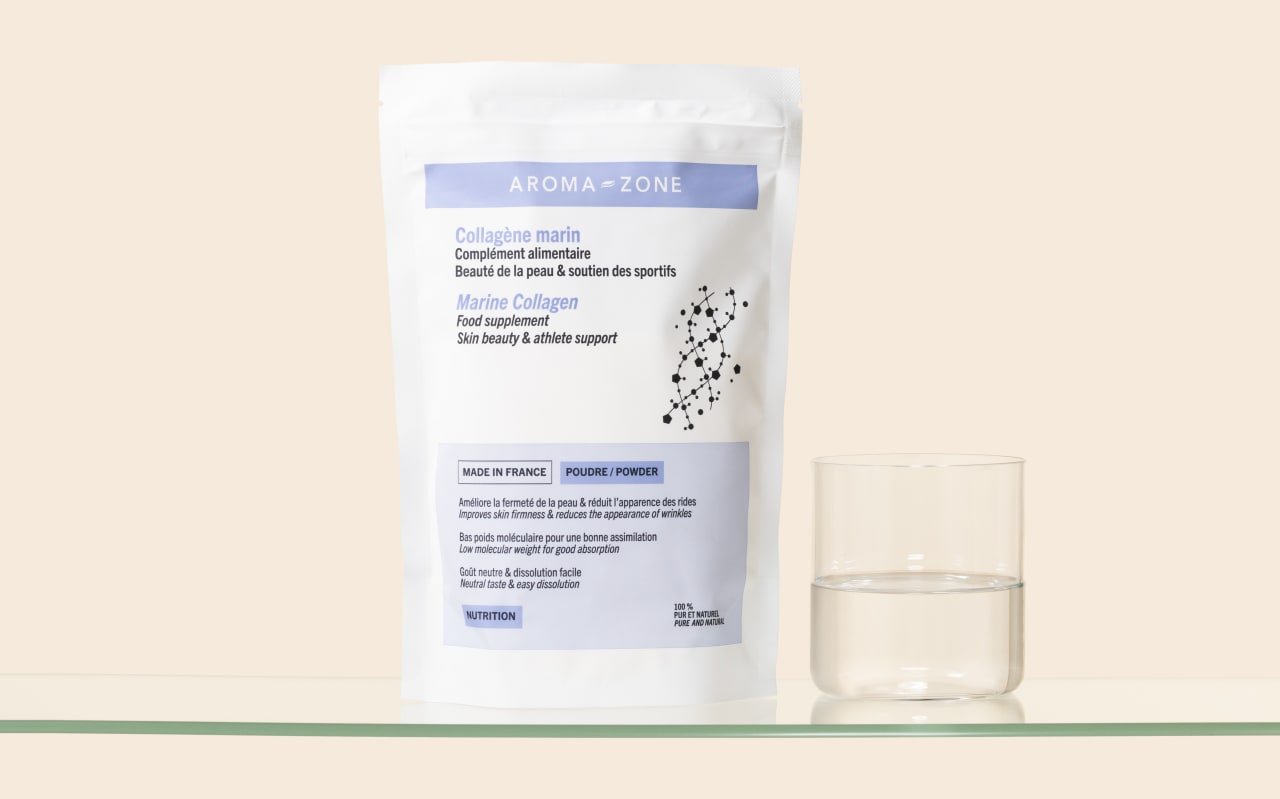
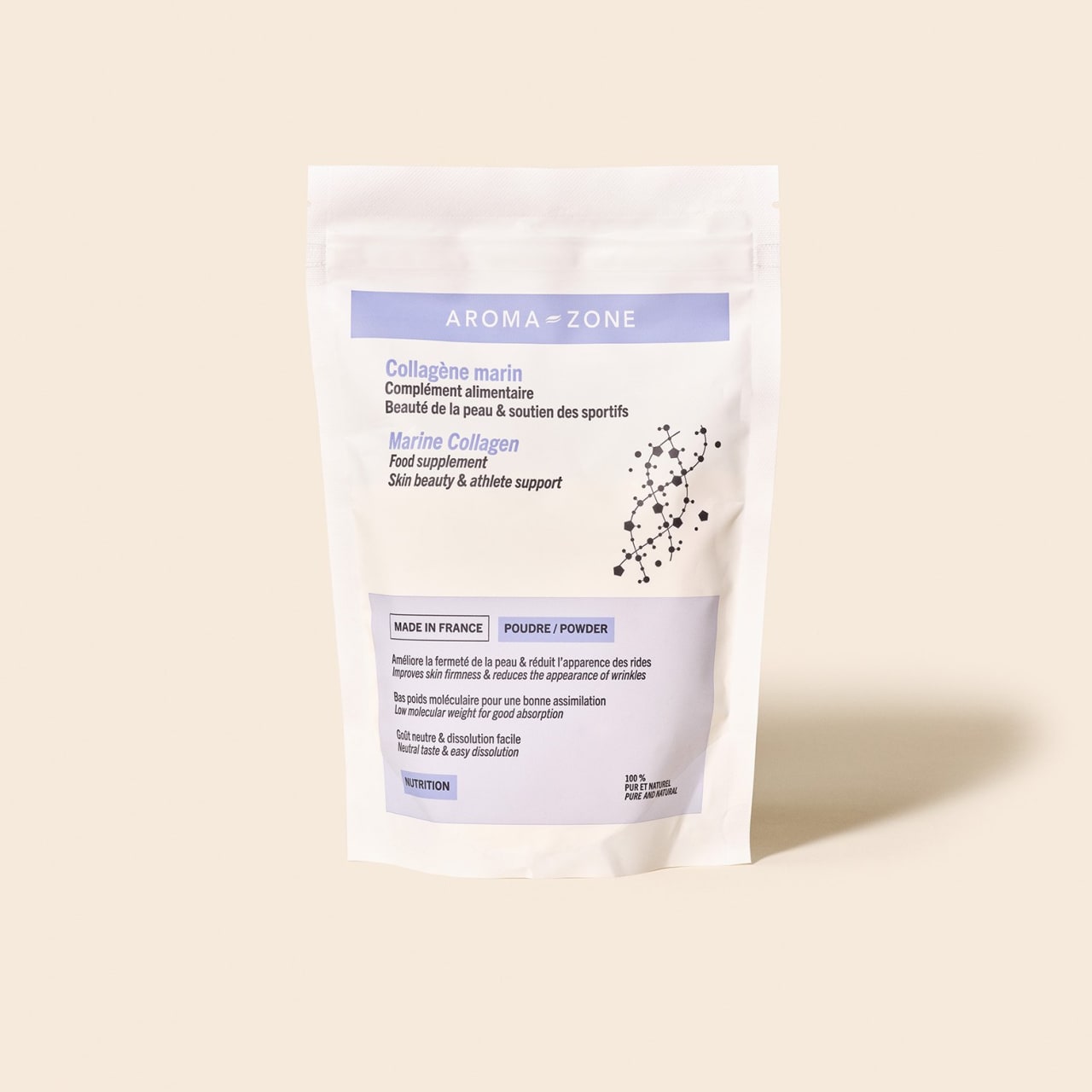
To compensate for the decline in collagen stocks from the age of 25, and especially from the age of 40 and 50, a [supplementation with a collagen food supplement](Entry-5UPCZgaxUfXqUlv5FTessential oilSD) will help the skin to age better.

First of all, it's important to know that there's no such thing as plant-based or vegan collagen. Collagen is most often derived from bovine or fish or shellfish sources. For vegetarians or vegans, the best option is to choose foods that stimulate collagen synthesis and help to recreate collagen, in particular foods rich in vitamin C (sprouted seeds, peppers, kiwi fruit, berries and red berries, citrus fruit, parsley). Spirulina also boosts collagen synthesis.

The best way to assimilate collagen is orally, by taking food supplements and/or choosing collagen-rich foods such as :

  • marrow bones

  • bone broth, also known as bone broth

  • fish skin and fish stock made from fish bones.

A diet rich in antioxidants, amino acids and zinc will also help protect the best collagen there is: yours!

What is hydrolysed collagen?

This process consists of separating the peptides from the collagen to make it more soluble and easier to assimilate. Their molecular weight is lower, so they are more easily absorbed by the body. These peptides are known as ' hydrolysed collagen ' or 'hydrolysed peptides'.

Spotlight on our Naturopathic editor, Lucie Granjon

Passionate about plants and their properties, she started her career as a perfumer before moving to the world of natural beauty and aromatherapy over 10 years ago. Lucie supports ethical and committed brands with strategy development, product formulation and expert advice for their customers. She has worked with the Aroma-Zone team on several books, including "Le grand guide de l'Aromathérapie et des cosmétiques naturels" ("The Complete Guide to Aromatherapy and Natural Cosmetics"). She also has years of training in aromatherapy, herbalism and essential oil distillation, and supports the work of French plant growers.