
Niacinamide or salicylic acid: which is right for me?
Published on: Monday, January 29, 2024, Updated on: Wednesday, September 30, 2026
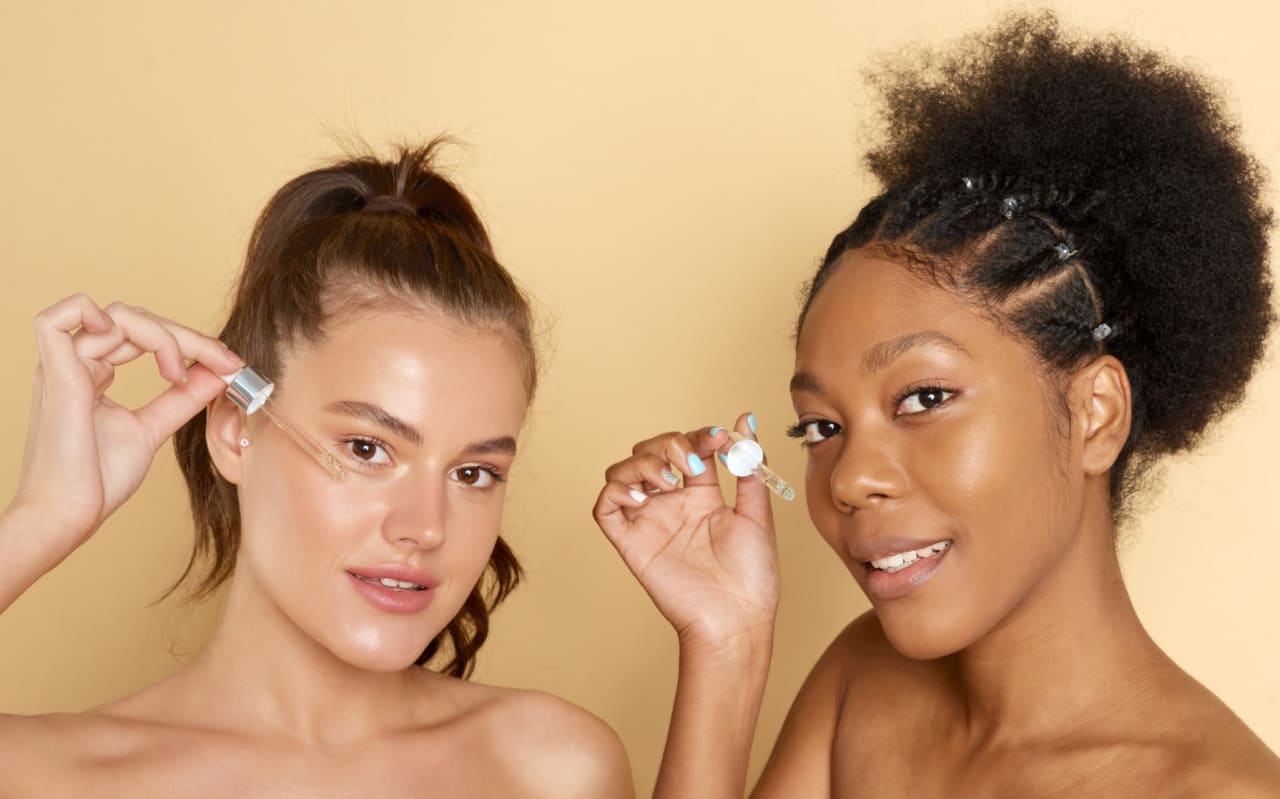
Not sure which active ingredient to choose to boost your cosmetic routine – niacinamide or salicylic acid? The good news is that they're both tried-and-tested ingredients with multiple benefits for combination to oily skin prone to blemishes, shine and open pores. That said, there are differences between them that you should be aware of before taking the plunge. Here's our advice on how to make the right choice and get a clearer complexion, without any nasty surprises.
Contents
Related products
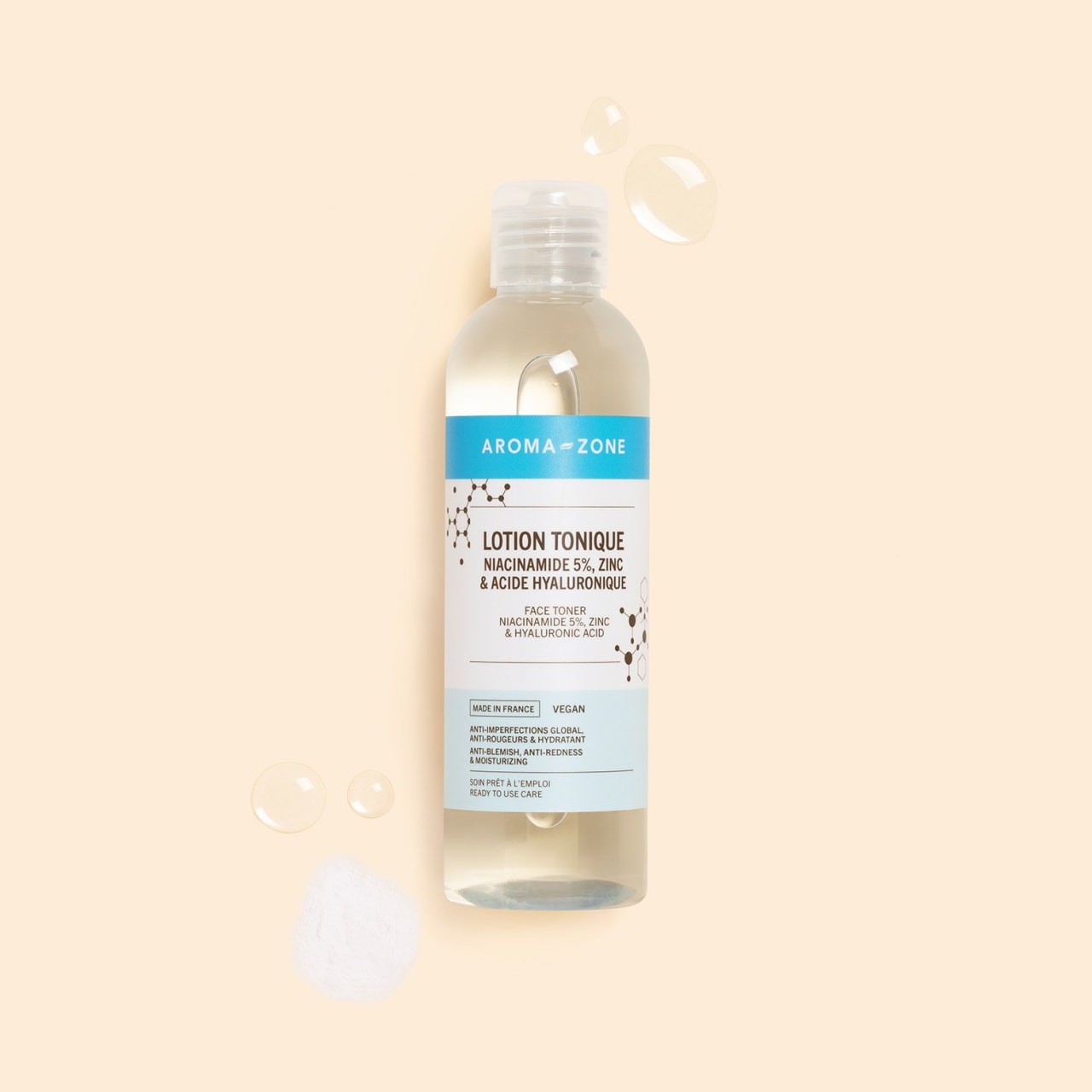
Soothing
Anti-blemishes
£7.50
200 ml
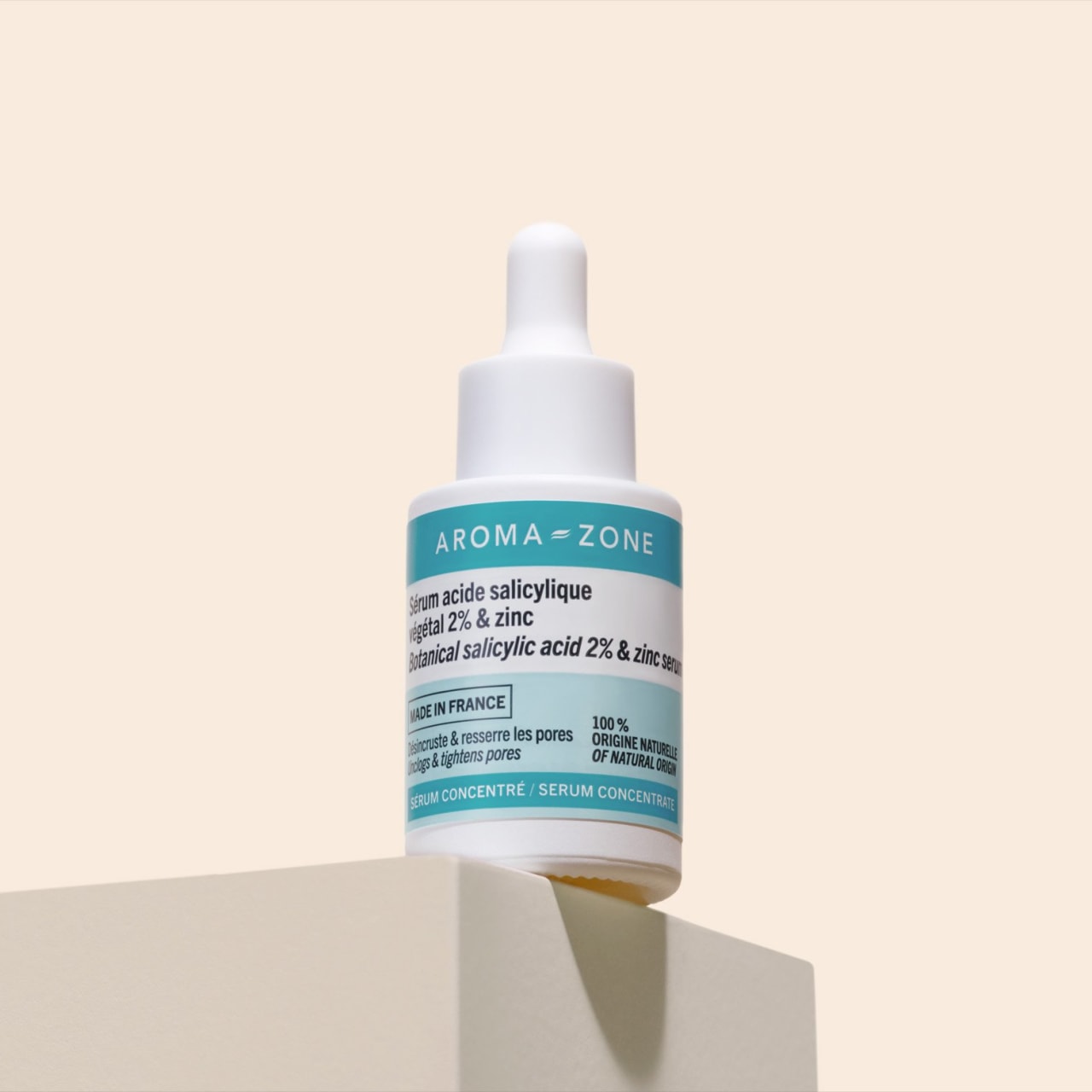
Sebum-regulating
Anti-blemishes
£8.00
30 ml
2 options
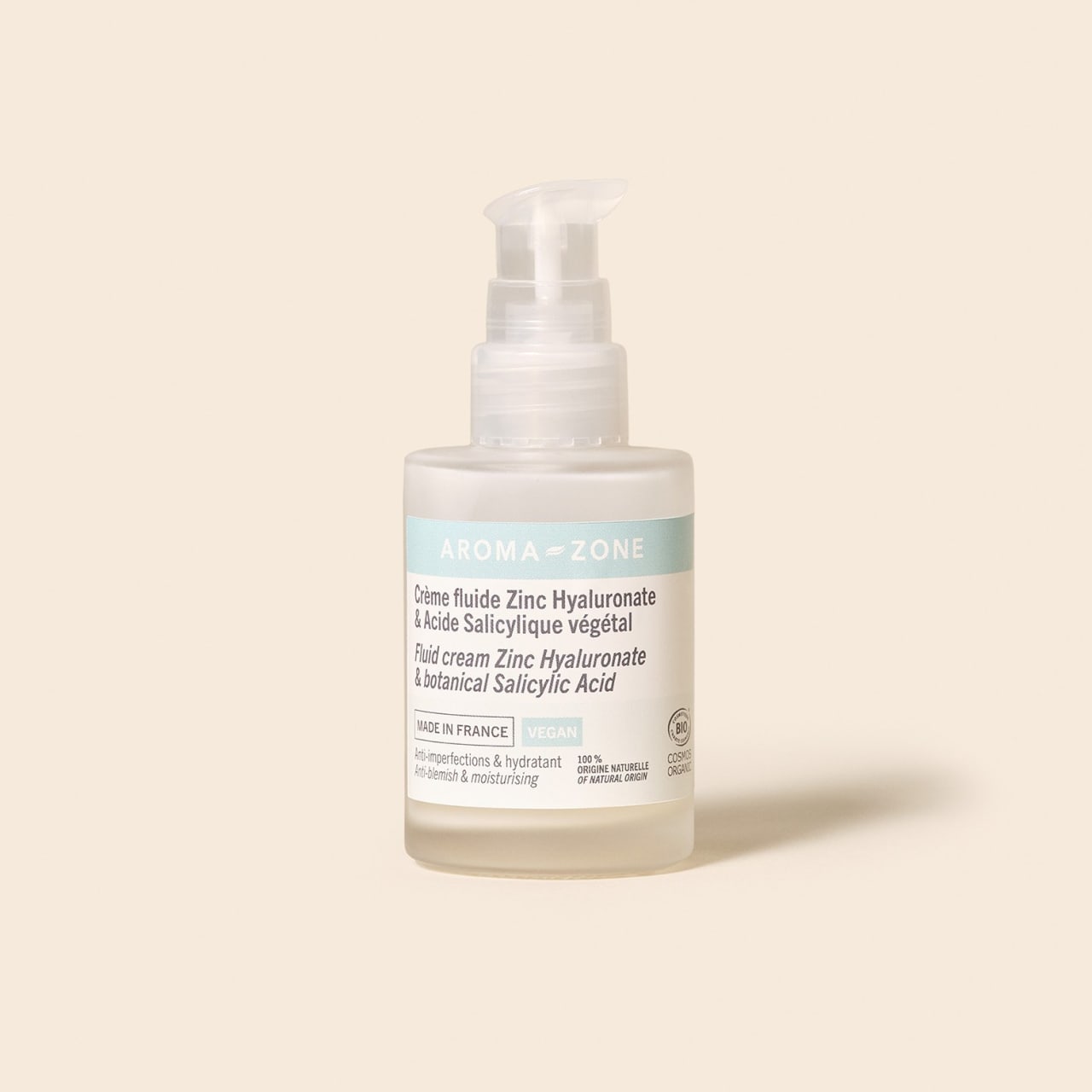
£8.00
50 ml
2 options
Purifying
Anti-ageing
£2.80
£4.00
10 ml
2 options
Anti-blemishes
Sebum-regulating
£4.00
20 g
Niacinamide and Salicylic acid: what are they?
Niacinamide: a form of Vitamin B3
It's the ideal ingredient if… you're looking for a versatile active ingredient, generally well tolerated, to improve the overall appearance of your skin.
Niacinamide (or Nicotinamide) is a form of vitamin B3 (or vitamin PP, or Niacin). Niacinamide is essential to our bodies. It enables us to convert the nutrients we ingest (carbohydrates, lipids, proteins) into energy. It is also involved in the synthesis of sex hormones and the production of fatty acids. In cosmetics, it is mainly used as a soothing active ingredient and skincare agent. It can be of natural or synthetic origin.
Salicylic acid: a beta-hydroxy acid (BHA)
It's the ideal ingredient if… you want to introduce an acid into your routine and exfoliate your skin daily.
Salicylic acid is a beta-hydroxy acid (or BHA, not to be confused with AHAs). It is unique in that it is naturally produced by certain plant species, such as Willow and Meadowsweet. Its role is to help plants cope with the stresses of their environment. In pharmacology (internal use), it is still used today to make aspirin (acetylsalicylic acid). In cosmetics, it is known for its desquamatory and anti-seborrhoeic effects.
Salicylic acid or Niacinamide: their properties
The effects of Salicylic Acid on the face
It's the ideal ingredient if… you have oily skin with a thick texture, open pores, blackheads and uncomfortable blemishes.
Purifying: It is renowned for treating all types of acne-prone skin. It helps to unclog blocked pores, preventing the formation of blackheads.
Keratolytic: Its exfoliating effects remove dead cells, help smooth the skin's surface (including roughness) and encourages regeneration of the epidermis.
Soothing: It reduces skin discomfort linked to the formation of prostaglandins E2, fatty acids involved in inflammatory processes.
The effects of niacinamide on the skin
It's the ideal ingredient if… you have oily skin that tends to shine during the day (excess sebum), with brown spots and/or redness.
Sebum regulator: Combats the excess sebum that causes shine in combination to oily skin and refines the appearance of pores.
Anti-ageing: It prevents accelerated skin ageing, smoothes the visible signs of ageing and combats pigmentation spots.
Soothing: It reduces the appearance of redness and helps restore a more even complexion thanks to its enhancing action on skin microcirculation.
A closer look at our Niacinamide and Salicylic acid products
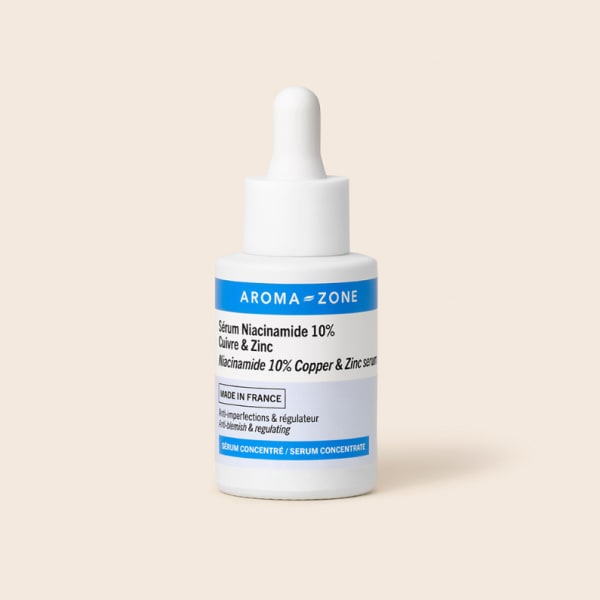
A closer look at our 10% Niacinamide, Copper & Zinc Serum Concentrate
Our serum contains an optimal concentration of Niacinamide (10%) for powerful effectiveness. Enriched with Zinc and Copper (with purifying properties), it offers a broad spectrum of complementary actions for a "flawless skin" effect. Ideal for skin prone to redness and imperfections, it tightens the appearance of pores, fights blackheads, evens skin tone and refines skin texture. Its gel texture is gentle to apply and leaves the skin feeling plumped.
If irritation occurs, discontinue use. Keep out of reach of children.
Discover our 10% Niacinamide, Copper & Zinc serum concentrate
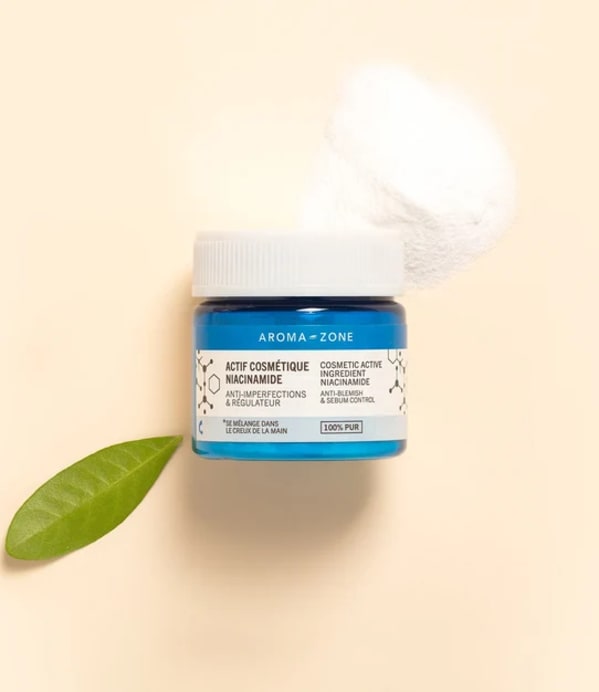
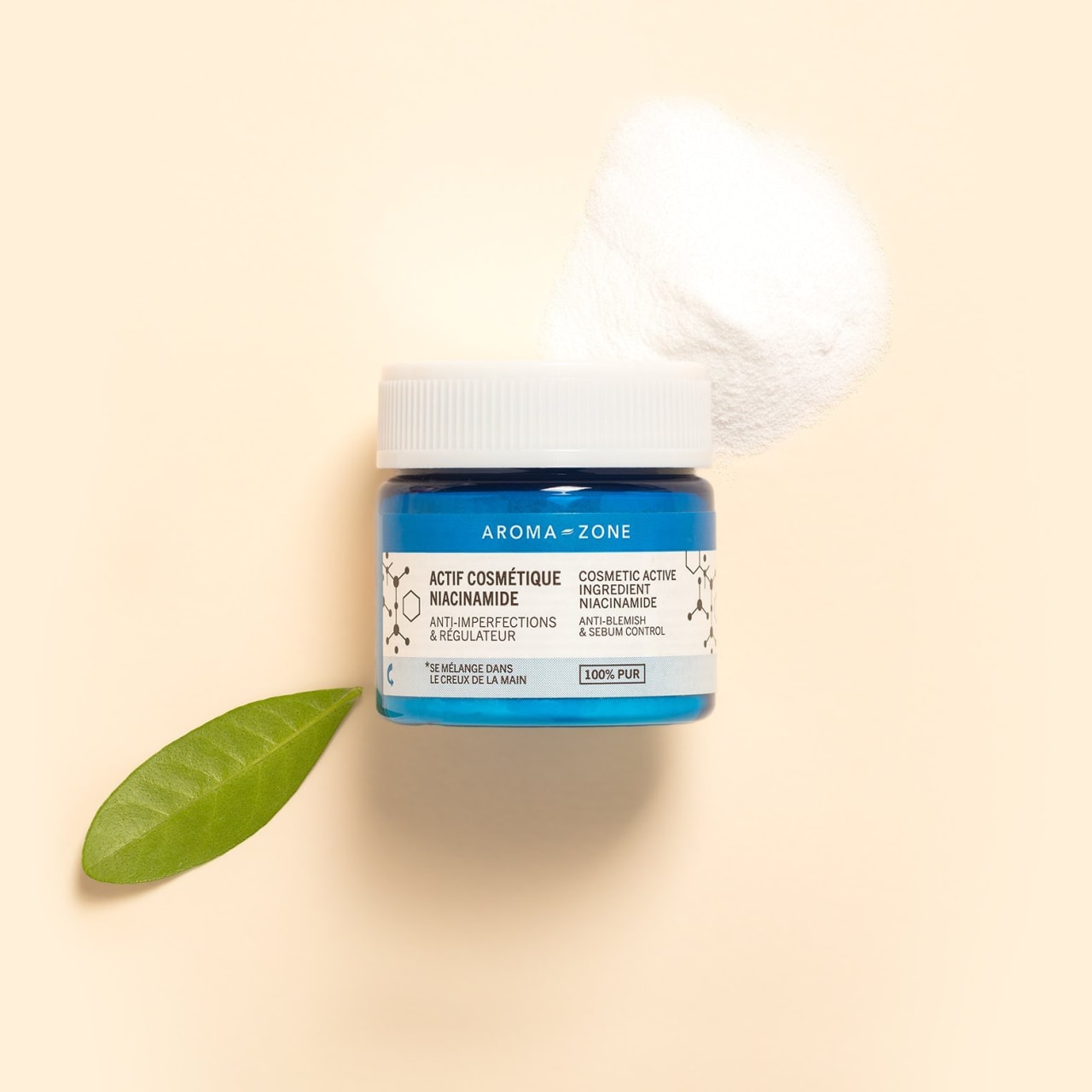
Focus on our Niacinamide cosmetic active ingredient
A powerful active ingredient to incorporate into your face care products! Niacinamide is recognised as one of the best active ingredients in dermocosmetics for improving the overall appearance of the skin. An ally for oily, mature or redness-prone skin, it is popular for its multiple benefits, including regulating sebum production, reducing the visible signs of ageing, diminishing brown spots and redness, clarifying the complexion and tightening pores. It can be used as an ingredient in your DIY cosmetic recipes, but also as an active ingredient in our MIX - APPLY skincare routines. It mixes easily in the palm of your hand with our neutral creams and Hyaluronic Acid Serum, for a simple and effective instant skincare routine. For clear, beautiful skin!
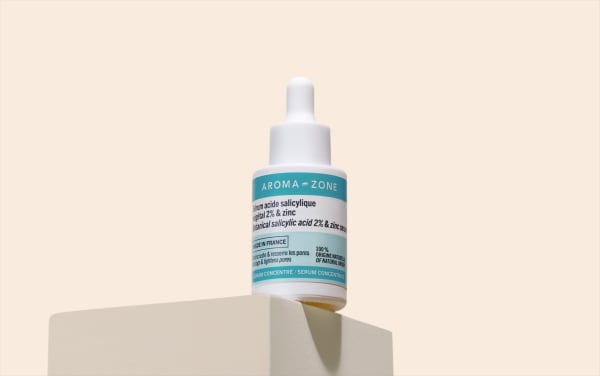
Focus on our 2% Salicylic Acid & Zinc Serum Concentrate
The secret to flawless skin, this multi-action serum reduces the size and surface area of pores while fighting blemishes. Purifying and keratolytic, this complex of plant-derived Salicylic Acid, Mushroom extract and Zinc regulates excess sebum, unclogs pores and prevents the appearance of blackheads. This serum leaves the skin purified and its texture refined, with no drying effect.
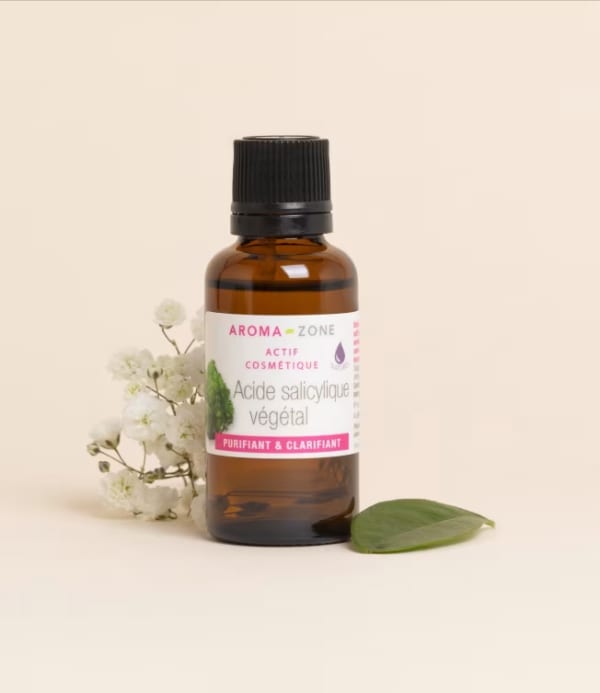
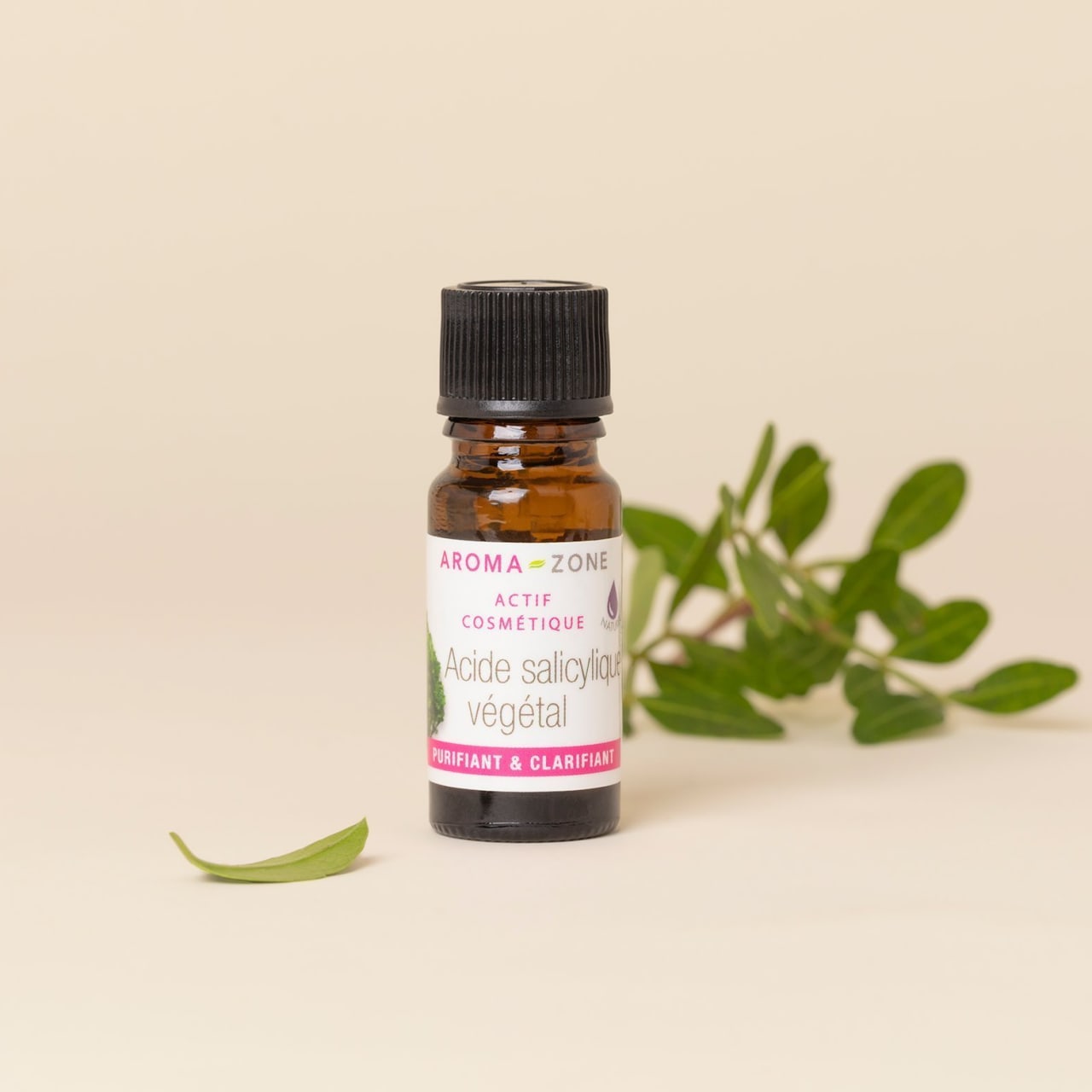
Focus on our Active ingredient - Plant-derived salicylic acid
This extract of Black Willow bark, concentrated in salicylic acid, is a powerful ally to incorporate into your mixtures for oily, dull or acne-prone skin. Purifying and keratolytic, it stimulates skin renewal, smoothes imperfections and combats blackheads, ingrown hairs and dandruff. It also improves the conservation of aqueous products and can be used to boost the effectiveness of preservatives. A much sought-after active ingredient, we offer it in plant origin, which is better tolerated than synthetic salicylic acid.
How do I use Salicylic Acid or Niacinamide?
Applying a Niacinamide serum or cream
It's the ideal ingredient if… you want a tried-and-tested active ingredient that's easy to use on a daily basis and doesn't impose any particular constraints.
The right time of day: morning and/or evening (niacinamide does not increase the skin's sensitivity to UV rays).
The right season: all year round.
Tip: for dry skin, apply a Nicotinamide serum under your day cream to optimise its moisturising benefits.
The right formulation: choose between a lotion, serum or moisturising cream, depending on your texture preferences.
The right dose: the frequency of use may vary depending on the niacinamide concentration of your product. Be sure to consult the instructions for use.
BHA and Niacinamide: which active ingredients can be combined with them (or not)?
Do you already have a well-established skincare routine and want to know whether your new active ingredient (Niacinamide or Salicylic Acid) will be compatible with your current products? Here are our answers.
Did you know?
You can also personalise our 10% Niacinamide serum concentrate with essential oils (not recommended for use during pregnancy or while breastfeeding, nor for children; other specific precautions may apply). For example: organic Gum Rockrose to boost its anti-redness benefits, organic Seville orange to combat shine or organic Patchouli to repair. Consult the technical data sheet for our serum to discover all our customisation recommendations, recommended dosages and precautions for use.
Expert advice
Whether it's Niacinamide or Salicylic Acid, don't overwork your oily skin. Take the time to analyse its needs and reactions. Introduce new active ingredients into your daily routine little by little, and always one at a time, to make it easier to identify those that don't suit you. Start with a lower concentration if necessary and gradually increase if you feel your skin needs more. Wait at least 28 days (the equivalent of one cell renewal cycle) before considering any additions or changes to your skincare routine.
Focus on Our Writer: Hélène Betoux

Hélène Betoux is a French beauty journalist specialising in web media. Every day she writes tips, advice, and guides to help consumers choose the right beauty products. With a strong interest in natural, organic, and clean cosmetics, she analyses and shares trends and innovations in the sector.
Bibliography
Frequently Asked Questions
Associated tips
Face care tips
Natural actives


