
Hyaluronic acid is a molecule that is abundant in the human body. It is made up of a series of carbohydrate chains (sugars). It is often used for its moisturising effects due to its humectant properties (ability to retain and capture water from tissues). These properties are due to its highly hydrophilic chemical structure. Hyaluronic acid is capable of forming bonds with water molecules. In this way, hyaluronic acid is able to attract and retain up to 1,000 times its own molecular weight in water.
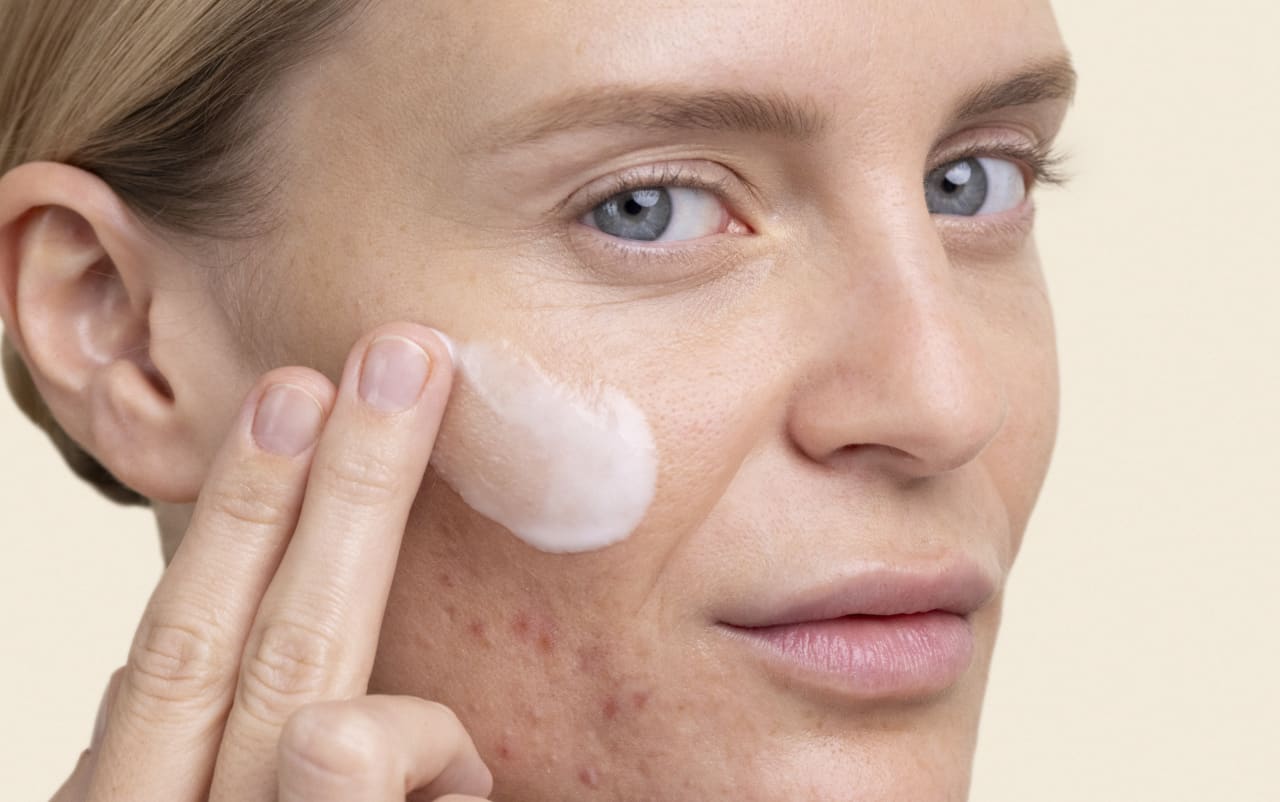
Hyaluronic acid and acne
Published on: Friday, July 07, 2023, Updated on: Wednesday, October 07, 2026
Acne is a common skin condition that affects around 85% of teenagers and young adults, and can also persist into adulthood. In the United States, nearly 50 million people suffer from acne every year, according to the American Academy of Dermatology. Looking after acne-prone skin can be difficult, as acne-prone skin often has contradictory needs including a lack of moisture, while producing excess sebum. Clogged pores require regular exfoliation, but the skin remains sensitive and prone to inflammation, making it difficult to follow a suitable routine.
In this article, find out how hyaluronic acid can be highly effective on acne, its benefits for the skin, and how to use it on a daily basis.
Contents
Related products
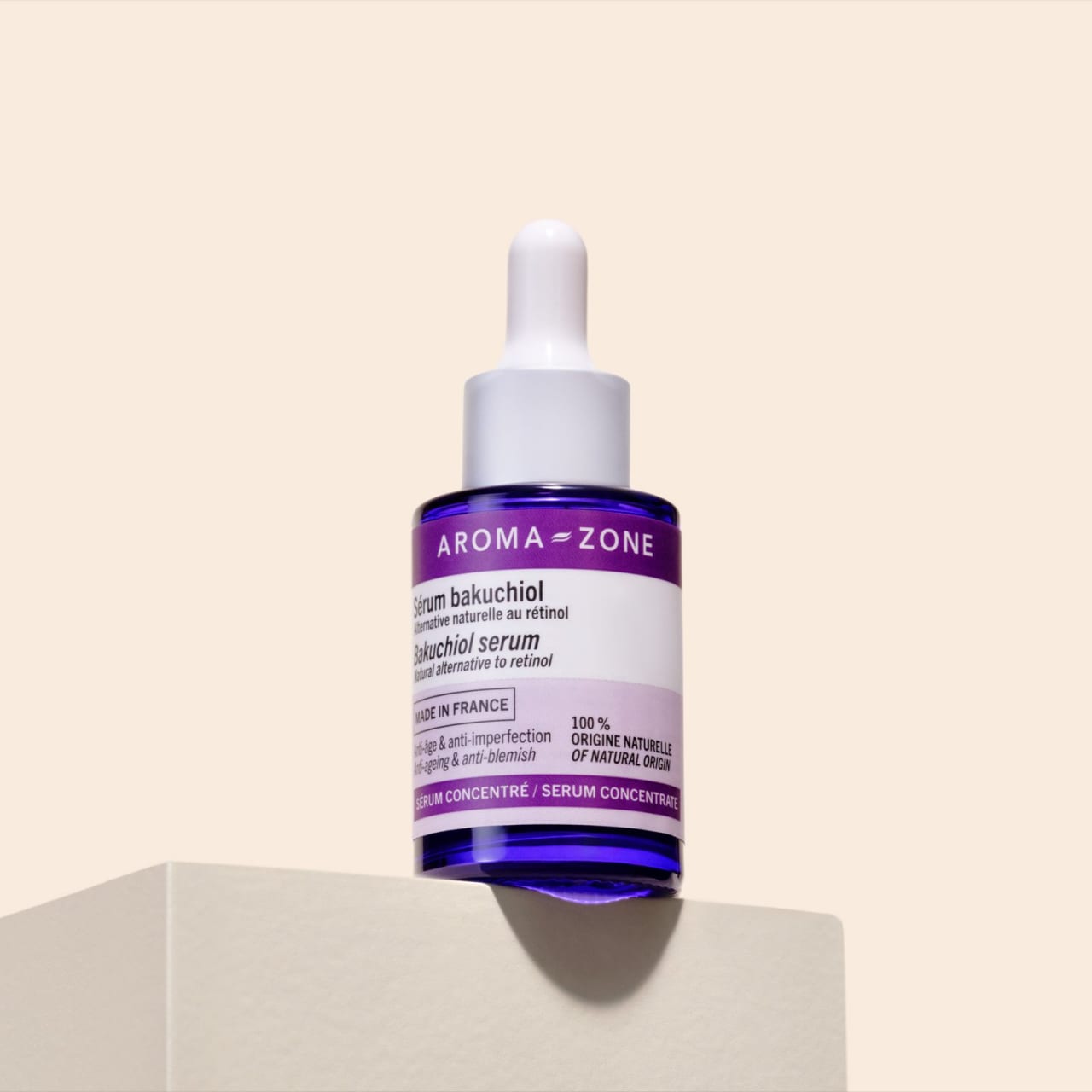
Bakuchiol Serum
Anti-ageing
Anti-blemishes
£9.00
30 ml
2 options
Plant-Derived Salicylic Acid
Purifying
Anti-ageing
£2.80
£4.00
10 ml
Mineral Sun Lotion SPF 30
Sun protection
£15.00
75 g
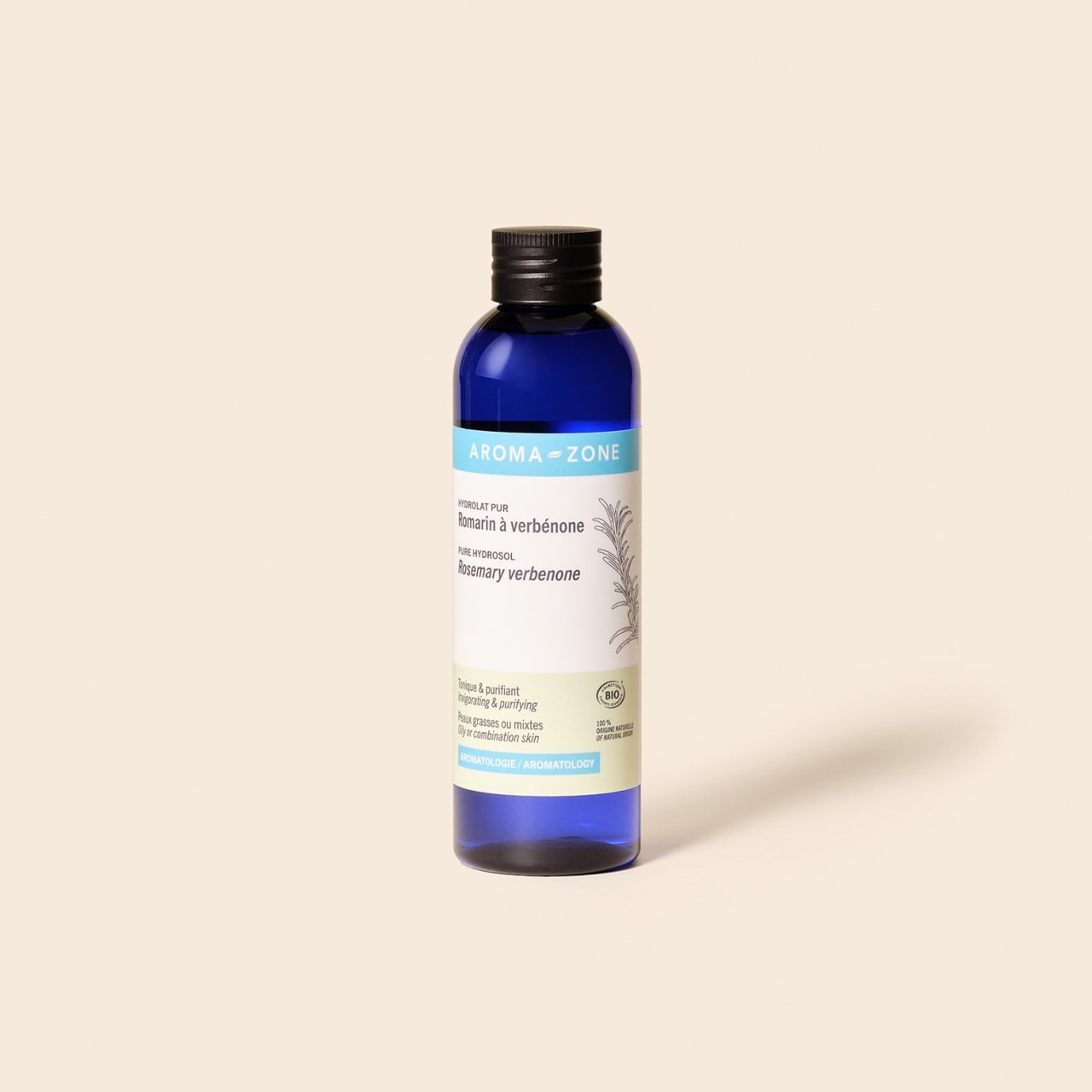
Organic Rosemary Verbenone Hydrosol
Anti-blemishes
Sebum-regulating
£5.00
200 ml
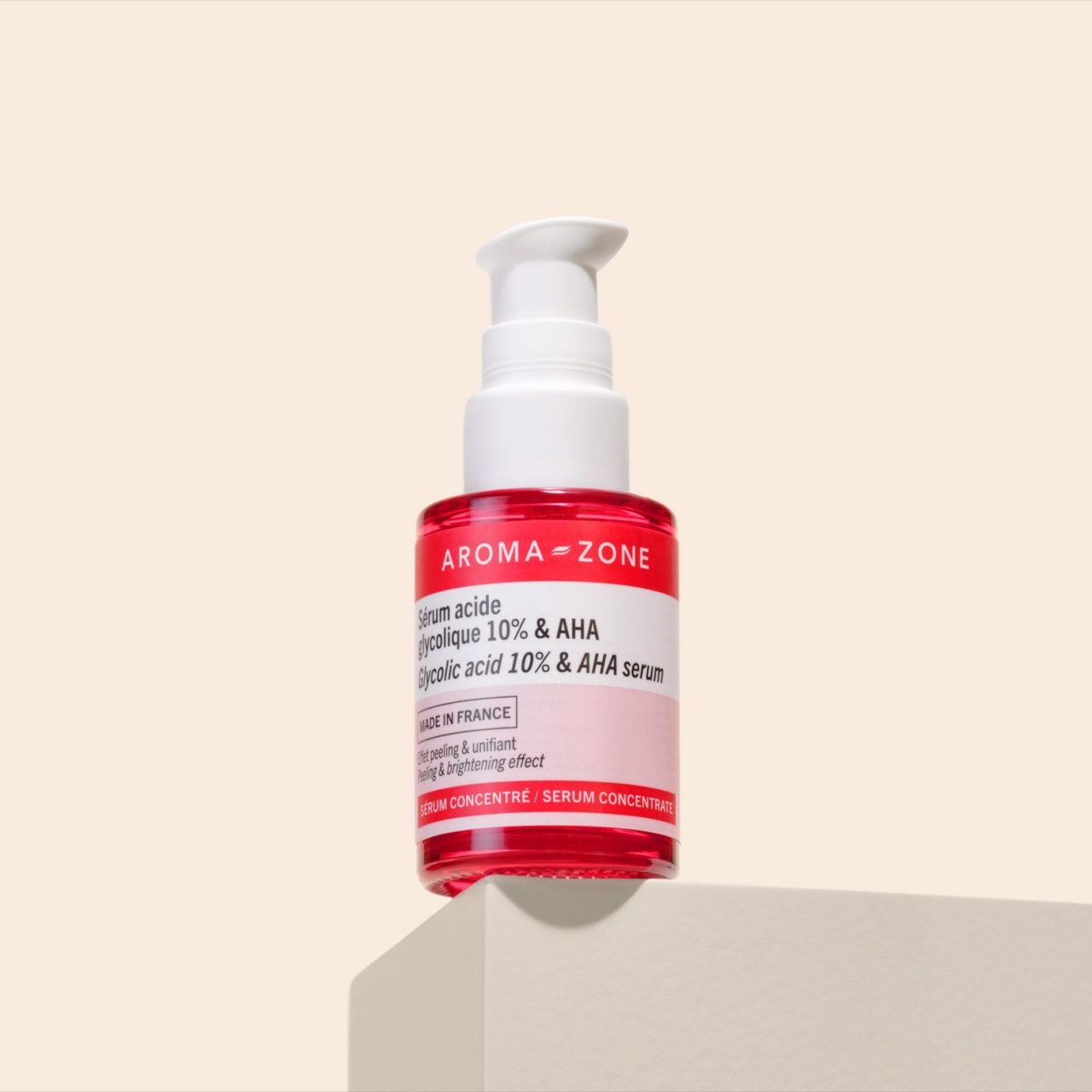
Glycolic Acid 10% & AHA Serum
Exfoliating
Peeling effect
£8.00
30 ml
3 options
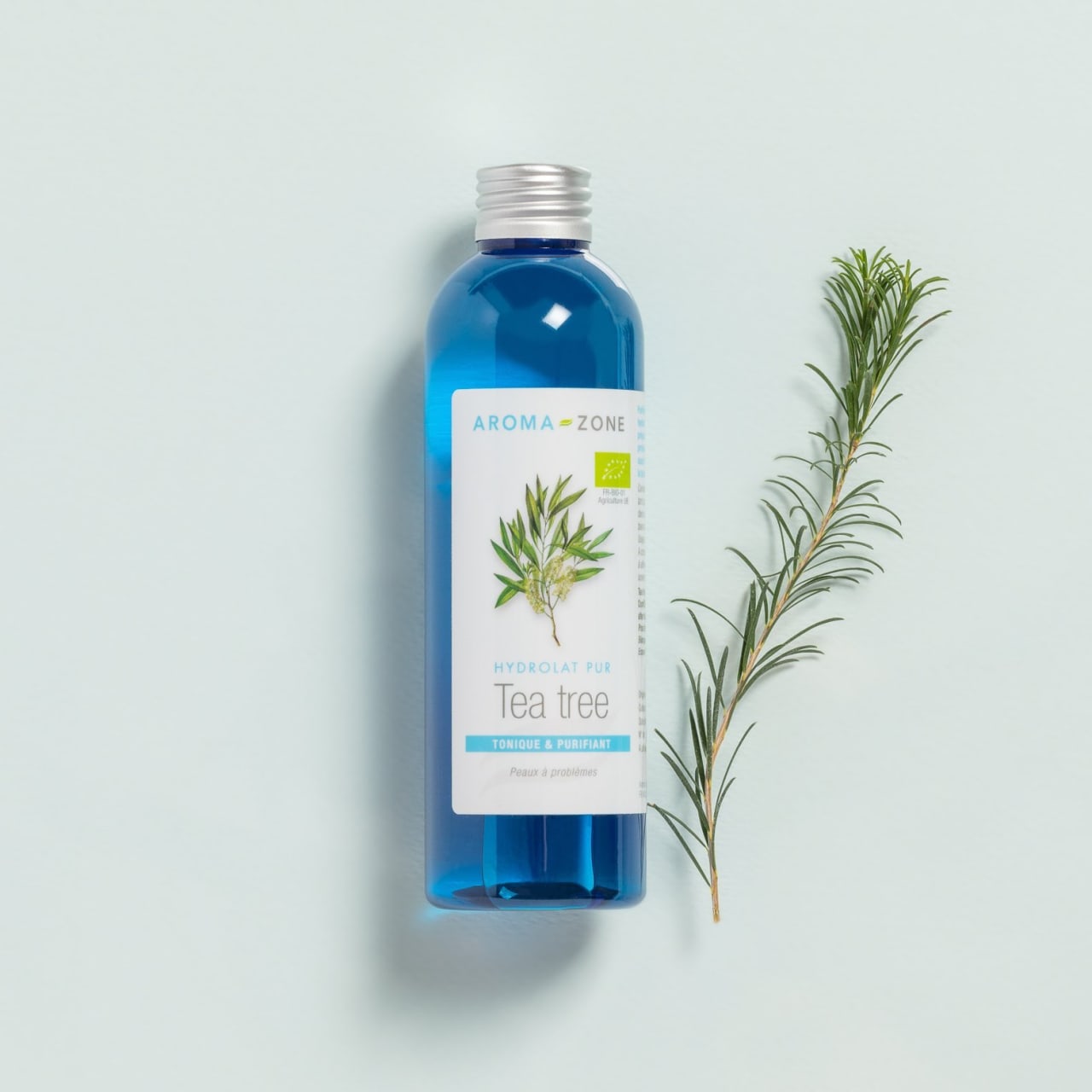
Organic Tea Tree Hydrosol
Purifying
£6.00
200 ml
Hyaluronic acid: what you need to know
Its benefits for the skin
It moisturises your skin without adding oil: it helps to regulate excess sebum by controlling production of it. This can help prevent clogged pores and the appearance of pimples.
It helps preserve the skin barrier by promoting hydration. Acne-prone skin is often damaged and has a weakened cutaneous barrier that dries out your skin. Hyaluronic acid helps strengthen this barrier by preventing water loss, which can reduce skin sensitivity, protect it from external aggressors (UV exposure, environmental conditions and other factors) and reduce inflammation and redness.
It soothes your skin thanks to its moisturising and soothing properties, helping to relieve inflamed and reddened skin, common in acne sufferers.
It stimulates cell regeneration and helps the skin to regenerate better if it has any marks.
It plumps and smoothes the skin: by attracting moisture to the skin, giving your skin a plumper look. Your skin will end up with a smoother, more even texture.
What is acne?
Acne is caused by an overproduction of sebum in the pilosebaceous glands, which clogs the skin's pores. This build-up of sebum, combined with dead skin cells, causes the spread of Cutibacterium acnes bacteria and the appearance of blackheads, microcysts and inflammatory pimples.
One of the main causes of this phenomenon is a hormonal imbalance. The sebaceous glands are sensitive to androgenic hormones (particularly testosterone, which women also produce via the adrenal glands), which stimulate them to produce more sebum. The hair follicle also undergoes keratinisation at the same time (thickening the clog). The result is clogged pores and oily skin. This creates a favourable environment for bacteria to colonise.
Stress is also an aggravating factor. Under stress, the body releases cortisol, a hormone that can upset the overall hormonal balance, indirectly increasing sebum production. This excess sebum makes the skin more prone to developing imperfections.
Pollution and the use of unsuitable cosmetics can also aggravate the situation. Pollutant particles and occlusive substances accumulate on the skin, clogging pores and causing acne.
Is hyaluronic acid effective for acne?
It helps with dehydration
Hyaluronic acid, capable of retaining up to 1,000 times its weight in water, provides deep moisturisation without weighing down the skin or clogging pores. By locking in moisture levels, it helps strengthen the skin barrier and prevent dehydration, without clogging pores or over-stimulating the sebaceous glands.
It promotes healing
Hyaluronic acid also plays a key role in the regeneration of skin tissue. By stimulating collagen production, it helps to improve the appearance of acne scars. Well-moisturised skin is more supple, which encourages cell renewal.
It has a soothing effect
Acne-prone skin is often prone to inflammation caused by the pimples themselves. Hyaluronic acid, with its soothing properties, helps to reduce redness and the associated discomfort. Acne products can be drying, sensitising the skin and aggravating irritation. Hyaluronic acid helps to counteract these effects, by locking in moisture and soothing skin irritation, particularly after the use of exfoliating acids or other aggressive treatments.
It helps protect the skin barrier
As well as reducing the discomfort from inflamed pimples, this active ingredient creates a protective barrier on the skin, making it more resistant to external aggressors such as pollution or climatic variations, which can also aggravate the inflammation of acne-prone skin. By strengthening the cutaneous barrier, this active ingredient helps to make the skin more resistant to external damage, while preventing the additional irritation that you often experience with acne-prone skin.
Our natural hyaluronic acid solutions
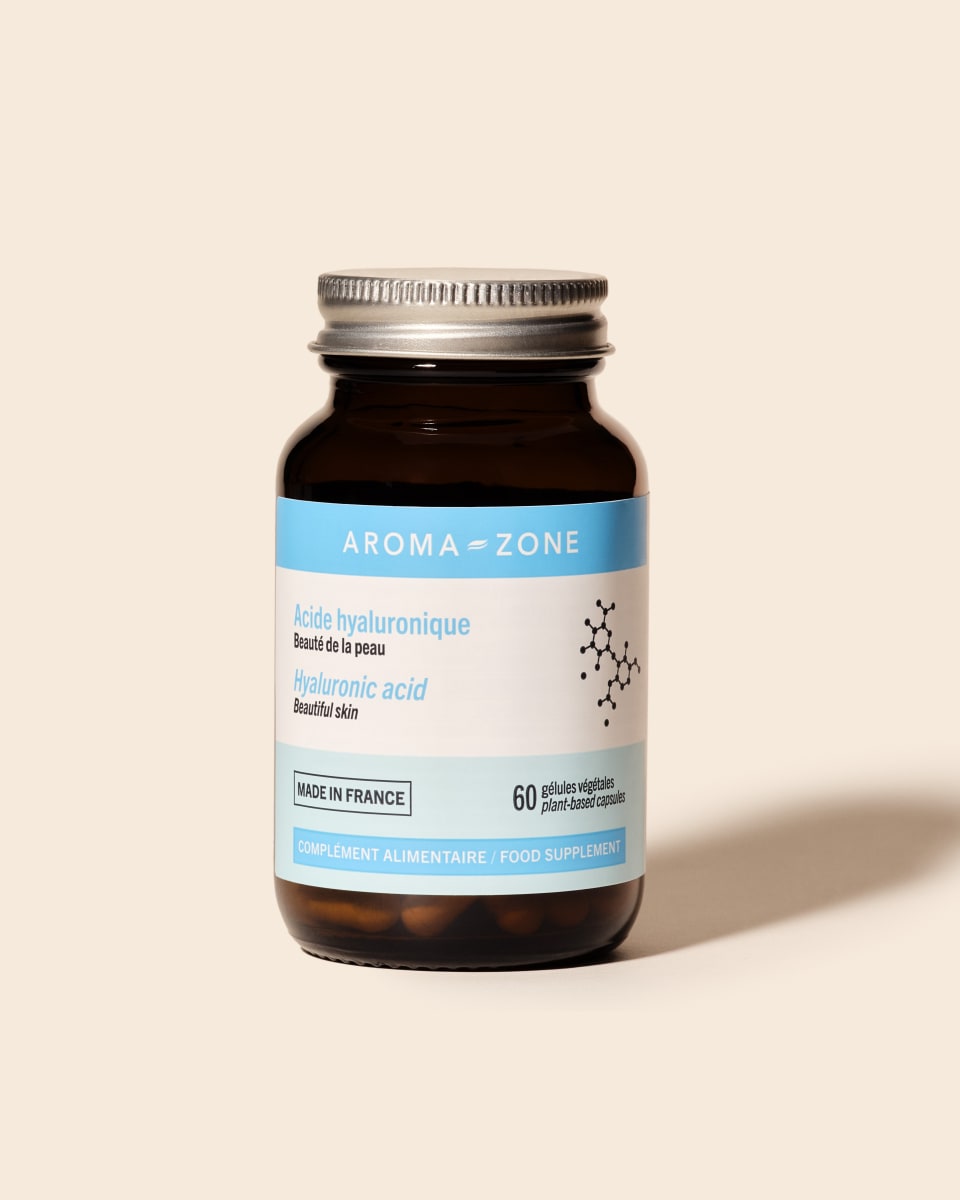
Hyaluronic acid - food supplement
This hyaluronic acid capsule can be used as a food supplement to plump up your skin from the inside. It helps to keep the skin firm, supple and moisturised.
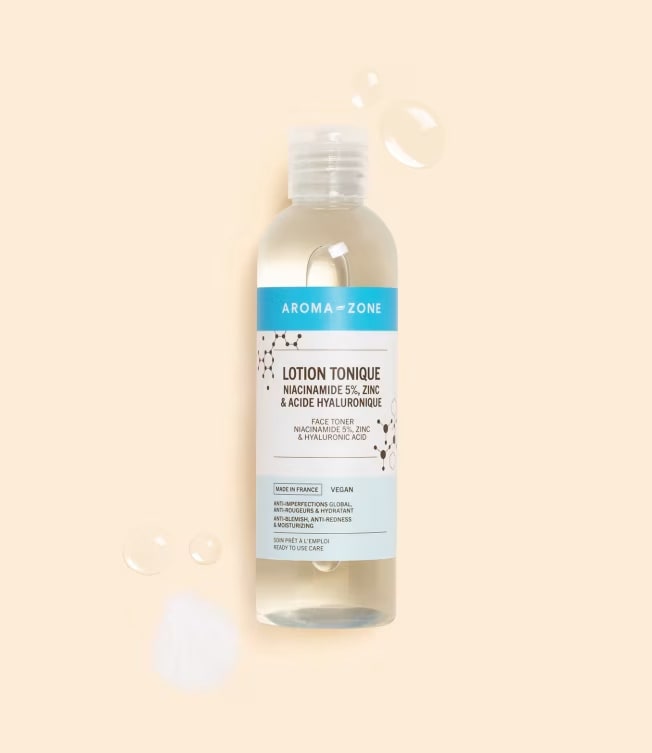
5% Nicotinamide, Zinc & Hyaluronic Acid Toner
This fragrance- and alcohol-free purifying toner is non-drying. Containing concentrated 5% nicotinamide, zinc and hyaluronic acid, it visibly reduces imperfections and blackheads, and visibly tightens pores. Pores are visibly unclogged. It evens out skin tone and reduces redness. Enriched with organic inulin, it restores the skin's balance and protects it.
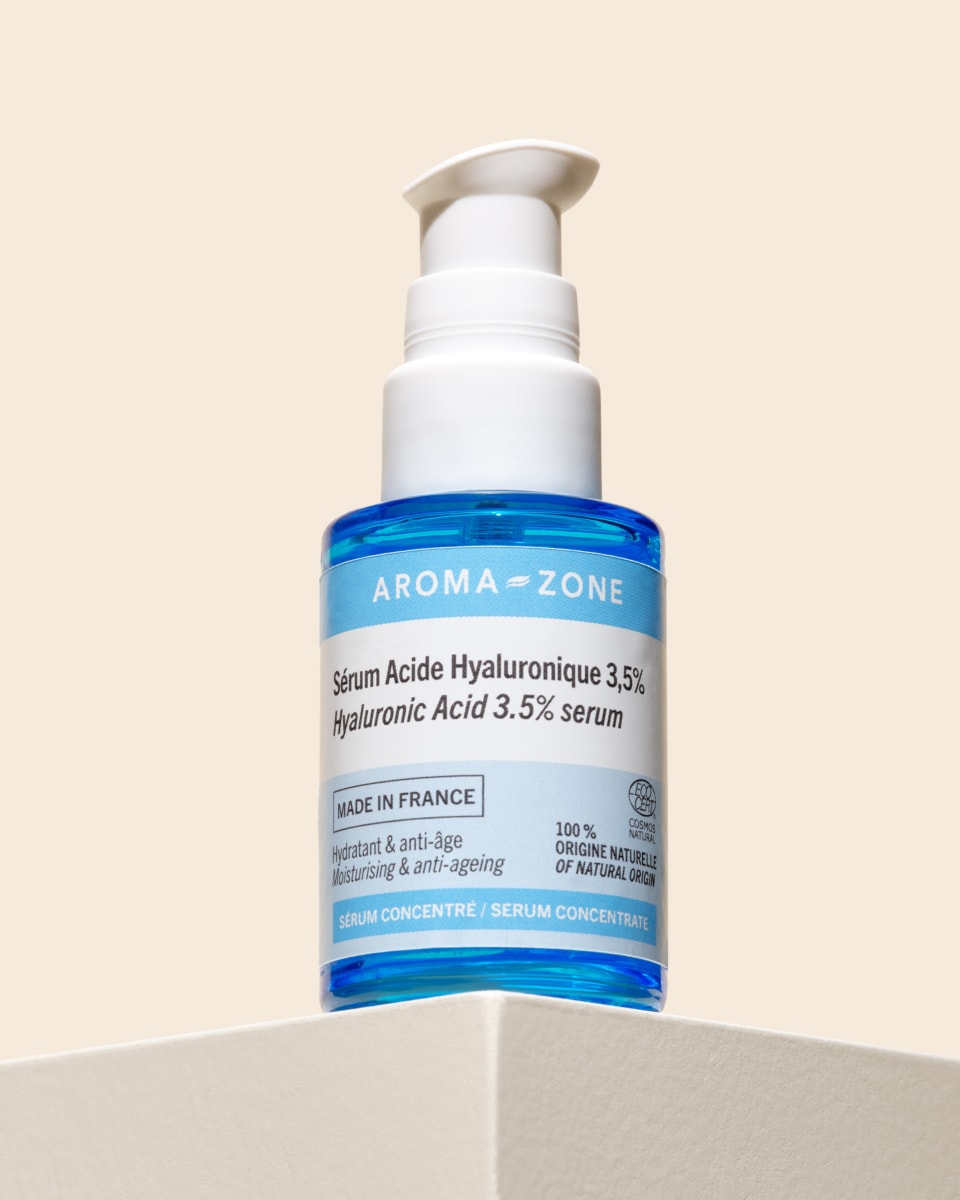
3.5% Hyaluronic Acid Serum Concentrate
This 100% naturally sourced hyaluronic acid serum is renowned for smoothing, hydrating and plumping the skin. Its fresh, naturally gelled texture penetrates instantly without fluffing on the surface or pulling it.
What hyaluronic acid-based serums should I use for acne?
Hyaluronic acid does not have an antibacterial, sanitising or balancing effect on the skin, but it is very beneficial as a complement to targeted anti-acne treatments. How does it work? By preventing dehydration, it makes the skin's surface feel smooth and comfortable again. This makes it a very beneficial part of an anti-blemish routine to counterbalance the sometimes irritating or drying effects of cleansing and clarifying skin care products. By locking in the skin's moisture, it boosts the effectiveness of the other active ingredients.
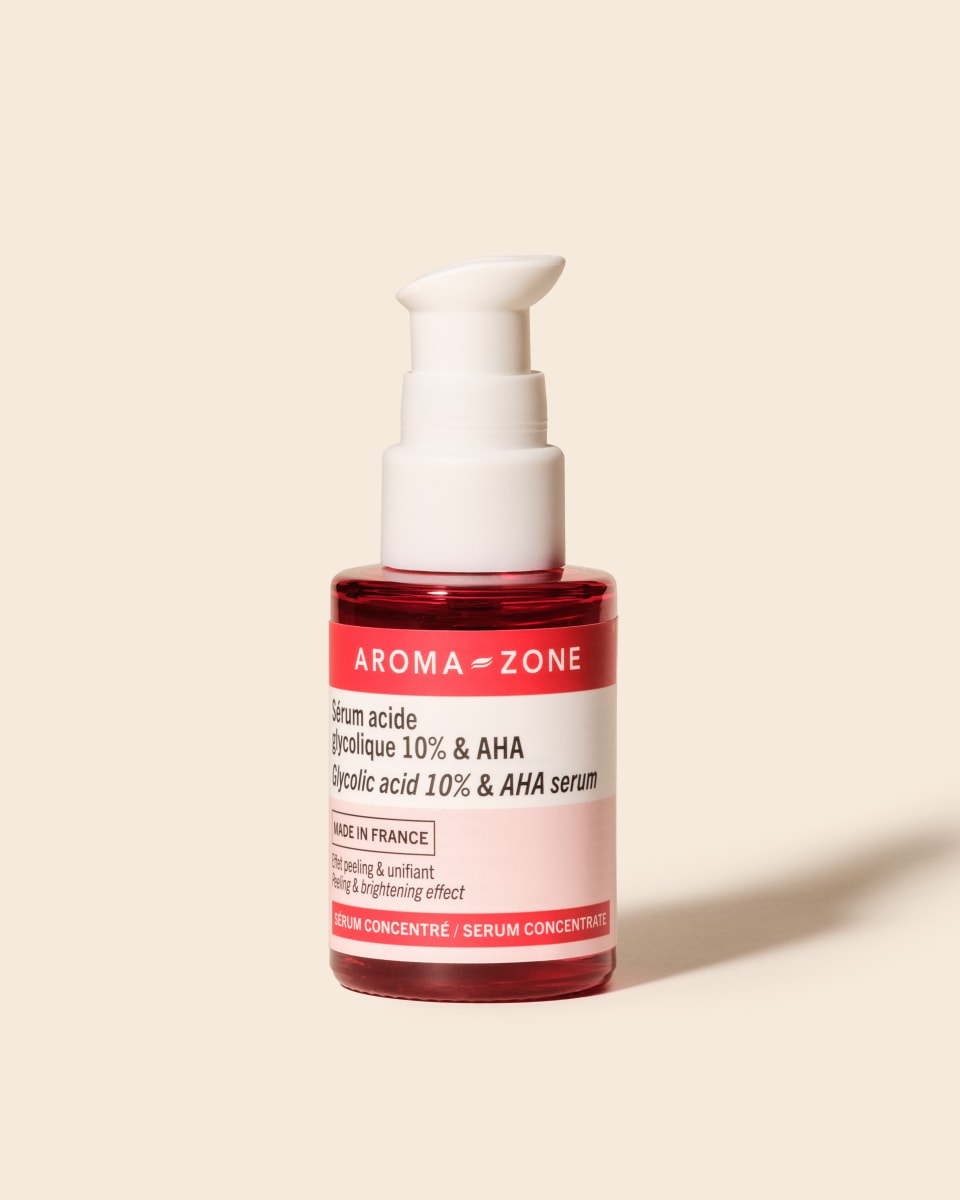
Glycolic Acid And AHA Face Serum Concentrate
This "new skin" serum combines glycolic acid and fruit acids (AHA). With its exfoliating effects, it eliminates dead cells and stimulates skin renewal, helping to reduce brown spots and acne scars. As a blemish reducer, it is effective on pimples and blackheads while smoothing out the skin texture for a radiant, even complexion. This serum also contains hyaluronic acid, known for its moisturising and plumping effects. Its soft texture is easily absorbed, leaving the skin moisturised without leaving an oily film.
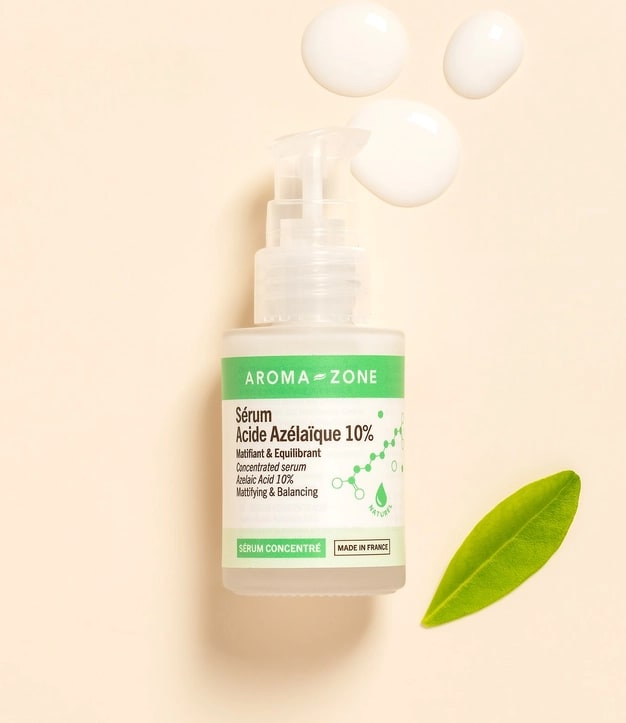
10% Azelaic Acid Serum Concentrate
Our 10% Azelaic Acid Serum Concentrate is an anti-blemish treatment, ideal for combination to oily skin prone to blemishes or acne-prone skin. Thanks to its keratolytic, anti-comedo and antibacterial properties, azelaic acid helps to effectively reduce redness and the spread of bacteria. It helps you achieve clearer skin and an even complexion.
This serum also contains hyaluronic acid, a key ingredient for locking in the skin's moisture, which is often impaired by blemish treatments. Hyaluronic acid deeply hydrates without weighing down the skin or clogging pores, helping to prevent dehydration while soothing irritated skin.
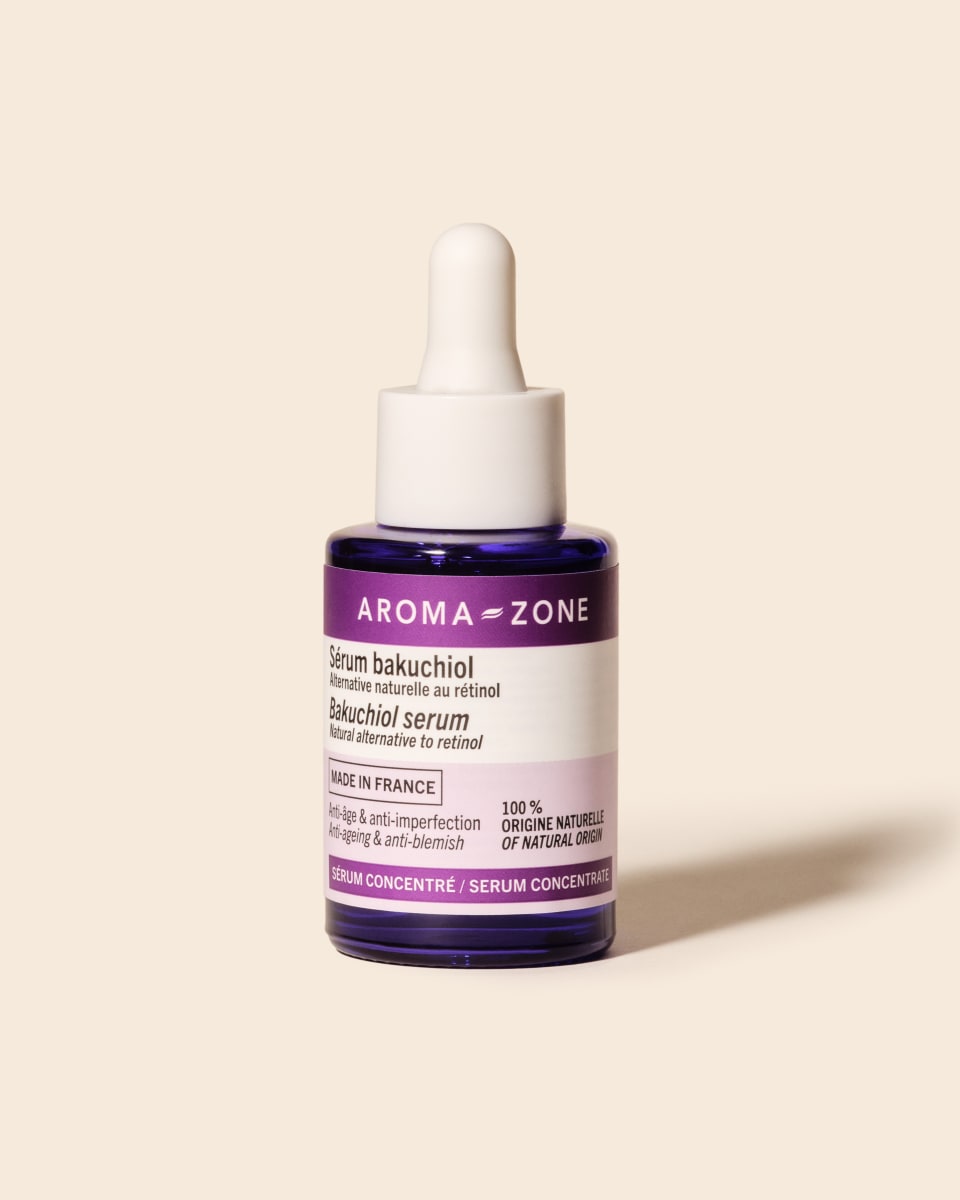
Bakuchiol Face Serum Concentrate
Both anti-ageing and blemish targeting, this powerful serum improves the skin's appearance. It helps prevent blackheads, soothes the inflammation caused by blemishes and reduces the appearance of acne scars. Non-comedogenic and non-photosensitising.
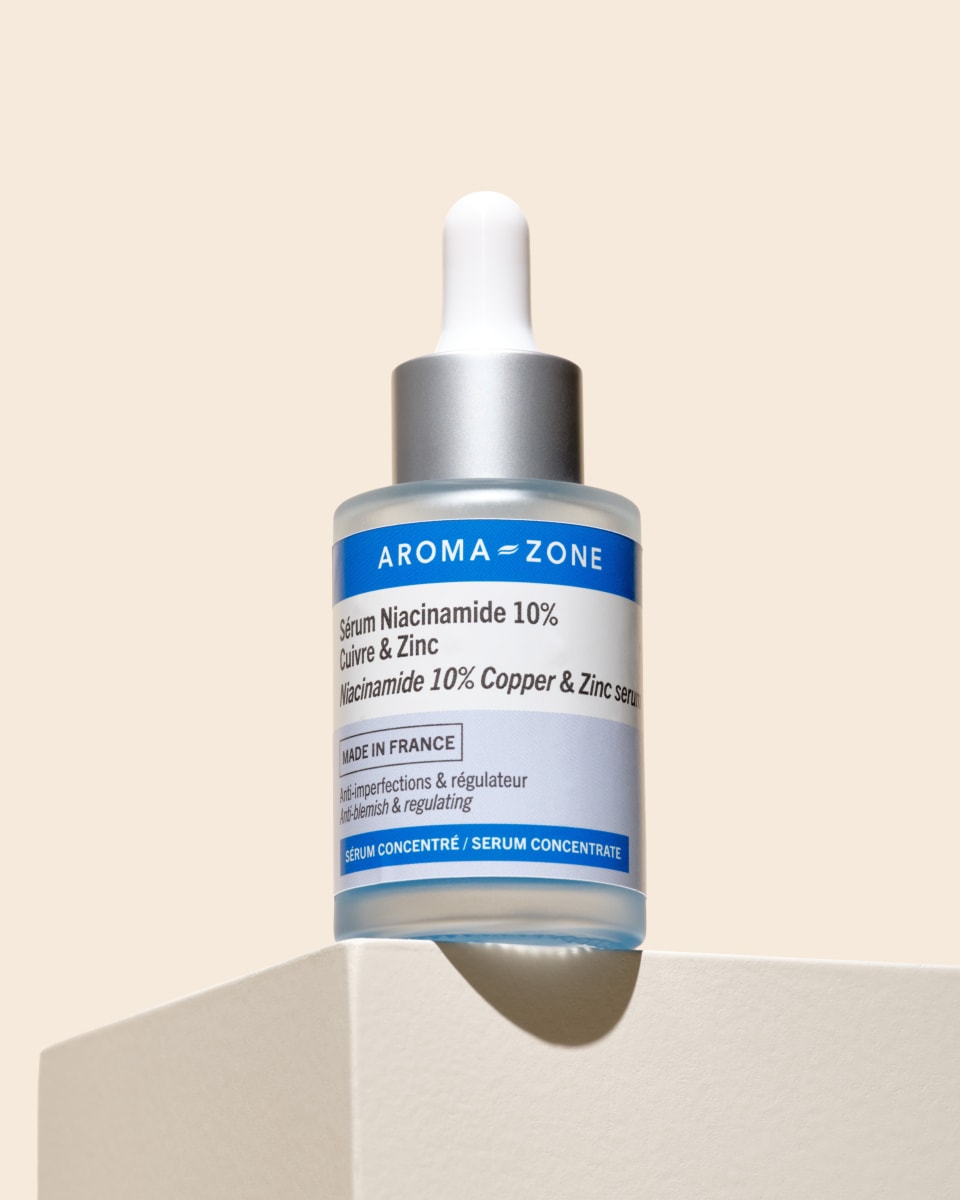
10% Nicotinamide, Copper & Zinc Serum Concentrate
Our 10% nicotinamide concentrated serum, enriched with zinc and copper, effectively regulates sebum production, tightens open pores and prevents the formation of pimples as well as reducing redness and brown spots. This combination of nicotinamide and hyaluronic acid is ideal for a complete skincare routine: the nicotinamide targets blemishes, while the hyaluronic acid moisturises, soothes and strengthens the skin, providing the perfect balance for clearer skin, a finer skin texture and a more radiant complexion, without any feeling of tightness.
What natural skincare routine can help you achieve clearer skin?
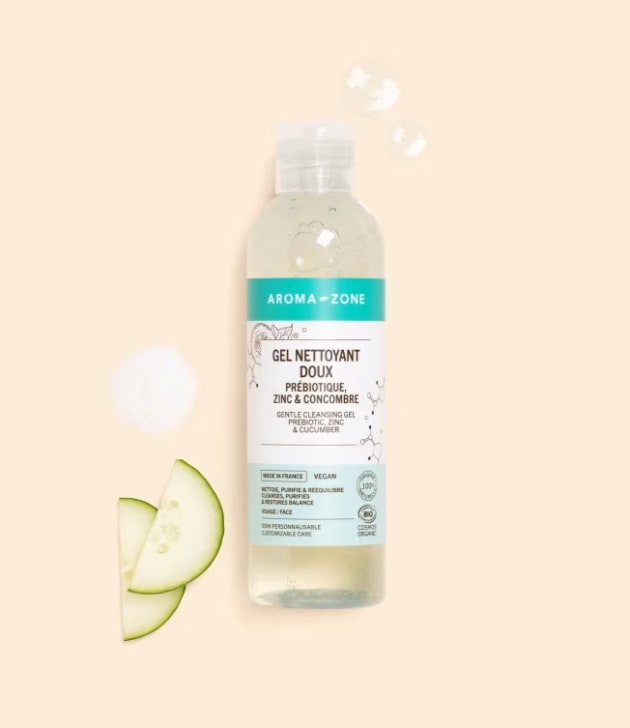
Step 1: Cleanse gently
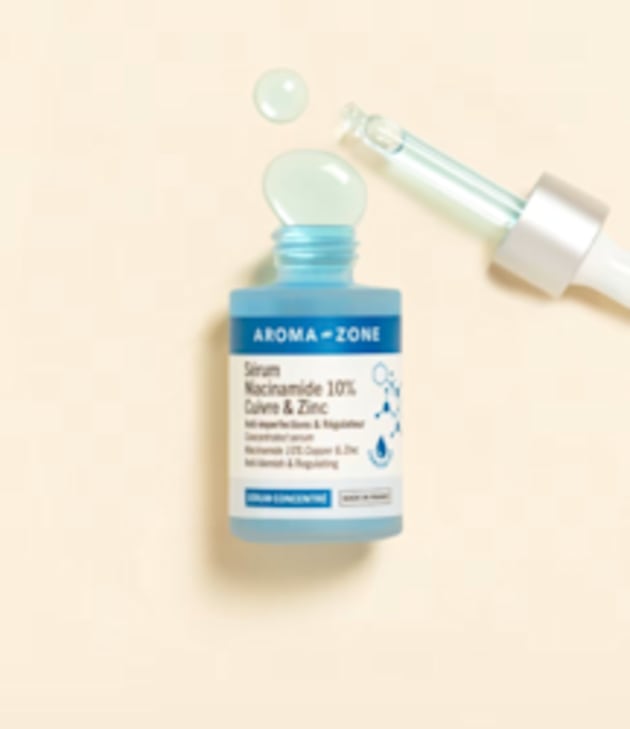
Step 2: Targeting imbalances
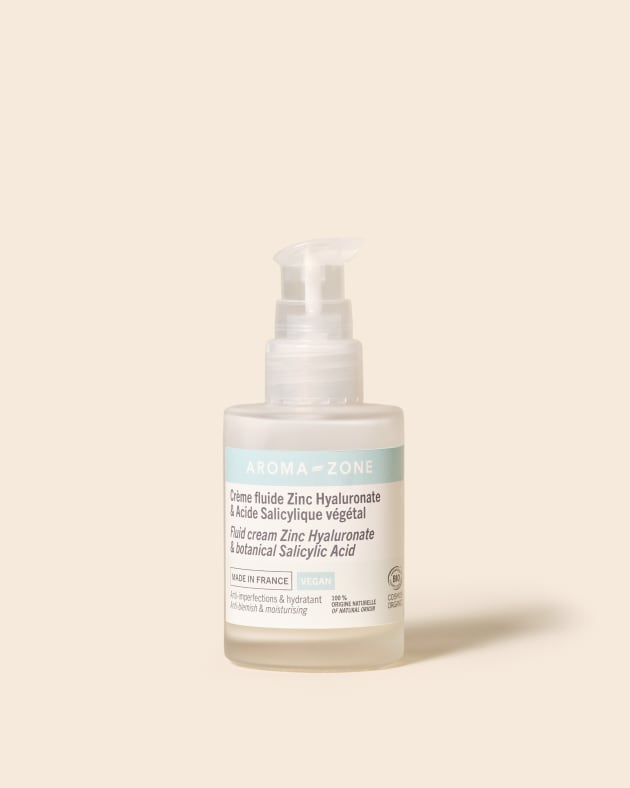
Step 3: Moisturise without weighing the skin down
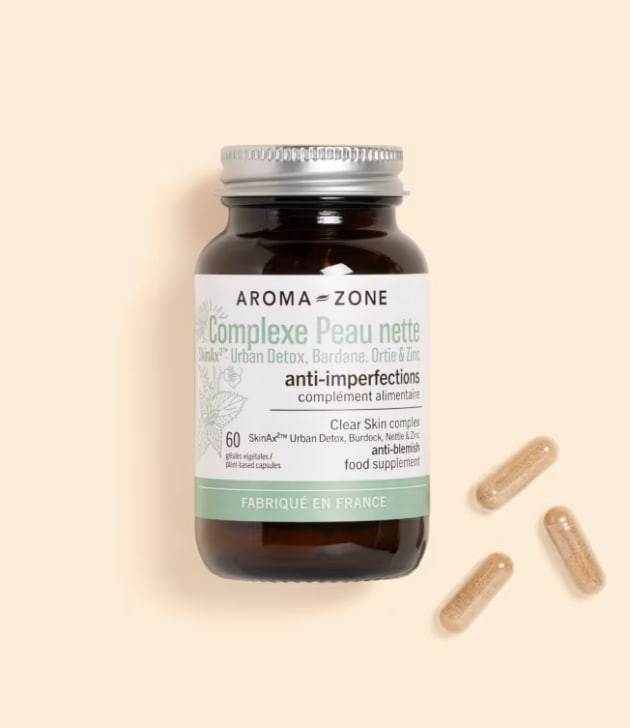
Step 4: Take action from the inside
Use and precautions for the dietary supplement: The Clear Skin Complex combines plant extracts, from burdock to zinc, and is a natural solution to support skin balance on a daily basis. Take 2 capsules a day, to be swallowed with a glass of water. Not a substitute for a varied and balanced diet and a healthy lifestyle. Do not exceed the recommended daily dose. For adults only. Not recommended for pregnant or breastfeeding women, or in cases of oedematous heart or kidney failure. Not recommended in cases of allergy to salicylate derivatives or known cross-allergies, particularly to plants of the Asteraceae family. Keep out of reach of children.
To find out more, discover our anti-blemish routine.
How can acne be prevented?
Diet: a balanced diet can play a role in preventing acne. Avoiding foods high in fast sugars, saturated fats and dairy products can help regulate sebum production and reduce acne outbreaks. Choose foods high in omega-3, fibre and antioxidants, such as fruit, vegetables and oily fish.
Avoid touching your face : frequent contact with your face can aggravate acne, especially if your hands are not clean. Bacteria and particles can clog pores and help cause pimples. Similarly, it's advisable not to pierce or squeeze your pimples, as this can aggravate the inflammation and lead to post-acne scarring.
Use the right products: using non-comedogenic cosmetics that are suited to your skin type is essential to prevent clogged pores and regulate the overproduction of sebum. Choose gentle cleansers and sebum-regulating products.
Change your sheets and clean your phone regularly : changing sheets and pillowcases regularly is crucial. These surfaces accumulate bacteria and impurities that can come into contact with the skin and cause acne.
Precautions for use
There are no particular contraindications to applying hyaluronic acid to the skin. It's an ingredient that's well tolerated, and you can even include it in your skincare routine if you're pregnant (unless your doctor advises otherwise). Allergies to this substance are rare, but as with all cosmetic ingredients, there is no such thing as zero risk. If you're planning to use a new hyaluronic acid skin care product, the sensible thing to do is to carry out a sensitivity test beforehand.
Expert advice
Have you ever noticed that your serum tends to crumble when you apply it? There are some very simple tips that can help you avoid this easily by adapting your skincare routine. Here's our team's advice on how to avoid this:
Apply just one pump of your serum. A small amount is enough for your whole face.
Apply to clean skin. Apply your serum after cleansing your skin, you can apply it to dry skin or lightly moisten your face with a mist before applying your serum. It's up to you to choose the solution that suits you best, depending on your skin type.
Wait until the product has penetrated fully. Before moving on to the next stage of your skinare routine, make sure you have thoroughly absorbed your serum into your skin using circular movements on your face and neck.
You can then complete your routine with your day or night skincare product, such as a plant-derived oil, or your sun cream, for example.
To find out more about Orianne's advice, click here.
Spotlight on Our Naturopathic editor, Lucie Granjon
Passionate about plants and their properties, she started her career as a perfumer before moving to the world of natural beauty and aromatherapy over 10 years ago. Lucie supports ethical and committed brands with strategy development, product formulation and expert advice for their customers. She has worked with the Aroma-Zone team on several books, including "Le grand guide de l'Aromathérapie et des cosmétiques naturels" ("The Complete Guide to Aromatherapy and Natural Cosmetics"). She also has years of training in aromatherapy, herbalism and essential oil distillation, and supports the work of French plant growers.
Bibliography
The Chemistry and Biology of Hyaluronan - Cowman, M.K. & Matsuoka, S. 2005.
Cosmetic Dermatology: Products and Procedures - Draelos, Z.D., 2015.
Fundamentals of Cosmeceuticals - Baron, E.D et al 2020.
Jones, H., Altayyar, A.
"The Role of Azelaic Acid in Hyperpigmentation Disorders." Dermatologic Therapy, vol. 33, no. 6, 2020. DOI: 10.1111/dth.14078.
Juhl, J., Gronholdt, M., Zak, M, "The Impact of Dairy Products on Acne: A Systematic Review."
Journal of Dermatological Science, vol. 94, no. 1, 2019, pp. 78-86. DOI: 10.1016/j.jdermsci.2019.03.002.
Frequently Asked Questions
Associated tip
Natural actives


