
How to look after oily skin: tips and natural solutions

Oily skin is known as hyperseborrhoea. This scientific term refers to skin that is likely to have an excess of sebum. This oily substance is secreted by the sebaceous glands to protect the epidermis from external damage. Let's explore how to look after oily skin and reduce sebum production using natural tips and solutions.

Reading time: 0 min.

What is oily skin?

Oily skin is the result of excessive sebum production by the skin's sebaceous glands. Sebum is an oily substance that regulates skin hydration by reducing transepidermal water loss and forms a protective barrier against external aggressors, such as bacteria, pollutants and other types of damage. It is composed mainly of lipids, in particular triglycerides, free fatty acids, esters and squalene. When produced in excess, sebum can clog the skin's pores and encourage the spread of bacteria, which can lead to skin problems such as acne, blackheads and rashes.

What causes oily skin?

Genetics: some people have a predisposition to secrete more sebum.

Hormonal variations: particularly during adolescence, pregnancy or the menopause, when fluctuations in hormones influence sebum production and make the skin oilier.

Stress: stress can also induce a hormonal response, which affects sebum secretion.

Diet: a diet high in fats and carbohydrates can stimulate sebum production.

Taking certain medications: particularly those containing steroids. Using unsuitable skincare products: certain products can disrupt the natural balance of the skin barrier. The skin may secrete more sebum to compensate and restore its balance.

The characteristics of oily skin

  • Skin texture is irregular and pores are dilated, resulting in blackheads, pimples and sometimes acne.

  • The complexion can be dull and shiny , mainly in the T-zone (forehead, nose and chin), where the skin is often oily and has excess sebum.

  • It generally affects teenagers at puberty: due to fluctuations in the androgen hormone, which influences sebum secretion. In some cases, oily skin can also persist in young adults after this period.


What is the link between oily skin and acne-prone skin?

Oily skin is characterised by excessive production of sebum, which gives skin an oily appearance, particularly in the T-zone (forehead, nose and chin), as well as visible, open pores. Although oily skin does not automatically mean acne-prone skin, it does create an environment conducive to the development of acne. In fact, one of the causes of acne is the blocking of pores by an overproduction of sebum, bacteria and dead cells. On the other hand

acne is a skin condition that can include comedones, blackheads or inflamed pimples. Skin that is excessively shiny can therefore be prone to acne.

Which active ingredients are best for oily skin?

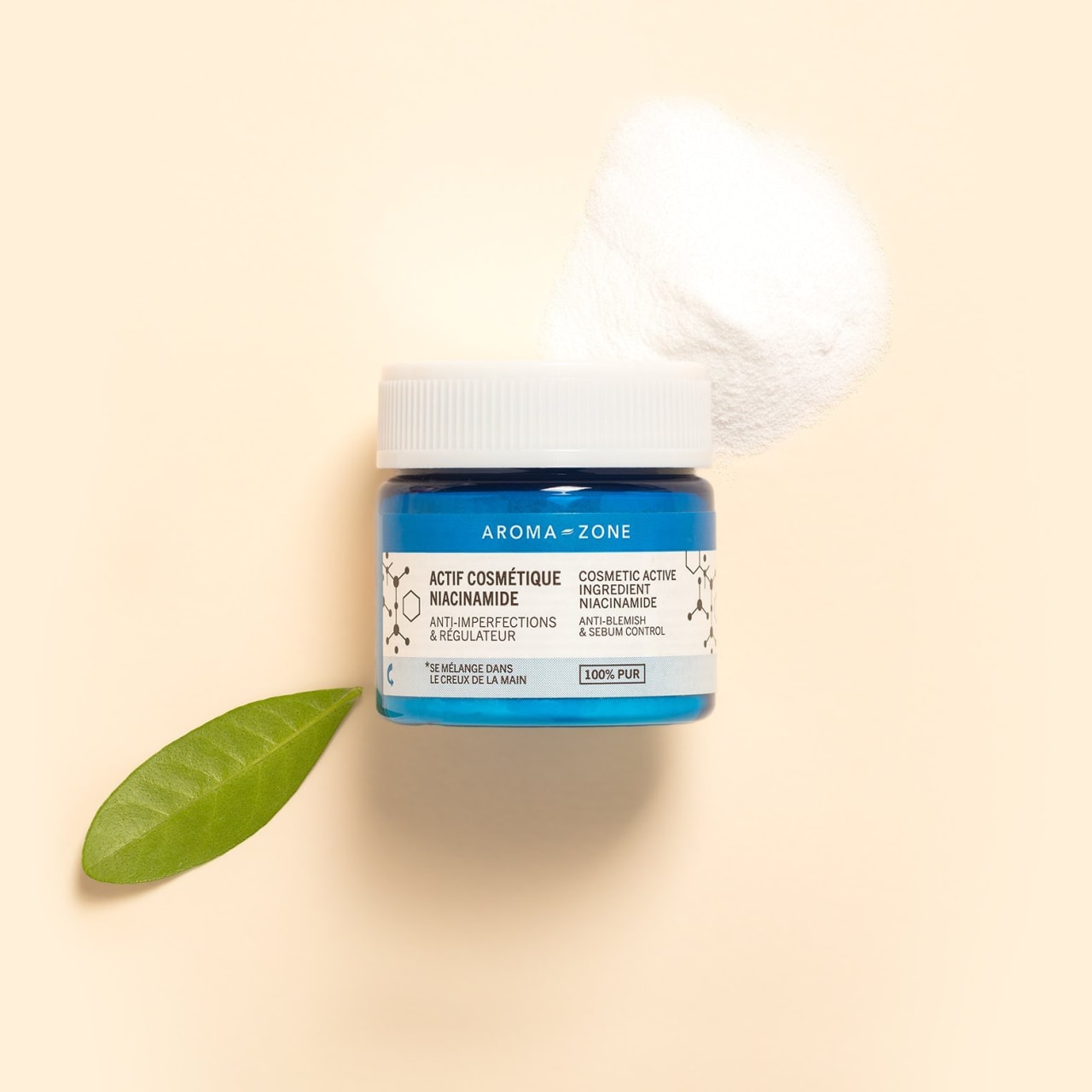
Nicotinamide active ingredient: Nicotinamide is popular for its multiple benefits: known for regulating sebum production, it also reduces the pigmentation spots that can appear in cases of acne and blemishes. It can be used as an ingredient in your cosmetic recipes as well as an active ingredient in your skin care routine.

Discover the active ingredient nicotinamide

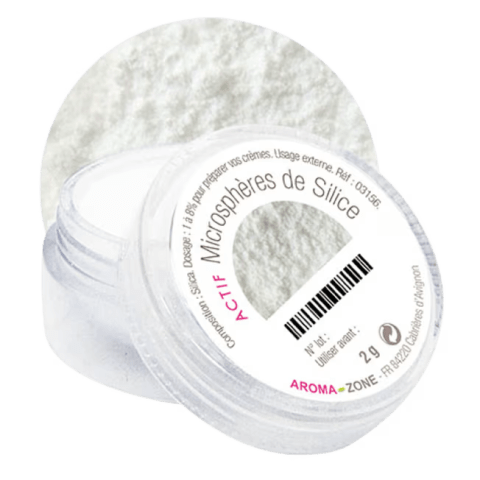
Active silica microspheres: This mattifying 100% mineral silica is used in cosmetic formulations to give the skin a velvety matte finish, absorb excess sebum and conceal imperfections and open pores. It is an active ingredient perfectly suited to oily skin.

Discover silica microspheres

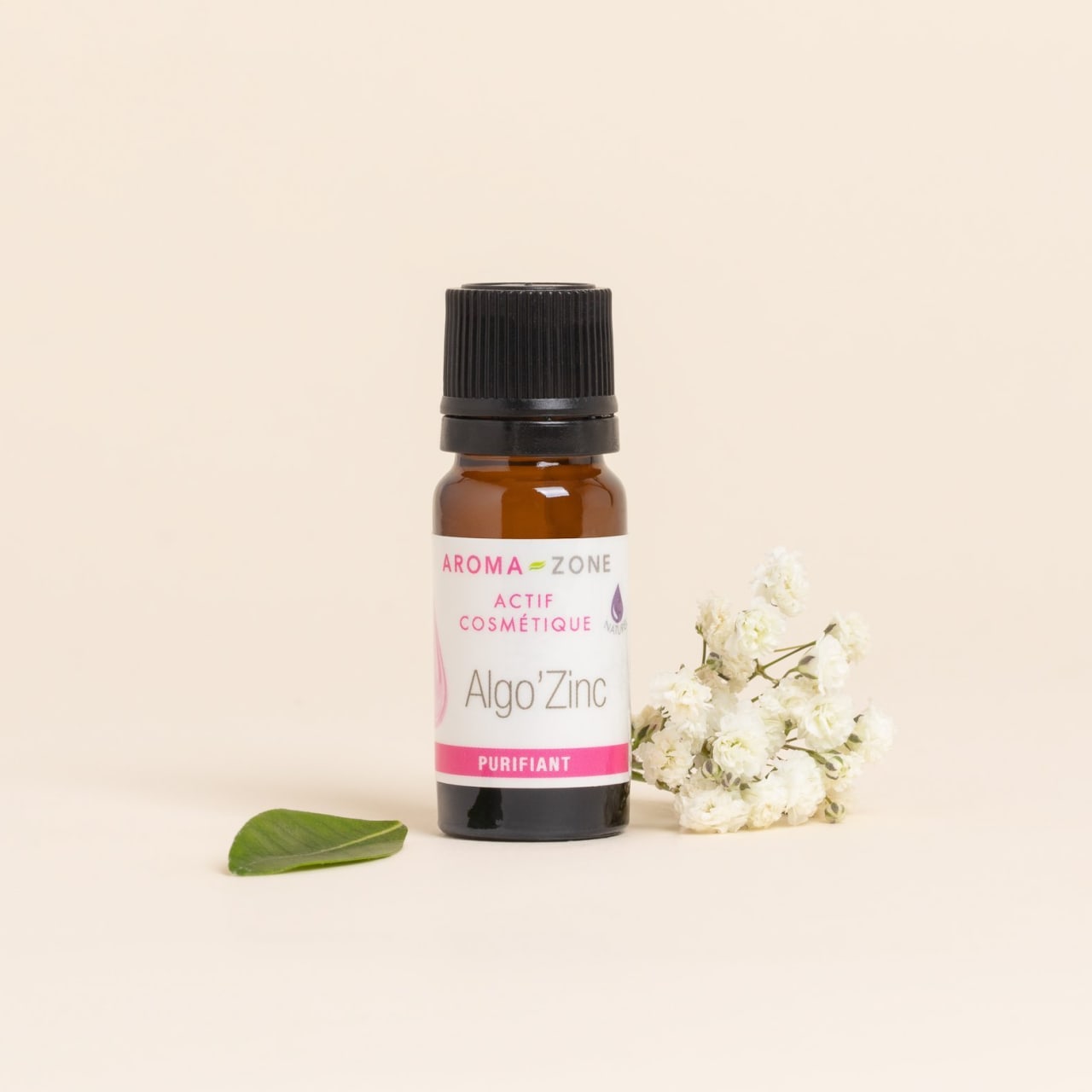
Algo'Zinc active ingredient: This zinc-based active ingredient complexed with laminaria seaweed extract has proven purifying, sebum-regulating and soothing properties. It's a very effective active ingredient in skincare products for oily skin and skin with blemishes.

Discover Algo'zinc

Active salicylic acid: powerful when incorporated into your products for oily, dull or acne-prone skin. Purifying and keratolytic, it stimulates skin renewal, smoothes out blemishes and combats blackheads.

Discover salicylic acid

What skincare routine is ideal for oily skin?

Cleanse your skin with prebiotic, zinc and cucumber gentle cleansing gel

This cleansing and purifying gel gently removes impurities and make-up, while respecting the skin's pH. Its formula enriched with organic cucumber extract, organic inulin and zinc PCA reduces blemishes, and regulates sebum production and blackheads.

Discover prebiotic, zinc and cucumber gentle cleansing gel

Exfoliate with papaya and vitamin C enzyme cleansing powder

A cleansing and exfoliating 2-in-1 powder with natural enzymes. It unclogs pores, prevents the formation of blackheads and refines skin texture thanks to grain-free enzymatic exfoliation,

Discover papaya and vitamin C enzyme cleansing powder

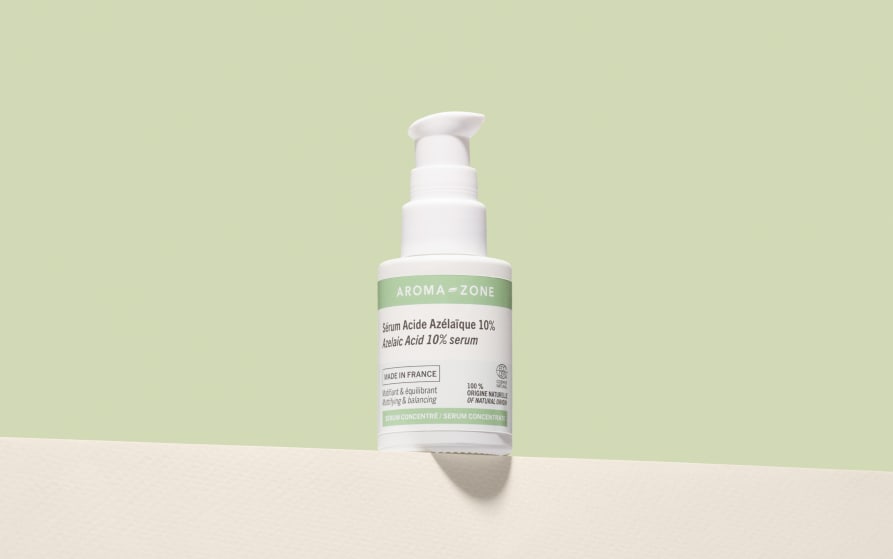
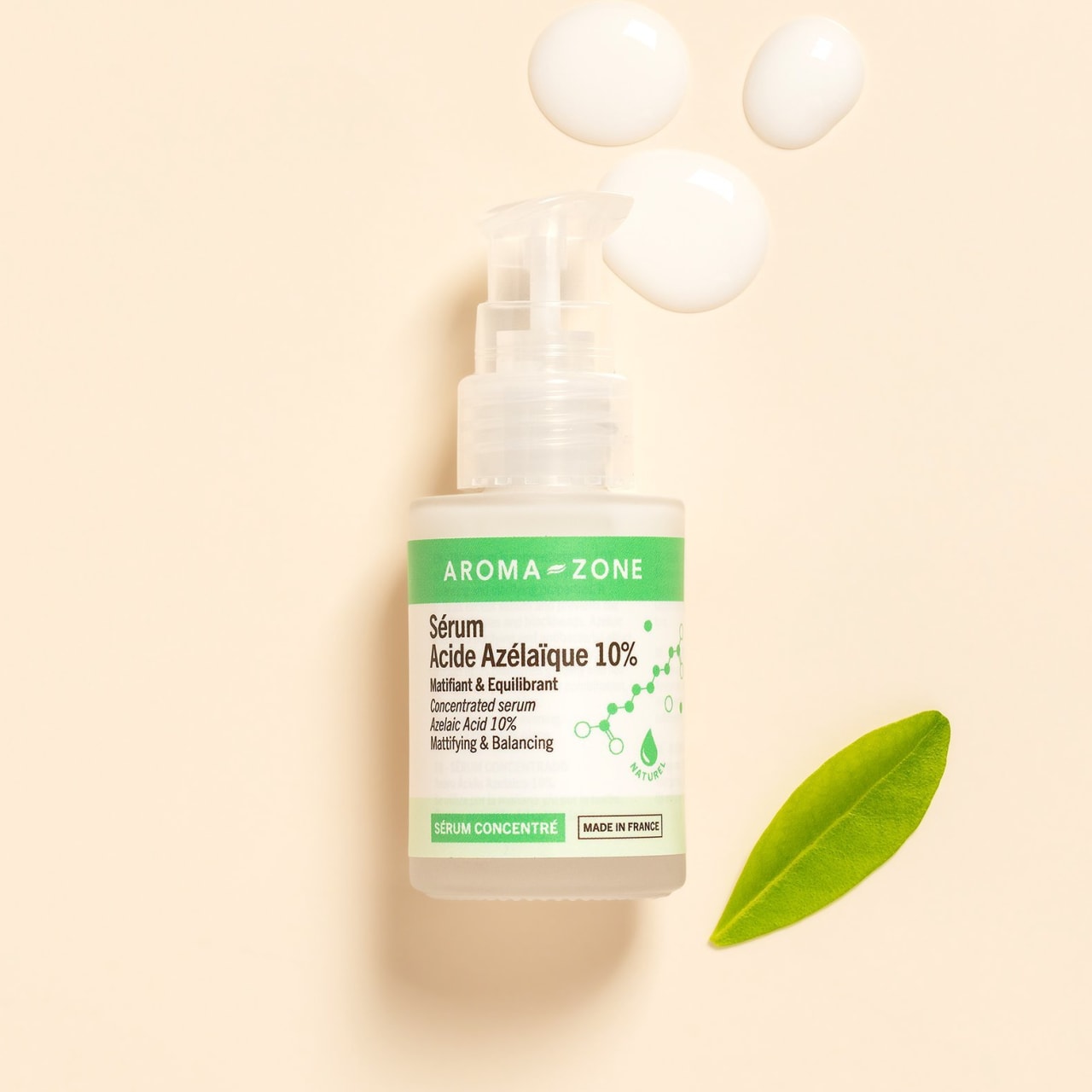
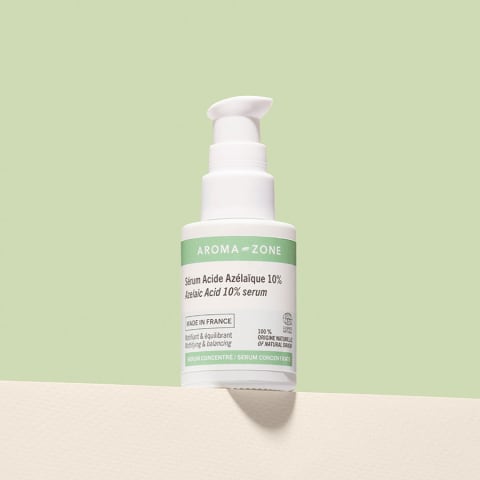
10% azelaic acid serum concentrate

This 10% azelaic acid serum concentrate works on combination and oily skin, regulating excess sebum, unclogging and tightening pores which prevents the formation of blemishes.

Discover 10% azelaic acid serum concentrate

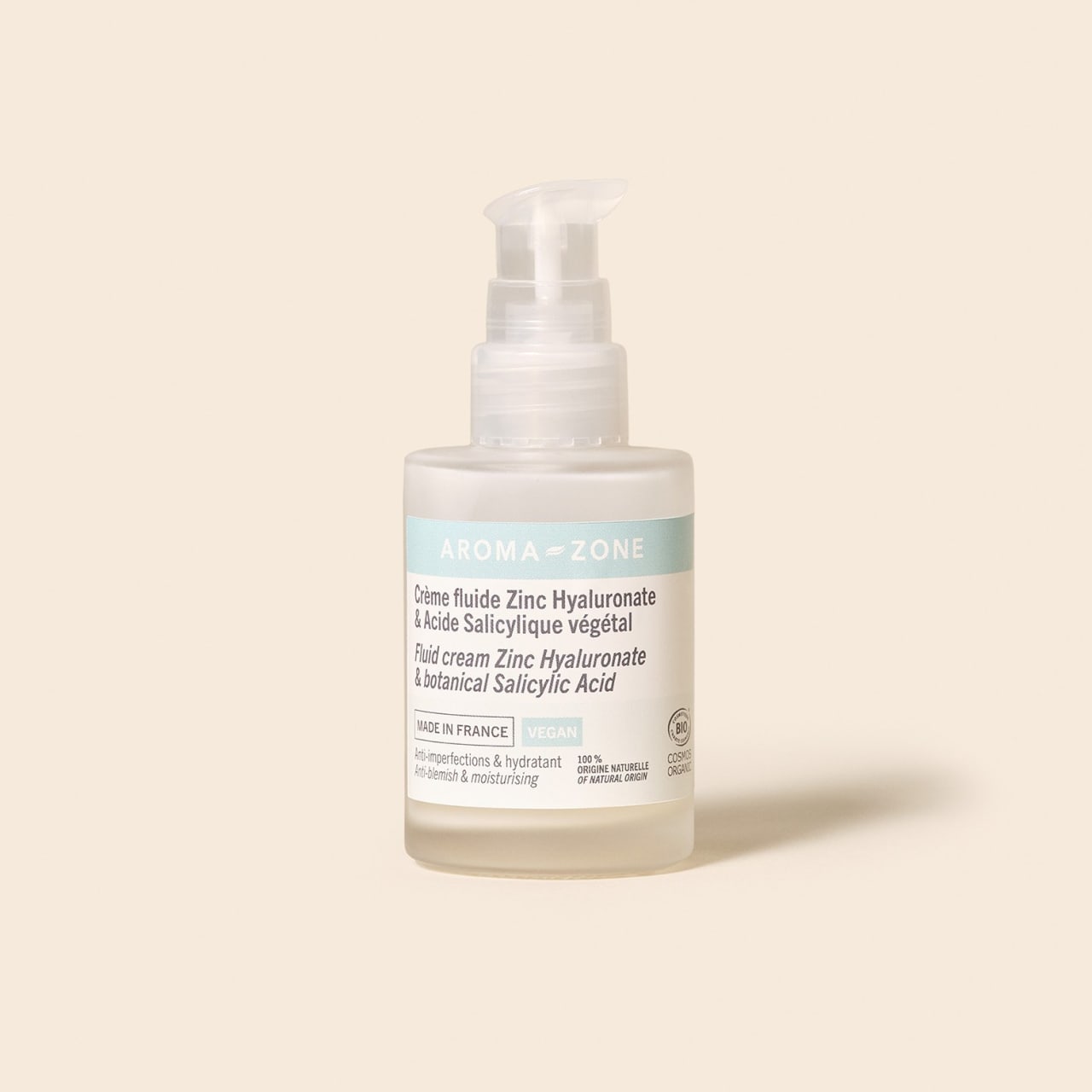
Moisturise with organic purifying and moisturising lotion

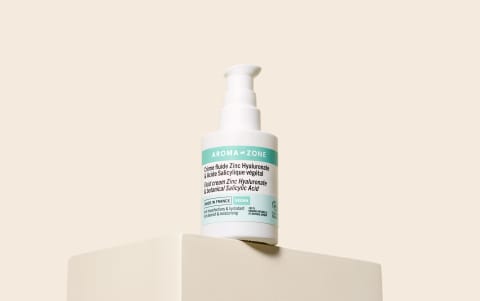
This purifying lotion works as a skin perfector, balancing, mattifying and moisturising at the same time. It has a high concentration of zinc hyaluronate, an innovative active ingredient with proven effectiveness in reducing blemishes, preventing their appearance, as well as repairing, hydrating and mattifying the skin.

Discover our organic purifying and moisturising lotion

.

Once a week: Clay mask

Montmorillonite green clay is high in minerals and trace elements and has a high adsorption capacity, giving it purifying properties. Used on oily skin prone to shine, it helps regulate sebum production. Mix the clay and water until smooth. Apply to the entire face and leave on for 10 minutes before rinsing off with clean water.

Discover montmorillonite green clay

How to prevent problem skin

  1. A homemade purifying mask: mix two tablespoons of montmorillonite green clay or kaolin (white clay) with a purifying hydrosol such as rosemary hydrosol. These powders absorb excess sebum and purify the skin. Apply this mask to the face, leave on for 10 to 15 minutes, then rinse off with lukewarm water. Use this mask once or twice a week for a clearer complexion.

  2. Purifying banana mask: bananas contain nutrients such as vitamin A and zinc, which can help regulate sebum production. In a bowl, mix a ripe banana with a teaspoon of honey. Apply the paste to your face and leave for 15 minutes before rinsing with warm water.

  3. Eat a healthy diet: a balanced diet can play a role in preventing acne. Avoiding foods rich in fast sugars, saturated fats and dairy products can help regulate sebum production and reduce acne outbreaks. Choose foods rich in omega-3, fibre and antioxidants, such as fruit, vegetables and oily fish.

  4. Stay hydrated: drinking enough water (at least 1.5 litres a day) helps the skin to maintain its natural balance and avoid dehydration. When the body is dehydrated, the complexion can appear dull, the skin's hydrolipid barrier can lose its effectiveness and sebum production can be disrupted.

Our recipes for looking after oily skin

Astringent gel for oily skin

Preparation

1

Transfer the aloe vera gel to a bowl if necessary using the pipette.

2

Gradually add the rest of the ingredients , mixing well between each addition.

3

Transfer the product to your bottle using the pipette if necessary.

Store your bottle away from light and heat.

* Storage: if stored properly and manufactured under optimum hygiene conditions, your product will keep for at least 3 months.

Mattifying cream for oily skin

1

Pour the active ingredients and essential oil directly into the jar containing the neutral cream.

2

Close the jar and shake vigorously for 30 seconds. It's ready to use!

Precautions for use:

Take care to avoid over-aggressive scrubs and cleaning products. If you weaken the skin's hydrolipid barrier, it may produce even more sebum to protect itself.

Expert advice

It's important to maintain the right levels of moisturisation: dehydrated skin will tend to produce more sebum to compensate for water loss and prevent irritation. As well as moisturising with lightweight products, incorporating ingredients such as nicotinamide can help control sebum production.

Find out more

What types of make-up are suitable for oily skin?

Mattifying products such as powder foundations or mattifying bases are preferable. For touch-ups if your complexion looks shiny throughout the day, you can also use a translucent loose or compact powder.

How often should I cleanse oily skin?

It is generally recommended to cleanse your skin once or twice a day. Excessive cleansing can irritate the skin and indirectly increase sebum production, so use a gentle cleanser suited to your skin type.

Spotlight on our editor: Lauréna Valette

Lauréna is a journalist and editor specialising in lifestyle, wellness and psychology. Between writing articles, she travels around the world, discovering what it has to teach us.

Bibliography

1

nicotinamide - Mechanisms of Action and Its Topical Use in Dermatology. Skin Pharmacol Physiol 27, 311-315 (2014). Wohlrab, J. & Kreft, D.

2

Vanderwolf, K., Kyle, C., & Davy, C. (2020). A review of sebum in mammals in relation to skin diseases, skin function, and the skin microbiome. Journal of Dermatological Science, 117, Article 103614.