How can I moisturise my skin naturally?
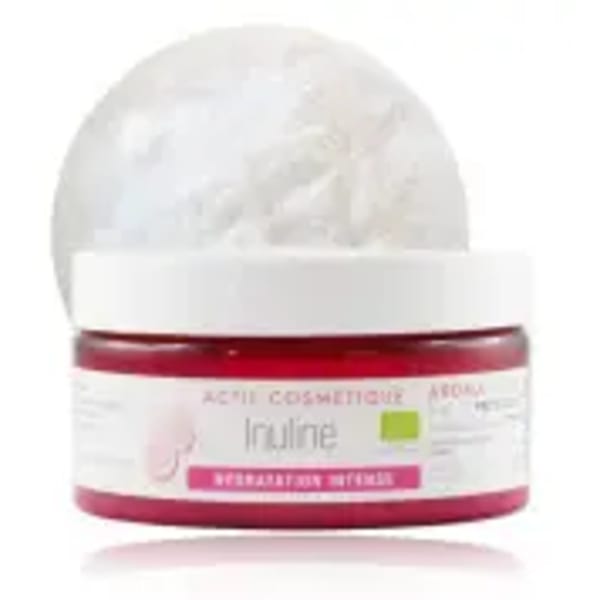
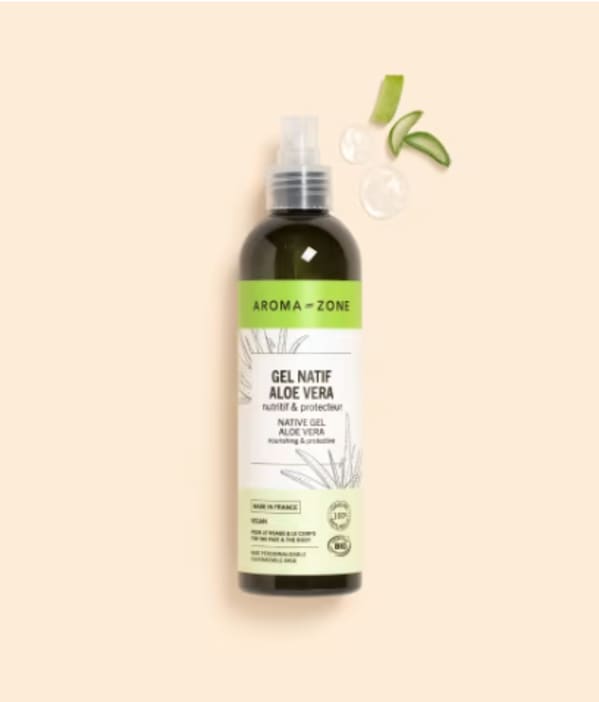
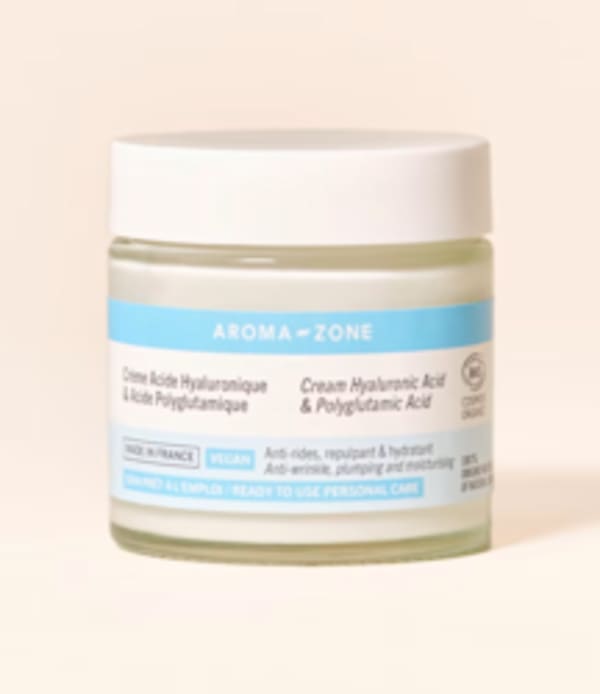
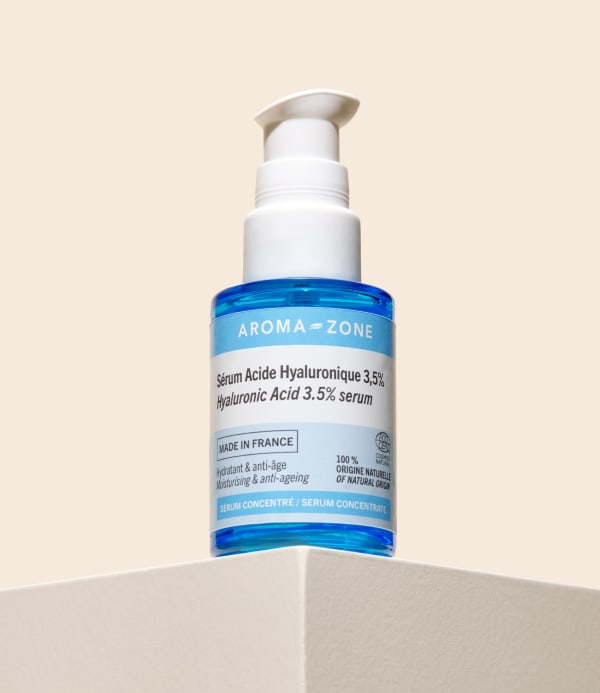
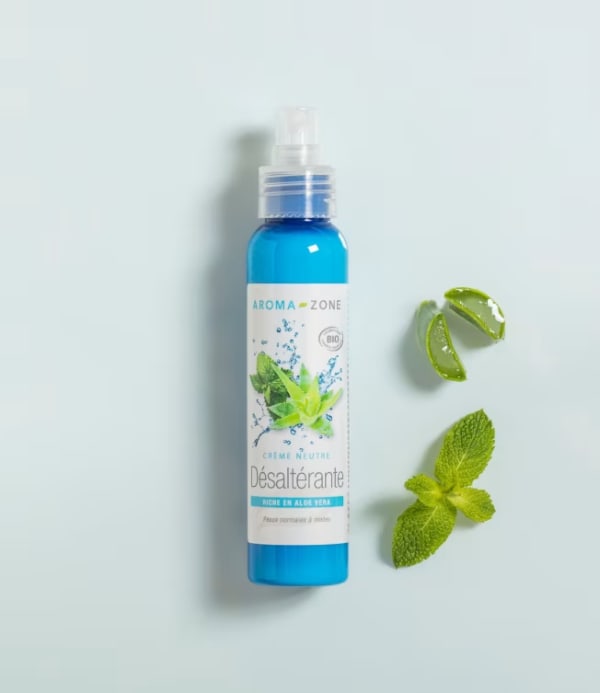
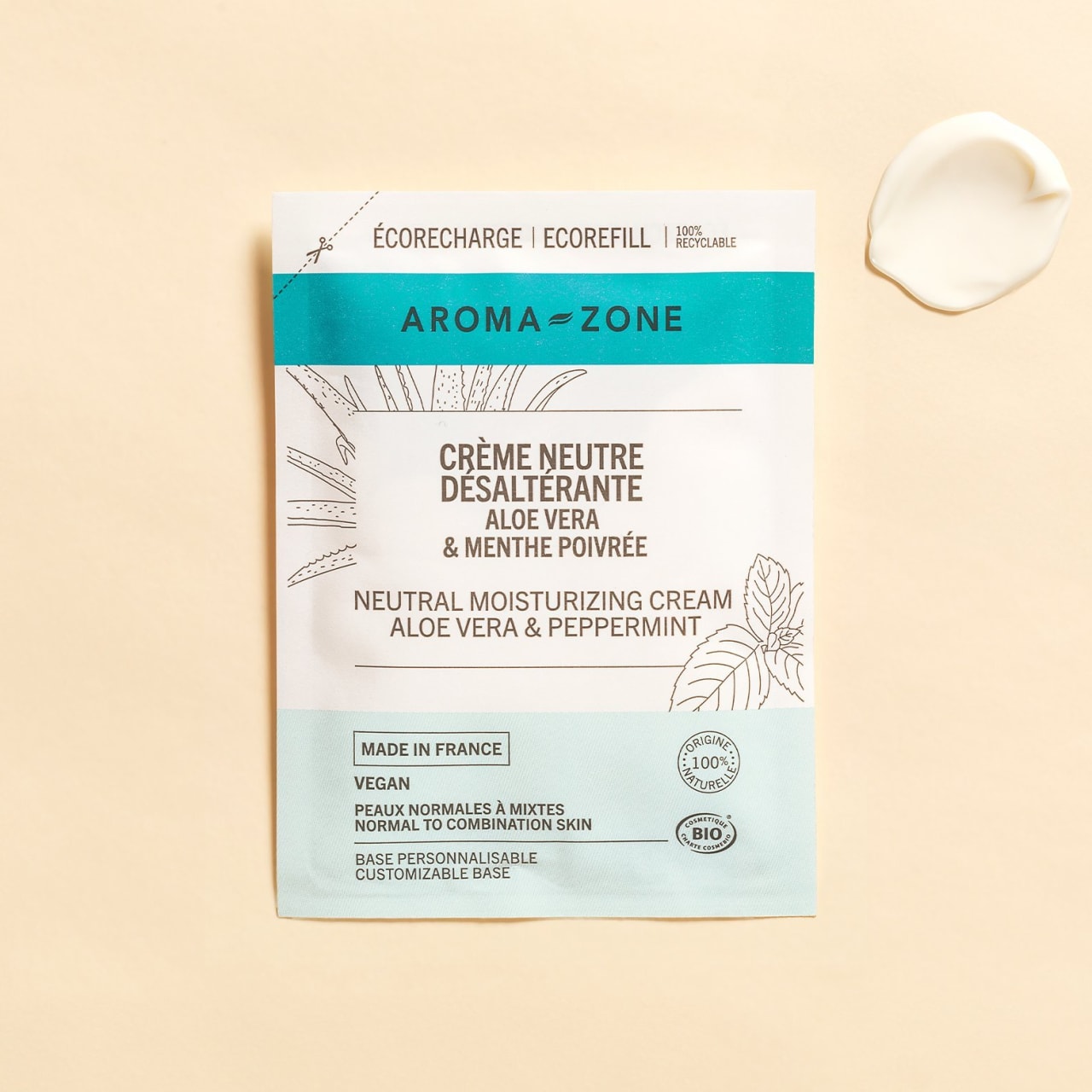
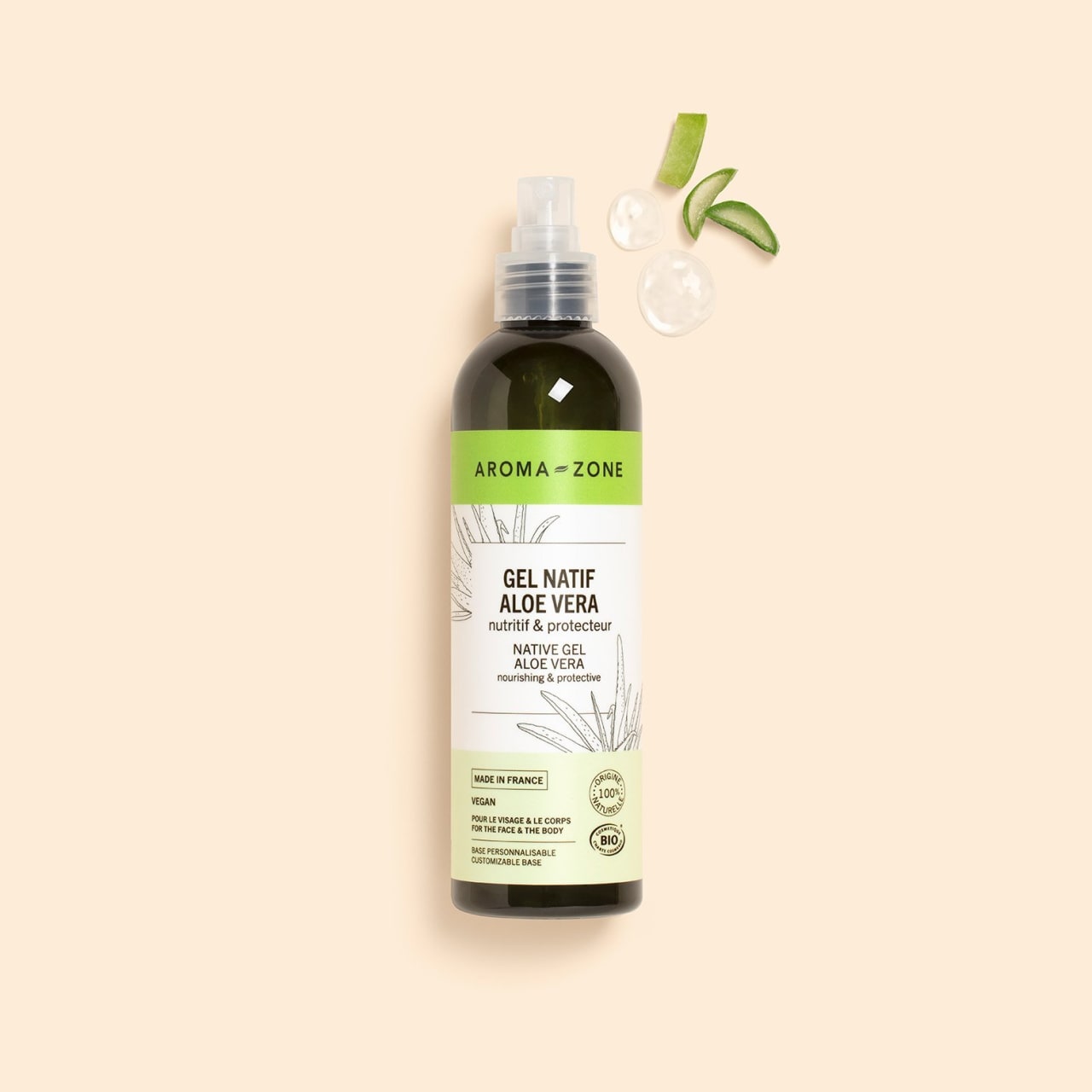
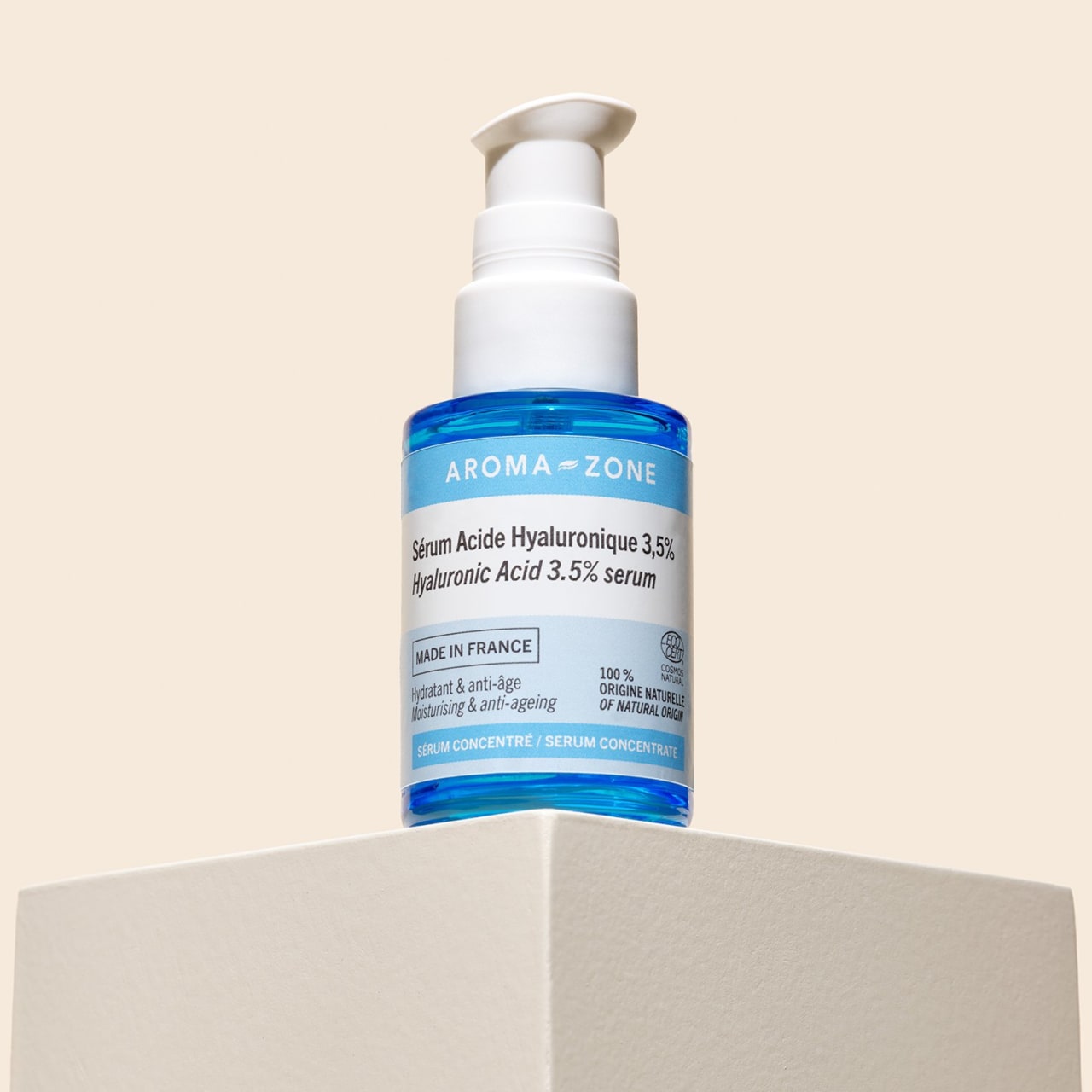
Discover natural solutions for looking after dehydrated skin and opt for the best natural moisturisers for the face, such as hyaluronic acid, urea, inulin and aloe vera gel. Moisturising cream, moisturising gel, floral essences, protective serum, refreshing spray, natural emollients... Go for full hydration and find simple, effective and natural recipes and the most effective plant extracts for moisturising the skin naturally and getting elastic, supple skin again.

Why does my skin dry out?
Dry skin can be caused by a number of external factors, such as:
Exposure to the sun: UV rays can dry out the skin and alter its natural protective barrier.
External damage: pollution, wind and other environmental damage can contribute to skin dehydration.
Weather conditions: the cold of winter can rob the skin of its natural moisture, leaving it feeling dry.
Foundation and make-up: certain cosmetic products, particularly if they contain drying ingredients, can contribute to skin dryness.
Rubbing of clothing: rough or tight clothing can cause excessive friction, leading to dry skin, especially in areas prone to friction.
So it's important to find the right solution to moisturise your skin.
Top active ingredients and natural extracts to moisturise dehydrated skin and protect against dehydration
Simple, effective tips for moisturising your skin naturally
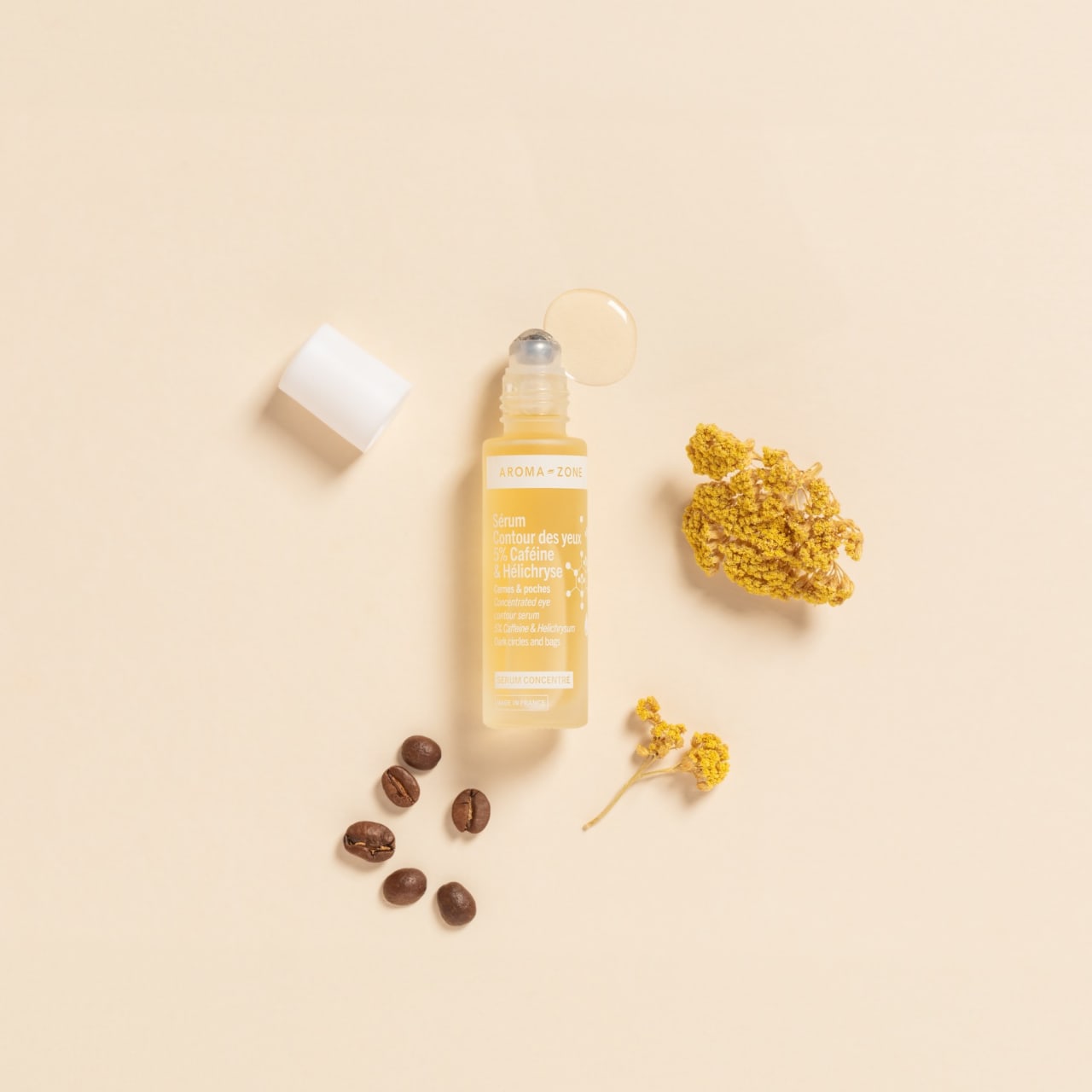
Particularly fine and sensitive, the skin around the eyes needs extra protection and moisture. Choose a cream for delicate skin rich in gentle, moisturising active ingredients to plump up the skin around dehydrated eyes and prevent fine dehydration lines.
To deeply moisturise the skin, there's nothing like a hydrating and plumping mask, ideal for revitalising dehydrated skin. It prevents the appearance of fine dehydration lines and restores the skin's suppleness and bounce. Apply once or twice a week if skin feels uncomfortable.
Even if you moisturise your skin daily with skincare products, it still needs a substantial supply to compensate for the evaporation of water from its surface and maintain your body's water balance. Consider herbal teas, infusions and matcha to plump up the skin and keep it well hydrated.
Think of food supplements to hydrate the skin from the inside out. The skin needs a balanced diet rich in nutrients and trace elements to maintain good hydration. A deficiency in omega-3s, essential fatty acids that preserve the skin's natural barrier and prevent dehydration, can be remedied with essential carrier oil capsules.
Simple, natural recipes to moisturise your face and prevent tight skin


Expert advice
Just as our digestive system is more active while we sleep, our skin is more permeable in the middle of the night. So it's more likely to absorb and benefit from skincare products while you sleep. By applying your moisturisers in the evening before going to bed, the products will be more effective and your skin will be able to take full advantage of the plumping, moisturising benefits of your skincare products.
Find out more

How do you moisturise your face?

How do you moisturise your face?
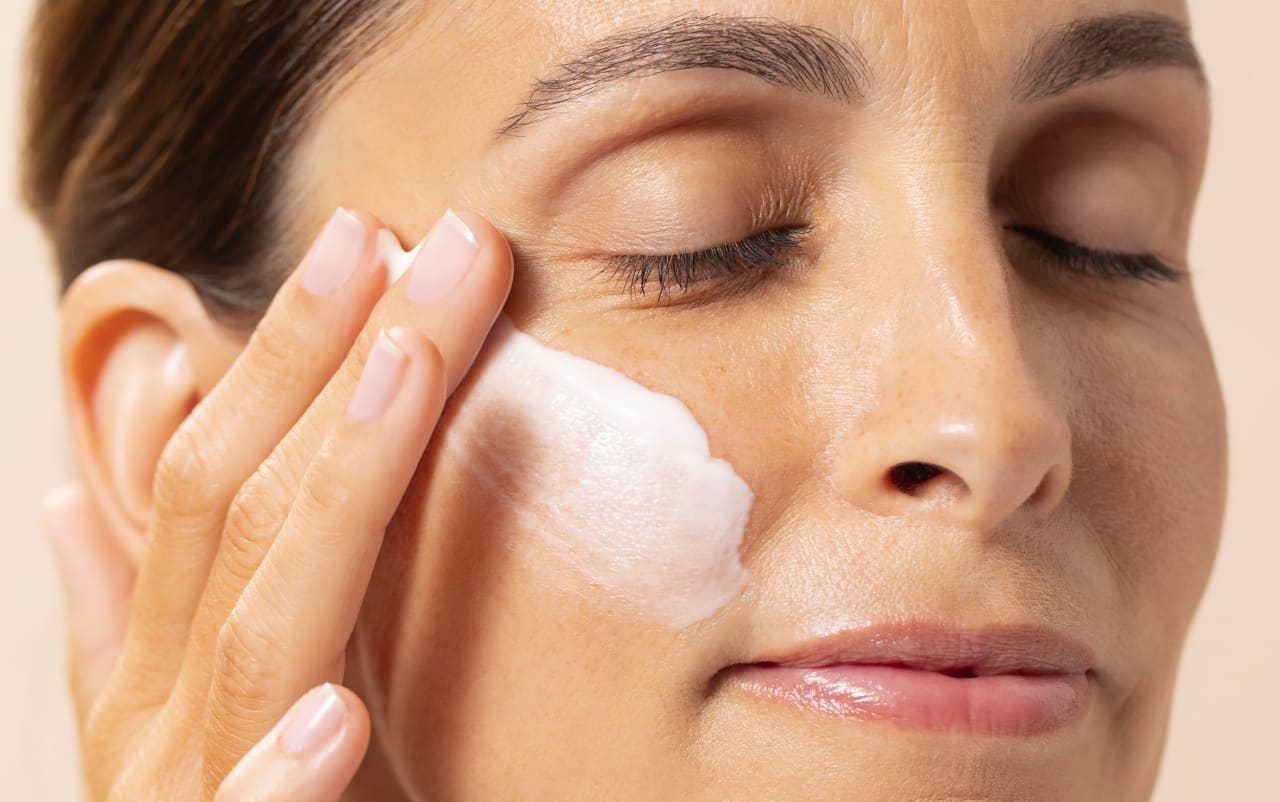
To moisturise the face, use moisturisers suited to your skin type. Apply them gently in circular motions, concentrating on dry areas. Don't forget to include products containing hyaluronic acid for optimum hydration. For optimum hydration, remember to include a gentle cleanser in your beauty routine beforehand and a facial scrub from time to time to remove dead skin cells. You can also use thermal spring water.

How do you moisturise a baby's skin?

How do you moisturise a baby's skin?
For a baby's delicate skin, opt for gentle, natural products such as creams specially formulated for infants. Choose fragrance-free, hypoallergenic formulas to avoid irritation. Apply regularly to keep your baby's skin soft and moisturised.