How can I nourish very dry skin naturally?

Peeling, rough, flaky skin... Discover natural solutions to nourish your skin and get rid of that "scaly skin" look, thanks to Coconut, Avocado, Wheat Germ and Brazil Nut oils, and Shea and Olive butters. Our experts reveal their simple, effective tips for caring for dry to very dry skin and eliminating rough skin. In this beauty factsheet, you'll find simple, effective, natural recipes and the best natural ingredients to combat dry skin and refine skin texture, for soft, supple skin.

By The Aroma-Zone editorial team

Reading time: 0 min.

What is dehydrated skin?

Dehydrated skin is a condition in which the skin lacks water, which can make it dull, rough and uncomfortable. Unlike dry skin, which lacks lipids, dehydrated skin lacks moisture. Here are a few signs that indicate dehydrated skin:

  • Tightness: You may feel a sensation of dryness and tightness, especially after cleansing your face or taking a shower.

  • Dull appearance: Dehydrated skin can look dull and tired, with a lack of radiance and vitality.

  • Irritation and redness: Dehydrated skin can be prone to irritation and redness, especially when exposed to extreme environmental conditions.

The causes of skin dehydration can be diverse, ranging from external factors such as exposure to the sun, wind or dry air, to internal factors such as poor hydration, stress or certain medications.
Why does skin become dehydrated?

Skin dehydration occurs when the skin lacks water. This can be caused by a combination of internal and external factors:

  • Environmental factors: Climate plays a crucial role in skin dehydration. Dry air, whether caused by heating in winter or air conditioning in summer, can lead to moisture loss. Prolonged exposure to sun and wind can also dry out the skin.

  • Skincare habits: Using unsuitable skincare products, such as harsh cleansers or excessive exfoliants, can disrupt the skin barrier, promoting water loss. Prolonged hot showers or baths can also strip the skin of its natural oils, leading to dehydration.

  • Insufficient water consumption: Inadequate hydration directly affects the skin. Drinking too little water can reduce the skin's moisture content, making it more prone to dehydration.

  • Unbalanced diet: A diet low in essential nutrients, such as omega-3 fatty acids, vitamins A and E, and antioxidants, can affect the skin's ability to retain moisture.

  • Ageing: As skin ages, it produces less sebum, which reduces its ability to retain water. What's more, the natural decline in hyaluronic acid, which helps maintain hydration, contributes to skin dehydration.

  • Stress and lack of sleep: Chronic stress and insufficient sleep can disrupt the skin's barrier, increasing water loss and contributing to skin dehydration.

The top active ingredients and natural ingredients to prevent rough skin and get rid of dry skin

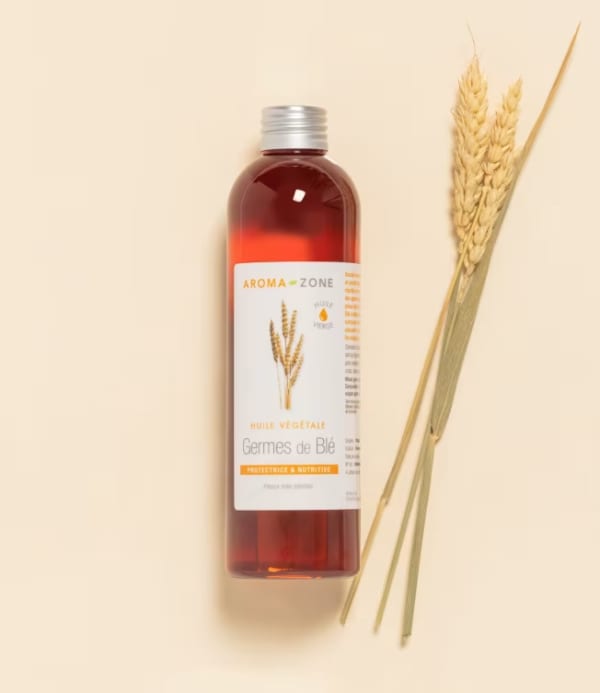
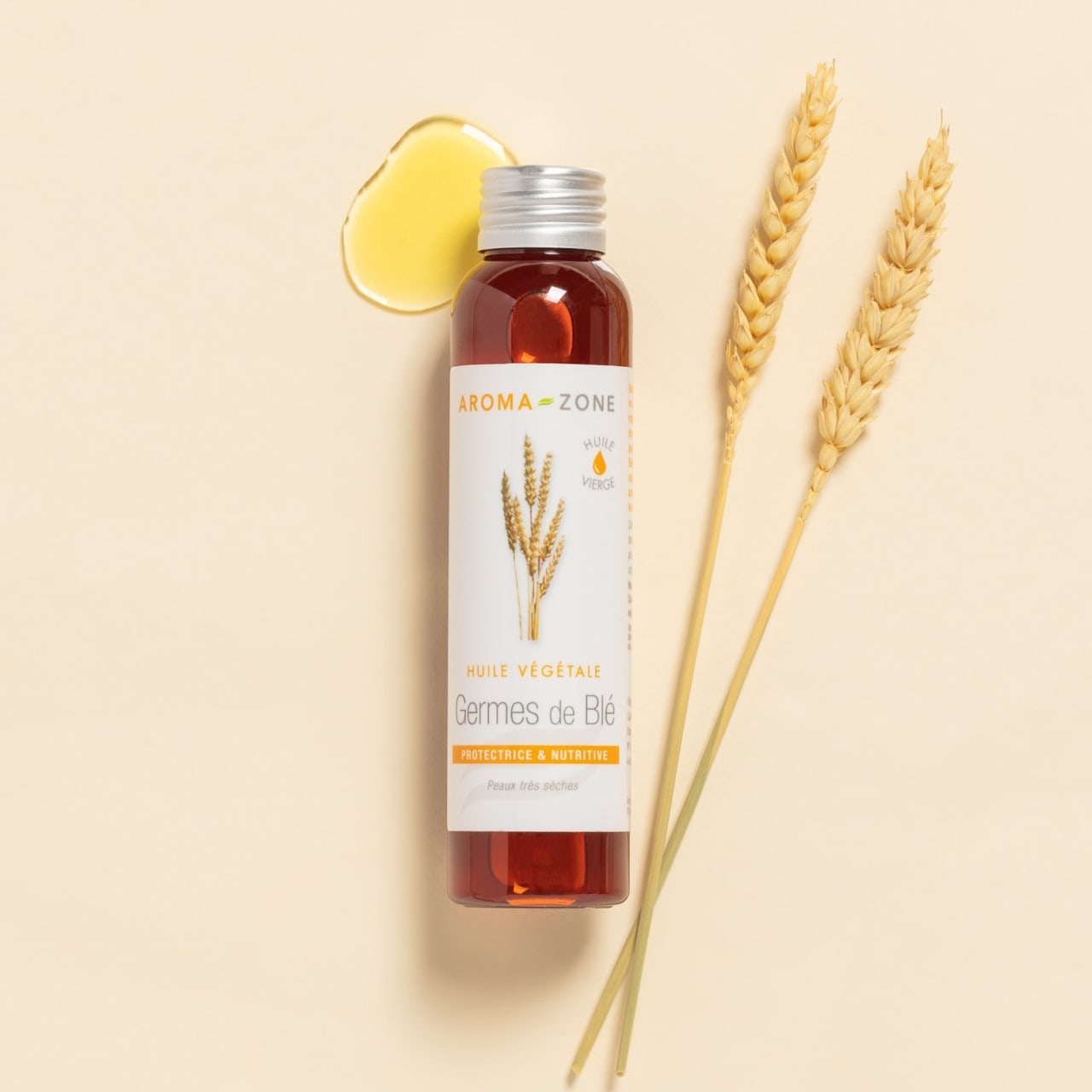
Wheat Germ oil

Regenerating, protective and restorative, Wheat Germ oil restores the skin's natural hydrolipidic film to alleviate the problem of cracked skin. It encourages the elimination of dead skin and leaves the skin feeling velvety soft.

Discover Wheat Germ plant oil

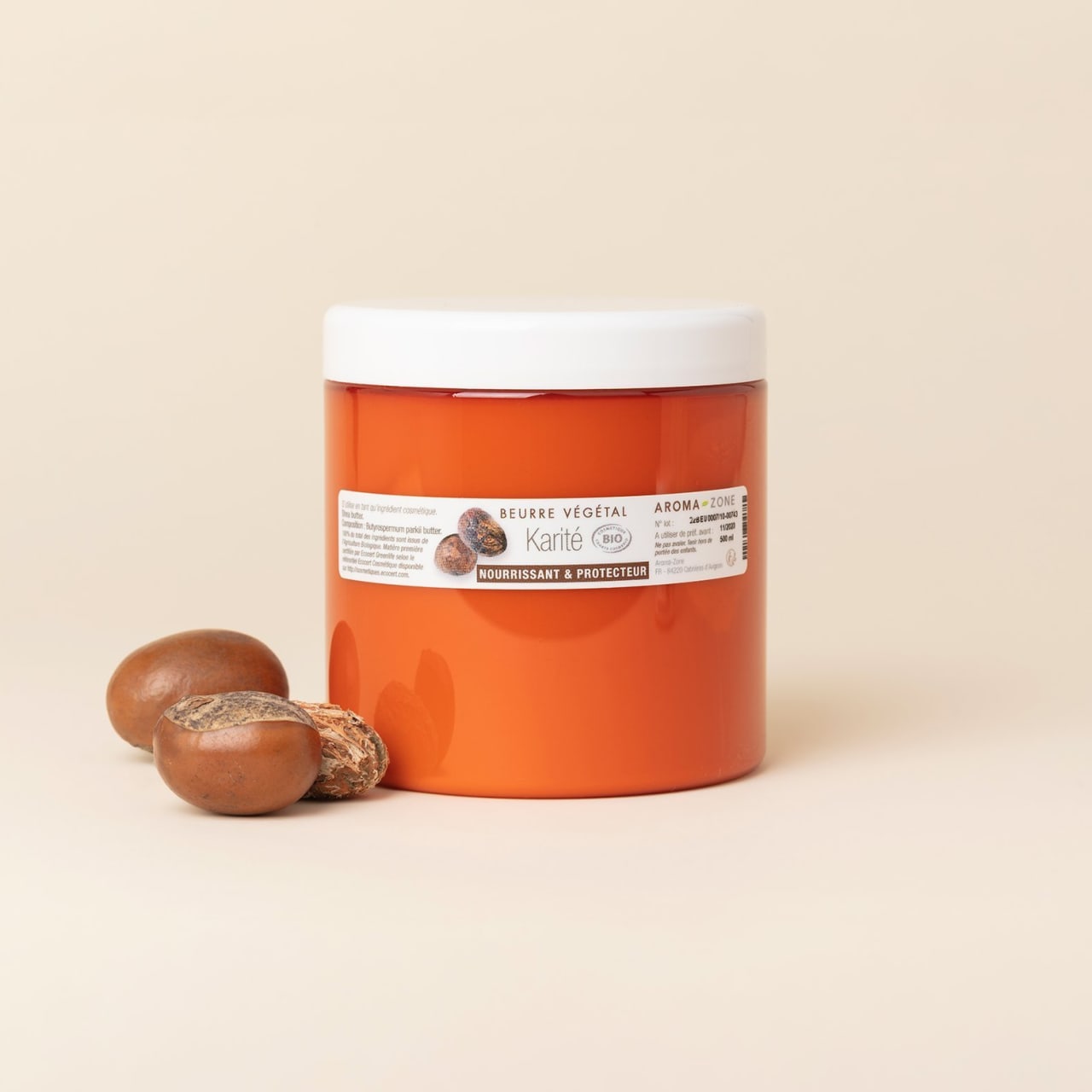
ORGANIC raw Shea butter

Rich in unsaponifiable matter and vitamins, plant-based Shea butter promotes skin regeneration and combats the rough, "scaly-skin" appearance. It is ideal for soothing dry, tight skin and deeply nourishes the skin.

Browse ORGANIC raw Shea Butter

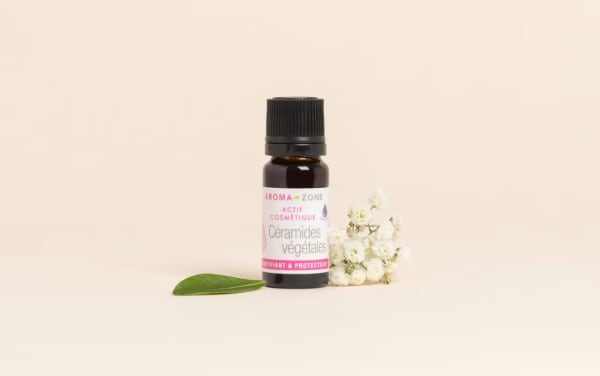
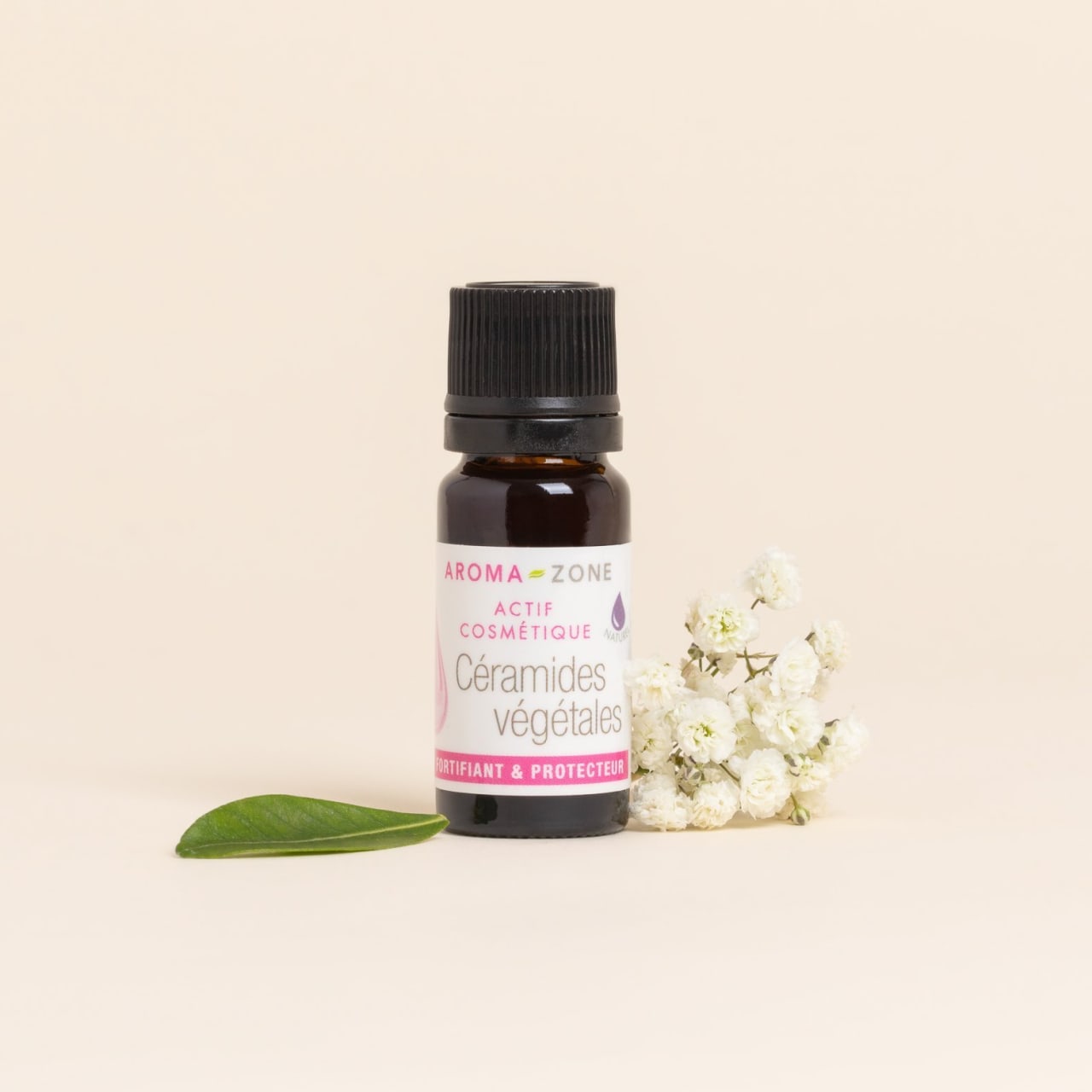
Active ingredient - Phytoceramides

Protective, Phytoceramides form an invisible, soft film on the skin's surface, ideal for smoothing rough skin. Restorative, they help to regenerate the skin's lipid barrier and combat flaky skin and the tightness associated with dry skin.

Discover Active ingredient - Phytoceramides

ORGANIC Shea butter & Coconut skincare balm

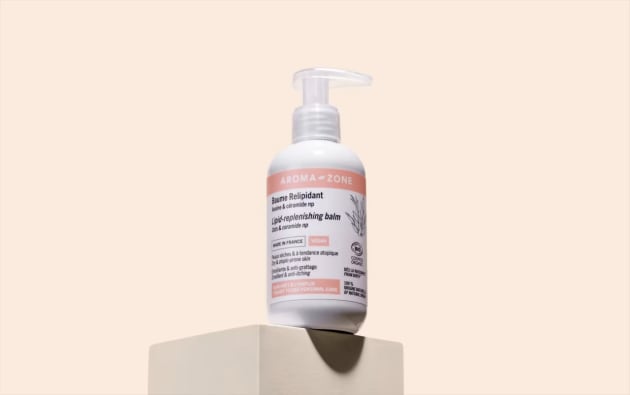
A truly nourishing and protective treatment, Shea butter & Coconut Melting Balm is perfect for caring for dry skin and restoring vitality. It leaves the skin supple and relieves the discomfort of dry, flaky skin.

Discover ORGANIC Shea butter & Coconut skincare balm

ORGANIC Coconut oil

Highly nourishing, Coconut oil provides the skin with the elements it needs to prevent the appearance of dead skin and the "scaly skin" look on the surface. Soothing and softening, it reduces tightness and comforts dry to very dry skin.

Discover ORGANIC Coconut oil

ORGANIC Avocado oil

Very rich in nutrients, Avocado oil softens dry skin and smoothes scaly skin. Regenerating, it restructures the skin's natural lipid barrier and protects against external aggressions that can make the skin rough and leathery.

Discover ORGANIC Avocado oil

Very dry skin: traditional remedies

Remedies for legs

Legs are often exposed to external aggressions and can become very dry. Here are a few traditional remedies to moisturise and soften the skin on your legs:

  • Oatmeal bath: Add oatmeal to your bath to soothe and moisturise the skin. The emollient properties of oats help relieve itching and moisturise dry skin on the legs.

  • Massage with sweet almond oil: Sweet almond oil is rich in essential fatty acids that deeply nourish and moisturise the skin. Gently massage your legs with sweet almond oil to restore moisture and suppleness to the skin.


Hand remedies

Hands are often exposed to the elements and chemicals, which can make them very dry. Here are a few simple remedies to nourish and protect the skin on your hands:

  • Avocado mask: Mash a ripe avocado and apply the pulp to your hands. Leave on for 15-20 minutes, then rinse off with lukewarm water. Avocados are rich in fatty acids and vitamins that deeply nourish and moisturise the skin.

  • Shea butter hand cream: Apply a shea butter-based moisturiser to your hands regularly. Shea butter is an excellent emollient that softens the skin and forms a protective barrier against moisture loss.


Remedies for the face

Facial skin is often prone to dryness, especially during the winter months. Here are a few natural remedies to nourish and moisturise facial skin:

  • Olive oil mask: Apply warm olive oil to your face and leave on for 15-20 minutes. Olive oil is rich in antioxidants and fatty acids that deeply nourish the skin and leave it looking radiant.

  • Honey compress: Soak a clean piece of cloth in raw honey and apply it to your face for 10-15 minutes. Honey is a natural humectant that draws moisture into the skin and helps maintain its natural hydration.

Simple, effective tips for caring for scaly skin and limiting skin dryness

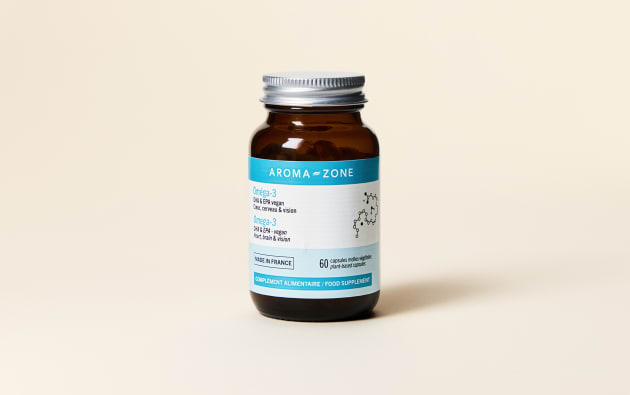
  1. To limit the appearance of dead cells on the surface and avoid that 'scaly-skin' look, there's nothing like nourishing your skin from the inside out with a body cream or natural moisturiser! Ensure you get enough essential fatty acids with nourishing capsules enriched with antioxidant-rich plant oils, ideal for making up for any deficiencies.

  2. Wash your clothes with a gentle detergent that contains no dyes or perfumes. These can remain on clothes after washing and can irritate dry to very dry skin. Opt for a natural Marseille soap detergent to avoid drying out the skin and making it rough.

  3. Dress in loose-fitting clothes made from natural materials such as silk or cotton. Synthetic fibres can irritate the skin and increase the discomfort of dry skin. Avoid wearing wool which, although natural, can irritate delicate skin.

Simple, natural recipes to nourish dry to very dry skin and reduce the appearance of "scaly skin".

Superfatted soap to gently cleanse your skin and prevent scaly-skin

Homemade cosmetic recipe

Before you start, wash your hands well with soap to make sure they're clean.

What Mum or the adult accompanying you should do:

Just ask your mum to check the quantities you put in.

What you should do:

1

Place phase A (wheat germ oil + Benzoin Siam Absolute) in a bowl and set aside.

2

Measure phase B (water) in a 100 ml beaker.

3

In a second bowl, weigh out precisely the required quantity of phase C (solid caustic soda) and add it gradually to phase B, mixing carefully with a silicone spatula until the soda has dissolved completely. Set this mixture aside and allow it to cool to around 45°C while you prepare phase D (if necessary by placing your beaker of soda solution in a cold water bath).

4

Place phase D (Shea butter + Avocado and Coconut oils) in a 500 ml beaker and heat over a bain-marie to around 60-70°C. The mixture should be completely melted and translucent. Then leave to cool to 45°C.

5

When the mixtures are at 45°C, slowly pour the mixture of phases B+C into phase D, mixing with an immersion blender until a fine trace is obtained.

6

Add the pre-weighed phase A to your mixture and blend again with the blender until you obtain a clean trace.

7

Pour your soap mixture into the mould.

8

Cover the mould tightly with cling film and a clean tea towel and keep warm with a towel, then leave to set for around 48 hours.

9

Unmould and dab your soap if you wish, then leave it to dry for at least 4 weeks before use.

Note: Total superfatting: 10% (soda reduction 7% + additional superfatting 3%)

This superfatted soap is enriched with Wheat Germ and Avocado oils, as well as Shea butter with nourishing, emollient and protective properties. Infinitely soft and melting on the skin, it is ideal for dry and very dry skin, for the face, body and hands.

Exfoliating foot cream to remove dead skin and care for flaky skin

Homemade cosmetic recipe

1

Put all the ingredients directly into the jar containing the neutral all-in-one cream.

2

Mix with a stainless steel spatula.

Revealing the beauty of your feet, this cream combines exfoliating, nourishing and moisturising powers to eliminate the thickest corns and calluses while repairing cracks. It leaves your feet soft and supple for longer. Apply a dab of cream in a circular motion to the feet, concentrating on the heels. Massage until the cream is completely absorbed, then rub off the bamboo beads.

Protective balm to nourish rough skin and prevent flaking

Homemade cosmetic recipe

If you don't have a scale:

Melt ten tablespoons of Shea butter in a bain-marie over a low heat. Remove from the heat and use a test tube to transfer the required volume of butter into a container.

If you have a scale

1

Melt the Shea butter and Phytosterol concentrate in a bain-marie over a low heat, then remove from the heat.

2

Add the Avocado oil and Vitamin E to the melted butters and mix thoroughly using the Aroma-zone mini whisk.

3

Leave to cool for 5 minutes, then put the mixture in the freezer for a few minutes. Remove from the freezer only when the mixture starts to turn white around the edges of the container.

4

Mix your preparation with a mini whisk to form a smooth paste.

5

Pour the mixture into the jar (reheat very slightly if it has become too thick) then leave to cool to room temperature (if your mixture is having trouble solidifying, place it in the jar in the freezer for a few minutes).

This nourishing Avocado butter is applied with light, circular massaging movements until completely absorbed. It combines the nourishing richness of Shea butter with the regenerating, soothing and restorative properties of Avocado.

Expert advice

The sebaceous glands produce sebum, which enables the skin to build up a natural lipid barrier. This protects the skin from external aggression and keeps it hydrated. When this sebum production is insufficient, the skin tends to crack, become flaky and is prone to discomfort. This is known as dry skin. With age, skin becomes thinner and more prone to dryness. So it's vital to take care of it, in particular with a superfatted soap like softening Donkey Milk soap, which leaves a light protective film that's ideal for preventing the skin from drying out.

Find out more

How can I moisturise my very dry legs?

Moisturising very dry legs requires a gentle, regular approach to restore the skin's moisture and suppleness. Here are a few tips on how to moisturise your legs effectively:

  • Use a moisturising cream rich in nourishing ingredients such as Shea butter, Sweet almond oil or Coconut oil. Apply the cream generously to your legs after a shower, massaging gently to encourage absorption.

  • Exfoliate your legs regularly to remove dead skin cells and encourage cell renewal. You can use a gentle sugar- or salt-based scrub, or an exfoliating brush.

  • Hydrate from the inside out by drinking enough water throughout the day. Good internal hydration helps to keep skin hydrated and balanced.

How to eliminate dry skin overnight?

To revitalise and hydrate your skin overnight, here are a few tips to follow:

  • Use an intense moisturising mask before going to bed. Choose a mask rich in moisturising ingredients such as Hyaluronic acid, Aloe vera or Argan oil, and apply generously to your face and neck. Leave on overnight for deep hydration.

  • Choose a nourishing plant oil for the night. Oils such as Sweet almond, Musk rose or Jojoba are rich in nutrients and essential fatty acids that deeply nourish and moisturise the skin. Apply a few drops of oil to your face before going to bed and leave it on overnight.

  • Shea butter is also a solution for moisturising facial skin, particularly at night, and offers multiple benefits for the skin.

  • Hydrate your body in general by drinking plenty of water throughout the day and using a moisturiser suited to your skin type.