How do I choose the right serum for my blemished skin?
In dermatology, acne is one of the most frequent reasons for consultation. Dermatologist Agathe Aoun tells us about the most effective face serums for getting rid of skin blemishes and restoring a clear complexion.
In this article, we'll look at what skin blemishes are, what causes them and, above all, what natural solutions are available. In particular, we'll look at which serums can improve acne, and how to incorporate them into an anti-blemish routine. Finally, we'll finish with some natural tips for improving your skin on a daily basis.

What is blemished skin?
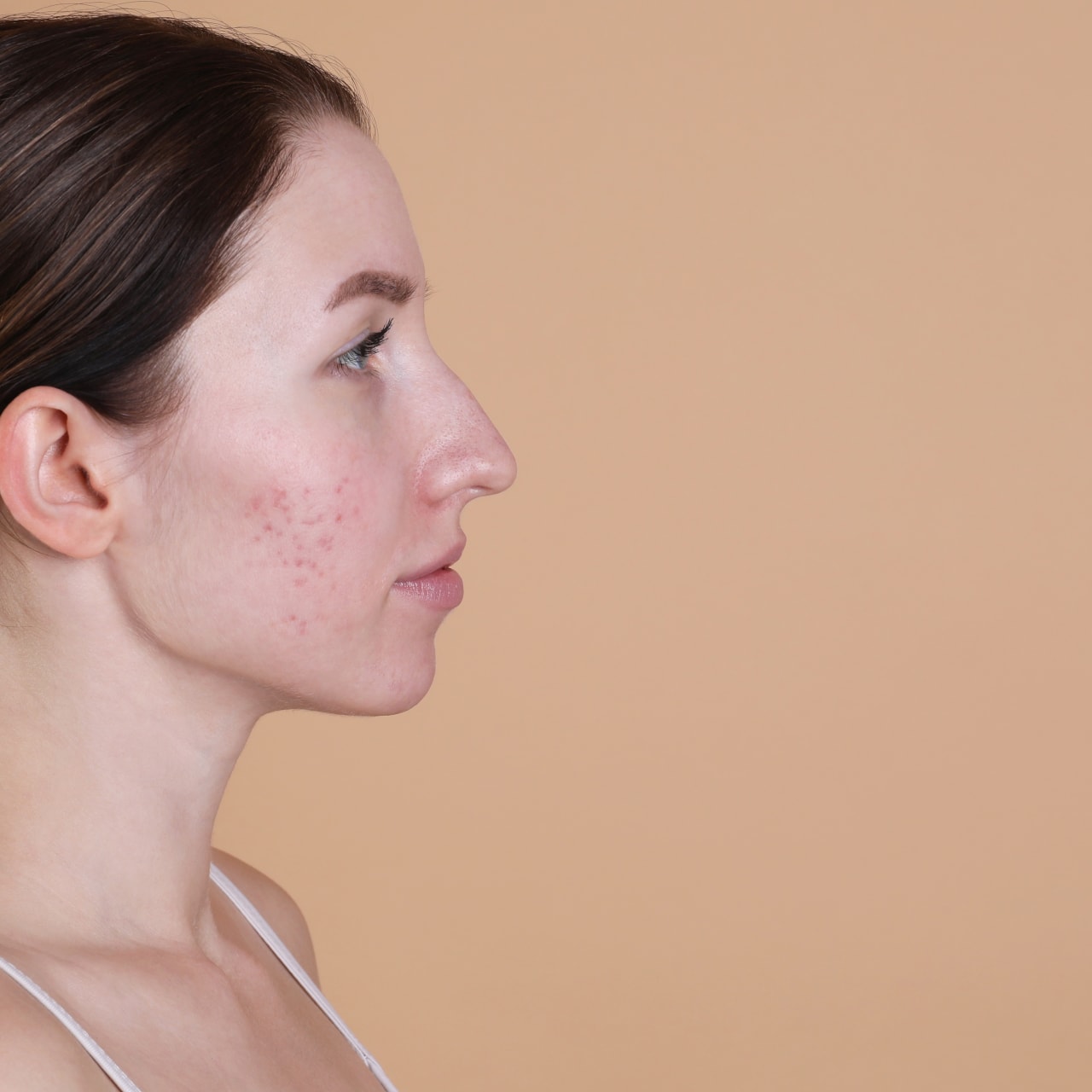
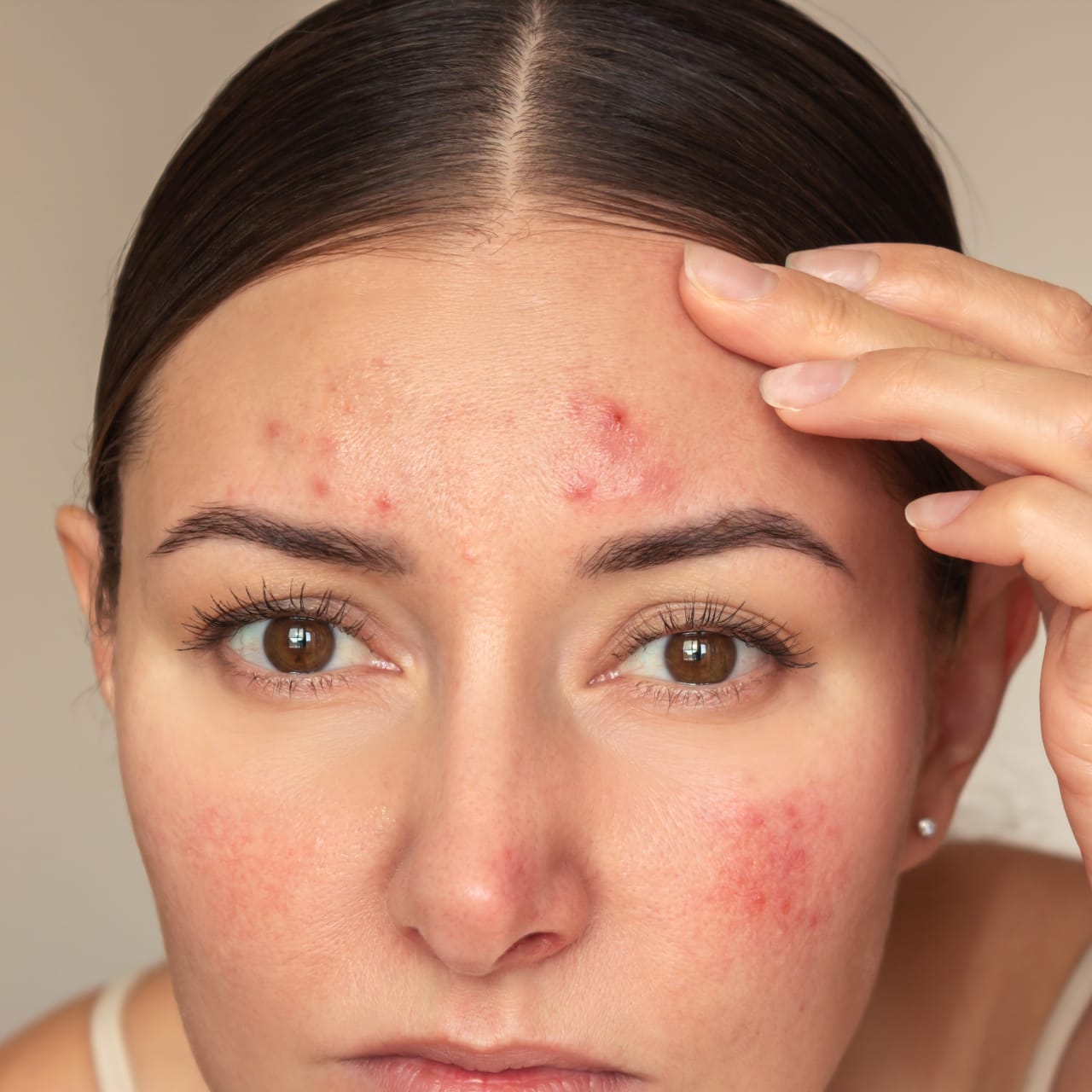
Blemished skin is a term that generally covers acne-prone, oily skin with spots, redness, excess sebum secretion, shine, blackheads, open pores, uneven skin texture and a dull complexion.
In reality, these small blemishes can also leave marks on the face: this is post-inflammatory pigmentation and acne scars, which can follow on from red spots or pustules.
Finally, and less commonly, we can also include skin with redness or that is reactive and sensitive, such as skin prone to rosacea (red spots or pustules, but without blackheads, with a continuous red or pink complexion) or eczema (dry skin, prone to redness and peeling, with a greyer complexion).
What causes blemishes?
The main causes of blemishes are generally:
Acne, number one by far! This common dermatosis is all the more frequent because of stress, hormone products and today's lifestyle (e.g. poor diet, sedentary lifestyle, pollution). It leaves the skin with excess sebum, enlarged pores, blackheads and red or pustular spots, sometimes with residual pigmentation marks (especially on mixed-race skin).
Oily skin, even without acne, sometimes aggravated by the inappropriate use of cosmetic products or a facial routine that is too stripping or, on the contrary, comedogenic.
Rosacea, which can mimic acne, but without comedones. The skin is often less oily, even dry and sensitive, but with an almost permanent pink complexion. It rarely leaves residual marks, and dark skin is rarely affected.
When should I use an anti-blemish serum?
As soon as the skin shows signs of imperfections over a prolonged period, it is advisable to put in place a suitable anti-imperfection routine, incorporating serums and creams that can limit skin lesions.
However, if this skincare routine is not enough, a dermatologist should be consulted, as more intensive treatments may sometimes be necessary.
Which serum should I choose for blemished skin?
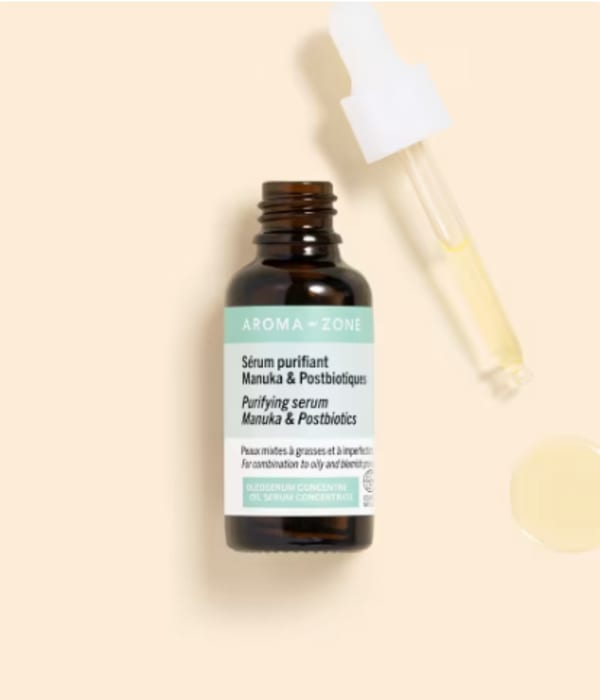
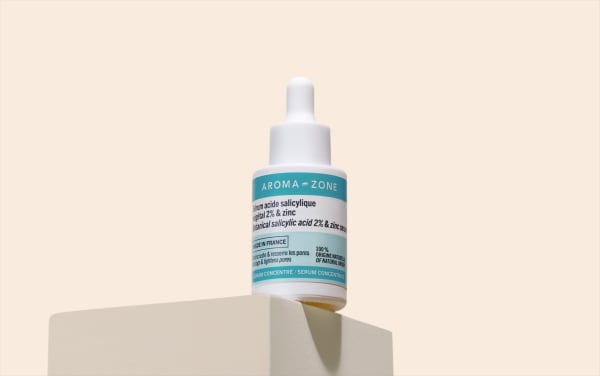
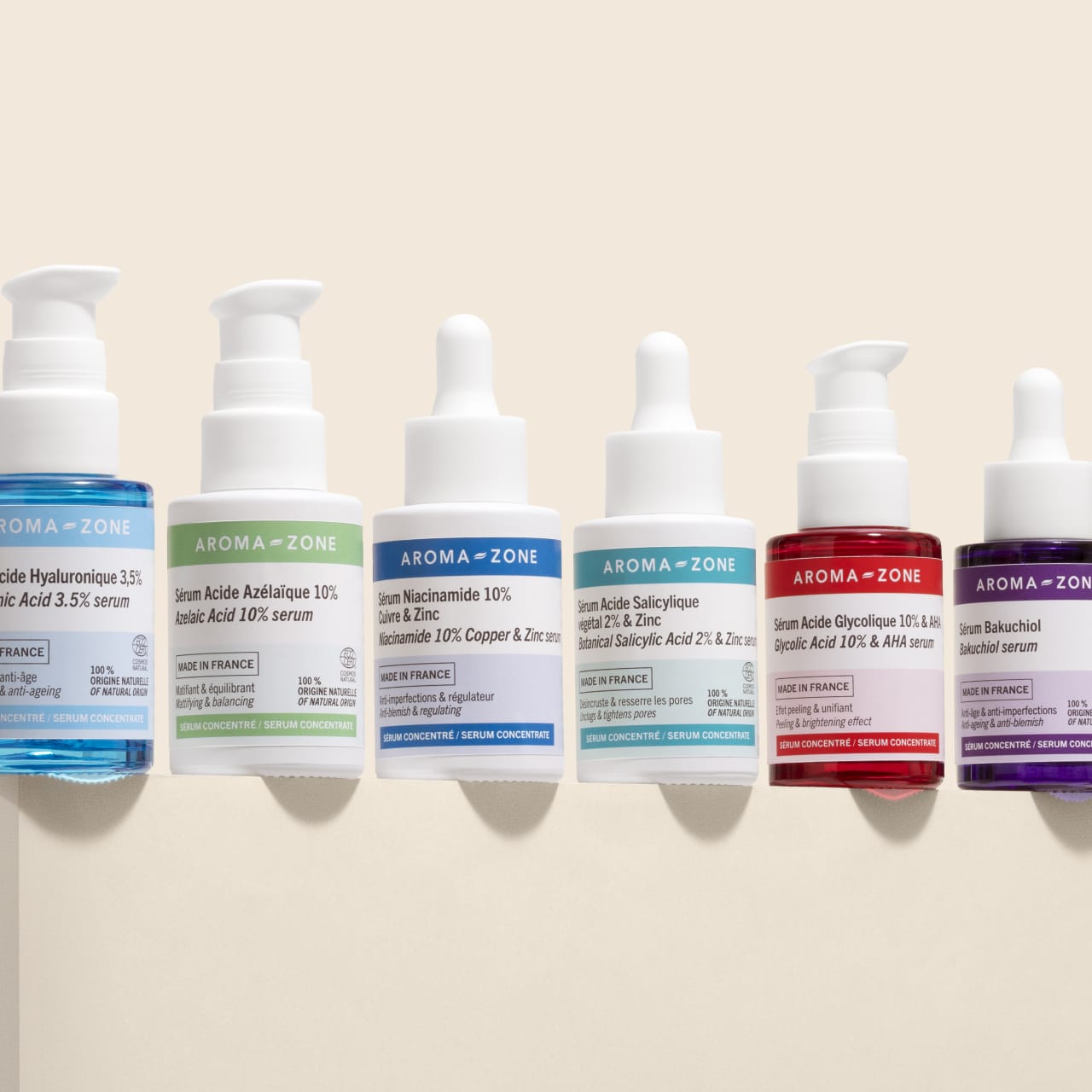
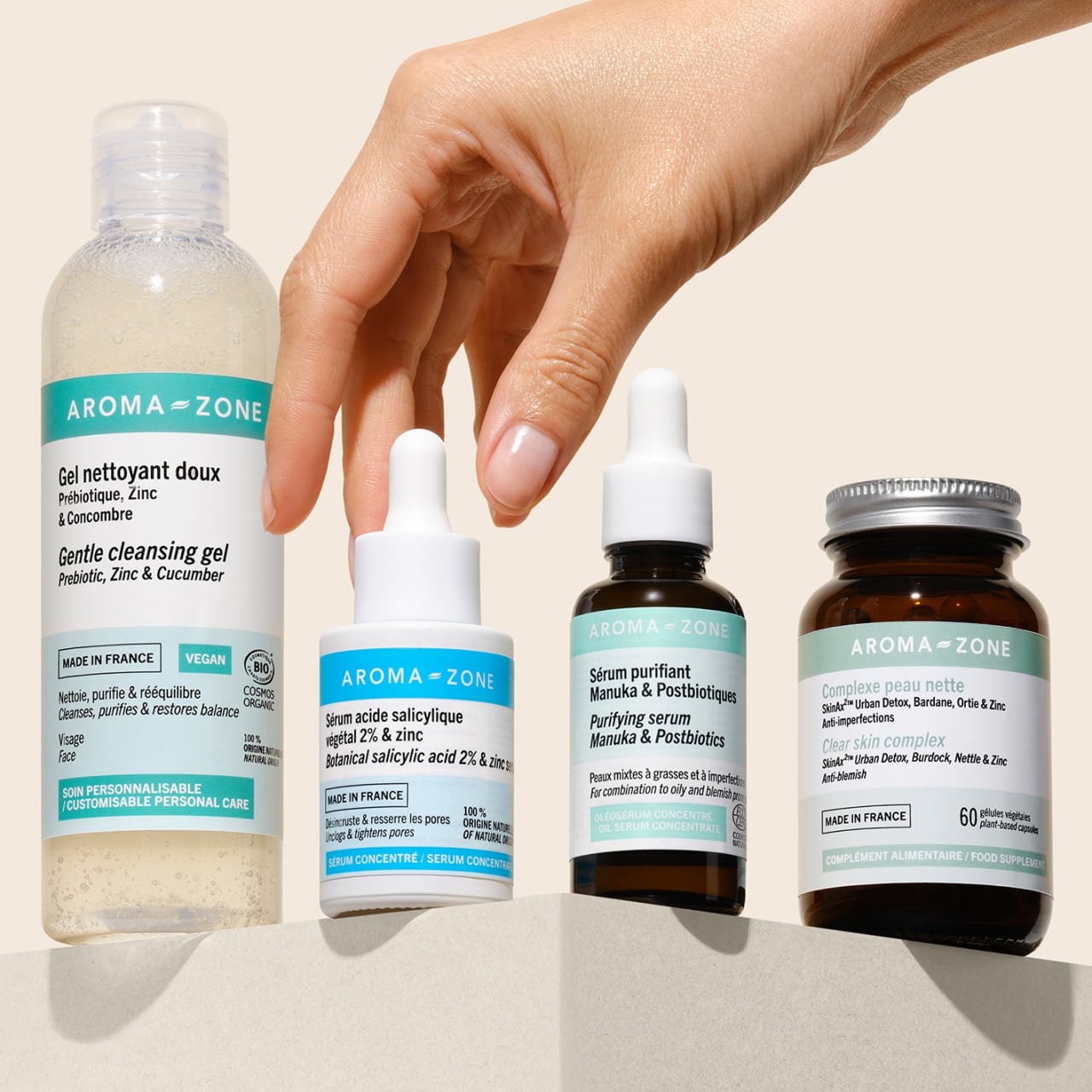
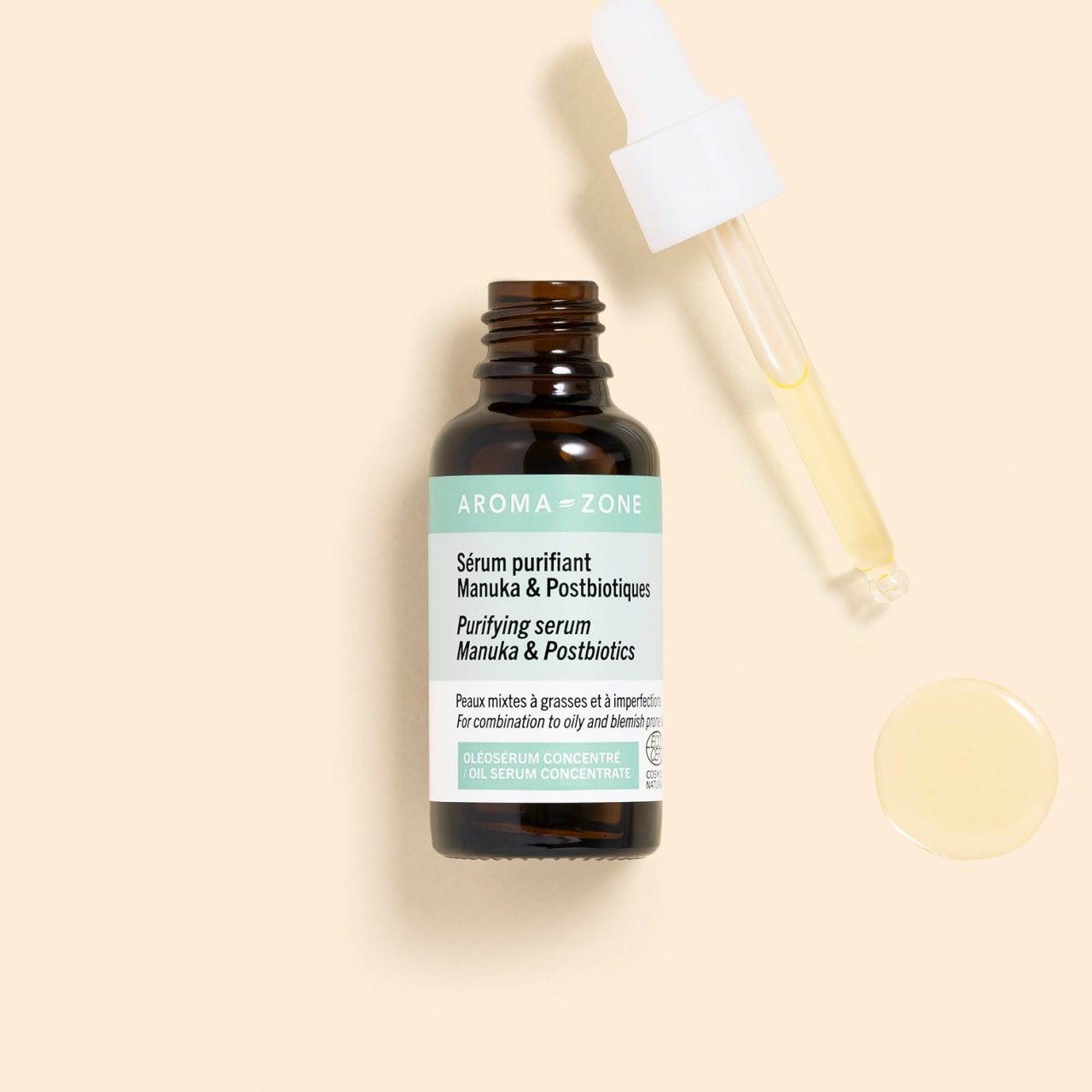
Here are several Aroma-Zone serums formulated to provide a natural response to skin prone to imperfections and spots. Highly concentrated in active ingredients, these serums are formulated with safe, non-irritating ingredients. All are dermatologically tested, vegan and made in France.

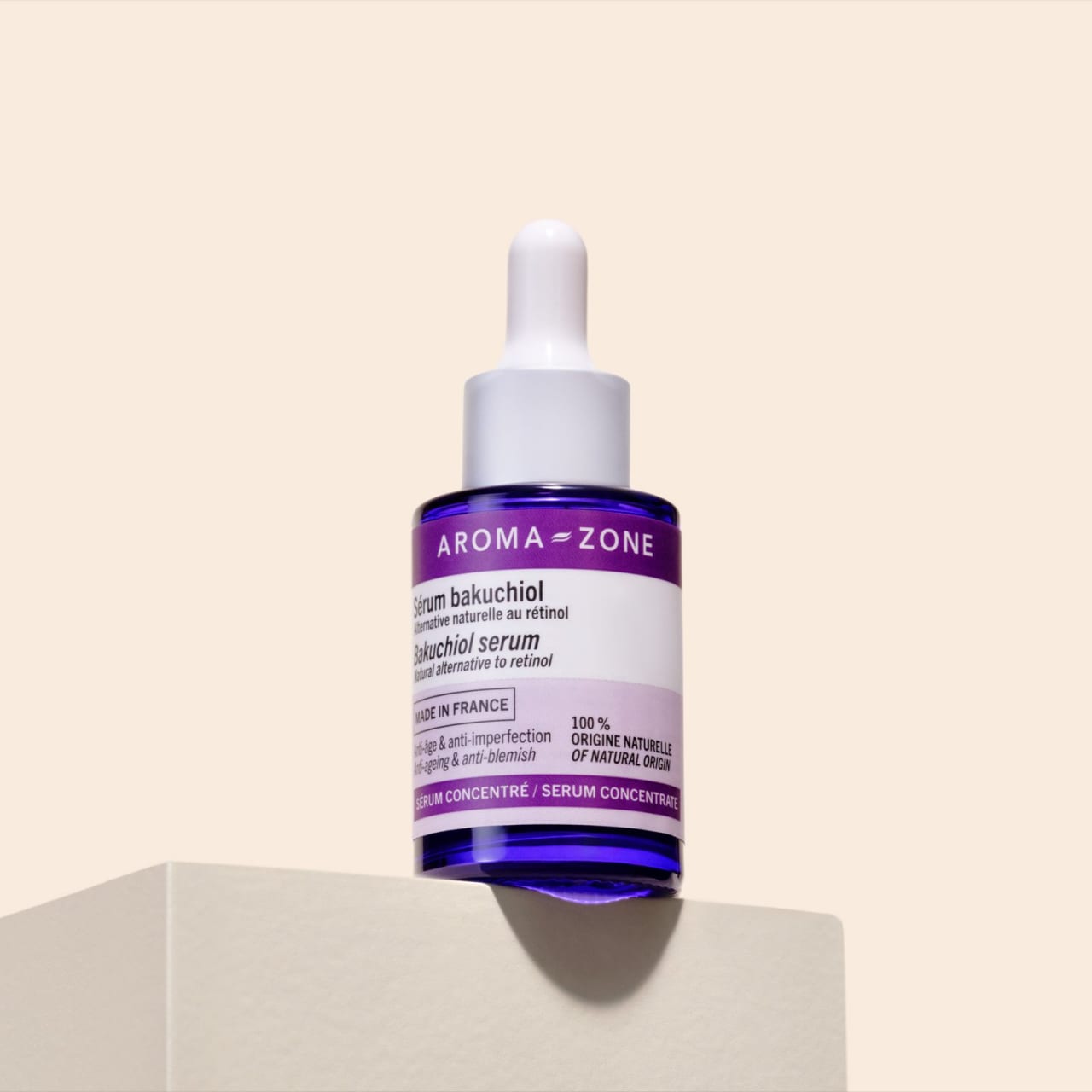
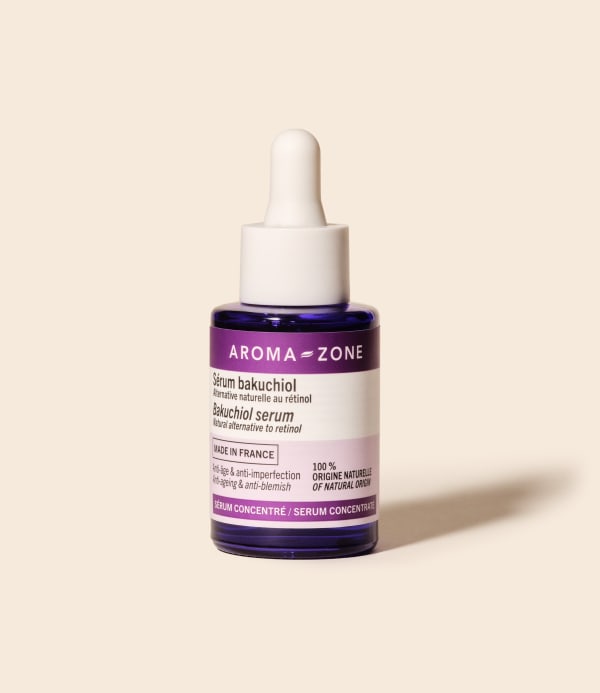
Bakuchiol facial serum concentrate
1% Bakuchiol serum is a plant-based alternative to retinol, a powerful anti-ageing agent that is neither photosensitising nor irritating. A natural active ingredient extracted from Babchi seeds, bakuchiol has antioxidant and regenerating properties and stimulates collagen production.
Bakuchiol reduces the hyperkeratinisation of oily skin and the oxidation of sebum lipids and the hydrolipidic film, thereby combatting blackheads on acne-prone skin. It also soothes the inflammation of red acne blemishes and reduces the brown marks (hyperpigmentation) left after imperfections have healed, promoting a more even complexion.

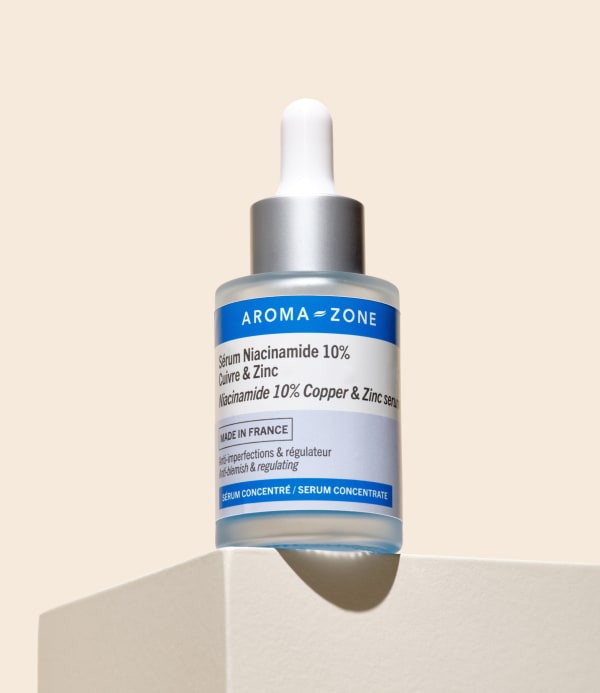
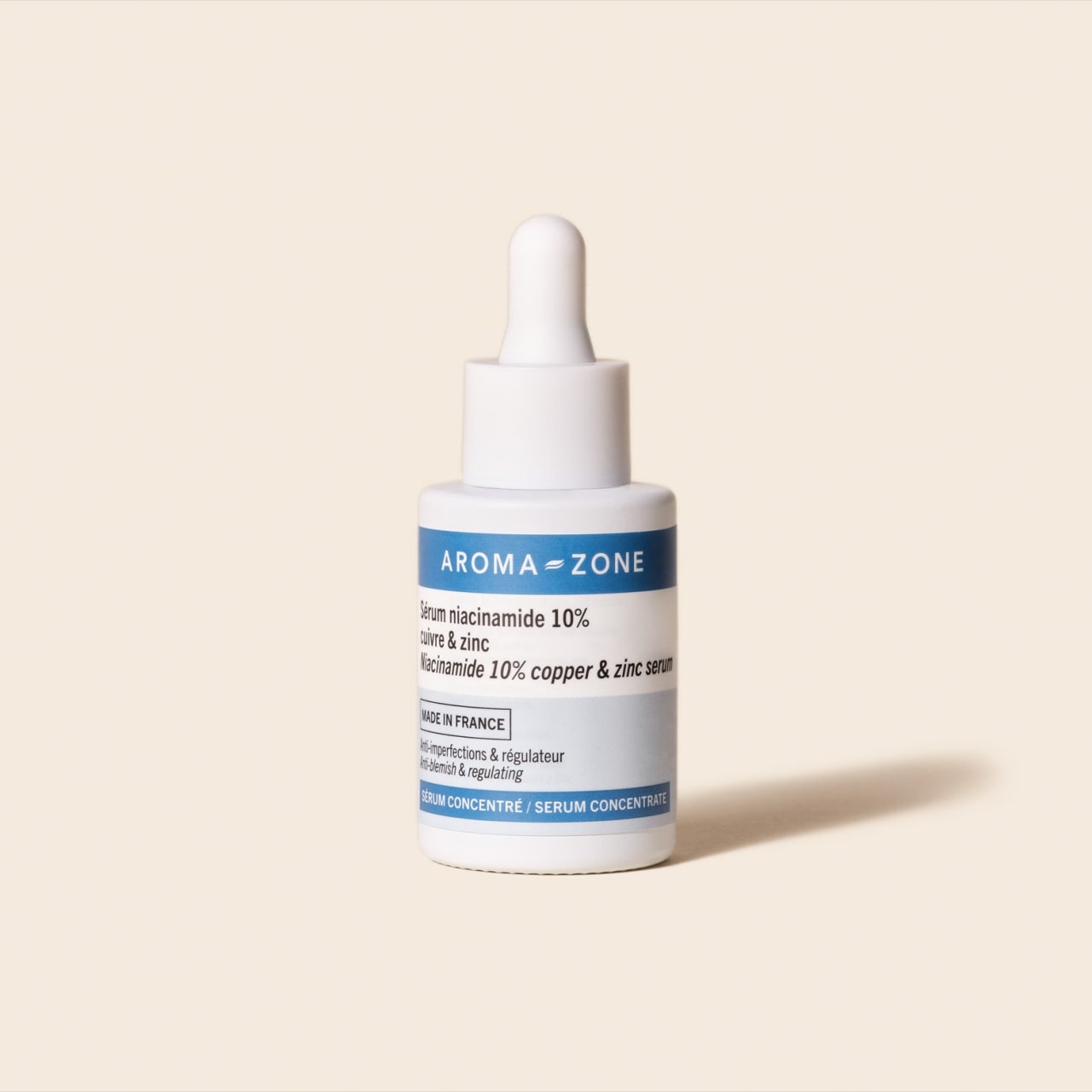
10% Niacinamide, Copper & Zinc Serum Concentrate
This serum with niacinamide (vitamin B3), zinc and copper is the perfect ally for acne-prone and oily skin. Its formula, enriched with hyaluronic acid, also brings comfort and hydration to the skin, while reducing skin inflammation, spots and excess sebum.
A 10% concentration of niacinamide also helps to gently fade spots and post-inflammatory hyperpigmentation that can appear after acne on mixed-race or dark skin, as well as redness. Zinc, at 1%, combined with copper, offers a strong anti-inflammatory action and reduces the appearance of red spots and pustules while improving skin hydration. Finally, the complexion is mattified and sebum secretion is regulated.

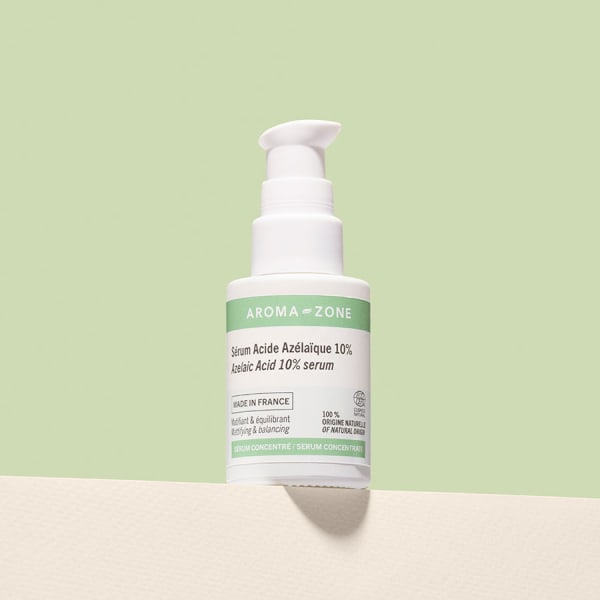
10% Azelaic Acid Serum Concentrate
Our 10% azelaic acid serum can be used in routines for skin prone to blemishes and acne rosacea. It has anti-inflammatory and antibacterial properties, as well as keratolytic power to gently smooth the skin and unclog pores. Finally, it regulates excess sebum and promotes cell renewal.
It also contains silica (with sebum-absorbing properties, leaving skin matte and velvety), hyaluronic acid (for hydration and comfort for sensitive skin) and plant-derived salicylic cid (with anti-microbial and keratolytic properties). It is just as suitable for acne-prone skin as it is for skin suffering from rosacea and dull complexions that are easily prone to redness.
Finally, a notable advantage of this serum is that it is not harmful to pregnant or breastfeeding women, whereas most other rosacea and acne products are contraindicated during this period.
This product is also non-photosensitising, so you can apply it in the morning without fear.

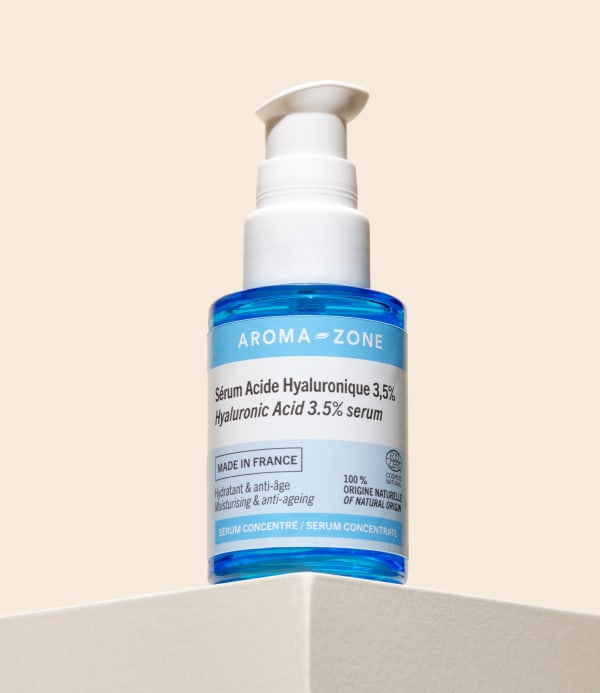
Hyaluronic Acid Serum Concentrate
This 3.5% hyaluronic acid serum is a concentrated moisturiser that helps relieve dehydrated and sensitised skin. Its proven anti-ageing action leaves skin plumped and moisturised. A panel test carried out under dermatological supervision demonstrated its effectiveness in reducing and smoothing out wrinkles, firming the face shape and improving skin elasticity.
It can be used as part of an anti-blemish routine, allowing other, more powerful active ingredients to be better tolerated and improving skin comfort.
It can also be used around the eyes.

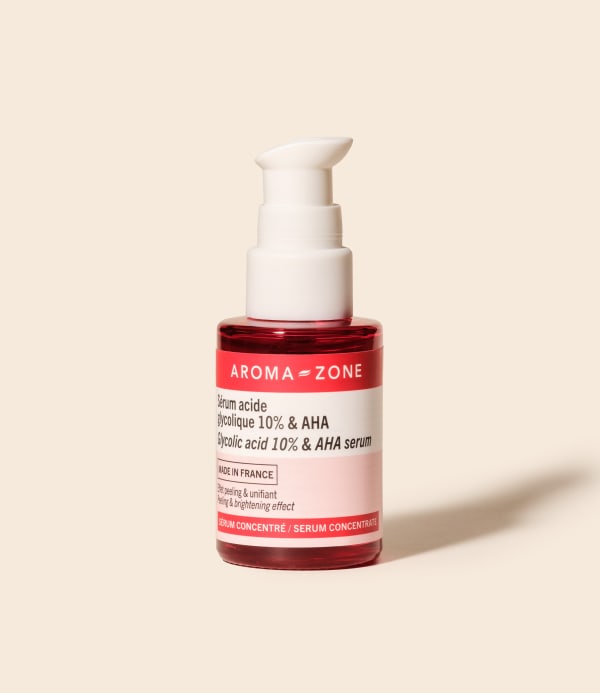
10% Glycolic Acid & AHA Facial Serum Concentrate
This serum with 10% glycolic acid and fruit acid AHAs is the perfect complement to an anti-blemish routine, providing the skin with a micro-peeling effect. It promotes a more even complexion and smoother skin. It helps fade acne marks and scars.
How to use our anti-blemish serums
All our serums can be applied in the morning and/or evening, except for the Glycolic Acid & AHA Serum Concentrate, which can only be used in the evening.
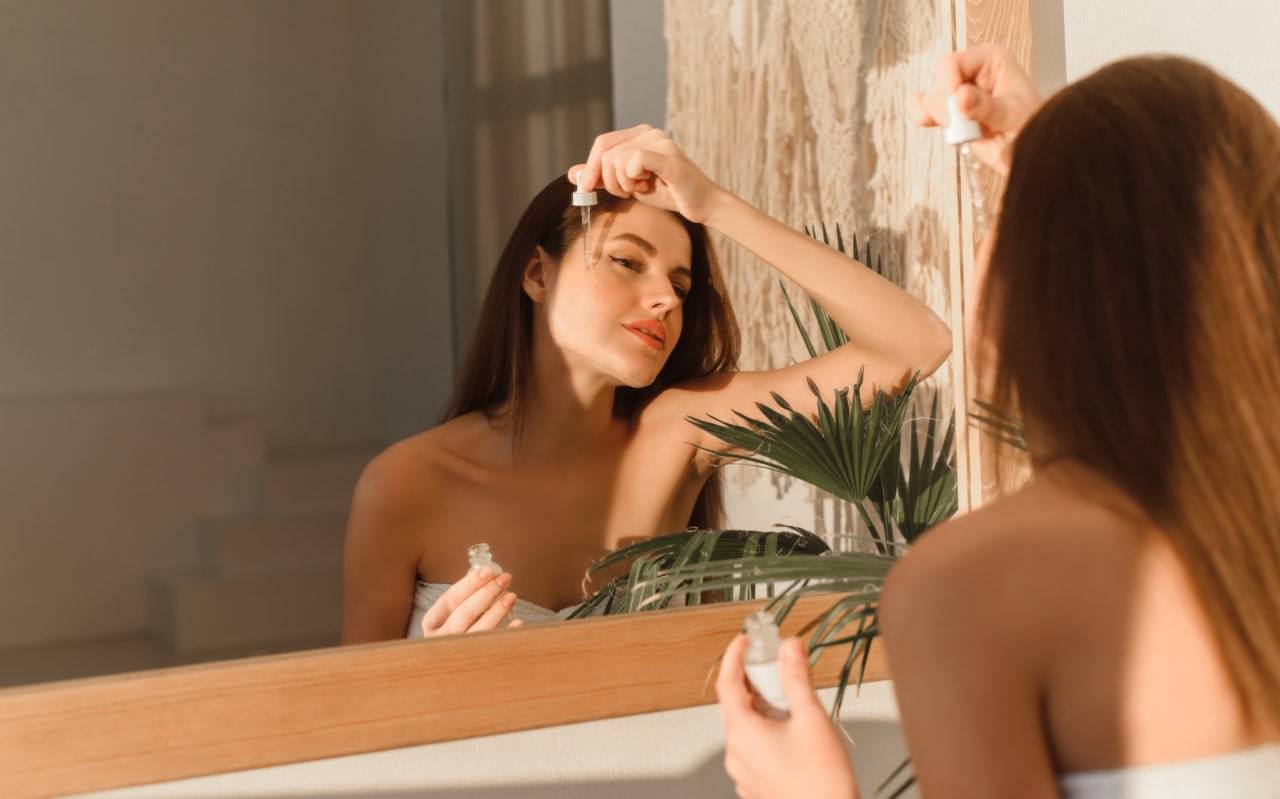
As a general rule, serums should be applied as the first step in your skincare routine, on washed, dry skin, before applying other topical products (creams, oils). Put a few drops of serum in the palm of your hand and massage it into the face and neck using small circular movements until it is completely absorbed.
Finally, you can complete your routine with the rest of your skincare routine: moisturiser, treatment oil, sun protection or other specific treatments.
Which serum for microcysts?
For microcysts, Azelaic Acid Serum Concentrate could be an effective option. Azelaic acid is renowned for its anti-inflammatory and antibacterial properties, making it a great choice for treating skin imperfections such as microcysts. By regulating sebum production and unclogging blocked pores, this serum can help reduce the appearance of microcysts and prevent their future appearance. We recommend applying it regularly to the affected areas after cleansing, preferably in the evening, to allow optimal absorption during the night.
How can I get rid of facial blemishes?
Our natural solutions
If using these serums isn't enough to stop spots appearing, here are a few natural options for even greater effectiveness and to get rid of blemishes without risk:
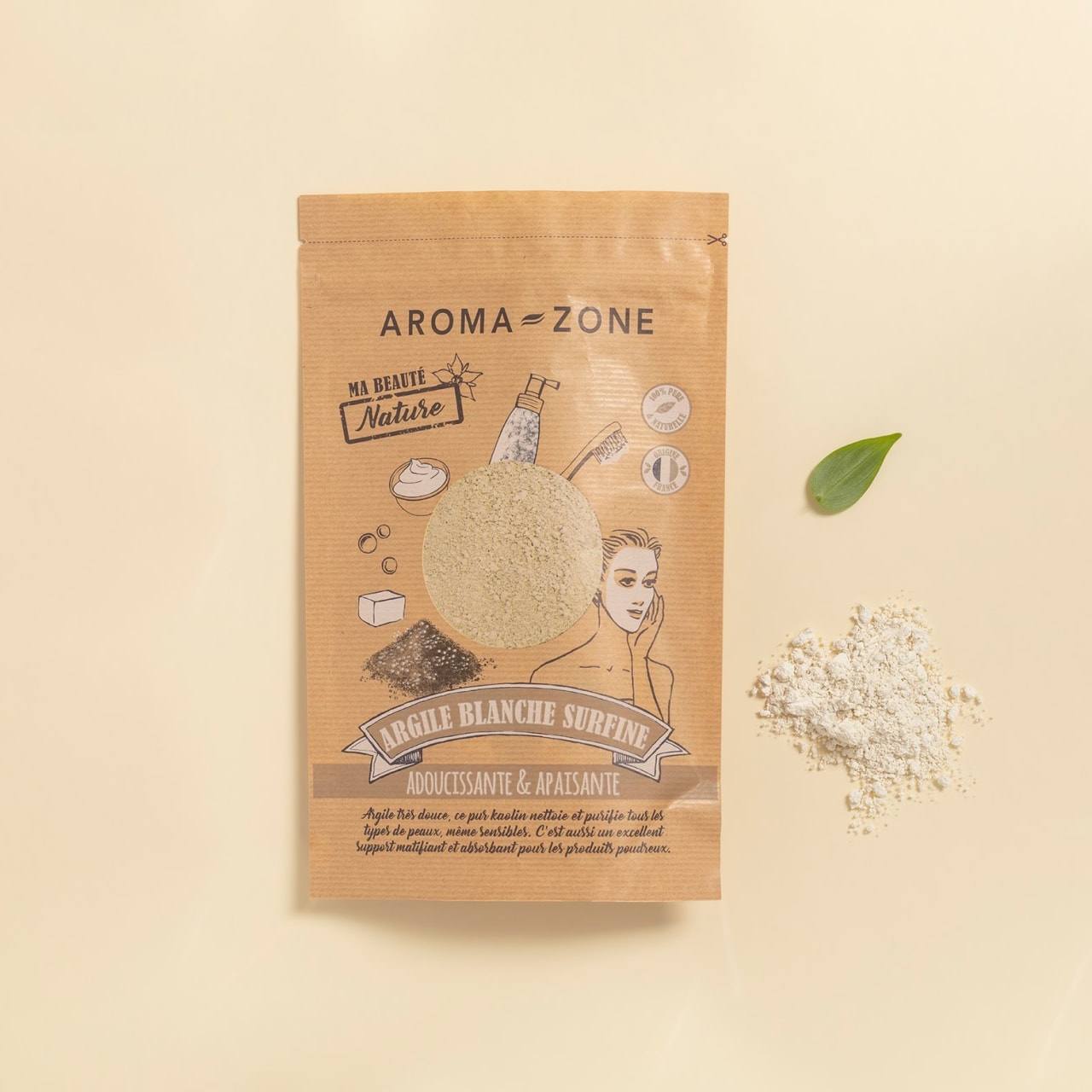
Apply a poultice of white clay mixed with water (or thermal spring water for very sensitive skin) and a drop of tea tree essential oil diluted in a little jojoba, nigella or hazelnut oil to clean, dry skin. Leave on for 5 minutes, then rinse off with lukewarm water. Use once a week.
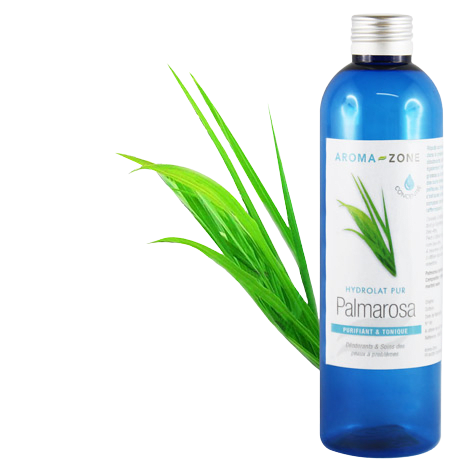
To cleanse the skin, use palmarosa or Bay Laurel hydrosol, which purifies and soothes.
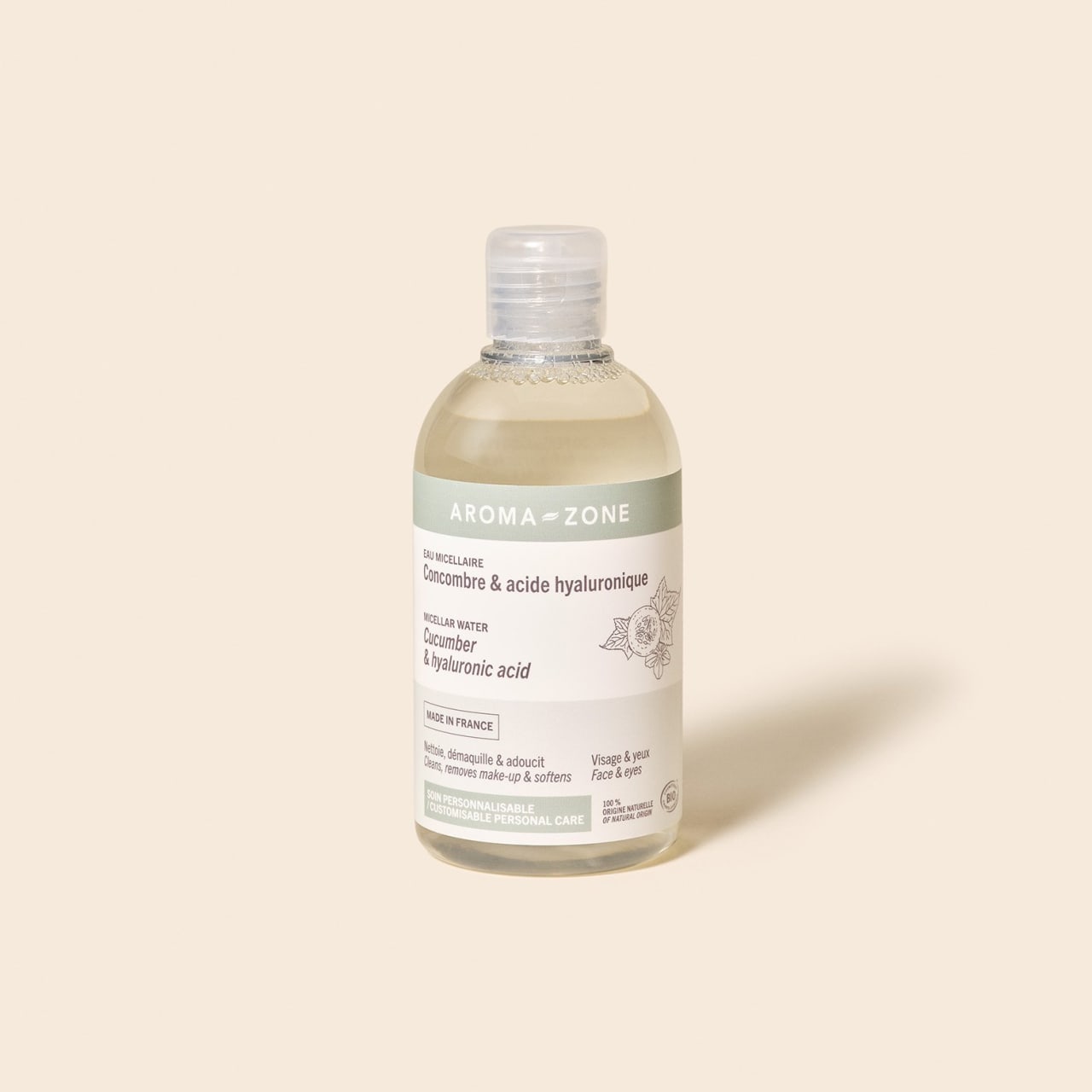
If you wear make-up, make sure you remove all traces of it every evening with a micellar water suitable for oily and acne-prone skin.
When applied locally, purify your spots with the anti-blemish essential oil roll-on, which contains a combination of essential oils with antibacterial and healing properties.
It's worth remembering that handling acne on the face can be dangerous (risk of cellulite on the face) or leave more pronounced scars later on.
Discover our entire selection of acne care products on Aroma-Zone.
Our advice on blemishes
To optimise the action of these different serums as much as possible, adopting an overall healthy lifestyle can prove beneficial:
Learn to manage stress, which is a major cause of inflammatory dermatoses, particularly acne. You can put in place a daily anti-stress routine such as breathing exercises, meditation or yoga, physical activity, walking in nature, spending time with friends or professional therapy; all of these actions can relieve stress and improve the condition of the skin.
Hydration: Drink a minimum of 1.5 litres of water a day. The hotter and more humid it is and the more active you are, the more water you need to drink. Try to increase your water intake (for example, with fruit, aromatic herbs, herbal teas); you'll see that you'll have more energy, your digestion will be better, and your skin will have fewer imperfections and be better hydrated.
Diet: Limit your consumption of ultra-processed foods such as chocolate, cakes, crisps, and ready meals as much as possible (personally, I recommend 1 or 2 times a day maximum). Foods with a high glycaemic index and dairy products seem to encourage acne and inflammation of the body: control your consumption of these, and if possible, choose foods with a low glycaemic index. Choose a more plant-based and less processed diet.
Omega-3s: These also appear to reduce inflammatory acne and other inflammatory dermatoses, so consider taking regular oral treatments if you're not getting enough.
Sport: One of the best natural antidepressants, sport regulates mood and stress, immediately improving the appearance of the skin. Eliminating toxins through sweat also detoxifies the body.
Limit or eliminate tobacco and alcohol: These two drugs are known to significantly increase inflammation and oxidative stress, which can worsen skin imperfections. Limit their consumption, or stop altogether.
Protect yourself from the sun: The sun's rays and skin don't always mix. The sun will temporarily improve inflammatory acne, for example, but there will be a rebound effect afterwards, with a risk of post-inflammatory pigmentation. Skin with imperfections must therefore be protected from the sun on a daily basis, and sun exposure controlled.
Hygiene: Appropriate skin hygiene (i.e. neither too lax nor too aggressive) should be practised on a daily basis, using products adapted to your skin's problems.
You can also take part in our Family Aromatherapy workshop - The Dermatology Kit, to learn more about herbal solutions for skin problems.
Article written by Dr Aoun, Dermatologist specialising in black and mixed-race skin

Dr Agathe AOUN - COUSSIEU is a dermatologist in Martinique, where she practises general, surgical and cosmetic dermatology on black and mixed-race skin. Her expertise is based on many years of practice in the West Indies and French Guiana. Sensitive to the skin's wellbeing, she also offers the most natural advice and products for sensitive or special skin types. She has also set up an Instagram account where you can find her favourite products, explanations of skin conditions and skin advice (@dragatheaoun).
Bibliography
1
"Réponses à 50 questions sur le soleil et la peau"
Céline Couteau and Laurence Coiffard
2
Effects of Diet on Acne and Its Response to Treatment
Baldwin H, Tan J.; Am J Clin Dermatol. 2021 Jan;22(1):55-65. doi: 10.1007/s40257-020-00542-y. Erratum in: Am J Clin Dermatol. 2020 Dec 26;: PMID: 32748305; PMCID: PMC7847434.