Hyaluronic acid: our complete guide

A major anti-ageing and moisturising active ingredient, hyaluronic acid is present in many cosmetic products, as well as in food supplements. You may also have heard of hyaluronic acid injections to prevent or reduce wrinkles and the signs of skin ageing. Let's find out how this molecule works, the benefits of hyaluronic acid, its essential role in keeping skin plump and hydrated, and how it can be used.

Reading time: +4 min.

What is hyaluronic acid: definition

What is hyaluronic acid?

Naturally present in our tissues, hyaluronic acid is a macromolecule found in the dermis, in joints in synovial fluid and in our eyes. This polysaccharide (natural carbohydrate) from the glycosaminoglycan family is one of the main constituents of the extracellular matrix. Associated with collagen, elastin and proteoglycans, it forms an assembly that constitutes the support tissue of the skin and many other tissues. In simple terms, we can say that this macromolecule is responsible for the cohesion of our subcutaneous cells and acts as a cellular 'cement'.

Able to retain almost 1000 times its weight in water, hyaluronic acid plays a key role in maintaining skin hydration. By acting on the density, tone and hydration of the epidermis, it gives the skin a smooth, plump appearance.

Available in limited quantities, our hyaluronic acid reserves dwindle with age, leading to skin ageing.

In the joints, hyaluronic acid acts as a lubricant to keep the joints supple, and also as a 'shock absorber' to soften shocks and protect the joints.
Origin and history of hyaluronic acid

Origin and history of hyaluronic acid

Hyaluronic acid was discovered by two ophthalmology researchers, Karl Meyer and John Palmer in 1934, in the eye of an ox. Since then, a great deal of research has highlighted its presence in animal and human tissues. Initially researched for medical purposes, it was used by the pharmaceutical industry and then in the cosmetics sector as a leading anti-ageing active ingredient from the 1990s onwards.

Originally, the hyaluronic acid used by the industry was extracted from cockerel bones.

Today, the majority of hyaluronic acid is derived from bio-fermentation.

Worth noting

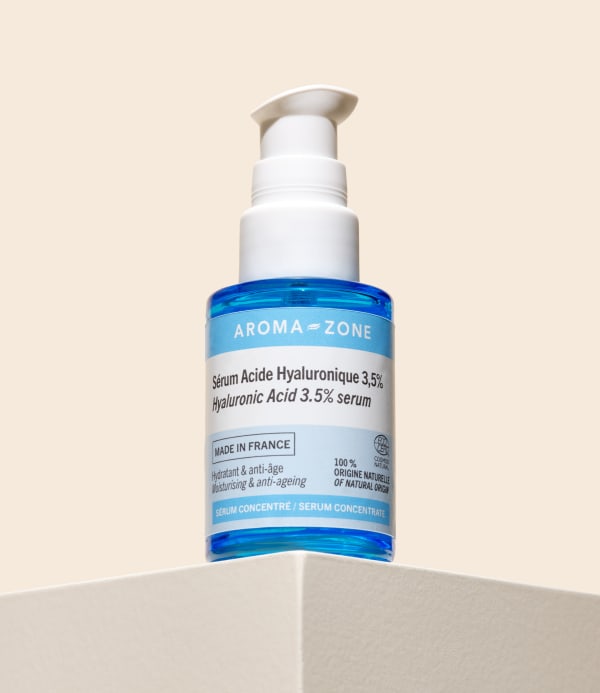
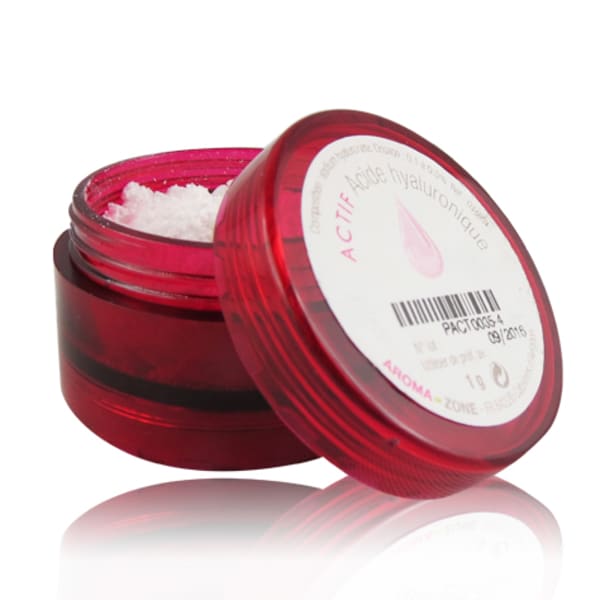
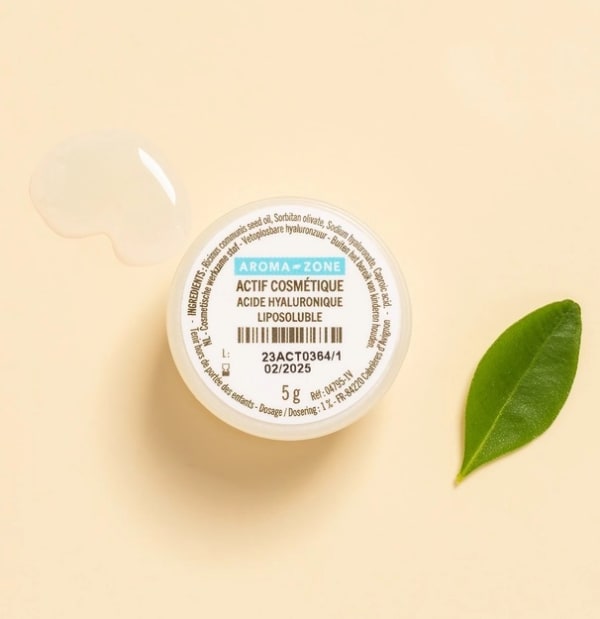
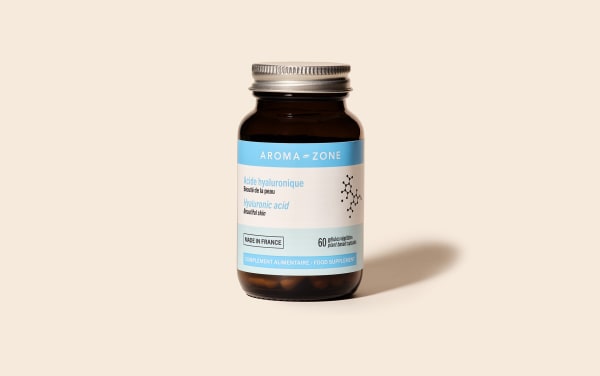
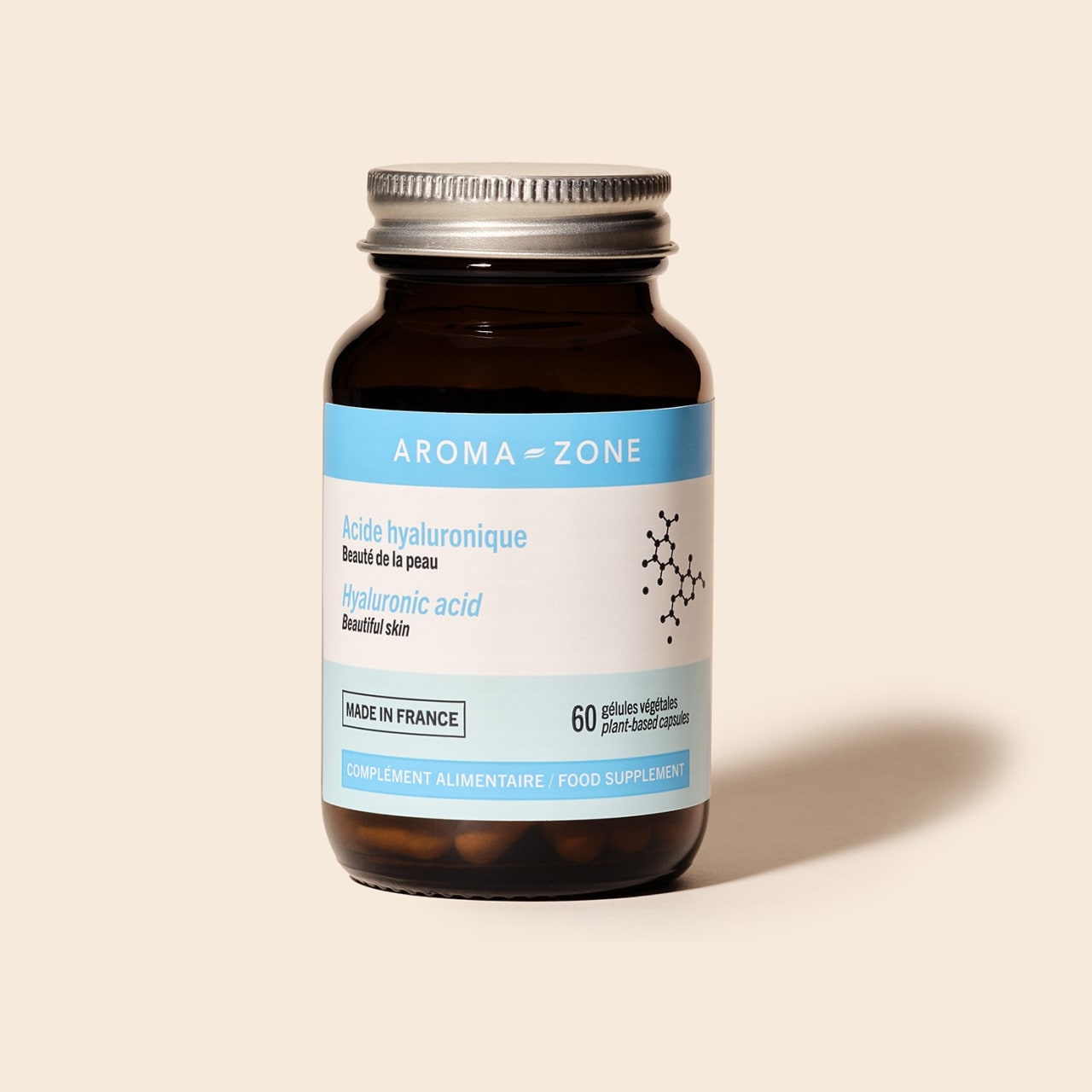
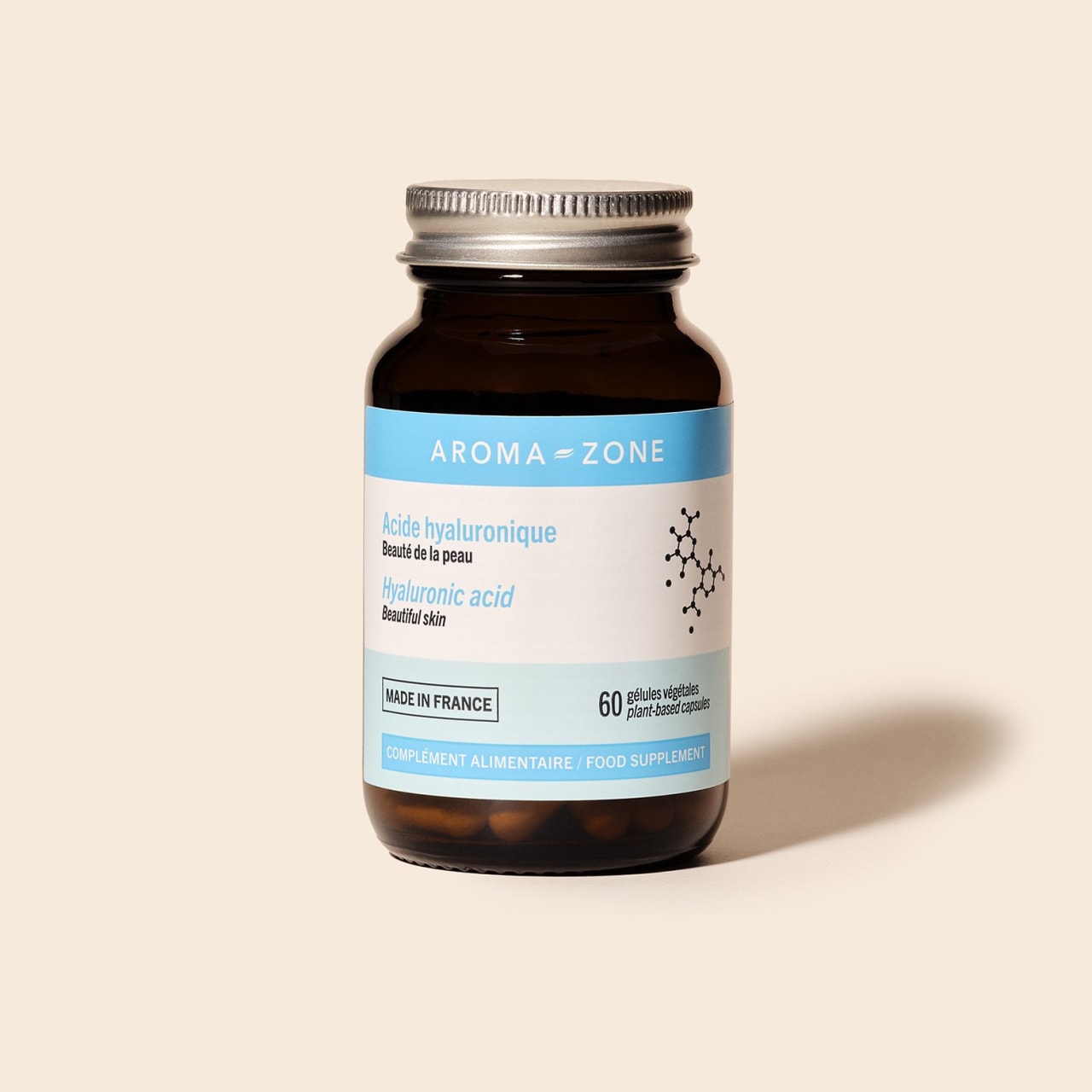
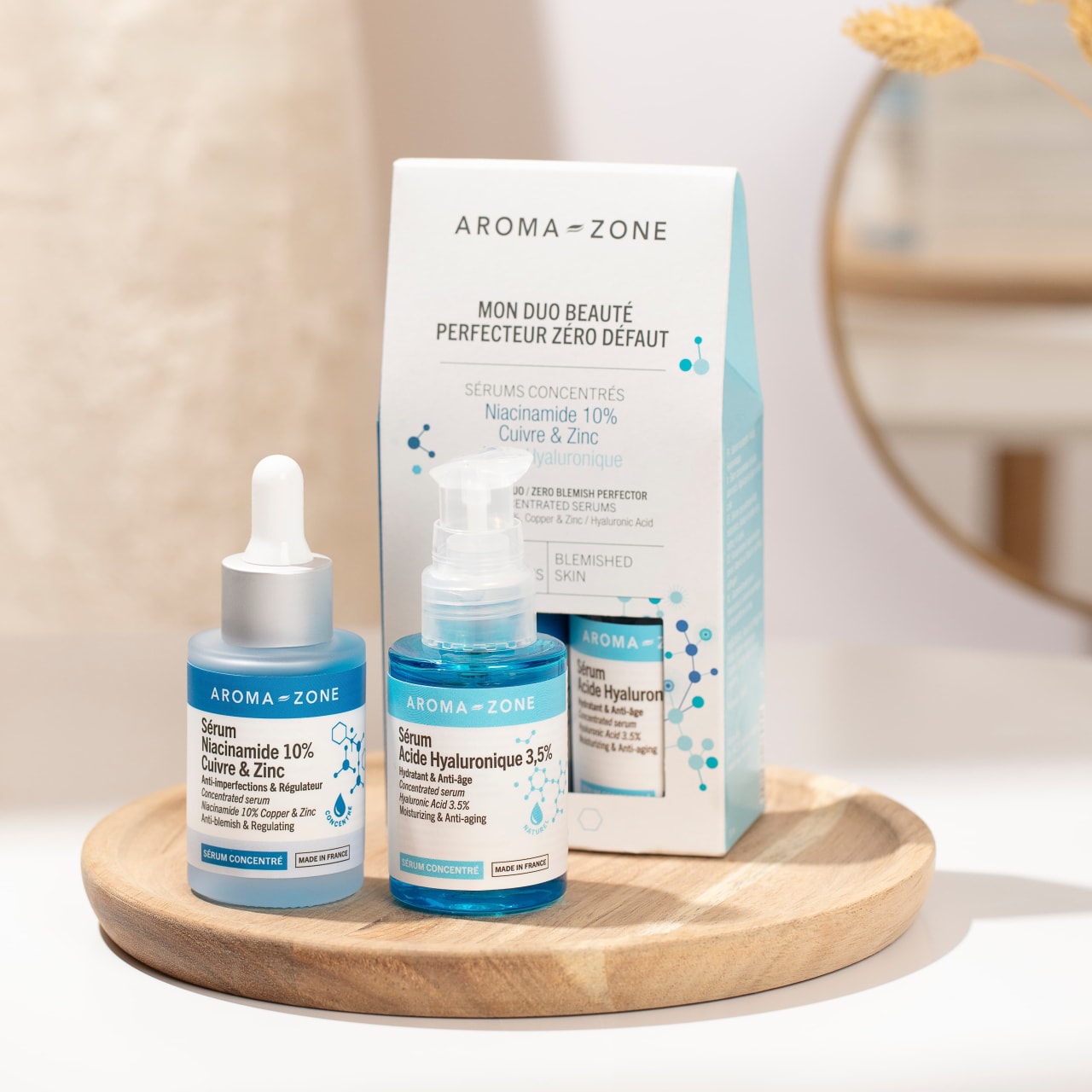
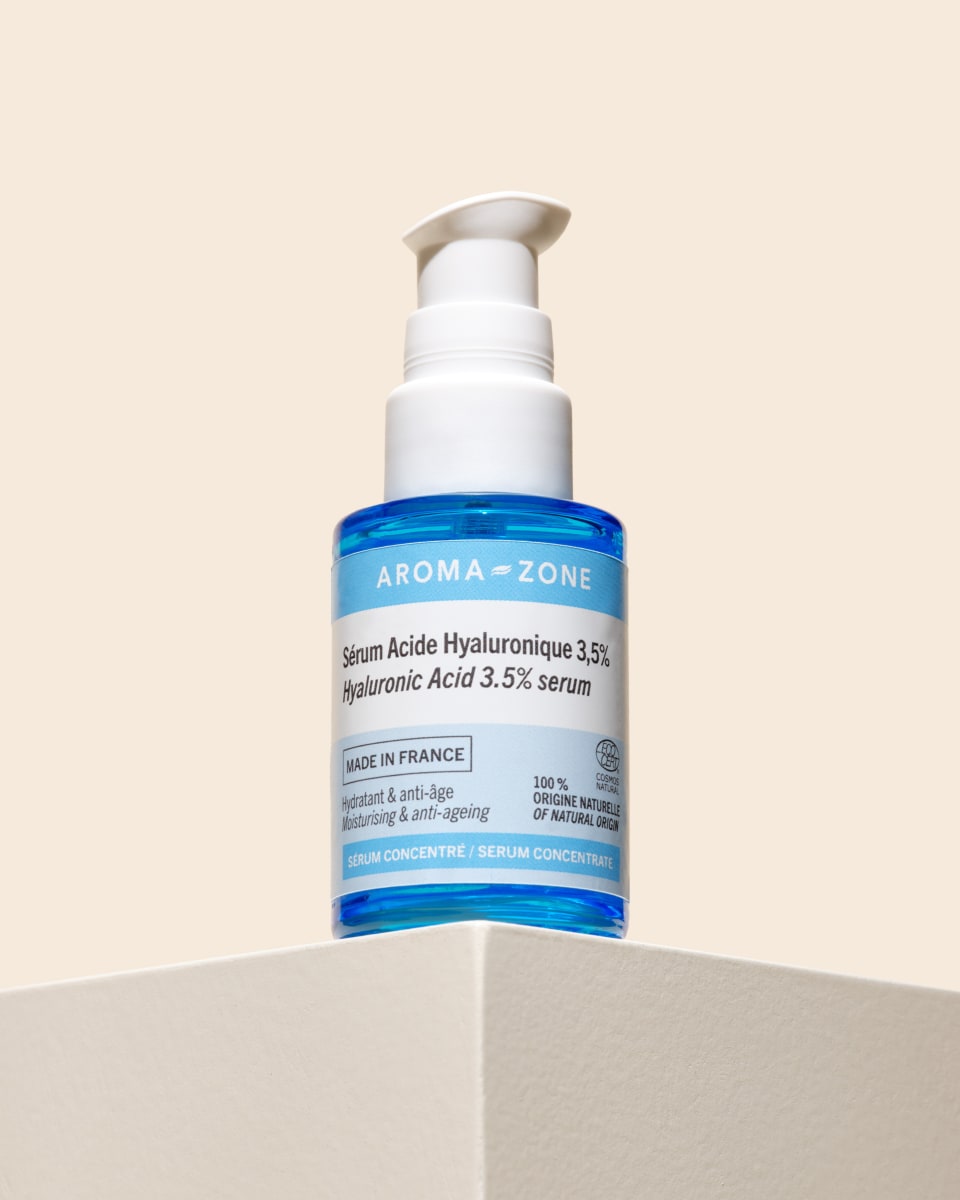
At Aroma-Zone, the hyaluronic acid we use for both our cosmetic products, such as our Hyaluronic acid serum concentrate, and our Hyaluronic Acid food supplement capsules, is produced by biotechnology: it is obtained by fermenting sugars using micro-organisms. This means that hyaluronic acid is guaranteed to contain no derivatives of animal origin.

What are the benefits of hyaluronic acid?

What are the benefits of hyaluronic acid?

Hydration, protection, youth: all skin types can benefit from the advantages of hyaluronic acid. Suitable for all ages, hyaluronic acid can be used to maintain hydration and radiance in young skin, while acting as a genuine anti-ageing ally in the care of mature skin to improve the skin's appearance, promote elasticity and reduce wrinkles and fine lines.

Here's a quick reminder of the benefits of hyaluronic acid for the skin:

  • Intense moisturiser

  • Anti-ageing, plumping and smoothing

  • Protective

  • Softening

What are the effects of hyaluronic acid on the skin?

What are the effects of hyaluronic acid on the skin?

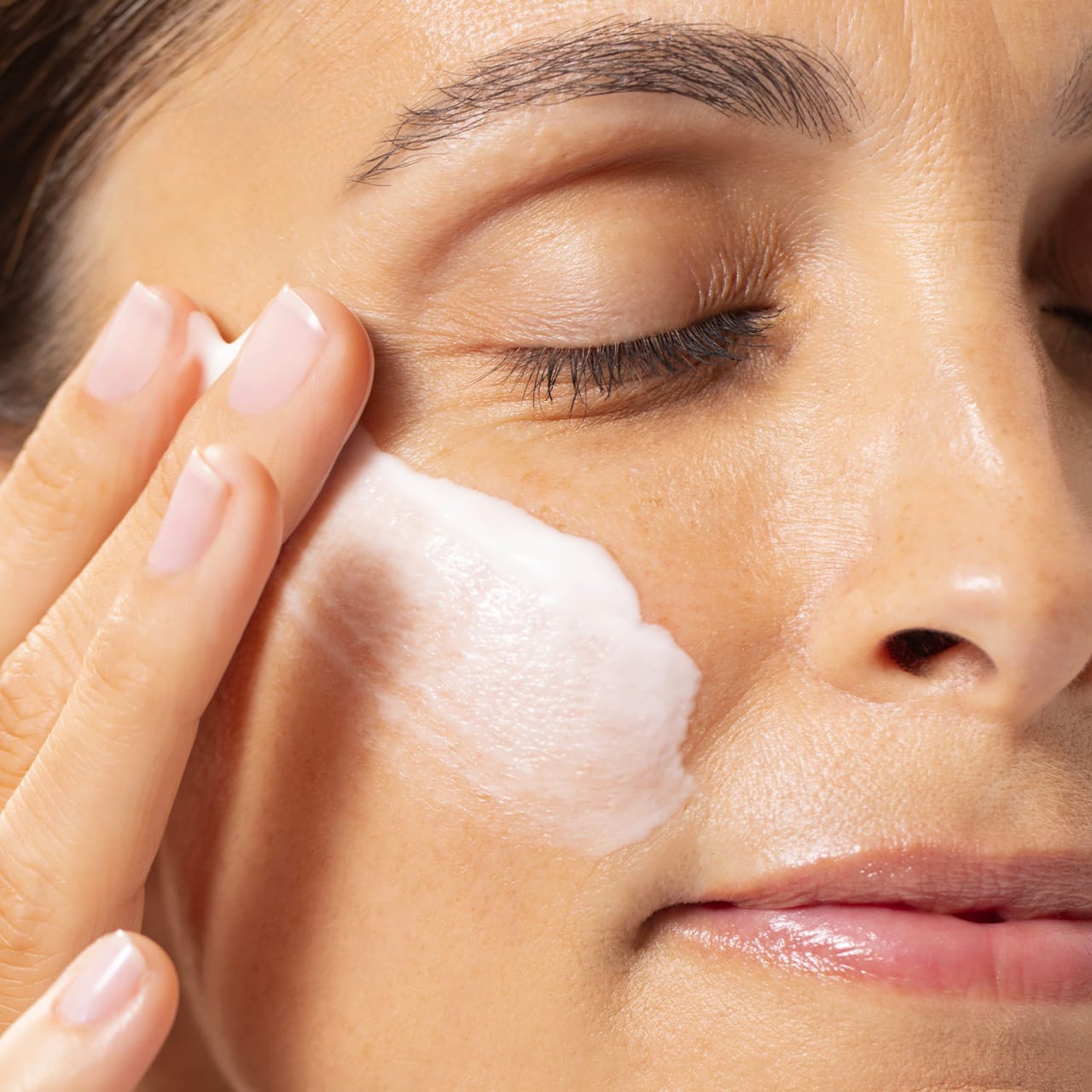
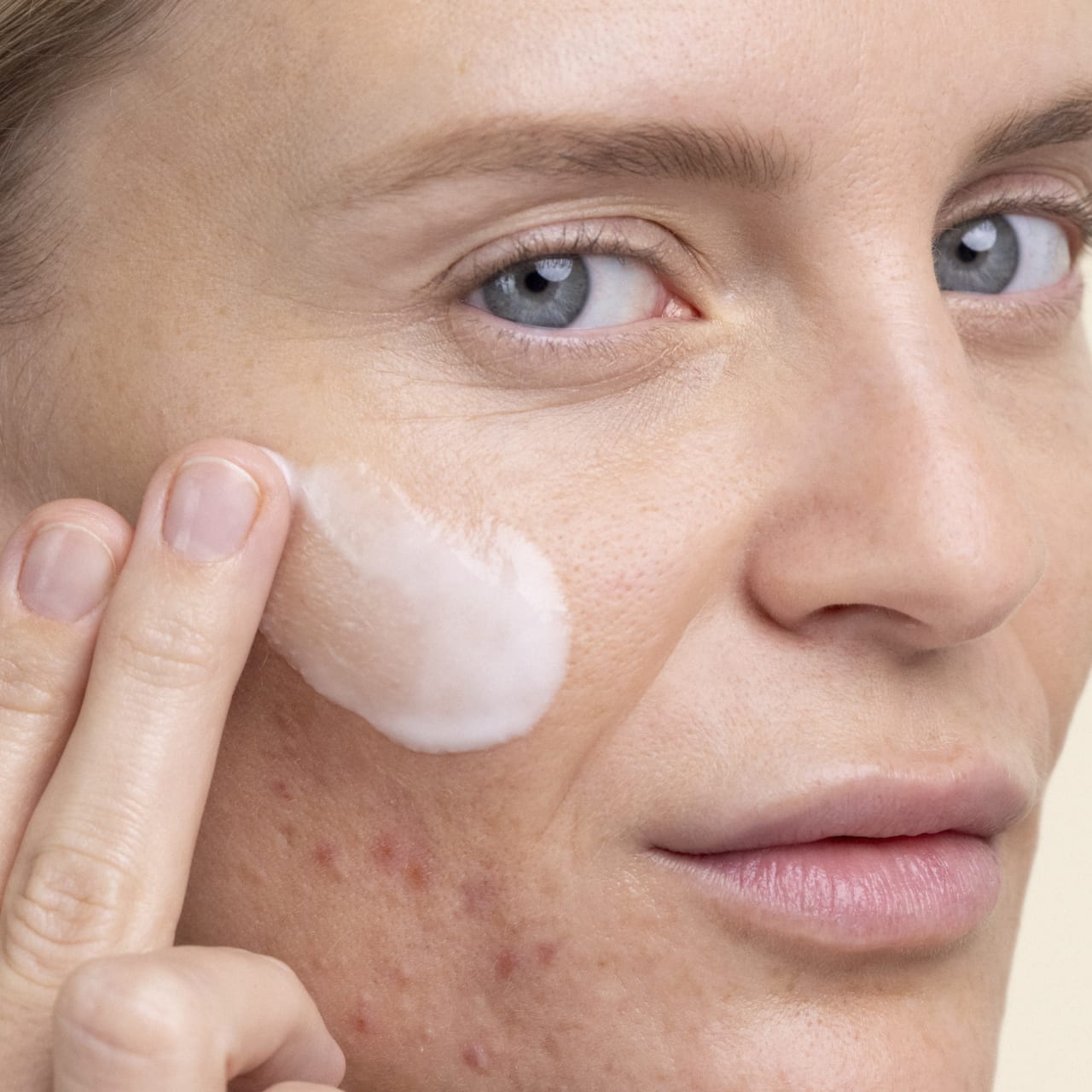
Hyaluronic acid canimprove the appearance of the skin in a matter of hours, or even immediately, thanks to its high molecular weight form which, as we saw above, remains on the skin's surface and forms a moisturising film. As a result, hyaluronic acid-based cosmetics will give the skin a smoother texture by filling in wrinkles and fine lines, while giving the skin a velvety feel.

Over the long term, hyaluronic acid facial care products will help to boost the synthesis of endogenous hyaluronic acid, helping to preserve the skin's youthful appearance, combat dehydration and promote skin elasticity.

What are the effects of hyaluronic acid on hair?

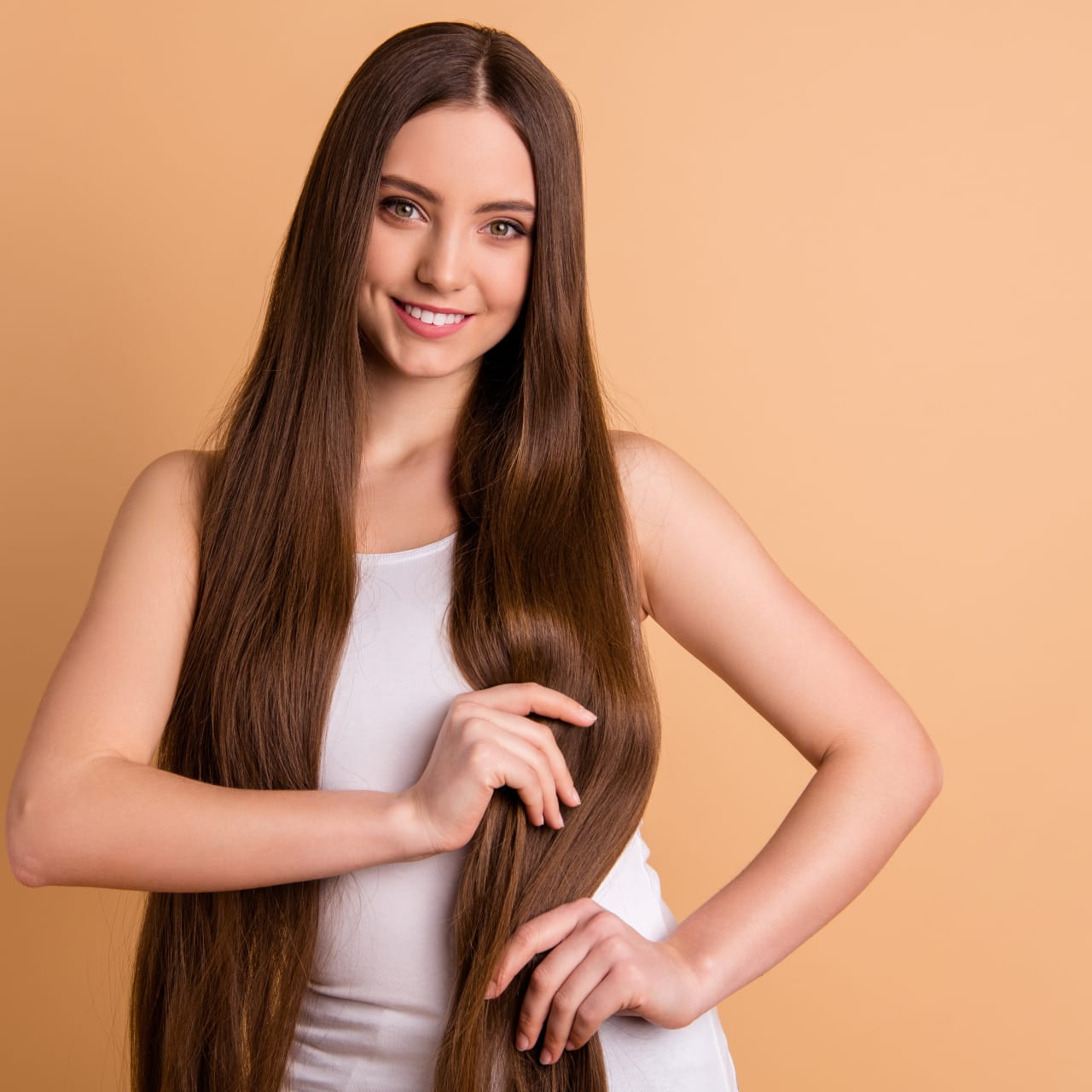
We often talk about the effects of hyaluronic acid on the skin, but we are less aware of its benefits for the beauty of the hair. Used as an ingredient in your haircare products, hyaluronic acid helps to coat the hair fibre, protect the hair and give it a soft, silky feel.

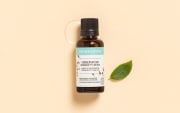
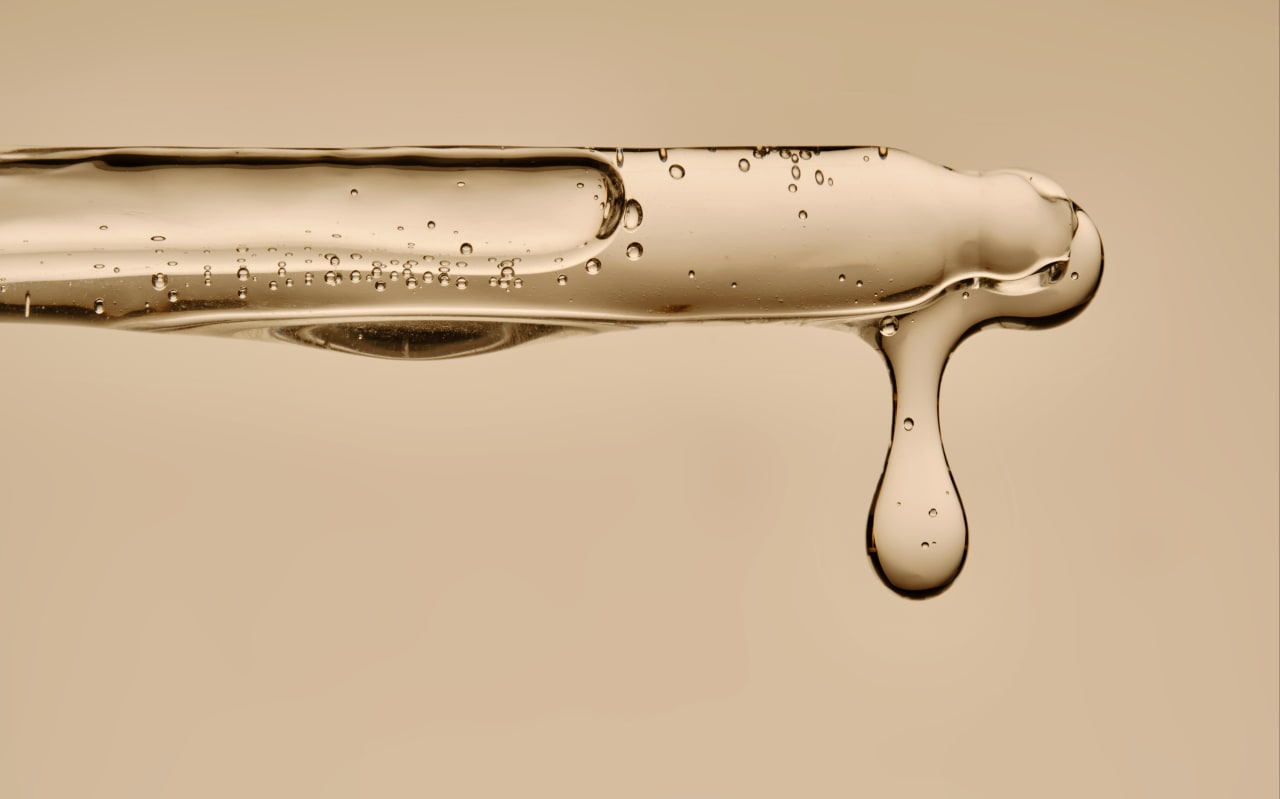
Our Hyaluronic acid serum concentrate is ideal as a leave-in treatment for lengths and ends, either pure or customised with active ingredients.
Composition of our hyaluronic acid serum

How is hyaluronic acid used?

What should hyaluronic acid be combined with?

What should hyaluronic acid be combined with?

As hyaluronic acid is a versatile active ingredient, it will depend on your skin problems! You can personalise your Hyaluronic acid serum concentrate according to your needs, with an active ingredient or an essential oil. You'll find all the possible combinations and dosages here.

To find out which serums you can use as a duo and which combinations you should avoid, see our "Facial serums: how to use and combine them" guide.

Here are some ideas for skincare routines based around the active ingredient hyaluronic acid:

Mature skin

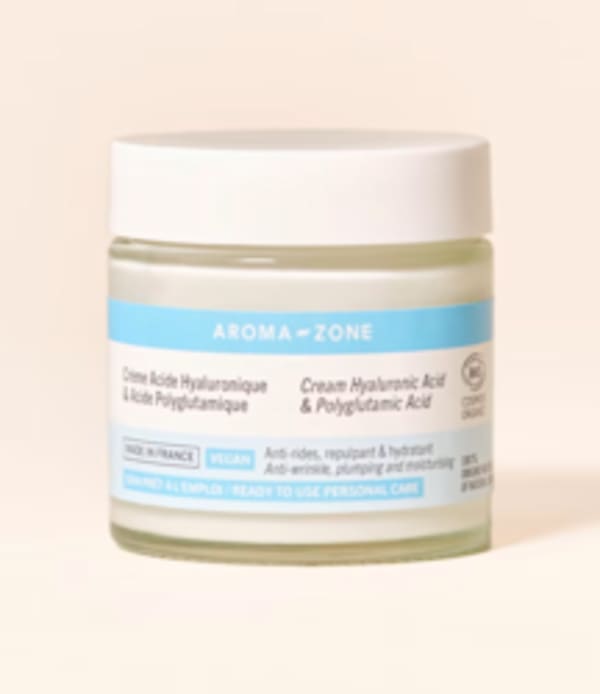
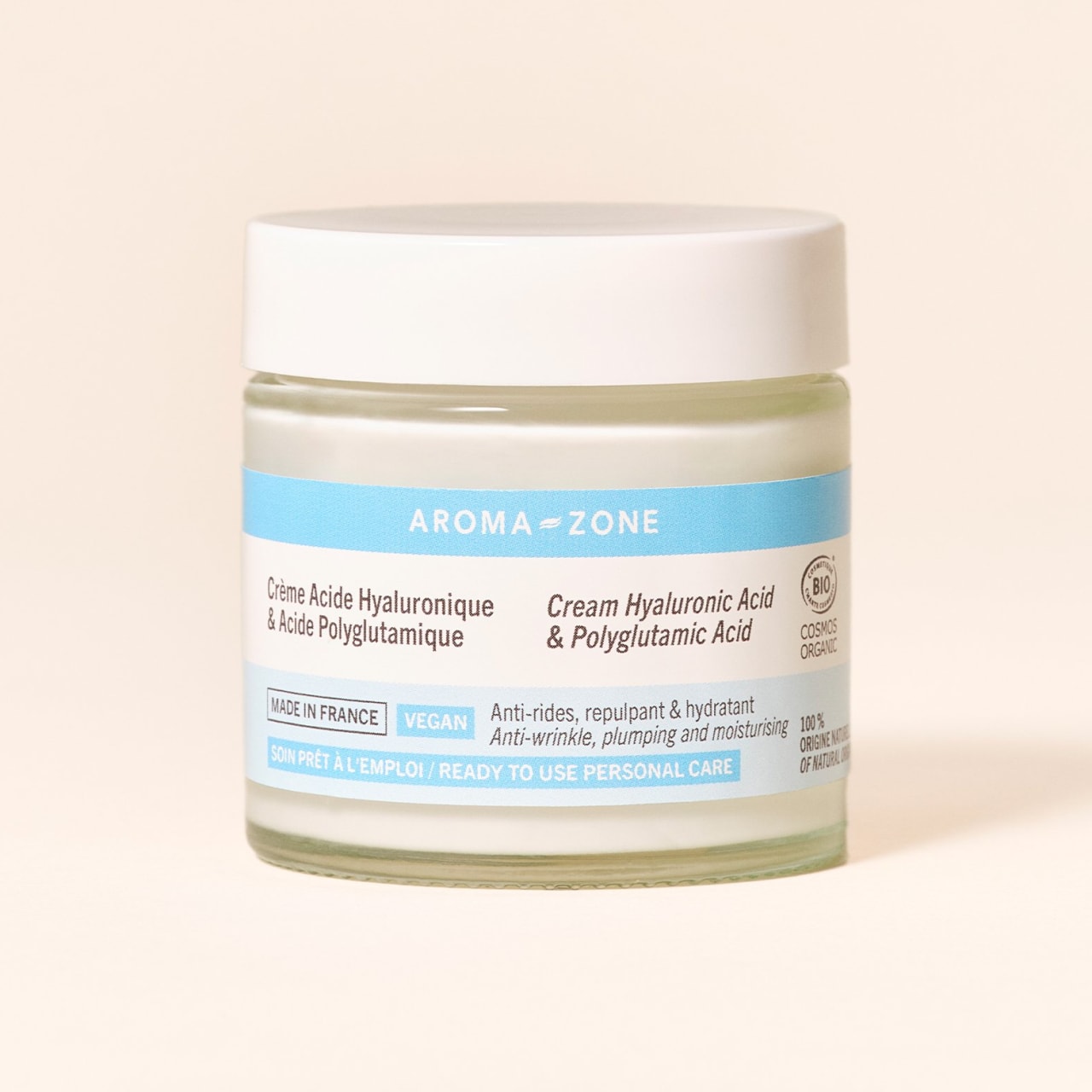
Organic Age-Defying Cream

ORGANIC Age-defying neutral cream

Discover ORGANIC Age-defying neutral cream

ORGANIC neutral hydrating cream

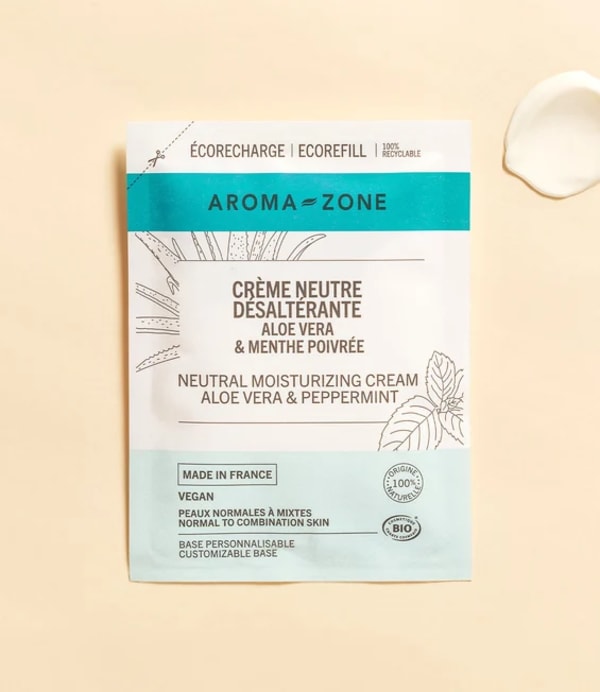
ORGANIC neutral moisturising cream

Discover ORGANIC neutral moisturising cream

Sensitive skin, dry skin

Hyaluronic acid serum concentrate

Discover Hyaluronic acid serum concentrate

Discover hyaluronic acid-based skincare products

Cosmetics (e.g. serums, creams, masks, make-up removers, hair care) formulated with hyaluronic acid and hyaluronic acid food supplements are the simplest and least expensive way to enjoy all the benefits of hyaluronic acid.

Hyaluronic acid and collagen: what's the difference?

Hyaluronic acid and collagen: what's the difference?

Like hyaluronic acid, collagen is naturally present in our bodies. It is found in the skin, bones, tendons, ligaments and so on. A fibrous protein, collagen forms the matrix of our connective tissues, including the skin, to which it gives volume and resistance. From the age of 25, our production of collagen begins to decline. Over time, this decline in collagen affects skin firmness, bone strength and hair health…
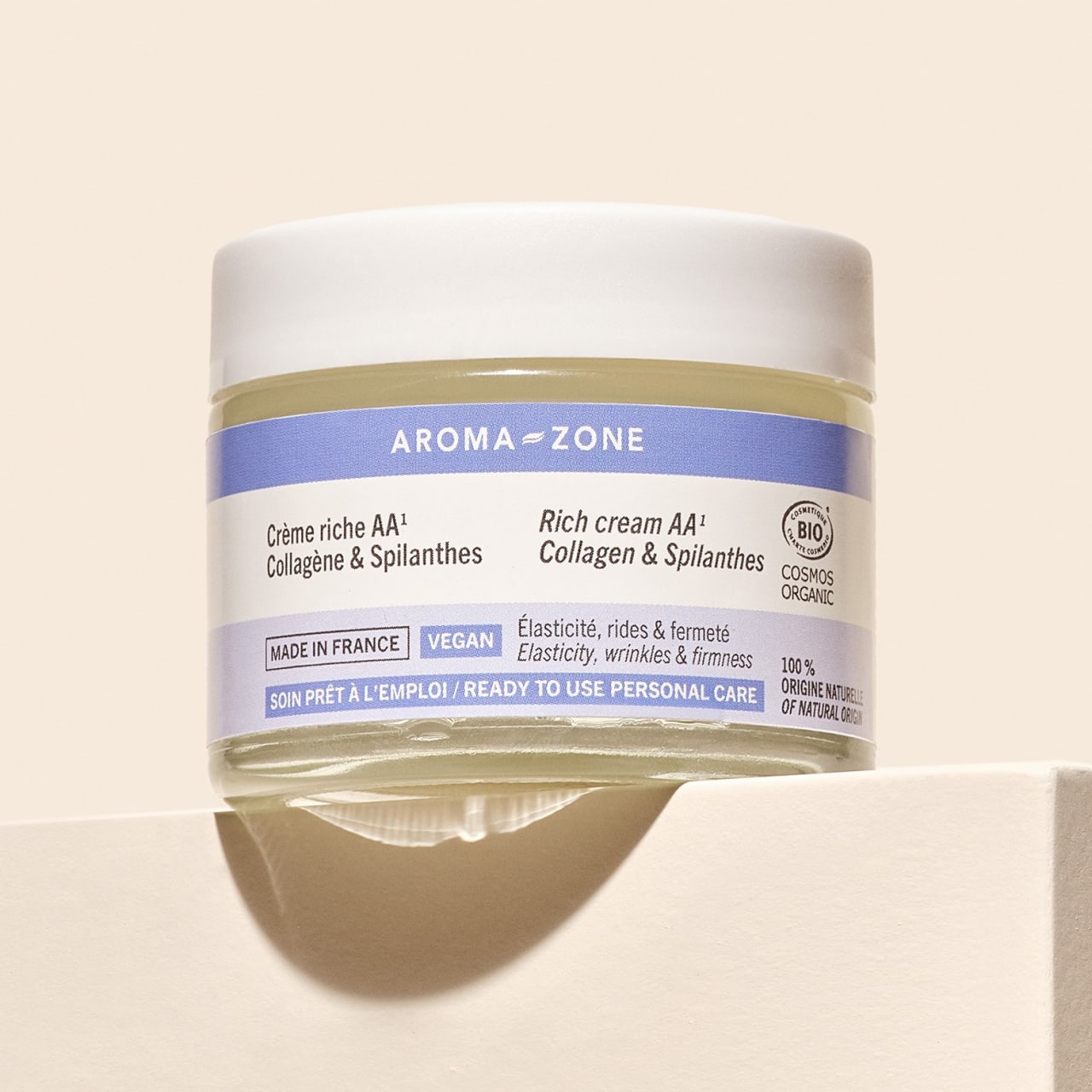
In cosmetics, collagen is used in many anti-ageing products to firm, smooth and moisturise the skin. Collagen can also be taken orally, in the form of courses of treatment, particularly marine collagen. Some skincare products do not contain collagen, but are known to stimulate collagen synthesis. This is the case, for example, with Bakuchiol Concentrated Facial Serum or 10% Vitamin C & Astaxanthin concentrated facial serum.

Whether used as a food supplement or in cosmetics, hyaluronic acid and collagen form an ideal duo for preserving the skin's youthful appearance and acting simultaneously on several skin ageing factors.

Find out more about our Hyaluronic Acid recipes

Hyaluronic Acid Damaged End Serum

Preparation

1

Put the active ingredients and fragrance directly into the bottle containing the hyaluronic acid concentrate.

2

Stir with a stainless steel spatula to mix thoroughly before closing the bottle.


Note

: the pH of this blend is approximately 5.0-6.0.

Store your bottle away from light and heat.

* Storage: if stored properly and manufactured under optimum hygiene conditions, your product will keep for at least 1 month.

Find out more

Why might our hyaluronic acid serum be flaky?

Have you ever noticed that your serum tends to flake when you apply it? There are some very simple tips that can help you avoid this easily by adapting your skincare routine. Here's our team's advice on how to avoid this:

  1. Apply only a small amount of product. To avoid a "fluffy" effect, one pump of your serum is enough for your whole face.

  2. Apply to clean skin. Apply your serum after cleansing your skin. You can apply it to dry skin or lightly moisten your face with a mist before applying your serum. It's up to you to choose the solution that suits you best, depending on your skin type.

  3. Wait until the product has penetrated well. Before moving on to the next stage of your beauty routine, make sure you have thoroughly absorbed your serum into your skin using circular movements on your face and neck.

You can then complete your routine with your day or night care product, such as a plant oil, or your sun cream, for example.

To find out more about Orianne's advice, click here.

How can you incorporate a hyaluronic acid serum into your skincare routine?

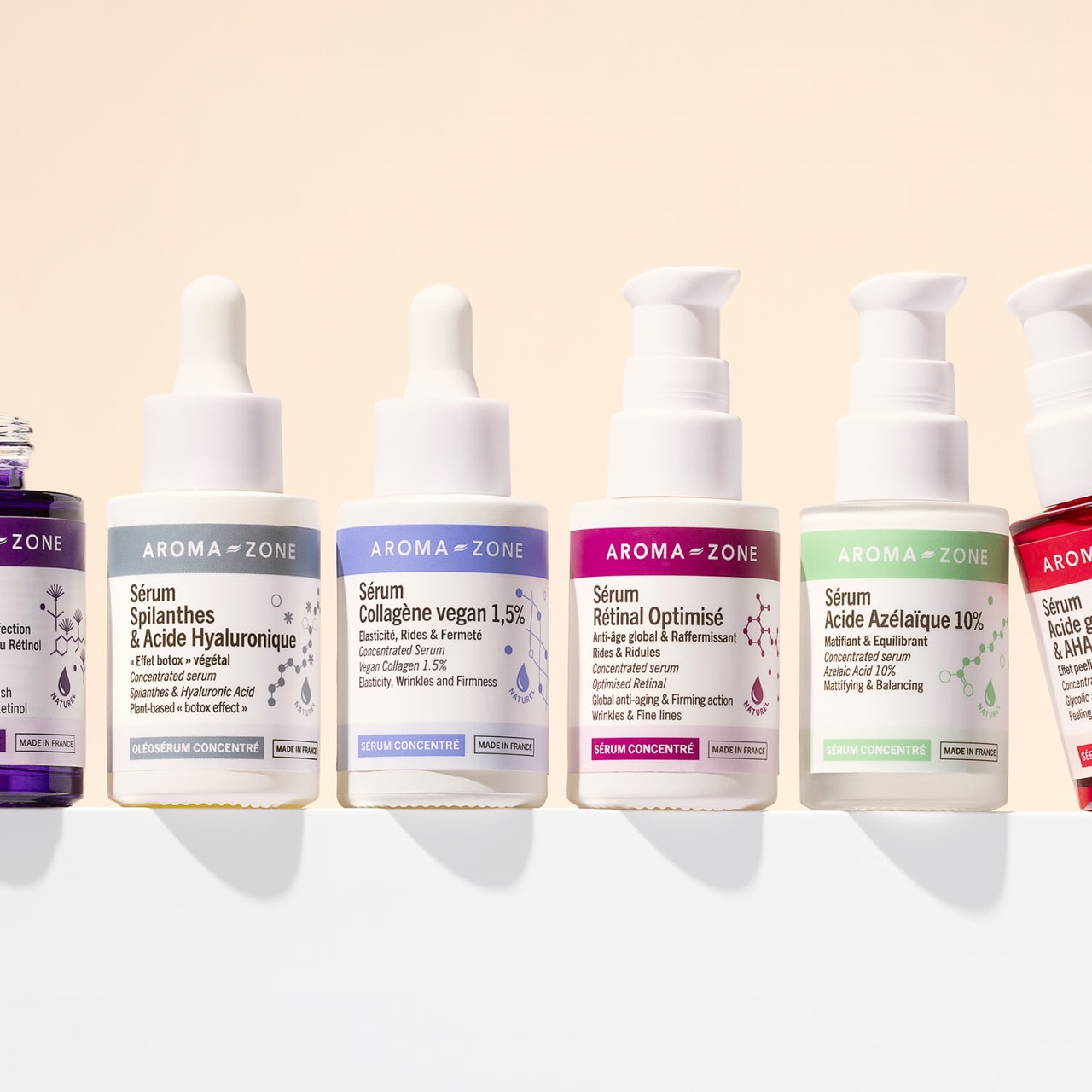
Our Hyaluronic Acid serum is the only one that can be combined with all the other AZ serums. Whether you use Nicotinamide, Bakuchiol, Glycolic acid, Vitamin C or Retinal, you can complement the actions of your serum with hyaluronic acid.

Application is simple: during your beauty routine, after applying your Aroma-Zone serum, you can add the hyaluronic acid serum to rehydrate and plump your skin for a complete routine.

How can I personalise my hyaluronic acid serum?

Our hyaluronic acid serum can be used undiluted, directly on the face or on the hair, on the lengths and ends, to moisturise.

You can also personalise it by adding other cosmetic active ingredients to complement the benefits of hyaluronic acid. You can find our simple recipes for customising your hyaluronic acid serum here.

Can hyaluronic acid cause spots?

Some people experience acne breakouts after using serums, face creams and other skincare products containing hyaluronic acid. It is difficult to know whether the culprit is the hyaluronic acid or another substance in the product, such as oils.

There is no clinical or scientific evidence that hyaluronic acid applied topically causes acne flare-ups. Hyaluronic acid is a molecule that is generally well tolerated by all skin types and does not appear to have any sensitising potential. It has no undesirable side-effects when applied externally. What's more, this molecule is already present in the skin and is not unknown to the body, which tolerates and absorbs it all the better.

With regard to hyaluronic acid injections, in very rare cases there may be an allergy to this molecule. This allergy may give rise to various reactions, but these are exceptional.

In addition, every skin is unique and may react differently to a product that does not bother other people. It's always a good idea to carry out a skin test before use.

Spotlight on our Naturopathic editor, Lucie Granjon

Passionate about plants and their properties, she started her career as a perfumer before moving to the world of natural beauty and aromatherapy over 10 years ago. Lucie supports ethical and committed brands with strategy development, product formulation and expert advice for their customers. She has worked with the Aroma-Zone team on several books, including "Le grand guide de l'Aromathérapie et des cosmétiques naturels" ("The Complete Guide to Aromatherapy and Natural Cosmetics"). She also has years of training in aromatherapy, herbalism and essential oil distillation, and supports the work of French plant growers.