Eczema: The Most Effective Natural Remedies

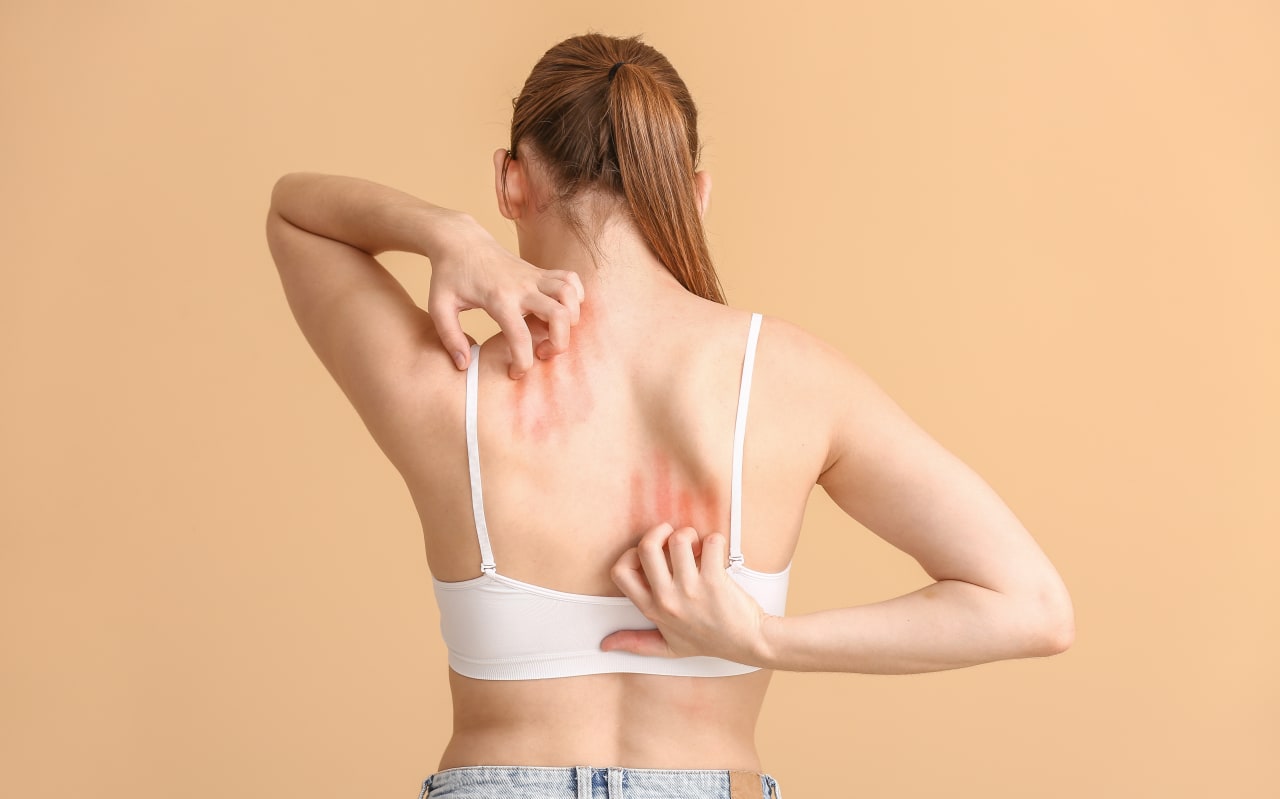
Eczema is a very common skin condition characterised by red, weeping lesions (caused by ruptured blisters) and intense itching. There are two main types of eczema: atopic eczema and contact eczema.

By The Aroma-Zone editorial team

Reading time: 0 min.

What natural remedy should you use to relieve eczema?

Essential oils offer a powerful and natural solution for relieving eczema, providing several advantages over traditional products that can sometimes be harmful to health and the environment. Indeed, some conventional products may contain potentially harmful substances, whereas essential oils offer a natural alternative without unwanted side effects. Furthermore, their environmentally friendly use helps preserve the health of the planet.

The effectiveness of essential oils in treating eczema lies in their ability to act on both skin lesions and the psycho-emotional sphere, thus offering a holistic approach to eczema relief.

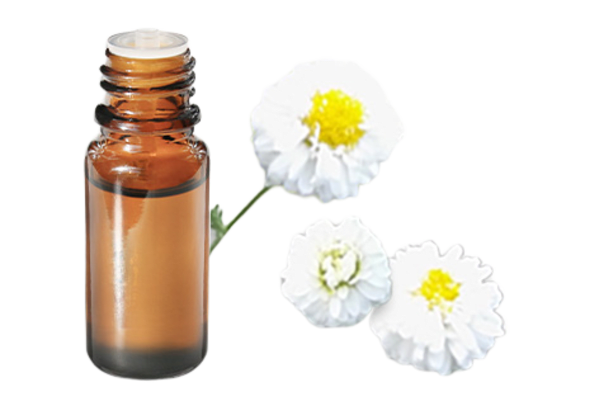
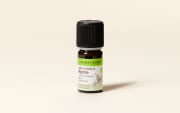
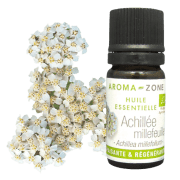
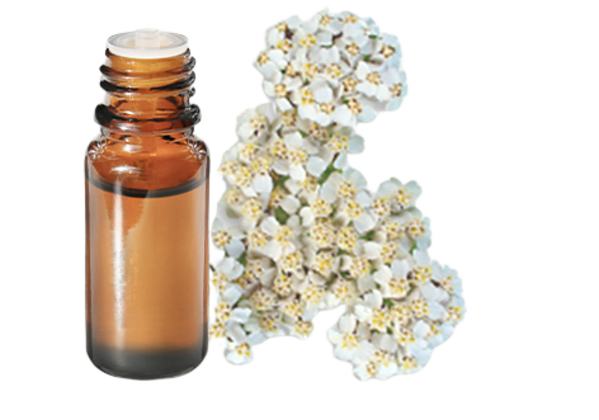
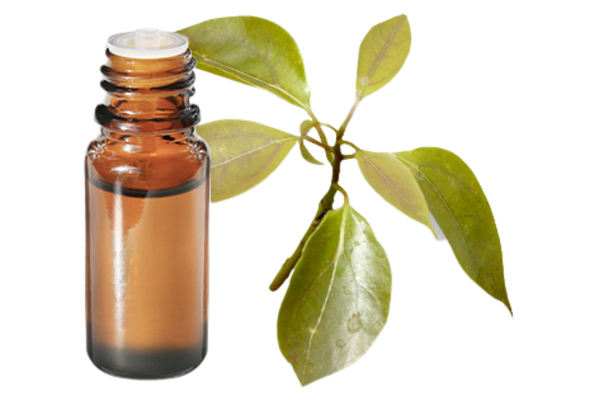
Thus, essential oils such as Yarrow, Ho Wood, German Chamomile, Patchouli, and others possess soothing, restorative, and healing properties. They work synergistically to soothe irritation, promote cell regeneration, and restore comfort to skin affected by eczema.
Eczema: causes and symptoms

Atopic eczema

Atopic eczema, or atopic dermatitis, is a non-contagious inflammatory skin condition that occurs in flare-ups. This form of eczema primarily affects infants and children. It usually disappears by puberty, but sometimes persists in adolescents and adults. 

Atopic dermatitis is exacerbated by a genetic predisposition to allergies. It combines the typical lesions of eczema with dry skin outside the affected areas. The affected body parts vary by age: they are more commonly found on the face, eyes, legs, and arms before the age of two; in children over two years old, they are mainly found in skin folds (neck, behind the ears, elbows, knees), as well as on the hands, wrists, and ankles. 

Contact eczema

Contact eczema, or contact dermatitis, is an inflammatory skin condition that primarily affects adults.

Contact eczema is a reaction to an allergen that comes into contact with the skin. The reaction occurs in two stages: first, a sensitisation phase, which can last from a few days to several years. The immune system is activated during this time, but no symptoms are felt.

In the second stage, when the same substance comes into contact with the skin of a person who has already been sensitised, the immune system recognises the allergen and symptoms of contact eczema appear within 24 to 48 hours: this is the onset phase.

The allergens involved include: clothing (pants buttons, dyes, etc.), cosmetics (perfumes, deodorants, etc.), topical medications (antiseptics, etc.), and occupational allergens (hair dyes for hairdressers, paints in the construction industry, etc.).

Typical eczema lesions first appear on the skin in contact with the allergen and then spread from the point of contact, sometimes extending over the entire body.

Disclaimer

For both types of eczema, certain complications can arise, such as a bacterial superinfection caused by scratching the eczema lesions, leading to impetigo.

How can you relieve eczema?

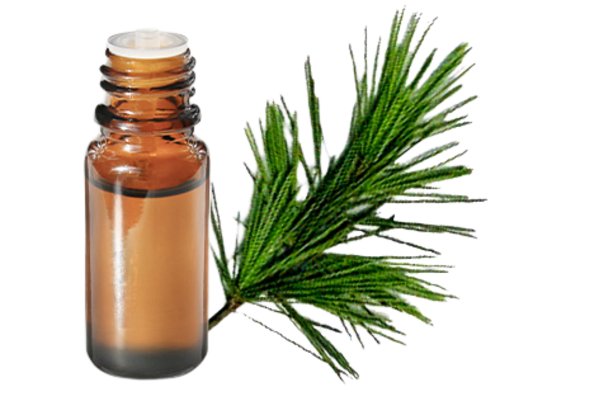
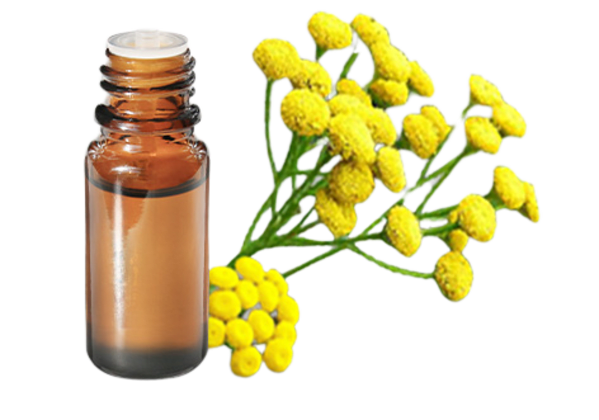
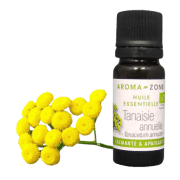
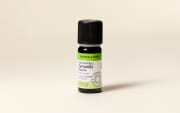
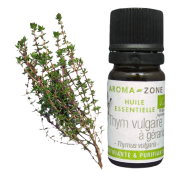
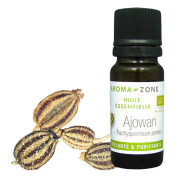
Aromatherapy relieves and soothes eczema by addressing both the lesions and the psycho-emotional aspect. There are many essential oils beneficial for eczema: Yarrow, Ho Wood, German chamomile, Roman chamomile, Cedar, Katafray, St. John's Wort, Patchouli, Annual tansy, Geraniol Thyme… These will be combined with vegetable oils from Laurel berries, Calophyllum inophyllum, Camelina, Chaulmoogra, Perilla or even to the oil macerates of Calendula or St. John's Wort. Soothing, restorative, and healing, the Aloe vera gel will provide a soothing sensation for eczema-prone skin.

To relieve eczema and restore skin comfort, you can, for example, dilute 2 drops of annual tansy essential oil in 1 teaspoon ofcamelina vegetable oil, and apply it topically to the affected areas.

Precautions to Take

Although essential oils offer many benefits, it is crucial to take certain precautions before using them to treat eczema.

  1. Proper Dilution: Before application, dilute essential oils in a suitable carrier oil to prevent skin irritation. A concentration of 2 drops of annual tansy essential oil in 1 teaspoon of camelina oil can be an effective dilution.

  2. Skin Test: Always perform a skin test by applying a small amount of the mixture to a small area of skin to check for a reaction. This helps prevent allergic reactions or irritation.

  3. Medical Consultation: If in doubt or if you have pre-existing medical conditions, consult a healthcare professional before using essential oils, especially if you are undergoing medical treatment.

By following these precautions, the use of essential oils can effectively help relieve eczema, offering a natural and holistic approach to skin care.

Some examples of recipes

Atopic eczema

Recipe by: D. Baudoux

Usage: Apply topically 2 to 3 times a day until noticeable improvement.

Contact eczema

Recipe by: D. Baudoux

Usage: Apply topically 4 times a day until complete improvement.

Nummular eczema

Recipe by: D. Baudoux

Usage: Apply topically 3 times a day until significant improvement is seen.

Dry eczema

Recipe by: P. Franchomme

Usage: 3 to 4 topical applications per day, adjusting as symptoms improve.

Varicose eczema

Recipe by: D. Baudoux

Usage: If accompanied by itching, add 0.5 ml of Tanacetum annuum (annual tansy). Apply 2 to 3 times a day, topically to the eczema. As a supplement to oral intake of Calophyllum inophyllum oil

Precautions for use

Essential oils are powerful natural concentrates. Please refer carefully to the intended uses and precautions for use on each product information sheet. Store them in a suitable glass bottle, away from light and air. Keep out of reach of children. Do not use on pregnant or breastfeeding women, or on children under 6 years of age. Avoid contact with the eyes and mucous membranes. Please consult the general safety information sheet for essential oils as well as the specific information sheet for each essential oil.

Learn more