
Guide to essential oils

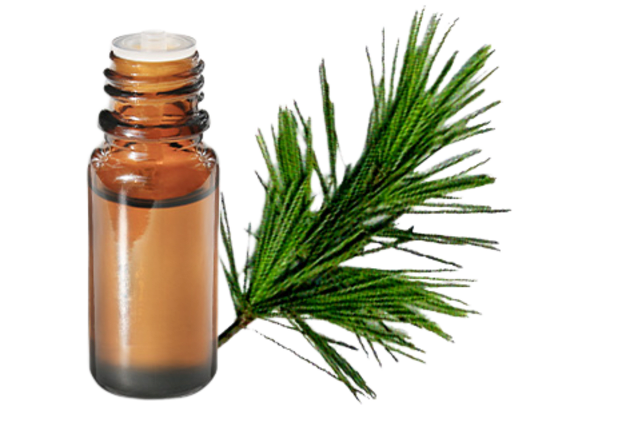
Essential oil of Himalayan cedarwood

Purifying and toning, Himalayan cedar essential oil is rich in sesquiterpenes, known for their soothing effects, and lipolytic ketones. This spiritual oil has an enchanting scent that calms and invigorates.

How to use

  • Skin application and massage

    Skin application and massage

    Suitable

  • Cosmetic active ingredient

    Cosmetic active ingredient

    Appropriate

  • Diffusion

    Diffusion

    Appropriate

  • Aromatherapy bath

    Aromatherapy bath

    Appropriate

  • Food grade

    Food grade

Features

Properties

Precautions

Find out more

Features

Production process

Complete steam distillation

Part of the plant used

Wood

Botanical name

Cedrus deodara

Warning

The properties, information and methods of use below are quotes from reference books or websites on aromatherapy, hydrolatherapy and phytotherapy. This general information is provided for informative purposes only and in no way constitutes medical guidance. Under no circumstances can this information be used as a substitute for a medical diagnosis, consultation or follow-up, nor can it incur our liability. We recommend that you consult the guide to essential oils before using them, so that you are aware of any precautions that need to be taken. If in doubt, consult a doctor before using essential oils.

Bibliographic references

  • Franchomme P., Jollois R. and Pénoël D. (2001) L'Aromathérapie exactement. Editions Roger Jollois.

  • Cedrus deodara: A Medicinal Herb

    Amit Sharma, Bharat Prashar, Pankaj Arora; 2018

  • A REVIEW OF HERBAL COSMETICS USED FOR SKIN CARE AND HAIR CARE

    SONAL PATEL, HITESH KUMARKHANIYA AND BHARAT MAITREYA; 2024

  • Chemical Composition of Hydrodistilled and Solvent Volatiles Extracted from Woodchips of Himalayan Cedrus: Cedrus deodara (Roxb.) Loud

    Abha Chaudhary, Pushpinder Kaur, Bikram Singh, and Vijaylata Pathania; 2009

Properties

Himalayan cedarwood essential oil is traditionally used for: Heavy legs, varicose veins

.

Health

Beauty

Wellness

Find out more

Properties

In health care, Himalayan cedarwood essential oil is recognised for the following properties:

  • Stimulating and draining of the lymphatic system

  • Lipolytic, helps dissolve fats.

  • Helps activate arterial circulation

  • Antifungal

  • Helps keep mosquitoes and moths away

Uses

It is traditionally used to improve the following conditions:

  • Cellulite, water retention

  • Atherosclerosis

  • Fungal, parasitic, eczematous skin conditions


.

Synergies

  • For air diffusion: Citrus, true lavender essential oils, etc.

  • Tonic, slimming: Sea fennel, grapefruit, lemon essential oils, etc.

  • Tranquil summer evening: Geranium, lemongrass essential oils, etc.

In practice

Slimming tonic rubs: Mix into your oil blend in synergy with other essential oils. Apply your mixture locally by massaging or rubbing into the areas concerned.

Air purification: atmospheric diffusion.

Purifying massage for the skin: Mix into your oil blend. Massage the mixture into the affected areas.

Precautions

  • For internal use by therapists only.

  • Not for use by pregnant or breastfeeding women, children, those suffering from epilepsy or the very elderly. This essential oil contains ketones, compounds which may expose you to neurotoxic and abortifacient risks in high doses.

  • High doses may cause skin irritation. Always dilute well.

  • Keep out of reach of children.

  • Avoid contact with eyes.

  • As a general rule, always test-apply your product in the crease of the elbow at least 48 hours before use.

Find out more

The Himalalayan cedar, also known as sacred cedar or ‘wood of the gods’ in Hindustan, belongs to the Pinaceae family. Native to the western Himalayas, this fast-growing conifer was introduced to Europe in the 1820s. Despite growing at altitudes of between 1500 and 3000 metres, it is sensitive to late frosts. Imposing and majestic with its height of up to 50 metres and its weepinglook, it is mainly used as an ornament tree in parks and gardens.

Equivalents

Essential Oils

1 ml = approximately 35 drops (with our Aroma-Zone dropper caps)

Carrier oils

1 pump (Aroma-Zone aluminium pump) = approx. 0.15 ml

Mass / Volume conversion (for a liquid)

Mass (g) = Density x Volume (ml) at 20°C

Further information

1 full teaspoon = between 3 and 4.5 ml

1 full tablespoon = between 7.5 and 10 ml


However, these spoon ratios depend on a number of factors (e.g. viscosity of the liquid, temperature, depth and size of the spoon, rheological behaviour of the liquid), and we strongly advise you to use precise measuring equipment, such as graduated test tubes, graduated pipettes, and precision scales.