Itching and Essential Oils

Itching and Essential Oils


By The Aroma-Zone editorial team

Published on: Wednesday, August 03, 2022, Updated on: Wednesday, October 28, 2026

Discover how essential oils can help ease itching in our specialist guide. Explore natural, effective solutions to soothe irritation and restore your skin's comfort. Step into a world of well-being where the gentleness of essential oils meets your skin's needs.

Contents

Soothing Itching with Essential Oils

Itching, or pruritus, causes an intense urge to scratch the skin. Depending on how widespread it is, pruritus is often divided into two categories:

  • Generalised pruritus affects the whole body. It can be triggered by skin conditions (eczema, psoriasis, chickenpox), medicines (antibiotics, aspirin), or even very dry skin or non-skin-related conditions (blockage in the bile ducts, kidney problems, blood or hormonal disorders). 

Stress is also a common cause of itching (in such cases, it is not true pruritus, but rather scratching reflexes caused by nervousness).

  • Localised pruritus affects a specific part of the body. It can occur on the scalp, caused by head lice, psoriasis or a bacterial or fungal infection. Itching can also be localised to a specific area of skin, such as skin folds or the spaces between the fingers (a fungal infection such as intertrigo), in the genital area (fungal infection, overly harsh soap), the anal area (fungal infections, haemorrhoids, pinworms), the eyes (conjunctivitis), the throat (pharyngitis), etc.
How to Relieve Itching with Essential Oils?

Bottles and leaves

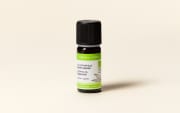
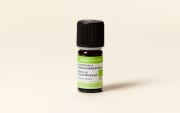
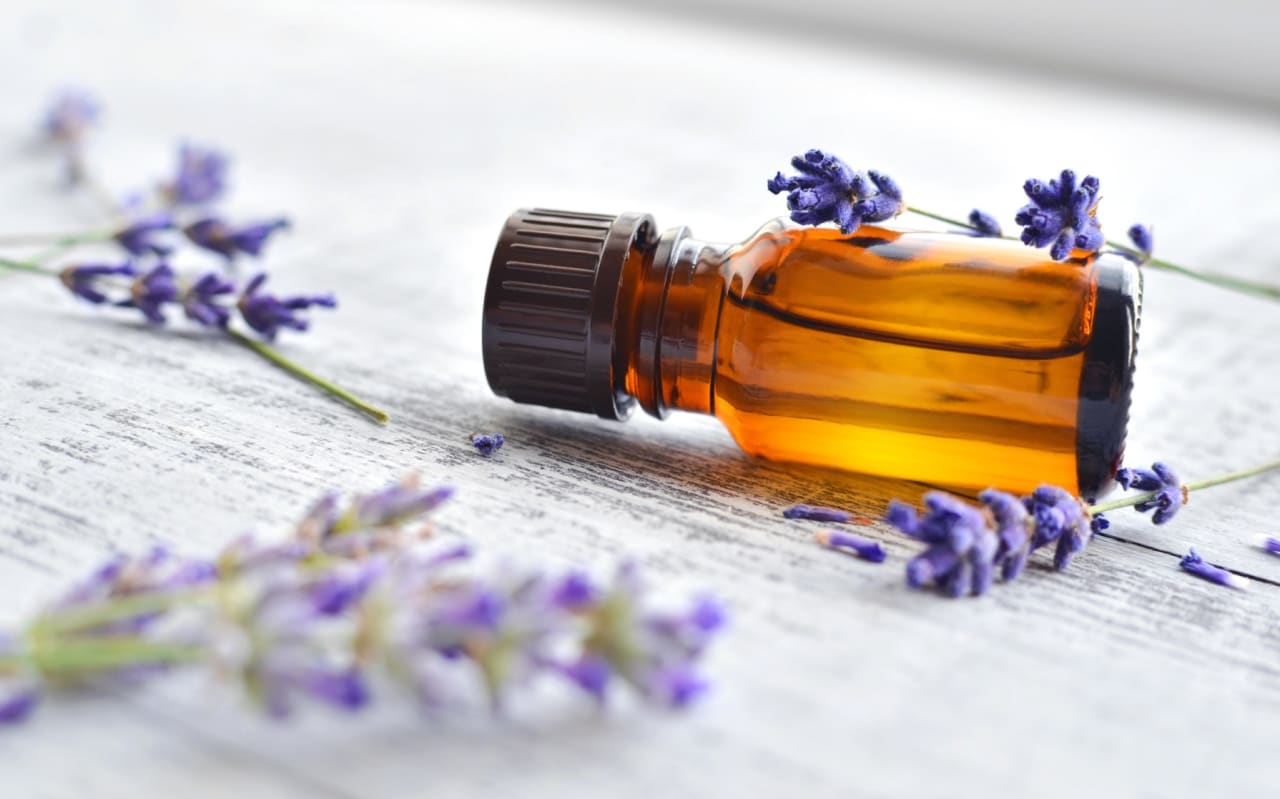
To relieve itching, it is essential to treat the cause of the pruritus: avoiding the allergen, using antifungals, etc. For symptoms, although oral antihistamines are often necessary, applying soothing essential and vegetable oils to the skin, as well as using aloe vera gel, can help relieve itching. The most suitable essential oils are yarrow, German chamomile, Roman chamomile, peppermint, and annual tansy.

Some example recipes

Here are some proven aromatherapy recipes, drawn from reference works on essential oil synergies, to help you relieve itching.

Precautions regarding essential oils

German Chamomile Essential Oil: Not recommended for pregnant or breastfeeding women, or for children under 6 years of age. Internal use is restricted to therapists. Risk of drug interactions. Consult a healthcare professional if taking medication at the same time, particularly sleeping tablets. Avoid contact with the eyes and mucous membranes. Avoid exposure to the sun after application. Always use diluted.

Spearmint Essential Oil: Do not use on pregnant or breastfeeding women, children under 6 years of age, or people with epilepsy. For internal use only in limited doses and for short periods, on the advice of a therapist. Avoid contact with the eyes and mucous membranes. Always dilute for application to the skin.

Lemon Eucalyptus Essential Oil: Not recommended for use by pregnant or breastfeeding women or children under 6 years of age. Avoid contact with the eyes and mucous membranes. Keep out of reach of children. Always use diluted. For internal use only on the advice of a healthcare professional and for a short period.

Peppermint essential oil: Do not use in pregnant or breastfeeding women, or in children under 6 years of age. May stimulate ovarian function and, therefore, oestrogen levels. Not recommended in cases of oestrogen-dependent conditions: mastosis, endometriosis, fibroids or oestrogen-dependent cancer (breast, ovary, endometrium). At high doses, it may cause skin irritation. For internal use only in limited doses and for short periods, on the advice of a therapist. Avoid contact with the eyes and mucous membranes. Always use diluted.

Precautions Regarding Essential Oils

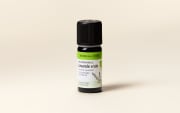
True Lavender Essential Oil: Do not use on pregnant or breastfeeding women, or on children under 6 years of age. For internal use only in limited doses and for short periods, on the advice of a therapist. Avoid contact with the eyes and mucous membranes. Always dilute before applying to the skin.

Helichrysum Essential Oil: Do not use on pregnant or breastfeeding women, children under 6 years of age, or people with epilepsy. For internal use only in limited doses and for short periods, on the advice of a therapist. Avoid contact with the eyes and mucous membranes. Always dilute for topical application. Can be incorporated up to 2% in your cosmetic preparations.

Roman Chamomile Essential Oil: Not recommended for pregnant or breastfeeding women, or for children under 6 years of age. Internal use should only be carried out under the supervision of a therapist. Risk of drug interactions. Consult a healthcare professional if taking medication at the same time, particularly sleeping tablets. Avoid contact with the eyes and mucous membranes. Avoid exposure to sunlight after application. Always use diluted.

Peppermint essential oil: Do not use in pregnant or breastfeeding women, or in children under 6 years of age. May stimulate ovarian function and, therefore, oestrogen levels. Not recommended in cases of oestrogen-dependent conditions: mastosis, endometriosis, fibroids or oestrogen-dependent cancer (breast, ovary, endometrium). At high doses, may cause skin irritation. For internal use only in limited doses and for short periods, on the advice of a therapist. Avoid contact with the eyes and mucous membranes. Always use diluted.

Precautions

Essential oils are powerful natural concentrates. Please refer carefully to the intended uses and precautions for use on each product information sheet. Store them in a suitable glass bottle, away from light and air. Keep out of reach of children. Do not use on pregnant or breastfeeding women, or on children under 6 years of age. Avoid contact with the eyes and mucous membranes. Please consult the general safety information sheet for essential oils as well as the specific information sheet for each essential oil.

Bibliography

  1. Essential oils: Warnings and precautions for use

    https://www.aroma-zone.com/public/pdf/GC019.pdf