Psoriasis is an inflammatory skin condition, non-contagious. It is a chronic condition characterised by flare-ups, interspersed with periods of remission (during which the symptoms of the condition disappear partially or completely).
The Symptoms of Psoriasis
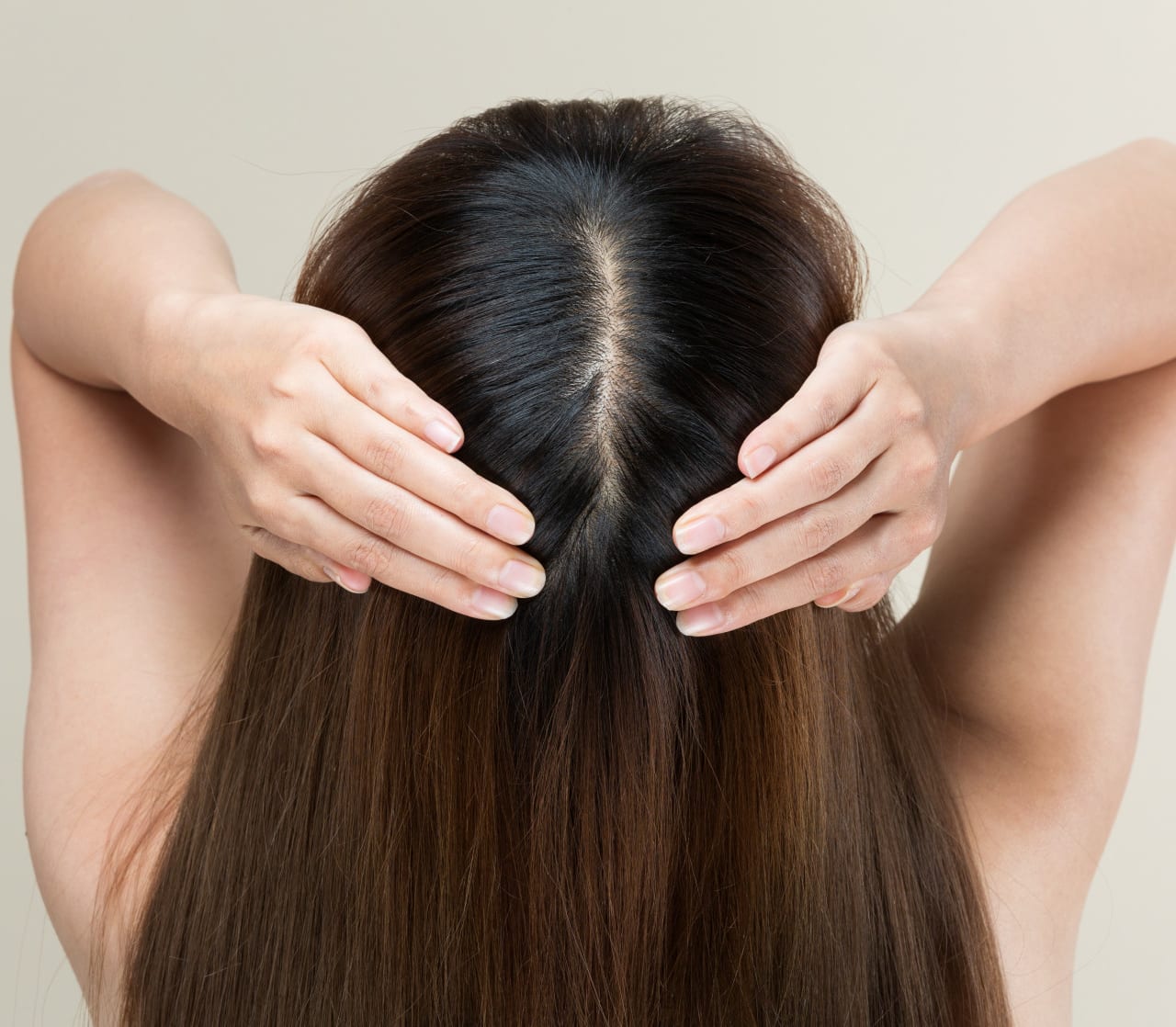
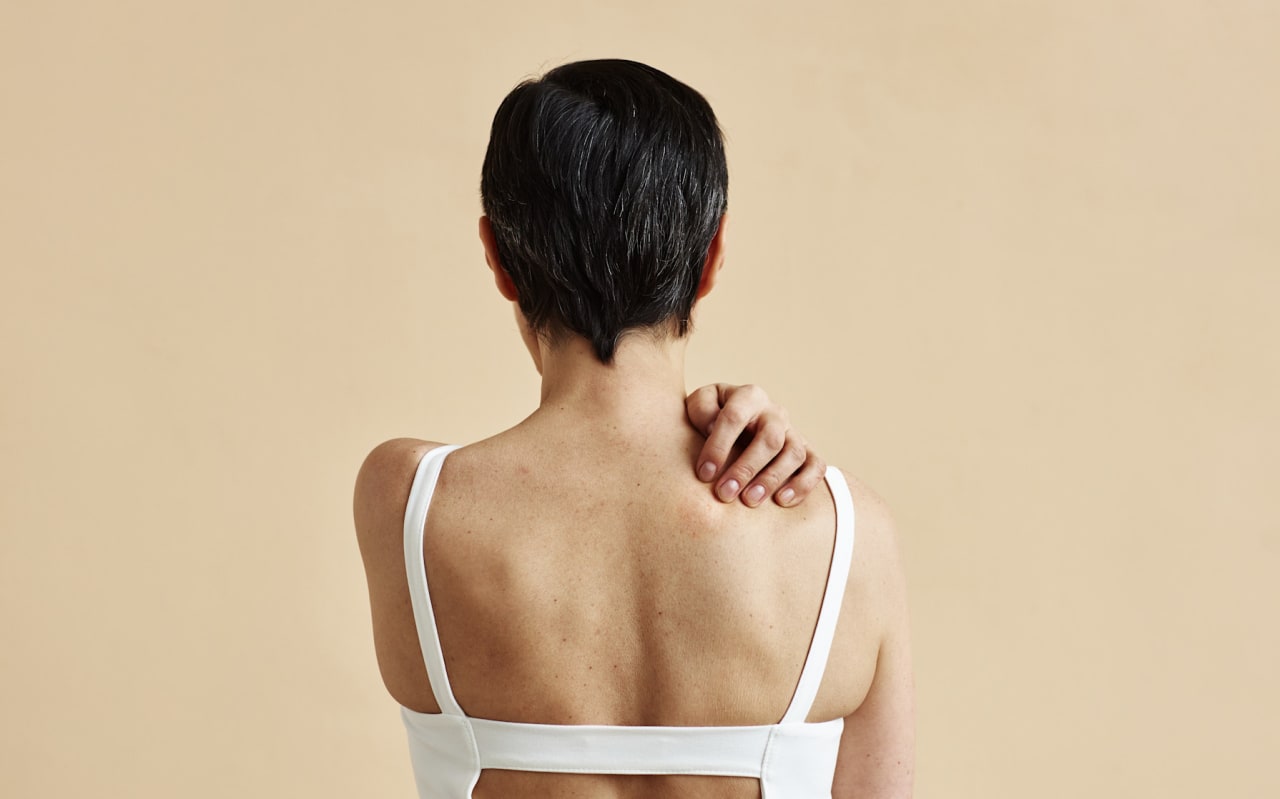
Psoriasis is characterised by accelerated skin cell renewal, taking four to six days instead of three weeks. The cells build up on the skin’s surface and form a layer of white flakes known as scales, accompanied by redness and frequently by itching. These psoriasis patches are found on areas subject to friction (elbows, forearms, knees, lower back) as well as on the scalp and nails. However, the patches can appear anywhere, including on the mucous membranes, and can spread over large areas of the body.
The Causes of Psoriasis
The exact cause of psoriasis is still unknown. However, the onset of the condition is due to a combination of a genetic predisposition and certain triggering factors, such as friction, stress, an emotional shock or trauma, changes in the weather, an infection or even the use of certain medicines. Alcohol and tobacco do not directly trigger the onset of the condition but are factors that can exacerbate it.