
Psoriasis is an autoimmune, non-contagious disease. It is a chronic inflammation of the skin linked to an immune system in turmoil. Psoriasis accelerates cell renewal, reducing the normal rate from 28-30 days to just 3-4 days! Why such an acceleration? The immune system makes a mistake and attacks healthy skin cells, causing inflammation and overproduction of new skin cells. The result: an accumulation of cells on the surface of the skin, forming thick, scaly patches.
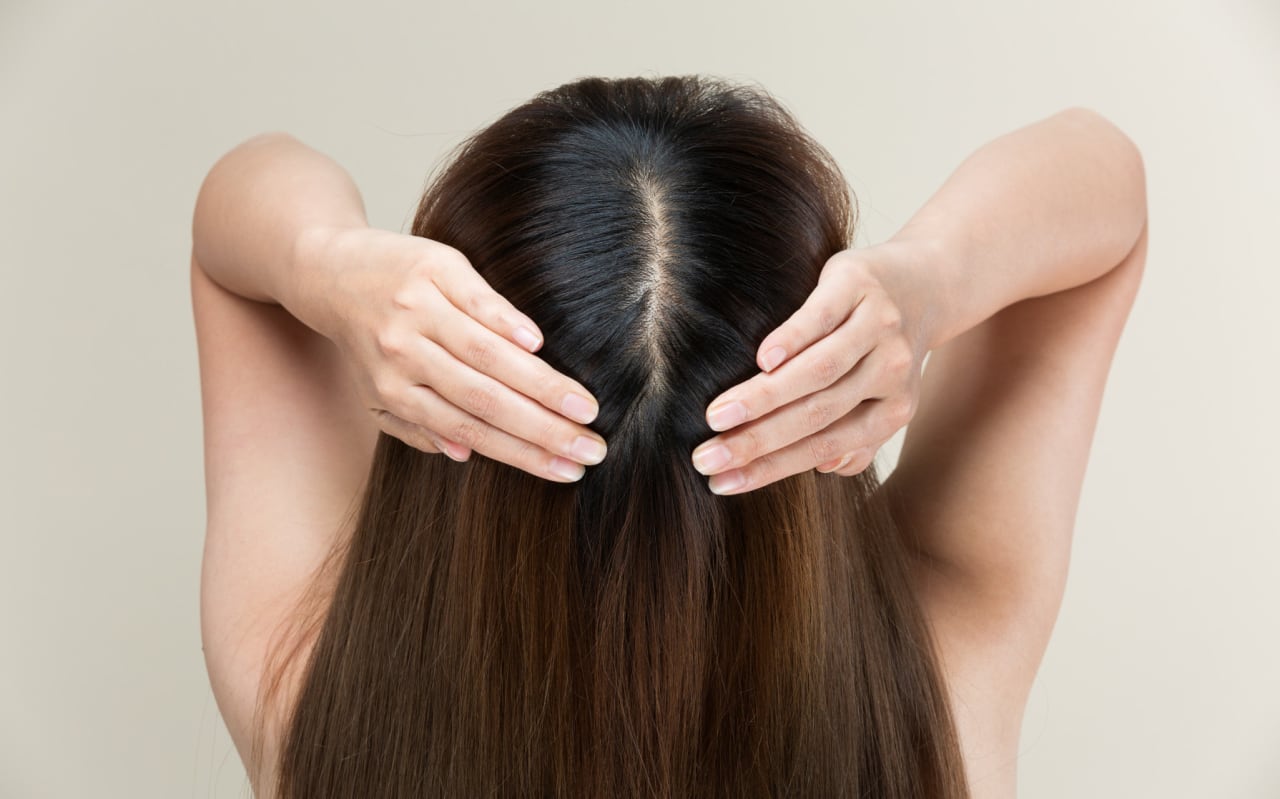
How can I fight scalp psoriasis naturally?
By Suzie Desmet
Published on: Monday, September 25, 2023, Updated on: Wednesday, September 30, 2026
The skin is the largest organ in the human body. It is the mirror of our health, and when it shows signs of irritation, inflammation or disease, it is often the reflection of a deeper imbalance. Today, 125 million people around the world are affected by this scalp condition, and spend their days trying to treat it. Even if it is local, it can have a profound psychological impact. So it's easy to be tempted to treat only the symptoms, at the risk of missing the root of the problem and a lasting improvement in the situation. So what is psoriasis? What causes it, and what can be done about it?
Contents
Related products
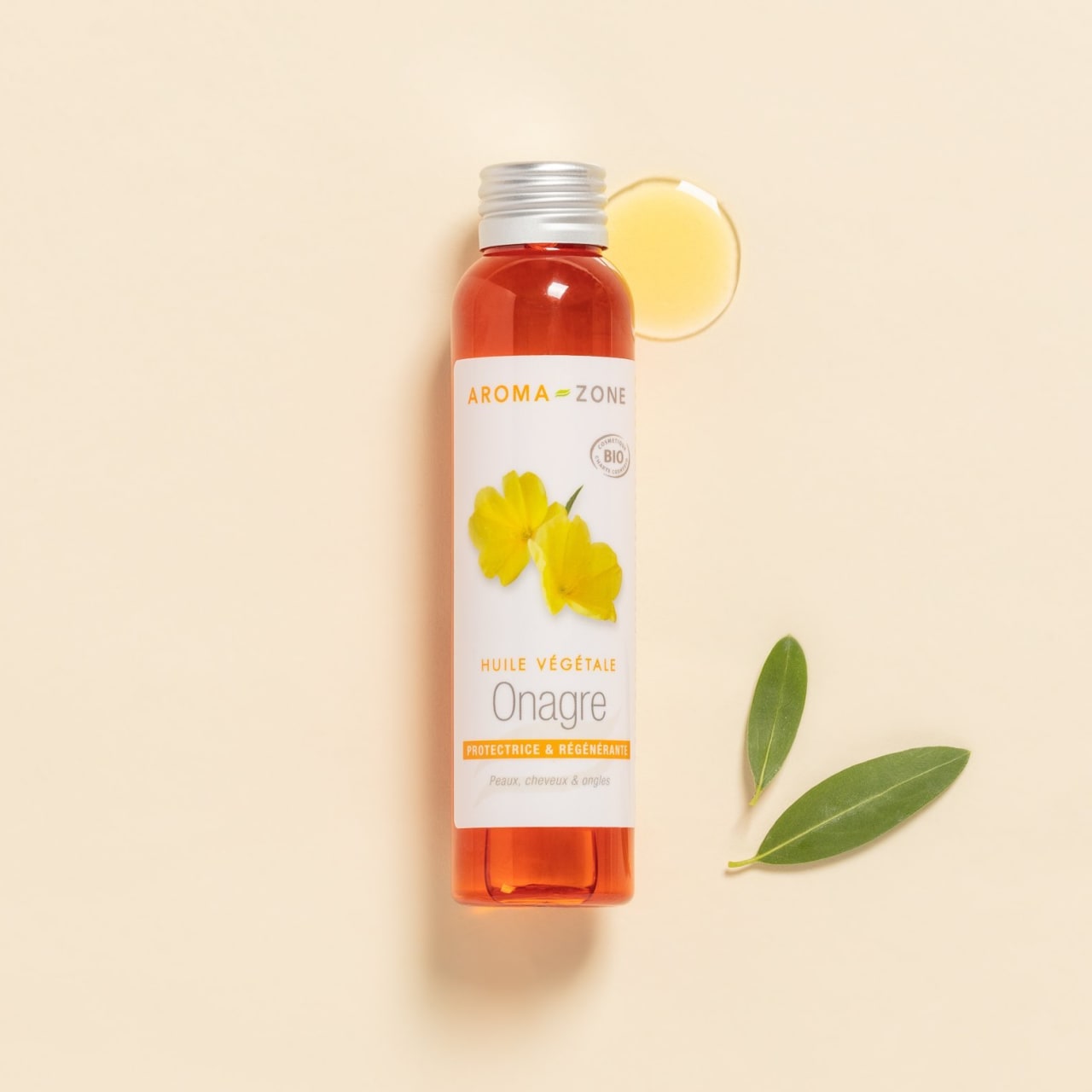
Organic Evening Primrose Oil
Anti-ageing
£9.00
100 ml
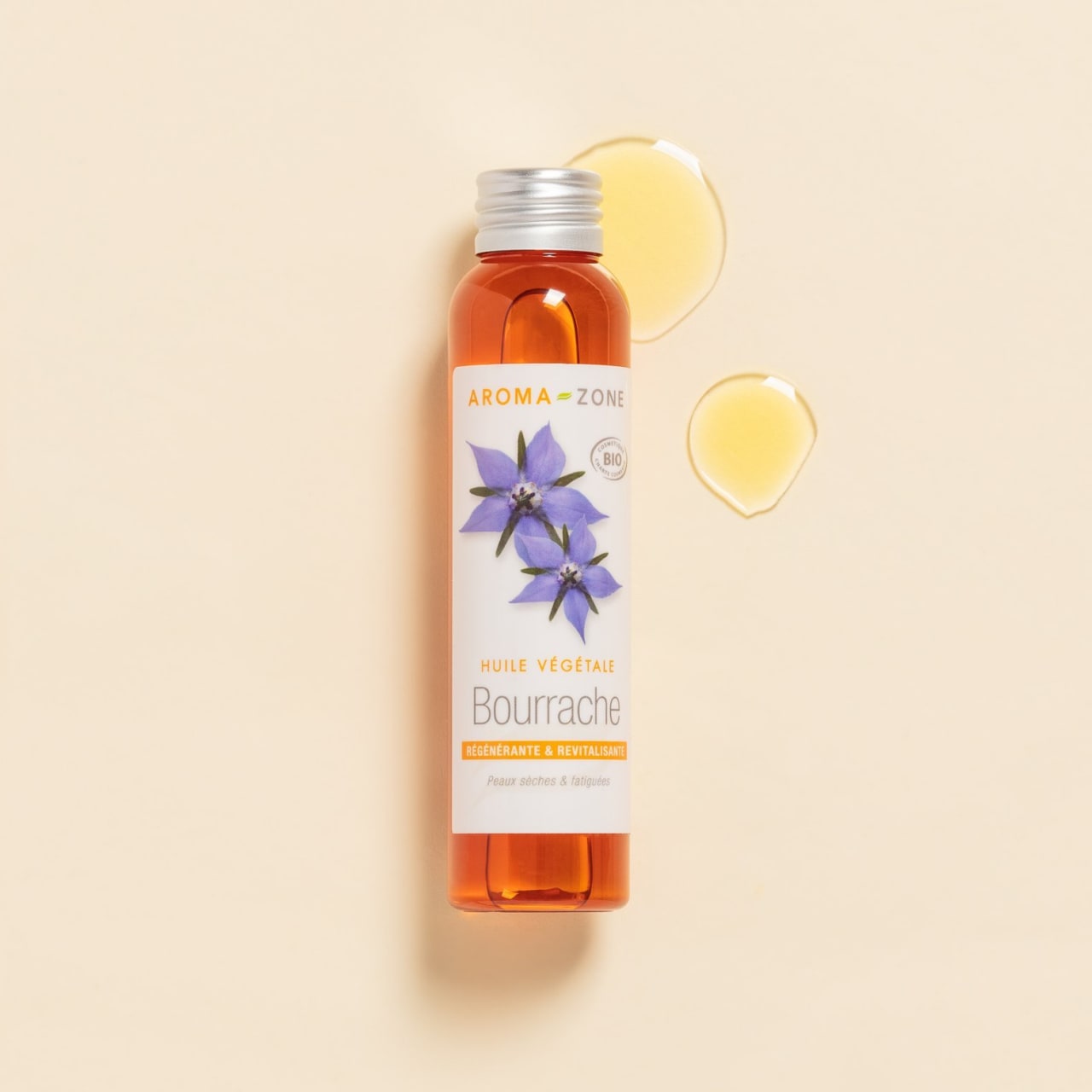
Organic Borage Oil
Anti-ageing
£9.00
100 ml
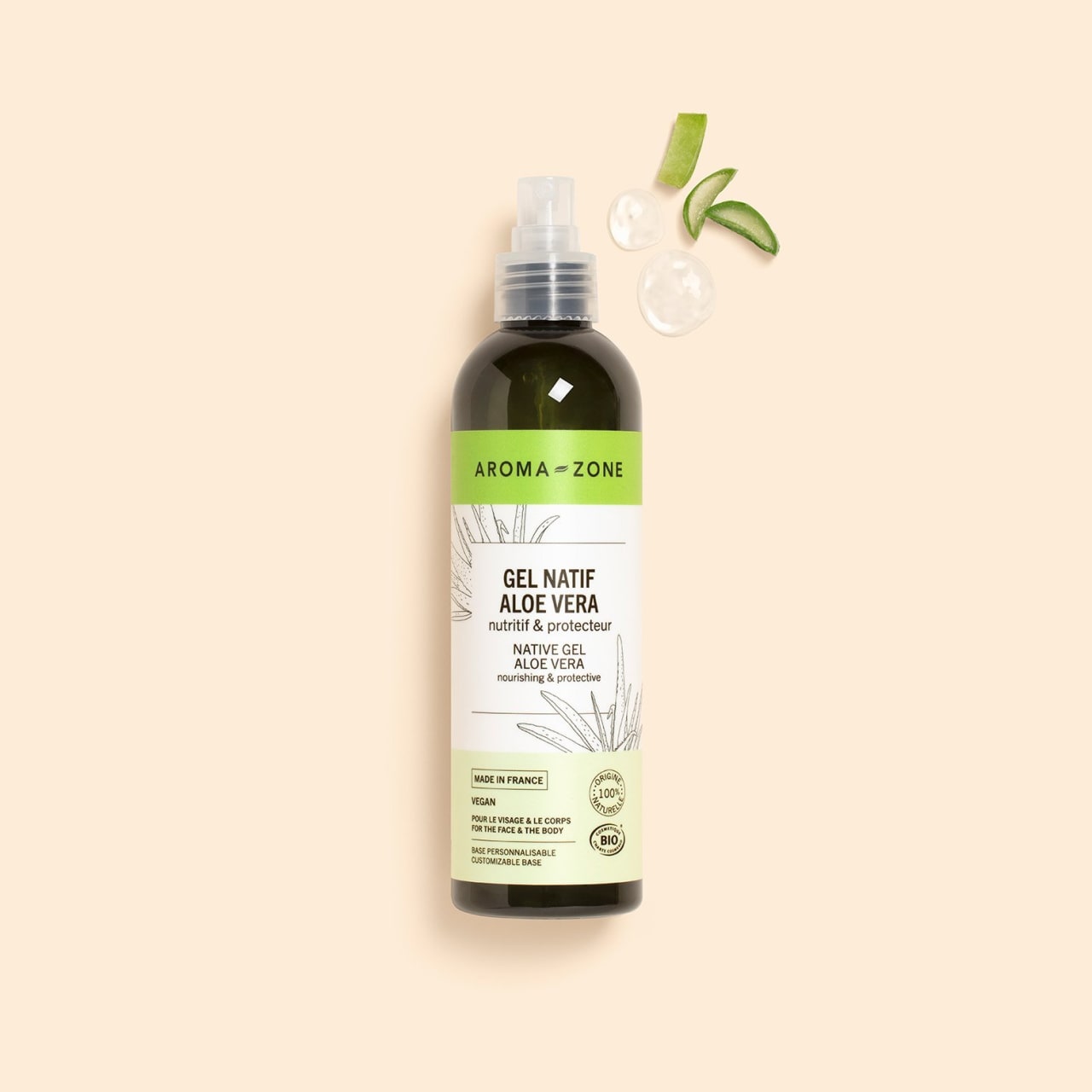
Organic Native Aloe Vera Gel
Protective
Nourishing
£10.00
250 ml
3 options
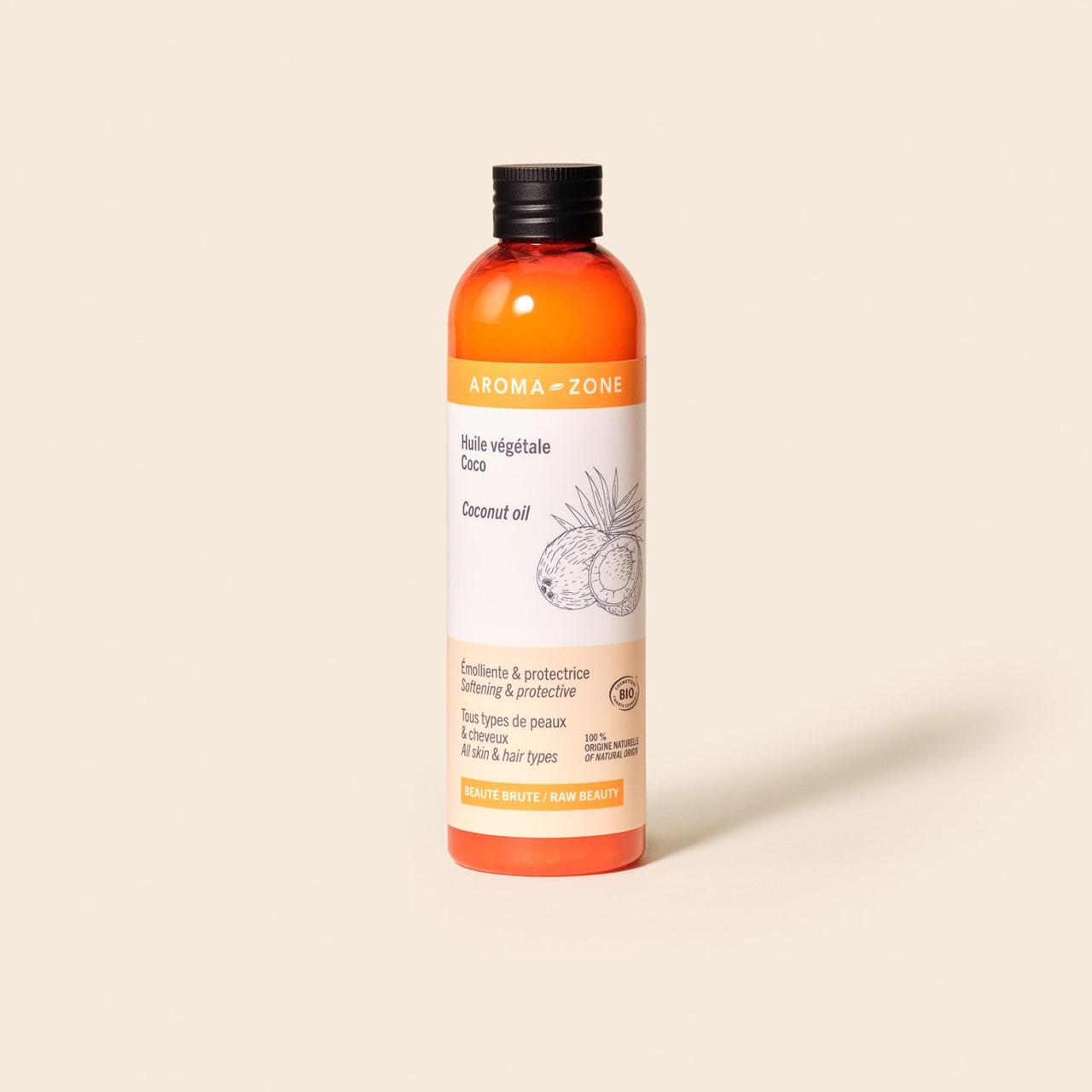
Organic Coconut Oil
Nourishing
Protective
£8.00
250 ml
3 options
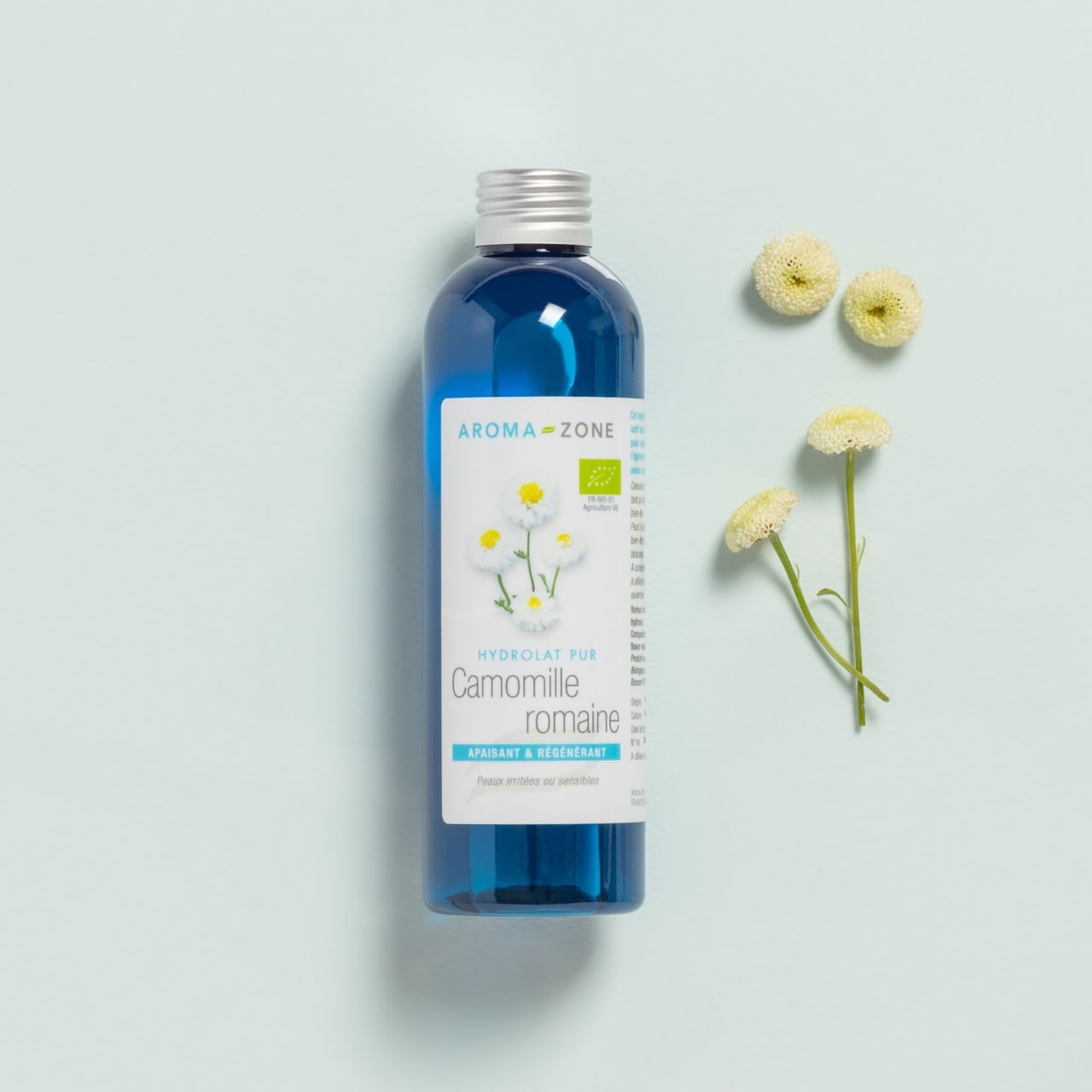
Organic Roman Chamomile Hydrosol
Relaxing
£6.00
200 ml
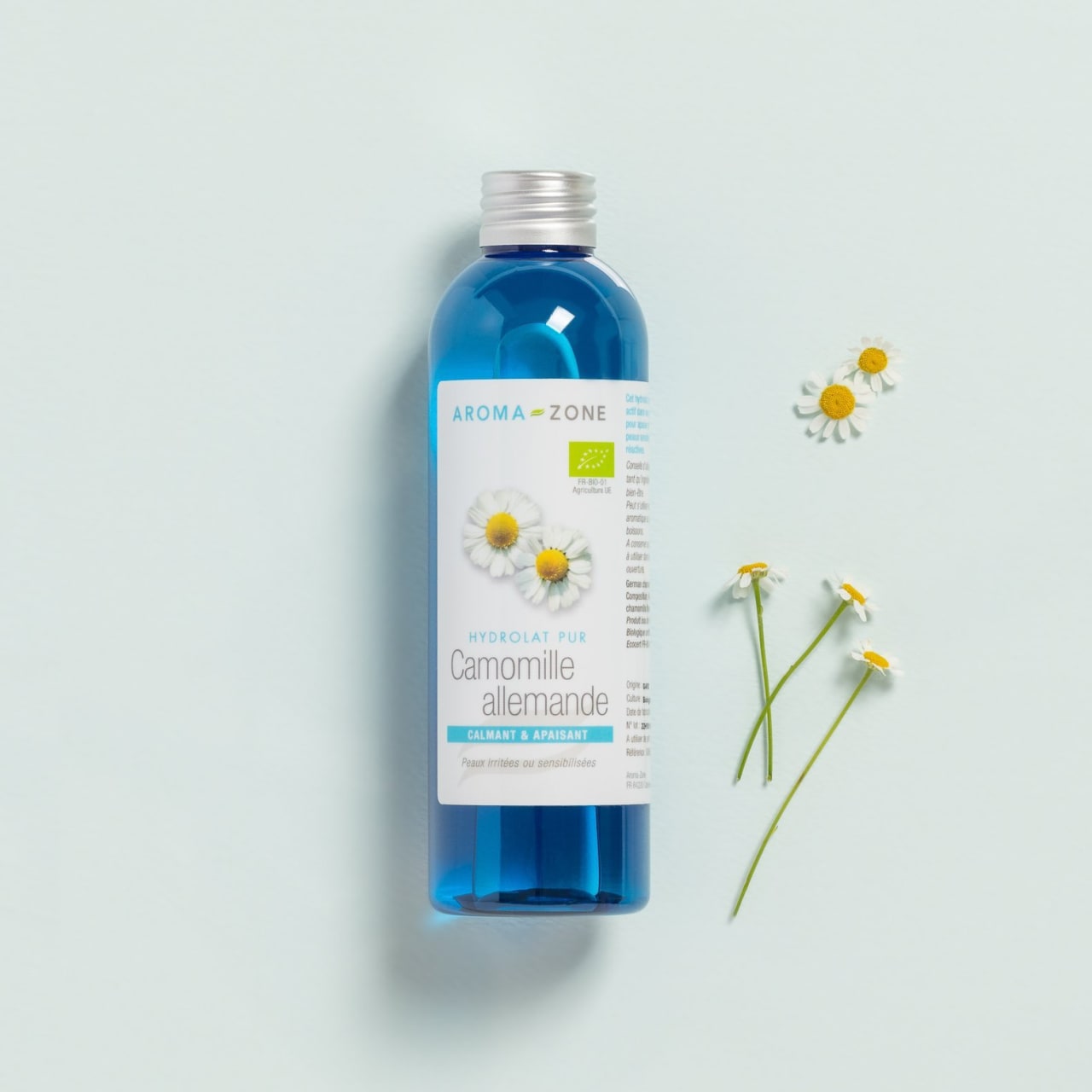
£5.00
200 ml
What is psoriasis?
What causes scalp psoriasis? What causes it?
Psoriasis is caused by an inadequate and disproportionate response from the immune system. But why does it enter a phase of hyperactivity? The causes are often profound and multifactorial.
Genetic inheritance: it has been observed that when your family members are affected, there is a greater likelihood of you also being affected. Nature sometimes presents us with challenges, and genetics is one of them.
Chronic inflammation: as with most autoimmune diseases, chronic inflammation is a contributing factor, and its causes are also manifold. It is estimated that around 80% of our immune system is associated with the intestinal system, so it's not surprising to find that dysbiosis, an imbalance in our microbiota, favours these pathologies. The cause may lie in an unsuitable diet or emotional problems. Our intestines, sometimes compared to an emotional brain, are directly impacted by our emotions. These can unbalance the flora and increase the secretion of pro-inflammatory molecules. We often talk about stress, but all negative emotions can have an impact.
Toxins and pollutants: Exposure to certain toxins, whether through food, cooking utensils, air pollution or cosmetics, can promote psoriasis.
What are the symptoms of scalp psoriasis?
As you can see, the acceleration in cell renewal most often leads to the appearance of plaques, which are very typical of psoriasis. The skin is often thick, red or purple (erythema), with silvery or white scales. They vary in size, from small, localised plaques to those covering large areas of the body and hair.
Other symptoms include
Itching: psoriasis patches can cause moderate to intense itching, with excessive scratching leading to bleeding and worsening of the lesions.
Dry skin: the skin is often very dry and can crack and bleed. The dryness may extend beyond the psoriasis areas themselves.
Pain: Plaques can be painful, especially when they are located in areas of friction such as the elbows or knees.
Scaling: The "scales" tend to peel off the plaque in thick layers.
These symptoms vary from person to person, from being very discreet and unobtrusive for some to very extensive and painful for the less fortunate.
What is the difference between skin and scalp psoriasis?
Psoriasis is a chronic, inflammatory skin condition that can affect different parts of the body, including the skin and scalp. Although the symptoms of skin and hair psoriasis can be similar, there are some important differences to consider:
Location: Skin psoriasis can appear on any part of the body, but is most common on the elbows, knees, lower back and scalp. Scalp psoriasis appears mainly as red, scaly patches on the scalp, but can also spread to the ears, forehead and nape of the neck.
Associated symptoms: As well as red, scaly patches, psoriasis of the skin may be accompanied by itching, burning and pain, especially if the lesions are located in areas of friction or skin folds. Hair psoriasis is often associated with intense itching and excessive scaling, which can cause significant discomfort to the scalp.
Psychological impact: Skin and scalp psoriasis can have a significant psychological impact on sufferers' quality of life, due to the visible appearance of the lesions and the associated symptoms. Scalp psoriasis can be particularly difficult to manage because of its visibility and impact on self-esteem.
In summary, although skin and scalp psoriasis share many similar symptoms, there are subtle differences in their presentation and impact on quality of life. It is important to consult a dermatologist or qualified healthcare professional for an accurate diagnosis and appropriate treatment depending on the location and severity of the condition.
The most effective natural remedies
When it comes to natural products, the key words are moisturising, soothing and disinfecting:
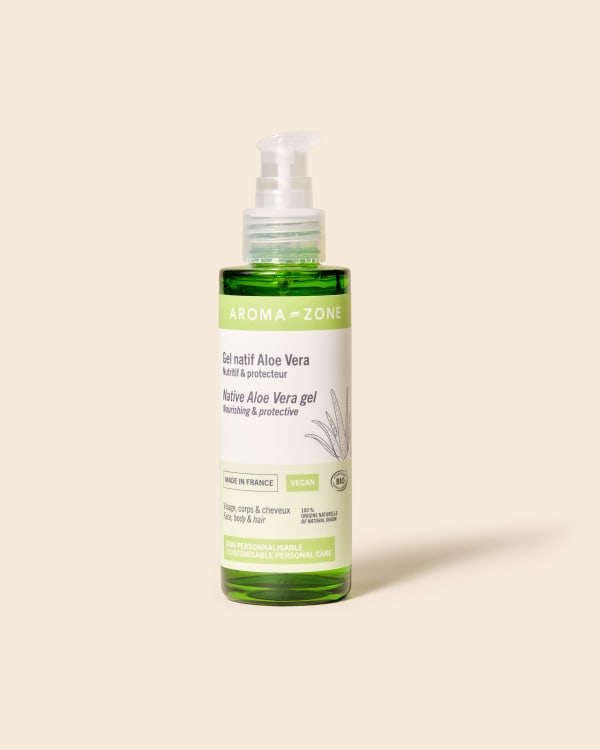
Aloe Vera gel
Its soothing and moisturising properties make it the star of natural psoriasis products. Kept in a cool place, regular application can be a great comfort.
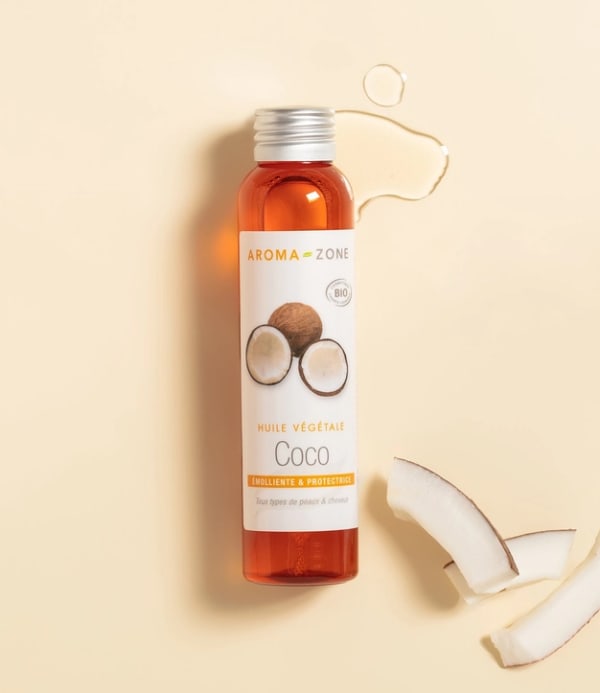
Coconut oil
Its moisturising and anti-inflammatory properties will help soothe itching.
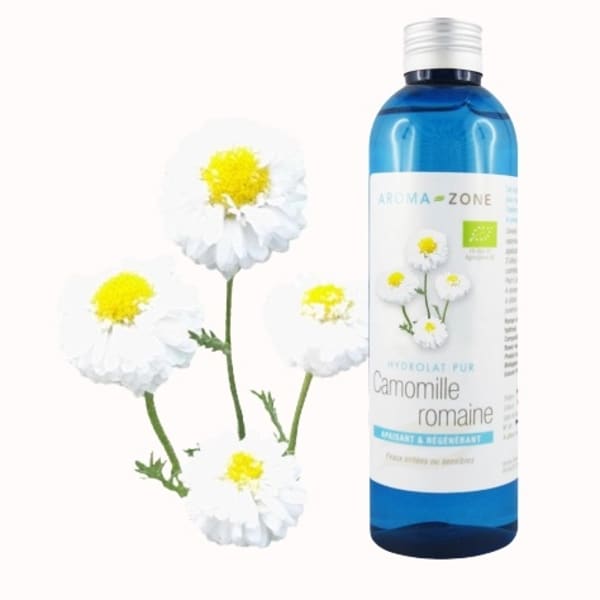
Roman chamomile floral water
Soothing, anti-inflammatory and healing, it can be sprayed twice daily on the scalp.
How is scalp psoriasis diagnosed?
Scalp psoriasis can manifest itself in different ways and can sometimes be confused with other scalp skin conditions such as eczema or seborrhoeic dermatitis. To correctly diagnose scalp psoriasis, it is important to consult a dermatologist or qualified healthcare professional. There are a few common signs and symptoms to look out for: red, scaly patches, itching and a burning sensation in the hair, excessive desquamation with the presence of small silver or white scales that come off easily when the scalp is scratched, hair loss, etc.
If you experience any of these symptoms, it is advisable to consult a healthcare professional as soon as possible to obtain a precise diagnosis and an appropriate treatment plan.
Best practices for soothing and treating scalp psoriasis
Power supply
The ideal is to opt for an anti-inflammatory diet, with minimally processed, natural and ORGANIC foods as often as possible. Limit refined sugars and high glycaemic indexes, as well as industrially-produced gluten, by favouring sources of whole sugars other than wheat, such as potatoes, sweet potatoes, millet, buckwheat and small spelt, etc. You could opt for ORGANIC dairy products from small animals such as sheep, quality plant milk or unpasteurised ORGANIC milk from cows that graze.
Fill up on antioxidants with colourful dishes and remember to include small oily fish, such as mackerel or blue-white eggs, regularly in your diet to get your Omega-3 levels up.
To pamper your intestines, add natural probiotics to your diet with lacto-fermented vegetables, pickles, unpasteurised cider vinegar, kefir or kombucha, miso or ORGANIC bread made with traditional sourdough.
Finally, don't forget to stay well hydrated with quality, low mineral content water such as Mont Roucous or Volvic, or filtered tap water. Water is key to keeping your skin hydrated, promoting healthy intestinal function and eliminating toxins!
Emotions
There's nothing worse than being told to stop stressing. It can be counter-productive, but it's important to work on your emotions. The first step is to allow the often buried emotions to be expressed using a method adapted to each person's sensitivity: singing, drawing, dancing, boxing, etc. Sport in general allows you to express yourself while combating inflammation. We can then work on the origins of the emotions that poison our lives by trying to understand the causes of frustration, sadness, anger or lack of self-confidence. The support of a therapist, such as a psychologist, hypnotherapist, relaxation therapist or coach, is often a great help in accelerating awareness of the underlying problem.
Supplements
For a boost, you can supplement with Omega-3 and/or evening primrose and borage oil, have your vitamin D status checked and supplement daily with drops if necessary, and opt for a quality multivitamin with a correct dose of selenium and zinc. It is preferable to be supported by a health professional to define priorities and ensure that these supplements are compatible with the individual.
As their name suggests, they are supplements. Under no circumstances can they replace a balanced diet and work on the emotions.
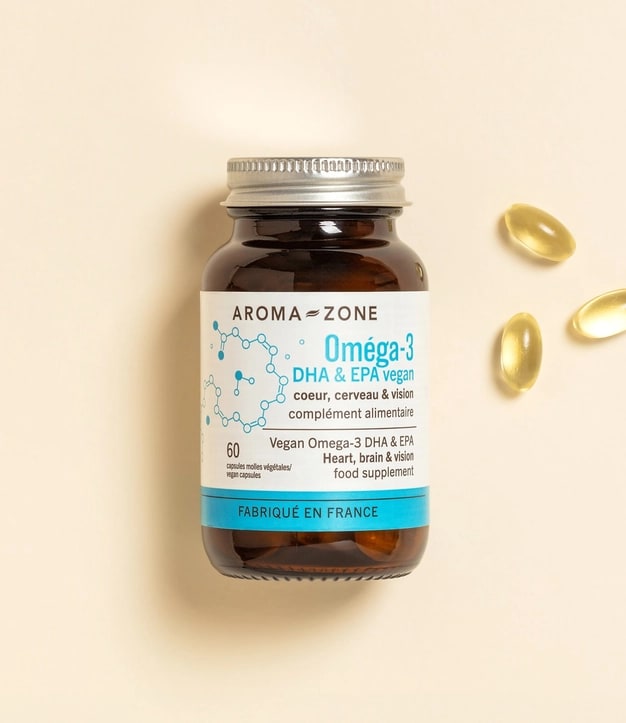
Focus on our Vegan Omega Dietary Supplement
Highly dosed with DHA and EPA from Schizochytrium sp. microalgae, these vegan Omega-3 capsules are an essential natural dietary supplement to support brain function, vision, and cardiovascular well-being. The algae oil used is manufactured in France using a patented process to guarantee its high quality and good stability against oxidation. Omega-3s are polyunsaturated fatty acids essential for health. Extracted from microalgae, these DHA and EPA omega-3s are an ideal vegan alternative to fish oils.
Avoid
It goes without saying that you need to avoid adding toxins to your hair by taking steps to stop smoking and limiting your alcohol consumption.
In addition, it's important to limit the use of products that are harsh on the hair, such as shampoos containing sulphates or solid shampoos with aggressive surfactants, and to opt for a water softener. Mild, natural and ORGANIC shampoos are preferable.
Focus on our Naturopathic editor, Suzie Desmet
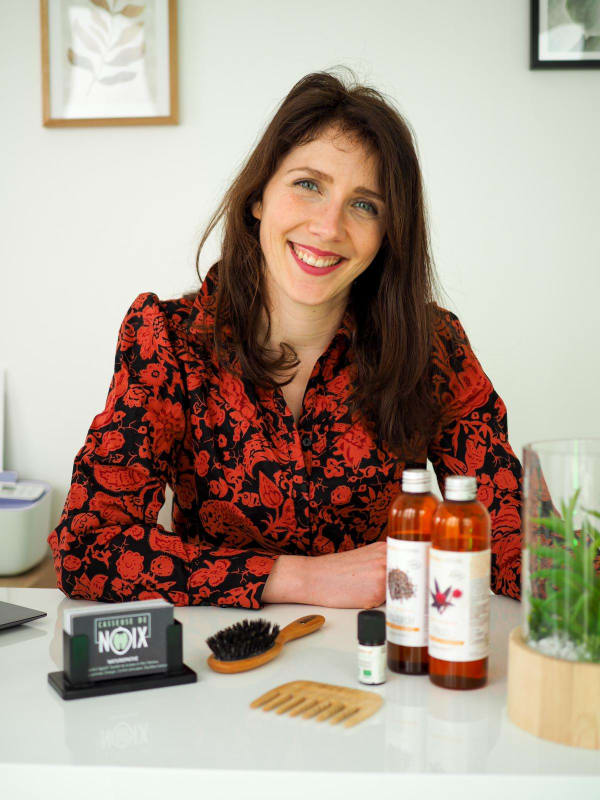
Suzie Desmet is a naturopath (ISUPNAT, FENA certified) specialising in natural hair health.
A sufferer of androgenetic alopecia herself, she helps women deal with the different types of hair loss (androgenetic, effluvium, post-partum) with a natural approach that addresses the root of the problem, not the symptoms.
Frequently Asked Questions
Associated tips
Hair care tips
Hair and scalp care tips
Hair care tips
Hair and scalp care tips
Beauty and nutrition
Hair care tips


