Vitamin C course: benefits, duration, deficiency…

Would you like to start a course of vitamin C and learn all about its health benefits? This is an excellent idea! Vitamin C is one of the most important vitamins for our immune system and its antioxidant effects benefit the whole body. And don't forget about its effects on the skin. Let's find out together how to take a vitamin C course, what to take each day, in what form and for how long.

Reading time: 0 min.

The benefits of a course of vitamin C

The benefits of a course of vitamin C for the face

Vitamin C is one of the most important antioxidants for preventing free radical damage to the skin. It prevents premature skin ageing, stimulates collagen synthesis and cell renewal, and prevents and reduces pigmentation spots. It's easy to see why it's one of the hottest active ingredients in cosmetics at the moment, both for its anti-ageing effect and for giving all skin types a radiant glow. You'll find many vitamin C face creams and serums on the market.

To try a vitamin C for the skin, we recommend incorporating a treatment course into your usual routine. Duration of treatment: at least 28 days, as this is the average renewal time for our skin cells.

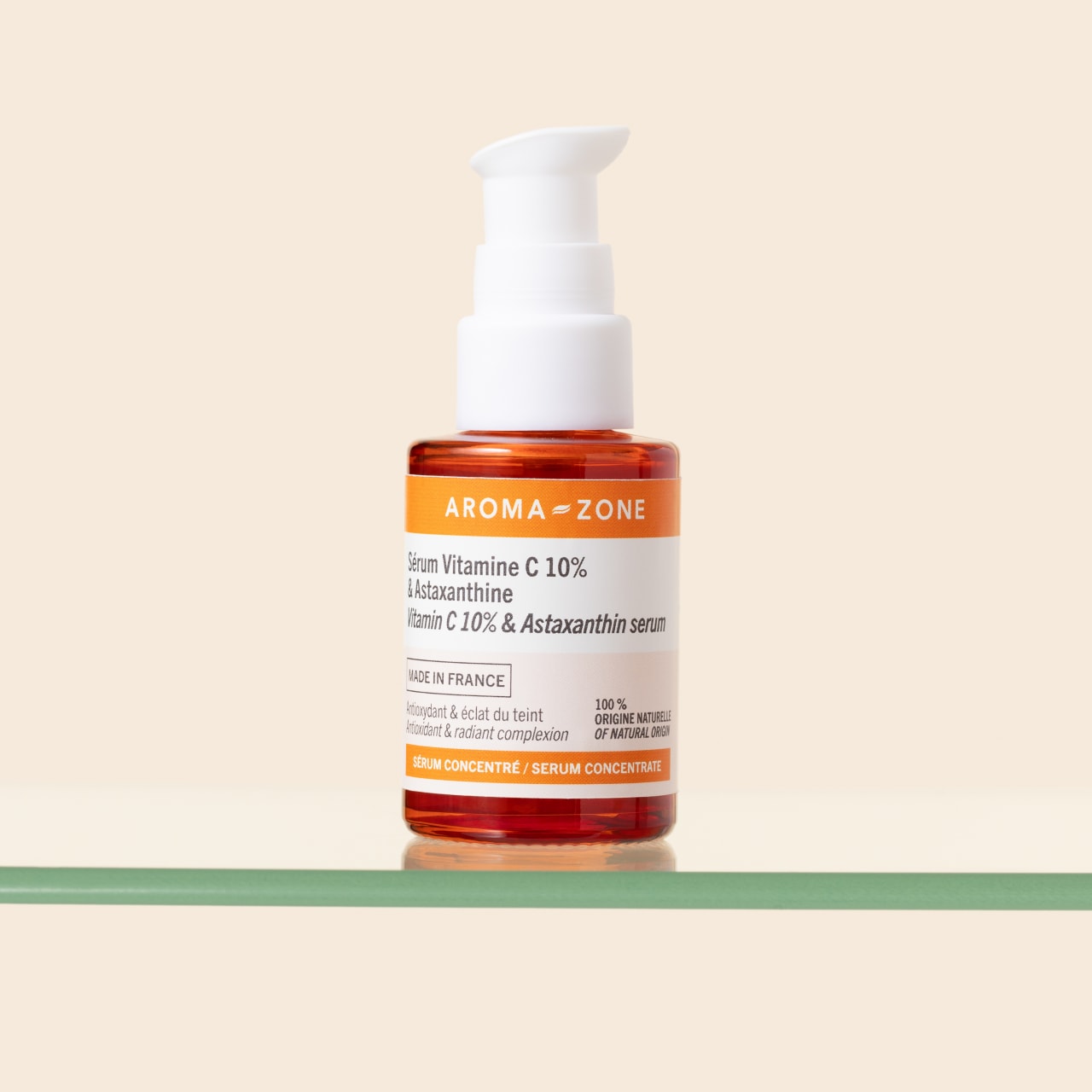
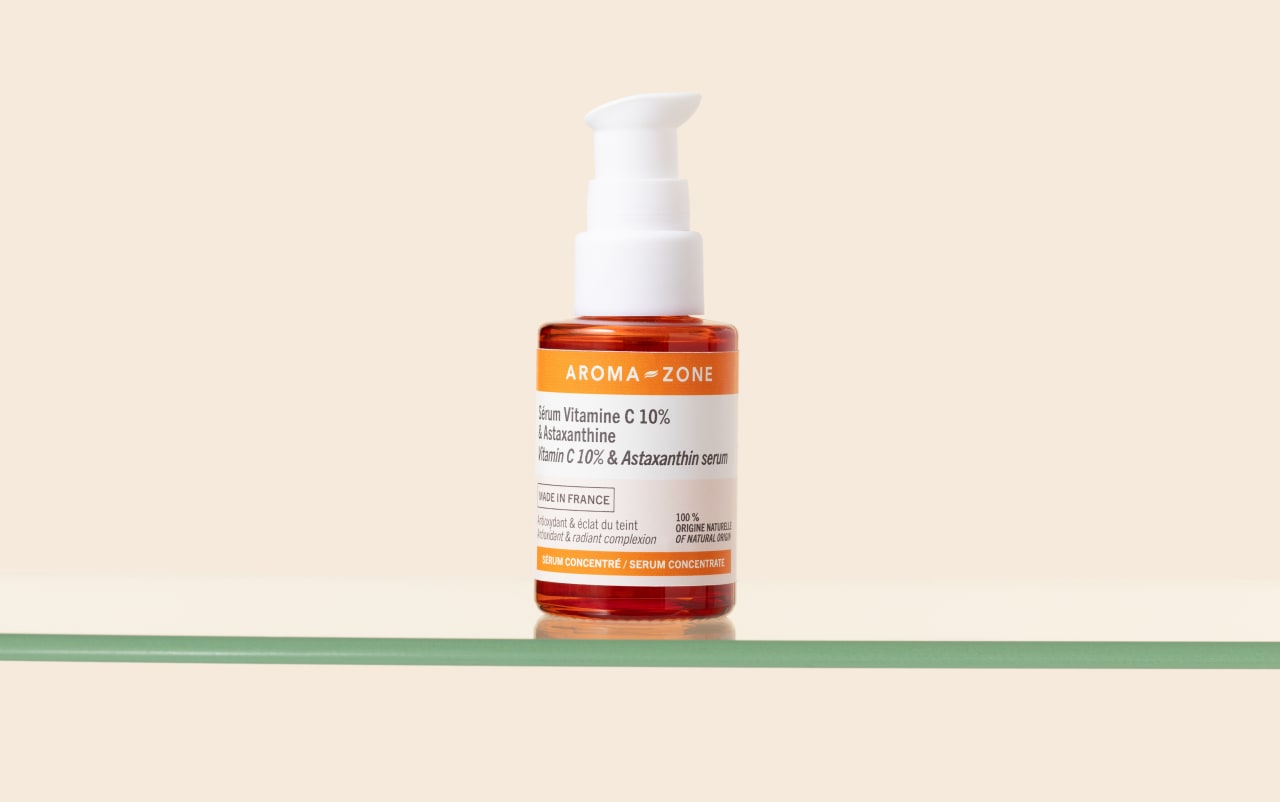
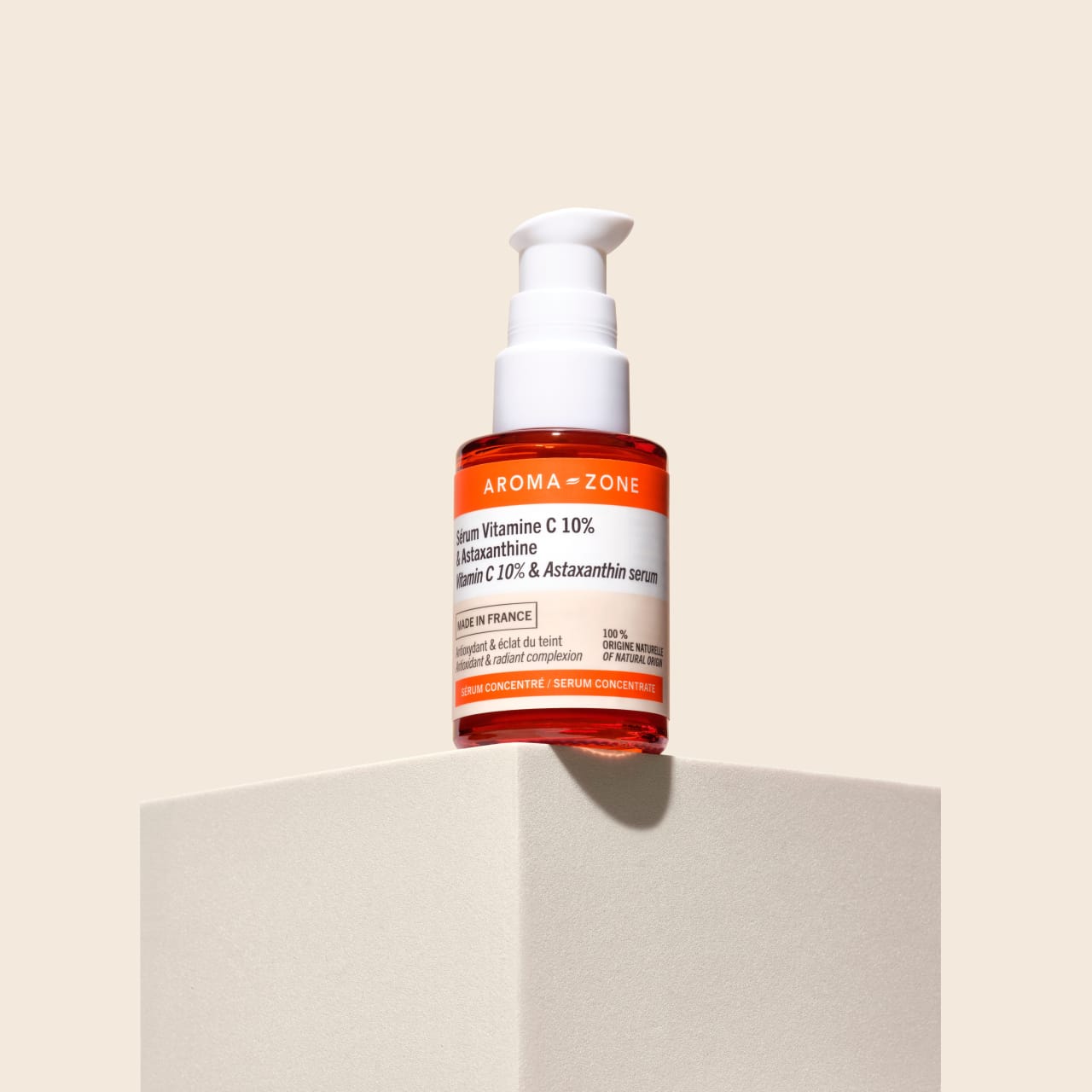
To start with, you can opt for the Aroma-Zone 10% Vitamin C & Astaxanthin Face Serum Concentrate. Use this serum morning and/or evening to preserve the skin's youthful appearance, even out the complexion, firm the epidermis and reveal a radiant complexion. Then, apply your usual day or night cream.

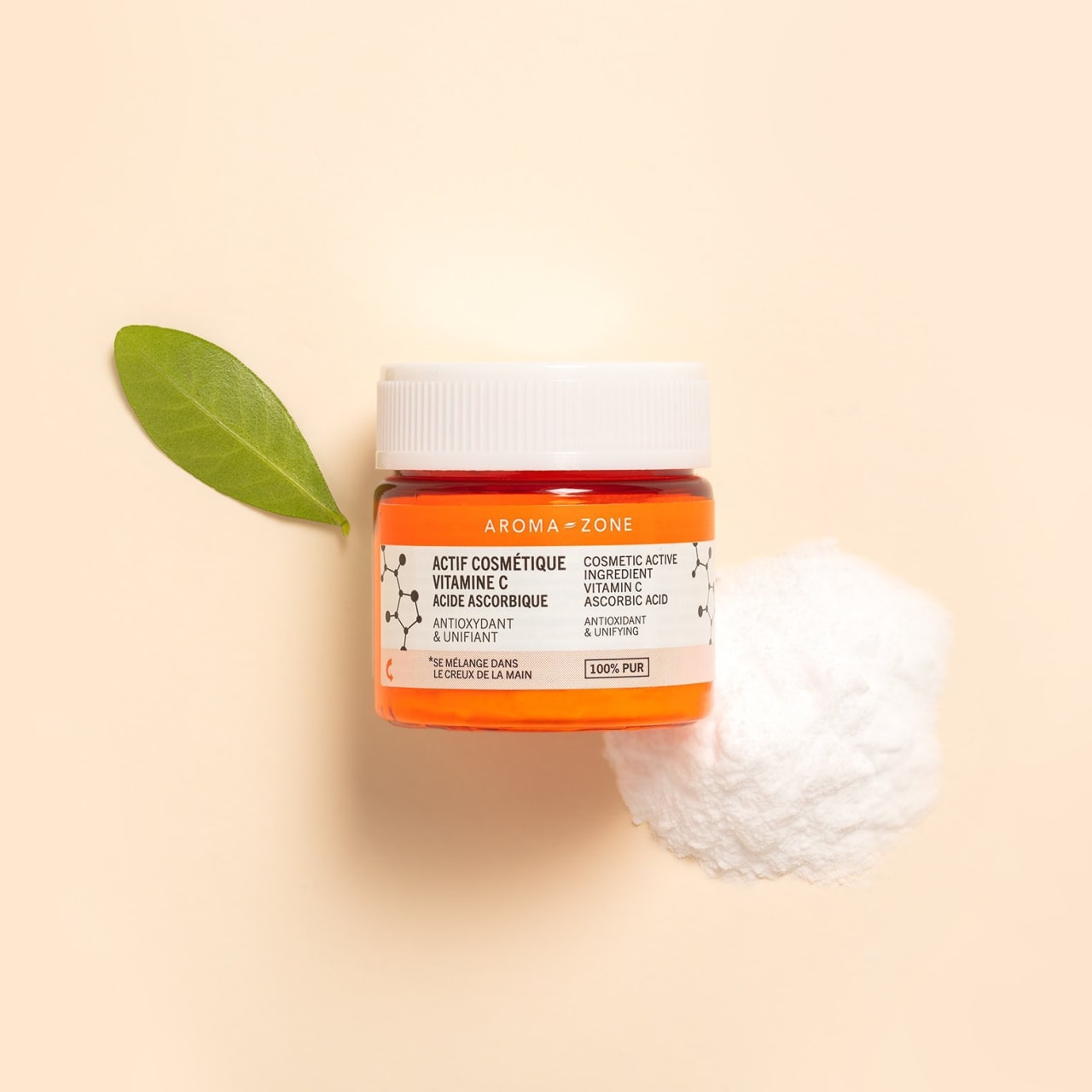
If you'd like to easily personalise one of our Aroma-Zone Neutral Creams or our Hyaluronic Acid serum, try the Ascorbic Acid - Pure Vitamin C Active Ingredient. Mix 3 pumps of one of our neutral bases in the palm of your hand with 1 spoonful (0.05 ml) of the ascorbic acid, then apply all over the face for a quick brightening and anti-ageing treatment!

Finally, for a 100% plant-based version, turn to organic acerola powder, rich in vitamin C, beta-carotene, flavonoids and minerals. It can easily be incorporated into face cream, mask, lotion and gel recipes.
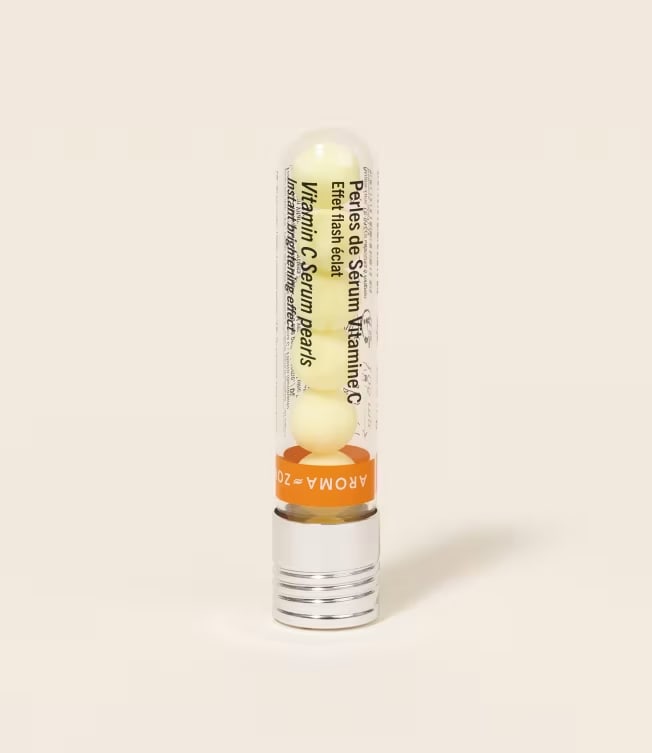
A closer look at Our Vitamin C Serum

The benefits of a course of vitamin C

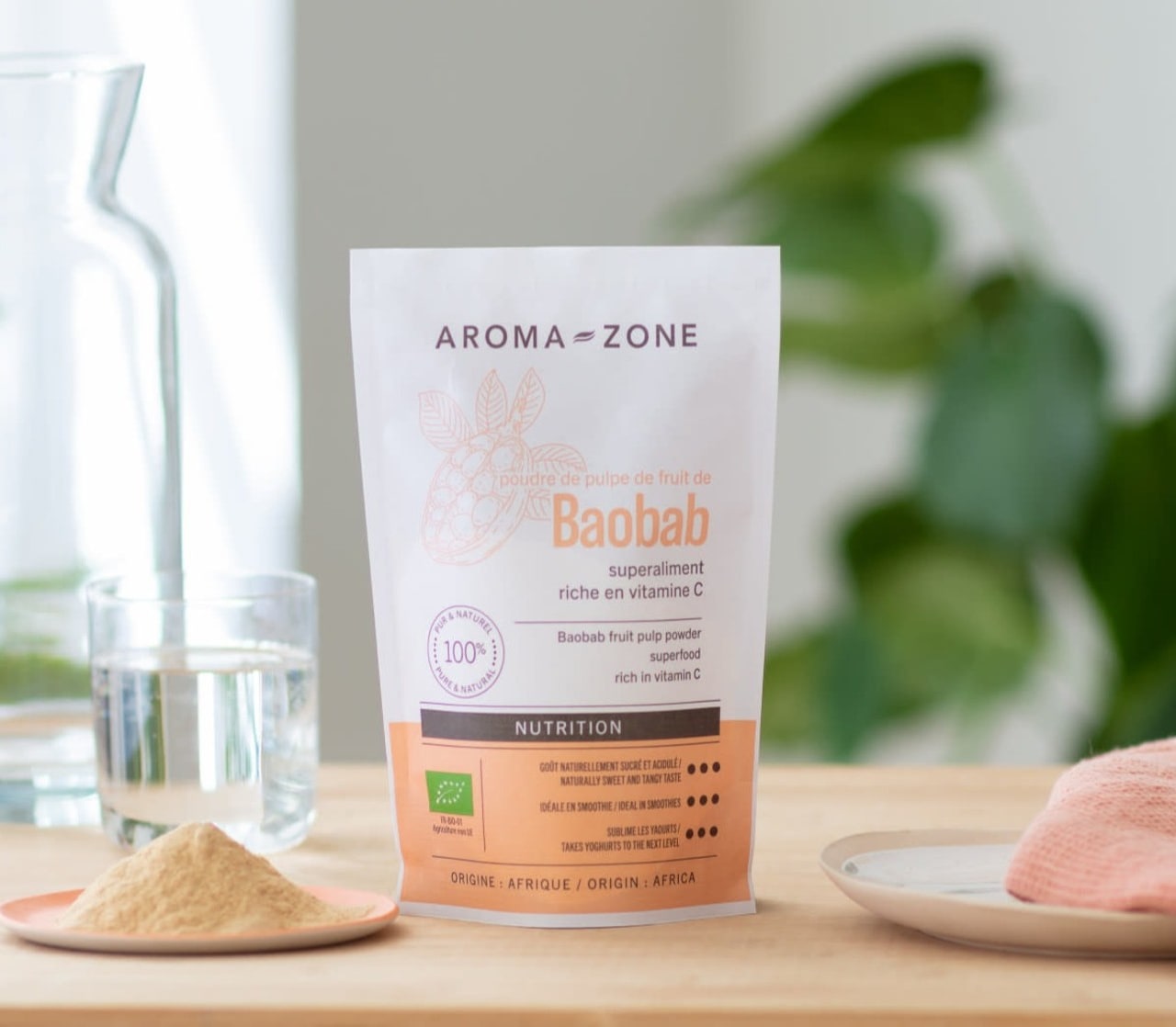
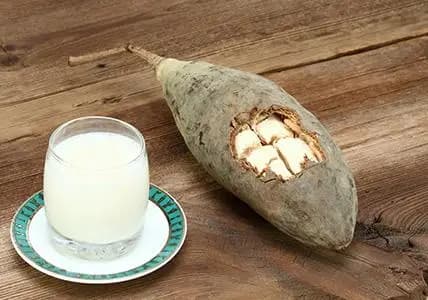
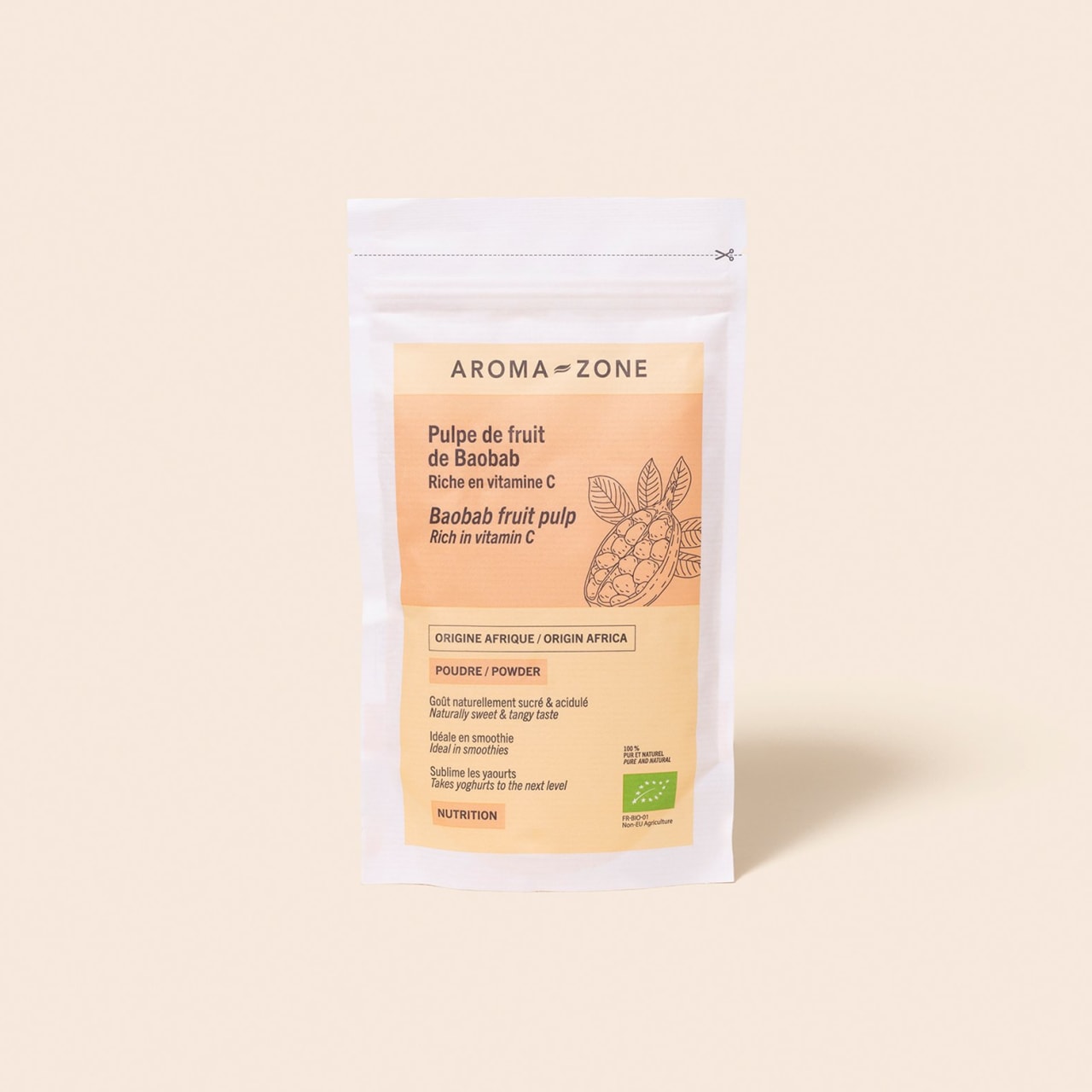
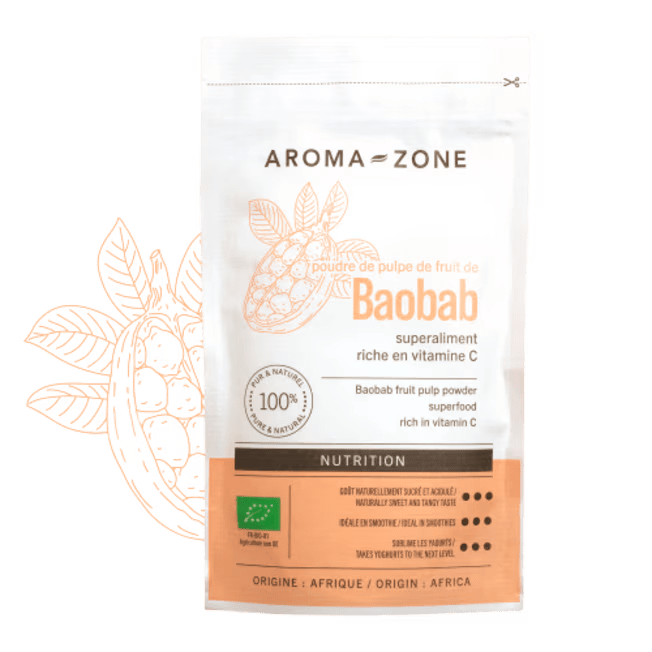
Our bodies do not synthesise or store vitamin C well. It is, therefore, essential that we get it regularly through our diet or via food supplements. Our Organic Baobab Fruit Pulp Powder is a source of natural vitamin C and calcium. It is at least 6 times more concentrated in vitamin C than oranges. This super food is easy to take every day and gives you a dose of vitamin C. It acts as a natural anti-fatigue treatment, promotes vitality and prevents vitamin C deficiency as part of a balanced diet.

Correct dosage: 2 teaspoons a day in a glass of water, fruit juice, smoothie, yoghurt or sweet dishes.

Treatment duration: 1 to 3 months.

A closer look at organic baobab powder

The benefits of a course of vitamin C supplements

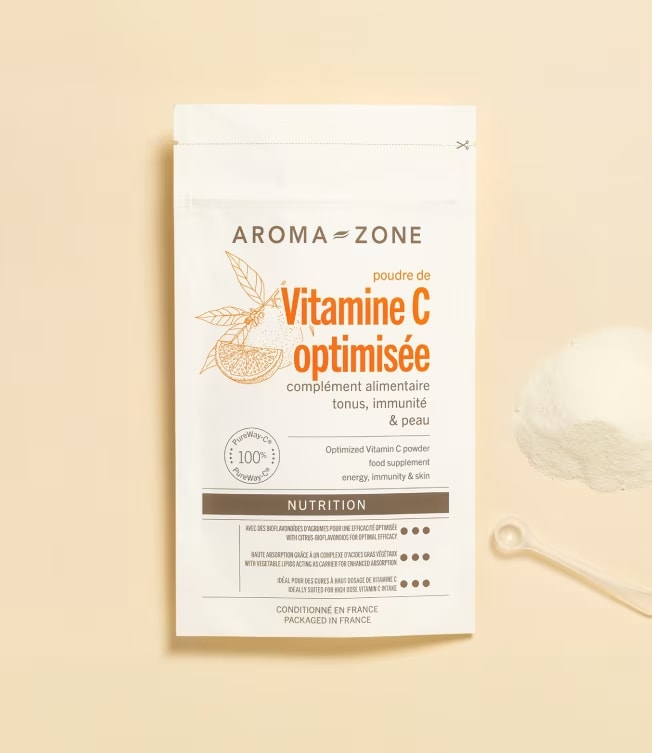
The benefits of a course of vitamin C supplementation include supporting the immune system, reducing fatigue and protecting cells against oxidative stress. It also contributes collagen synthesis, which is beneficial for the skin and joints. It also promotes iron absorption and helps athletes recover, thanks to its antioxidant and energising properties.

Correct dosage: Take 1 to 2 measuring spoon(s) of 500 mg powder per day, diluted in a glass of water or fruit juice.

Treatment duration: 1 to 3 months.

A closer look at optimised Vitamin C powder

Where can I find natural vitamin C?

You can opt for Organic Baobab Fruit Pulp Powder, which is an exceptionally rich source of natural vitamin C.

You can also include more vitamin C-rich foods in your daily diet. Oranges and kiwis contain around 70 mg of vitamin C per fruit. Vitamin C is also found in blackcurrants, aromatic herbs such as parsley and thyme, grapes, cabbage, buckwheat, peppers and all citrus fruits.

On the cosmetic side, to give your skin a dose of natural vitamin C, try organic acerola powder.

When should I take vitamin C?

Most adults with an active lifestyle would benefit from a course of vitamin C. It is particularly recommended for the following:

  • During periods of stress or intense fatigue.

  • If you smoke.

  • To prevent winter epidemics.

  • If you have one minor ailment, followed by another.

  • If you live in a polluted environment

  • If you have a cold, flu or viral infection.

  • If you suffer from venous problems (varicose veins, heavy legs, poor blood circulation).

  • If you have bleeding gums.

  • If you have loose teeth.

If you are pregnant or breastfeeding, we recommend talking to your midwife or doctor before starting a course of vitamin C.

How long does a course of vitamin C last?

A course of treatment should last a month and be taken 2 or 3 times a year. You can also take an occasional course if necessary. For example, if you have a cold or the flu or if someone close to you is ill.

At the same time, try to eat a varied, seasonal diet rich in vegetables and fruit on a daily basis. Remember to include raw vegetables at the start of your meal, or opt for gentle cooking methods (like steaming), as vitamin C is destroyed when your food is cooked in the oven or pan.

You may be wondering whether it's possible to take too much vitamin C? Beyond the body's needs, vitamin C is no longer absorbed. This can lead to side effects, such as bloating, colic or diarrhoea.

What is the recommended daily intake of vitamin C?

The optimum dose is not necessarily the same for everyone, so don't hesitate to discuss it with your health professional before starting a vitamin C course.

For adults, the recommended dosage for supplementation is 1 to 3 g per day for a 1-month course. It is possible to increase this dosage in special situations on the advice of your doctor. Do not exceed 5g of natural vitamin C per day.

Find out more

Is it a good idea to take a course of vitamin C?

Starting a course of vitamin C is good for your overall health. This vitamin, also known as ascorbic acid, plays an essential role in a number of bodily functions.

Vitamin C improves the absorption of non-haem iron from plants. It is a nutritional supplement, helping to maintain a strong immune system and promote healthy skin. Vitamin C is also essential for collagen production, which is fundamental to skin, bone and blood vessel health and accelerates wound healing. It is an antioxidant-rich vitamin, protecting cells against oxidative stress and free radicals.

Is it a good idea to take vitamin C every day?

Incorporating vitamin C into your daily routine can be beneficial for maintaining a constant level of this essential vitamin in your body. However, it is essential to stick to the recommended doses to avoid undesirable effects. Taking vitamin C every day can boost the immune system, improve skin health and promote cell regeneration.

What should I do if I have too much vitamin C?

Although vitamin C is essential, excessive consumption can lead to undesirable effects, such as gastrointestinal problems and possibly kidney stones in the elderly. If you have consumed too much vitamin c, it is advisable to reduce the dose and consult a health professional. A proper balance is essential to reap the full benefits of vitamin C without compromising your health.

Spotlight on our Naturopathic editor, Lucie Granjon

Passionate about plants and their properties, she started her career as a perfumer before moving to the world of natural beauty and aromatherapy over 10 years ago. Lucie supports ethical and committed brands with strategy development, product formulation and expert advice for their customers. She has worked with the Aroma-Zone team on several books, including "Le grand guide de l'Aromathérapie et des cosmétiques naturels" ("The Complete Guide to Aromatherapy and Natural Cosmetics"). She also has years of training in aromatherapy, herbalism and essential oil distillation, and supports the work of French plant growers.