
The human body is made up of an average of 50 to 60 per cent water, which is distributed between the intracellular (around two-thirds) and extracellular (around one-third) compartments. Maintaining fluid balance relies on a delicate equilibrium between fluid intake and loss. When water accumulates excessively in the tissues, this is known as water retention. Also called oedema, it can be linked to impaired venous return and/or hormonal or fluid imbalances, which encourage the movement of fluid from the blood capillaries into the tissues. This condition causes swelling, which mainly affects the legs, ankles, hands, face or even the abdomen. More common in women, it is generally temporary, varying according to various factors (temperature, lifestyle, hormonal cycle, etc.).
Which dietary supplement is best for water retention?
By Lila Bouber
Published on: Thursday, January 08, 2026, Updated on: Wednesday, September 30, 2026
Do you feel your legs are heavy at the end of the day, or do you wake up with a bloated stomach or a ‘puffy’ face? This could be due to water retention, a common occurrence in women, and is usually nothing to worry about. Discover natural solutions to help you feel lighter again, by supporting the body’s natural mechanisms for eliminating excess water.
Contents
Related products
Weight management
£22.00
120 g
Repairing
Soothing
£8.00
30 ml
£7.00
1 article
What is water retention?
What causes water retention?
Water retention is influenced by numerous lifestyle and environmental factors, as well as by the physiological changes women go through. These various factors generally work in combination.
Fluctuations in the hormonal cycle
Certain times of the month, such as those linked to the menstrual cycle, are sometimes associated with a feeling of bloating. This is because fluctuations in hormone levels can occasionally affect the distribution of water in the body’s tissues.
A diet that’s too high in salt
Excessive salt intake leads to a high sodium intake, which causes water retention. Processed foods and ready meals often contribute to an excessively high salt intake in the daily diet.
Inadequate hydration
Paradoxically, not drinking enough can encourage the body to retain water. Regular hydration throughout the day therefore helps to maintain a healthy fluid balance and supports the body’s natural elimination processes.
A lack of physical activity
A lack of physical activity slows down blood and lymphatic circulation. This can lead to a sensation of heavy legs or swelling, particularly at the end of the day.
Heat and temperature fluctuations
Hot weather or changes in temperature cause blood vessels to dilate, which can lead to water retention, particularly in the legs and ankles. This phenomenon is therefore often more pronounced in summer, especially in women.
Prolonged sitting or standing
Staying in the same sitting or standing position for long periods restricts venous return, which encourages the build-up of water in the lower limbs.
What are the signs of water retention?
Water retention can manifest through various signs, which may be more or less pronounced depending on the individual and the time of day. These symptoms are generally temporary and often vary throughout the day.
A feeling of swelling, particularly in the legs, ankles, feet, hands or face
A sensation of tight, shiny or less supple skin
A dimple remaining after pressing for a few seconds, also known as the ‘pitting test’
Visible marks left by socks, clothing or jewellery
A sensation of heavy legs, especially towards the end of the day
Slight and rapid fluctuations in weight, without any change in diet
Significant discomfort during hot weather or after remaining in the same position for a prolonged period
Frequent tiredness at the end of the day
Which dietary supplements can help reduce water retention?
Certain plants traditionally used to support elimination and promote healthy circulation can be incorporated into a holistic approach.

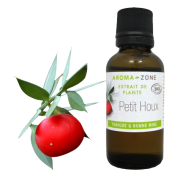
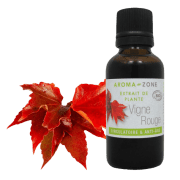
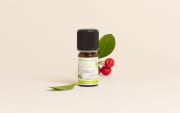
red vine extract, derived from the leaves, is rich in polyphenols (anthocyanosides) with antioxidant properties. These protect the capillaries and support blood circulation, thereby helping to relieve heavy legs.
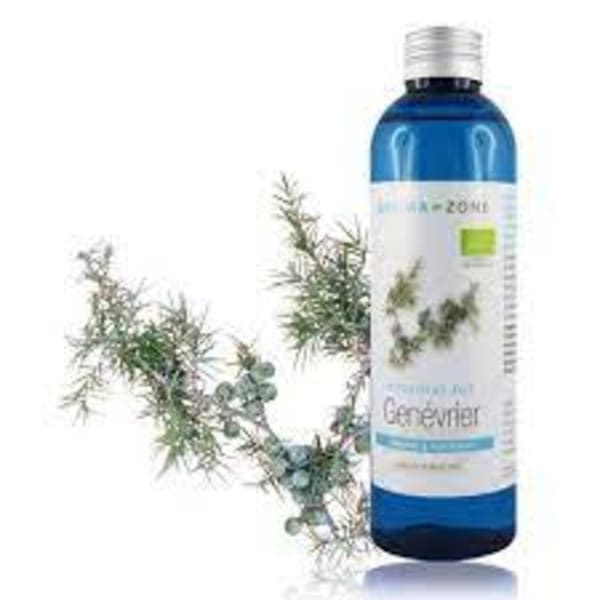
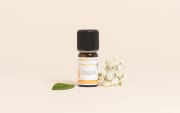
Juniper hydrosol, known for improving the appearance of cellulite, can be used to make a ‘light legs’ gel or lotion.
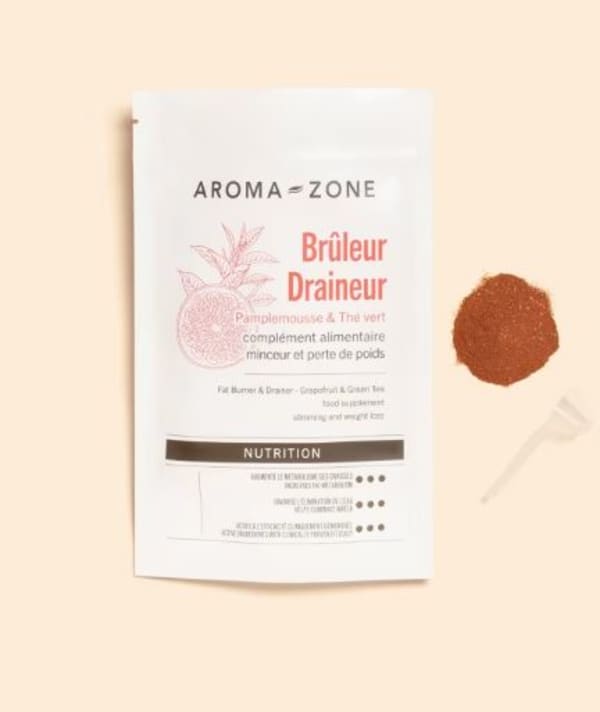
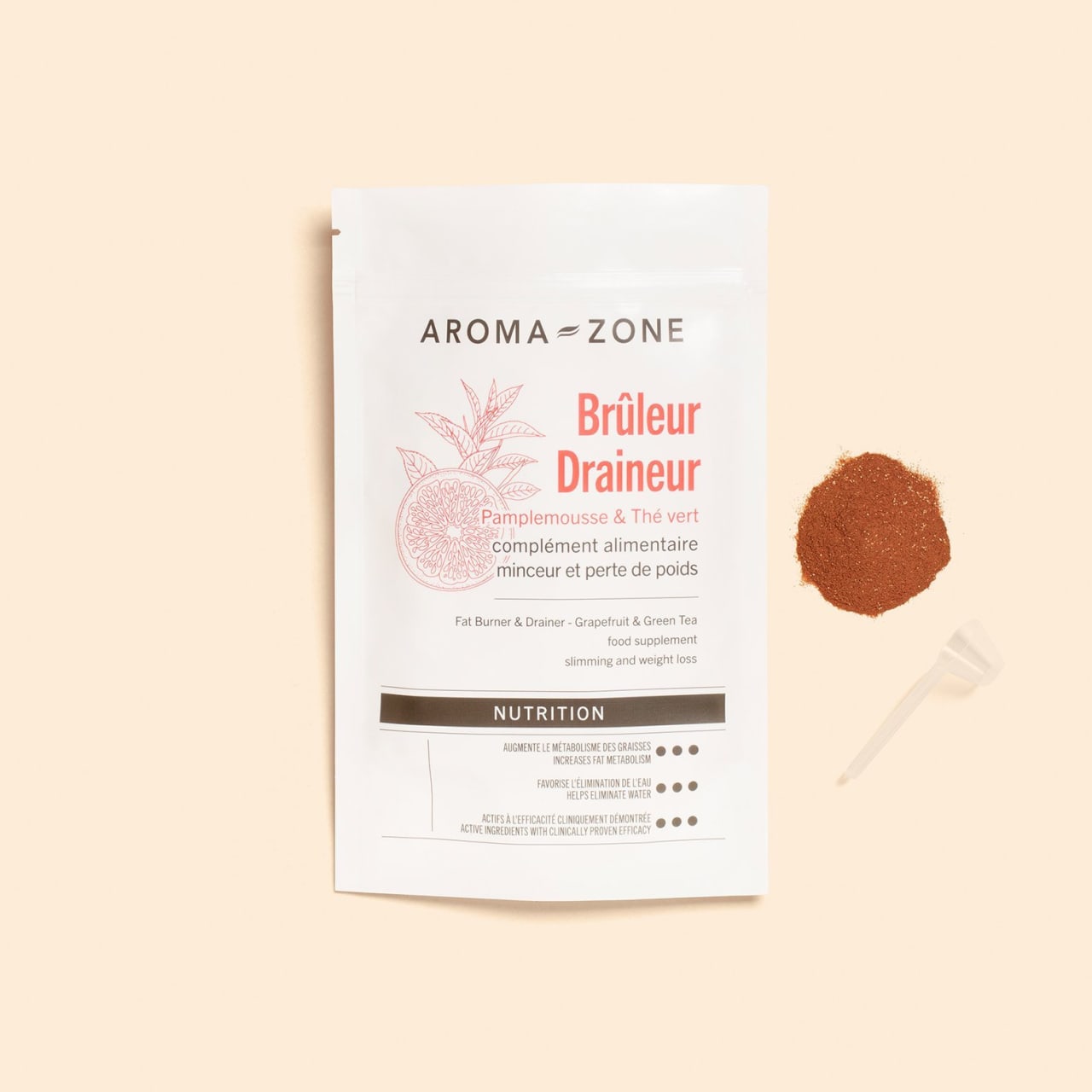
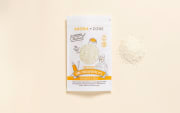
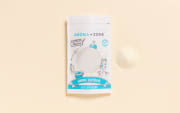
For those looking for a draining effect combined with slimming action: a formula fat-burner and drainage aid based on two patented active ingredients (Sinetrol®, derived from citrus fruits, and Cactinea™, extracted from guarana), combined with green tea extract known for its fat-burning effect, supports the elimination of water whilst promoting weight loss. Available as a powder to be mixed with water, you can easily take it throughout the day. Fat Burner and Drainage Aid: Food Supplement – Aroma Zone
These supplements are not a substitute for a varied and balanced diet, adequate hydration and regular physical activity. Their benefits should form part of a holistic approach, combining a healthy lifestyle, a suitable diet and external care.
What routine can you follow to combat water retention?
Establishing a regular routine helps to naturally support the body and promote a feeling of lightness every day.
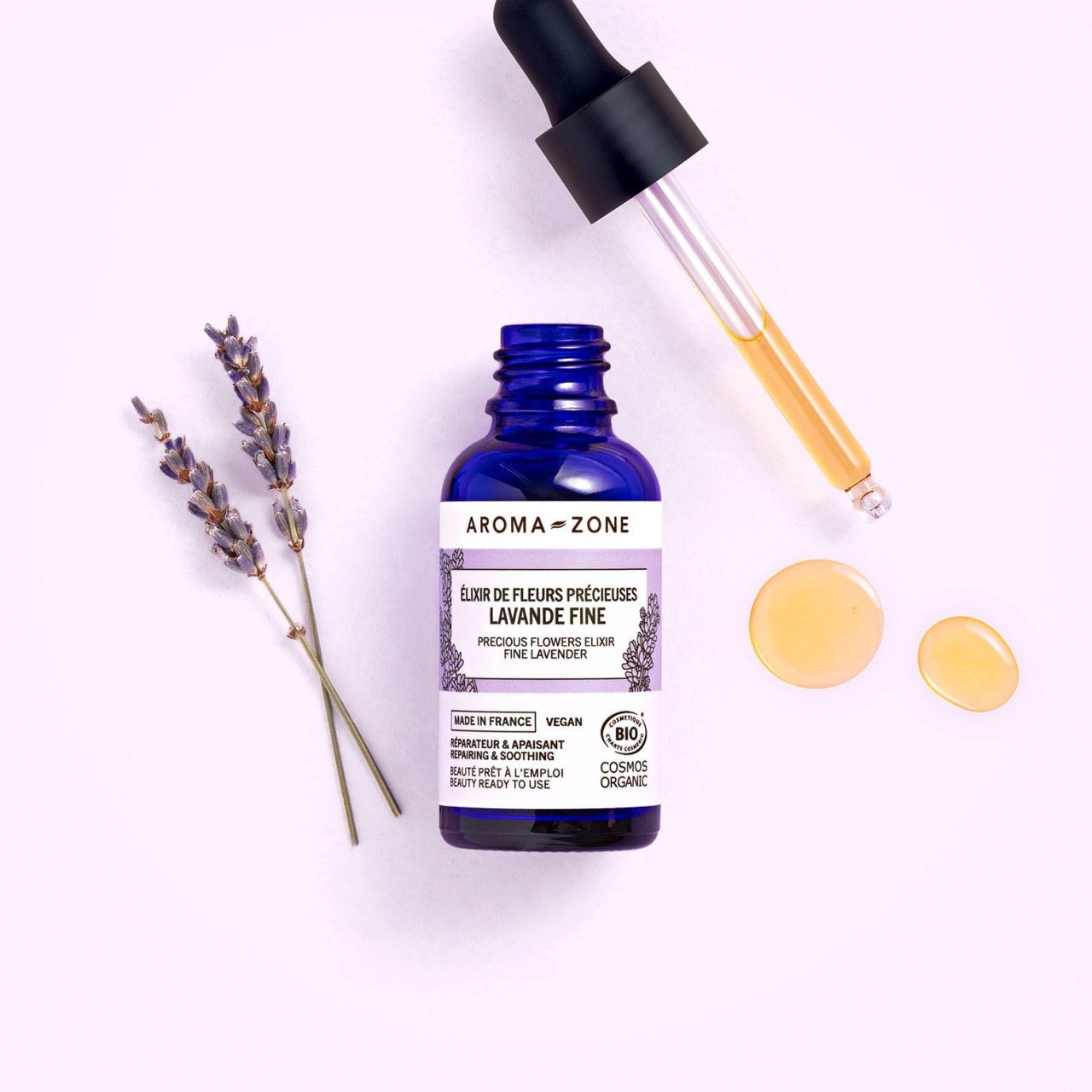
In the morning: gentle massage techniques or refreshing skincare treatments can help reduce puffiness in your face (pink quartz massage mushroom, organic lavender flower elixir to be used for a smooth glide, perfect for drainage)
At every meal: opt for a balanced diet, rich in fibre, fruit and vegetables, and without excessive salt. Drink plenty of water, as staying hydrated helps regulate fluid levels in the body.
Throughout the day: move your legs and do some physical exercise. Whether it’s a brisk walk, a run or a swim, it helps to boost your blood and lymphatic circulation.
During and after your workout: proper hydration and a recovery period will help you feel lighter again more quickly.
After dinner: enjoy, for example, a herbal tea made with rosemary or hibiscus, which has a draining effect to help reduce fluid retention.
In the evening: treat yourself to a relaxing foot bath, and encourage venous return in your legs by elevating them for 15 minutes.
What other natural remedies are there to reduce water retention?
Certain foods, as well as natural body care methods, can help combat water retention.
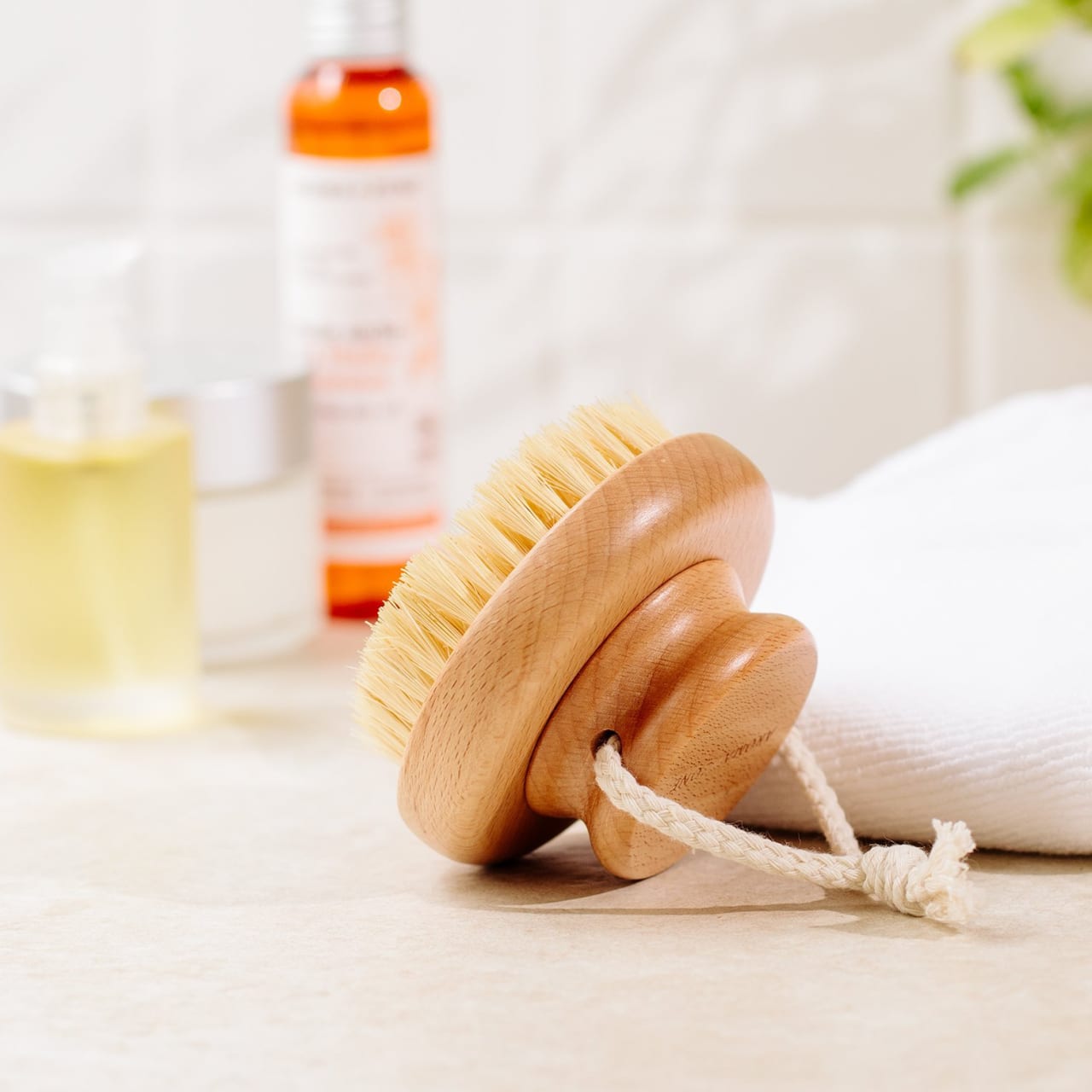
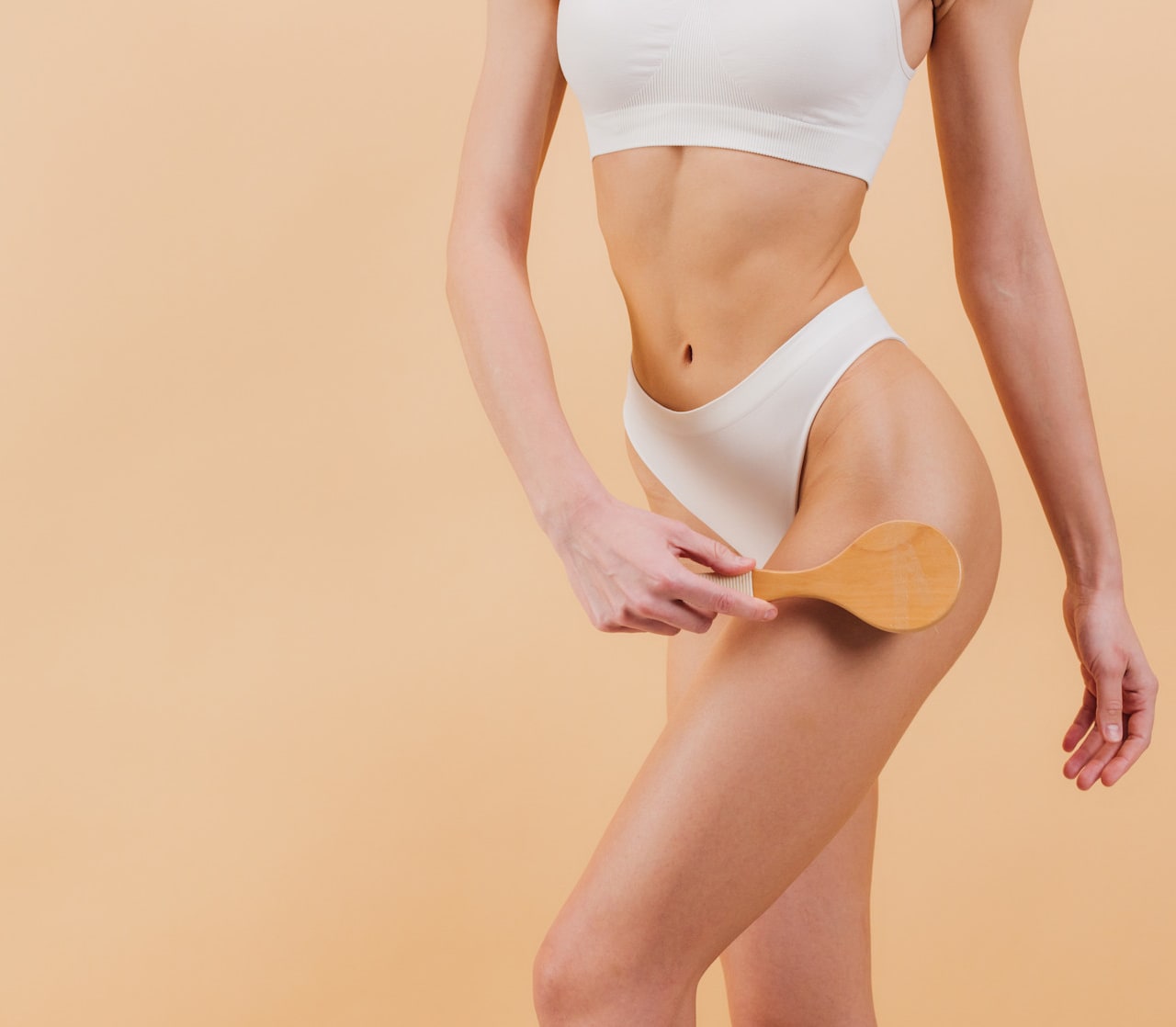
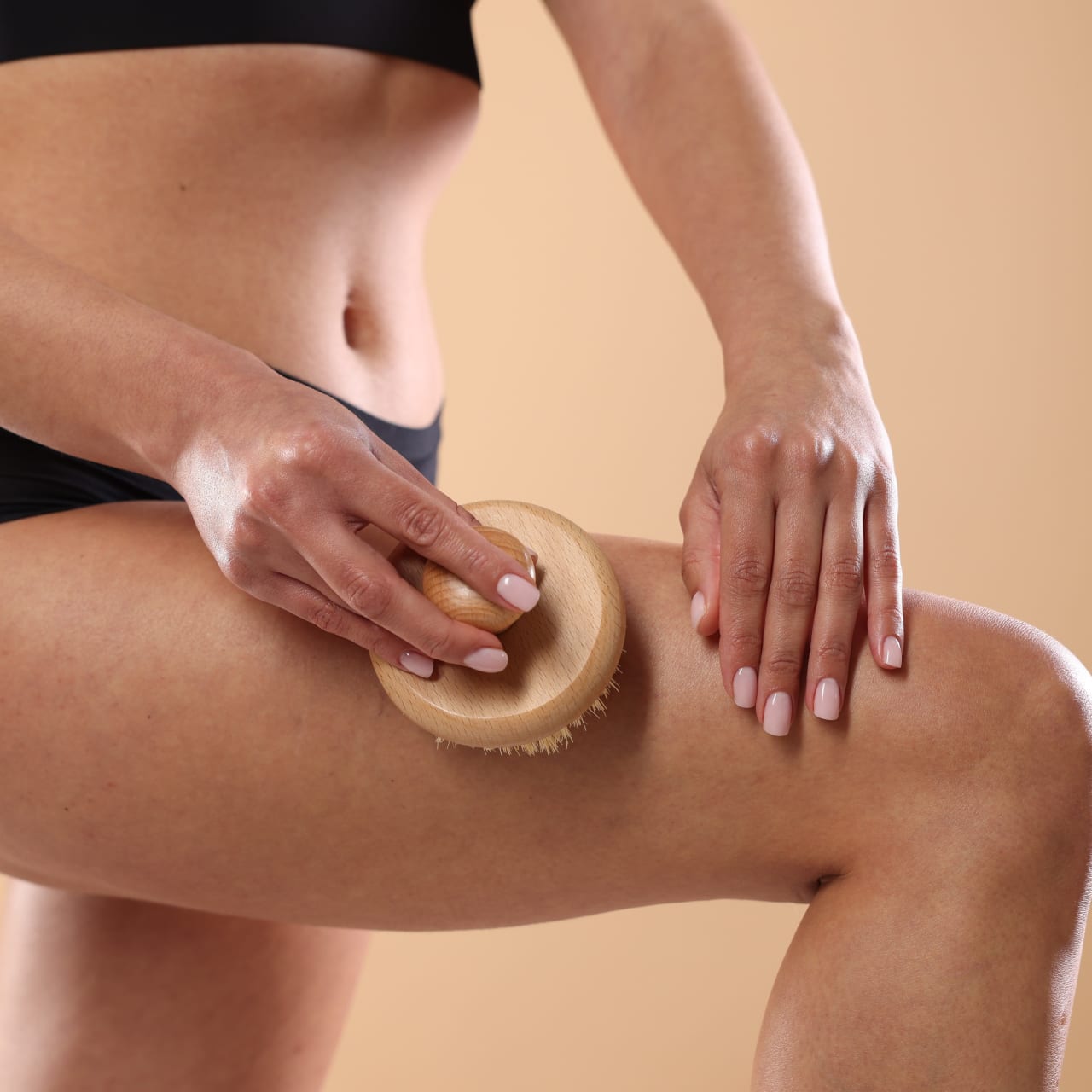
Try dry brushing with a lymphatic drainage brush using gentle, upward strokes.
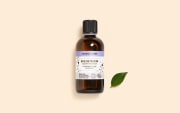
Try massage, using a draining plant-based oil applied in slow, upward strokes to the affected areas; this relaxes both body and mind: Grapefruit & Cedar Anti-Cellulite Massage Oil
Make sure you stay well hydrated. Also consider diuretic drinks, a well-known natural remedy for promoting drainage: Organic Digestive Mint Herbal Tea, Organic Lemon Detox Herbal Tea
Eat plenty of fibre and fruit and vegetables with diuretic properties (grapefruit, artichokes, etc.) and rich in antioxidants, which promote circulation.
Eat foods high in potassium, such as bananas, avocados, nuts and pulses.
Manage stress through relaxation techniques (meditation, yoga, cardiac coherence), as it can exacerbate water retention in the body.
Habits to help reduce bloating
A few simple daily habits can help reduce the feeling of bloating. It’s not a quick fix, but day by day, you’ll start to see the benefits of the following habits:
Drink plenty of water throughout the day.
Cut down on your salt intake.
Eat a balanced diet, with plenty of fruit and vegetables rich in fibre, antioxidants and potassium, whilst avoiding processed foods, which generally contain high levels of sodium.
In addition to daily physical activity (even moderate exercise), don’t stay in the same position for too long: move around as often as possible to promote blood circulation.
Drink herbal teas and take supplements with diuretic effects to complement this healthy lifestyle.
Recipes for lighter legs

Precautions
Although water retention is usually temporary, certain situations require special attention. If the swelling is severe, sudden, asymmetrical (affecting only one leg) or persistent, it is advisable to consult a healthcare professional. If you are pregnant, breastfeeding or have a specific medical condition, always seek medical advice.
Expert advice
To combat bloating, don’t look for a one-off solution; instead, adopt a holistic and consistent approach. Focus on simple habits that you can incorporate into your daily routine: staying well-hydrated, eating a healthy and balanced diet, and getting daily exercise. Also incorporate wellness practices such as massage or dry brushing to gently support your body’s natural processes.
Spotlight On Our Editor, Nutrition Expert Lila Bouber

Lila is an agricultural engineer specialising in nutrition and holds a PhD in Food Science and works as a journalist and science writer. She contributes to B2B trade magazines and collaborates with innovative companies in the health and wellbeing sector. Passionate about sharing knowledge, she is committed to making complex scientific information accessible to everyone. Convinced of the essential role played by micronutrients, plants and the microbiome, she explores the links between science and nature to better understand the foundations of our well-being.
Bibliography
Larousse Médical. Oedema. Larousse Médical (article taken from the book Larousse Médical).
Online resource. Definition and explanations of pathological fluid retention in the body’s tissues. Accessed in December 2025.
Mayo Clinic Staff. Oedema (Symptoms & Causes). Mayo Clinic, 28 July 2023.
Accessed in December 2025.
Lent-Schochet, Daniella & Jialal, Ishwarlal. Physiology, Oedema.
In: StatPearls [Internet]. Treasure Island (FL): StatPearls Publishing; updated 1 May 2023. Accessed December 2025.
Frequently Asked Questions
Associated tips

Nutrition tips
Body Care Tips
Skin care tips


