
How do you perform lymphatic drainage on the legs?

How do you perform lymphatic drainage on the legs?


By Laetitia De Rosa

Published on: Thursday, August 24, 2023, Updated on: Tuesday, September 15, 2026

Lymphatic drainage is a gentle, slow massage technique that can help increase lymph flow and eliminate toxins from your body. It is recommended for heavy legs, water retention, or poor blood circulation in the legs. In this article, discover everything you need to know about lymphatic drainage for the legs, as well as our tips for performing your own lymphatic drainage at home.

Contents

Related products

What is lymphatic drainage for the legs?

Lymphatic drainage is a gentle massage technique that stimulates the circulation of lymph, the clear fluid responsible for eliminating waste and supporting the body’s natural defenses. Unlike blood, lymph has no central pump: its circulation depends on muscle movements—particularly in the legs—and breathing.

During a session, the practitioner applies light, slow, and precise pressure in the direction of the lymphatic system. These movements guide the lymph toward the lymph nodes, where it is filtered before being eliminated, contributing to improved circulation and a greater sense of lightness, particularly in the legs.


What is it for?

Lymphatic drainage is often sought after for its beneficial effects on circulation and the sensation of heavy legs. It helps reduce fluid retention, promotes a feeling of lightness, and supports overall well-being.

Reduce water retention and swelling

By stimulating lymphatic circulation, it can help reduce localised swelling, particularly in the legs, abdomen or arms.

Relieve the feeling of heavy legs

The slow, precise movements of the drainage follow the flow of lymph, which can improve the feeling of lightness in the legs.

Relieve tension caused by slower circulation

Lymphatic drainage is often sought when the legs feel swollen or heavy, providing a soothing and refreshing sensation.

Promote deep relaxation

Its gentle, steady rhythm helps release tension and promotes physical and mental relaxation.

What are the benefits of lymphatic drainage for the legs?

By specifically targeting the legs, lymphatic drainage can promote better fluid circulation in this area, which is often under strain throughout the day.

  • Reduced swelling: By stimulating the lymphatic system, massage can help limit fluid buildup in the ankles, calves, or knees.

  • Reduced sensation of heavy or tense legs: Drainage can alleviate discomfort associated with prolonged standing or sitting.

  • More supple legs: By boosting circulation, massage can reduce the feeling of stiffness or “numb” legs.

  • Helps with recovery after exercise: It can help relax the tissues and contribute to greater comfort after physical activity.

How do you know if you need lymphatic drainage?

Lymphatic drainage can be beneficial in many cases, but certain conditions or situations may particularly benefit from this therapy. You may need lymphatic drainage if:

  1. You suffer from lymphedema: this is a condition that causes swelling in the body due to lymph buildup.

  2. You have poor blood circulation: if you suffer from circulatory issues, lymphatic drainage can help improve blood flow and reduce swelling and water retention.

  3. You suffer from chronic pain or muscle fatigue: lymphatic drainage can help relieve muscle tension and promote relaxation. This can be beneficial for people suffering from chronic pain or muscle fatigue.

  4. You have inflammation: The lymphatic system plays a vital role in the body’s defence against infections. If you suffer from inflammation, lymphatic drainage can help boost your immune system.

Our natural solutions for performing lymphatic drainage on the legs

To complement at-home lymphatic drainage, certain Aroma-Zone products feature textures suited for massage, facilitate the massage strokes, and provide an extra sense of comfort for your legs.

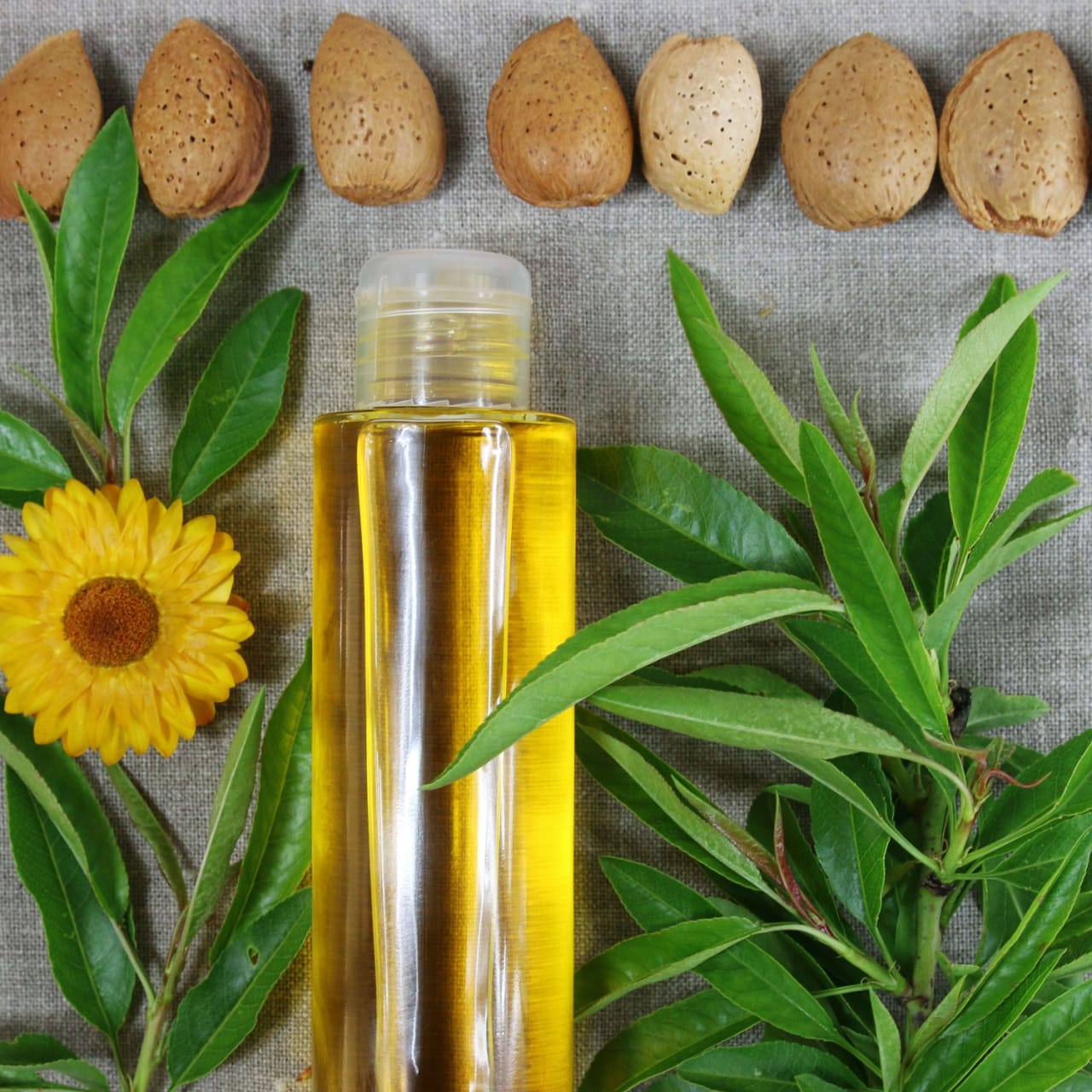
Kabylie Mastic Oil: naturally rich in circulation-boosting active ingredients, this oil is known for providing a sensation of lightness in the legs. It soothes dry, redness-prone, or irritated skin, while offering an ideal nourishing base for a drainage-style massage.

Discover Kabylie Mastic Oil

Calophylle Inophyle Organic Vegetable Oil

Organic Calophyllum inophyllum Oil: known for boosting circulation and helping keep legs feeling light, it is also valued for its soothing and regenerating properties. Its texture makes it an ideal base for massage oils designed for the legs.

Discover Organic Calophyllum inophyllum Oil

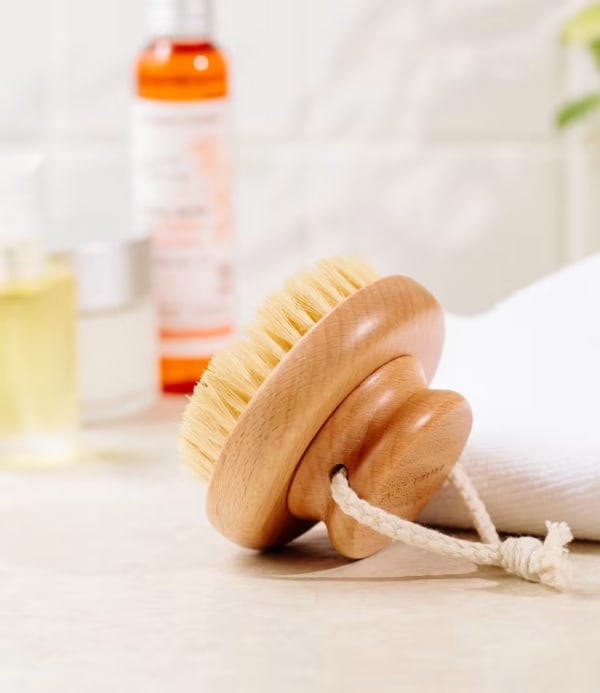
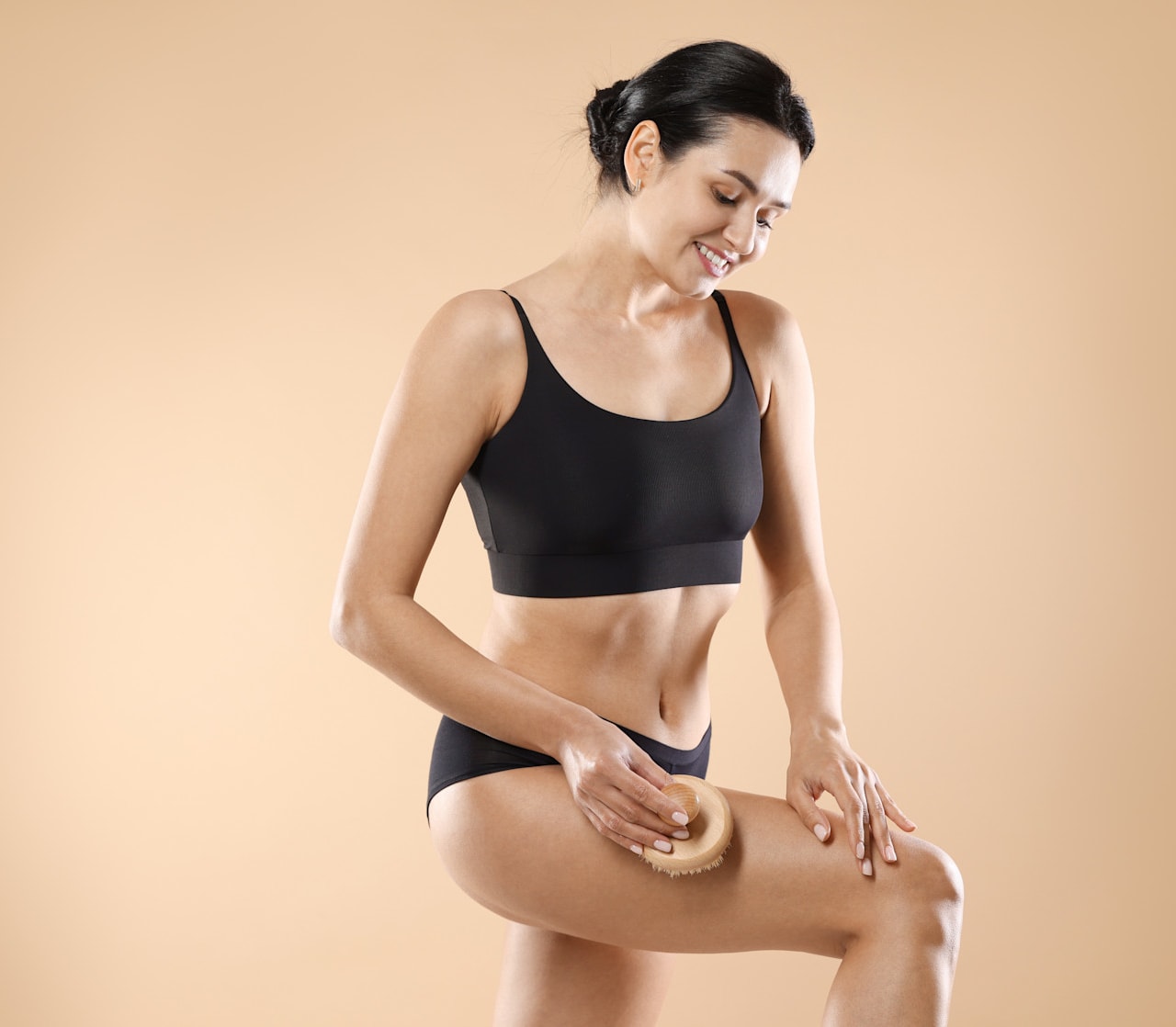
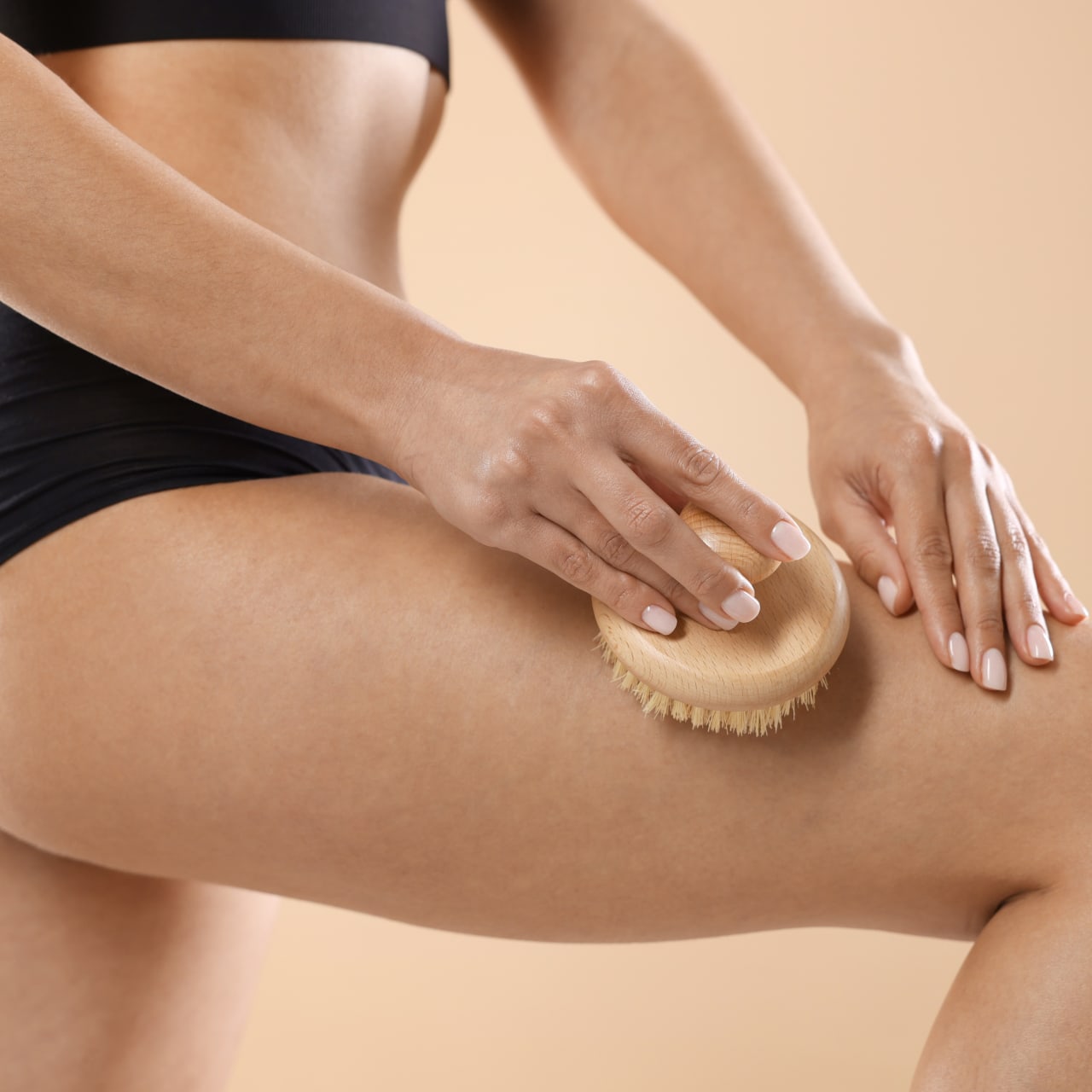
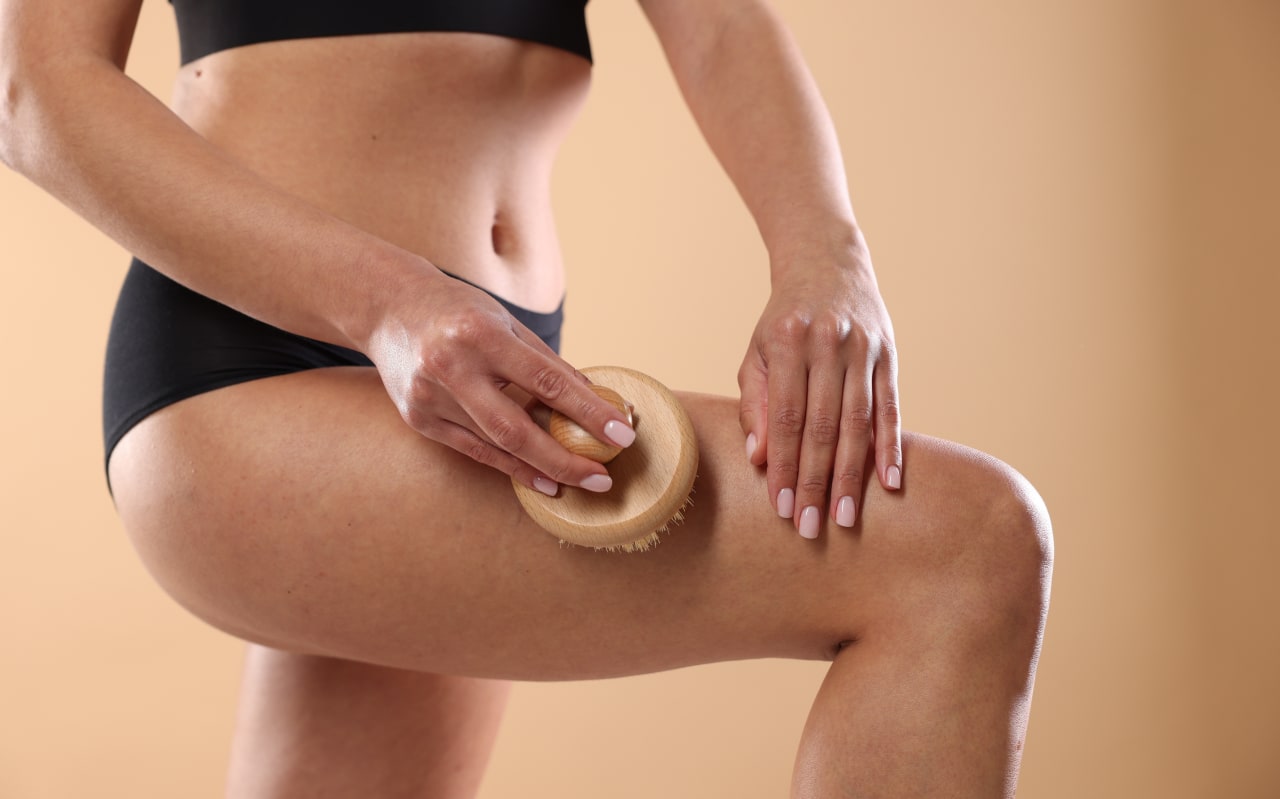
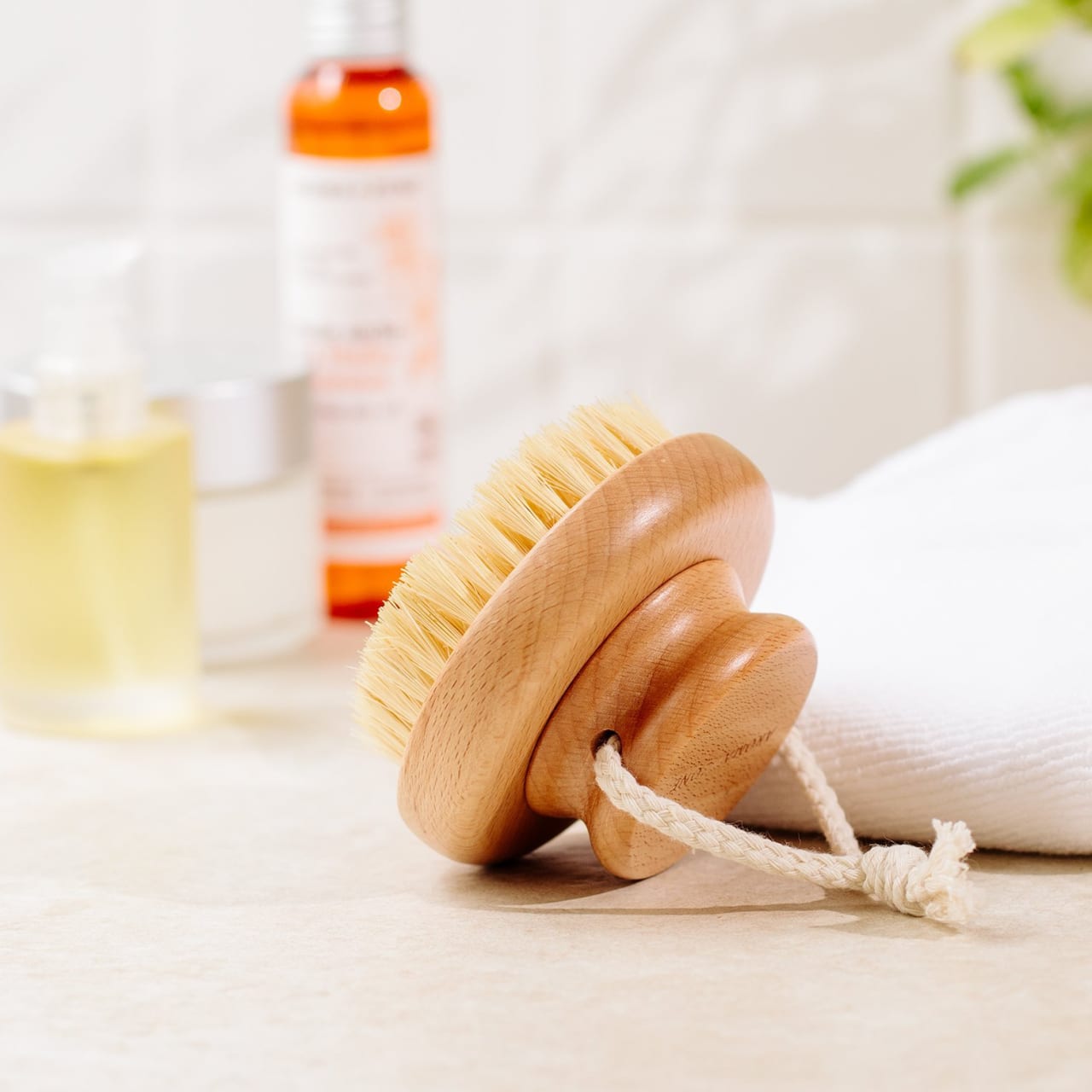
Wooden Lymphatic Drainage Brush: designed for dry brushing, it stimulates skin microcirculation and prepares the skin before manual drainage. It gradually tones the epidermis, helps smooth the skin’s appearance, and is known to combat water retention.

Discover the Wooden Lymphatic Drainage Brush

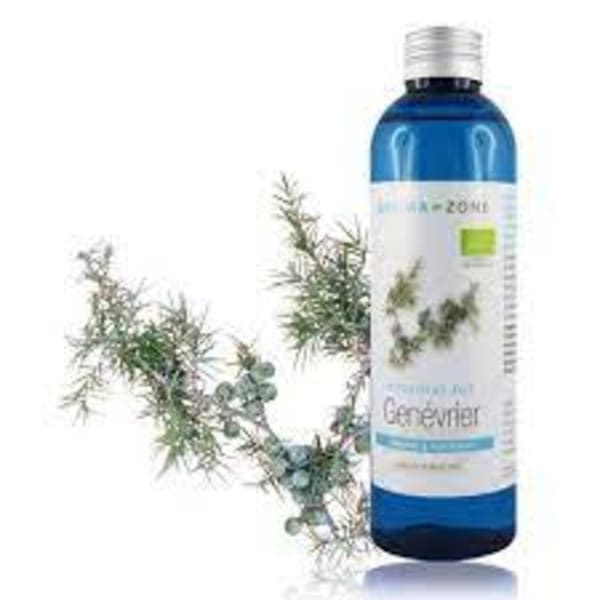
Organic Juniper Hydrosol: Used in "light legs" treatments, it is known for its purifying action and for helping to reduce the appearance of cellulite. It can be applied after the massage for a pleasant cooling sensation.

Discover Organic Juniper Hydrosol

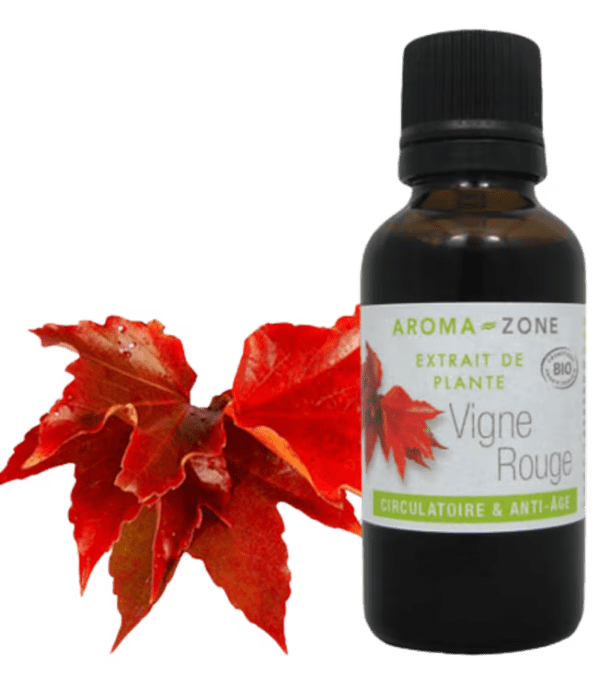
Organic Red Vine Extract

Organic Red Vine Extract: Traditionally used to support circulatory comfort, it blends well into gels or lotions designed for the legs. Its high polyphenol content makes it a valued ingredient in products for light legs as well as those targeting redness.

Discover Organic Red Vine Extract

How to perform lymphatic drainage on your legs at home?

Lymphatic drainage relies on specific techniques, which is why it’s best to consult a trained professional. However, you can perform a simplified version at home to support lymph flow in your legs.

Here are the basic steps for performing lymphatic drainage on yourself:

  1. Preparation: lie comfortably on your back in a quiet place and relax. If possible, elevate your legs to facilitate lymph flow toward your heart.

  2. Stimulating the lymph nodes: the lymph nodes located in the groin area are a key starting point for lymphatic drainage. Use light pressure to massage this area in circular motions for a few minutes.

  3. Leg massage: massage starting from the ankle with light, upward strokes toward the heart. Apply very gentle pressure: the lymphatic system is located just beneath the skin’s surface.

  4. Upward massage: continue massaging upward along your leg, moving from the ankle to the calf, then from the calf to the knee, and from the knee to the thigh. Your movements should always be directed toward the heart.

  5. Repeat: move to the other leg and repeat the process.

Precautions

Lymphatic drainage for the legs is a gentle technique, but certain situations require caution. Avoid performing a massage that is too firm or too frequent, especially if the skin is sensitive, inflamed, or irritated. In cases of severe venous insufficiency, skin infection, unusual swelling, or a diagnosed circulatory disorder, it is best to seek medical advice before performing drainage at home.

Pregnant women should also seek professional guidance, particularly if leg swelling is accompanied by other symptoms. Finally, if you use plant-based oils or natural active ingredients, be sure to perform a skin test to check for tolerance.

Expert tip

To fully benefit from lymphatic drainage for the legs, consistency is often more important than intensity. A few minutes of slow, gentle movements directed toward the inguinal lymph nodes are enough to support lymph circulation. Ideally, perform the massage in the evening, after your legs have been active all day. Combining drainage with proper hydration, gentle physical activity (walking, stretching), and regular breaks if you work standing or sitting for long periods can enhance the feeling of lightness in your daily life. And if your legs seem unusually swollen, it’s best to seek professional advice before continuing.

Spotlight on Our Specialist Writer, Laetitia de Rosa

Laetitia de Rosa 3.jpg

Laetitia is an editorial communications consultant specialising in beauty and wellness content. Passionate about natural cosmetics, she works with committed brands that share her vision of authentic and responsible beauty. Always on the lookout for the latest developments, she enjoys analysing trends and innovations in the sector.

Bibliography

  1. Molski, P., Kruczyński, J., Molski, A., & Molski, S. (2013), Manual lymphatic drainage improves the quality of life in patients with chronic venous disease: A randomized controlled trial, Archives of Medical Science

    DOI: 10.5114/aoms.2013.35343

Frequently Asked Questions

Frequently Asked Questions