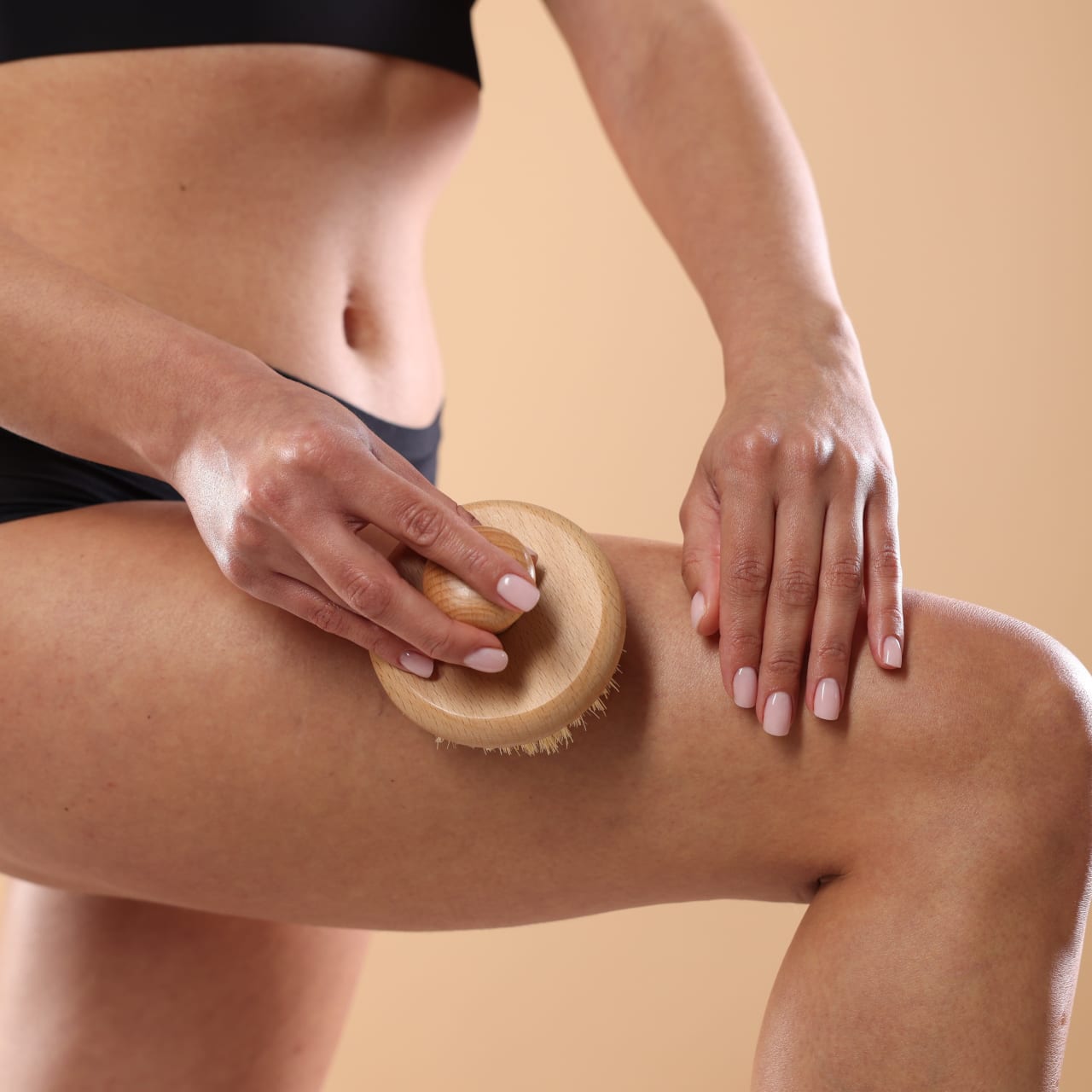
Heavy legs refer to a sensation of heaviness, swelling, or tiredness in the lower limbs. They are most often linked to less efficient venous return (the flow of blood back to the heart), which causes blood to pool in the legs. This discomfort may be accompanied by a feeling of general fatigue. Conversely, a state of fatigue can also contribute to certain factors associated with heavy legs, such as a sedentary lifestyle or a lack of physical activity. While this association is common, it often results from shared factors or mechanisms that influence one another.
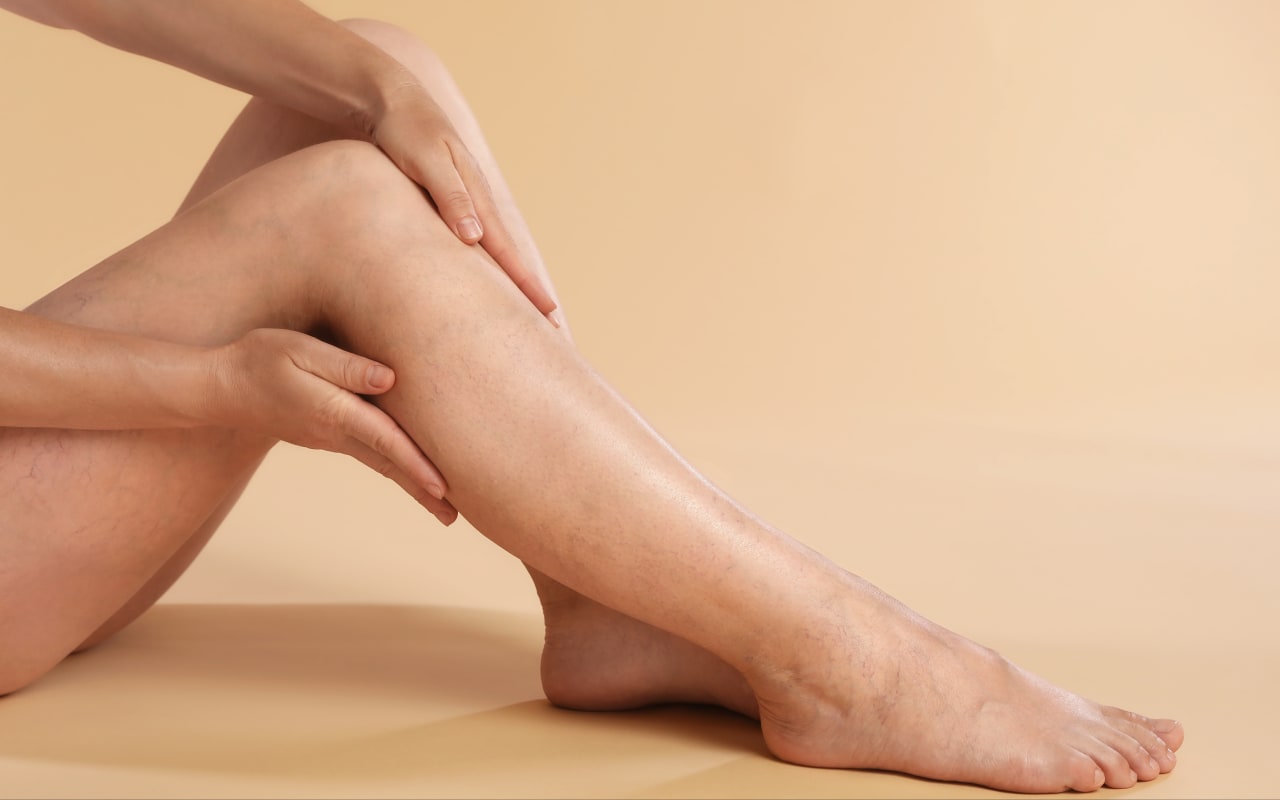
Heavy Legs and Fatigue: What's the Connection?
Published on: Friday, May 31, 2024, Updated on: Thursday, October 29, 2026
Heavy legs are often linked with a feeling of tiredness, although it isn't always clear whether the two are connected. In some cases, they share the same risk factors or affect one another. This article looks at how to better understand the link and at natural approaches that can help you get lighter-feeling legs.
Contents
Related products
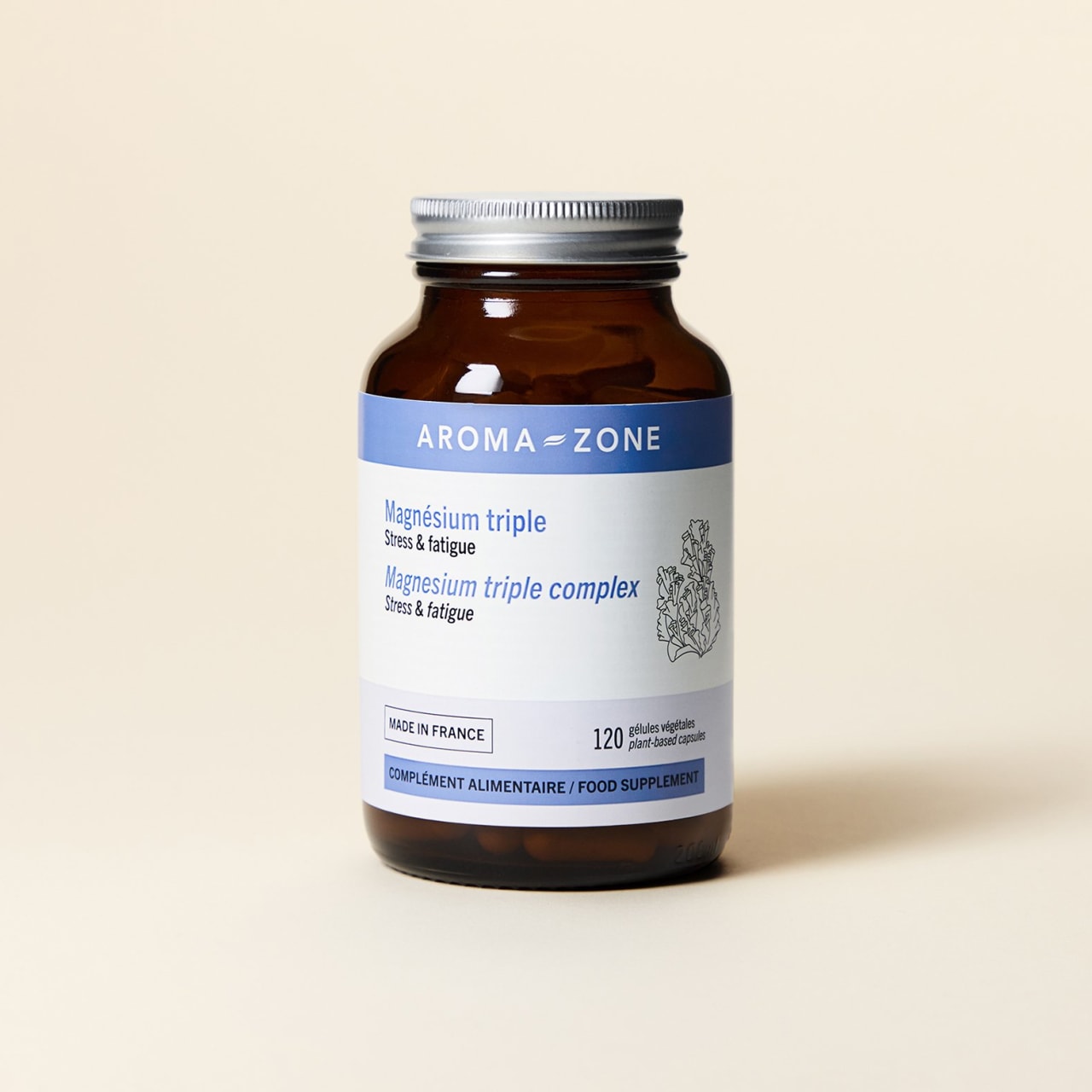
Triple Magnesium Complex - 120 Capsules
Vitality
Stress
£15.00
article

£12.00
200 ml

Sports Massage Oil
Soothing
£11.00
100 ml
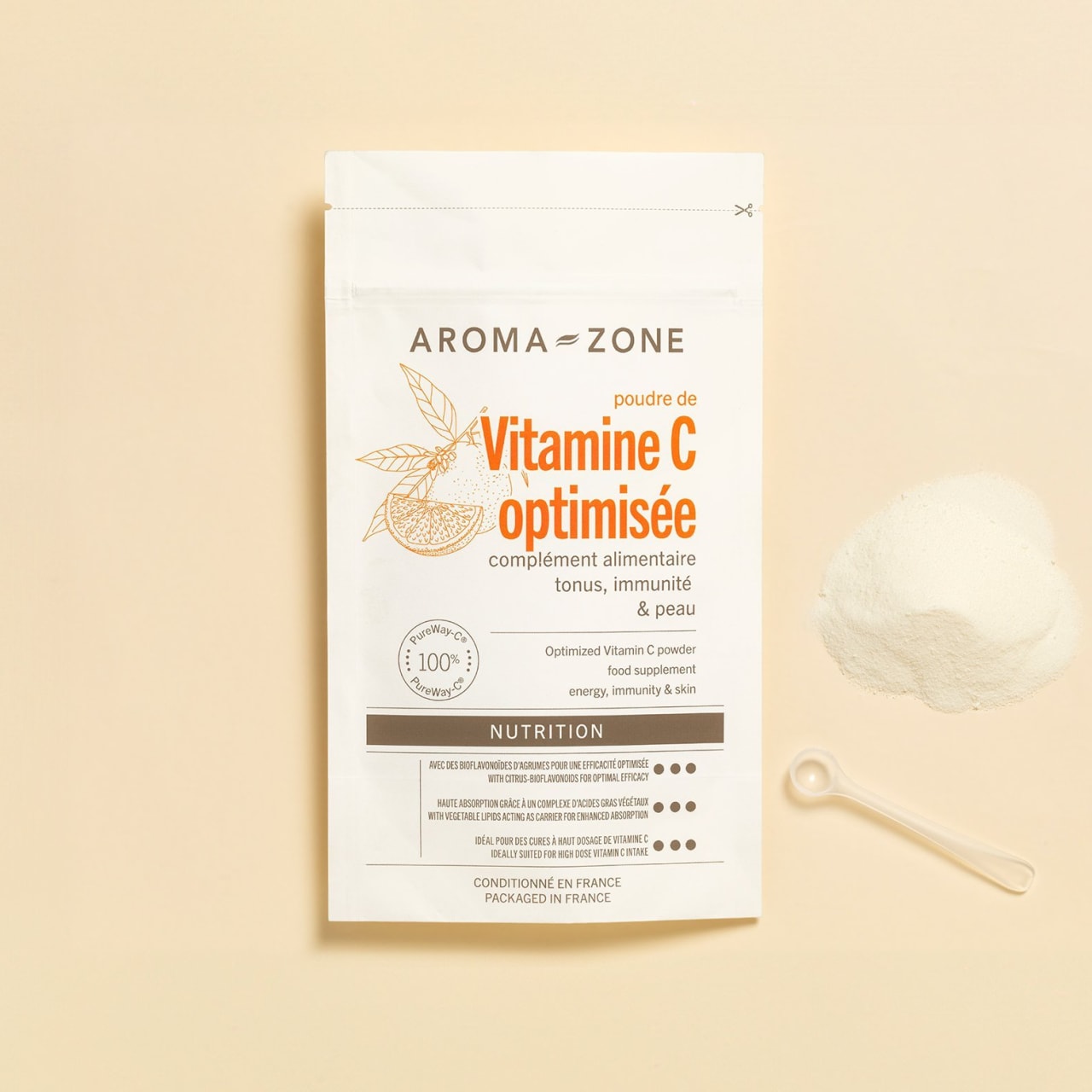
Optimised Vitamin C Powder
Vitality
£16.00
150 g
Why are Heavy Legs Sometimes Accompanied by Tiredness?
Why Does Tiredness Contribute to Heavy Legs?
Heavy legs and tiredness are two sensations that are often linked. They may share certain risk factors, but they can also influence one another. For example, persistent tiredness can lead to a reduction in physical activity, which in turn contributes to the sensation of heavy legs. Conversely, the discomfort caused by heavy legs can make moving around more difficult and exacerbate the lack of energy. Several mechanisms help explain this association.
Less Efficient Venous Circulation
The sensation of heavy legs is most often linked to less efficient venous return. When blood has difficulty flowing back to the heart, it can pool in the lower limbs and cause heaviness, swelling, or discomfort (1). This discomfort, especially when it occurs frequently, can be accompanied by tiredness.
Lack of Physical Activity and Prolonged Standing
The activity of the calf muscles naturally aids venous return by helping blood flow back to the heart. When you feel tired, it is common to move less or stay in the same position for long periods, whether sitting or standing. This reduced movement limits the muscular pump and can worsen the sensation of heavy legs.
Hormonal Fluctuations and Heat
Hormonal fluctuations during pregnancy and menopause contribute to the sensation of heavy legs. High temperatures can also exacerbate this phenomenon by causing the veins to dilate. For some people, these situations are also accompanied by a more pronounced loss of energy.
Being Overweight and Ageing
Being overweight puts extra pressure on the veins in the lower limbs and can make venous return less efficient. With age, the walls of the veins gradually lose their elasticity, and the valves sometimes function less effectively. These factors contribute to the sensation of heavy legs and can contribute to daily fatigue.
What Are the Symptoms of Heavy Legs and Fatigue?
Heavy legs can be accompanied by several symptoms. When associated with weakness, the following symptoms may be observed in particular:
Feeling of Heaviness: May be linked to less efficient venous circulation, contributing to a sensation of heaviness in the lower limbs
Swelling: A sensation of swollen legs may occur due to a build-up of fluid in the tissues
Numbness and Tingling: less efficient circulation may contribute to the onset of these sensations in the legs
Itching: Blood pooling in the veins may be accompanied by skin irritation and itching
Visible Veins: More visible veins or varicose veins may be associated with impaired venous return
Fatigue: A feeling of general fatigue may accompany heavy legs, particularly when both conditions share the same risk factors
Muscle Cramps: These may occur, particularly at the end of the day or after prolonged standing
What Natural Routine Can Help Improve Blood Circulation?

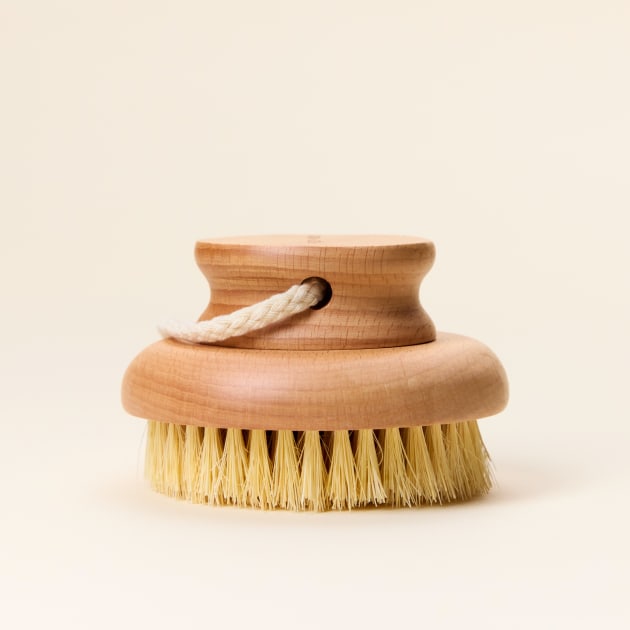
Step 1 – Relieve and Relax My Legs
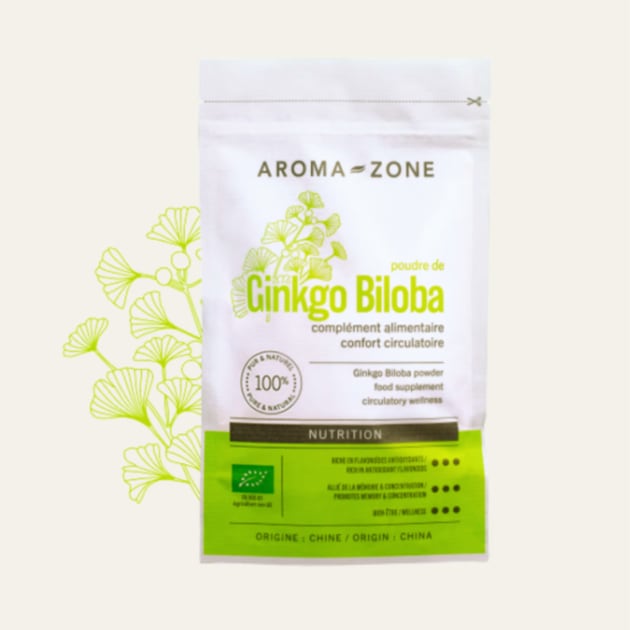
Step 2 – Take Action from Within
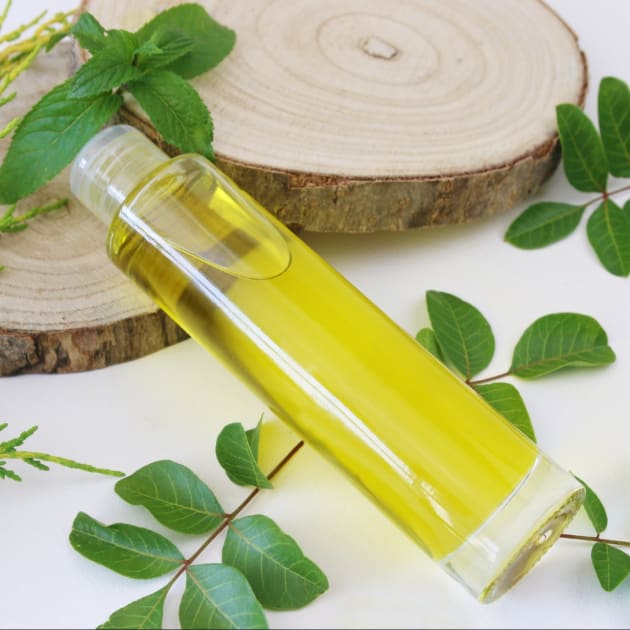
That Extra Step – Drain
The Aroma Solution
Menthol Massage Oil for Light Legs
A word from the expert
It’s more effective to adopt a few simple habits and make them a permanent part of your daily routine rather than taking a series of one-off actions. To complement this routine, you can also find lifestyle advice in this article.
What Natural Remedies Are There for Tiredness?
Alongside a healthy lifestyle, certain dietary supplements can help reduce fatigue or boost your energy levels. The choice depends largely on your individual needs and the cause of your fatigue.
Triple Magnesium 120 Capsules – Dietary Supplement
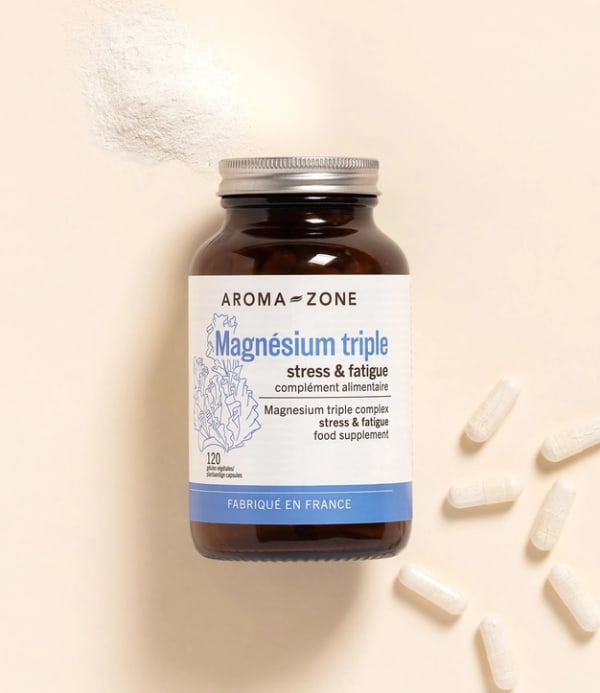
This dietary supplement combines magnesium bisglycinate, marine magnesium and organic sea lettuce. Magnesium helps reduce fatigue, supports the normal functioning of the nervous system and contributes to normal muscle function. It is particularly beneficial during periods of temporary stress, fatigue, or when recovering from physical exertion.
Precautions for Use: For adults only. Pregnant or breastfeeding women should seek advice from a healthcare professional before taking any supplements. Magnesium may have a laxative effect in some people. If you have thyroid problems, seek advice from your doctor. Do not exceed the recommended daily dose. Food supplements are not a substitute for a varied and balanced diet or a healthy lifestyle. Keep out of reach of children.
Spiruline France Organic – 120 Tablets – Dietary Supplement

Grown in France and cold-pressed without additives, this organic spirulina stands out for its nutritional richness and high phycocyanin content. Ideal for temporary fatigue, it is also a valuable supplement for vegetarians and athletes. Taken in doses of 9 tablets or more per day, it is a source of iron, which contributes to normal energy metabolism and helps reduce fatigue.
Precautions for Use: For adults only. Pregnant or breastfeeding women should seek medical advice before taking any supplements. Spirulina is not recommended in cases of phenylketonuria, haemochromatosis, excess uric acid, or in the event of muscle or liver disorders. The presence of phycocyanin may cause an allergic reaction. Do not exceed the recommended daily dose. Food supplements are not a substitute for a varied and balanced diet or a healthy lifestyle. Keep out of reach of children.
Optimised Vitamin C Powder – 150g – Dietary Supplement

Formulated with the PureWay-C® complex, this Vitamin C is combined with plant-based lipids and citrus bioflavonoids to optimise its absorption. Vitamin C helps reduce fatigue, supports the normal functioning of the immune system and protects cells against oxidative stress. It also promotes iron absorption.
Precautions for Use: For adults only. Pregnant or breastfeeding women should seek advice from a healthcare professional before taking any supplements. Do not exceed the recommended daily dose. Food supplements are not a substitute for a varied and balanced diet or a healthy lifestyle. Keep out of reach of children.
If you’d like to find out more about your fatigue, read our article: How can you combat fatigue naturally?
What Steps Should You Take if You Have Heavy Legs and Feel Tired?
There are a few habits that can help relieve the sensation of heavy legs and reduce fatigue in everyday life:
Move Around Regularly: Walking for a few minutes several times a day helps to activate the calf muscles, which aid venous return
Avoid Standing for Long Periods: Alternate between sitting and standing, and change your position regularly
Elevate Your Legs: A few minutes at the end of the day can help improve venous return
Exercise Regularly: Walking, cycling, swimming, or aqua aerobics are particularly suitable
Limit Exposure to Heat: Very hot baths, saunas or prolonged exposure to the sun can make your legs feel heavier
Drink Enough Water: Staying well-hydrated helps the body to function properly
Eat a Balanced Diet: Opt for a varied diet, rich in fruit and vegetables, and limit your salt intake
Wear Comfortable Clothing: Avoid clothes that are too tight, as they can constrict your legs
Precautions for Use
Before using any of the dietary supplements featured in this article, please carefully read the precautions and contraindications listed on the relevant product information sheet.
Essential oils are powerful natural concentrates. Follow the intended uses and precautions for use as indicated on the relevant technical data sheets. Store them in a suitable glass bottle, away from light and air, and keep them out of the reach of children. Avoid contact with the eyes and mucous membranes. Please also refer to the general information sheet on precautions relating to essential oils, as well as the specific information sheet for each essential oil.
If in doubt, seek advice from a healthcare professional.
Expert Advice
If heavy legs are frequent or become a long-term issue, professional lymphatic drainage sessions can be helpful (2). Combined with a healthy lifestyle, they help restore a pleasant feeling of lightness and greater comfort in everyday life.
Spotlight on Our Naturopathic Writer: Marine Leleux

Marine is a naturopath specialising in children’s well-being and a parenting coach. With 10 years’ experience supporting families, she now channels her passion into serving her community by sharing natural and caring advice.
Bibliography
Anuforo, A., Evbayekha, E., Agwuegbo, C., Okafor, T.L., Antia, A., Adabale, O., Ugoala, O.S., Okorare, O., Phagoora, J. & Alagbo, H.O. (2024).
Superficial Venous Disease – An Updated Review. Annals of Vascular Surgery, ubmed.ncbi.nlm.nih.gov/38583765/
Molski, P. et al. (2013).
Manual lymphatic drainage improves the quality of life in patients with chronic venous disease: a randomised controlled trial. pubmed.ncbi.nlm.nih.gov/23847666/