
Our top-rated products for heavy legs and circulation, approved by our experts
Published on: Thursday, June 18, 2026, Updated on: Tuesday, October 13, 2026
A feeling of heaviness, aching legs, swollen ankles at the end of the day… Compression stockings and other compression solutions naturally play a key role in providing targeted relief for venous circulation problems. In addition, certain plants and natural active ingredients offer promising prospects for providing significant relief in everyday life. This article lists the 10 most effective Aroma-Zone products for heavy legs. The result of meticulous research and selection by our R&D teams, these products are regarded as the best in their category by our community.
Contents
Related products

Circulatory
Soothing
£7.00
100 ml
In brief
Physical exercise, muscle strengthening and compression are among the most effective solutions for reducing the sensation of heaviness in the lower body.
Butcher’s broom, red vine, immortelle, Kabylie mastic and Calophyllum inophyllum can all help to reduce the discomfort experienced.
Lymphatic drainage may help reduce swelling in the ankle or calf in cases of oedema.
What are the most common causes of heavy legs and poor circulation?
Age, genetic factors, female hormones, a lack of exercise, weight and injuries can all contribute to or worsen the sensation of heavy legs.
Circulatory problems in the legs can be caused by venous, lymphatic or arterial issues, and certain factors are known to contribute to or exacerbate the condition:
Natural ageing. Age is probably the best-documented risk factor (1). Ageing increases the likelihood of developing chronic venous disease and of experiencing a heavy-leg sensation. This prevalence amongst older people is thought to be linked to a gradual deterioration of the components of the venous system (walls, valves, capillaries, etc.) as well as to the accumulation of mechanical stress throughout one’s life, such as working whilst standing.
Genetic predisposition. Scientists have observed that venous problems tend to run in families. Having a parent with a venous condition does not automatically mean that you will also be affected, but it does significantly increase your risk. It is generally estimated that having just one affected parent multiplies the risk by 2 or 3 for the child, compared with 5 to 8 times if both parents are affected (2).
Hormonal fluctuations in women. Women report more symptoms of poor circulation than men. This is due to hormonal fluctuations (particularly in oestrogen and progesterone), which can alter the diameter of the veins and blood flow. Periods of high hormonal levels, such as pregnancy (which is also accompanied by other aggravating factors, including compression of the veins by the uterus) (3), are therefore particularly challenging periods (e.g. the onset of varicose veins).
Prolonged standing and/or a sedentary lifestyle. The former refers to maintaining a standing position for a prolonged period (1), whilst the latter refers to a lack of physical activity or prolonged periods of sitting (4). Both of these factors promote venous stasis, i.e. a reduction in venous return. They may therefore play a role in the onset of a sensation of heavy legs.
Excess weight. This refers to being overweight or obese. The higher your BMI, the greater your risk of developing chronic venous disease and of your symptoms worsening. In practical terms, being overweight increases the pressure on your veins, which reduces venous return and promotes the formation of oedema. Recent studies in phlebology also suggest a link between the chronic inflammation associated with obesity and the sensation of heaviness in the legs (5).
Medical history. Experts in phlebology recognise that a venous thrombosis or phlebitis may cause irreversible damage to the venous system (6). This is thought to lead to long-term problems, which may include chronic venous reflux and heavy legs. The same applies if you have suffered a leg injury: the quality of your blood circulation may be affected as a result.
Which natural treatments can help boost circulation in the legs?
Compression from wearing stockings, calf muscle exercises and walking are among the practices currently considered to be the most effective.
Most recommendations are based on mechanical stimulation of the leg. The aim is to reduce venous hypertension. Here are a few key measures you can incorporate into your daily routine, perhaps alongside the use of ‘light legs’ treatments.
Key principles | Things to bear in mind |
Walk regularly | Walking helps to activate the calf’s muscle pump. If you work sitting down, stand up regularly and walk around your office for a few minutes. Make sure you fit in several walking breaks throughout the day, avoiding prolonged periods of sitting as much as possible. |
Strengthen your calves | Strengthening your calf muscles helps to apply compression to your veins, much like a pair of permanent compression stockings (7). You can strengthen your ankles by doing several sets of rising onto the balls of your feet, ankle flexion and extension exercises, or ankle adduction exercises (using a resistance band). |
Wearing compression stockings | These are the well-known compression stockings, which are available even without a doctor’s prescription. They provide effective compression to reduce venous fatigue and, by extension, restore a feeling of lightness in the lower limbs. Their benefits are backed by robust clinical evidence (8). |
Elevating your legs | This simple habit helps blood to flow back to the heart. To maximise the effects of this measure on circulation in your legs, always elevate them above the level of your heart. Maintain this position for a few minutes, using cushions or your sofa for support. |
Use hydrotherapy | Our grandmothers used to recommend running cold water over the lower legs to promote vasoconstriction, thereby reducing symptoms. This old-fashioned tip is particularly pleasant in summer. Walking in water or swimming are among the practices commonly recommended. |
Performing drainage massages and self-massages | Although their effects are less well documented clinically than those of exercise or compression, they remain potentially useful for reducing the discomfort and swelling associated with oedema. Lymphatic drainage is one of the techniques worth considering. |
Which of our top-rated products really do provide relief from heavy legs?
Below are the products most highly rated by our community for relieving the sensation of heavy legs on a daily basis. Whether it’s active ingredients to add to your homemade remedies, invigorating plant-based oils, ready-to-use treatments, accessories or dietary supplements, there are various approaches to tackling poor circulation. The key is to find a solution that aligns with your values and is easy to incorporate into your daily routine.
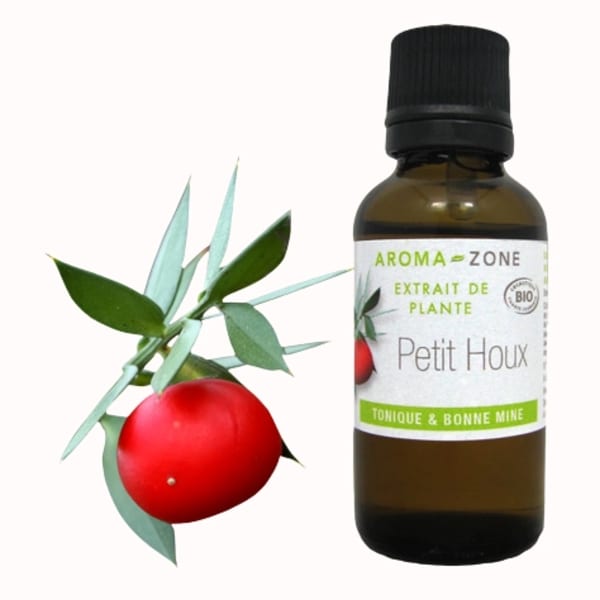
Organic Butcher’s Broom Extract (Fragon)
It is unique in that it contains saponinoside glycosides: natural active ingredients traditionally used to restore a feeling of lightness and suppleness to heavy legs. Use it as an active ingredient in your homemade relaxing skincare recipes. Recommended dosage: 5 to 50 per cent of the total weight of your preparation. Do not swallow; store the bottle in the fridge and use within 6 months of opening.
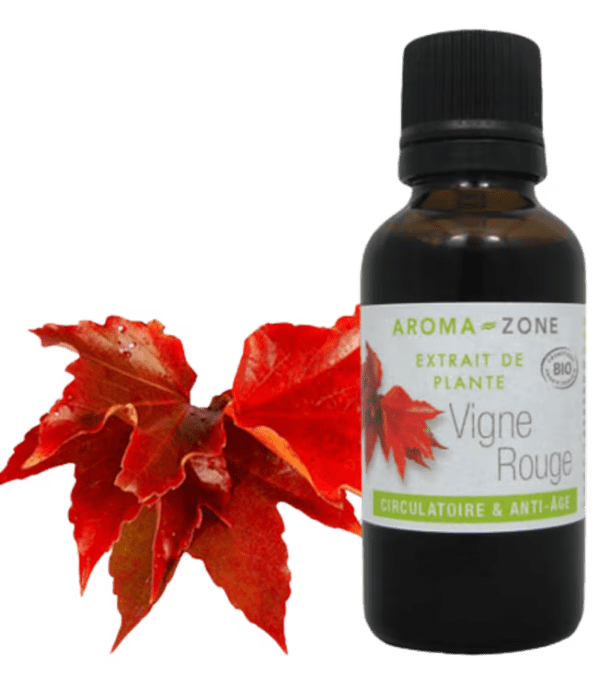
Organic Red Vine Extract
This is undoubtedly one of the best-known natural tonics. It can be used to make products for light legs, such as lotions, gels or creams, and also has anti-ageing properties that are particularly suitable for mature skin. Recommended dosage: 5 to 50 per cent of the total weight of your preparation. Do not swallow; store the bottle in the fridge and use within 6 months of opening.
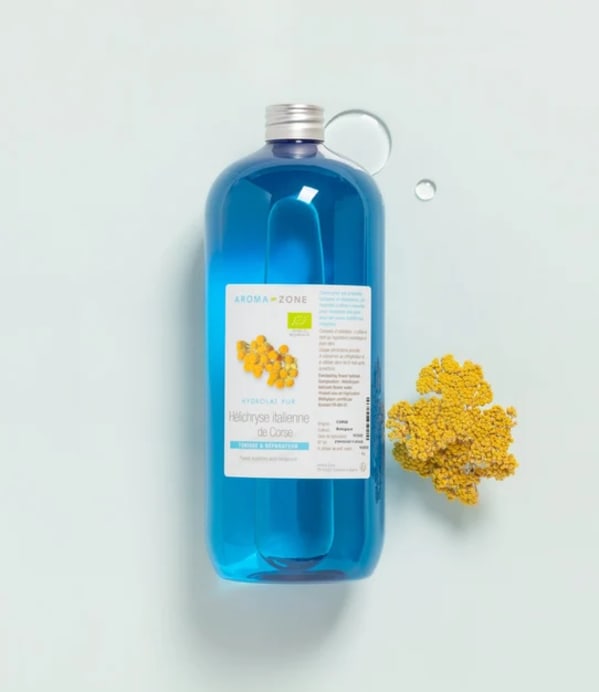
Organic Italian Helichrysum Hydrosol from Corsica
This hydrosol has toning and soothing properties, making it an ideal ingredient for formulating body gels, lotions or creams, particularly for those with circulation problems. Remember to keep it in the fridge between uses.
Discover the Organic Italian Helichrysum Hydrosol from Corsica
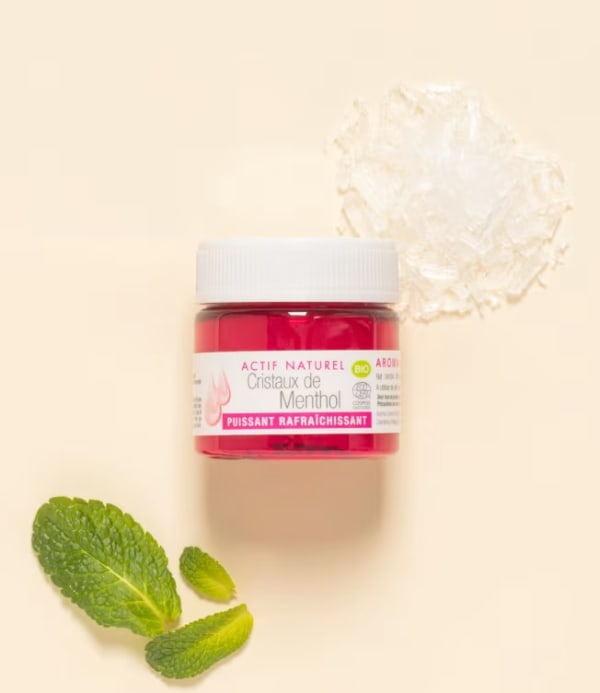
Organic Menthol Crystals
Extracted from Mentha Arvensis essential oil, Menthol Crystals are prized for their intense cooling effect. They are ideal for formulating balms and gels for topical use, particularly for treatments to relieve heavy legs. As they are very potent, they must be handled with care, in accordance with the instructions for use.
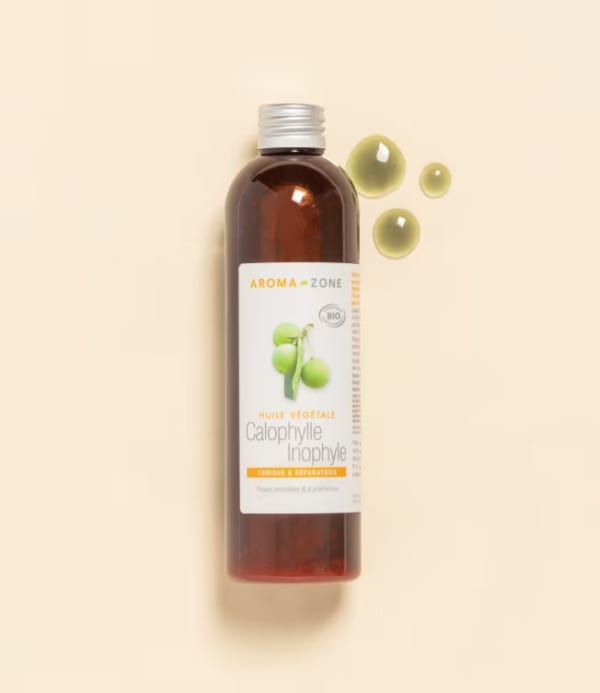
Organic Calophyllum inophyllum oil
Naturally rich in fluidising active ingredients, this plant-based oil is an ideal base for creating a ‘light legs’ massage oil. You can combine it with other plant-based oils (making up 10–20 per cent of the blend) or with essential oils that promote circulation. A 100 per cent pure and natural product, wild-harvested and obtained through first cold pressing, virgin, free from any chemical treatment, and certified organic.
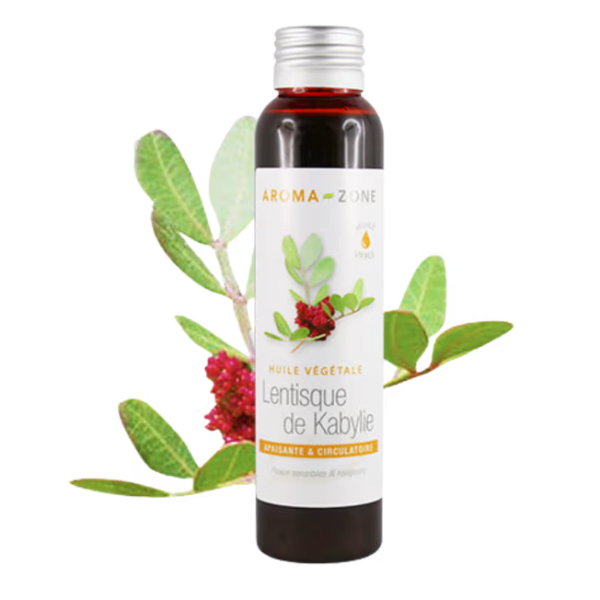
Kabylie Mastic Oil
Incorporate this oil into your homemade recipes for ‘light legs’ lotions, toning oils for the lower body or lymphatic massage balms. A 100% pure and natural product, wild-harvested and cold-pressed, virgin, unrefined and free from chemical treatment. Due to its essential oil content, do not apply to the eyes or mucous membranes.

Organic Concentrated Body Care for Light Legs
Proven effectiveness: ready to use, this gel-cream soothes and refreshes tired legs whilst relieving heavy, swollen ankles. Its cooling texture is ideal for use during periods of intense heat. It is applied with a gentle massage and absorbs easily, with an invigorating fragrance of peppermint, cypress and vetiver. Certified organic, made in France. Do not use on children, or on pregnant or breastfeeding women.
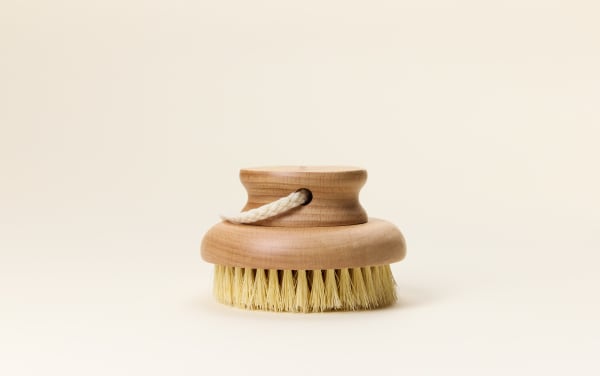
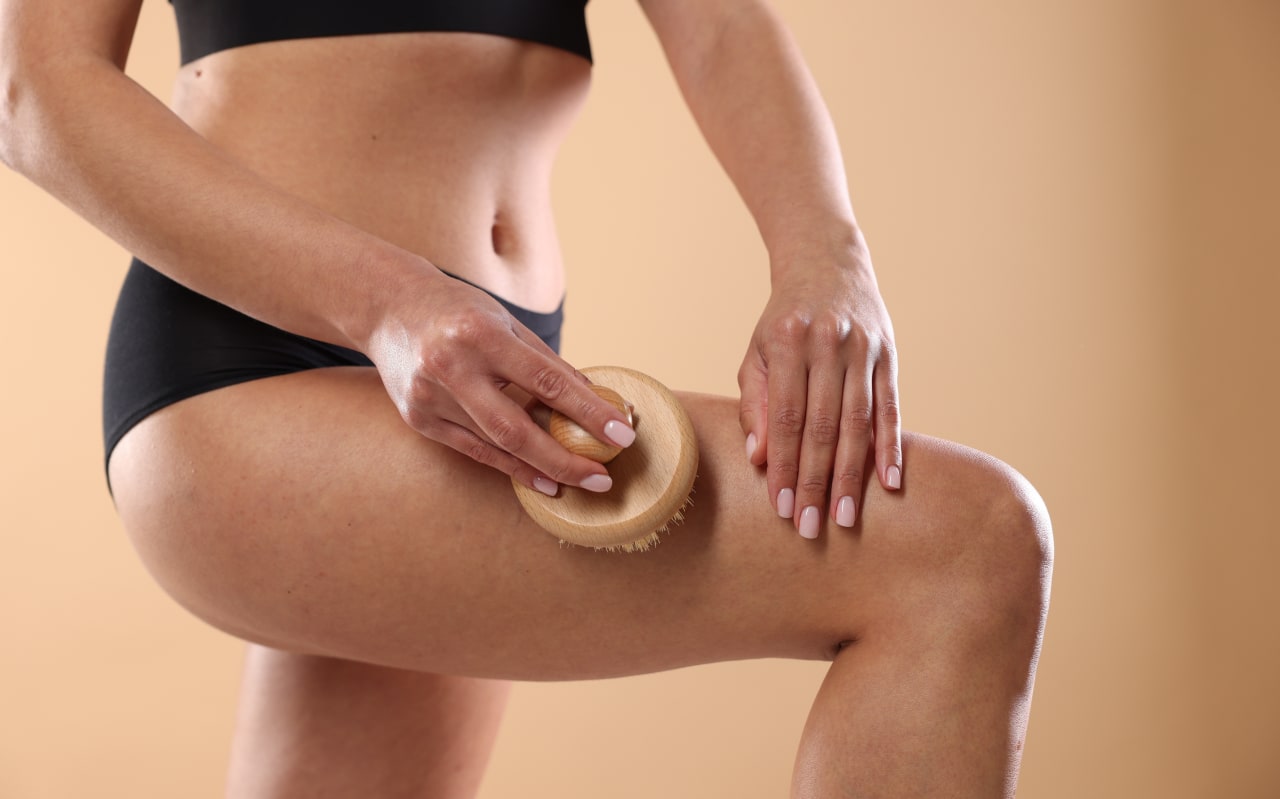
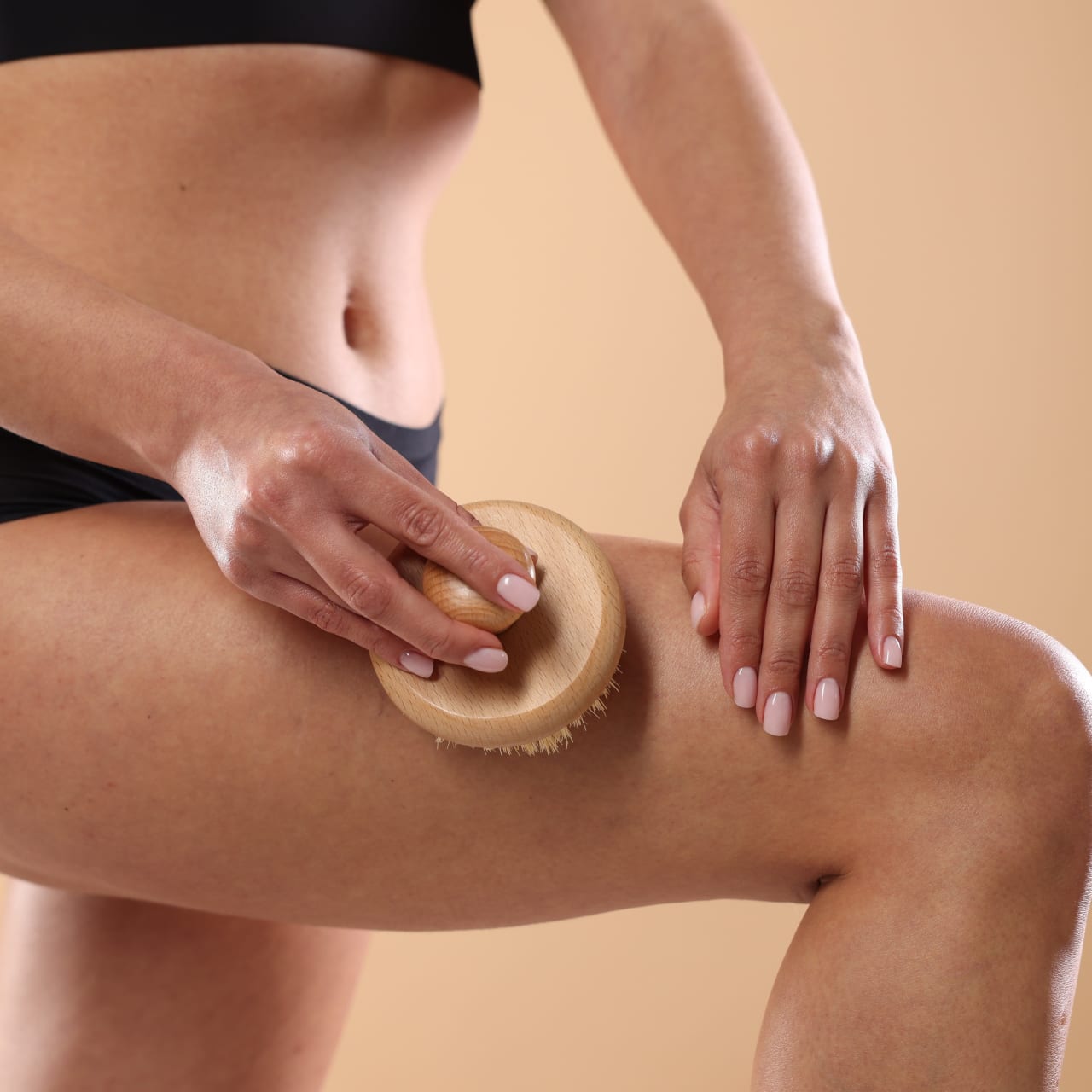
Wooden lymphatic drainage brush
This accessory is renowned for combating water retention and relieving the sensation of heavy legs. You can use it on your lower legs, then work your way up to your thighs, hips and bottom if you have cellulite. Use it for dry brushing for 5 to 10 minutes, just before a lukewarm or cool shower. Once you’ve washed your skin, enhance the benefits of your routine with a refreshing or circulation-boosting massage oil.

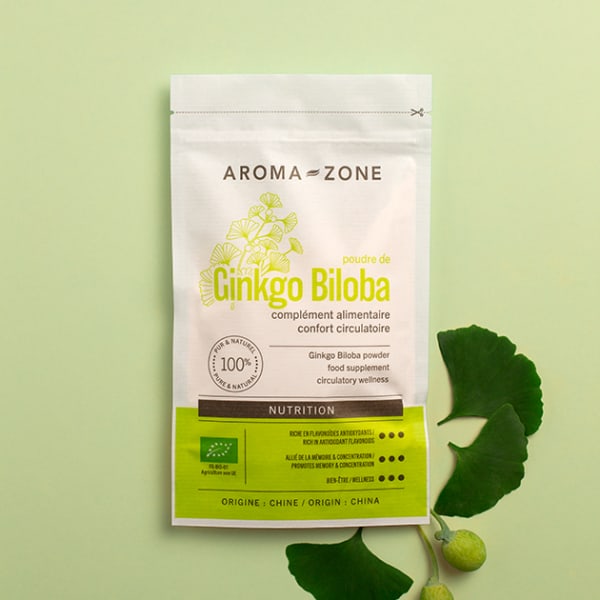
Organic Ginkgo biloba powder
It is rich in flavonoids, known for their beneficial effects on circulation. Use it as a dietary supplement by simply mixing it into a herbal tea, a glass of water or fruit juice, or by sprinkling it over your meals and salads. Recommended dosage: 1/2 level teaspoon (500 to 750 mg) per day. 100% pure and natural, certified organic. For adults only; do not use during pregnancy or whilst breastfeeding; consult your doctor if taking anticoagulants or antidepressants at the same time.
What our customers say
Feedback from our customers supports our R&D teams’ commitment to offering you high-performance products, designed to provide a noticeable sensation of freshness and relief for tired legs.
"Absolutely delighted. It feels refreshing as soon as you apply it and really soothes my legs. It’s brilliant before bed!" Christelle, on the Organic Concentrated Body Care for Light Legs.
"I love the scent and I can feel the benefits as soon as I apply it: my legs feel lighter and I feel as though my blood is circulating better." Julie, on the Organic Calophylle inophyle Oil.
“A good product, easy to mix into drinks. I’ve noticed positive effects on my circulation.” Customer review of Organic Ginkgo biloba powder.
The functional medicine doctor’s opinion
“Why do some people experience heavy legs even when they’re moving around? I’m paying increasing attention to this issue during consultations. It may be linked to dehydration, particularly in summer, but there’s also a hereditary component. Contrary to popular belief, slim people are just as likely to be affected. There is a strong link with the thyroid gland when it is underactive. In herbal medicine, I have found that witch hazel works well (as a dry extract, mother tincture or in combination with other ingredients in complex formulations).”
Dr Yoni Assouly, functional medicine practitioner and author
Precautions
A simple sensation of heavy legs is generally considered harmless, although it can be debilitating in everyday life. If the symptoms seem to be taking up an excessive amount of your life (swelling, heaviness, uncomfortable pain, even at night), it is best to seek medical advice. Similarly, do not delay in taking action if you notice that one of your legs is suddenly red, particularly tight or more swollen than usual – this could be a medical emergency: speak to a healthcare professional as soon as possible.
Focus on Our Writer: Hélène Betoux

Hélène Betoux is a French beauty journalist specialising in web media. Every day she writes tips, advice, and guides to help consumers choose the right beauty products. With a strong interest in natural, organic, and clean cosmetics, she analyses and shares trends and innovations in the sector.
Bibliography
Robertson L, Evans C, Fowkes FG. Epidemiology of chronic venous disease. Phlebology. 2008;23(3):103–11. doi: 10.1258/phleb.2007.007061. PMID: 18467617.
Zöller B., JKi J., Sunquist J., Sundquist K. Family history and risk of hospital treatment for varicose veins in Sweden. British Journal of Surgery, volume 99, issue 7, 2012, pp. 948–953.
Beebe-Dimmer JL, Pfeifer JR, Engle JS, Schottenfeld D. The epidemiology of chronic venous insufficiency and varicose veins. Ann Epidemiol. March 2005;15(3):175–84. doi: 10.1016/j.annepidem.2004.05.015. PMID: 15723761.
Carpentier, P, and P Priollet. “Epidémiologie de l'insuffisance veineuse chronique” [Epidemiology of chronic venous insufficiency]. Presse médicale (Paris, France: 1983) vol. 23,5 (1994): 197–201.
Petrascu, F.-M.; Matei, S.-C.; Margan, M.-M.; Ungureanu, A.-M.; Olteanu, G.-E.; Murariu, M.-S.; Olariu, S.; Marian, C. The Impact of Inflammatory Markers and Obesity in Chronic Venous Disease. Biomedicines 2024, 12, 2524. https://doi.org/10.3390/biomedicines12112524
Scott, T E et al. “Risk factors for chronic venous insufficiency: a dual case-control study.” Journal of Vascular Surgery vol. 22, no. 5 (1995): 622–8. doi:10.1016/s0741-5214(95)70050-1.
Orr L, Klement KA, McCrossin L, O’Sullivan Drombolis D, Houghton PE, Spaulding S, Burke S. A Systematic Review and Meta-analysis of Exercise Intervention for the Treatment of Calf Muscle Pump Impairment in Individuals with Chronic Venous Insufficiency. Ostomy Wound Manage. August 2017;63(8):30–43. doi: 10.25270/owm.2017.08.3043. PMID: 28873064.
Ulloa JH. Micronised Purified Flavonoid Fraction (MPFF) for Patients Suffering from Chronic Venous Disease: A Review of New Evidence. Adv Ther. 2019 Mar;36(Suppl 1):20–25. doi: 10.1007/s12325-019-0884-4. Epub 13 Feb 2019. PMID: 30758743; PMCID: PMC6824339.
Debuigne G., Couplan F., Petit Larousse des Plantes médicinales, Larousse, Paris, 2009, p. 298.

Frequently Asked Questions
Associated tips
Skin care tips
Skin care tips


