Home Remedies to Reduce Swelling in the Legs

Home Remedies to Reduce Swelling in the Legs


By Marine Leleux

Published on: Thursday, May 30, 2024, Updated on: Wednesday, October 28, 2026

Swollen legs occur when fluid builds up in the tissues of the lower limbs. This is often caused by poor lymphatic circulation and inefficient blood return to the heart. Because it's uncomfortable, swollen legs can also signal an underlying circulatory imbalance. In this article, you’ll learn the causes and symptoms of this condition, along with traditional home remedies to help reduce leg swelling.

Contents

Related products

What Are Swollen Legs?

Before reviewing effective home remedies for reducing leg swelling, it is essential to understand what is meant by the term ‘swollen legs’. This term refers to oedema in the lower limbs. Oedema manifests as abnormal swelling of the leg due to fluid accumulating between tissue cells. This build-up occurs when the lymphatic system is overloaded or when blood circulationis not optimal. This results in a sensation of swollen legs, ankles and feet.

Which fluids cause the legs to swell?

When the legs swell, two types of fluid accumulate in the legs: 

Blood plasma: The liquid component of blood. When blood vessels are under significant pressure or become permeable, plasma can leak out and accumulate in surrounding tissues, leading to oedema.

Lymph: A clear fluid circulating in the lymphatic vessels. It carries substances such as cellular waste and immune cells. When the lymphatic system is blocked, lymph can build up locally, leading to oedema.
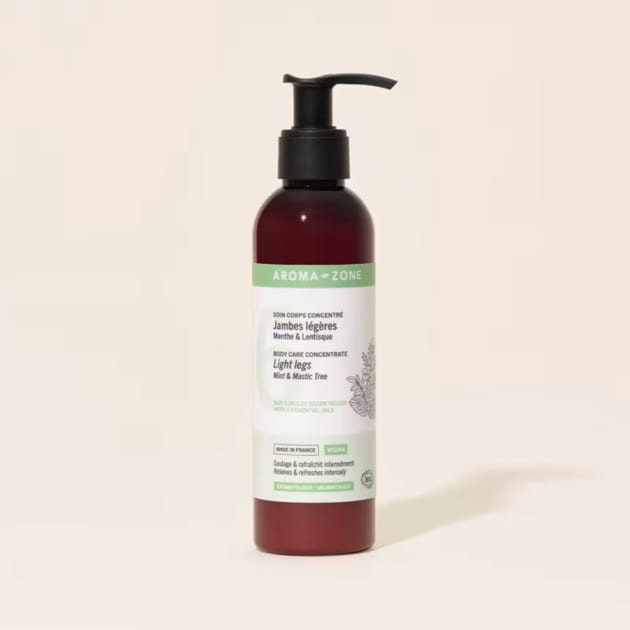
Please note: Swollen legs are common and usually harmless. However, they may signal an underlying health problem. A medical consultation is necessary to determine the root cause of this imbalance and help reduce long-term leg swelling.

Why Might Legs Become Swollen?

Swollen legs can have several causes, which vary from person to person. Here are the main reasons why you might have swollen legs:

A Sedentary Lifestyle

When we exercise, the muscles in our legs act as a pump, helping blood circulate efficiently. A sedentary lifestyle can impair circulatory and lymphatic health and contribute to fluid build-up in the lower limbs and the development of oedema.

Being Overweight

When we gain too much weight, our blood vessels are under greater pressure, which can impair blood flow. This leads to more frequent fluid leakage into surrounding tissues, and the legs become swollen more easily.

Hormonal Imbalance

During periods of hormonal change, such as pregnancy, menstruation, or menopause, blood vessel walls can become more permeable, leading to fluid leakage into the legs. Oestrogen is particularly likely to cause fluid leakage and water retention in the legs.

Salt Intake

The sodium contained in the salt we consume tends to increase the osmotic pressure in our bodies. This can lead to water retention in the legs and contribute to oedema. Consuming too much salt can therefore contribute to heavy, swollen legs.

Liver Fatigue

The liver is an essential detoxifying organ that helps maintain proper blood circulation. When the liver becomes overworked or congested, blood can thicken and struggle to circulate effectively. If you have swollen legs and poor venous return, your liver may need a bit of attention.

Exposure to Heat

When our legs are exposed to heat (hot weather, saunas, hot baths, sunshine, underfloor heating, etc.) for a long period of time, the blood vessels may dilate, increasing vascular permeability. Furthermore, excessive heat can lead to dehydration, which the body often counteracts by retaining fluids.

What Are the Symptoms Associated with Swollen Legs?

Swollen legs are not simply a matter of increased volume. They are often accompanied by quite recognisable sensations, which can vary in intensity depending on the time of day and the individual:

  • A feeling of heaviness in the legs: The legs feel as though they’re a burden to carry, especially towards the end of the day. You may feel the need to elevate them for relief

  • Swelling of the feet, ankles or calves: The contours become less defined, and shoes may start to feel tight sooner than usual

  • Taut, shiny skin: The skin appears smoother, sometimes a little taut, as if it lacks suppleness

  • Reduced flexibility in the ankle: Movements may feel stiffer, particularly when walking or bending

  • Tingling: You may experience a slight tingling sensation from time to time

  • Numbness: Certain areas feel less sensitive, as if they were ‘asleep’

  • More visible varicose veins: Veins may stand out more or become more pronounced

  • Warmth in the legs: A general sensation of warmth may be felt, for no obvious reason

  • Tightness in the calves: The muscles may feel tight or under pressure

  • Indentations that remain after pressure: An indentation may remain for a few seconds when pressure is applied to the skin.

Please note: these symptoms may vary from person to person. If you experience symptoms associated with swollen legs or oedema of the lower limbs, contact your GP for a diagnosis. 

Who is likely to suffer from heavy, swollen legs?

Anyone can experience heavy legs or oedema in the lower limbs at some point in their life. However, certain people are more prone to developing a sensation of swollen legs:

  • People with venous insufficiency: venous insufficiency prevents blood from flowing back to the heart efficiently. People with poor circulation may therefore suffer from blood stasis and experience a sensation of heavy legs in their lower limbs

  • Older people: as we age, veins become less elastic and venous valves become less effective. Blood then circulates less efficiently and may begin to pool in the legs

  • Pregnant women : during pregnancy, the uterus exerts significant pressure on the pelvic veins. This can increase venous pressure in the lower limbs and lead to a feeling of heavy legs

  • People who are overweight: excess weight increases the pressure on the blood vessels and can hinder the proper return of blood to the heart. Blood pooling in the legs can then lead to a sensation of heaviness

  • People with a history of circulatory problems : people with circulatory difficulties, such as varicose veins, are more likely to experience heavy legs

  • People who lead a sedentary lifestyle : a lack of physical activity gradually reduces the effectiveness of the muscle pump, particularly in the calves. This can lead to a build-up of blood in the legs, causing a feeling of heaviness in the lower limbs.

Please note: Generally speaking, women are more prone to circulatory problems in the lower limbs than men. 

Which Natural Routine Can Help Ease Swollen Legs?

To reduce leg swelling naturally, you can try gentle, natural, and effective solutions depending on your needs. Here are our recommendations: 

Which Home Remedies Can Help Ease Swollen Legs Naturally?

Swollen legs can be uncomfortable in everyday life and affect a person's well-being. To help you gently reduce swelling in your legs and restore balance, we recommend following these natural tips:

  • Elevate your legs: Raising your legs several times a day can promote better blood return and reduce the sensation of swollen legs. To practise this circulation-boosting method, position yourself so your feet are above your heart. For example, lie down on your bed with a few pillows under your feet for 10 to 15 minutes twice a day

  • Get some exercise: To enjoy optimal blood circulation, make sure you keep moving! Physical activity helps prevent fluid build-up in the lower limbs. Twenty minutes a day of brisk walking, swimming, cycling, etc. is enough to promote effective venous return.

  • Stay hydrated: Adequate hydration is essential to avoid problems with swollen legs. When you drink enough, your blood volume remains at an optimal level, and your body does not need to retain fluids

  • Eat a balanced diet: A high-fibre diet supports digestion and effectively prevents constipation. When bowel movements are regular, venous pressure remains healthy and venous return from the legs to the heart is facilitated

  • Have foot baths: Hydrotherapy is an excellent way to support blood and lymphatic circulation. Cold water causes vasoconstriction in the legs and effectively reduces the sensation of swelling. Soak your feet and ankles in a bowl of cold water for 15 to 20 minutes.

  • Treat yourself to a lymphatic drainage session: To gently reduce swelling in your legs, why not try performing your own lymphatic drainage at home? Learn how to perform lymphatic drainage yourself.

Which Natural Solutions Can Help Ease Swollen Legs?

You can reduce leg swelling naturally with gentle, natural products that respect your body’s needs. To take this a step further and help you regain a feeling of lightness in your legs, do take a look at the natural solutions below: 

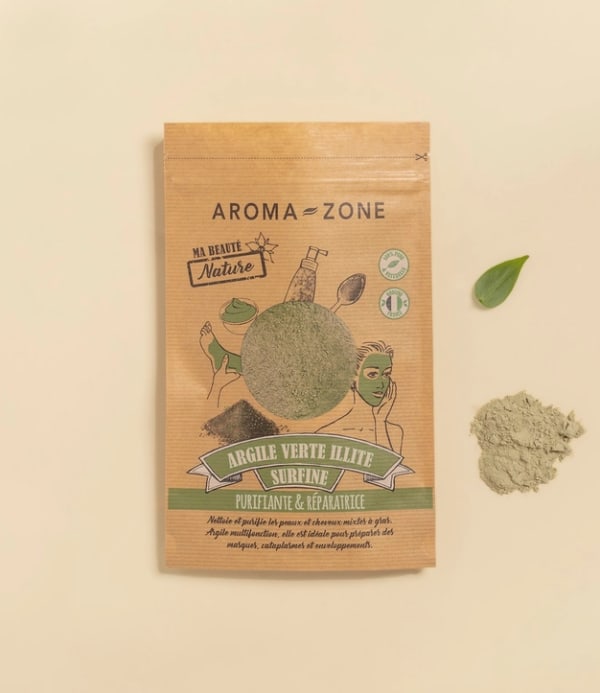
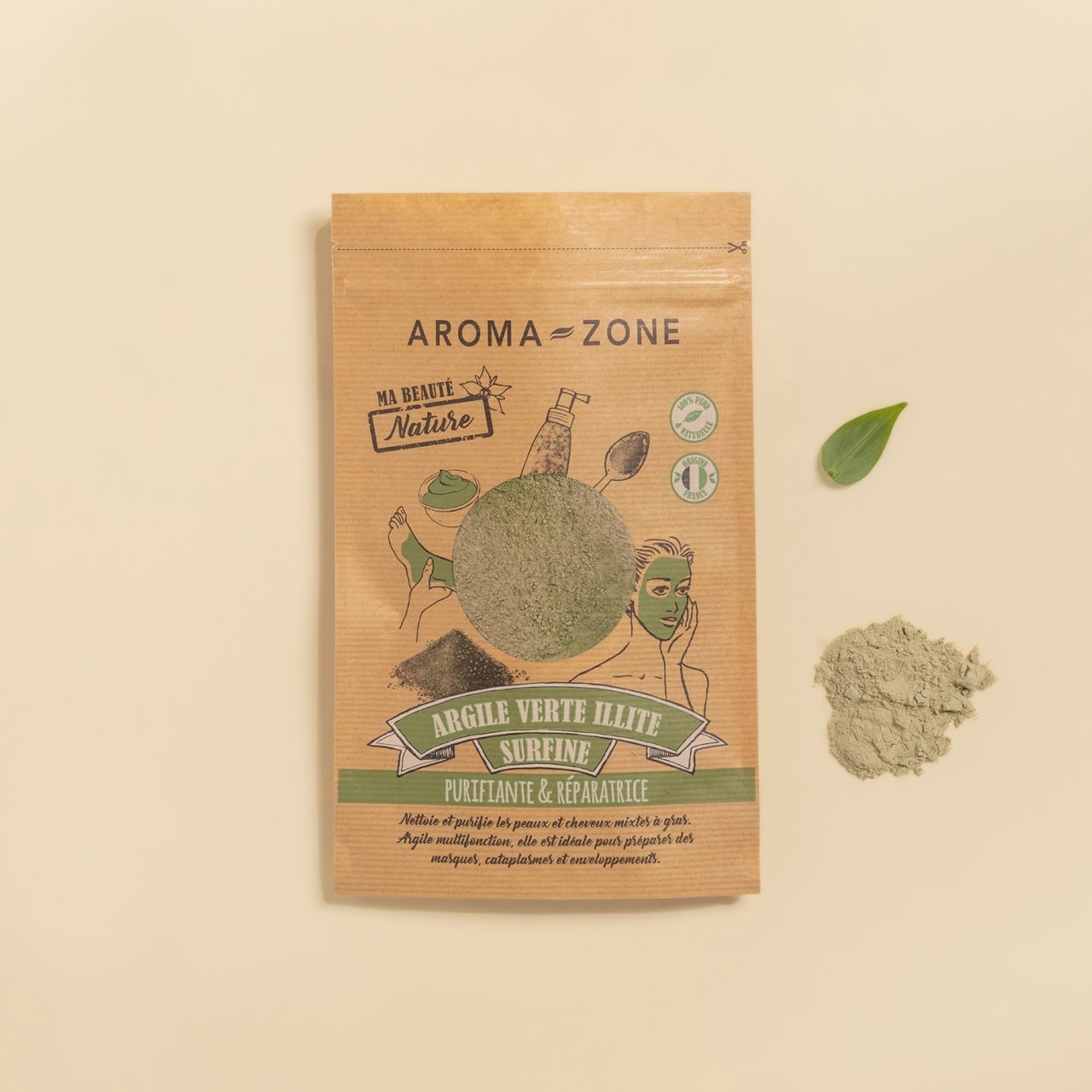
Green clay is renowned for its absorbent and decongestant properties, making it an ideal choice for applying poultices to heavy or swollen legs. It helps create a sensation of freshness and lightness while naturally purifying the skin. It is a useful natural solution to complement a routine that promotes leg comfort. For swollen legs, use superfine illite green clay in a poultice or wrap, mixed with water until a smooth paste forms. You can also incorporate it into certain homemade cosmetic preparations, such as gels or creams, according to the recommended dosages. Because the clay is insoluble in both water and oil, always use it as a paste or dispersion. 

Warning: This product is powdery and must be handled with care, avoiding inhalation and keeping it away from draughts; keep it out of reach of children, do not reuse it after use, and preferably use wooden or stainless steel utensils to avoid contact with oxidisable metal.

Discover Superfine Illite Green Clay

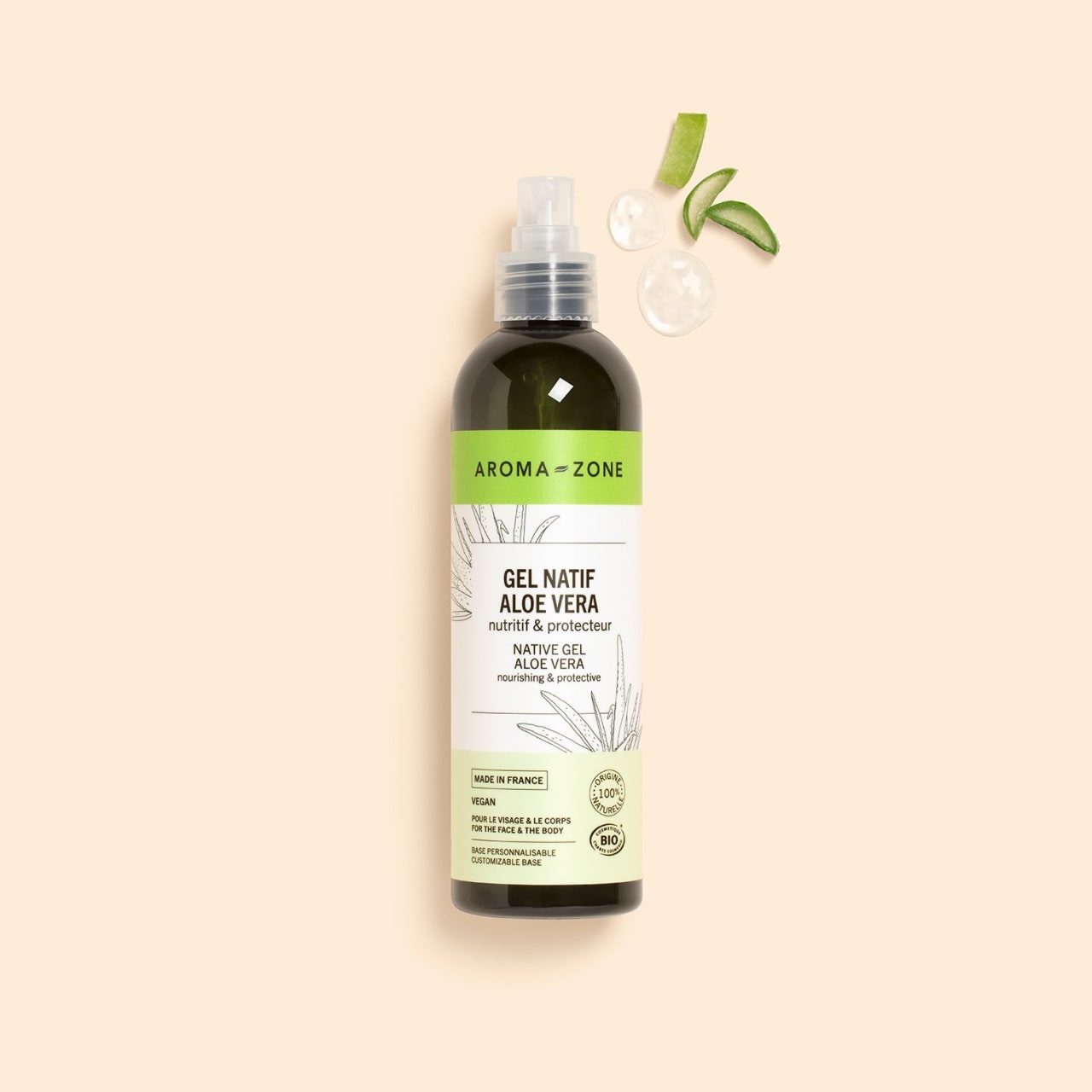
Organic Aloe Vera Gel

Aloe Vera (Aloe barbadensis) is renowned for its moisturising and soothing properties. Its gel helps keep skin comfortable. When massaged into the legs, it provides a cooling sensation whilst leaving the skin soft and moisturised. Its light texture and rapid absorption make it pleasant for daily use and a good complement to a leg massage. It can be used as a base for a ‘light legs’ treatment, incorporating suitable water-soluble active ingredients. It can also be added cold to a cosmetic formulation at a concentration of 5 to 10 per cent to enrich the formula. However, it cannot be mixed directly with vegetable oils or essential oils, except as part of a two-phase treatment.

Warning: This product is for external use only. It must be kept out of reach of children and do not swallow; avoid direct contact with the product in the bottle to minimise the risk of contamination. This product is intended for adults only; slight browning may occur over time, without affecting the quality of the gel.

Discover our Organic Aloe Vera Gel

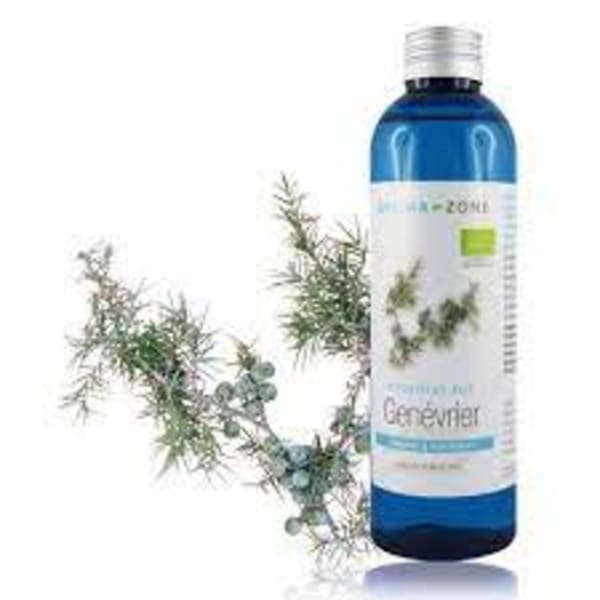
Juniper hydrosol (Juniperus communis) is traditionally used to help restore a feeling of lightness to the legs. As an ingredient, juniper hydrosol can be incorporated into a suitable preparation, such as a gel, lotion, or leg-lightening treatment. Do not use it undiluted on the skin; it can be used to make homemade treatments designed to provide a sensation of freshness and comfort to tired legs.

Please note: As hydrosols are sensitive, preservative-free products, store them in the fridge and use within 6 months of opening. When making homemade preparations, use clean hands and disinfected equipment, and stop using the product if its appearance or smell changes.

Discover our Organic Juniper Hydrosol

What to Do If You Have Leg Pain

Leg pain can have many causes and is sometimes linked to poor venous return, especially when accompanied by heaviness or swelling. In most cases, it is harmless and subsides with a little rest, movement or a few adjustments to your daily routine. However, it is important to watch how it develops. Very severe, unusual pain, or pain that persists despite rest may indicate a problem that requires medical advice. Similarly, if the pain is accompanied by significant swelling, redness, or a localised sensation of heat, seek medical advice without delay. If in doubt, do not hesitate to speak to your GP. Only they can identify the cause of the pain and recommend a course of treatment tailored to your situation.

Precautions

The advice provided in this article is for information purposes only and is not a substitute for the advice of your doctor or another healthcare professional. If you have persistent circulatory problems, if your symptoms worsen, or if they appear suddenly, seek medical advice to identify the cause. Use the natural remedies presented in this article in accordance with the recommendations on their product information sheets. In particular, be sure to follow the recommended doses, instructions for use and any precautions specific to each product. Finally, some products are not suitable for everyone. They may be contraindicated during pregnancy or whilst breastfeeding, for children, or if you are taking certain medicines. If in doubt, it is always best to seek advice from your doctor or pharmacist before using them.

Expert advice

There is no single miracle cure for reducing leg swelling in the long term; rather, it requires a combination of simple steps to incorporate into your daily routine. A holistic approach is ideal for achieving profound and lasting results. Diet plays an important role, as does regular exercise and avoiding long periods of inactivity. At the same time, certain natural treatments can provide real support: gentle massages, decongestant ingredients, or drainage routines that help restore a feeling of lightness. Above all, it is the consistency and synergy of these different approaches – a healthy lifestyle, exercise, a balanced diet and appropriate treatments – that enable the best results to be achieved over time.

Spotlight on Our Naturopathic Writer: Marine Leleux

Photo_Marine_Leleux.jpg

Marine is a naturopath specialising in children’s well-being and a parenting coach. With 10 years’ experience supporting families, she now channels her passion into serving her community by sharing natural and caring advice.

Bibliography

  1. Cazaubon, M. (2015). No More Heavy Legs: A Practical Guide to Beautiful Legs for Life. Éditions Alpen.

  2. Cleveland Clinic. (2023). Edema (swelling): causes and treatment.

    https://my.clevelandclinic.org/health/diseases/12564-edema

  3. National Health Service (NHS). (2023). Oedema (swollen ankles, feet and legs).

    https://www.nhs.uk/conditions/oedema/

  4. Pittler, M. H., & Ernst, E. (2000). Horse chestnut seed extract for chronic venous insufficiency. Archives of Internal Medicine.

    https://pubmed.ncbi.nlm.nih.gov/23152216/

  5. Martín Jiménez, A., Ortega Nieto, C., Lista, S., et al. (2025). Effectiveness of complex decongestive therapy in patients with chronic venous insufficiency: A systematic review.

    https://www.ovid.com/journals/phle/abstract/10.1177/02683555251333000~effectiveness-of-the-different-components-of-complex

  6. European Medicines Agency (EMA). (2012). Assessment report on Juniperus communis L., fructus.

    https://www.ema.europa.eu/en/documents/herbal-report/final-assessment-report-juniperus-communis-l-pseudo-fructus-galbulus-revision-1_en.pdf

  7. Carretero, M. I. (2002). Clay minerals and their beneficial effects upon human health. Applied Clay Science.

    https://www.sciencedirect.com/science/article/abs/pii/S0169131701000850

Frequently Asked Questions

Frequently Asked Questions

Associated tip