
The lymphatic system is a network of vessels, nodes, and lymphoid organs (spleen, thymus, tonsils, bone marrow) that functions in parallel with the blood system. It transports lymph, a clear fluid containing white blood cells, nutrients and metabolic waste. Unlike blood, which is pumped by the heart, lymph circulates through muscle movement, breathing, and contractions of the walls of the lymphatic vessels. This system plays several essential roles: it removes toxins and metabolic waste accumulated in the tissues, transports dietary fats into the bloodstream and activates the immune system through the lymph nodes, which filter out pathogens. When lymphatic circulation is optimal, it contributes to cellular balance, the body’s detoxification, and the proper functioning of the body’s natural defences. A dysfunction of the lymphatic system can disrupt the elimination of toxins and contribute to various circulatory disorders.

Lymphatic Circulation: How Can You Stimulate It?
Published on: Thursday, April 17, 2025, Updated on: Wednesday, October 07, 2026
Lymphatic circulation plays an essential role in maintaining our overall health. This complex, often overlooked system is responsible for eliminating toxins, transporting nutrients and supporting immune defence. However, poor lymphatic circulation can lead to various issues, ranging from swollen legs to genuine oedema. In this article, discover the causes of a sluggish lymphatic system, the associated symptoms and natural solutions to help stimulate it effectively.
Contents
Related products
£7.00
1 article
Weight management
£22.00
120 g
Cleansing
Anti-blemishes
£5.50
500 g
Firming
£11.00
100 ml
In brief
Stimuler la circulation lymphatique est utile pour limiter les sensations de jambes lourdes, favoriser l’élimination des toxines et soutenir le système immunitaire, mais cela ne remplace pas un avis médical en cas de troubles circulatoires avérés.
Les méthodes proposées incluent l’auto-massage, l’activité physique, une bonne hydratation, le brossage à sec ou encore l'utilisation de plantes drainantes.
L’article précise que le drainage lymphatique et les plantes diurétiques sont déconseillés en cas de pathologies circulatoires ou rénales graves.
Lymphatic Circulation: What Is It?
What Causes a Sluggish Lymphatic System?
Several factors can slow down lymphatic circulation:
Lack of physical activity: This is one of the main causes, as movement is essential to stimulate lymph flow. Unlike blood, lymph is not pumped by an organ such as the heart; it circulates thanks to muscle contractions.
Insufficient hydration: This can thicken the lymph, slowing its flow and reducing its ability to eliminate toxins effectively.
An unbalanced diet: A diet high in salt, refined sugars and processed foods can promote water retention, inflammation and the accumulation of metabolic waste.
Chronic stress: Stress can disrupt the nervous and hormonal balance, which can slow down the body’s natural drainage functions.
Excess weight: Overweight can place pressure on lymphatic vessels and reduce their efficiency, impairing proper drainage.
Hormonal fluctuations: Related to the menstrual cycle, pregnancy or menopause, these can promote fluid retention and contribute to lymphatic congestion.
Tight clothing: Very tight trousers, underwear or bras can compress lymphatic vessels and restrict circulation.
Certain medical conditions: Such as venous insufficiency, lymphedema, or metabolic disorders (diabetes, hypothyroidism), which can directly or indirectly slow lymphatic flow.
What Are the Associated Symptoms?
Insufficient lymphatic circulation can lead to various symptoms, indicating a buildup of toxins and poor drainage of bodily fluids:
Water retention and oedema: these are localised swellings (in the legs, ankles, arms or face) caused by an accumulation of fluid in the tissues.
Heavy legs: a feeling of heaviness and muscle fatigue due to lymph stagnation, which disrupts normal flow.
Watery cellulite: this dimpled appearance of the skin is linked to poor elimination of metabolic waste and water retention caused by insufficient lymphatic drainage
Thickened or fibrous skin: the result of insufficient lymphatic drainage, which can lead to a loss of tissue elasticity
General or chronic fatigue: toxin accumulation may contribute to persistent tiredness.
Frequent infections: impaired drainage can weaken the body’s natural defences.
Muscle or joint pain: associated with the buildup of waste products in tissues.
Headaches: insufficient elimination of toxins can contribute to migraines
Dull or blemish-prone skin: reflecting the body’s reduced ability to eliminate metabolic waste.
Swollen lymph nodes: particularly in the neck, armpits or groin, due to system overload.
Digestive issues: bloating, constipation or slow digestion, often linked to inefficient waste elimination.
Aroma-Zone Products That May Help
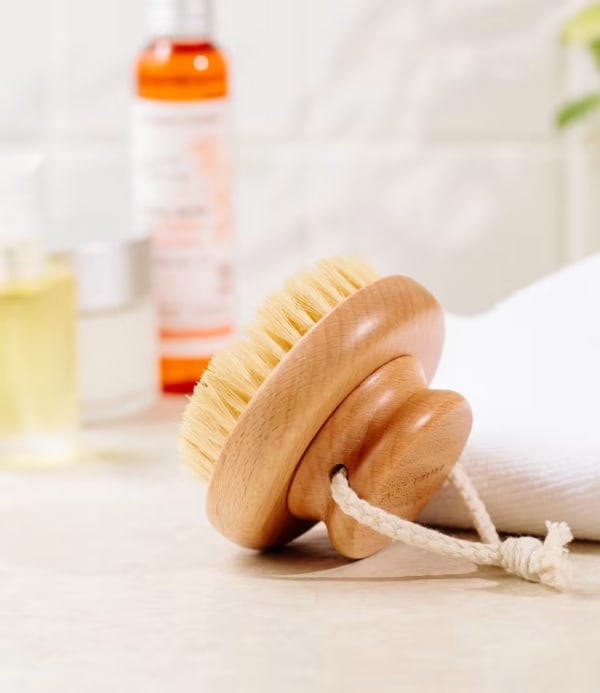
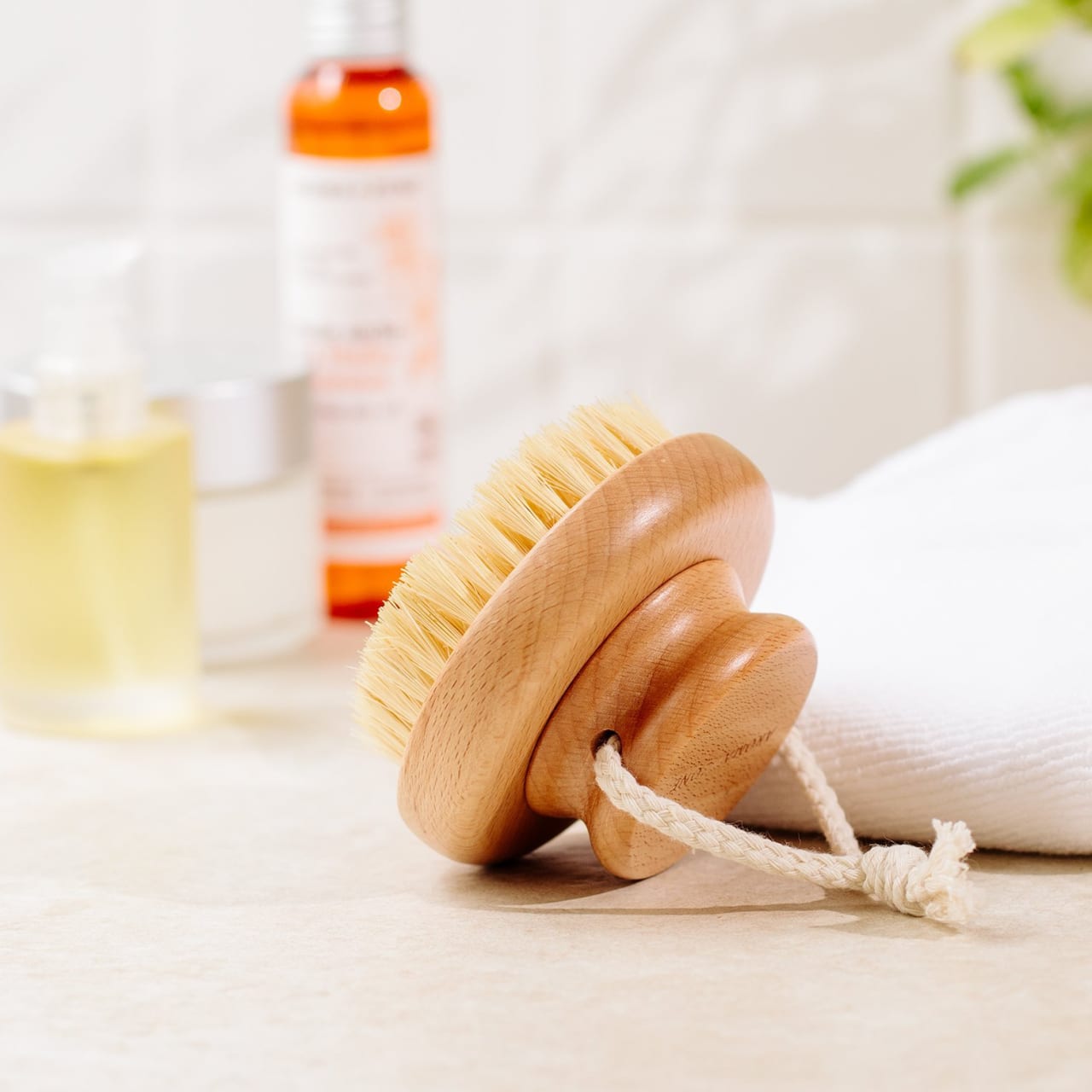
The Lymphatic Drainage Brush
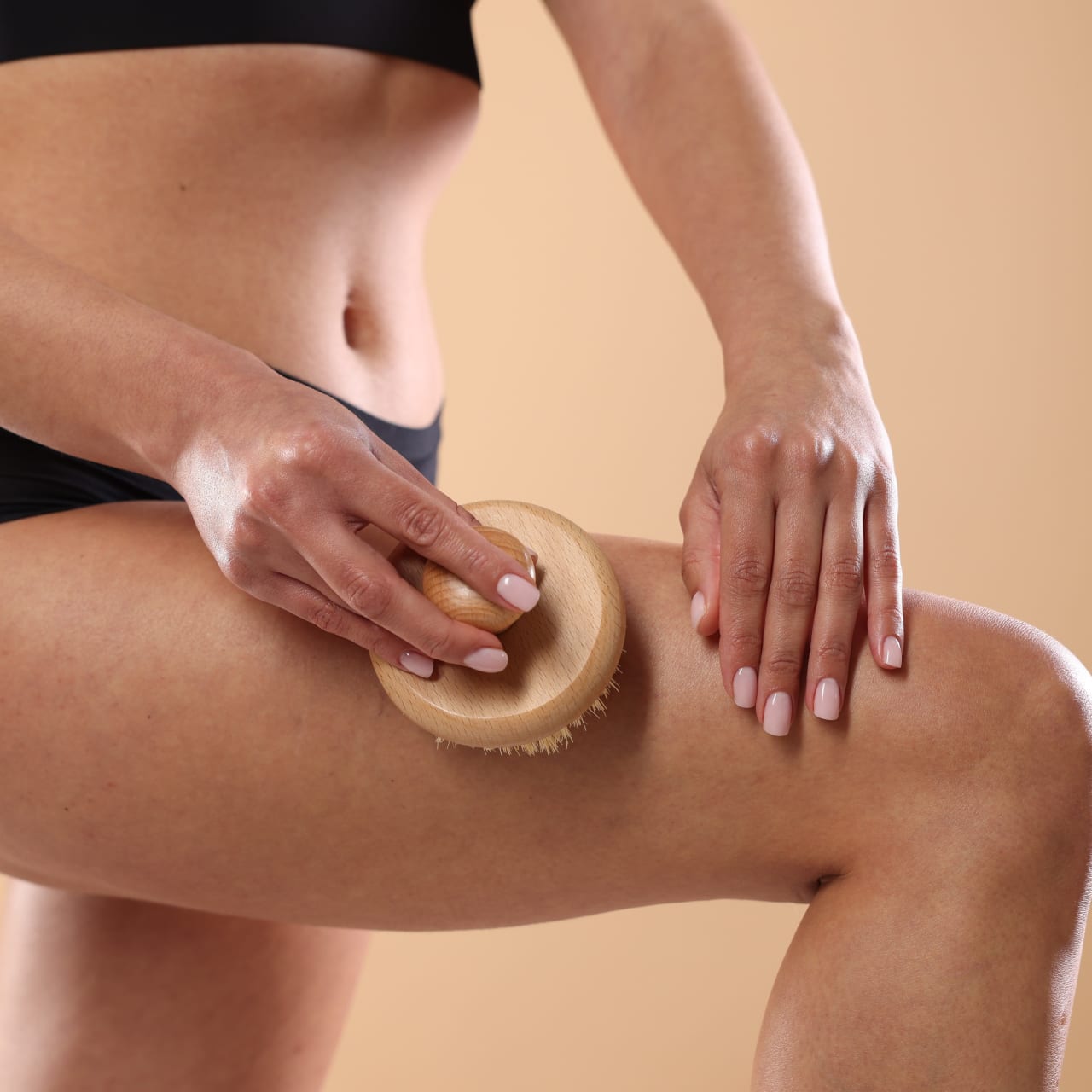
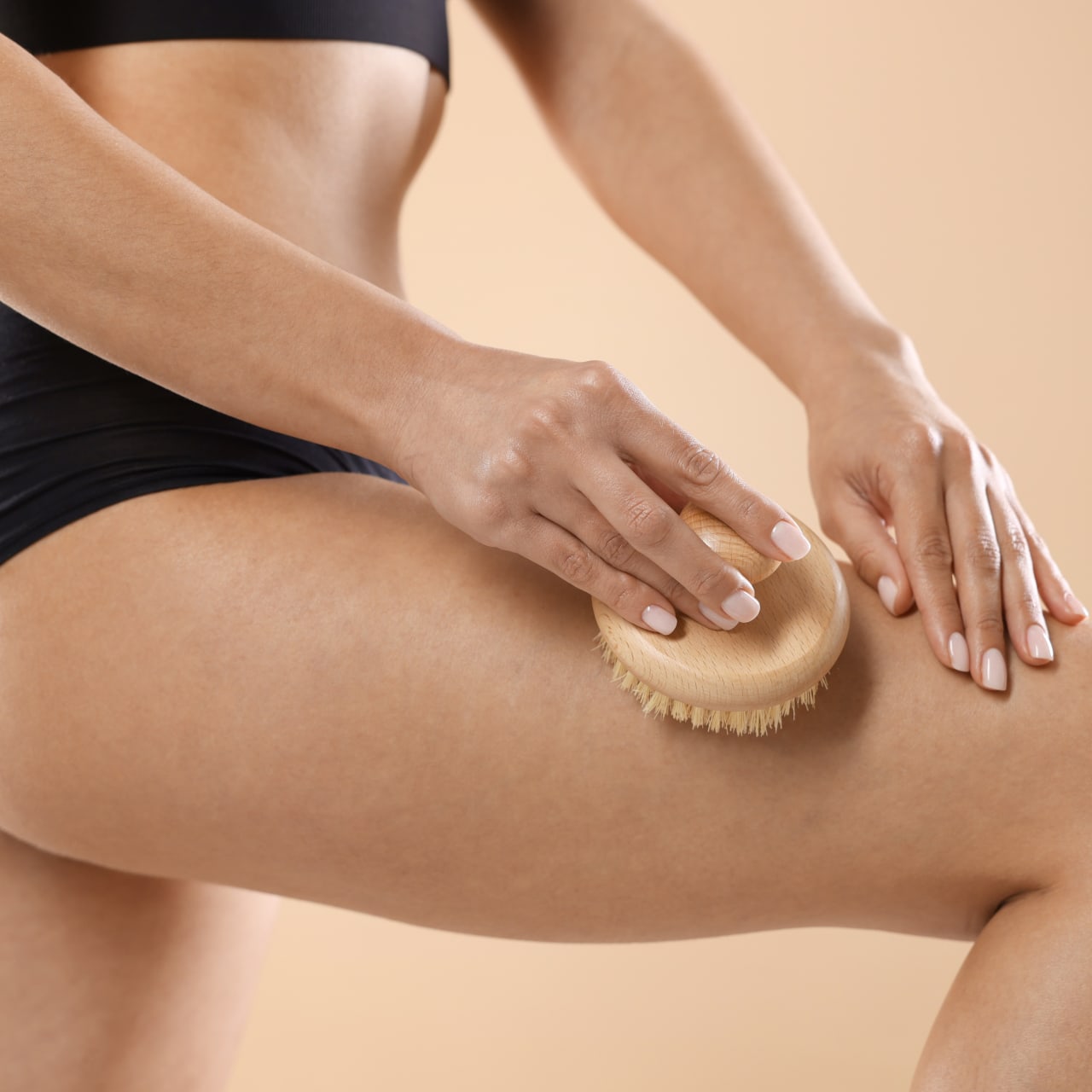
Made from sustainable beech wood and featuring sisal fiber bristles, this brush is ideal for dry brushing. It stimulates skin microcirculation, gently exfoliates the skin, and promotes toxin elimination. Do not use on broken, irritated skin, or in cases of severe varicose veins. Always brush gently on dry skin.
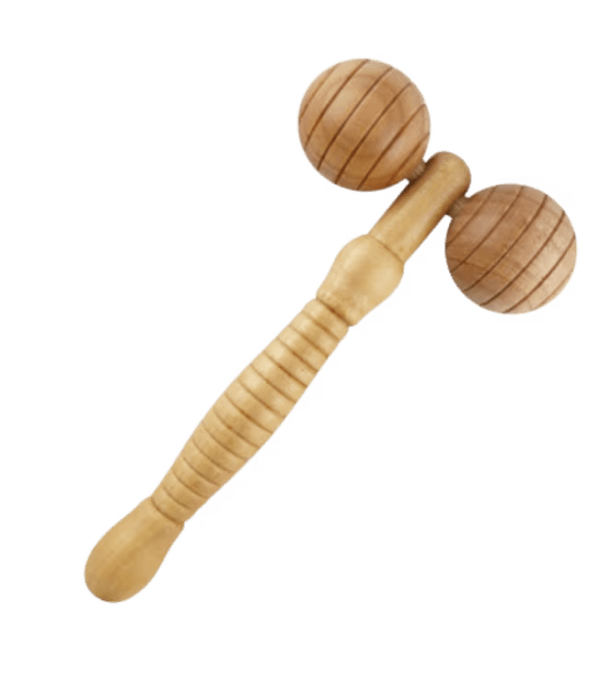
The wooden facial massager
This massager relaxes facial muscles, stimulates microcirculation, and activates lymphatic drainage. Regular use prevents the appearance of wrinkles and fine lines while providing a sense of well-being.
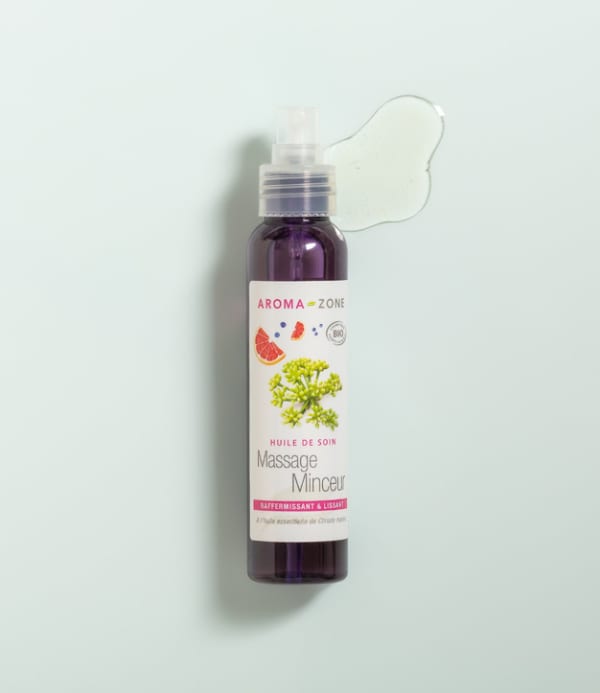
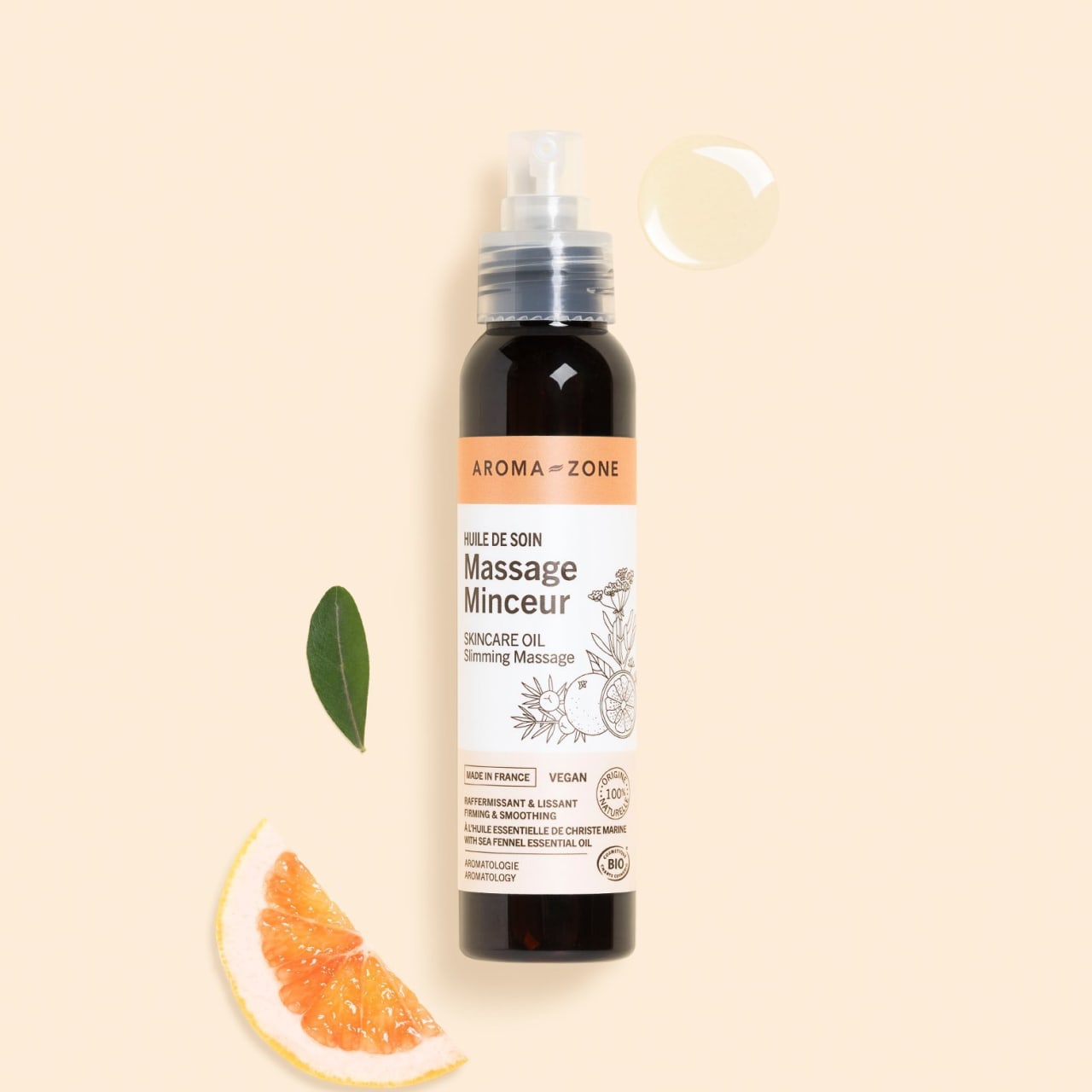
Slimming Massage Oil
Formulated with essential oils of Grapefruit, Sea Buckthorn, and Cedarwood, this organic massage oil is ideal for toning massages. It helps firm the skin and combat the appearance of cellulite, while promoting lymphatic drainage. Do not use on children, pregnant or breastfeeding women. Do not use on irritated or broken skin, or on mucous membranes. Avoid contact with the eyes. In case of contact with the eyes, rinse thoroughly with clean water.

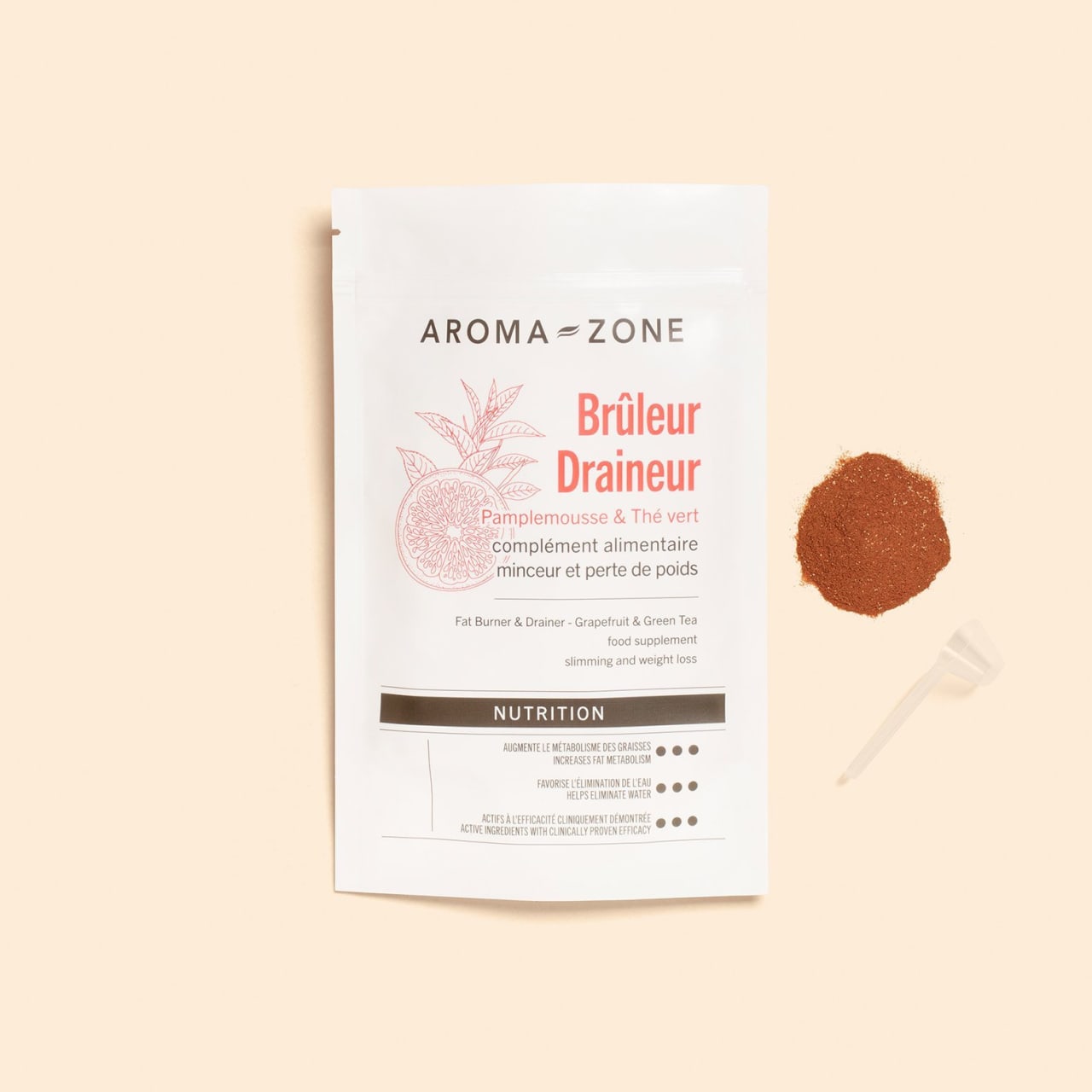
The Brûleur Draineur dietary supplement
This supplement combines patented active ingredients such as Sinetrol® and Cactinea™, along with a polyphenol-rich green tea extract. It promotes lymphatic circulation by activating fat metabolism and stimulating water elimination, thereby helping to reduce water retention and improve body composition. Dilute 2 scoops (equivalent to 4 g) in 1 L to 1.5 L of water and drink throughout the day. Not to be consumed by pregnant or breastfeeding women, or by children under 18 years of age. Do not consume on an empty stomach. Do not consume if you are taking other products containing green tea on the same day. Do not consume more than 800 mg of (-)-3-epigallocatechin gallate (EGCG) per day. Not recommended for individuals with peptic ulcers, heart conditions, or hyperthyroidism. If you are taking medication, consult a healthcare professional.
Discover our Fat Burner & Detox - 120 g - Dietary Supplement
Natural Solutions to Boost Lymphatic Drainage
Boosting lymphatic circulation requires a holistic approach that combines manual techniques, herbs, a healthy lifestyle, and a few simple daily habits.
Physical and Manual Techniques
Movement is one of the fundamental drivers of lymph flow. Certain practices can effectively enhance it:
Manual lymphatic drainage : Lymphatic drainage is a gentle massage, performed by a professional, that restores lymphatic flow and relieves the sensation of heavy legs.
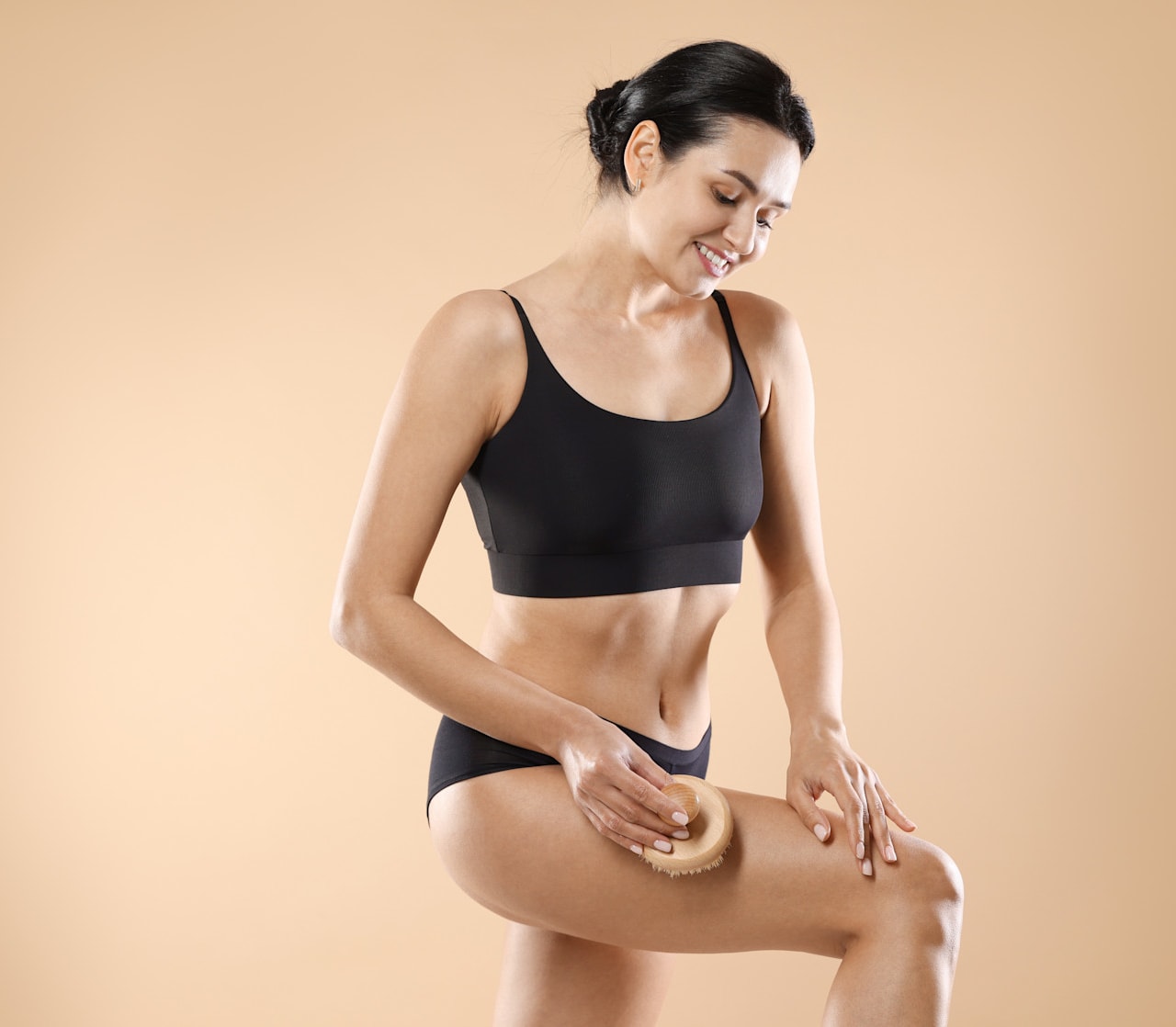
Self-massage or drainage massage: Performed regularly at home, particularly on the legs or the abdomen, helps boost circulation and promotes the elimination of toxins.
Pressotherapy: This technique uses sequential compression boots, which are particularly useful in cases of water retention or oedema in the lower limbs.
Dry brushing: This simple step, performed before showering with a soft brush, stimulates lymphatic microcirculation while exfoliating the skin. To learn more: Everything you need to know about dry brushing
Sauna and warm baths: heat dilates blood vessels, stimulates lymph flow and helps promote the elimination of metabolic waste.
Deep breathing: slow, deep breathing that engages the diaphragm acts as a natural pump, helping to stimulate lymph circulation in the abdominal and thoracic areas.
Leg elevation: sleeping with the legs slightly elevated (using a cushion or bolster) supports overnight drainage and helps prevent poor lymphatic return in the legs.
Cold exposure: a cool shower on the legs can help tone lymphatic vessels and stimulate veno-lymphatic return.
Natural Remedies
Certain plants and natural extracts can support lymphatic circulation by promoting drainage, toxin elimination, and the body’s overall balance:
Classic draining herbs: Dandelion, meadowsweet, and ash stimulate the elimination of excess fluids and relieve the emunctory organs, particularly the kidneys.
Detoxifying herbal teas: Thyme (stimulating and protective) and Nettle (mineralizing and purifying) promote better lymphatic circulation.
Plants that act on the liver: Black radish supports liver function and facilitates the elimination of toxins, thereby contributing to healthy lymphatic function.
Plants for the nervous system: Brahmi (Bacopa monnieri), used in Ayurvedic medicine to reduce stress, helps improve drainage by regulating the nervous system.
Venotonic plants with lymphatic effects: Red vine, well known for improving venous circulation, also has a beneficial effect on lymphatic return, particularly in cases of heavy legs.
Gemmotherapy: Chestnut buds are particularly recommended for reducing edema, promoting lymphatic drainage, and relieving feelings of swelling.
Healthy Lifestyle Habits
A healthy lifestyle remains the foundation for maintaining the proper functioning of the lymphatic system over the long term:
Prioritize adequate hydration : drinking between 1.5 and 2 liters of water per day helps keep the lymph fluid and allows it to effectively perform its elimination function.
Ensure sufficient hydration: drinking between 1.5 and 2 litres of water per day helps keep lymph fluid and allows it to effectively carry out its waste-elimination role.
Engage in regular physical activity: walking daily, practising gentle exercise (yoga, swimming…) or simply moving frequently throughout the day helps prevent lymphatic stagnation.
Follow an anti-water retention diet: prioritise foods rich in antioxidants (berries, citrus fruits), potassium (banana, avocado) and fibre to help reduce fluid retention. Excess salt intake promotes water retention and slows lymphatic drainage. Omega-3s from fatty fish, flaxseeds or walnuts support vascular health and help reduce inflammation.
Avoid tight clothing: restrictive garments (tight trousers, leggings, shapewear) can compress lymph nodes and hinder lymph circulation, especially in body folds.
Manage stress effectively: chronic stress disrupts the autonomic nervous system, which can naturally slow lymphatic drainage.
Promote restorative sleep: good-quality rest supports immune function and helps the body self-regulate lymphatic processes.
Avoid prolonged sitting: changing positions regularly, making small leg movements or standing up frequently helps stimulate circulation.
How to Prevent Swelling: Our Tips
Here are our 10 tips to help maintain good lymphatic health:
Drink enough water throughout the day
Move regularly, even just a few minutes every hour
Massage your skin or practice dry brushing to stimulate the lymphatic system
Wear comfortable clothing that doesn’t constrict your lymphatic vessels
Adopt a healthy diet rich in berries, green vegetables, fiber, and omega-3s, while limiting salt and refined sugar
Practice breathing exercises to stimulate the diaphragm
Alternate between hot and cold water in the shower to boost circulation (Scottish shower)
Sleep with your legs slightly elevated to promote nighttime drainage
Wear compression stockings during long trips (plane, car, etc.) or if you’re standing for long periods
Check in regularly with a healthcare professional to monitor your hormonal balance.
Our homemade recipes to promote lymphatic drainage


Precautions
Lymphatic drainage and diuretic plants should be avoided in cases of serious medical conditions (such as kidney failure, circulatory disorders, or active cancer): always seek advice from a healthcare professional if in doubt.
Expert Tip
This may surprise you, but trampolining is an excellent way to stimulate lymphatic circulation. By bouncing, you activate lymph flow, helping to support the elimination of toxins and improve overall circulation. It is both an effective and enjoyable exercise to support your lymphatic system.
Spotlight on Our Naturopathic Writer, Stéphanie Catrysse

Stéphanie Catrysse, naturopath (certified by FENA), wellness massage practitioner, lymphatic drainage therapist and personal development advisor.
Passionate about natural medicine, she practises with a holistic approach to health.
Bibliography
https://www.msdmanuals.com/fr/accueil/troubles-cardiaques-et-vasculaires/maladies-lymphatiques/pr%C3%A9sentation-du-syst%C3%A8me-lymphatique
https://www.institut-kinesitherapie.paris/actualites/quest-ce-que-le-drainage-lymphatique/
https://bio-et-sante.com/comment-nettoyer-sa-lymphe-au-naturel/
https://www.elsan.care/fr/pathologie-et-traitement/maladies-des-muscles/drainage-lymphatique-definition
https://cancer.ca/fr/cancer-information/what-is-cancer/lymphatic-system
https://rmpq.ca/blogue/ce-que-vous-devez-savoir-sur-le-systeme-immunitaire-et-le-drainage-lymphatique-manuel/
https://welliecare.com/remedes-grand-mere-contre-retention-eau/
https://www.ameli.fr/roubaix-tourcoing/assure/sante/themes/jambes-lourdes/symptomes-causes-facteurs-favorisants
Frequently Asked Questions
Associated tips
Skin care tips
Skin care tips

Skin care tips
Skin care tips
Body Care Tips
Nutrition tips


