Lymphatic drainage: what is it?

Lymphatic drainage: what is it?


By The Aroma-Zone editorial team

Published on: Wednesday, April 26, 2023, Updated on: Friday, October 30, 2026

Lymphatic drainage is a gentle manual technique that supports lymphatic circulation through light, rhythmic pressure. Valued for its effects on physical wellbeing and the appearance of the skin, it has become popular as an accessible wellness treatment. In this article, you’ll discover how it works, when it’s useful, what benefits you can expect and how to easily incorporate it into your routine, either on your own or with a trained practitioner.

Contents

Related products

What is lymphatic drainage?

Lymphatic drainage involves gently massaging the skin to stimulate lymphatic circulation and promote the natural elimination of excess fluids and metabolic waste.

This manual technique was formally documented in the 1930s by Dr Emil Vodder, who sought to relieve patients suffering from chronic congestion using light, rhythmic movements. It is, however, part of a longer history: as early as the late 19th century, the Belgian surgeon Winiwarter was already describing the effects of massage on reducing oedema. In France, the methods developed by Dr Vodder and Dr Leduc remain the main points of reference for this technique.

The lymphatic system is the body’s second major circulatory system, after the cardiovascular system. Lymph circulates between the capillaries and the cells, then passes through the lymph nodes, where it is filtered. Although you may not hear people talking about it day to day, it nevertheless plays a key role in several essential functions, such as supporting the immune system, transporting certain substances and maintaining the water balance of tissues.

Since the 1960s, research into the blood and lymphatic circulatory systems has reinforced the value of these practices, which were originally based on empirical evidence. Today, beyond its aesthetic benefits, lymphatic drainage is recognised for helping to alleviate various functional disorders and improve everyday comfort.
Why try lymphatic drainage?

When the lymphatic circulation system becomes less efficient, the results can be uncomfortable. These may include water retention, localised swelling, a sensation of heavy legs, and stiffness. These symptoms can be persistent, even with regular physical activity or a healthy lifestyle.

In such situations, a lymphatic drainage treatment carried out by a trained practitioner can help to improve lymphatic drainage and reduce certain types of swelling. Studies¹,² show that results vary depending on the individual and the specific condition, but many patients report relief and a feeling of lightness after the sessions.

Lymphatic drainage: before and after – the effects

The visible effects of manual lymphatic drainage have gone viral repeatedly on social media, contributing to its popularity. From a scientific perspective, the literature describes mixed results: some studies indicate a reduction in tissue volume or an improvement in skin appearance, whilst others conclude that the effect is limited.

From an aesthetic perspective, however, lymphatic drainage can help with:

  • visibly smoother skin, particularly where unevenness is linked to water retention.

  • a reduction in certain types of swelling (stomach, legs, areas prone to fluid retention).

  • an improvement in skin texture, thanks to less congested tissue.

  • a more radiant complexion, due to improved local circulation.

When carried out correctly and maintained with an appropriate routine, these effects can last for several weeks. However, it is important to note that results vary from person to person and that the available scientific data do not support claims that the treatment is consistently effective.

What are the benefits of lymphatic drainage?

Manual lymphatic drainage involves very precise movements applied to different areas of the body (neck, torso, abdomen, arms and legs). Depending on your individual needs and treatment protocols, it can help to:

  • stimulate lymphatic drainage: by improving lymph circulation and facilitating the natural drainage of fluids.

  • reduce certain types of swelling: by limiting the build-up of fluid in the tissues, particularly in cases of oedema.

  • alleviating tension: by relaxing congested areas and promoting a sense of comfort.

  • support tissue recovery: when used as part of a comprehensive approach to managing lymphoedema (compression, adapted exercises, skin care).

  • promoting relaxation: through slow manoeuvres that encourage activation of the parasympathetic nervous system.

Scientific evidence varies depending on the indication: some studies show a benefit, while others indicate a limited effect when used on its own. In cosmetic treatments, it is primarily sought after to reduce swelling, smooth the appearance of the skin and improve the radiance of the complexion.

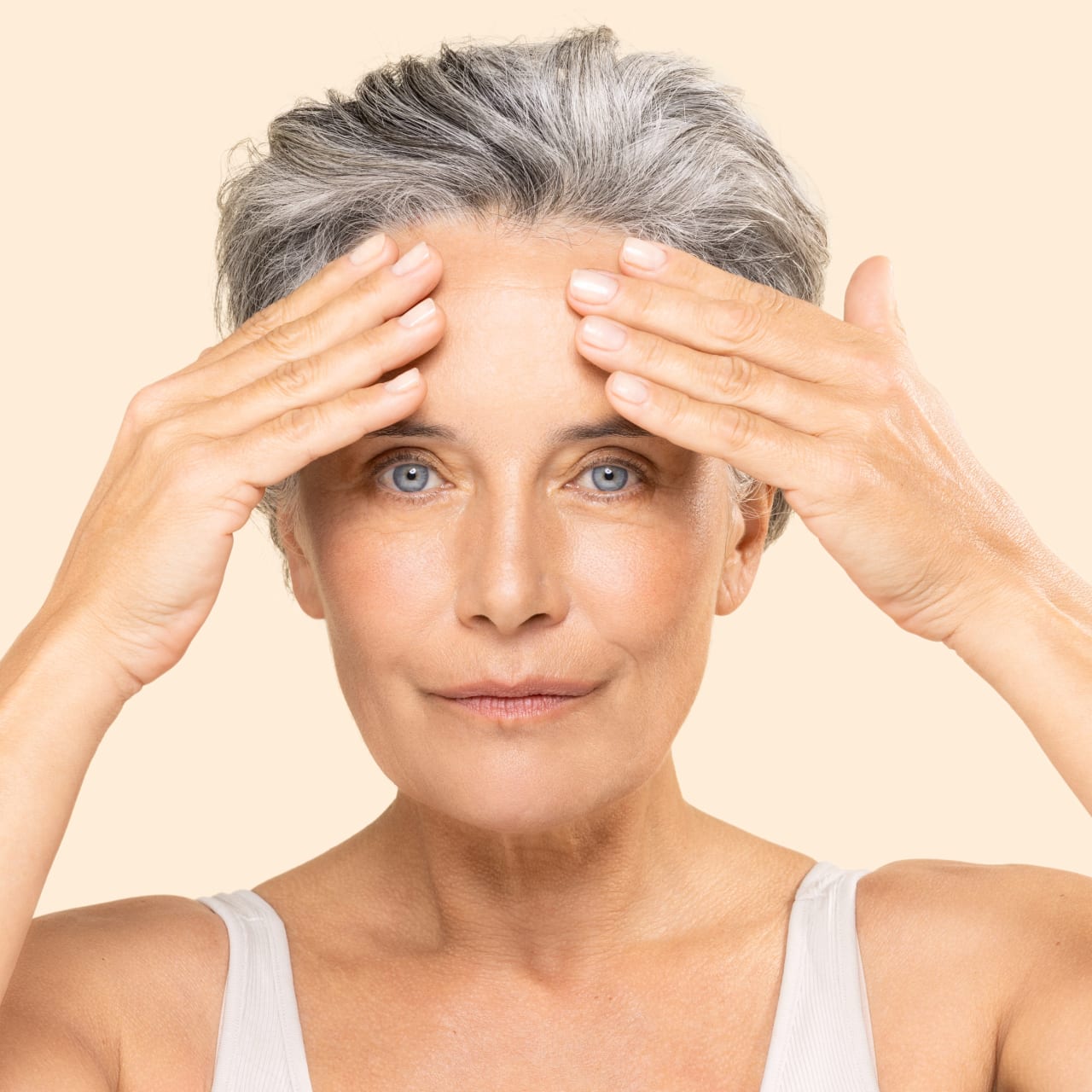
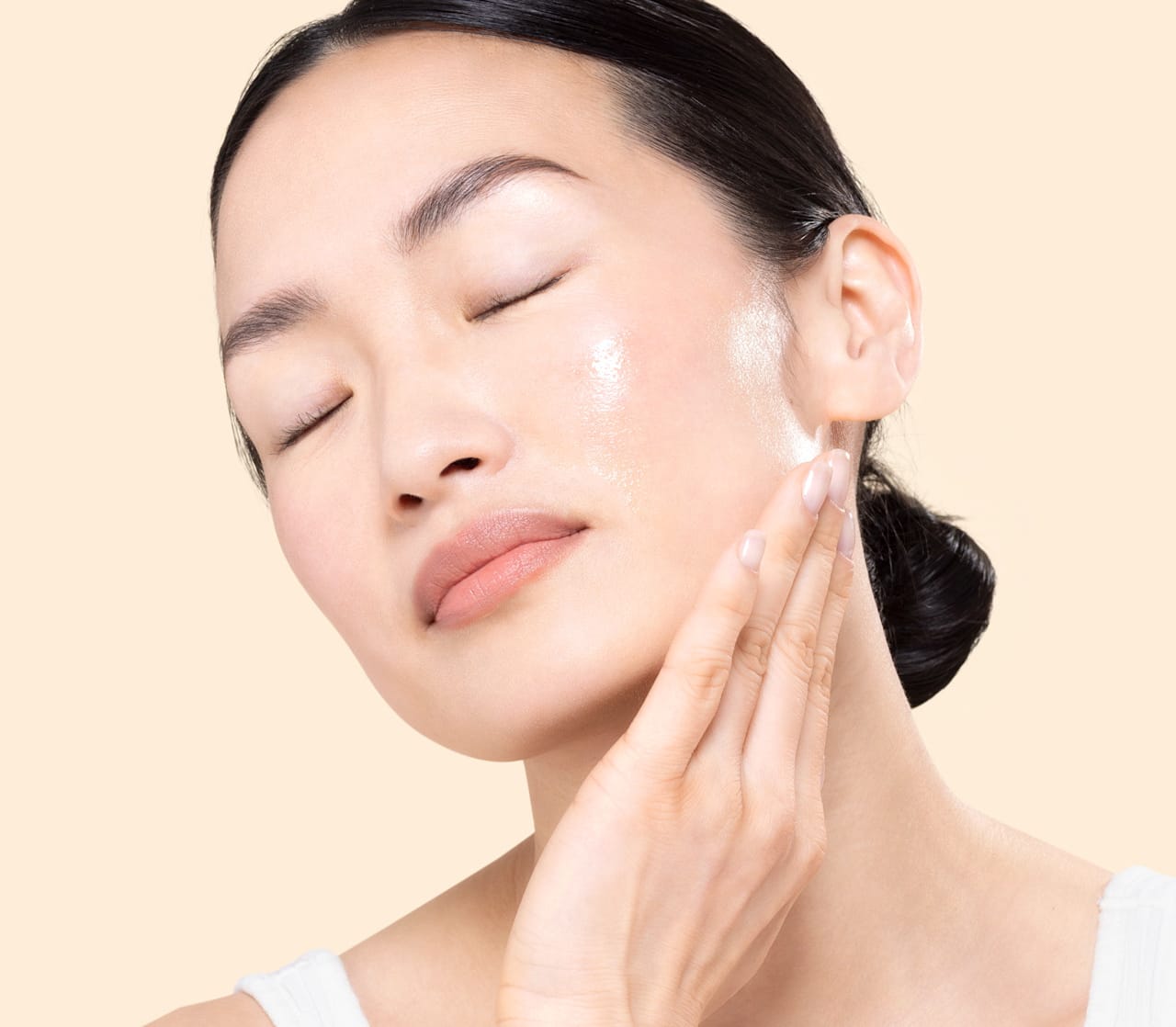
Lymphatic drainage can also be performed on the face, where it helps to reduce puffiness, restore radiance and provide a revitalising effect. Facials often include treatments specifically designed for this area.

Which Aroma-Zone products should you use to support lymphatic drainage?

FT_MS_Brosse-Drainag-JoQWDkIz.avif

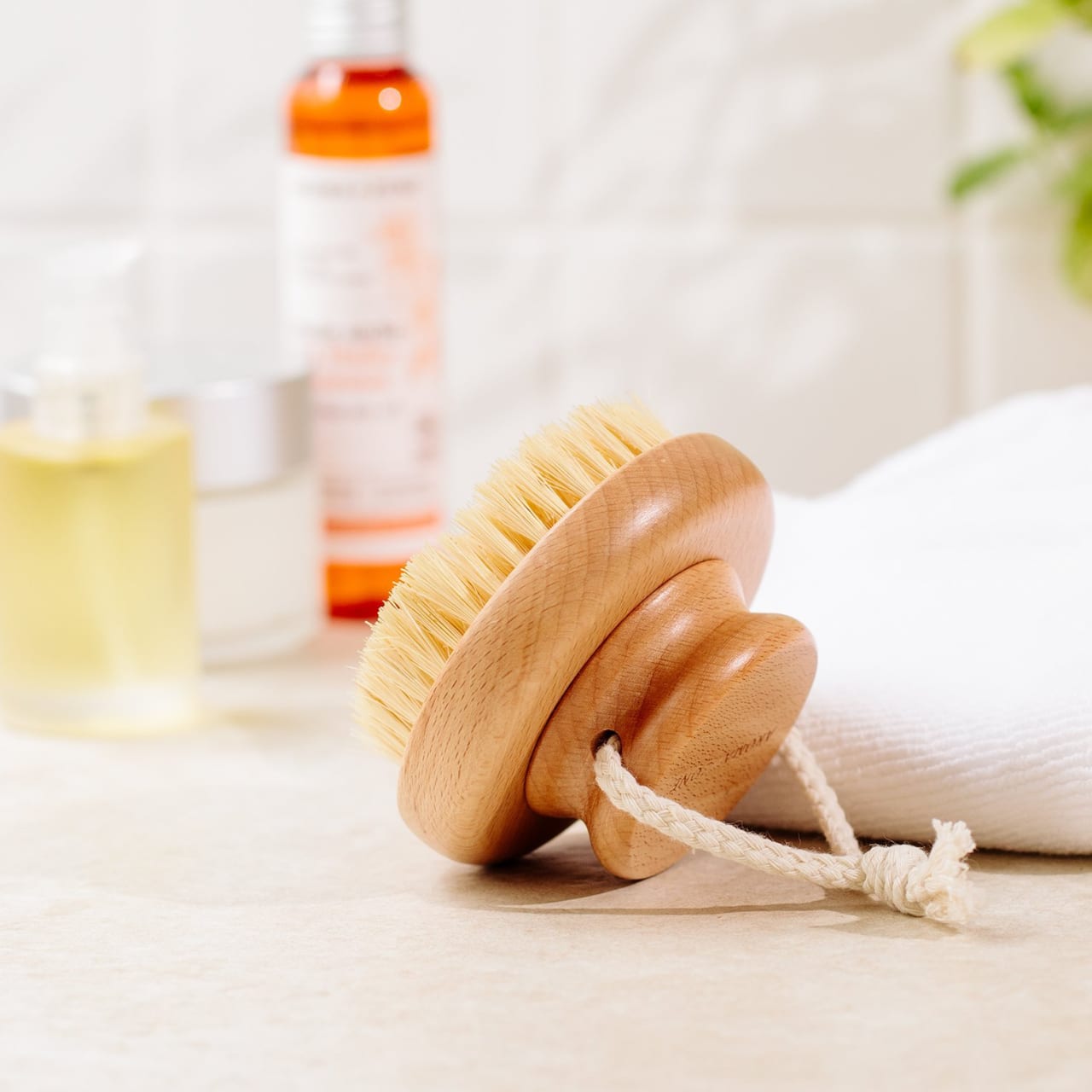
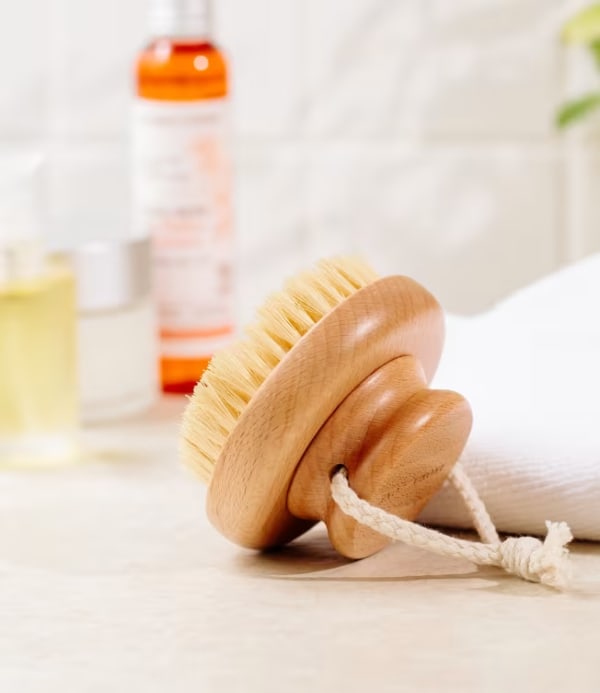
Wooden lymphatic drainage brush

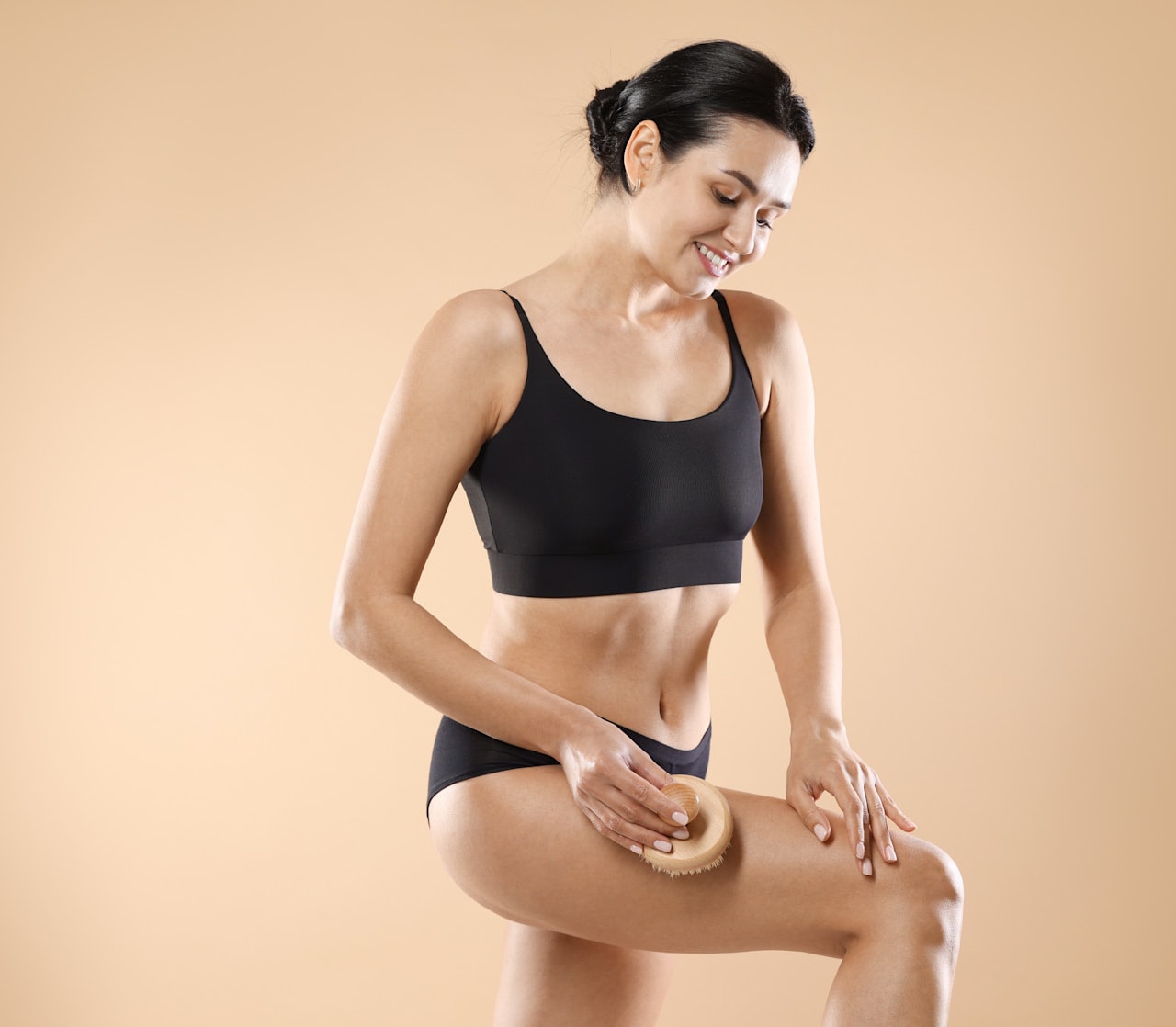
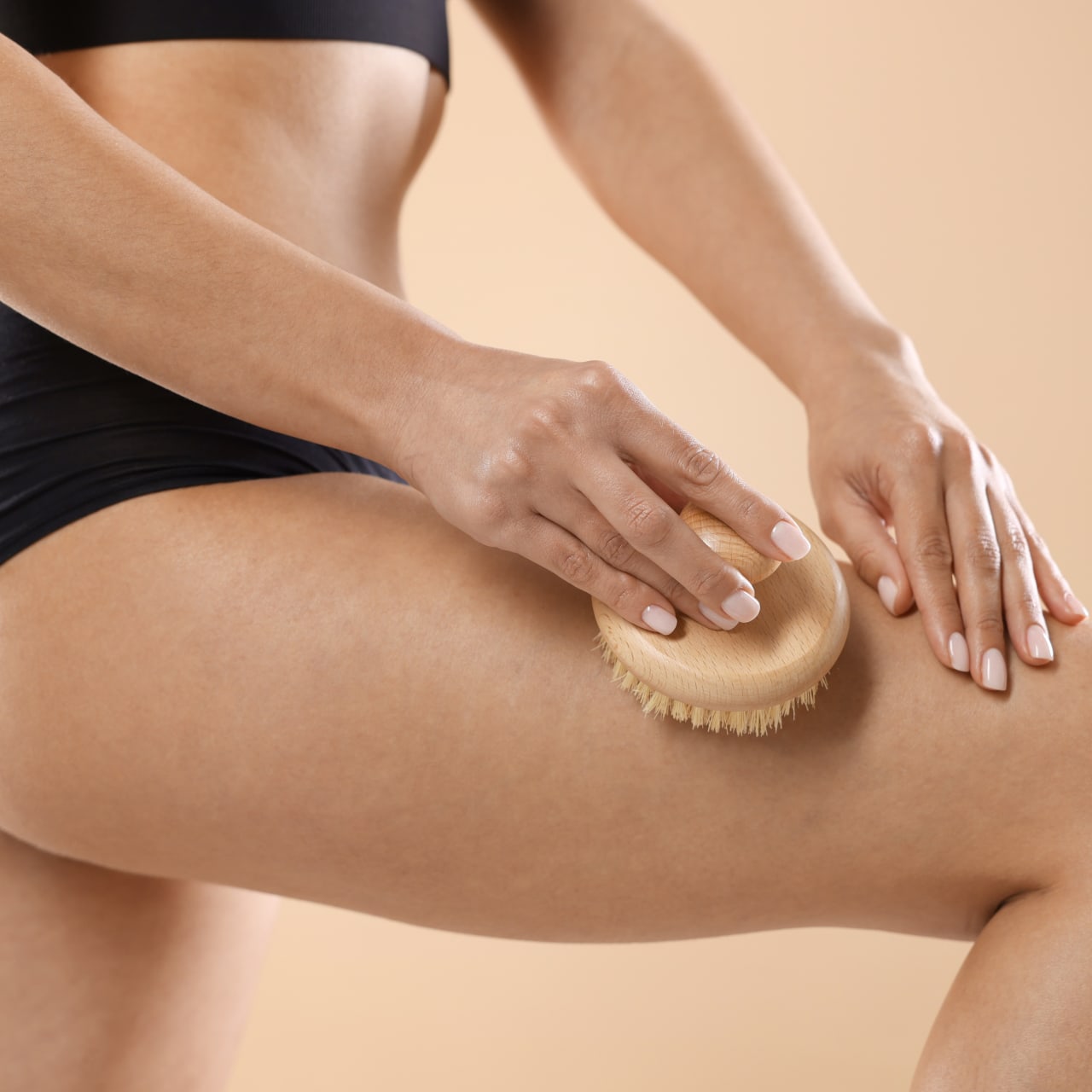
Made from beech wood sourced from sustainably managed forests and sisal plant fibres, this brush is ideal for dry brushing. Used daily before showering, it stimulates microcirculation, gently exfoliates, gradually tones the skin and helps to reduce the sensation of water retention. Day after day, the skin becomes more supple, radiant and even-toned.

Discover the wooden lymphatic drainage brush.

02547-iw7yIPOt.avif

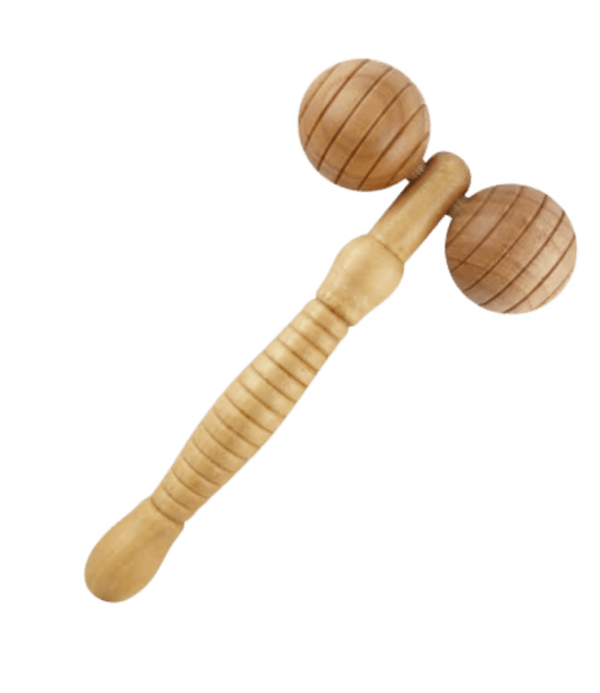
Wooden facial massager

Stemming from the Ayurvedic tradition, this lotus wood massager is the perfect companion for your evening skincare rituals. It helps to relax facial features, boost microcirculation and give your skin a visible radiance boost. Its ergonomic design makes it easy to use every day.

Discover the wooden facial massager

Gua sha__-ZqZ-dptC.avif

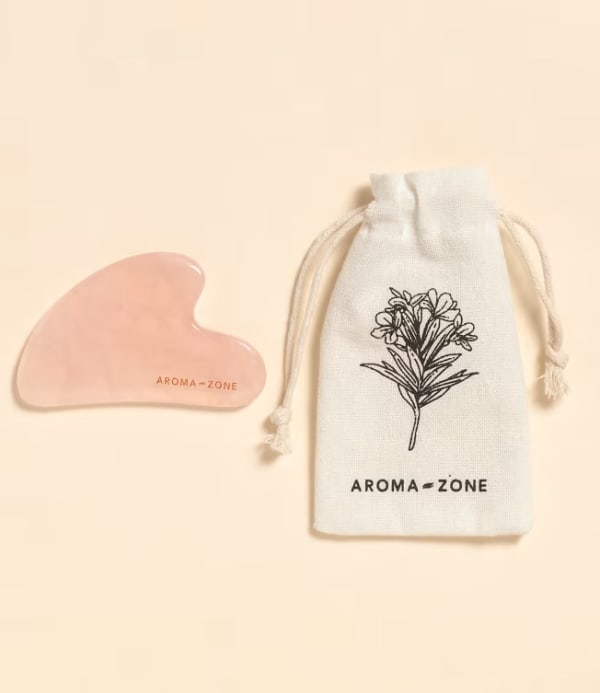
Rose quartz facial Gua Sha

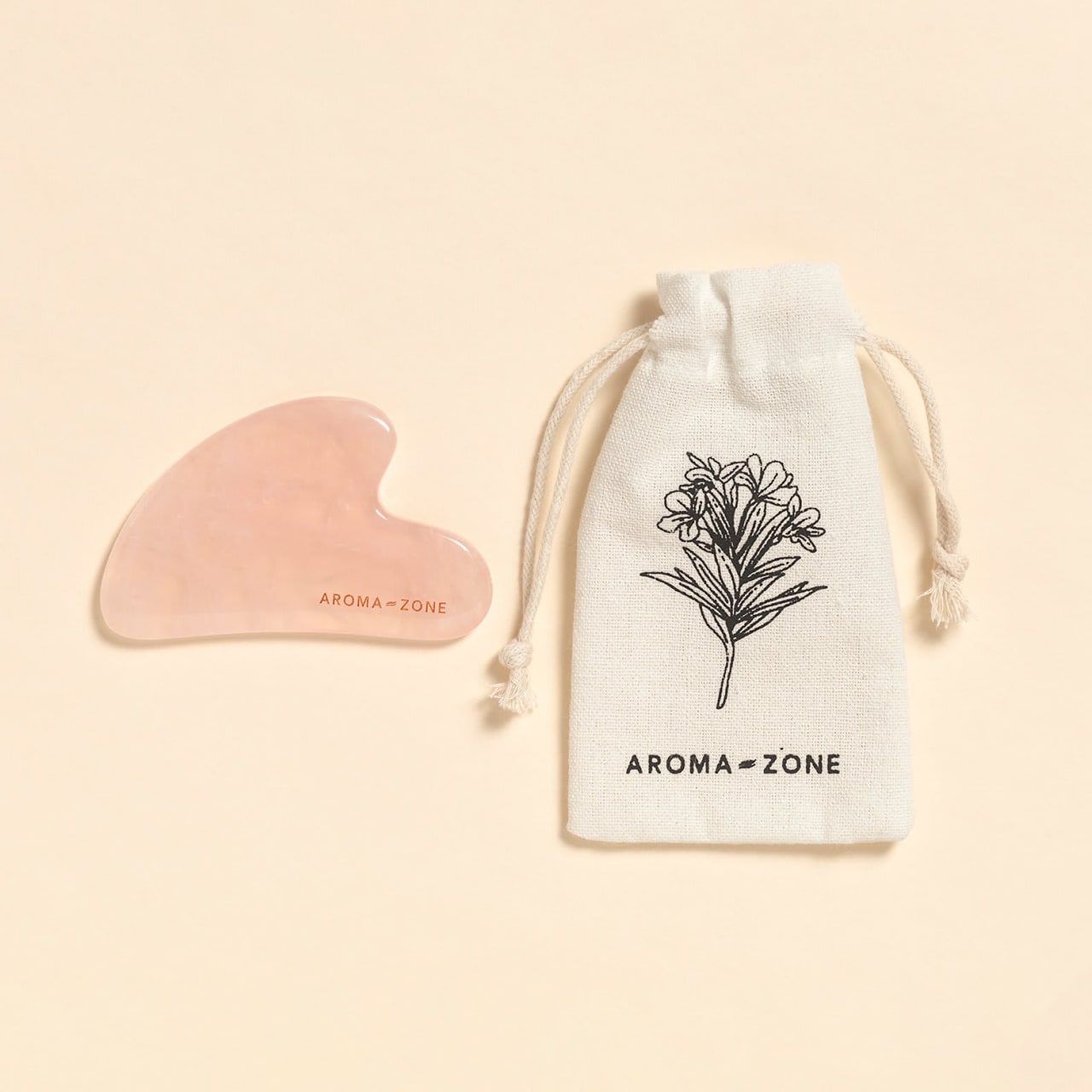
An iconic tool in holistic beauty routines, the rose quartz Gua Sha provides a gentle massage for the face and neck. Used alongside your usual skincare routine, it helps to ease tension, boost local circulation and restore radiance. Its shape naturally follows the contours of the face for a precise and pleasant treatment.

Discover the rose quartz facial Gua Sha

Jade roller_-IwlEjNad.avif

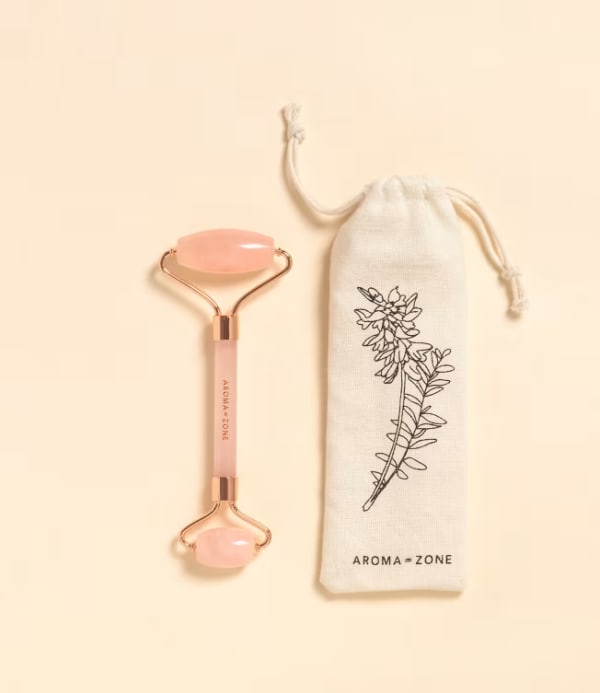
Rose quartz facial roller

Applied after an oil, serum or cream, this roller helps to maximise the absorption of skincare products and refresh the facial features. The gentle movements of its rose quartz stones help to restore radiance, soothe the eye area and improve the skin’s elasticity.

Discover the Rose Quartz Facial Roller

What are the different methods?

So-called ‘classical’ manual lymphatic drainage, with its gentle, rhythmic movements, remains the most widely used technique in the West, particularly among massage therapists and physiotherapists. In recent years, however, other, more invigorating approaches have gained popularity and offer a different experience.

The Renata França method, which originated in Brazil, is the one of these that has received the most media attention recently. It is based on rapid, firm movements, combined with frequent pumping actions around the lymph node areas. Highly dynamic, it often delivers immediate results in terms of volume and a feeling of lightness, which explains the popularity of its ‘before and after’ results. However, given the sheer number and variety of practitioners, its success depends on choosing a properly trained expert.

Madero therapy, derived from traditional Eastern practices, combines manual techniques with specially designed wooden instruments to stimulate lymphatic circulation and reshape the body’s contours. As it is more intense and involves greater pressure on the tissues, people prone to spider veins or varicose veins should take certain precautions.

What happens during a lymphatic drainage treatment?

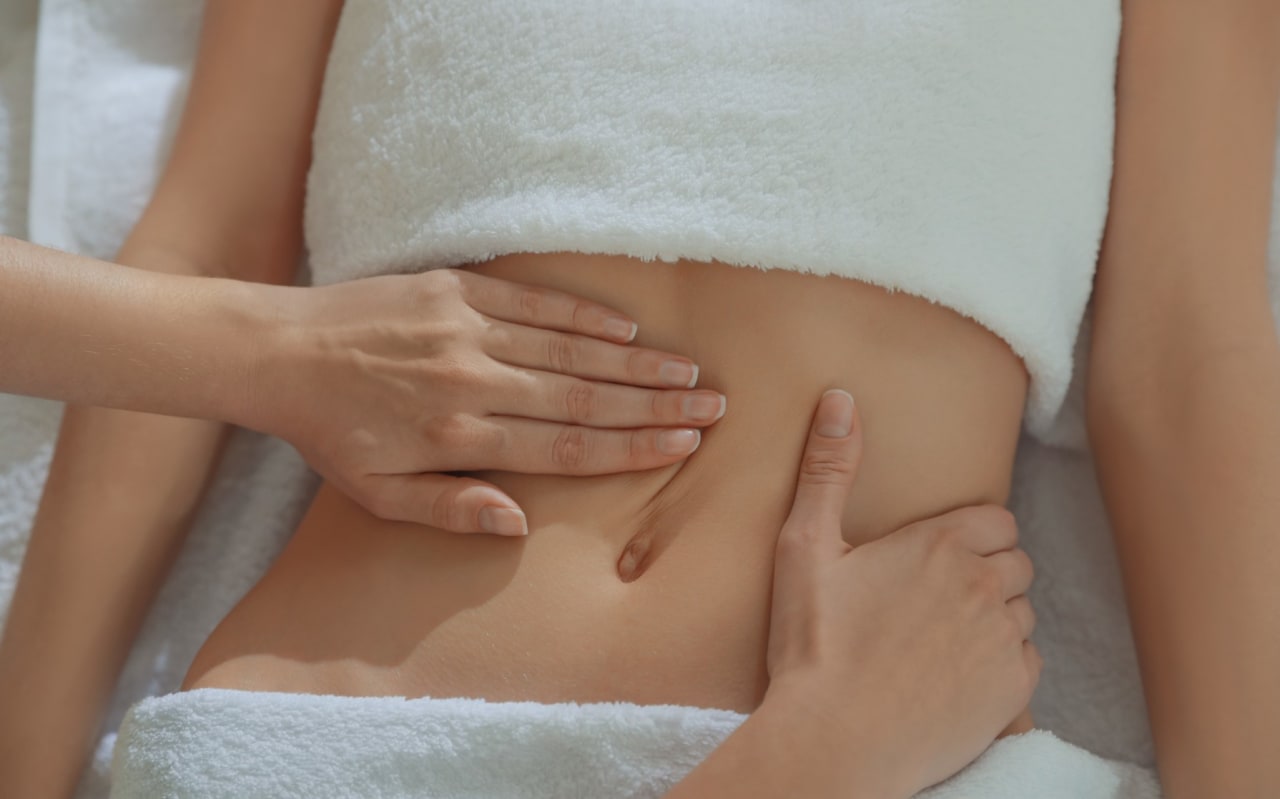
  1. The session in practice: a manual lymphatic drainage session lasts around an hour. These can be carried out at a beauty salon, a thalassotherapy centre, a hospital, a private clinic or at a physiotherapist’s practice.

  2. The procedure during the session: the treatment begins with a series of slow, gentle movements designed to ‘pump’ the lymph and stimulate its circulation. Some more recent methods use more vigorous movements, but the principle remains the same: following the lymphatic pathways using a precise rhythm.

  3. Frequency and effects: to achieve visible and lasting results, several sessions may be necessary. One session per month is often recommended.

After the treatment, you will generally feel firmer, experience less swelling and notice a more radiant complexion. It is advisable to drink more water in the days that follow to support the body’s natural elimination processes.

Precautions

There are certain situations where you should avoid any manipulation of the lymphatic areas: when experiencing an acute infection, in case of serious circulatory disorders such as deep vein thrombosis, or in inflamed and irritated areas. If you have a history of cancer, a heart condition or an illness requiring regular monitoring, it is best to seek professional advice before exploring this practice.

Expert advice

To fully benefit from lymphatic drainage, it is often more important to commit to regular sessions than to focus on the intensity of an individual treatment. It is better to opt for a moderate but consistent routine and to stay attuned to how you feel: a sense of lightness, reduced swelling and improved general well-being is the goal. Specialists also emphasise the importance of a lifestyle that naturally supports lymphatic circulation: staying well hydrated, eating a balanced diet, getting good-quality sleep and taking part in gentle physical activity. These factors play an essential complementary role and can enhance the benefits of the treatments over time.

Bibliography

  1. Williams, A. (2010), Manual lymphatic drainage: Exploring the history and evidence base, British Journal of Community Nursing

    https://doi.org/10.12968/bjcn.2010.15.Sup3.4736

  2. Thompson, B., Gaitatzis, K., Janse de Jonge, X., Blackwell, R., & Koelmeyer, L. A. (2021)

    Manual lymphatic drainage treatment for lymphoedema: A systematic review of the literature, Journal of Cancer Survivorship DOI: 10.1007/s11764-020-00928-1

  3. Bourgeois, P., Baccarani, M., Riva, G., Birmen, C., Roma, F., & Grellier, A. (2019)

    Manual lymphatic drainage adds no further volume benefit in patients receiving complete decongestive therapy for breast-cancer-related lymphoedema, Annals of Oncology

  4. https://www.annalsofoncology.org/article/S0923-7534(19)45112-0/fulltext

Frequently Asked Questions

Frequently Asked Questions