
The pinch-and-roll technique is a manual massage technique that involves pinching the skin between the thumb and the other fingers and rolling it. The aim is to help dislodge fat to visibly reduce adipose or fibrous cellulite. This method is known for its benefits to the skin and subcutaneous tissues. Its main aim is to stimulate blood and lymphatic circulation.
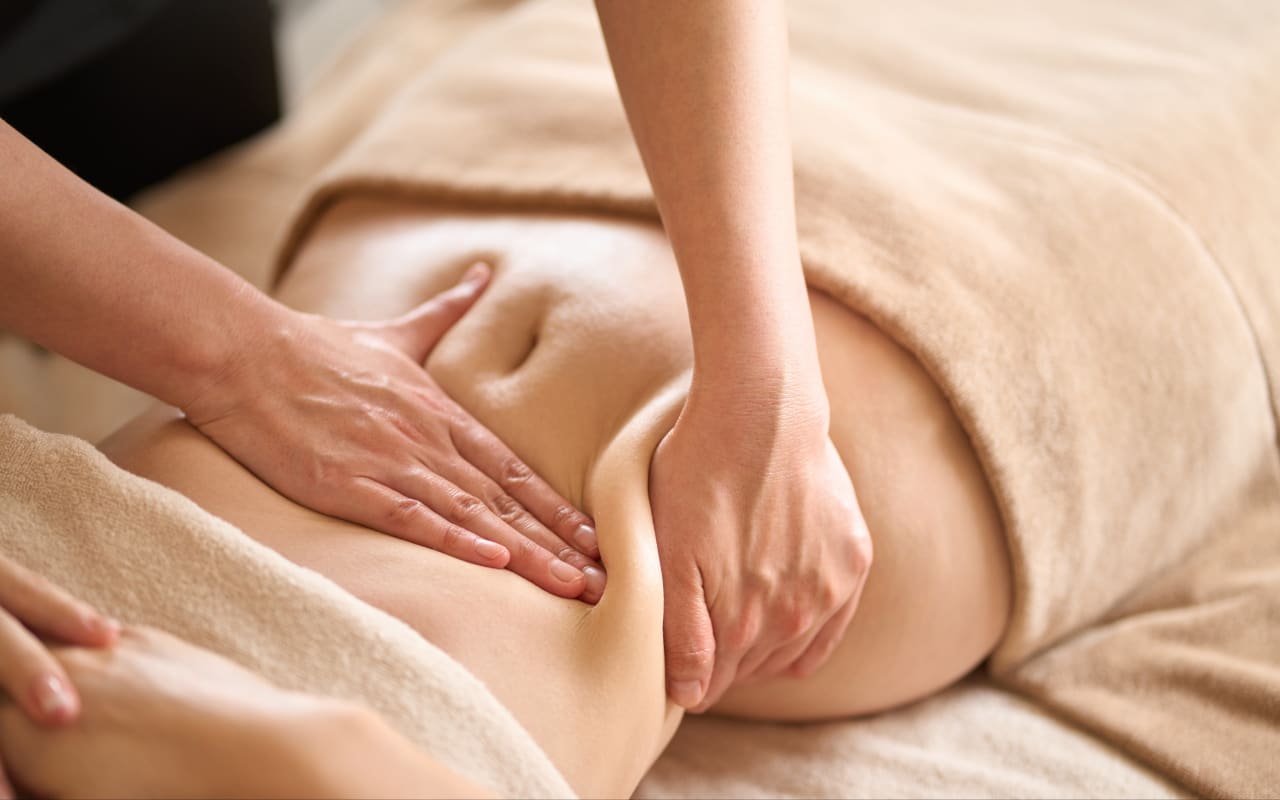
The Pinch-and-Roll Technique: What Is It?
Published on: Friday, June 28, 2024, Updated on: Thursday, October 29, 2026
Practised for years and popular with fans of natural skincare, pinch-and-roll is a massage technique that can help improve the texture of your skin. Whether you want to reduce the appearance of cellulite or simply tone your skin, it's a method worth knowing about. Today, we explain how it works and share our top tips for making the most of it.
Contents
Related products
£7.00
250 ml
2 options
£15.00
200 ml

£5.00
1 article
Slimming Massage Oil
Firming
£11.00
100 ml
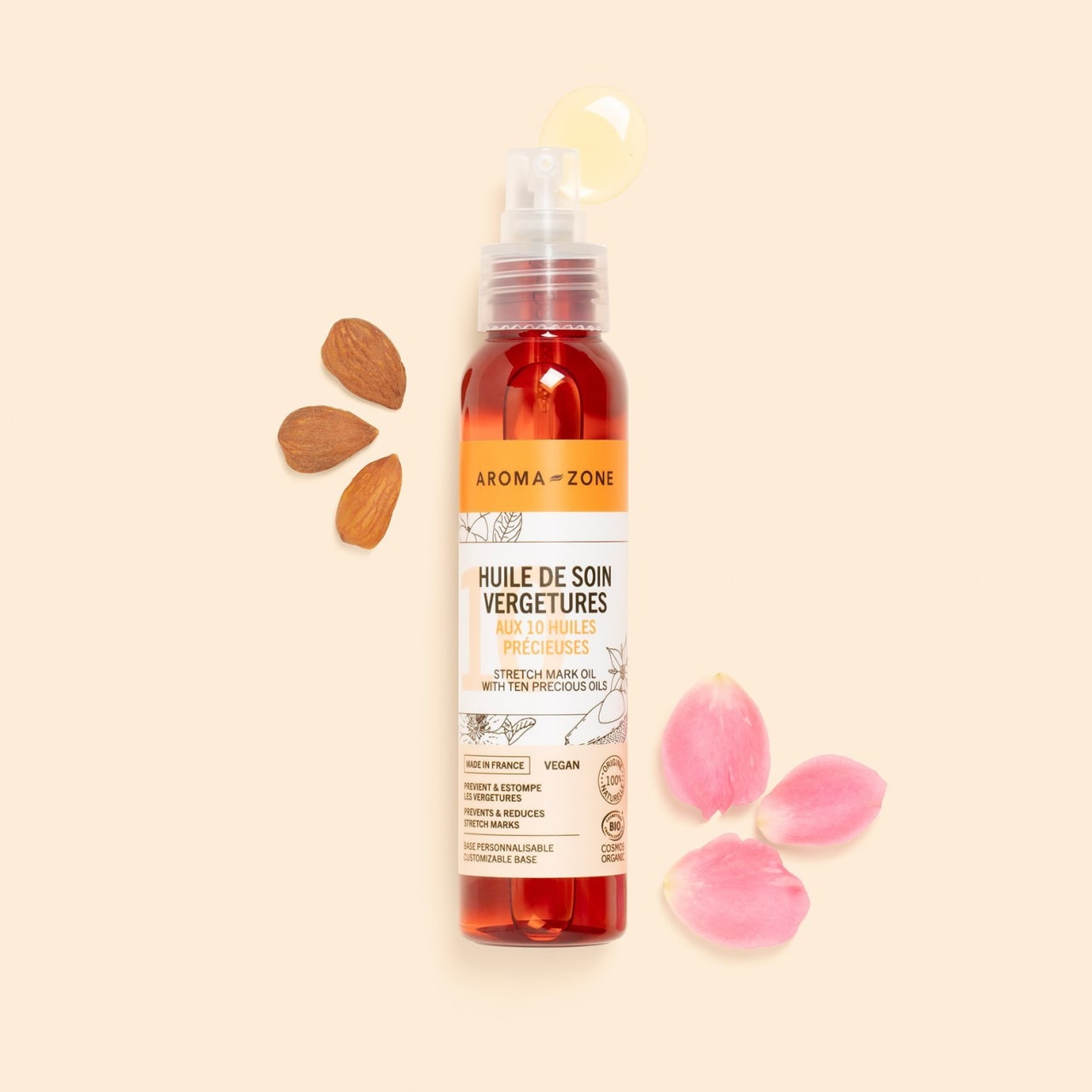
Stretch Mark Oil With 10 Premium Oils
Nourishing
£9.00
100 ml
What Is Pinch-and-Roll?
What's the Difference Between Lymphatic Drainage and Pinch-and-Roll?
The kneading and rolling technique primarily targets the subcutaneous tissues. Using more invigorating movements, it helps to stimulate circulation and mobilise areas where fat deposits may be present.
Lymphatic drainage, by contrast, takes a gentler approach. It focuses more on lymphatic circulation and can help reduce the sensation of swelling associated with water retention, using slow, steady movements that differ from the firmer pressure typically used in the pinch-and-roll technique.
Why Practise the Pinch-and-Roll Technique?
The pinch-and-roll technique can be used in various everyday situations, depending on what you notice or feel in your body. It's often chosen when you notice changes in your skin, a feeling of heaviness, or areas that look or feel different from the rest of your body. You may recognise one of the following situations.
Skin Affected by Cellulite
Over time, certain areas such as the thighs, buttocks or hips may develop a more uneven texture, typical of cellulite. The pinch-and-roll technique is often used in these cases, when the skin appears less even and you're looking to gradually improve its appearance.
A Loss of Firmness in the Skin
Following weight loss, a change in lifestyle or simply as time goes by, the skin may appear less toned and firm than usual. The pinch-and-roll technique can help restore some firmness and density to the tissues.
A Feeling of Heaviness in the Legs
The pinch-and-roll technique may be worth considering if your legs feel heavy or numb, particularly after a day spent standing or sitting, or during periods of intense heat. Practising this technique can indeed bring a feeling of lightness to the legs.
Areas that Appear Swollen
Sometimes, certain parts of the body may appear more swollen or less firm, particularly in the lower body. This can happen when venous return isn’t optimal or when there's water retention. The kneading and rolling technique is then used to mobilise these areas in a more hands-on and targeted way.
Tension Built Up in Certain Areas of the Body
Certain areas of the body can become more tense, particularly after periods of stress or prolonged poor posture. The kneading and rolling technique is sometimes used as a manual method to gently relax and mobilise these areas.
What are the benefits of the kneading and rolling technique?
The kneading and rolling technique offers numerous benefits for improving the overall appearance of the skin. Discover the benefits of this method below:
Cellulite reduction: by breaking down fat deposits, this method reduces the appearance of ‘orange peel’ skin that concerns us so much
Improved blood and lymphatic circulation: this massage reduces swelling, improves tissue oxygenation and promotes the elimination of waste products. People who experience heavy legs will particularly appreciate it
Firmer, more elastic skin: stimulating the tissues helps to firm the skin and improve its suppleness
Relaxation: this massage can also have a relaxing effect, helping to reduce stress.
Which Natural Products Can You Use for the Pinch-and-Roll Technique?
To maximise the benefits of the pinch-and-roll technique, use the right plant-based oils and incorporate targeted active ingredients. What’s more, this helps reduce friction and makes your fingers glide more easily. Irritation and redness won’t stand a chance!
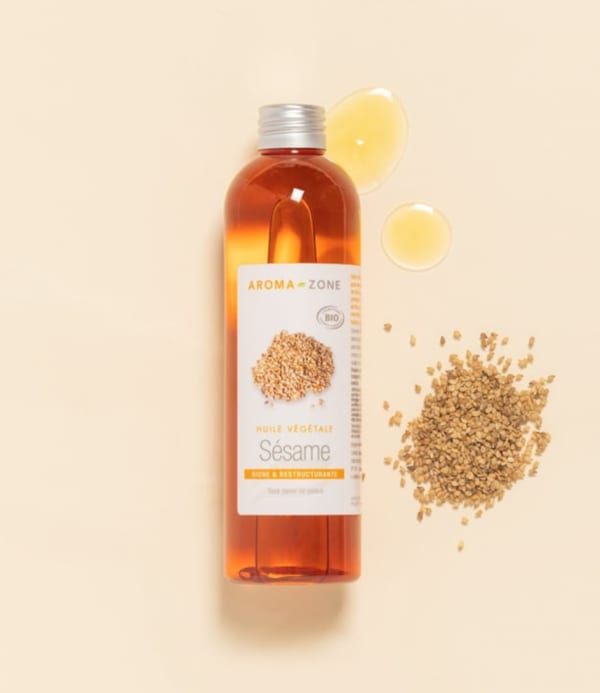
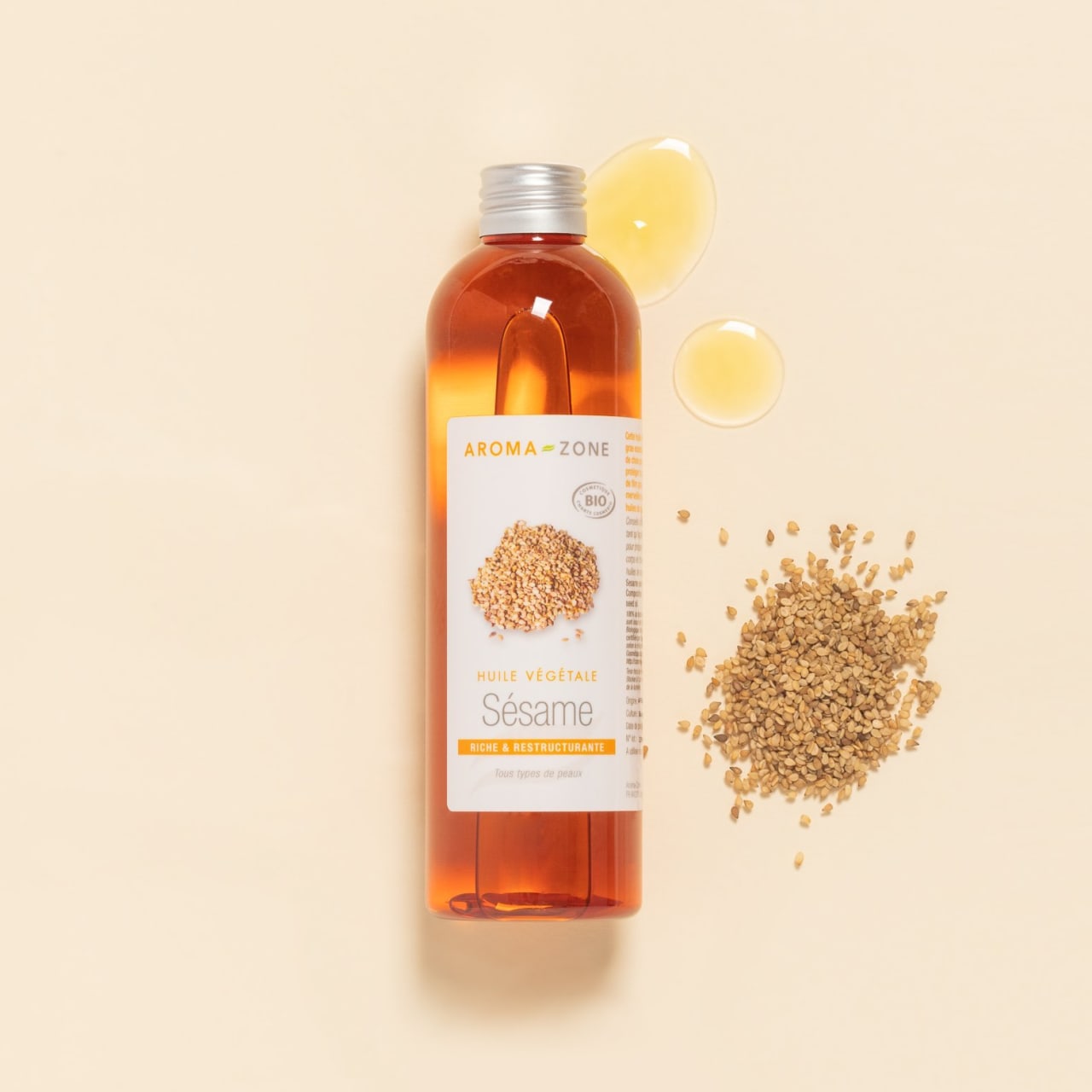
Organic Sesame Oil
This oil can be used as an ingredient in your homemade beauty products, for example, to enrich a massage oil, a body treatment or a nourishing base that you can use as part of your kneading and rolling routine. It is not intended for use undiluted in cosmetic applications, but rather to complement and personalise your formulations according to your needs and preferences.
Please note: Some people are allergic to sesame. This oil is therefore not recommended for anyone with an allergy to sesame or nuts.
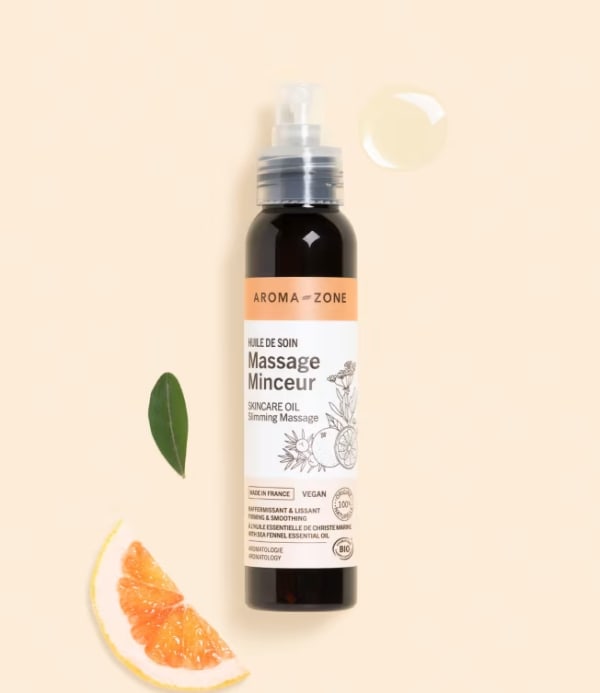
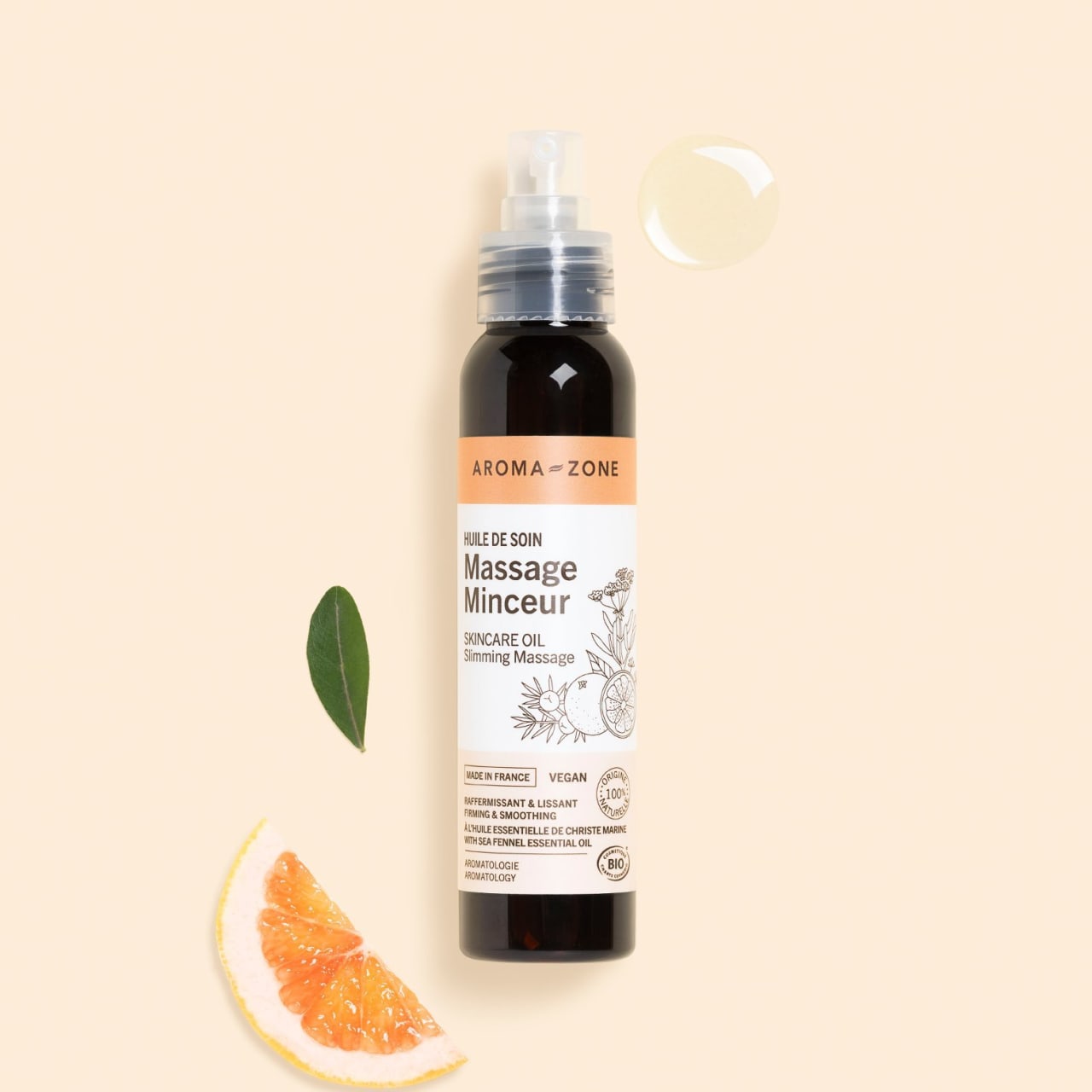
Slimming Massage Oil
Organic and natural, this slimming massage oil, with its fresh, invigorating fragrance, is ideal for toning massages designed to enhance the body’s contours. It contains a blend of active and powerful organic essential oils – organic grapefruit, organic sea fennel and cedar – renowned for their firming properties and known to help combat the appearance of cellulite.
Please note that this product is not recommended for children, pregnant women or breastfeeding mothers. It must not be applied to irritated or damaged skin, or to mucous membranes, and contact with the eyes should be avoided. In the event of accidental contact, rinse thoroughly with clean water.
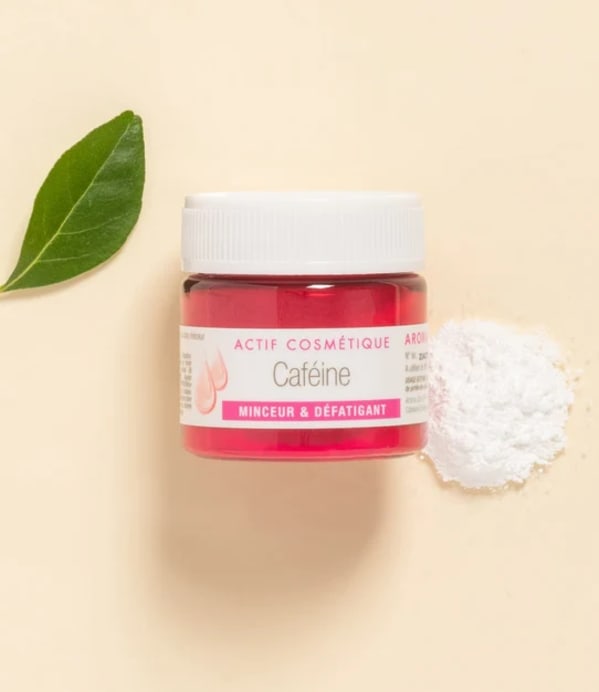
Active Ingredient: Caffeine
You can use this active ingredient in homemade preparations, especially in targeted treatments to firm ‘orange peel’ skin. When used with the pinch-and-roll technique, add it to massage gels or creams to complement the manual movements. Do not use it undiluted; always incorporate it into an aqueous formulation (cream, gel, milk, or lotion). The recommended concentration is between 0.5% and 2%, with better solubility in a slightly acidic pH base (4.5 to 5.5). Please note that this product must be stored at room temperature, away from moisture and light, and tightly resealed after use. It must be kept out of reach of children, must not be ingested, and is not recommended for use by children, pregnant women or breastfeeding mothers. Avoid contact with the eyes, and strictly follow the recommended dosages for optimal use.
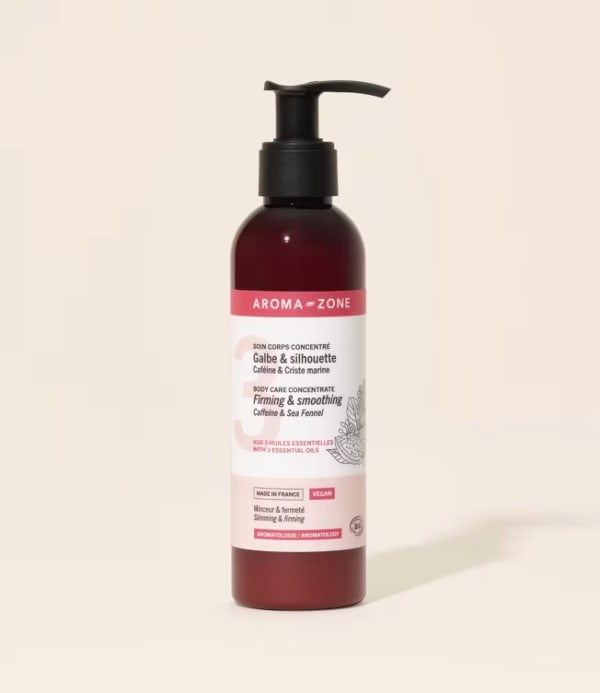
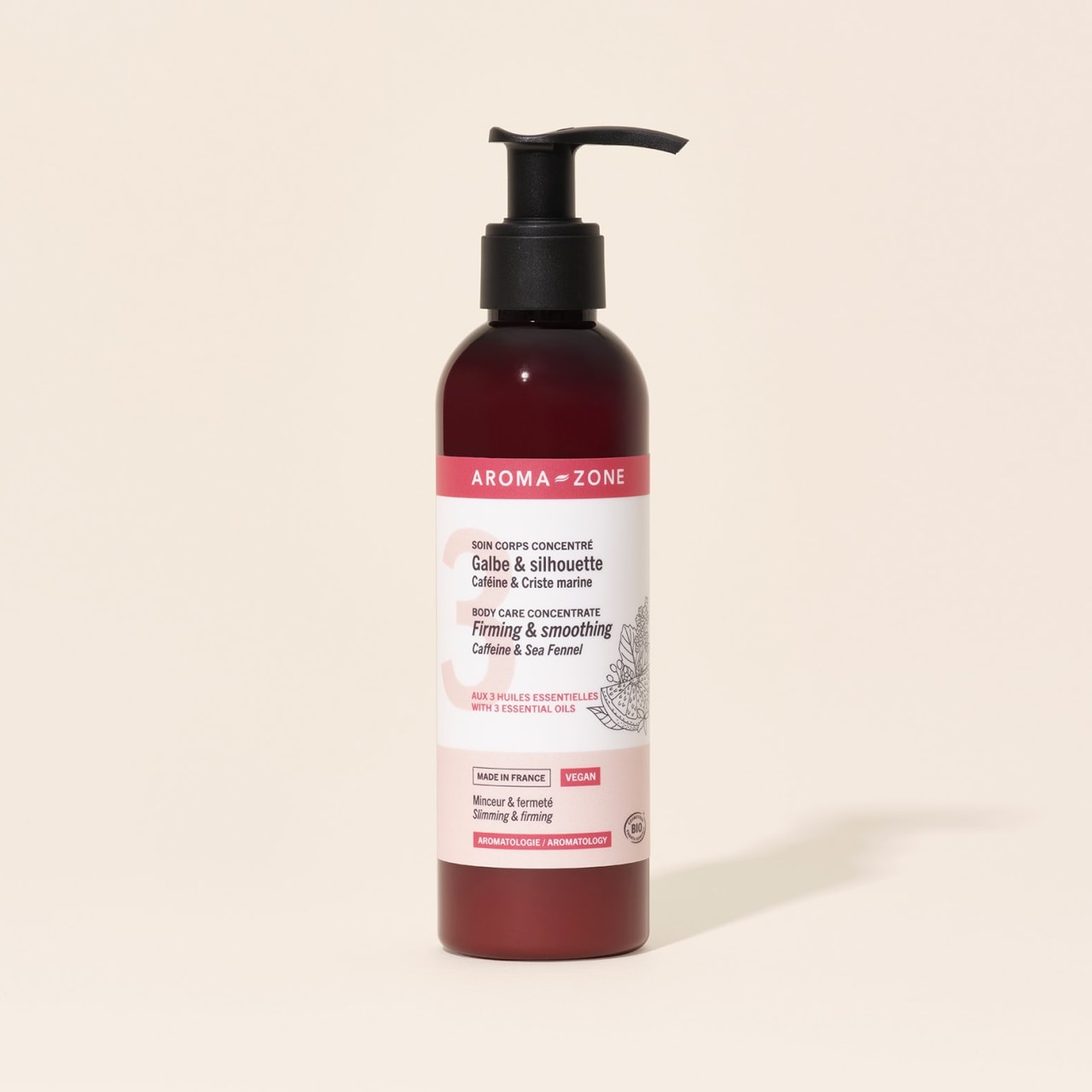
Contouring & Silhouette Care Gel
This creamy gel is enriched with toning plant extracts known to reduce the appearance of orange-peel skin. For example, you can massage affected areas by applying a small amount, then kneading, rolling, or using circular motions until the product is fully absorbed.
Please note: This product is for external use only. It must not be used on children, or by pregnant or breastfeeding women, or on irritated or broken skin, and contact with mucous membranes must be avoided.
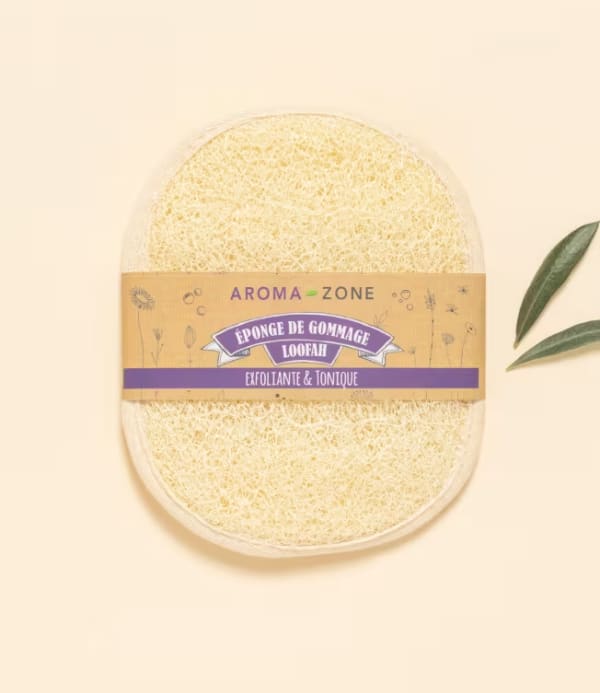
Loofah Sponge
The secret to soft, firm and velvety skin. This sponge, wrapped in loofah fibres and cotton, will provide your skin with all the benefits of a genuine traditional Egyptian washcloth. Add it to your wellness routine as part of your anti-cellulite skincare.
How Do You Do the Pinch-and-Roll Technique Yourself?
The kneading and rolling technique is quite simple to do at home, without any special equipment. What matters most is taking a quiet moment, without rushing, and letting the movements become more natural as you go through the sessions. To get off to a good start, a few pointers can really help you find the right rhythm.
Prepare your skin: Choose a suitable oil or skincare product, which makes the massage more pleasant, reduces friction and helps your hands glide more easily.
Get comfortable: Choose a quiet, comfortable spot that’s warm enough for you to feel at ease during your kneading and rolling massage session.
Choose an area to work on: Focus on deep work on one area at a time for greater effectiveness (thighs, stomach, buttocks or arms) rather than trying to do everything at once.
Pinch a fold of skin between your thumb and fingers: Then gently roll it under your hands, moving gradually across the area. The movement may feel a little firm, especially at first, which is normal.
Maintain a steady rhythm rather than a fast one: It’s the continuity of the movement that matters most, not the speed.
Work on one area at a time: Avoid spending too long on any one spot to ensure the session remains comfortable.
Find your own rhythm: Start with 5 to 10 minutes per area, then adjust according to how you feel. It’s advisable not to exceed around 20 minutes per session.
Focus on consistency: You can practise every day if you wish, but three sessions a week are enough to establish good habits and see results.
Stay well hydrated: Remember to drink water after your session, simply to support your body’s natural elimination processes and stay well hydrated.
Please note: Some devices allow you to replicate the pinch-and-roll technique mechanically, offering a practical – though often more intense – alternative.
What Results Can You Expect from the Pinch-and-Roll Technique?
The results of the pinch-and-roll technique vary depending on how regularly, for how long, and with what intensity you practise it. If you stick to it consistently for a few weeks, many people notice a gradual improvement in the look of their skin: not an immediate transformation, but a change that builds over time. By establishing a regular routine, here's what you can expect:
Gradual improvement in the appearance of the skin: The skin appears smoother and more even with regular sessions
Reduction in the appearance of orange-peel skin: Cellulite may be visibly less pronounced, even if it does not disappear completely
A firmer-feeling skin: The skin gradually appears firmer and denser than before
Support for the stimulation of skin tissue: The skin appears to gain elasticity with regular use
Reduced sensation of swelling: The skin appears less congested, particularly in areas prone to water retention
A visually more harmonious silhouette: The areas worked on often appear more defined, which is evident across the entire silhouette.
How Can You Boost the Effects of the Pinch-and-Roll Technique?
The pinch-and-roll technique isn't a miracle solution for cellulite, but a healthy lifestyle can help support its results. Here are our tips for supporting the positive effects of the technique through your lifestyle:
A balanced diet: Eat foods rich in nutrients and fibre, such as fruit, vegetables, whole grains and lean proteins. Avoid excessive sugar, salt, and saturated fats, which can contribute to cellulite formation.
Staying properly hydrated: Drink at least 1.5 to 2 litres of water a day to help flush out toxins and keep your skin well hydrated.
Applying cold: After a kneading and rolling session, applying cold can help tighten the tissues and reduce inflammation. Use ice packs or take a cold shower to tone the skin.
Regular physical activity: Take part in regular physical activity (walking, jogging, swimming, yoga, etc.). Exercise helps tone muscles, improve circulation, and reduce the appearance of cellulite.
Incorporate cool or contrast showers: The effect of cold water can help revitalise the tissues after a workout.
Avoid long periods of inactivity: Sitting still for too long can increase feelings of heaviness and the appearance of cellulite.
Precautions to Take Before a Pinch-and-Roll Session
The advice in this article is intended to help you practise pinch-and-roll safely, while staying mindful of your comfort and the condition of your skin. Even though the technique is simple, a few precautions are worth following to avoid discomfort. Avoid massaging areas that are irritated or injured, or that have varicose veins, inflammation or bruising. Start gradually with gentle pressure, and adjust it based on how it feels. Stay tuned in to your body during the session too: slight sensitivity can be normal, but marked pain is a sign to slow down or change your movement. If you're unsure or have a particular situation (circulatory problems, pregnancy, a medical condition), check with a healthcare professional before you start.
Expert Advice
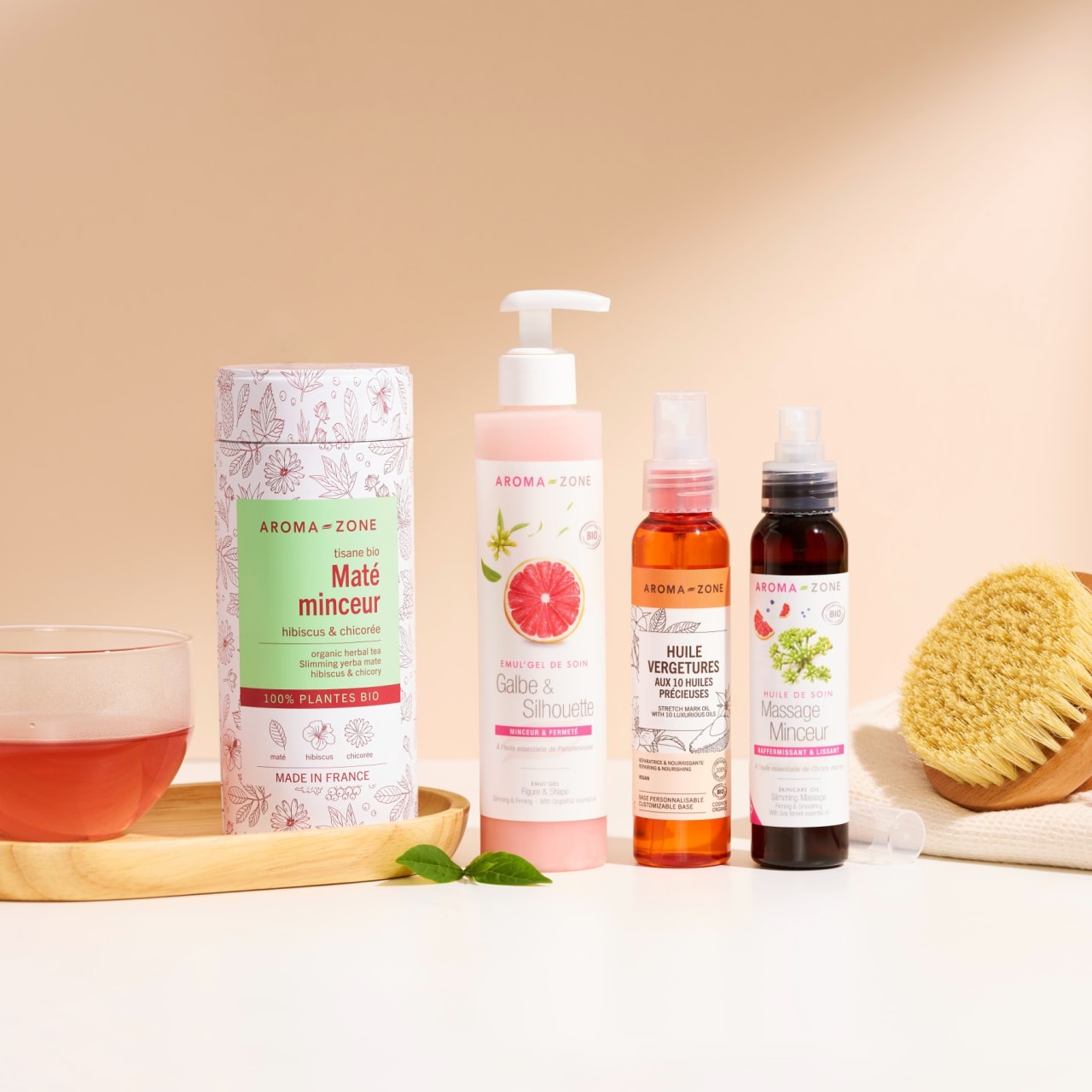
After a pinch-and-roll session, you might like to enjoy a herbal tea made with dandelion, red vine, maté or blackcurrant. These plants are traditionally used to support the body's natural elimination processes and promote a feeling of lightness. Why not make yourself a cup of herbal tea tailored to your needs and start your pinch-and-roll massage while the tea brews?
Spotlight on our naturopathic writer, Eloïse Dubois-Gaché.

Eloïse is a certified ‘naturopathic practitioner’ by the Institut Supérieur de Naturopathie (ISUPNAT) and has been practising naturopathy for over 5 years. Thanks to her extensive experience working in various herbalist shops, Éloïse provides, where necessary, comprehensive and precise advice on phytotherapy, aromatherapy, gemmotherapy and micronutrition when drawing up a personalised lifestyle programme tailored to each individual.
Bibliography
Bordoni, B., & Marelli, F. (2017). Lymphatic drainage and massage: A review of the literature.
https://pmc.ncbi.nlm.nih.gov/articles/PMC6510565/
Draelos, Z. D. (2015). The science behind skin care: Moisturisation and massage techniques. Journal of Cosmetic Dermatology.
https://pubmed.ncbi.nlm.nih.gov/29319217/
Field, T. (2016). Massage therapy research review. Complementary Therapies in Clinical Practice.
https://pubmed.ncbi.nlm.nih.gov/27502797/
Rossi, A. B. R., Vergnanini, A. L., & Celleno, L. (2000). Cellulite: A review. Journal of the European Academy of Dermatology and Venereology.
https://pubmed.ncbi.nlm.nih.gov/11204512/

Frequently Asked Questions
Associated tips
Body Care Tips


