
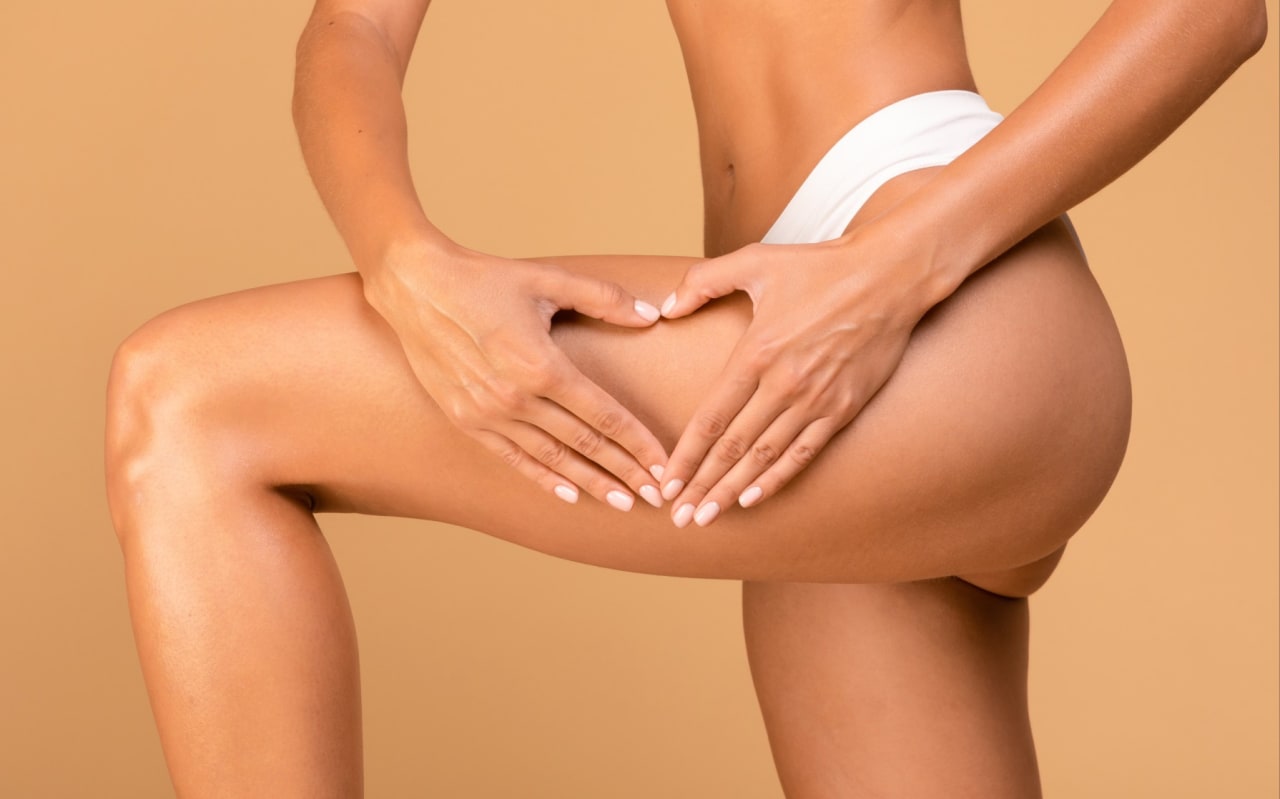
How to perform an anti-cellulite massage and what are its benefits?
By Gipsy Dauge
Published on: Tuesday, May 28, 2024, Updated on: Friday, November 06, 2026
Cellulite affects the majority of women. In fact, over 80 per cent of women over the age of 20 are affected by dimpled skin. Although often considered unattractive, there are ways to break down these fat cells. How do you perform anti-cellulite massages on the thighs? What care should you take when doing them?
Contents
Related products
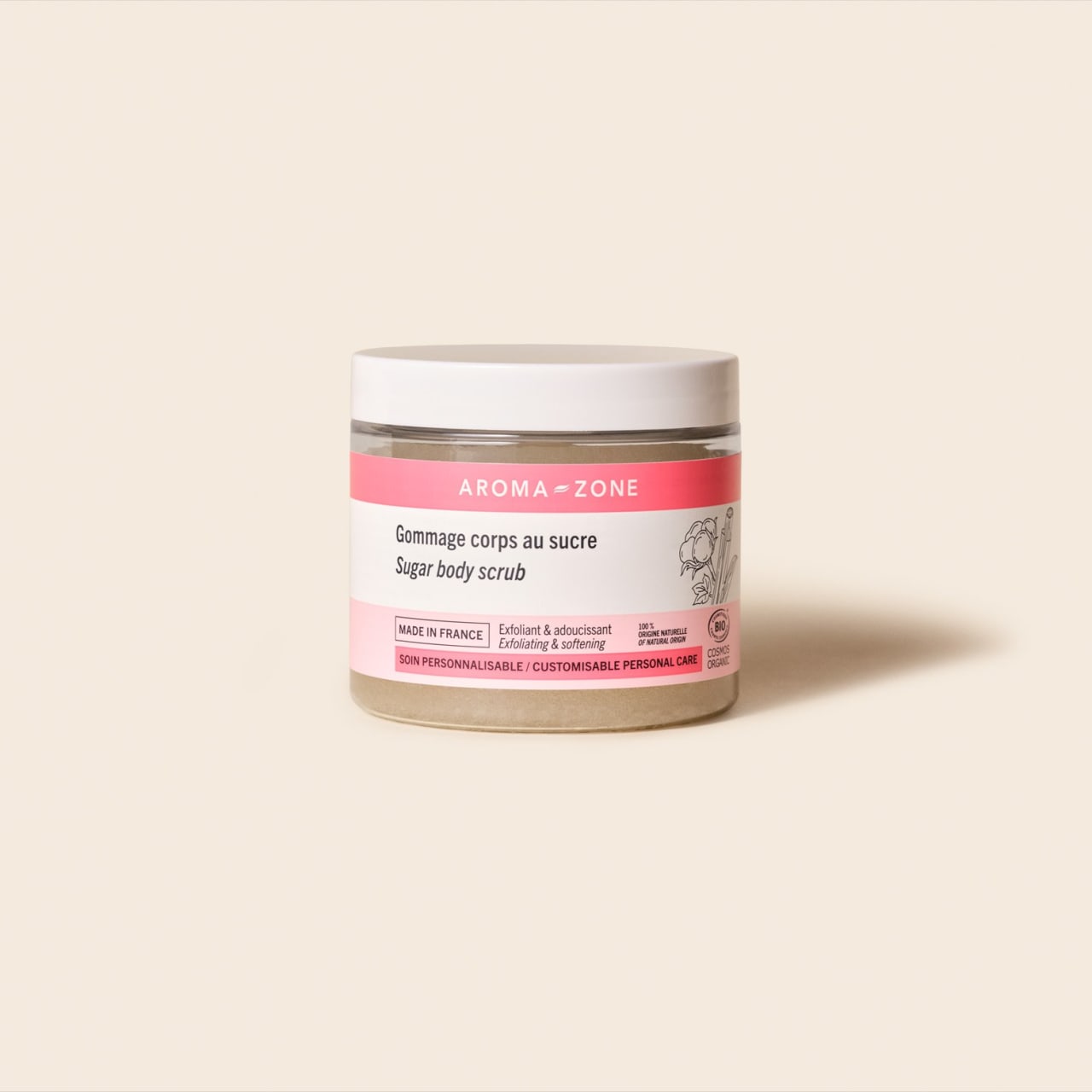
Exfoliating
£9.00
200 g
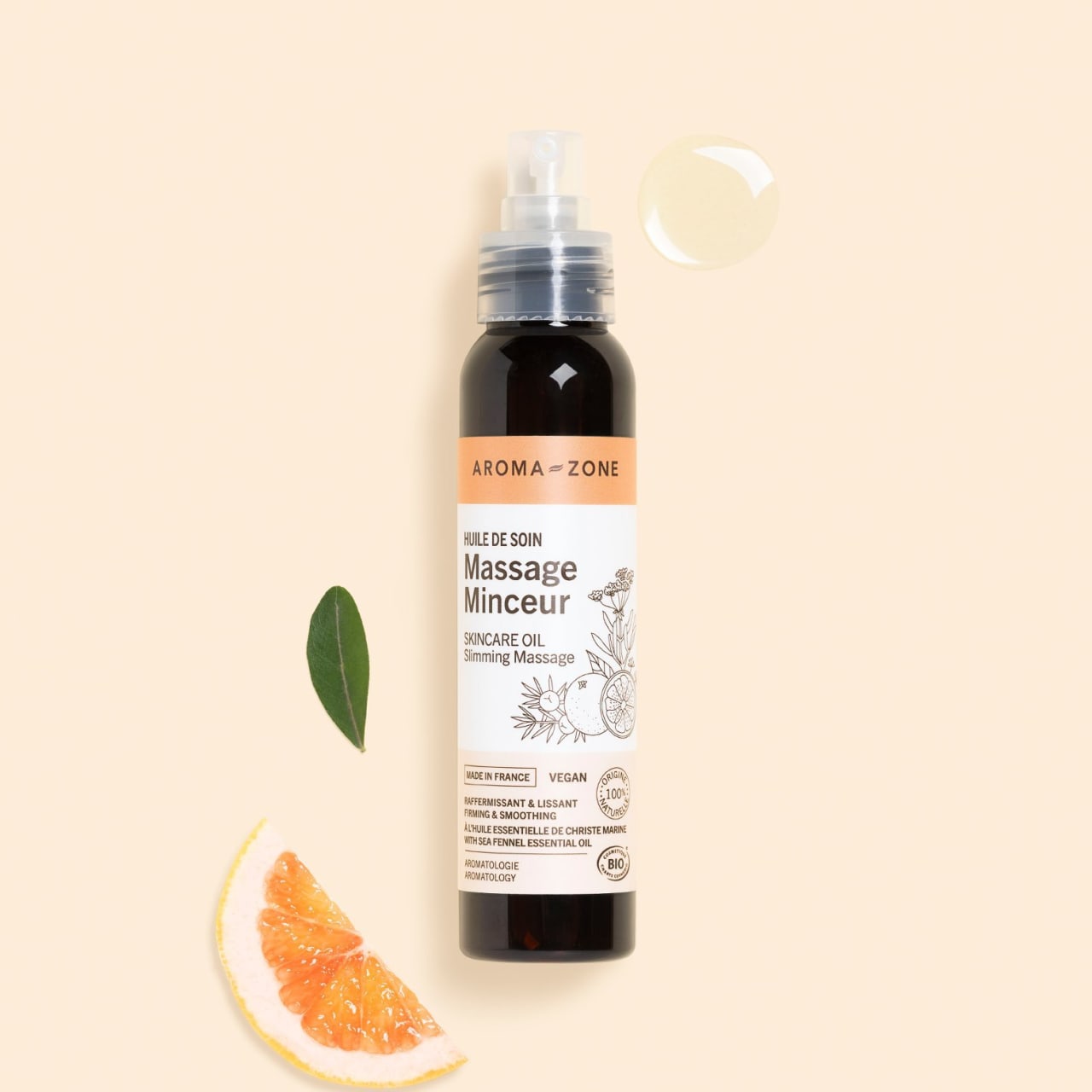
Firming
£11.00
100 ml
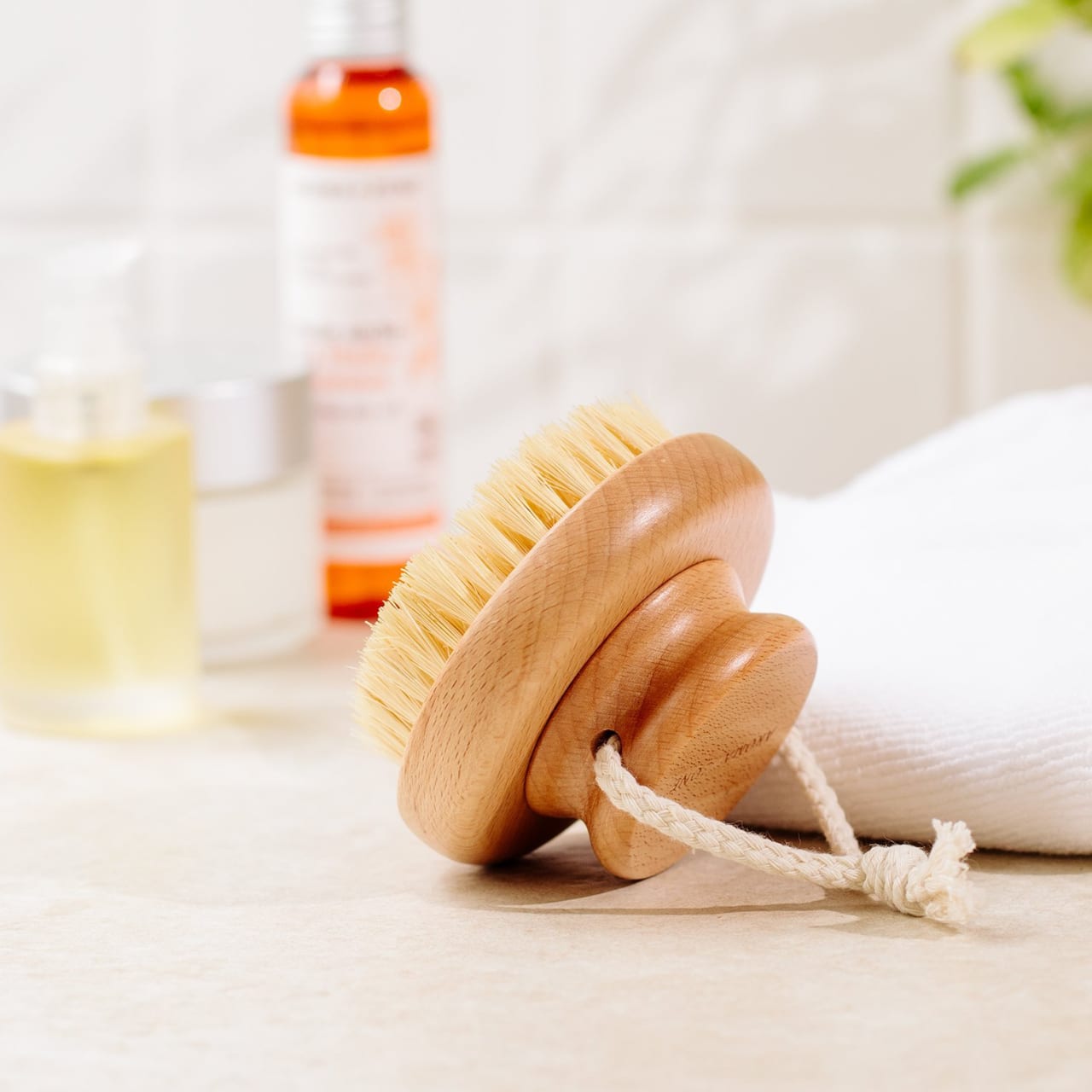
£7.00
1 article
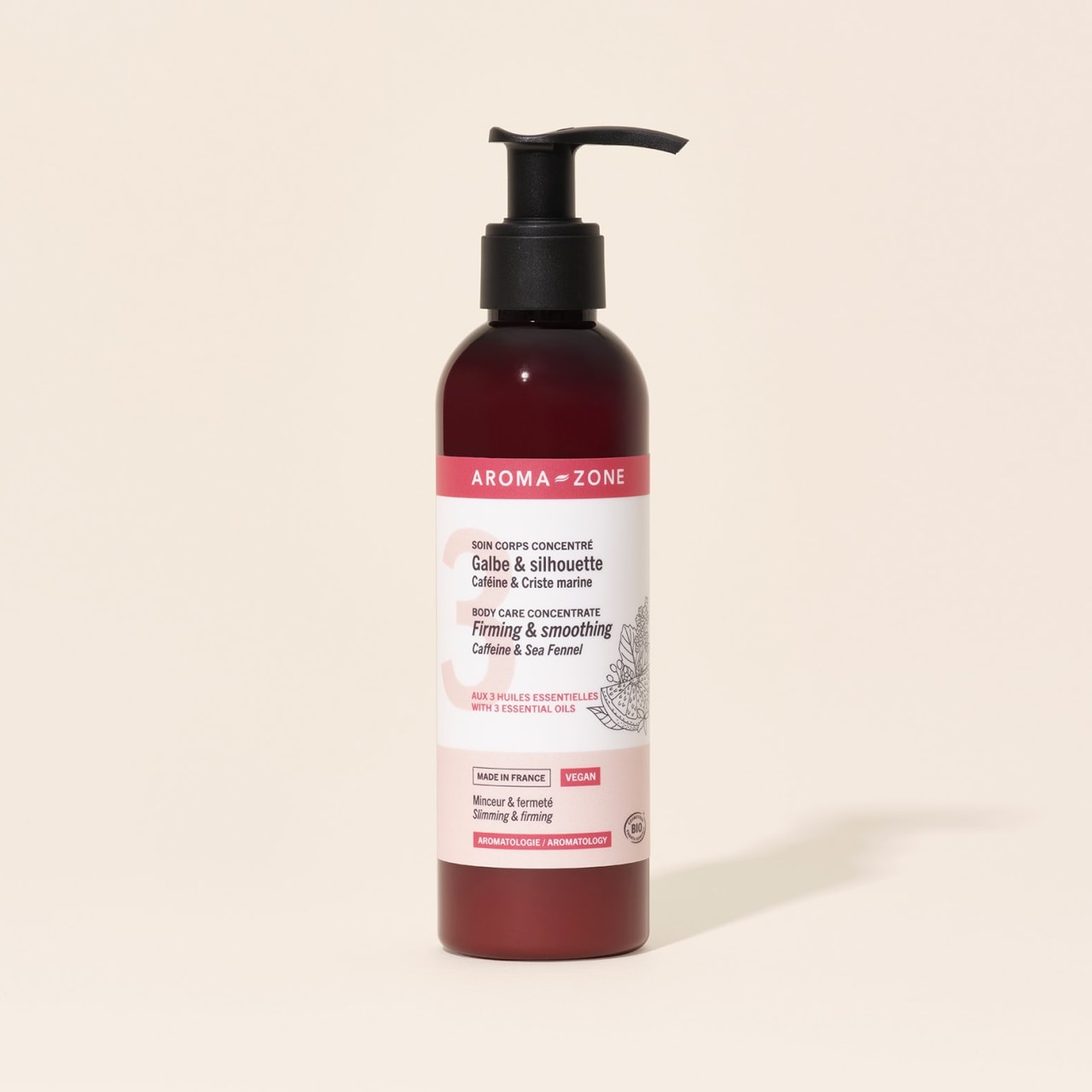
£15.00
200 ml
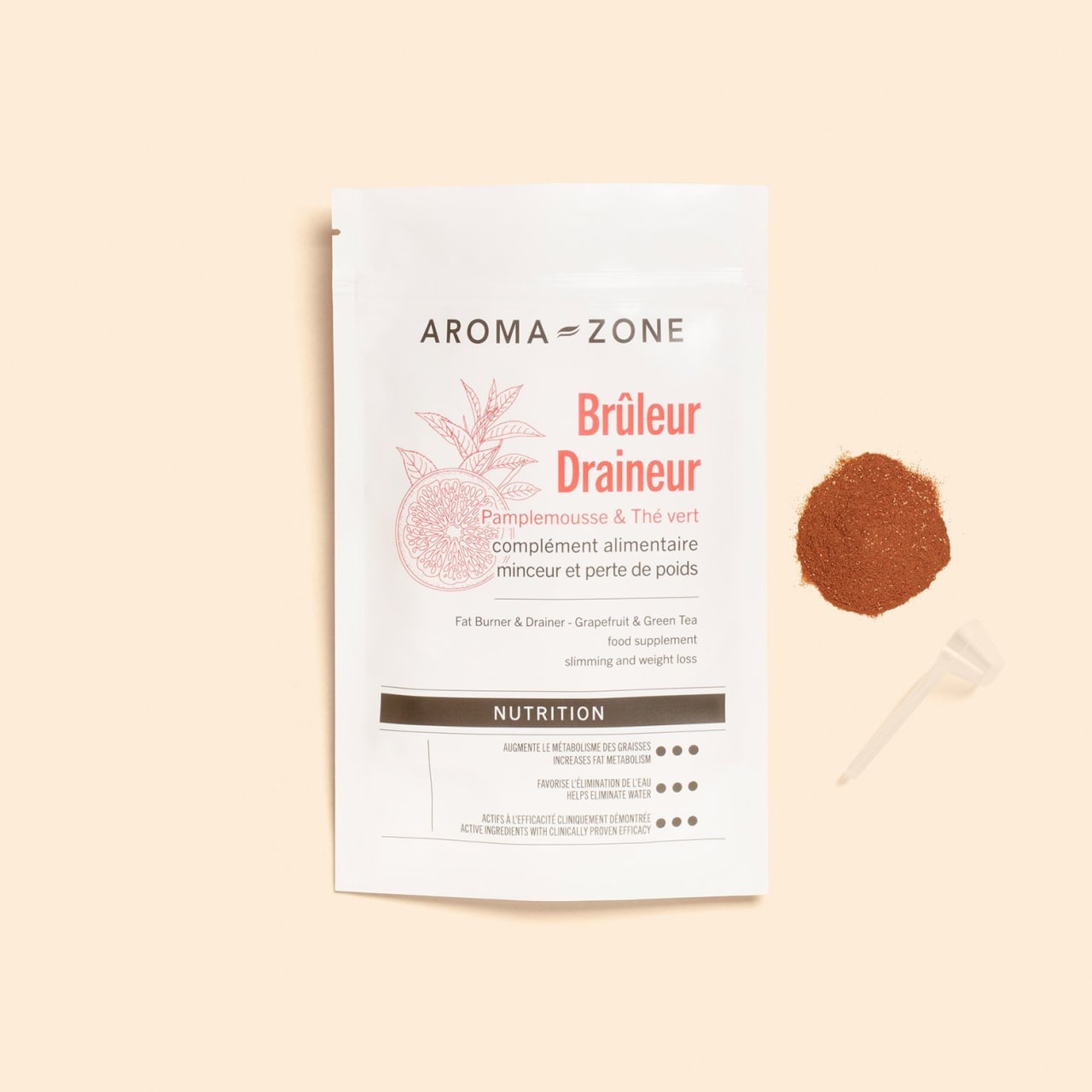
Weight management
£22.00
120 g
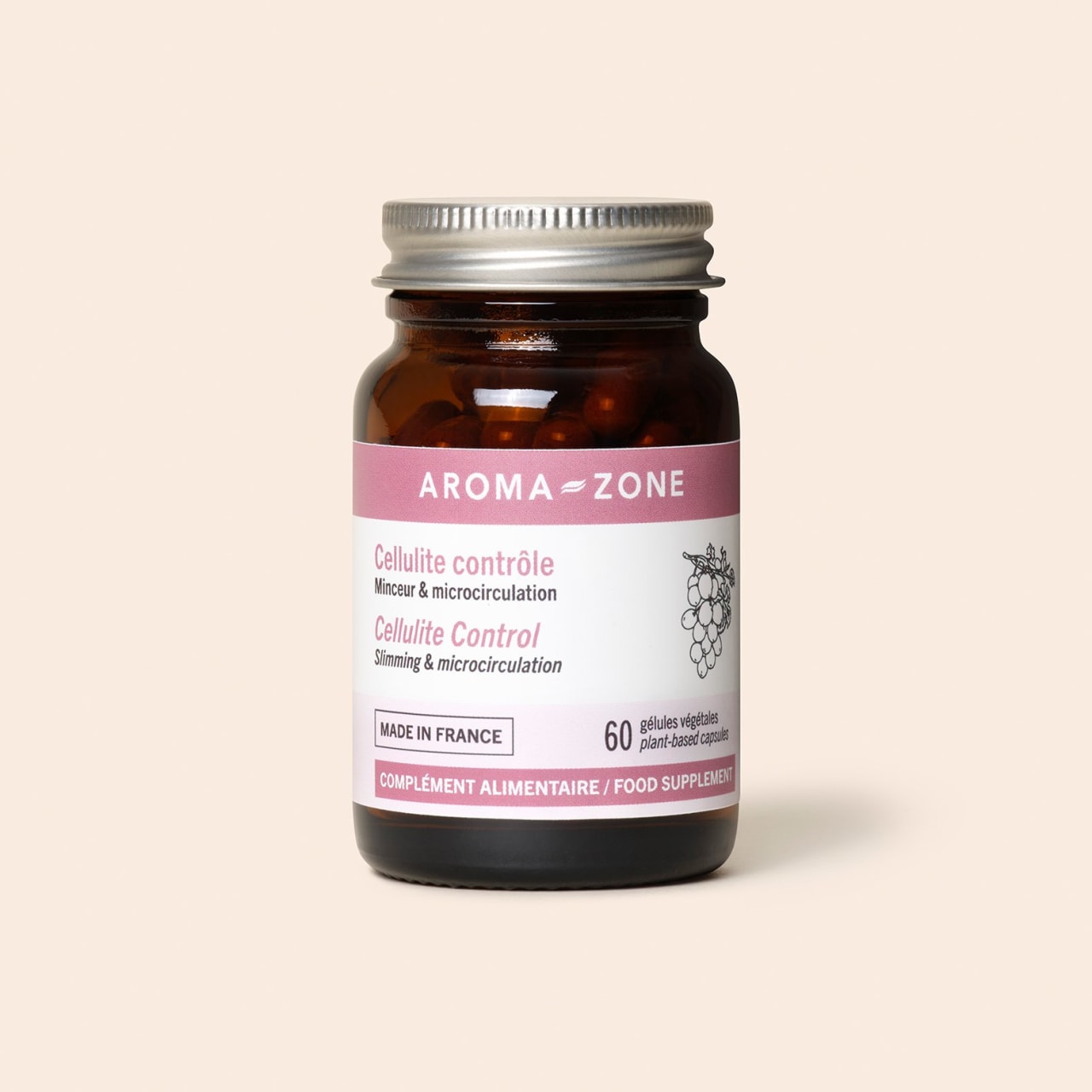
Anti-cellulite
£20.00
1 article
How do you perform an anti-cellulite massage at home? Our favourite techniques
Here are 3 different techniques to ensure an effective anti-cellulite massage:
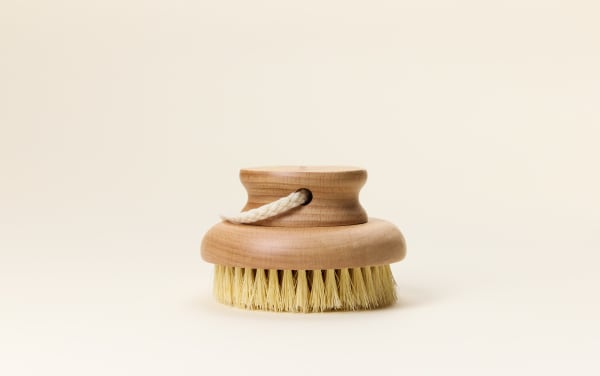
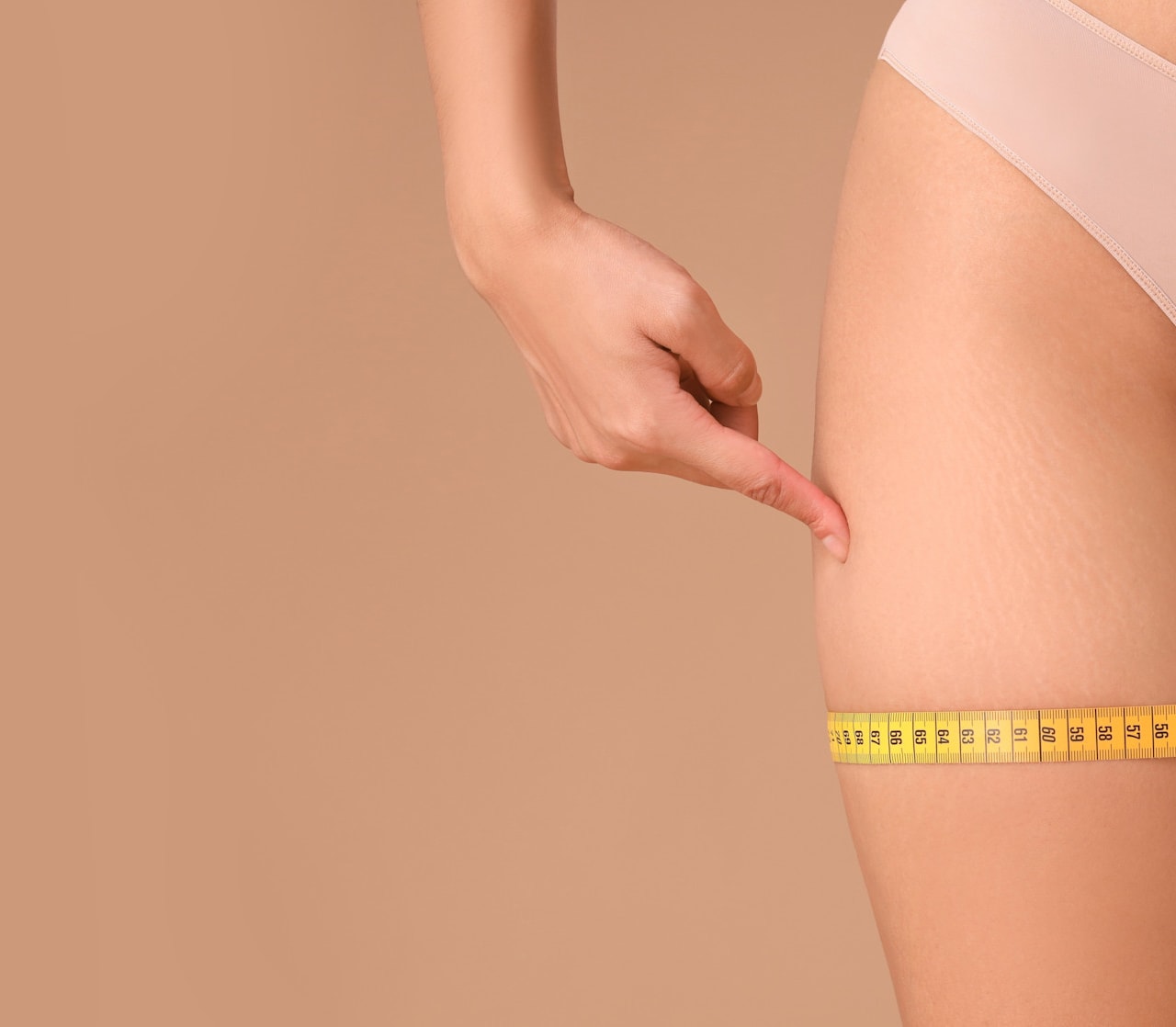
Manual kneading and rolling: the Egyptians practised kneading and rolling 4,000 years ago because of its many benefits. This technique helps to boost microcirculation. In practical terms, the areas massaged regain their firmness. The kneading and rolling technique can be carried out for 15 to 20 minutes. How do you do it? To perform this technique successfully, you should pinch your skin between your thumb and forefinger and move upwards, from the ankle to the top of the thigh. Don’t forget to massage the backs of your thighs! There are also massage devices available to take the strain off your hands.
Kneading, on the other hand, improves venous circulation. This helps to sculpt the figure thanks to the movements that work deeply on the areas of the body where fat tissue is stored. Fat cells gradually disappear. You can perform this massage for 15 to 20 minutes a day. How do you do it? Simply knead your skin with your hands.
Sliding pressure to eliminate toxins. As well as detoxifying the body, sliding pressure firms the skin. Like the other techniques, sliding pressure can be performed for 15 to 20 minutes. How do you do it? Using your hands, smooth over the area you wish to massage whilst applying pressure.
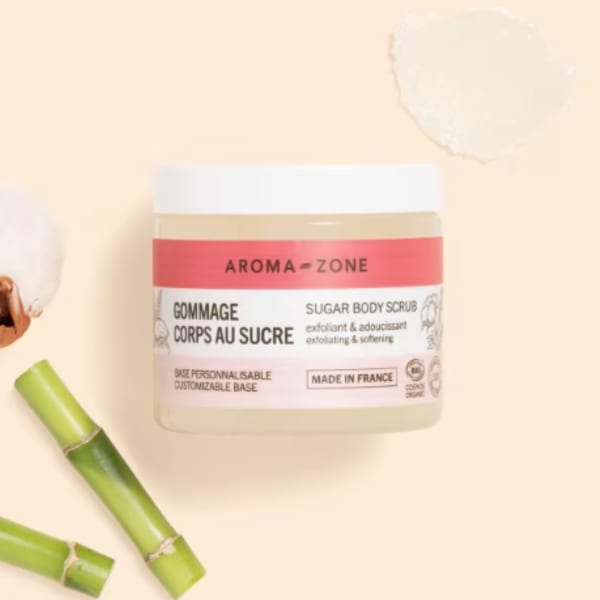
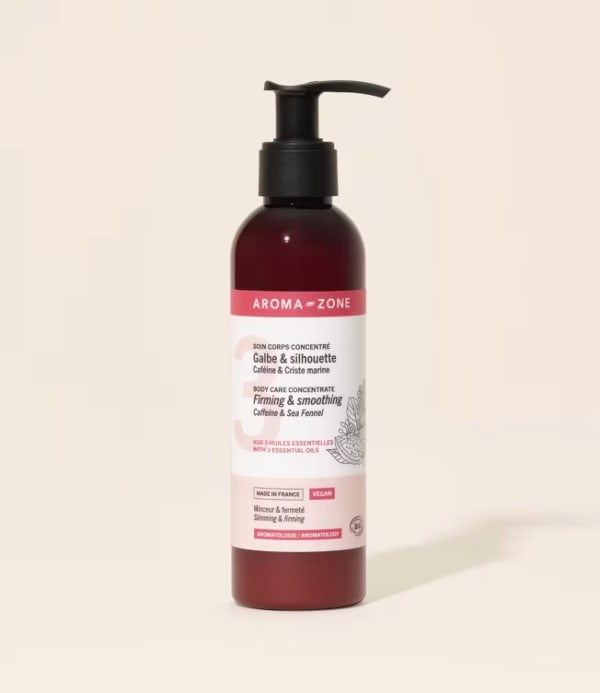
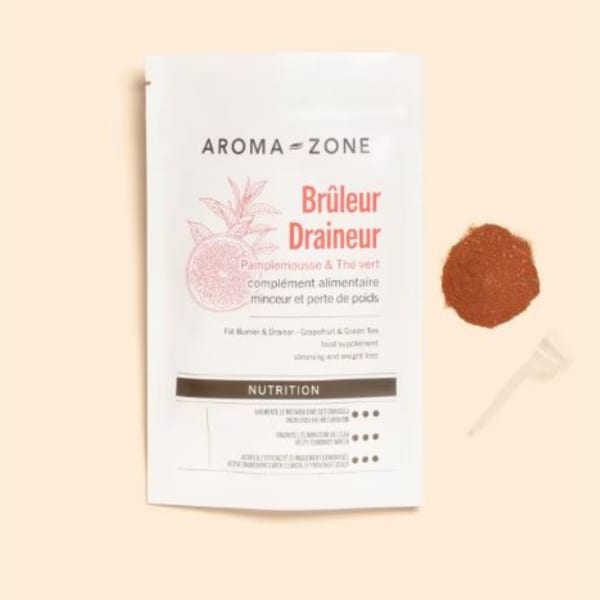
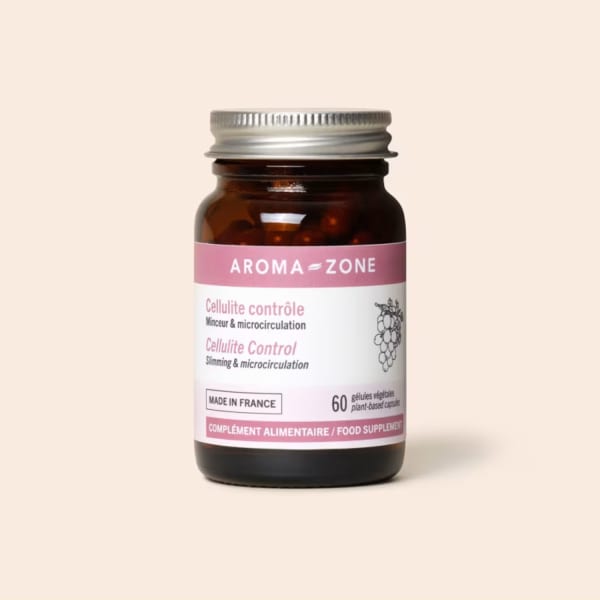
What are some effective tips for combating cellulite?
In addition to the massages recommended in this article, a healthy lifestyle is the key to reducing the appearance of cellulite, whether it is aqueous, adipose, fibrous or even a combination of these types. Here are a few of our tips to inspire you:
A balanced diet: Eating a variety of foods in reasonable quantities helps you maintain a toned figure. In particular, you should be mindful of excessive salt intake.
Get moving: Physical activity is essential for your body to function properly and for maintaining firm skin.
Water, your best ally: Drinking enough water (2 litres a day) helps flush out toxins and delays the onset of cellulite. A lack of hydration can lead to water retention and contribute to the development of a type of cellulite known as aqueous cellulite.
Washing with cold water: cold water is a good way to stimulate sluggish venous return.
Lymphatic drainage: regular sessions of lymphatic drainage are effective against water retention.
Our natural anti-cellulite remedies
Aroma-Zone shares some recipes to help you make your own anti-cellulite creams and gels at home. Discover our favourite recipes here for the best results against ‘orange peel’ skin:
Expert advice
Not all massage oils are recommended, depending on your individual situation. Before applying a massage oil to your skin, you should ensure it is suitable for you by consulting a specialist or checking the precautions for use.
To be effective, the massage may feel uncomfortable and cause some pain when touched. However, you mustn’t be too rough or pull at your skin! If you’re unsure how to do it, you can seek help from professionals at a beauty salon who use specialised machines.
Spotlight on our writer: Gipsy Dauge

Gipsy graduated from ESJ Paris and spent 10 years working in general and women’s magazines before specialising in health and wellbeing. Now a certified Yin Yoga teacher, she combines her passion for writing with her love of yoga. Through her articles, she aims to share simple, practical habits that support wellbeing and encourage a more mindful approach to everyday life.
Bibliography
Top anti-cellulite tips for the lazy

Frequently Asked Questions
Associated tips

Relaxation tips

Skin care tips
Body Care Tips


