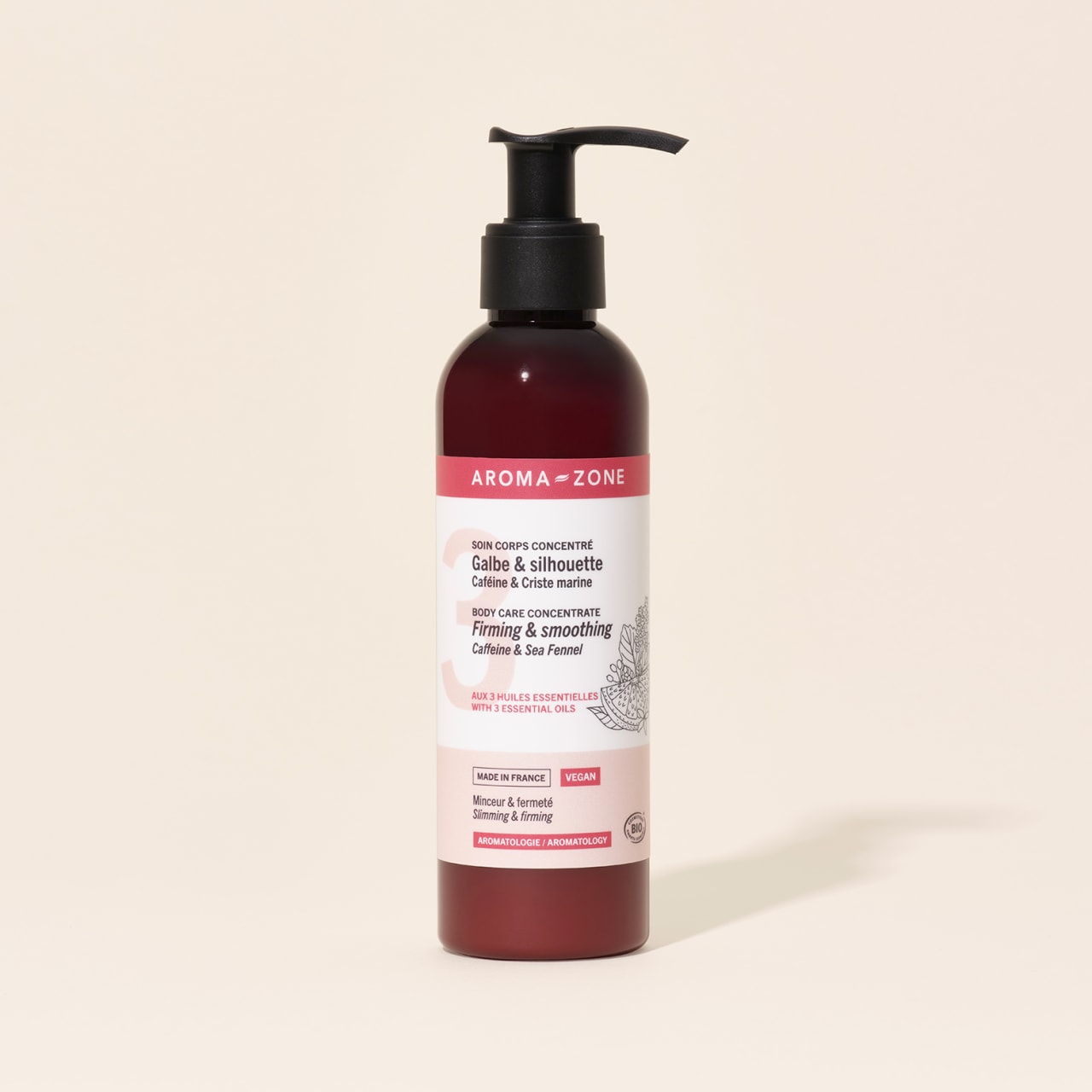
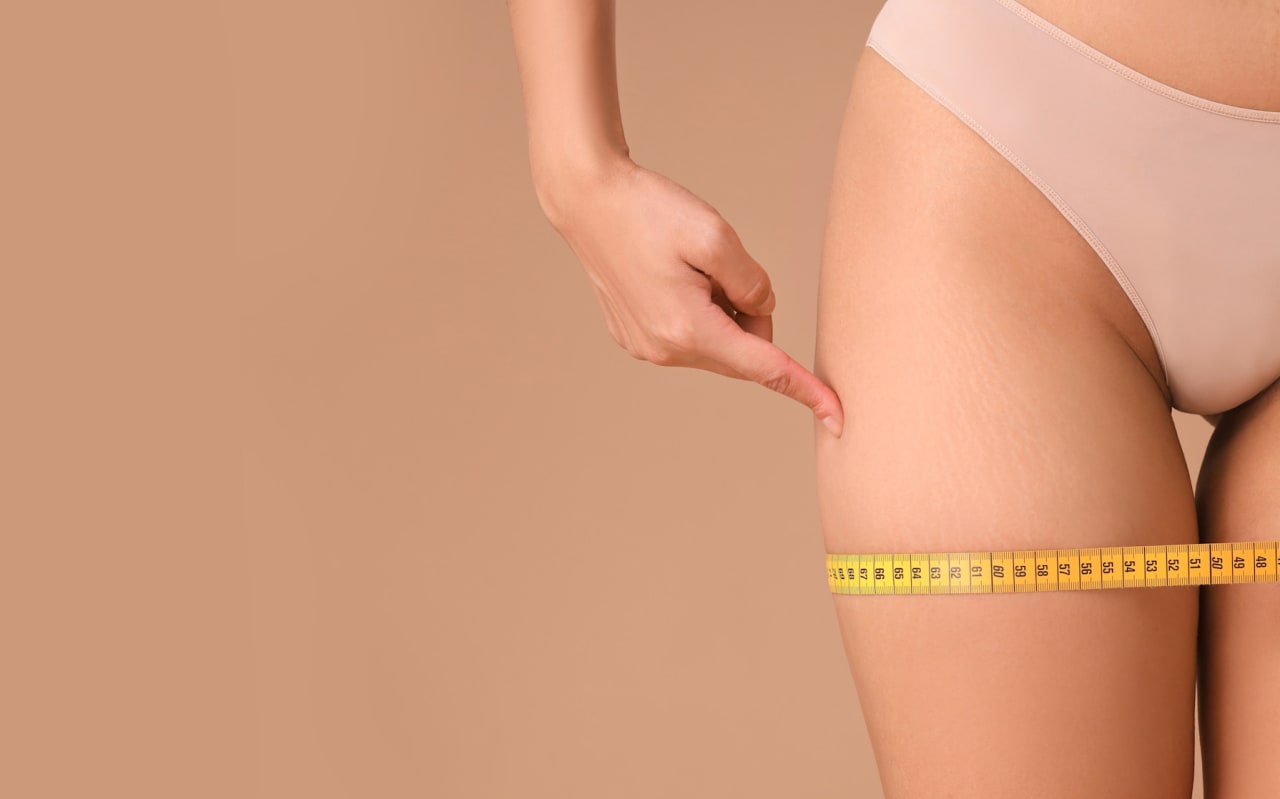
Cellulite, or hydrolipodystrophy, refers to an accumulation of fat in the deep layer of the skin (the hypodermis), often associated with water retention and fibrosis, that is, a hardening of the connective tissue around fat cells. It manifests as an orange-peel-like appearance, typically found on the thighs, buttocks, abdomen, or arms.
Eliminate cellulite naturally: discover our best tips
Published on: Tuesday, October 31, 2023, Updated on: Wednesday, October 21, 2026
Cellulite, also known as ‘orange peel skin’, is a common condition that mainly affects women. But where exactly does cellulite come from, and what factors contribute to its development? In this article, discover our natural tips for reducing cellulite and regaining smooth, firm skin.
Contents
Related products
£7.00
1 article
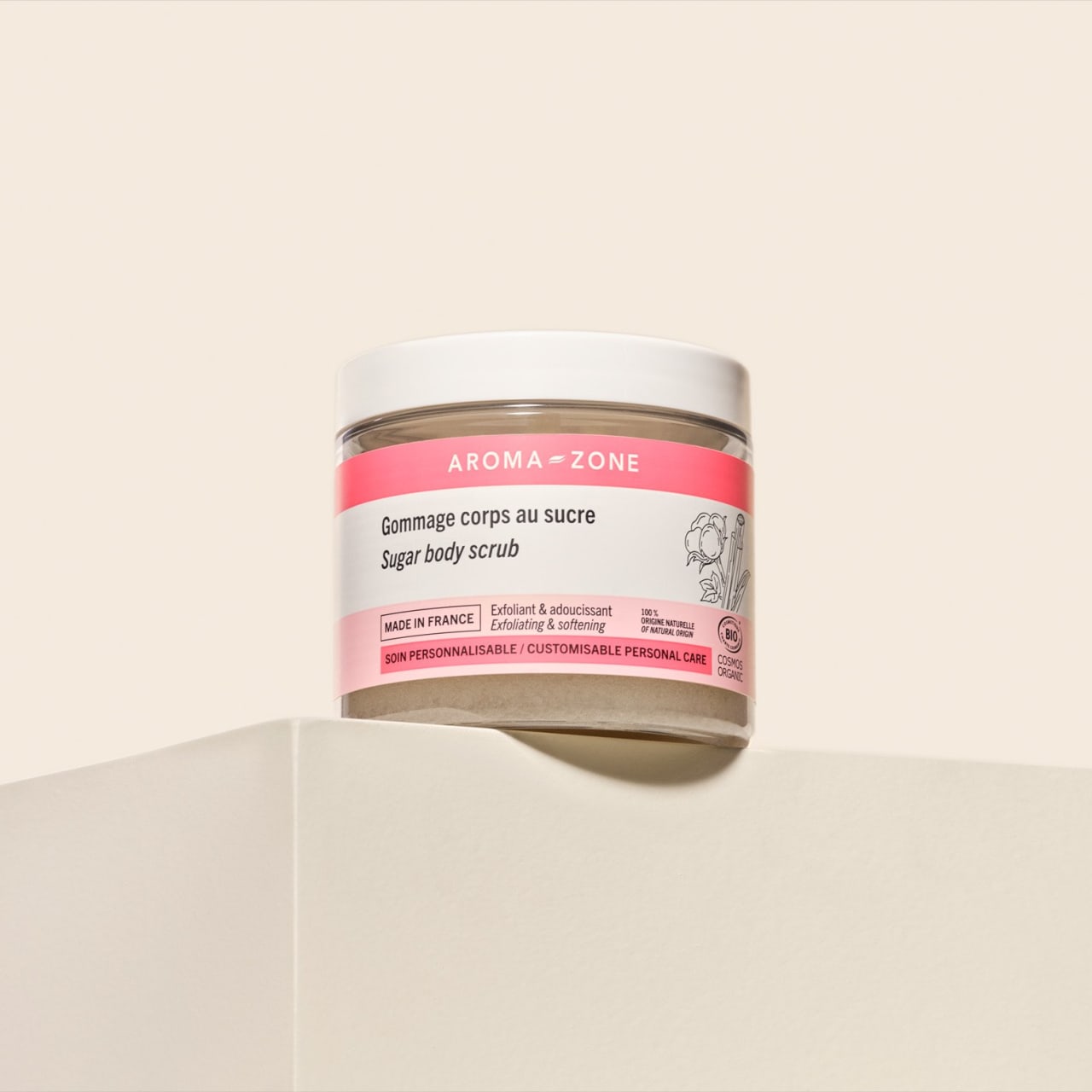
Organic Sugar Body Scrub
Exfoliating
£9.00
200 g
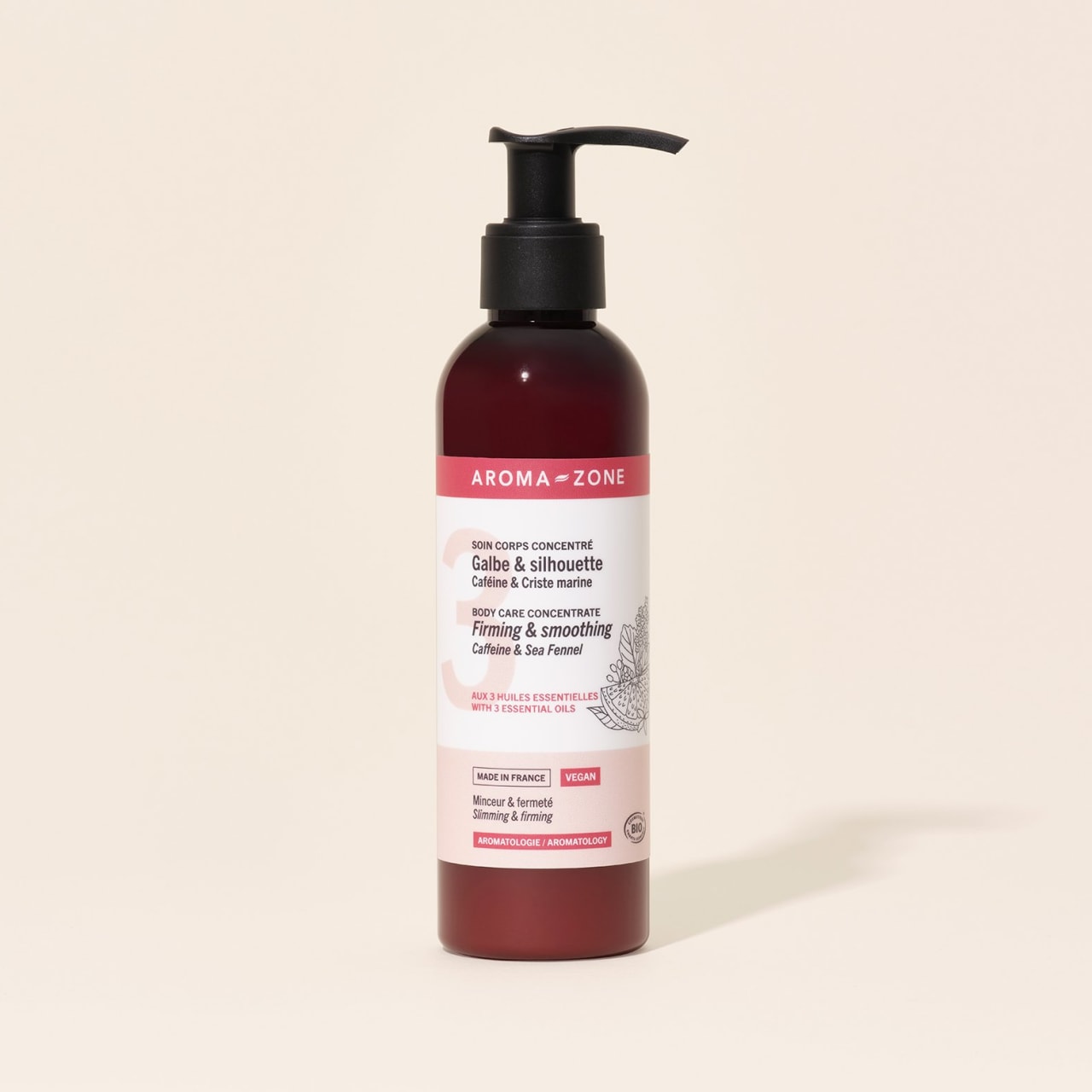
£15.00
200 ml
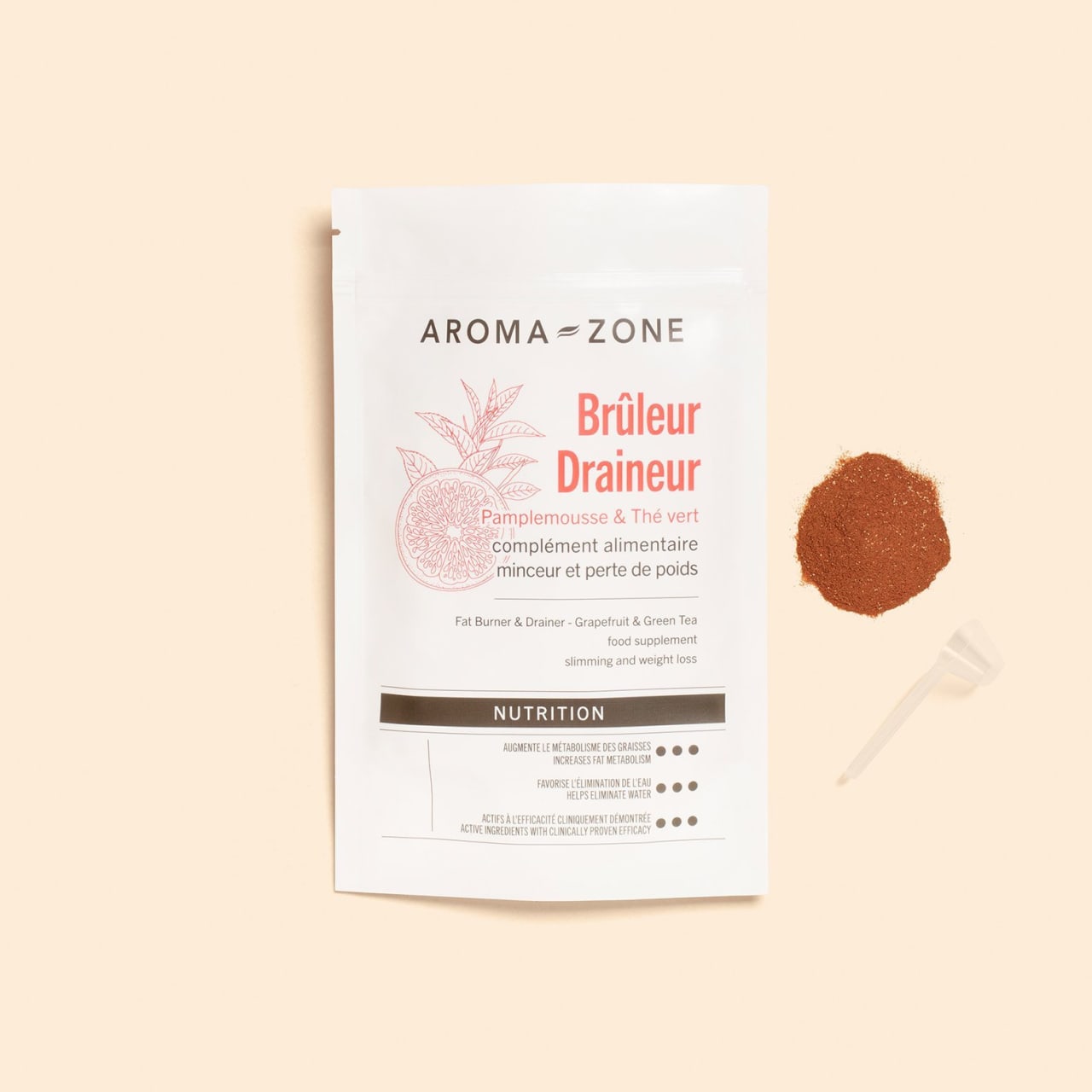
Fat Burner & Drainer
Weight management
£22.00
120 g
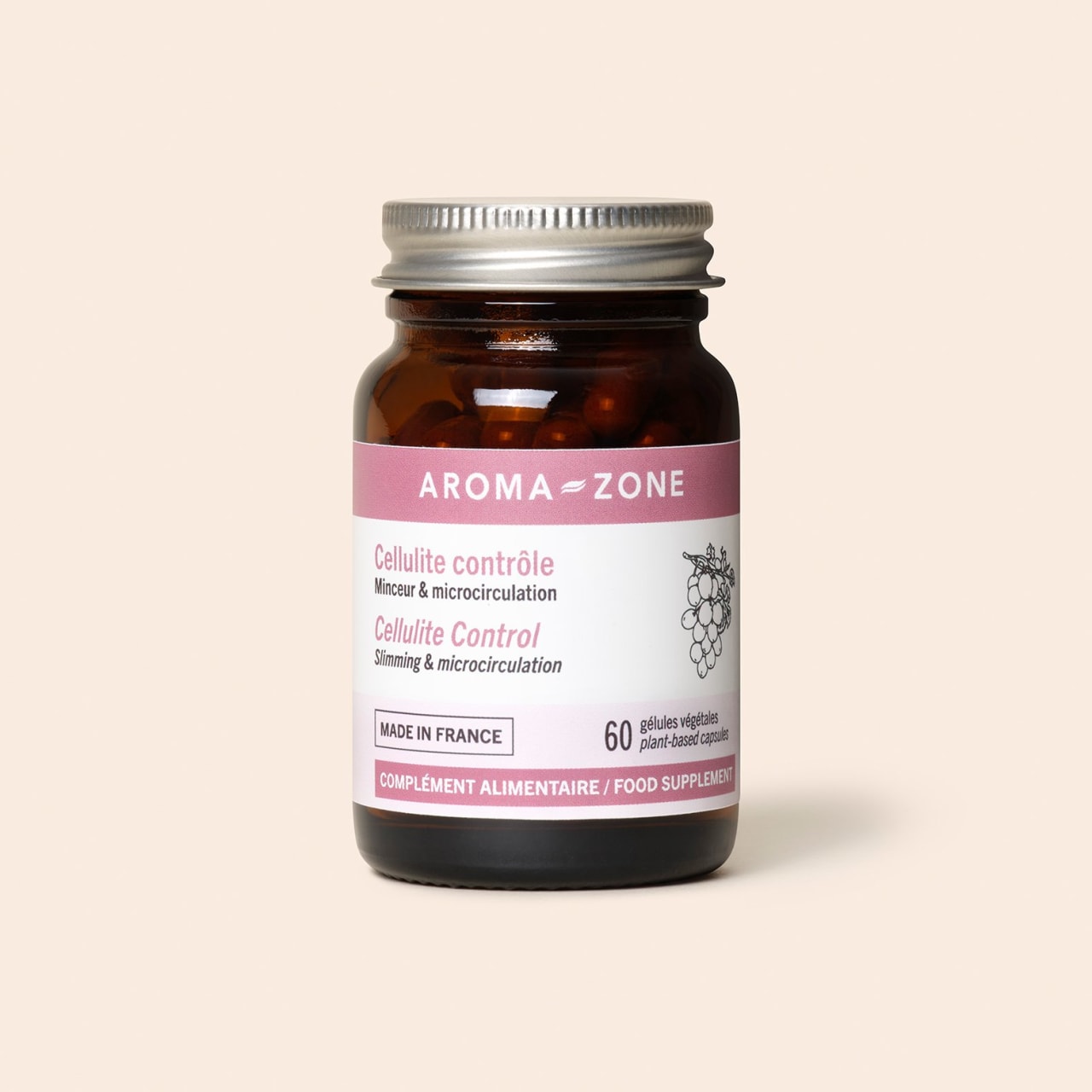
Cellulite Control - 60 capsules - Dietary supplement
Anti-cellulite
£20.00
1 article
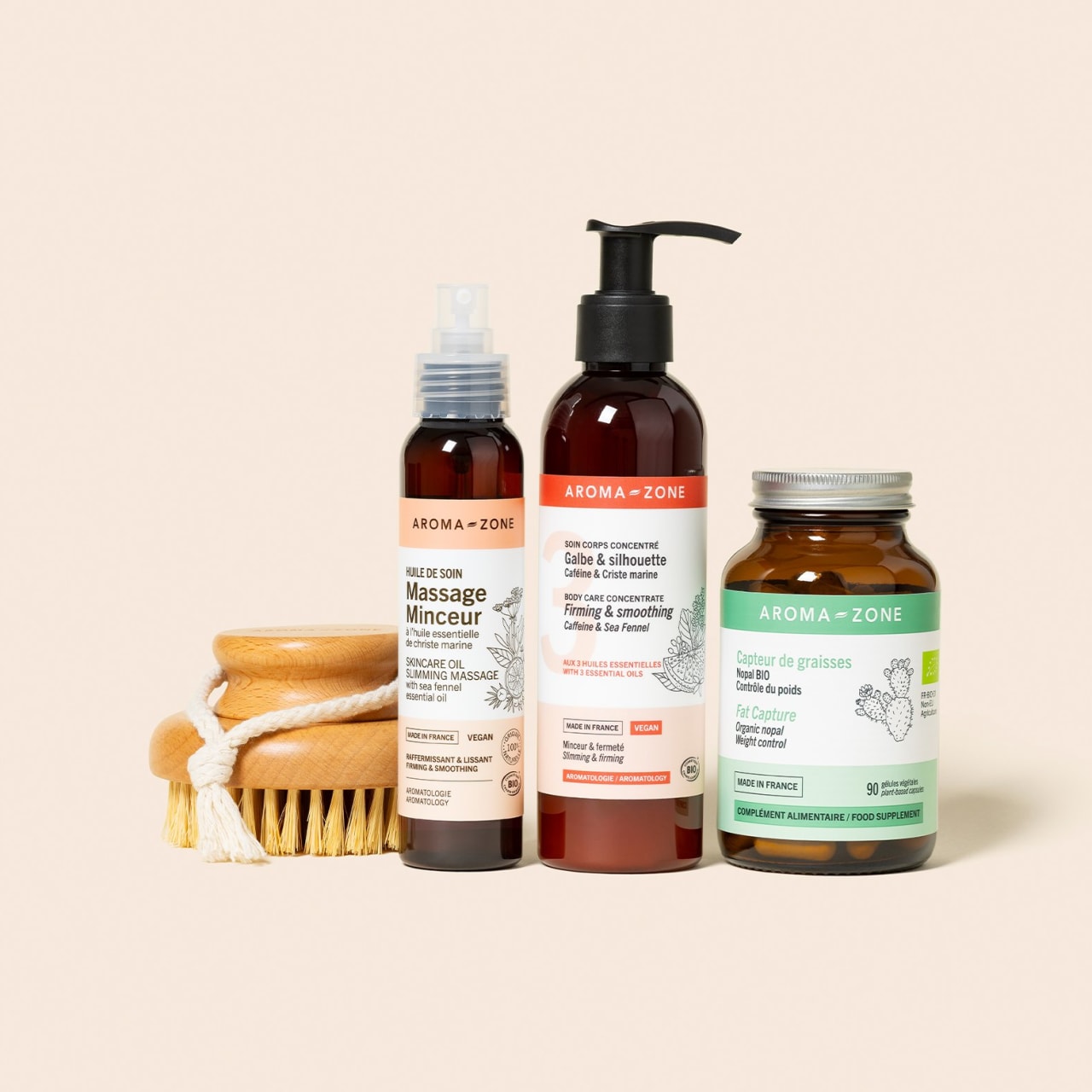
Body Sculpt Drainage & Firming Ritual
Skin beauty & firmness
£46.00
article
Where does cellulite come from?
What factors contribute to cellulite?
Several causes have been identified in the development of cellulite, often interconnected:
Genetic factors: A predisposition to cellulite can be influenced by genetics, which explains why some people are more prone to it than others.
Hormonal factors: Female hormones, such as estrogen, influence fat distribution, water retention, and the metabolism of subcutaneous tissues.
Vascular factors: Vascular disorders promote fluid accumulation in the tissues, which accentuates the appearance of cellulite.
Nutritional factors: An unbalanced diet, high in fats and sugars, contributes to weight gain and the accumulation of subcutaneous fat.
Metabolic factors: Metabolic imbalances, such as diabetes or hormonal fluctuations, can also disrupt adipose and vascular tissues.
Smoking: Smoking damages the skin’s microcirculation, reducing the supply of nutrients and oxygen, which affects skin firmness and promotes cellulite.
Sedentary lifestyle: Lack of exercise slows down blood and lymphatic circulation, thereby increasing water and toxin retention in the tissues. As a result, larger nodules can be felt under the skin.
Our anti-cellulite routine
What’s the best morning routine?
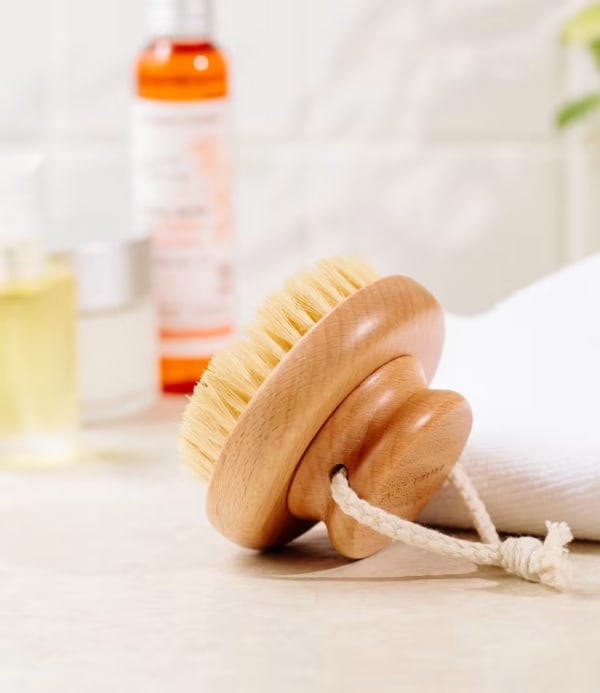
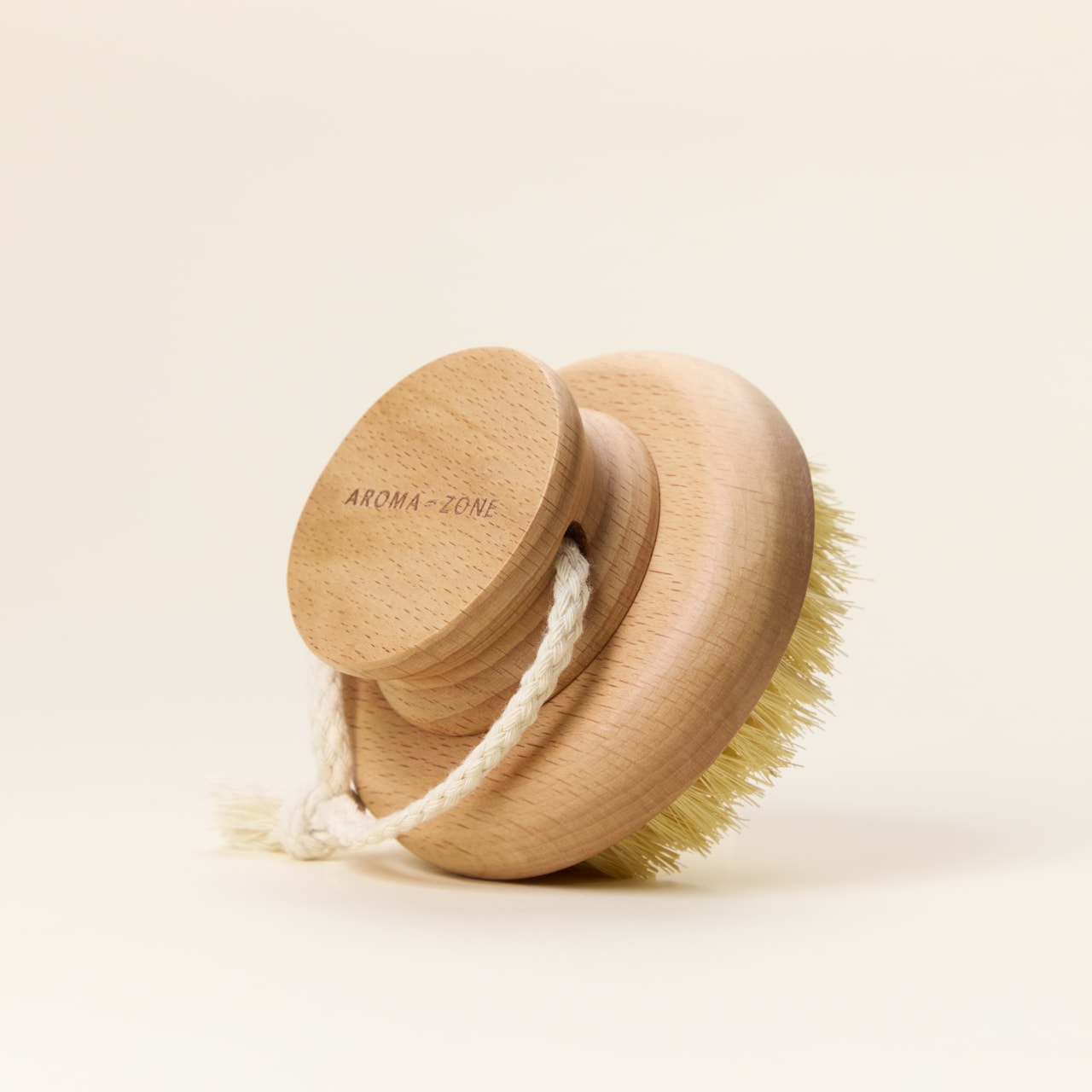
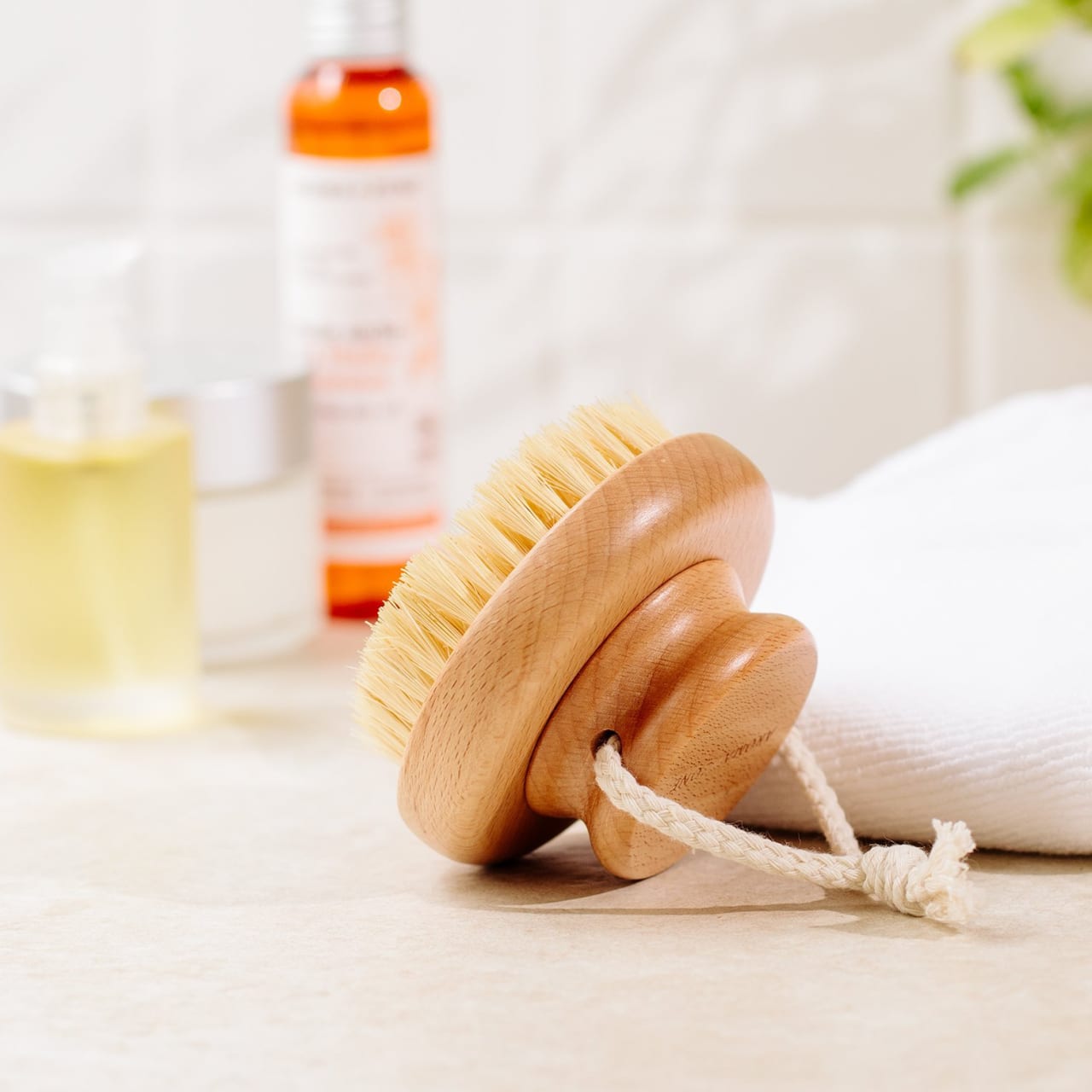
1. Dry brushing to boost circulation : Before showering, dry brush for 3 to 5 minutes using the wooden lymphatic drainage brush. Brush your body, always moving from the extremities toward the heart to stimulate lymph flow, reduce water retention, exfoliate the skin, and prepare the skin for skincare.
What evening routine should you follow?
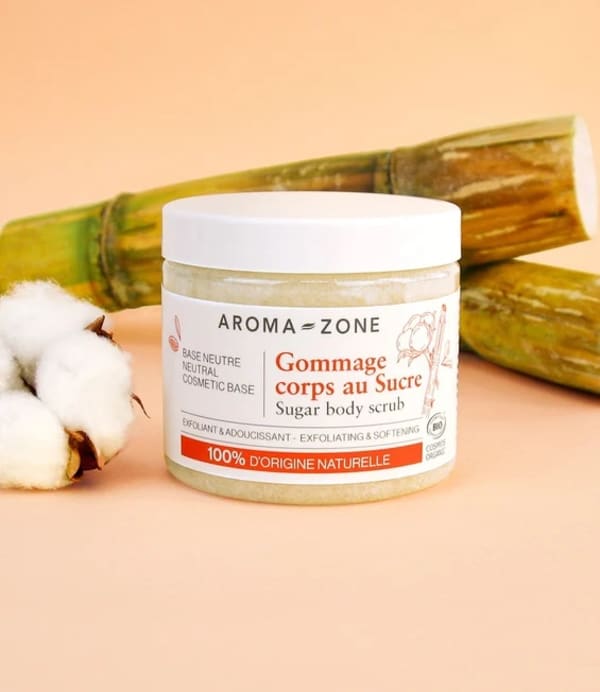
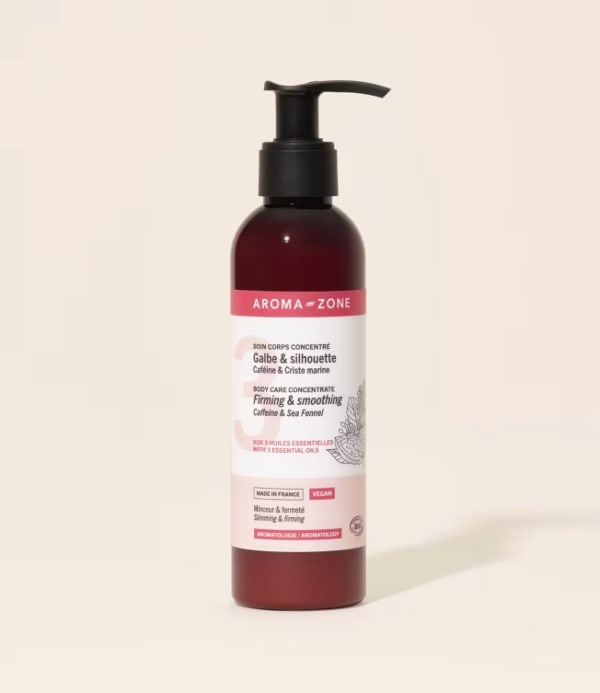
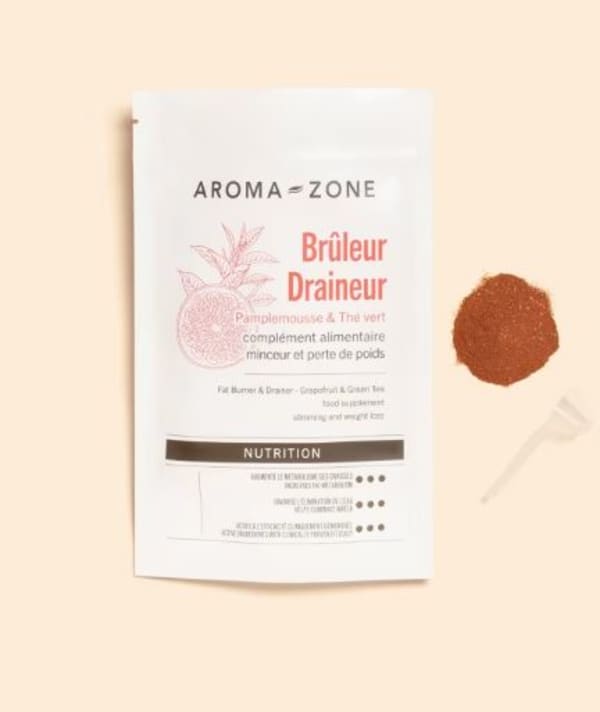
To find out more, discover our Anti-Cellulite Routine.
Which active ingredients should you use to reduce cellulite?
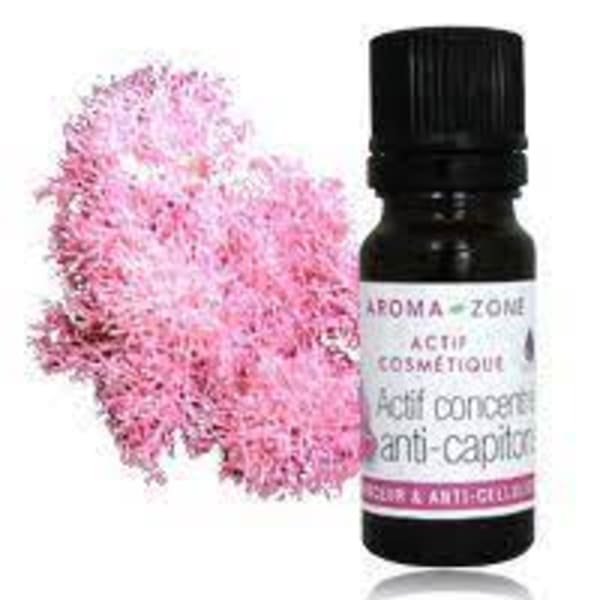
Concentrated anti-cellulite active ingredient
This concentrated extract of algae from the Corallinaceae family has a proven effect on cellulite: It helps activate lipolysis in fat cells, combats fat storage, and promotes skin restructuring and firming, thereby reducing the “dimpled” appearance.
Discover the concentrated anti-cellulite active ingredient
What habits can help reduce cellulite naturally?
Quit Smoking
If you smoke a lot, now might be the time to quit cigarettes. Smoking affects blood circulation and damages blood vessels. This can therefore worsen the appearance of cellulite. Quitting smoking could help improve your skin’s firmness.
What is the best exercise for reducing cellulite?
To burn fat and tone your muscles and skin, engage in regular physical activity. Below is an overview of the best sports.
Focus on strength training and cardiovascular exercises. These types of exercises help reduce the appearance of cellulite.
Exercises to reduce cellulite on the thighs and legs
To reduce cellulite on the thighs and legs, focus on exercises like squats, lunges, or high knees. These movements strengthen the quadriceps, hamstrings, and calves while boosting circulation. Brisk walking, cycling, and swimming are also excellent ways to target these areas while burning calories.
Techniques for removing cellulite from the stomach
Cardiovascular exercises such as running, swimming, or cycling help burn fat. At the same time, targeted exercises like planks, crunches, or leg raises help tone your core and firm up your skin. Similarly, consider gentle yet effective sports like Pilates or yoga, which deeply engage the muscles of the core.
How to get rid of cellulite on the arms?
Often mistaken for a simple loss of muscle tone, cellulite on the arms is less common than on other parts of the body. When the arm muscles aren’t used regularly, the skin can appear saggy. To address this, it’s essential to strengthen this area of the body. Among the most effective exercises are dips, which involve bending the arms while leaning on a chair or two parallel bars. Tricep extensions, performed with a dumbbell held overhead, specifically target the back of the arms and improve muscle tone. Bicep curls, or arm curls with dumbbells, strengthen the front of the arm and help reshape the silhouette. Finally, close-grip push-ups, a variation of classic push-ups with hands close together, focus the effort on the triceps and chest, while promoting overall muscle strengthening and fat burning.
Precautions for use
Cellulite is a natural, common physical characteristic that poses no health risks. It’s important to remember that having a little cellulite—even if you lead a healthy lifestyle and have a normal body weight—is perfectly normal. It affects the majority of women, regardless of their age or weight.
Expert advice
Dry brushing is also an effective method for fighting cellulite. By stimulating lymphatic circulation, it helps reduce the buildup of fluids and toxins in the tissues. It can also improve the appearance of the skin, making cellulite less visible. Check out our feature article for Everything you need to know about dry brushing.
Spotlight on Our Writer: Camille Clément

Camille specialises in writing about beauty, health, and natural well-being. Her passion for these subjects has led her to write for major media outlets, helping readers take a natural, holistic approach to self-care.
Bibliography
Sadick, N. (2018).
Treatment for cellulite. Journal of Cosmetic Dermatology, 17 (4), 479-485. https://doi.org/10.1016/j.jdermsci.2018.01.001
Vyas, A., & Adnan, G. (2020).
Lipedema. Journal of Cosmetic Dermatology, 19 (3), 519-527. https://doi.org/10.1111/jocd.13178
Yimam, M., Lee, Y.-C., Jiao, P., Hong, M., Brownell, L., & Jia, Q. (2018).
A randomized, active comparator-controlled clinical trial of a topical botanical cream for skin hydration, elasticity, firmness, and cellulite. PMCID: PMC6122510; PMID: 30214668