
What are the best anti-cellulite active ingredients?
Published on: Tuesday, June 02, 2026, Updated on: Tuesday, October 13, 2026
Identifying the best anti-cellulite active ingredients starts with an awareness that cellulite is caused by several interlinked mechanisms. Some active ingredients target a specific mechanism – sometimes even two or three – but cannot claim to be effective against the other factors. This explains why cosmetic results for ‘orange peel’ skin are often modest and temporary. Nevertheless, science has identified ingredients that seem to stand out: when combined with a healthy lifestyle, they can help smooth out the dimples in your skin and make cellulite less visible. To choose the best skincare product for you, this article looks at selecting the most suitable active ingredient for the four main types of cellulite.
Contents
Related products
£15.00
200 ml
Anti-cellulite
£20.00
1 article
In brief
Caffeine, retinol and Centella asiatica are among the best anti-cellulite active ingredients scientifically proven to be effective.
Topical treatments appear to offer the most convincing results for orange-peel skin.
However, no cosmetic active ingredient can completely eliminate cellulite.
Which anti-cellulite active ingredients should you choose for quick and visible results?
The best anti-cellulite active ingredients have lipolytic, restructuring, draining, venotonic, anti-fibrosis, antioxidant and/or firming effects.
Contrary to popular belief, cellulite is not solely the result of excess fat. It is a multifactorial phenomenon, involving in particular fat cells, connective tissue, microcirculation, inflammation and skin firmness. The best anti-cellulite active ingredients are therefore those that can be shown to act on one or more of these mechanisms.
Lipolytic active ingredients: these improve the appearance of ‘orange peel’ skin by stimulating fat breakdown and reducing the volume of fat cells (adipocytes) (1)
Restructuring active ingredients: these rely primarily on a pro-collagen effect, meaning they redensify the subcutaneous tissues to smooth out the dimpled appearance (2)
Draining and venotonic active ingredients: long-standing favourites for treating water retention; they help to reduce visible swelling and smooth the skin’s texture (3)
Anti-fibrosis active ingredients: these help to remodel and soften connective tissue by specifically targeting the fibrous septa, which are responsible for the dimpled appearance of cellulite
Antioxidant active ingredients: although they act primarily as adjuvants (3), they are still valuable for maintaining the physiological balance of the extracellular matrix
Tightening active ingredients: these have a purely mechanical effect, which temporarily blurs the irregularities of ‘orange peel’ skin by forming a film that tightens and smooths its surface.
Which product is most effective against cellulite?
Topical treatments (creams, gels, oils, etc.) appear to be more effective at reducing the appearance of orange peel skin.
In the scientific literature, topical anti-cellulite treatments are backed by the most comprehensive and credible evidence. These may include creams, gels, lotions or oils to be applied to areas affected by dimpled skin and massaged in gently.
Unlike dietary supplements, they deliver a significant concentration of active ingredients to specific areas, such as the thighs, arms, buttocks, hips, etc. As cellulite involves several mechanisms, the most effective formulations appear to be those that combine several anti-cellulite active ingredients. Unlike isolated active ingredients, they offer a broader spectrum of action (2). Massaging them directly into the skin also helps to trigger additional circulatory benefits.
Dietary supplements for cellulite, although less well-studied to date, are nonetheless relevant. Some scientific studies, for example, are investigating the anti-orange-peel effects of oral collagen supplementation. The results are promising, but still in their infancy (4). See also: Collagen and cellulite: what’s the link?
What are the best anti-cellulite active ingredients according to scientific evidence?
The research is clear: even the best anti-cellulite active ingredients identified to date cannot completely eliminate cellulite. However, caffeine, retinol and Centella asiatica are among the must-have anti-cellulite active ingredients.
The table below lists the best anti-cellulite active ingredients backed by scientific evidence, either due to the number of studies conducted on them, their effectiveness, or their mechanism of action.
Active Ingredients | Key features |
Caffeine | Recommended for its lipolytic, veinotonic, draining and firming effects (1). It is one of the anti-cellulite active ingredients backed by the strongest scientific evidence. |
Retinol | Recommended for its restructuring (2) and anti-fibrosis (1) effects. Retinal may offer similar effects on dimpled skin, but there is less evidence for this in the scientific literature. |
Centella asiatica | Recommended for its draining, restructuring, anti-fibrosis and antioxidant effects (5). Although it addresses many of the mechanisms underlying cellulite, there is still a lack of direct clinical evidence. |
Which active ingredients should you choose depending on the type of cellulite?
The choice of the best anti-cellulite active ingredients varies depending on the individual’s predominant type: oedematous, adipose, structural or dermal.
You’re no doubt familiar with the three main types of cellulite as they’ve been presented to us for several years now, particularly in women’s magazines and product marketing: adipose cellulite, aqueous cellulite and fibrous cellulite.
In reality, this classification is no longer scientifically valid, as all these components coexist within cellulite (6). They simply exist to varying degrees, with some predominating over others. This is why we believe it is more accurate to speak of a “dominant component” rather than reducing cellulite to three distinct types. Another important point to bear in mind is that the dominant component may vary from one area of your body to another.
Cellulite with an oedematous dominant
This may apply to you if… Your cellulite is not very pronounced and is mainly localised in your legs (thighs, calves, ankles). The sensation of swelling and heaviness (the infamous heavy legs) often gets worse in hot weather or if you stand for too long.
Active ingredients to look out for: opt for active ingredients that target blood circulation and lymphatic drainage, in particular Centella asiatica (which has been extensively studied for its drainage properties) or caffeine (the most clinically robust).
Fat-dominant cellulite
This may apply to you if… You feel that your dimples are more pronounced when you tense your muscles. You notice a large amount of soft tissue. This type is generally associated with being overweight or significant fluctuations in weight.
Active ingredients to look for: opt for ingredients that support lipolysis, with caffeine being one of the leading options in this regard.
Predominantly structural cellulite
This may apply to you if… Your dimples always seem to have the same depth and appearance, regardless of your menstrual cycle. You generally feel pain when you pinch your skin, with some areas feeling harder to the touch than others.
Active ingredients to look for: prioritise retinol to limit the stiffening of your fibrous septa and restore suppleness to your tissues.
Predominantly dermal cellulite
This may apply to you if… You are over 40 or have mature skin. The skin on your body is beginning to show signs of ageing: it is rather thin and slack. The dimpling characteristic of cellulite is widespread and permanent, regardless of your posture.
Active ingredients to look out for: Choose active ingredients that will help restructure your tissues, particularly by supporting your natural collagen production. Retinol is one of the best anti-cellulite active ingredients to help you, thanks to its restructuring and ‘remodelling’ effects. Centella asiatica may also be worth considering, although it does not yet enjoy the same level of scientific backing.
Our expert’s opinion
“Do dietary supplements really help with cellulite, and which ones have been most extensively studied? There is growing interest in dietary supplements for managing cellulite, particularly those containing polyphenols, omega-3s or botanical extracts. Several studies on various bioactive compounds (green tea polyphenols, conjugated linoleic acid (CLA), plant extracts and omega-3s) suggest that these substances, which occur naturally in green tea, red berries, grapes and oils rich in polyunsaturated fatty acids, may influence the mechanisms involved in the appearance of cellulite (1, 2). Polyphenols appear to be of particular interest. They may inhibit the formation of adipocytes and reduce adverse effects, such as inflammation and insulin resistance (3). A recent real-world study assessed the effects of a patented oral formulation combining a grape extract (containing polyphenols) and co-enzyme Q10 in women with cellulite. After two months of daily supplementation, the participants observed a significant improvement in the appearance of ‘orange peel’ skin (-22 per cent), water retention (-25 per cent) and their body contours (-22 per cent) (4). Co-enzyme Q10 is also attracting interest in the management of obesity, due to its beneficial role in mitochondrial function, which is involved in the metabolism of normal fat cells. This function is impaired in obese individuals (5)."
Lila Bouber, PhD in Nutrition and Scientific Consultant
Our related products
Which are the best anti-cellulite active ingredients to choose for an effective DIY routine?
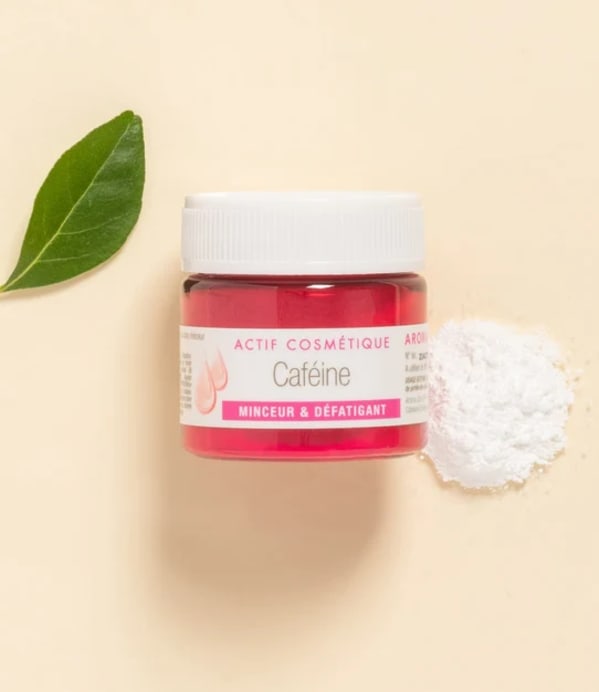
Natural caffeine active ingredient
It combines lipolytic, keratolytic and stimulating properties, making it an essential anti-cellulite active ingredient. Recommended dosage: 0.5 to 2 per cent of the total weight of your formulation. Do not swallow; pure caffeine is harmful if ingested, and internal consumption of pure caffeine carries serious risks. Not recommended for pregnant or breastfeeding women.
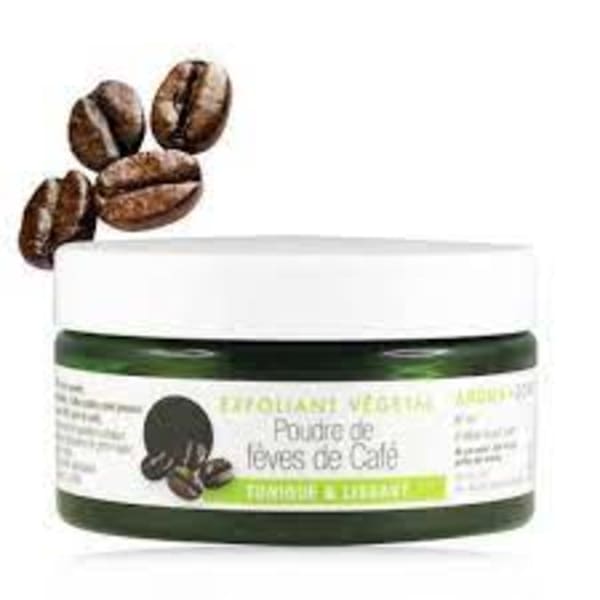
Coffee Bean Powder Exfoliator
Naturally rich in caffeine, it allows you to make your own toning and firming body scrubs. Recommended dosage: 5 to 20 per cent of the total weight of your mixture.
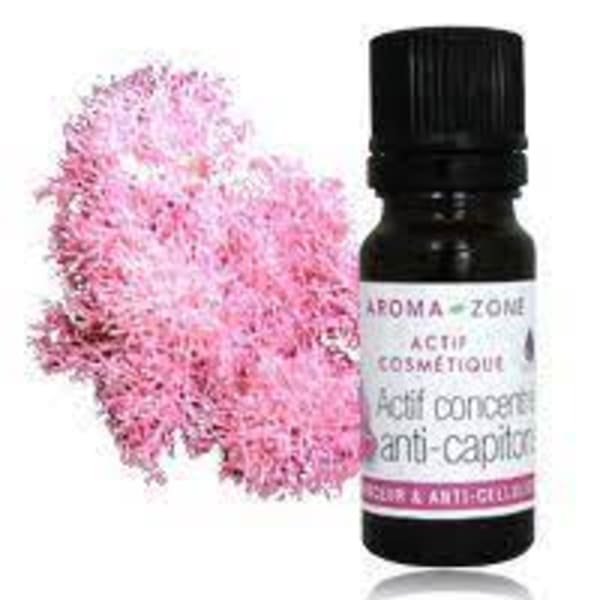
Concentrated anti-cellulite active ingredient
Extracted from a seaweed of the Corallinaceae family, it supports lipolysis whilst redensifying the tissues thanks to its pro-collagen profile. Recommended dosage: 2 per cent of the total weight of your formulation. Store in the fridge after opening.
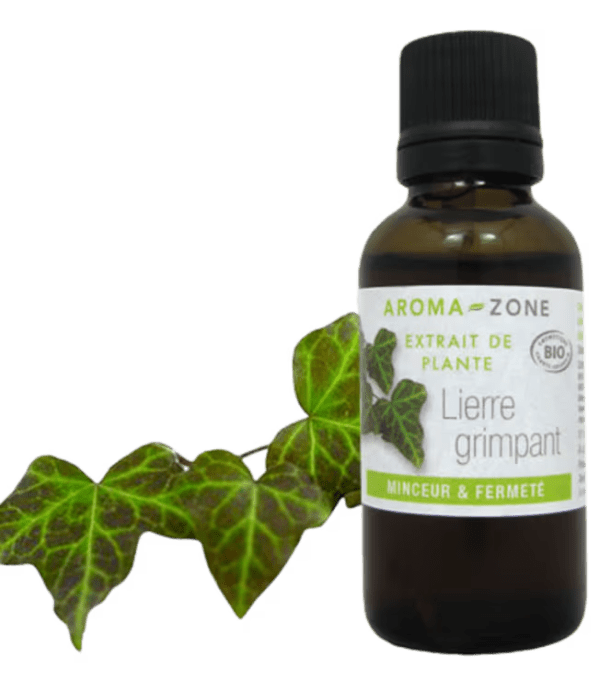
Organic Ivy Extract
Renowned for its toning and firming effects, it is also an excellent soothing active ingredient for redness and itching. Recommended dosage: 5 to 50 per cent of the total weight of your formulation. Store in the fridge and use within 6 months of opening.
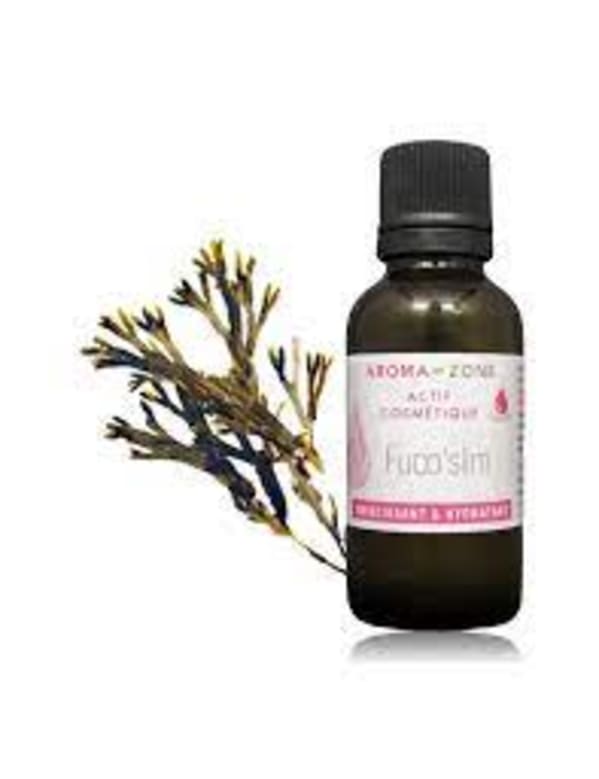
Fuco’slim BIO Active Ingredient
Made from Fucus extract (a source of antioxidant polyphenols and moisturising natural sugars), it is ideal for supporting microcirculation and firming the appearance of dimpled skin. Recommended dosage: 1–10 per cent of the total weight of your formulation.
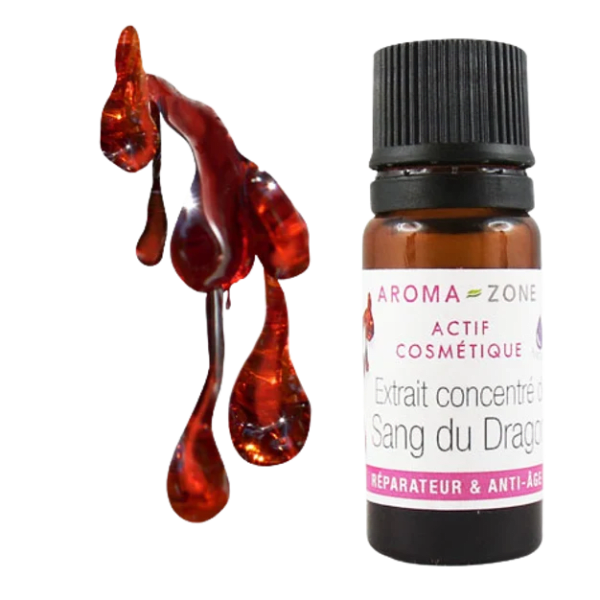
Concentrated Dragon’s Blood extract
Known for its regenerative and antioxidant effects, it is ideal for preserving tissue structure in mature skin. Recommended dosage: 2–4 per cent of the total weight of your formulation.
Which anti-cellulite formulations are most effective when applied topically?
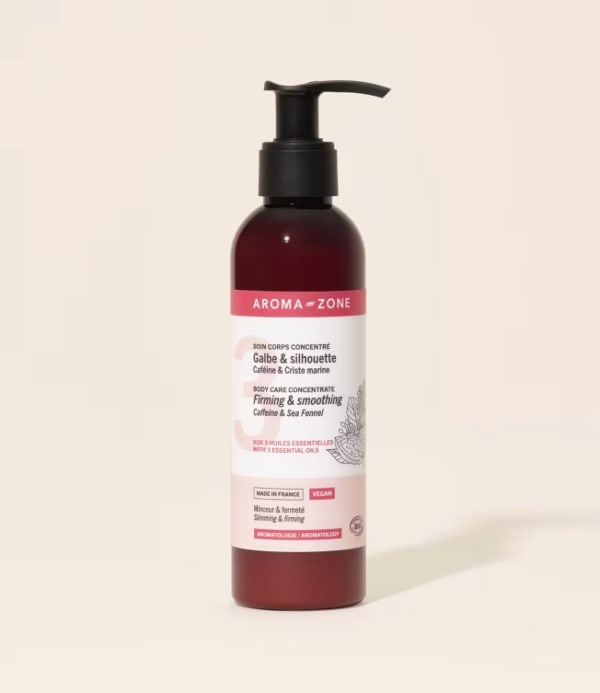
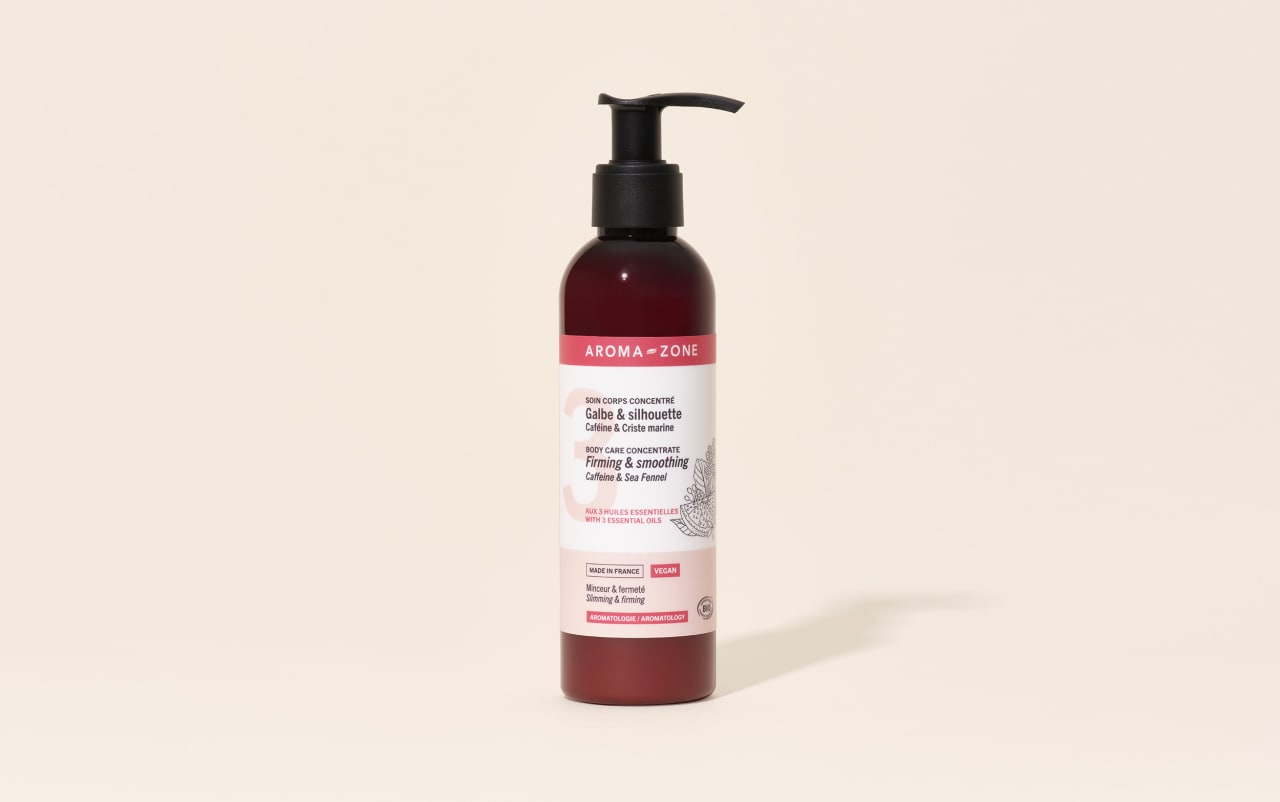
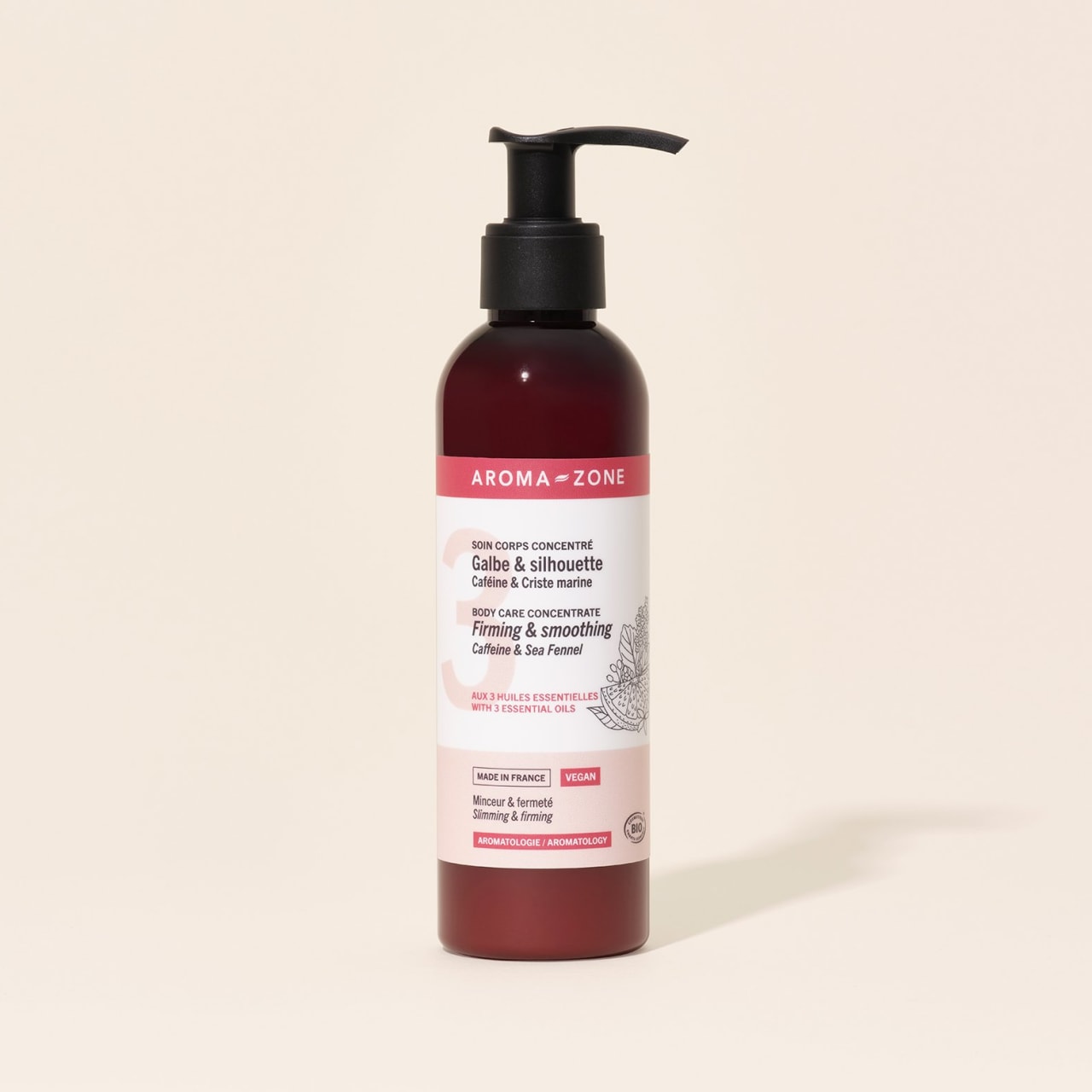
Organic concentrated body care for a sculpted figure
Ideal for a creamy, melt-in massage that leaves the skin feeling fresh, soft and supple, without any greasy or sticky residue. It contains essential oils with draining and firming properties, which also give it its fruity, energising fragrance. Certified organic, made in France. Do not use on children, or on pregnant or breastfeeding women.
Discover the Organic Concentrated Body Care for Contouring & Silhouette
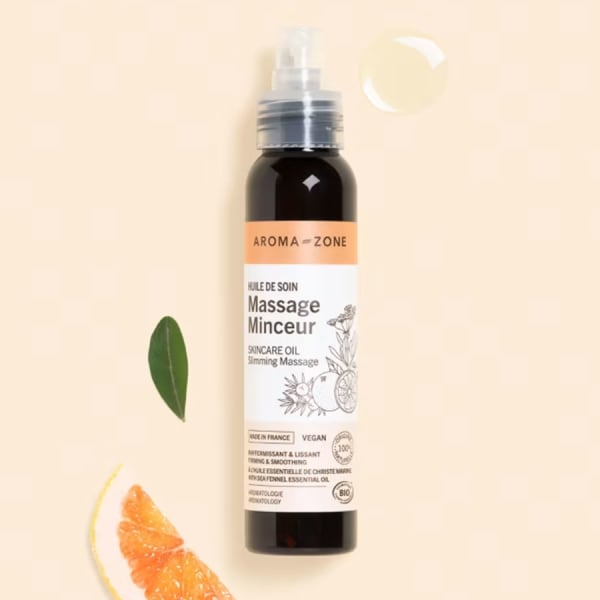
Slimming massage oil
Ideal for a smooth glide that leaves the skin soft, supple and silky. It is enriched with essential oils with toning and firming properties, which also give it its naturally refreshing fragrance.
Precautions
Our top anti-cellulite active ingredients are not a substitute for medical advice. If you notice any unusual changes in your cellulite, we advise you to consult a healthcare professional. In some cases, cellulite may be a sign of other underlying health issues.
Expert advice
Now that you know which are the best anti-cellulite active ingredients to choose, take the time to apply them whilst massaging your skin. Although its effects are limited, mechanical stimulation is still very effective at softening the subcutaneous tissue and promoting fluid circulation. These two factors can have a temporary visual impact on the appearance of ‘orange peel’ skin.
Focus on Our Writer: Hélène Betoux

Hélène Betoux is a French beauty journalist specialising in web media. Every day she writes tips, advice, and guides to help consumers choose the right beauty products. With a strong interest in natural, organic, and clean cosmetics, she analyses and shares trends and innovations in the sector.
Bibliography
Di Guardo A, Trovato F, Cantisani C, Rallo A, Proietti I, Greco ME, Pellacani G, Dattola A, Nisticò SP. Topical Management of Cellulite (Edematous-Fibro-Sclerotic Panniculopathy, EFSP): Current Insights and Emerging Approaches. Journal of Aesthetic Medicine. 2025; 1(2):10.
https://doi.org/10.3390/jaestheticmed1020010
Gabriel A, Chan V, Caldarella M, Wayne T, O’Rorke E. Cellulite: Current Understanding and Treatment. Aesthet Surg J Open Forum. 21 June 2023;5:ojad050.
doi: 10.1093/asjof/ojad050. PMID: 37424836; PMCID: PMC10324940.
Rusu A, Mazilu R-D, Székely-Szentmiklósi B, Oancea O-L, Tanase C, Lungu I-A, Hancu G. Bioactive Compounds for Topical and Minimally Invasive Cellulite Treatment and Skin Rejuvenation. Cosmetics. 2026; 13(1):35.
https://doi.org/10.3390/cosmetics13010035
Schunck M, Zague V, Oesser S, Proksch E. Dietary Supplementation with Specific Collagen Peptides Has a Body Mass Index-Dependent Beneficial Effect on Cellulite Morphology. J Med Food. 2015 Dec;18(12):1340–8.
doi: 10.1089/jmf.2015.0022. Epub 12 November 2015. PMID: 26561784; PMCID: PMC4685482.
Bylka W, Znajdek-Awiżeń P, Studzińska-Sroka E, Brzezińska M. Centella asiatica in cosmetology. Postepy Dermatol Alergol. 2013 Feb;30(1):46-9.
doi: 10.5114/pdia.2013.33378. Epub 20 Feb 2013. PMID: 24278045; PMCID: PMC3834700.
Avram, M. M. (2004). Cellulite: a review of its physiology and treatment. Journal of Cosmetic and Laser Therapy, 6(4), 181–185.
https://doi.org/10.1080/14764170410003057
Ponto T, Nastiti CMRR, Luna G, Leite-Silva VR, Moore BR, Wright A, Benson HAE. Clinical Effectiveness of a Novel Caffeine Nano-Cream for Cellulite Reduction: A Randomised Double-Blind Trial. Pharmaceutics. 24 January 2026;18(2):151.
doi: 10.3390/pharmaceutics18020151. PMID: 41754894; PMCID: PMC12944369.
Byun SY, Kwon SH, Heo SH, Shim JS, Du MH, Na JI. Efficacy of a slimming cream containing 3.5% water-soluble caffeine and xanthenes for the treatment of cellulite: a clinical study and literature review. Ann Dermatol. June 2015;27(3):243–9.
doi: 10.5021/ad.2015.27.3.243. Epub 29 May 2015. PMID: 26082579; PMCID: PMC4466275.

Frequently Asked Questions
Associated tip
Body Care Tips


