
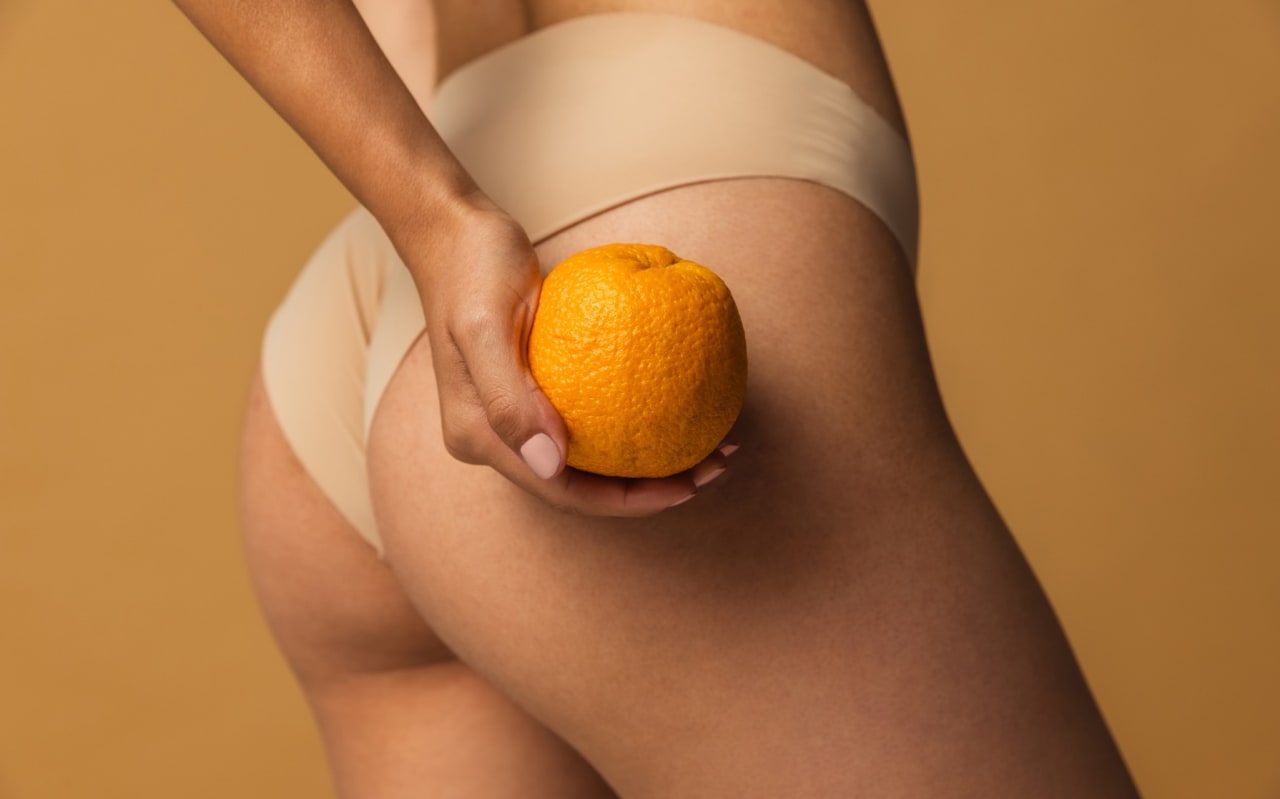
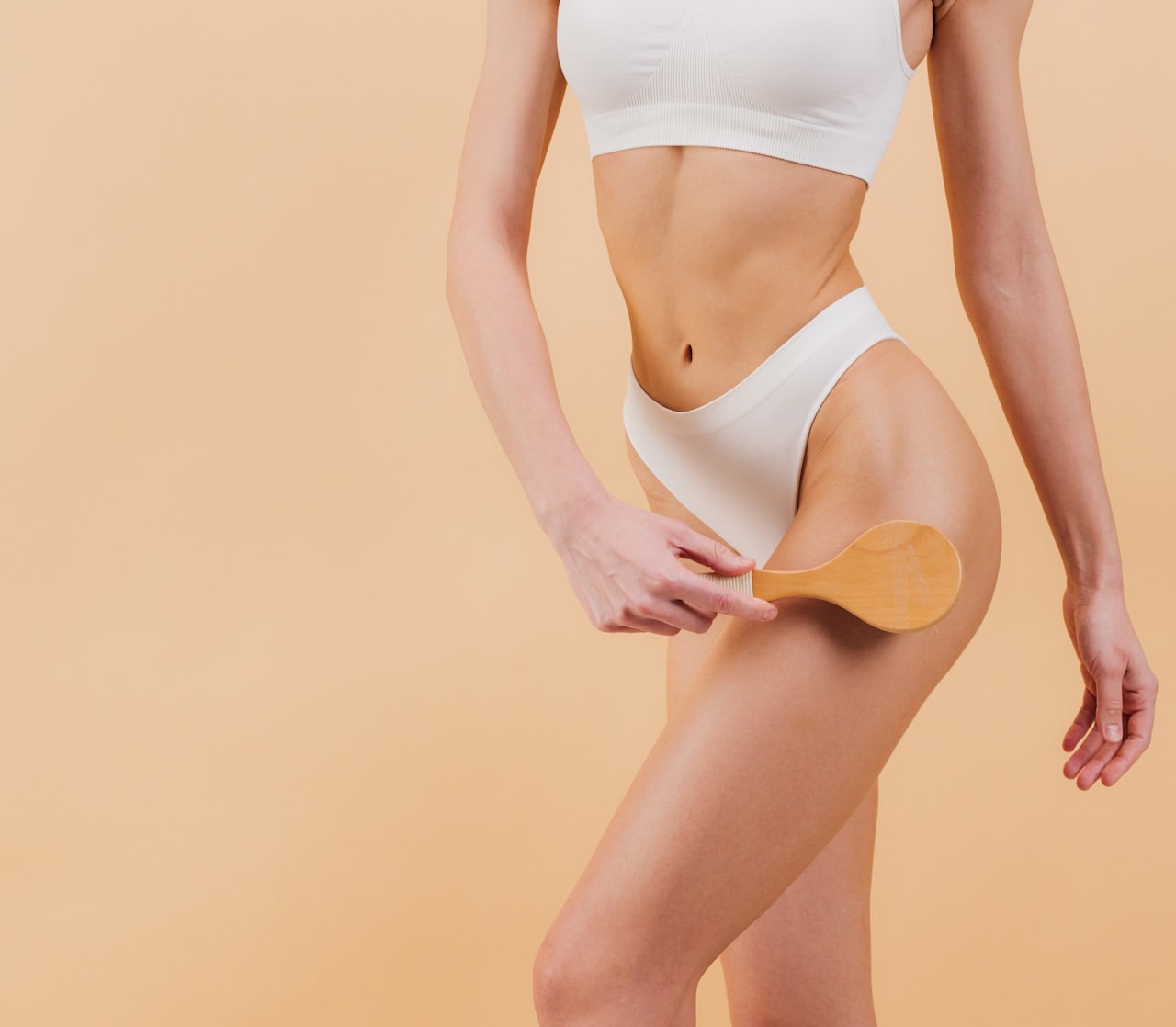
Cellulite (or oedematous-fibro-sclerotic panniculopathy) is a change in the appearance and structure of the skin in certain areas of the body, particularly the buttocks. It is caused by a change in the size of fat cells or in the distribution of subcutaneous fat tissue, water and toxins, which form small clusters of fat. These press against the connective tissue, giving the skin an uneven appearance with the development of bumps, irregularities, nodules and dimples, often compared to the texture of orange peel, on the surface of the skin of the buttocks.
Cellulite on the buttocks: how to get rid of it naturally?
Published on: Tuesday, June 04, 2024, Updated on: Wednesday, October 28, 2026
Cellulite can affect many areas of the body, particularly the buttocks. But what causes it? And how can we get rid of it naturally? In this article, we explore the causes and effects of cellulite on the buttocks. Discover all our tips and natural solutions to help you regain beautiful, smooth and firm skin!
Contents
Related products
£11.00
100 ml
Superfine Montmorillonite Green Clay (Smectite)
Cleansing
Anti-blemishes
£5.50
500 g
What is cellulite?
How can you recognise the 3 types of cellulite?
There are three main types of cellulite:
Adipose cellulite: often associated with being overweight, it is caused by a build-up of fat in fat cells (adipocytes).
Aqueous cellulite: caused by water retention resulting from poor blood and lymphatic circulation.
Fibrous cellulite: more difficult to eliminate, it is caused by tissue fibrosis and can be painful.
What causes cellulite?
Why do we get cellulite?
Several factors can contribute to the appearance of cellulite; here are the main ones:
Hormonal factors: Hormonal fluctuations, particularly those involving oestrogen, play a key role in the formation of cellulite by promoting fat storage and water retention.
Genetic predisposition: Genetics can determine the distribution of body fat, skin elasticity and a tendency towards water retention.
Weight gain: An increase in fat mass, particularly in cases of being overweight or obese, promotes the formation of cellulite. Fat cells expand and exert pressure on the connective tissues, thereby causing a change in their structure.
Diet: A diet high in saturated fats, sugar and salt can contribute to fat accumulation and water retention.
A sedentary lifestyle: A lack of physical activity slows down blood and lymphatic circulation, thereby promoting the retention of water and toxins.
Chronic stress: Chronic stress can increase levels of cortisol, a hormone that promotes fat storage.
Circulatory problems: Poor blood and lymphatic circulation can lead to water retention and poor elimination of toxins.
Why do we get cellulite on the buttocks?
The buttocks are an area particularly prone to cellulite for three main reasons:
Fat distribution: The body, particularly in women, naturally has more fat cells in this area, which makes it more prone to cellulite.
The effect of gravity: Gravity pulls the fatty tissue downwards, accentuating the appearance of cellulite.
Localised pressure: Prolonged sitting exerts pressure on the buttocks, disrupting blood and lymphatic circulation. Tight-fitting clothing can also contribute to this.
How does cellulite appear on the buttocks?
Cellulite on the buttocks manifests itself in various ways, including:
Dimpled skin: The appearance of visible dimples and bumps on the skin’s surface.
Loss of firmness: The skin may appear less toned and more saggy.
Sensitivity: Sometimes, the area affected by cellulite may be sensitive or painful to the touch.
What are the natural solutions for reducing cellulite on the buttocks?
There are several natural solutions for reducing cellulite on the buttocks. Here is our short selection:
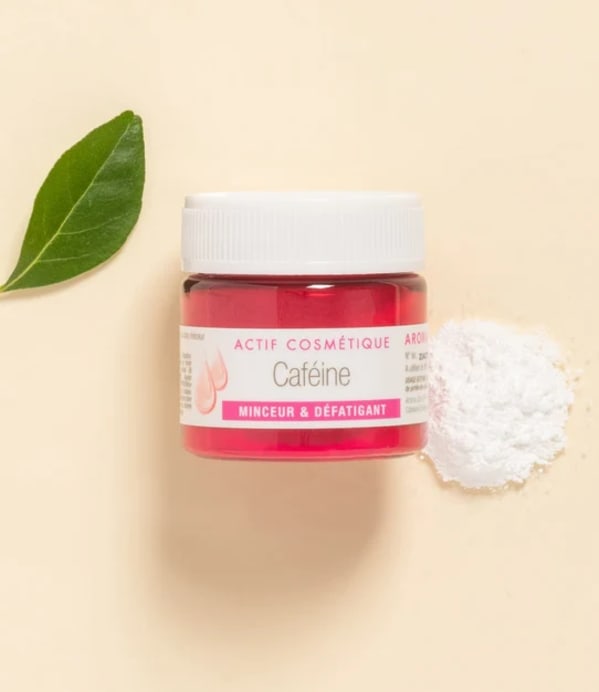
Natural caffeine is a powerful stimulant that helps break down subcutaneous fat. It also improves blood circulation and stimulates lymphatic drainage, which reduces the appearance of cellulite.
Caffeine can be used as an active ingredient in all your water-based slimming products: creams, body milks, gels, lotions… as it only mixes in an aqueous phase. You can also prepare an anti-cellulite draining scrub by mixing our coffee bean powder, our natural caffeine active ingredient and a plant-based oil or butter of your choice. Apply the mixture to your buttocks using circular movements, leave on for 10 minutes, then rinse off with lukewarm water. Use this scrub once or twice a week.
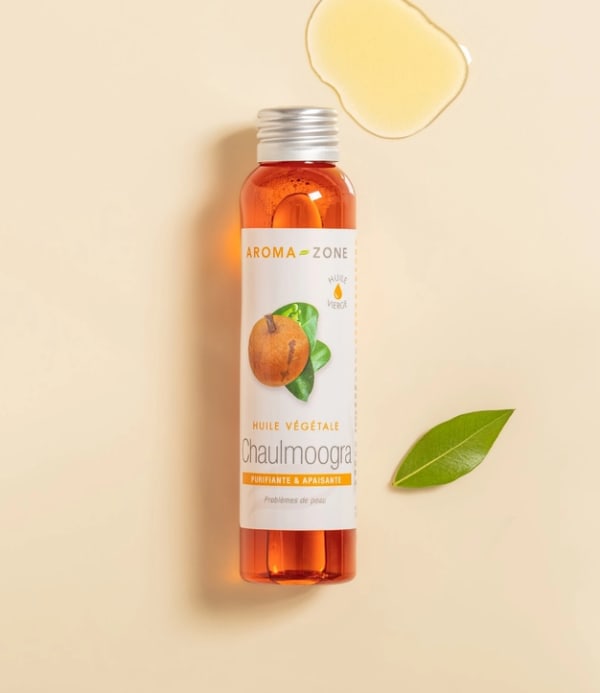
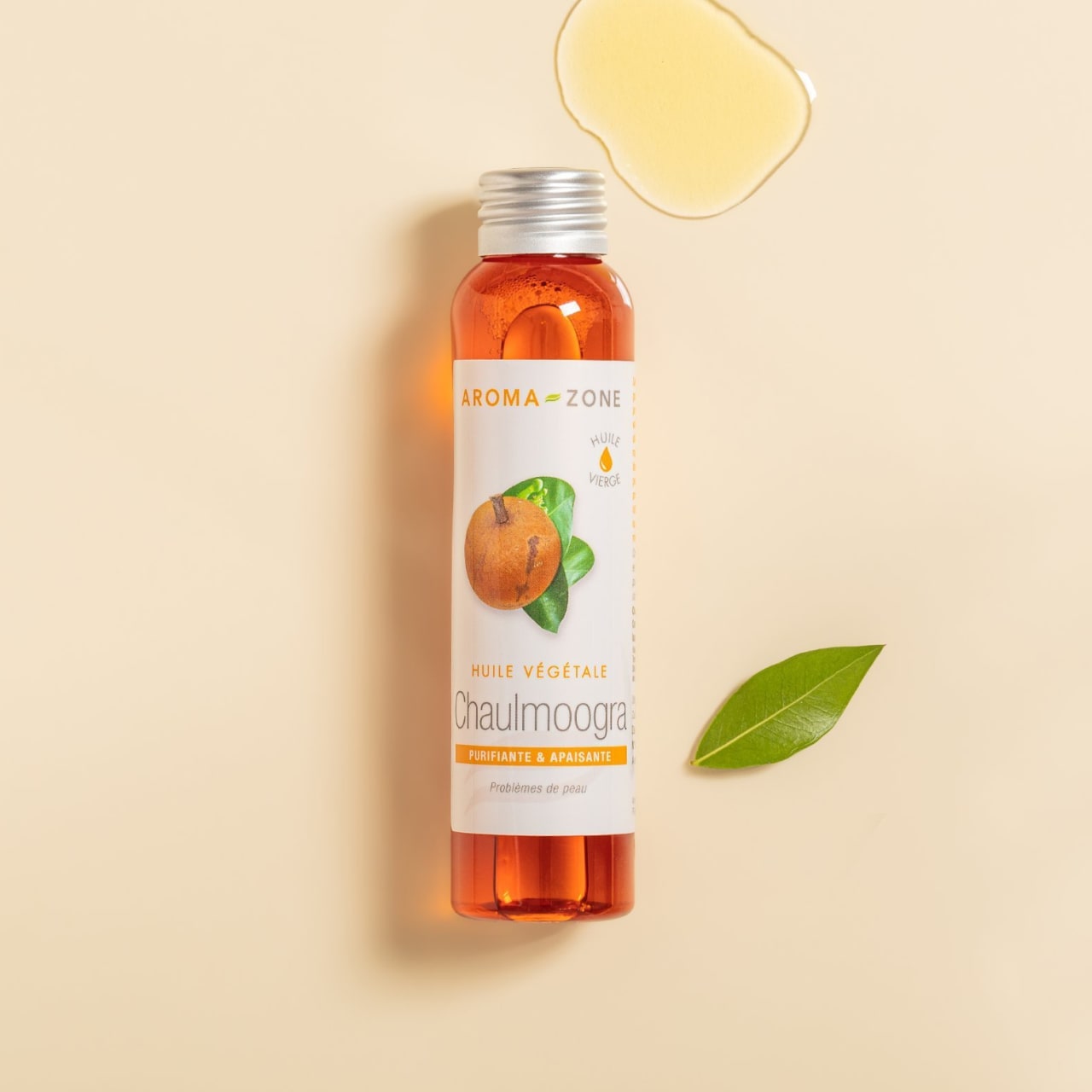
Chaulmoogra oil has lipolytic properties, which means it helps break down fat deposits. It also improves microcirculation, evens out skin tone, firms the skin, combats the appearance of cellulite and promotes smoother, firmer skin
Mix a few drops of Chaulmoogra vegetable oil with a carrier oil such as macadamia oil. Massage your buttocks vigorously with this mixture every evening, using circular movements for 10 minutes.
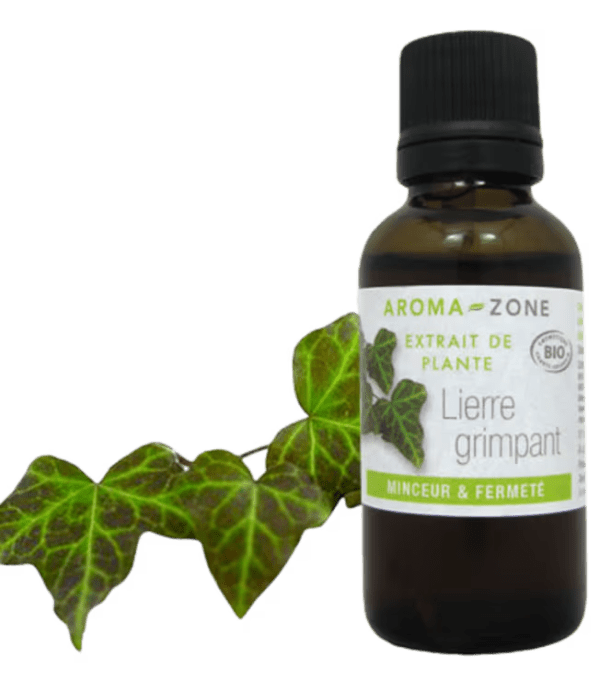
Ivy extract is known for its decongestant, toning and draining properties. It helps to stimulate blood circulation and reduce water retention, which can minimise the appearance of cellulite. The saponins it contains help lipids stored in the skin’s fat cells to return to the bloodstream to be eliminated or used as a source of energy.
Organic Ivy extract can easily be incorporated (at 5%) as an active ingredient in all your water-based skincare products: creams, milks, gels, lotions… Massage this mixture into your buttocks morning and evening using circular movements.
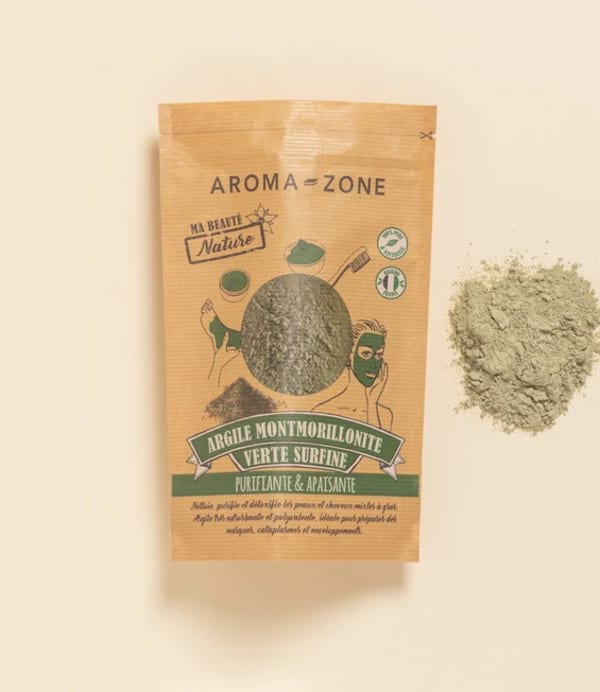
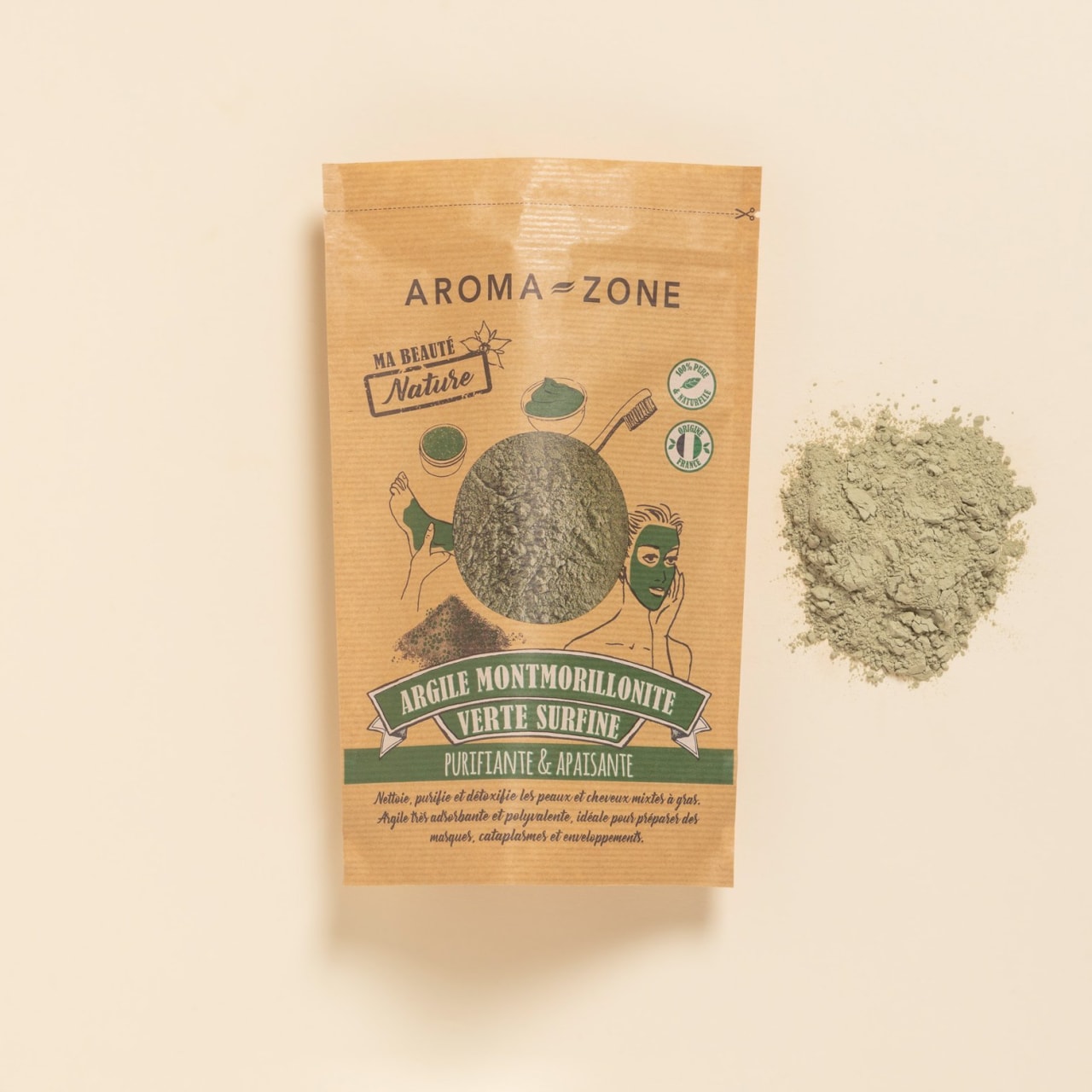
Green clay has absorbent and detoxifying properties that help remove toxins from the skin. Matcha green tea, meanwhile, is rich in antioxidants and caffeine, which help to firm the skin and reduce water retention.
Mix 2 tablespoons of green clay powder with 1 tablespoon of matcha green tea powder and enough lukewarm water to form a paste. Apply this paste to your buttocks and wrap them in cling film. Leave on for 20 minutes, then rinse off with lukewarm water. Repeat this treatment once a week.
Our Anti-Cellulite Routine
Approved by our dermatologist, our routine combines exfoliation, massage, and drainage to visibly improve the appearance of the skin.
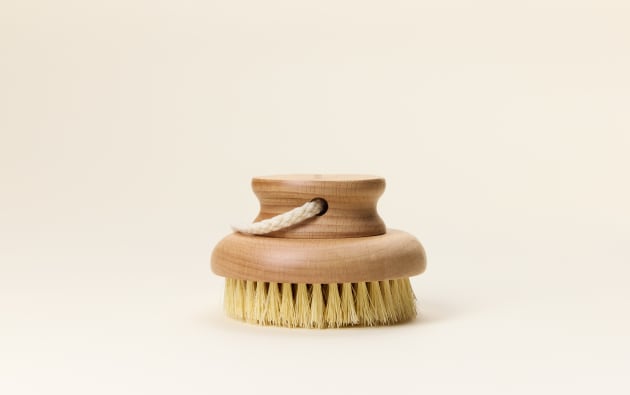
Step 1: STIMULATE - Stimulate Microcirculation
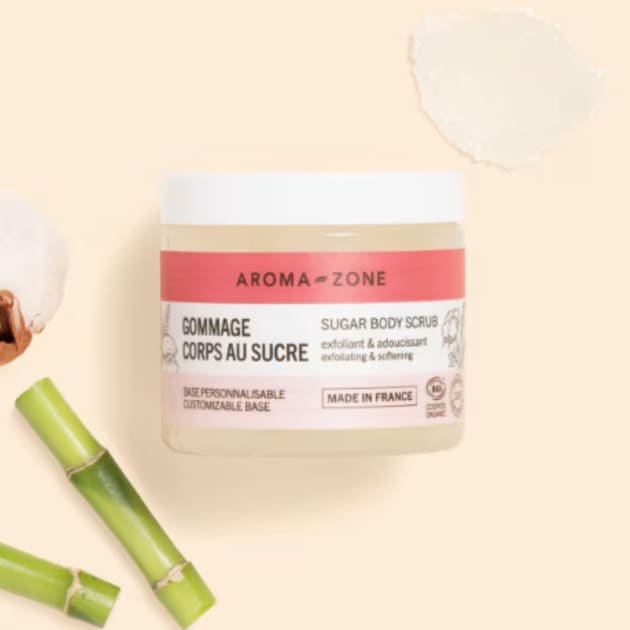
Step 2: PREPARE – Smooth the Skin
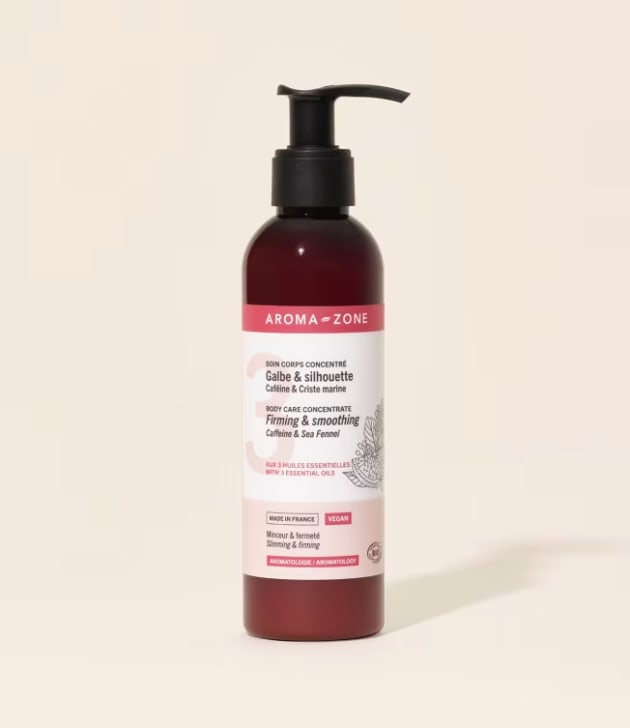
Step 3: TARGET – Target the Orange Peel Appearance
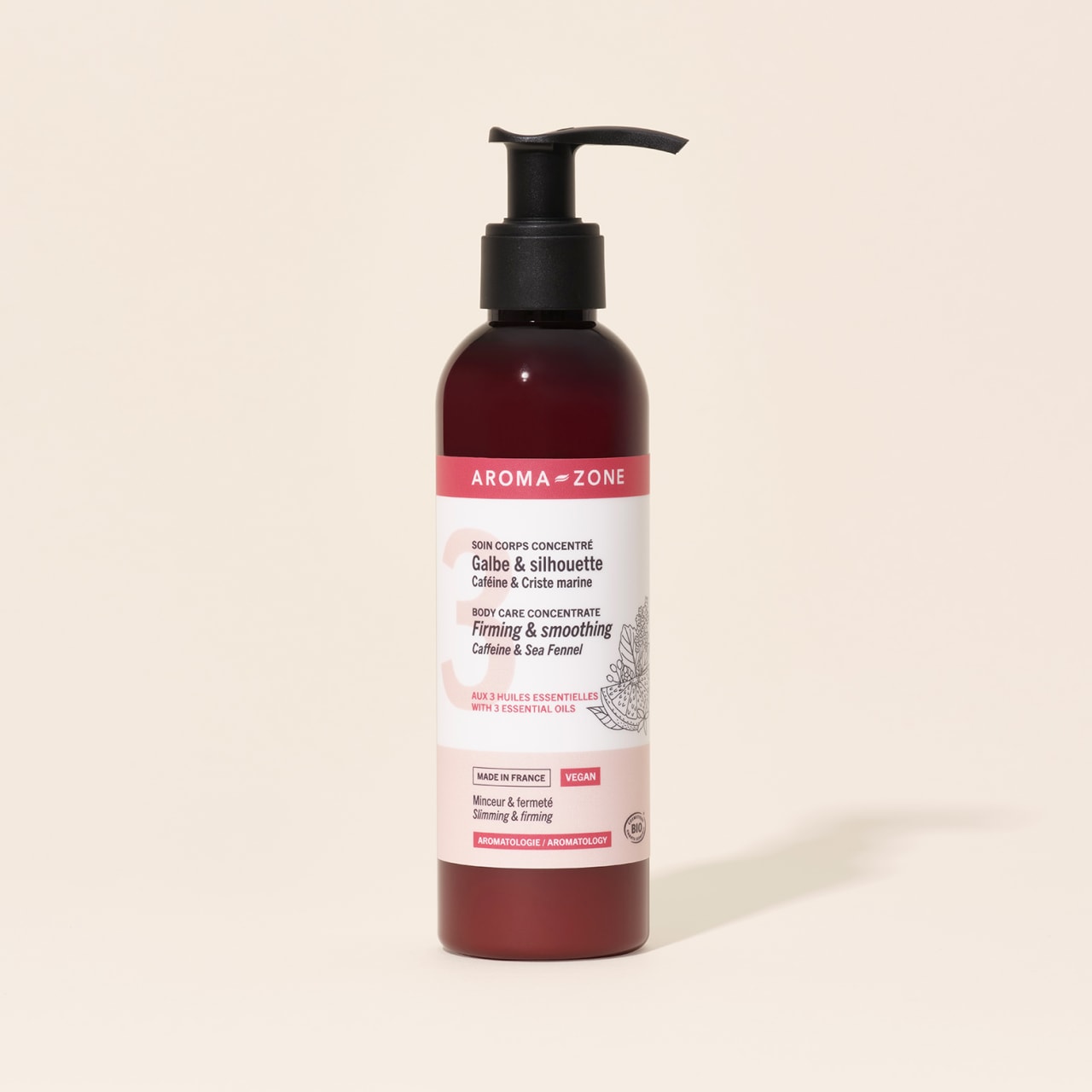
Discover Our Organic Concentrated Body Care for Contouring & Silhouette
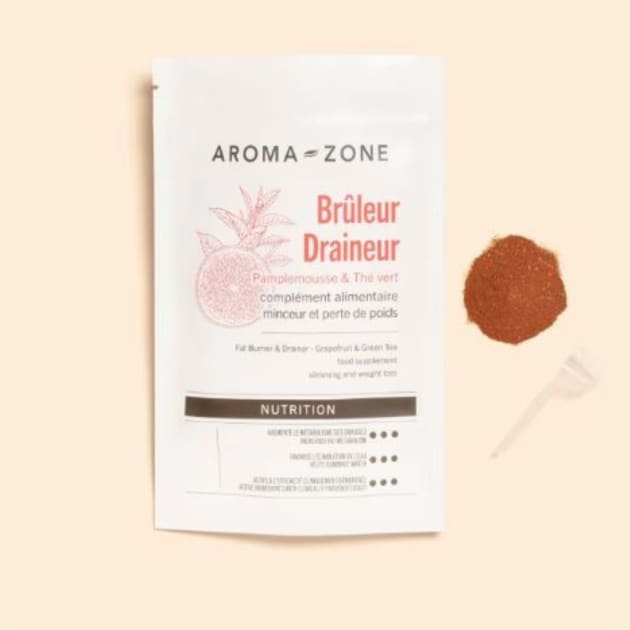
Step 4: DRAIN – Stimulate Drainage and Boost Fat Metabolism
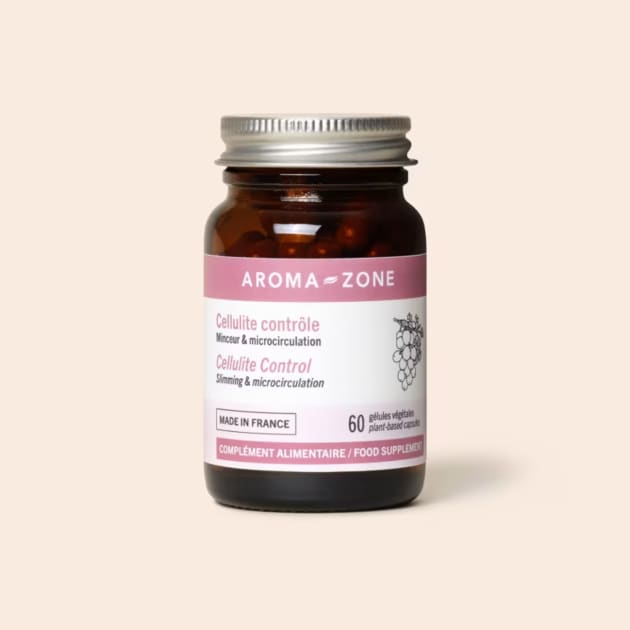
Step 5: BOOST – Boost the Anti-Cellulite Effect
To find out more, discover our Anti-Cellulite Routine.
Our natural anti-cellulite treatments for the buttocks
Discover our easy, natural recipes for making your own anti-cellulite treatments for your thighs at home:
Precautions for use
We’d like to remind you of the importance of testing each product on a small area of your skin before using it extensively on your buttocks, to check for any allergic reactions.
If you have severe cellulite or an underlying health condition, we recommend that you consult a healthcare professional before starting any new routine.
Expert advice
Don’t forget to look after your body from the inside and out. A balanced diet, rich in fruit, vegetables and fibre, combined with a regular skincare routine, effective stress management and physical exercise, will help you reduce cellulite and improve your skin’s overall health.
Spotlight on Our Naturopathic Writer: Stéphanie Catrysse

Stéphanie Catrysse is a naturopath (certified by the FENA), a wellness massage and lymphatic drainage practitioner, and a personal development coach. She is passionate about alternative medicine and practices a holistic approach to health.
Bibliography

Frequently Asked Questions
Associated tips
Body Care Tips
Body Care Tips


