All you need to know about dry brushing

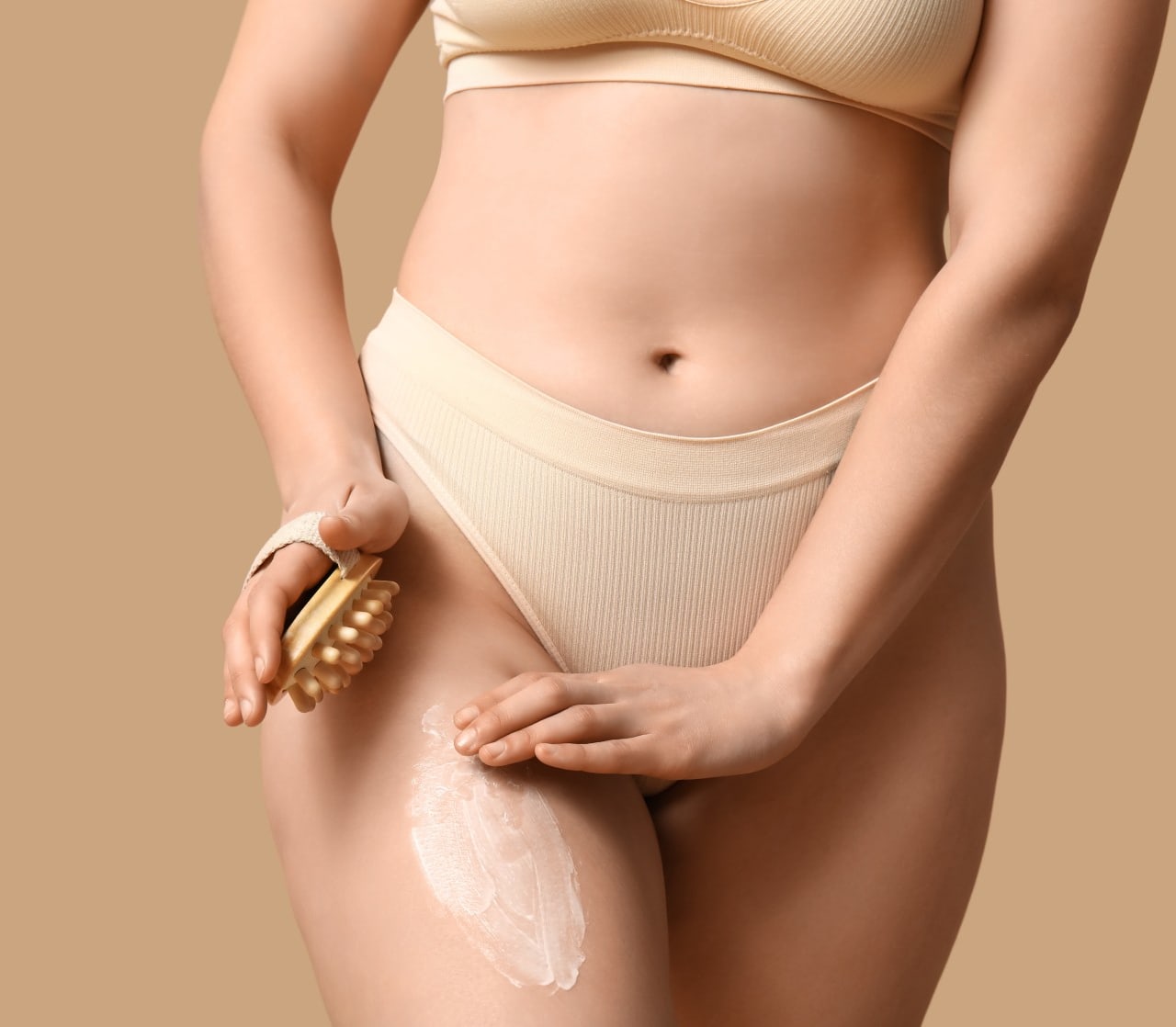
Dry brushing, also known as lymphatic brushing, is a wellness practice that involves gently brushing the skin with a special brush made from natural bristles. This ancient technique is used to stimulate the lymphatic system, which plays an essential role in eliminating toxins and boosting the immune system. Much more than just a trend, dry brushing offers numerous benefits for the skin and overall health.

How do you dry-brush and what are the benefits? When should you dry-brush? In this article, you'll find all our advice on how to do lymphatic brushing at home. You'll also find out how it can help you combat cellulite, prevent varicose veins, reduce the appearance of stretch marks and combat water retention.

Reading time: 0 min.

What is dry brushing or lymphatic brushing?

Dry brushing is a gentle massage technique using a natural bristle brush. Its main aim is to stimulate the lymphatic system, a complex network of vessels and lymph nodes that plays an essential role in eliminating toxins from the body and strengthening the immune system. By activating the lymphatic system, dry brushing helps to eliminate metabolic waste, toxins and excess fluid from the body.

How are toxins eliminated?

Toxins can be eliminated from the body through the 'outlets' of the organs whose role it is to filter waste from the body. These include the liver, gall bladder and intestine, the kidneys, the lungs and the skin.

What are the causes of these imbalances?

Toxins can build up in the body as a result of an unbalanced diet, stress or a lack of physical activity. The skin is then overworked when it comes to eliminating waste products. A sedentary lifestyle is another important factor. If you don't move around a lot, lymph circulation slows down, making it harder to eliminate toxins.

When should I dry-brush?

The state of your skin generally reflects the state of your inner environment, which means that when imbalances or an overload of toxins occur, the skin can show signs of it. It's important to pay attention to this phenomenon because the lymphatic system, which is responsible for eliminating waste and toxins from the body, plays a key role in this process.

When the kidneys and liver are overloaded with too many toxins to eliminate, it's often the skin that takes over. This can lead to the appearance of pimples, acne, a build-up of cellulite and a strong body odour, as well as dry, flaky skin. In fact, a third of toxins are eliminated by this emunctory system, which is why it's important to open the pores in the skin to make it easier to expel waste products. Lastly, if you notice you're suffering from water retention, it may be a sign of a malfunctioning lymphatic system.

What are the benefits of dry brushing?

Dry brushing is one of the most effective methods of activating lymphatic circulation and has a number of benefits:

  • Stimulates the lymphatic system: the lymphatic system doesn't have a pump like the blood system to circulate lymph, so waste can only be eliminated by stimulating it. Its circulation is also activated by movement, as is the case when you do sport. Dry brushing is an excellent way of activating and reinforcing the lymph's role in the purification process.

  • Combats cellulite: when lymph doesn't circulate freely, due to a lack of physical activity for example, it ends up stagnating and creating cellulite and an "orange peel" effect. Toxins that are not eliminated are systematically stored as fat. Dry brushing helps to avoid this: by stimulating lymphatic circulation, it encourages the elimination of fat and toxins that build up under the skin, thus reducing the appearance of cellulite.

  • Reduces the appearance of stretch marks: by improving skin elasticity and promoting cell regeneration, dry brushing can help reduce the appearance of stretch marks, particularly in women following pregnancy or those who have experienced weight fluctuations.

  • Combats water retention: water retention can cause uncomfortable swelling and a feeling of heaviness. By stimulating the lymphatic system, dry brushing helps to eliminate excess fluid and reduce water retention.

  • Stimulates the body's natural defences: dry brushing helps to draw toxins and any pathogens to the lymph nodes (neck, armpits, groin, etc.) so that they can be treated and eliminated. These lymph nodes function as waste purification stations but are also a place of defence against viruses and bacteria thanks to the immune cells they contain.

  • Exfoliates and improves skin texture: the skin, our largest organ, is the first protective barrier against external damage. Dry brushing gently removes dead skin cells, promoting natural exfoliation. This allows the skin to breathe more easily and makes it more receptive to the skincare products and treatments applied afterwards. It can also improve skin texture, leaving it softer and smoother to the touch.

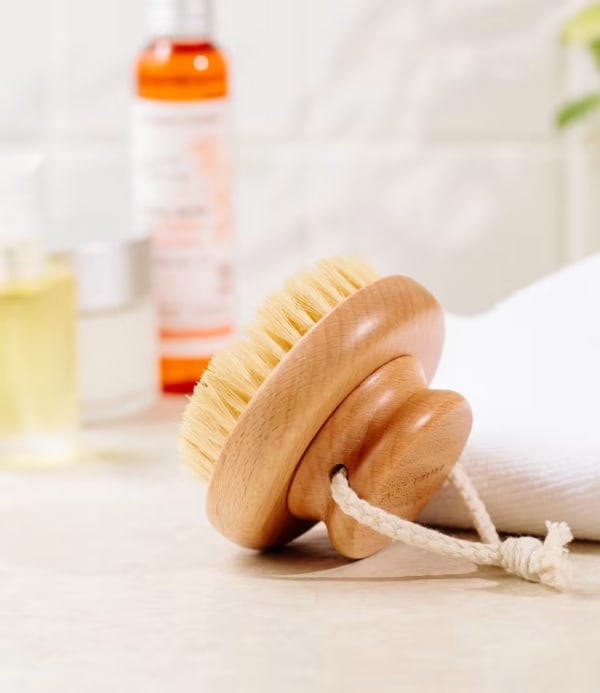
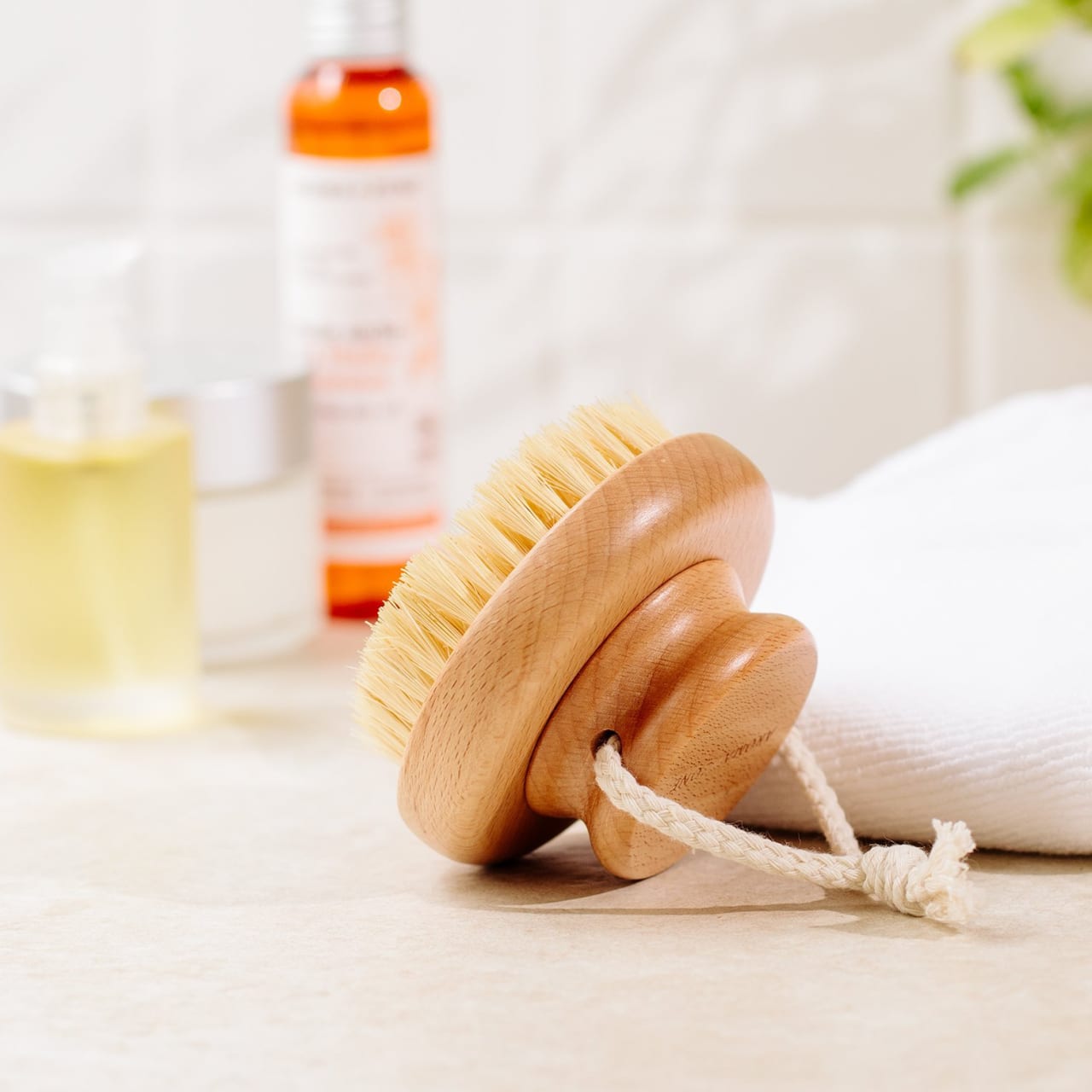
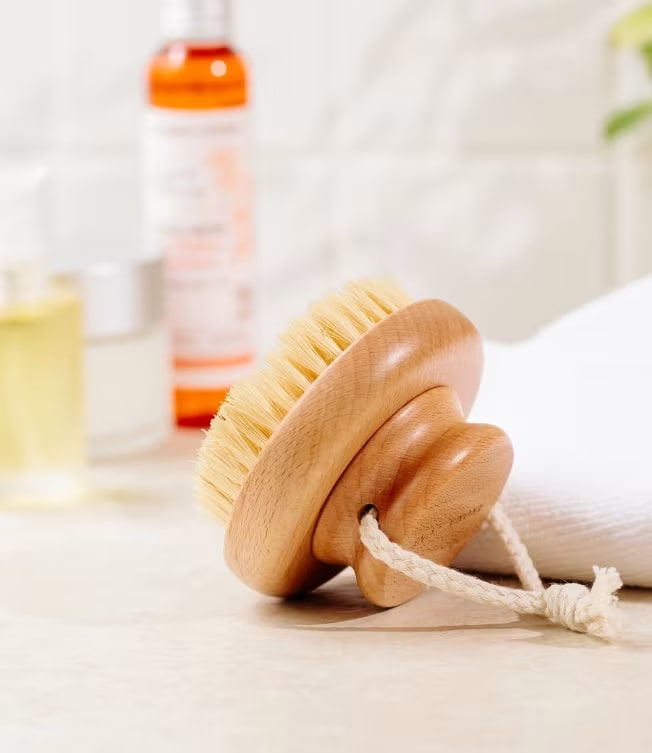
A closer look at the wooden lymph drainage brush

Techniques for effective dry brushing

Use a natural brush for dry brushing

  1. Do it on dry skin: dry brushing should be used on dry skin that has isn't moist and hasn't had any oil applied.

  2. Do it before your shower or bath: Dry brushing works best on dry skin, so we recommend you do it before your shower or bath.

  3. Use gentle strokes: use gentle, circular movements to avoid irritating your skin, starting with your feet and moving towards your heart.

  4. Avoid sensitive areas: avoid irritated areas, scars, varicose veins, wounds or rashes.

  5. Wash your brush regularly: remember to clean your lymphatic brush once a week or every fortnight with Marseille soap. Make sure you leave it to dry thoroughly before using it again.

How do I dry-brush?

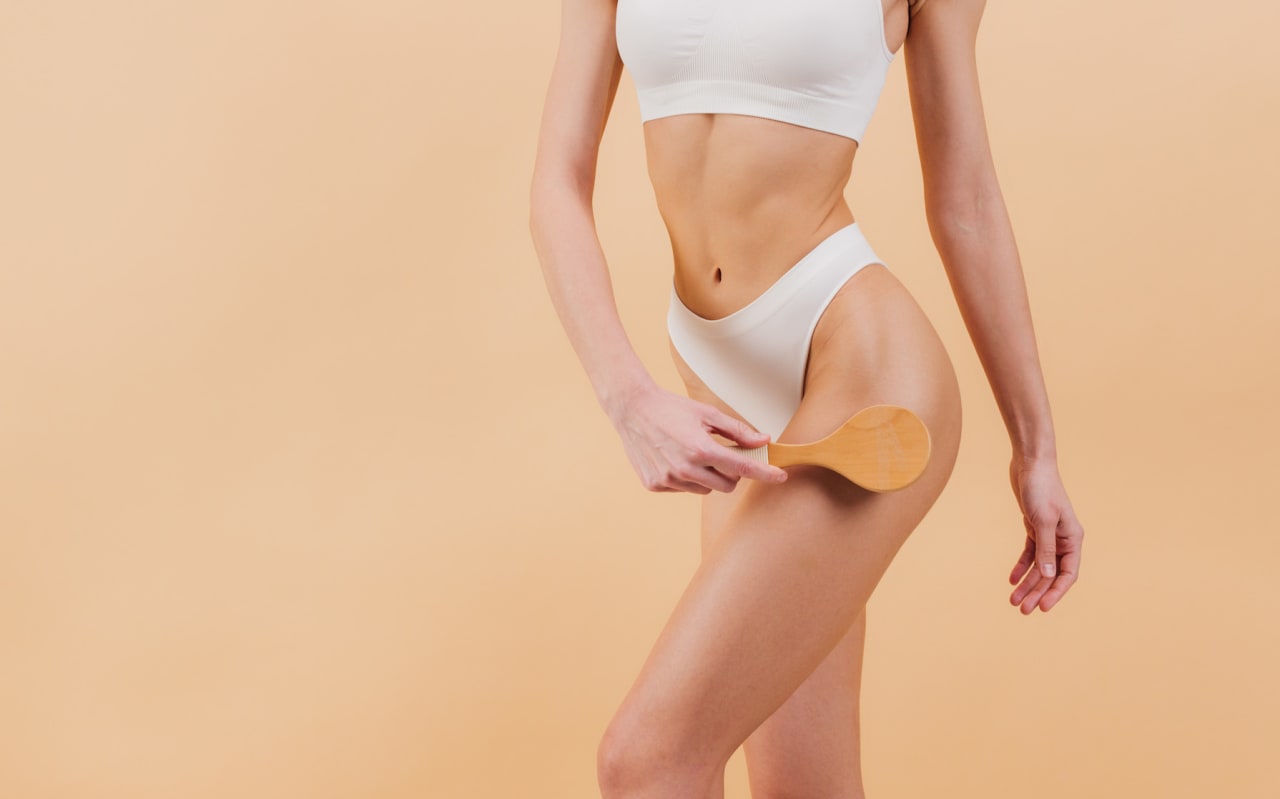
  1. Start dry brushing your feet, then your calves, thighs, buttocks and groin. Make circular movements to the front and back of your body.

  2. Repeat 3 times. Then move on to the hands, forearms and arms as far as the armpits.

  3. Then brush the stomach (in a clockwise direction), the chest and then the back towards the lymph nodes on either side of the neck.

  4. Finish by brushing the neck and collarbone towards the armpits.

Adjust the pressure according to the area and your sensitivity, avoiding the sensitive parts of the face and chest.

For best results, dry-brush regularly. A daily dry-brushing session or at least several times a week will be more effective.

What is the recommended skincare routine for dry brushing?

Shower: after your brushing session, take a shower to eliminate the dead cells and toxins released during brushing. Use lukewarm rather than hot water to avoid drying out the skin even more. Use a gentle shower gel like our Palm-Free Neutral Cleansing Base to gently cleanse the skin. Dry thoroughly and apply your oil before massaging.

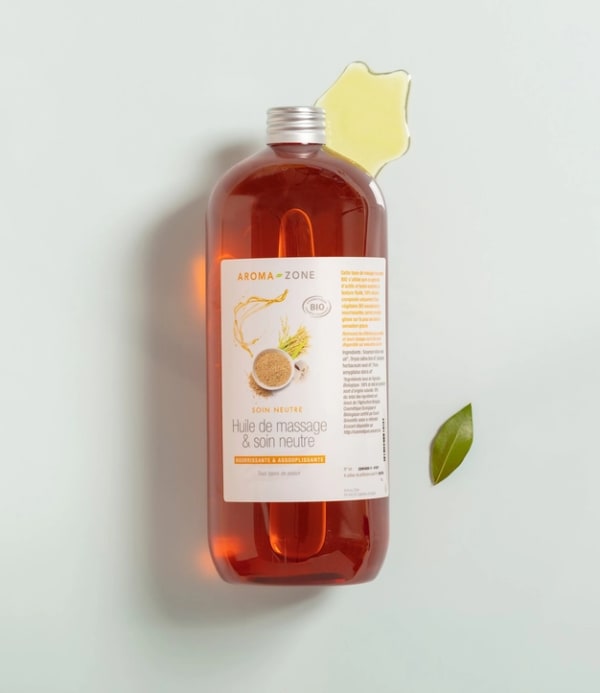
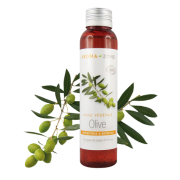
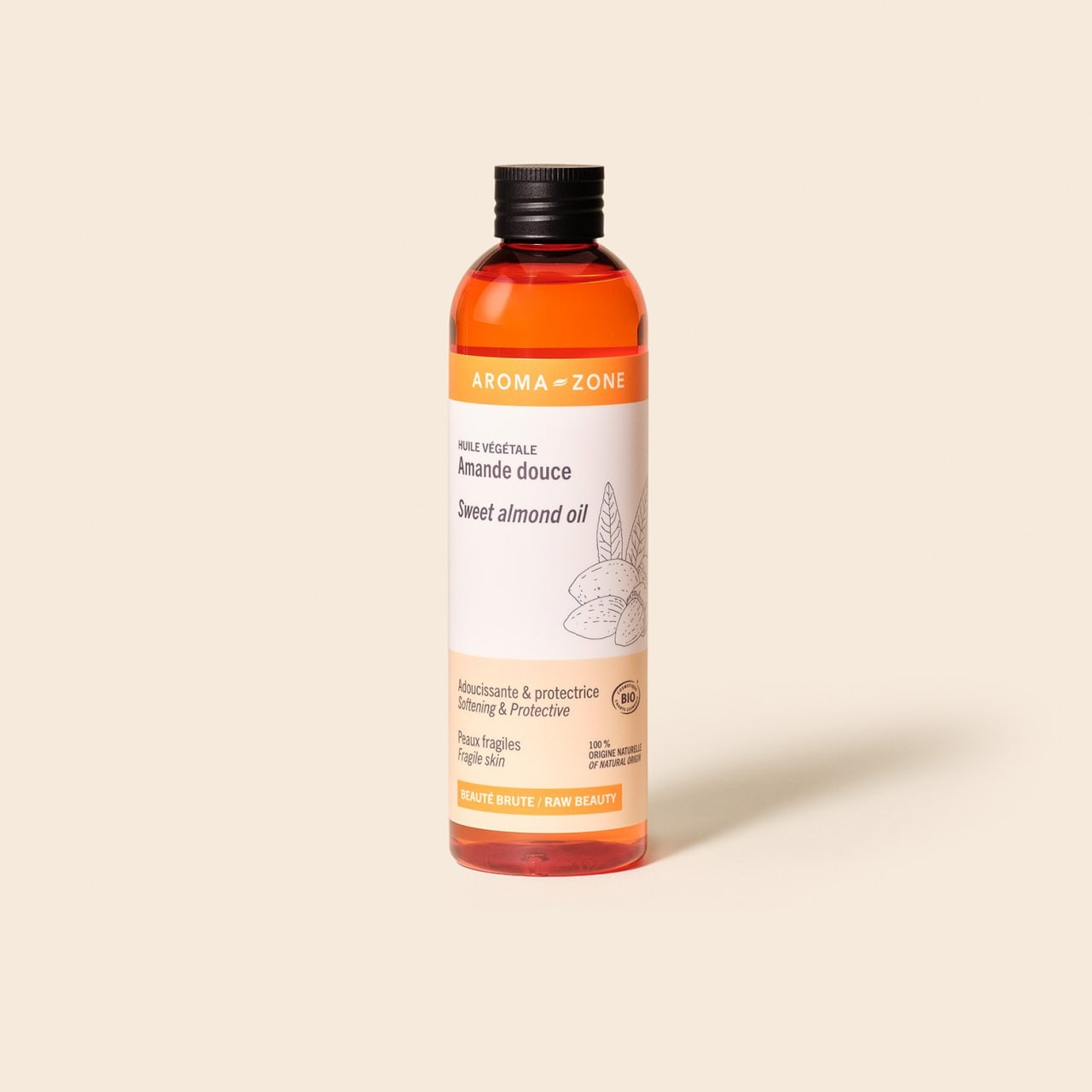
Apply your oil to prepare for the massage: Neutral Massage and Skin Care Oil. This neutral organic massage and skin care oil can be used neat or with other active ingredients and essential oils for luxury massages, body products and facial treatments.

Massage yourself: as mentioned above, start dry brushing with your lymphatic drainage brush, from head to toe, to improve blood circulation.

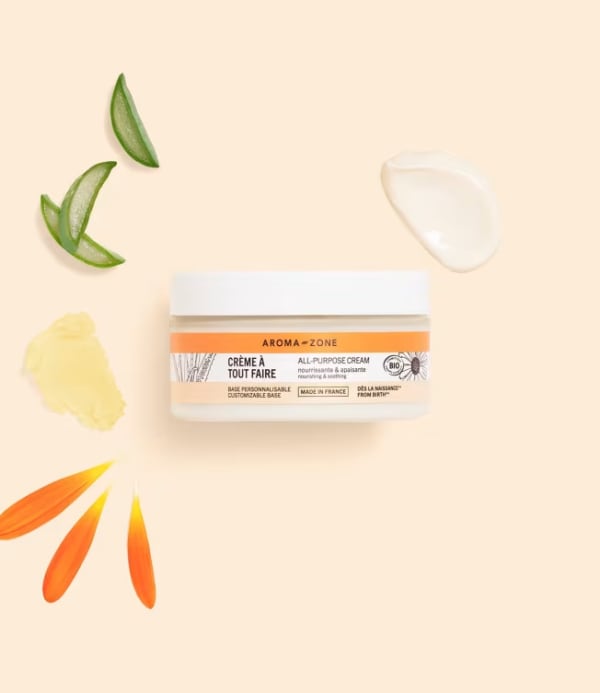
Moisturise yourself: after dry brushing, your skin is particularly receptive to nourishing skin care products. To maximise hydration, apply a moisturiser immediately after your shower.

Precautions to take before dry brushing and contraindications

Please note that dry brushing is not without contraindications, as it is not recommended if you have hyperthyroidism, thrombosis, lymphoma, cancer, heart or kidney failure or infection. It should also be avoided during pregnancy.

Rehydrate yourself after each session.

Recipe for treatment oils to apply after lymphatic brushing

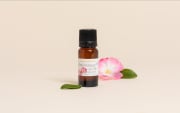
Loukoum rose massage oil

Preparation

1

Pour all the ingredients into a bottle.

2

Close the bottle and shake.

3

All set!

Store your bottle away from light and heat.

* Storage: if stored properly and manufactured under optimum hygiene conditions, your product will keep for at least 6 months.

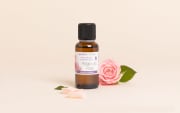
Organic calendula flower comforting massage oil

Preparation

1

Pour all the ingredients into a bottle.

2

Close the bottle and shake.

3

All set!

Store your bottle away from light and heat.

* Storage: if stored properly and manufactured under optimum hygiene conditions, your product will keep for at least 6 months.

Expert advice

It's important to remember that this technique is no substitute for a healthy lifestyle. A balanced diet, high in fibre and seasonal fruit and vegetables, regular exercise and a good night's sleep are all essential for the proper functioning of the emunctories (the organs responsible for eliminating waste from the body). Take care of yourself! Both inside and out, to reap the full benefits of this centuries-old technique.

Find out more

Can you dry-brush every day?

Yes, you can dry-brush every day, but it's important not to over-stimulate your skin. If it becomes too dry or irritated, reduce the frequency to 2-3 times a week and apply a nourishing treatment after each session.

Are there any areas of the body to avoid when dry brushing?

Yes, avoid areas of irritated or damaged skin, or parts of the body where the skin is thin and sensitive, such as the face or areas with open wounds. Also be gentle on areas where you have varicose veins.

Do I need to change my brush regularly?

Remember to replace your brush every 6 to 12 months, especially if the bristles start to wear down or lose their effectiveness.

Article written by Emilie Turin, naturopath

A naturopath, kinesiology and Chi Nei Tsang practitioner, Emilie helps her consultants to improve their dietary, physical and emotional health.

Passionate about natural medicine and food, and keen to raise awareness of preventive health care, Emilie regularly runs naturopathic workshops and shares her naturopathic advice and healthy recipes on her Instagram account (@lacaznaturo).

Bibliography

1

Leduc, O., & Leduc, A. "The Lymphatic System: Physiology, Pathophysiology, and Diseases." Springer Science & Business Media, 2012.

2

Foldi, M., & Foldi, E. "Textbook of Lymphology: For Physicians and Lymphedema Therapists." Elsevier, 2012.

3

Rudroff, T., & Kindred, J. "The Role of Exercise in the Lymphatic System." Lymphatic Research and Biology, vol. 16, no. 1, 2018.