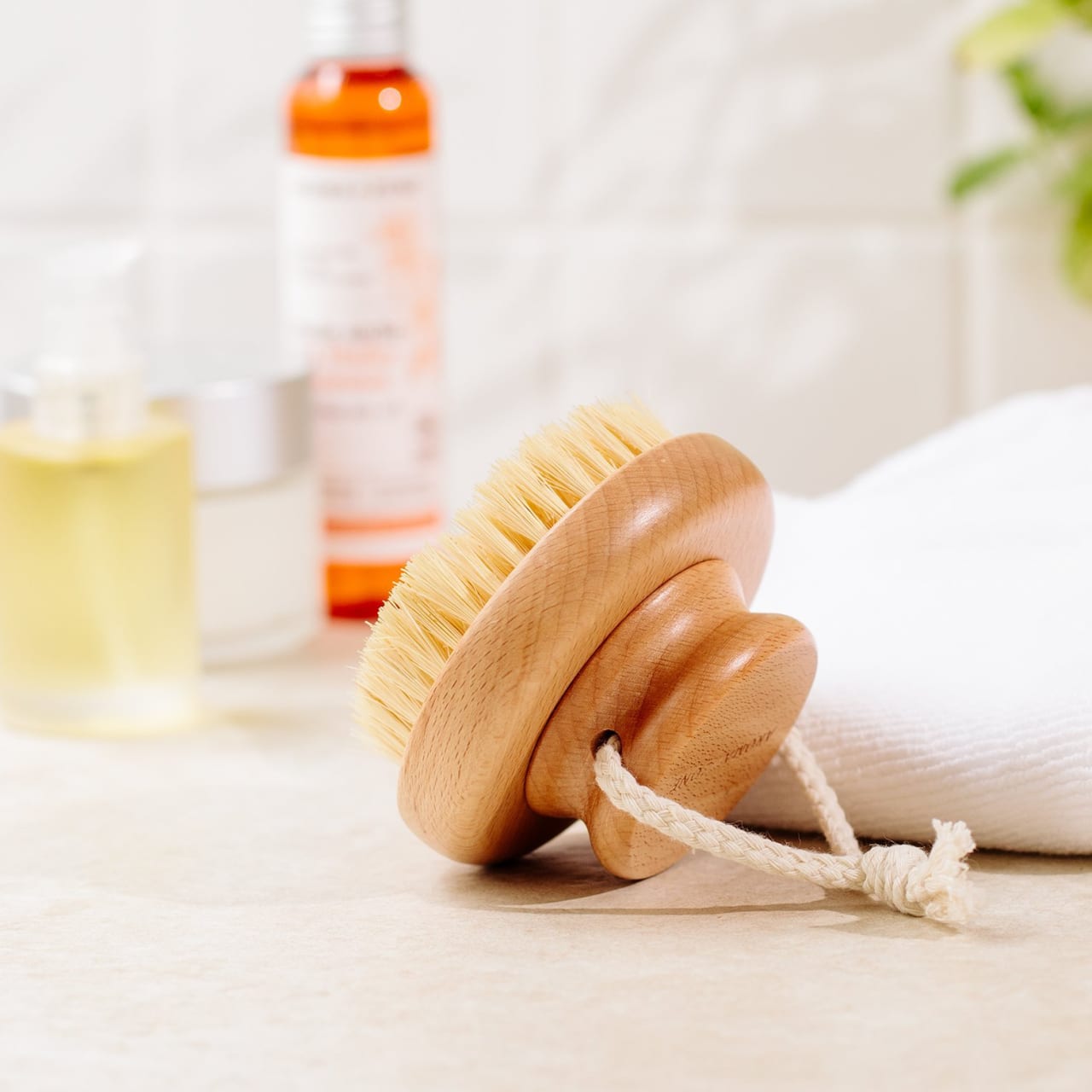
Our top-rated anti-cellulite treatments, approved by our experts

Our top-rated anti-cellulite treatments, approved by our experts


By Hélène Betoux

Published on: Tuesday, March 31, 2026, Updated on: Monday, October 12, 2026

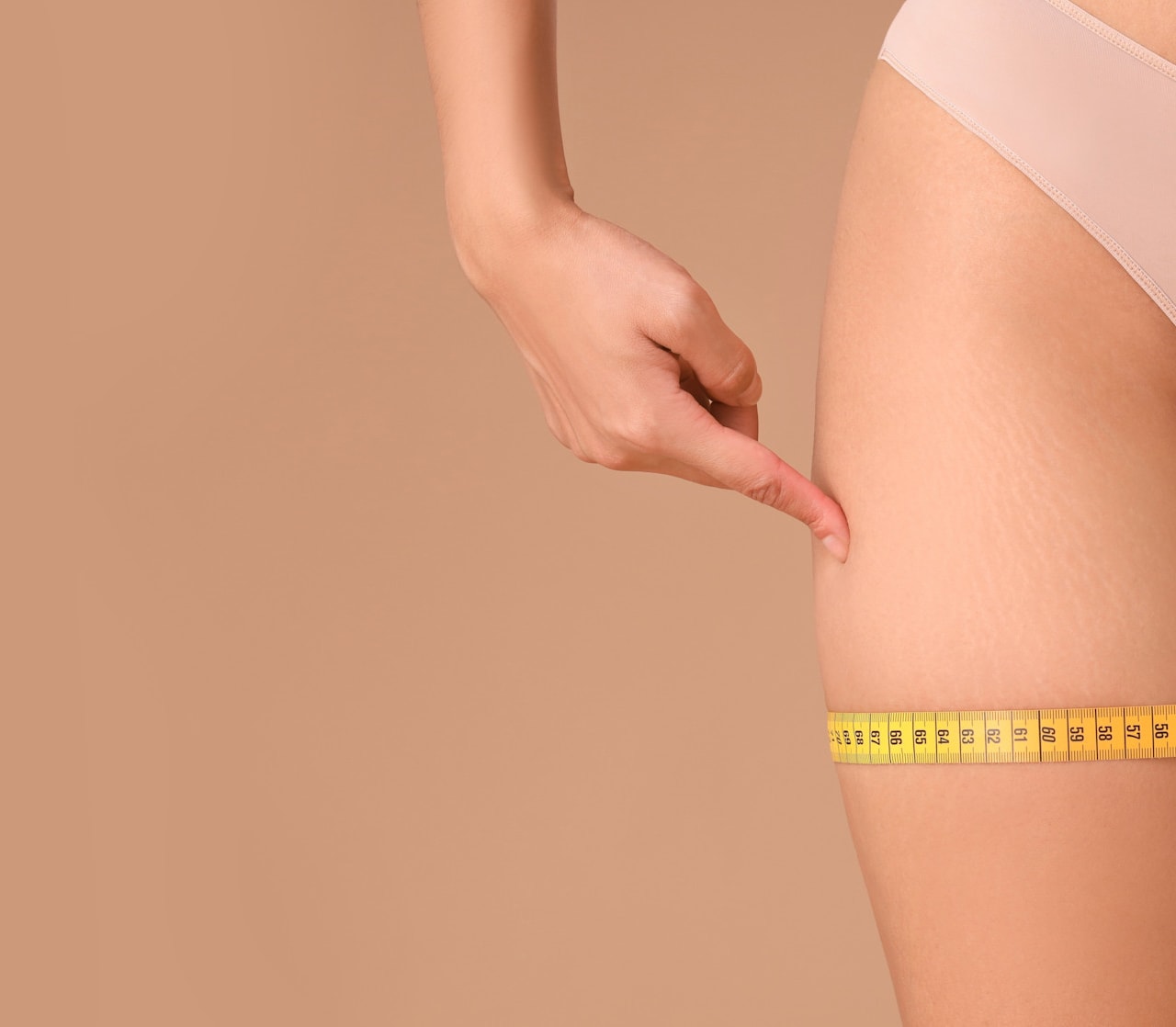
It is estimated that 80 to 90 per cent of women are affected (1). Cellulite is not a taboo subject: it is a biological reality that is primarily driven by structural and hormonal factors. Whilst skincare products cannot influence most of these factors, they can, however, provide a temporary improvement in the skin’s appearance by targeting the dimpled, ‘orange peel’ texture. To help you make your choice, we’ve compiled a list of our 10 top-rated natural anti-cellulite treatments, highly recommended by both our experts and our community.

Contents

Related products

In brief

  • Refreshing gels and massage oils enriched with caffeine, essential oils or firming plant-based active ingredients can help reduce the appearance of cellulite.

  • To maximise their effectiveness, it is best to combine them with a mechanical massage technique, such as the ‘palper-rouler’ method.

Why do I have cellulite?

Contrary to popular belief, cellulite is not solely the result of excess fat. In fact, people of all body types can have cellulite. It is a multifactorial condition, characterised by significant individual variation linked to genetic makeup. The isolated concepts of ‘fatty cellulite’, ‘fibrous cellulite’ and ‘aqueous cellulite’ are now largely outdated. In reality, they coexist on a continuum, in varying proportions, according to four key mechanisms already highlighted in 2000 by Rossi and Vergnanini (2). 

The architecture of adipose tissue: research shows that women’s adipose tissue has a very specific architecture which explains the appearance of cellulite (1). A protrusion of the fat lobules can be observed; in other words, the fat ‘pushes’ towards the dermis at an almost perpendicular angle, which distorts the skin’s surface and creates the well-known ‘orange peel’ effect. In men, this protrusion is oblique and therefore less pronounced.

Alteration of the connective tissue : the fat lobules are enclosed by partitions of collagen and elastic fibres known as ‘fibrous septa’. These keep the skin anchored to the muscle, so that when the fat pushes upwards, the septa pull the skin downwards. The resulting dimpled appearance on the skin’s surface is due to their orientation, but also to their rigidity, which further accentuates the orange-peel appearance (hence the term ‘fibrous cellulite’) (3).

Blood and lymphatic microcirculation : a reduction in blood flow, as well as poor lymphatic drainage, leads to a build-up of fluid, resulting in oedema. This was formerly referred to, somewhat subjectively, as ‘aqueous cellulite’. In reality, this excess interstitial fluid serves mainly to accentuate the characteristic dimpled appearance of cellulite, making it more visible (4).

The influence of oestrogens : our female hormones play a decisive role in the development of cellulite. Oestrogens act as a catalyst on the three key components of cellulite: fat, fibrosis and oedema. They promote fat storage in the lower body (the so-called ‘saddlebags’), alter microcirculation and also change the characteristics of connective tissue (2). This is why periods of elevated oestrogen levels, such as puberty, the menopause and pregnancy, are associated with the onset or worsening of cellulite.
Good to know: there are also aggravating factors that compound all these primary causes and can make the ‘orange peel’ effect more visible. These include weight gain, a lack of physical activity, smoking and the natural ageing process.

Which beauty products can help reduce the appearance of dimpled skin?

It is difficult to reduce cellulite with topical treatments. This is because it results from a change in the structure of the subcutaneous tissue, which cosmetics cannot address. This does not mean that these products are ineffective: it is simply wise to be aware that their scope of action remains limited. Any improvements that can be achieved are mainly visual and temporary, as these treatments are unable to bring about lasting structural changes. This is why it is so important never to use them as a substitute for a healthy, balanced lifestyle.

Key principles

Things to bear in mind

Incorporate anti-cellulite active ingredients into your body care routine.

Caffeine and retinol are among the active ingredients that have been proven to be effective. It has been known since 1999 that retinol acts indirectly against cellulite by improving skin firmness (5). Caffeine, meanwhile, works by stimulating lipolysis, as demonstrated in vitro (6).

Apply your firming skincare products using a massage technique.

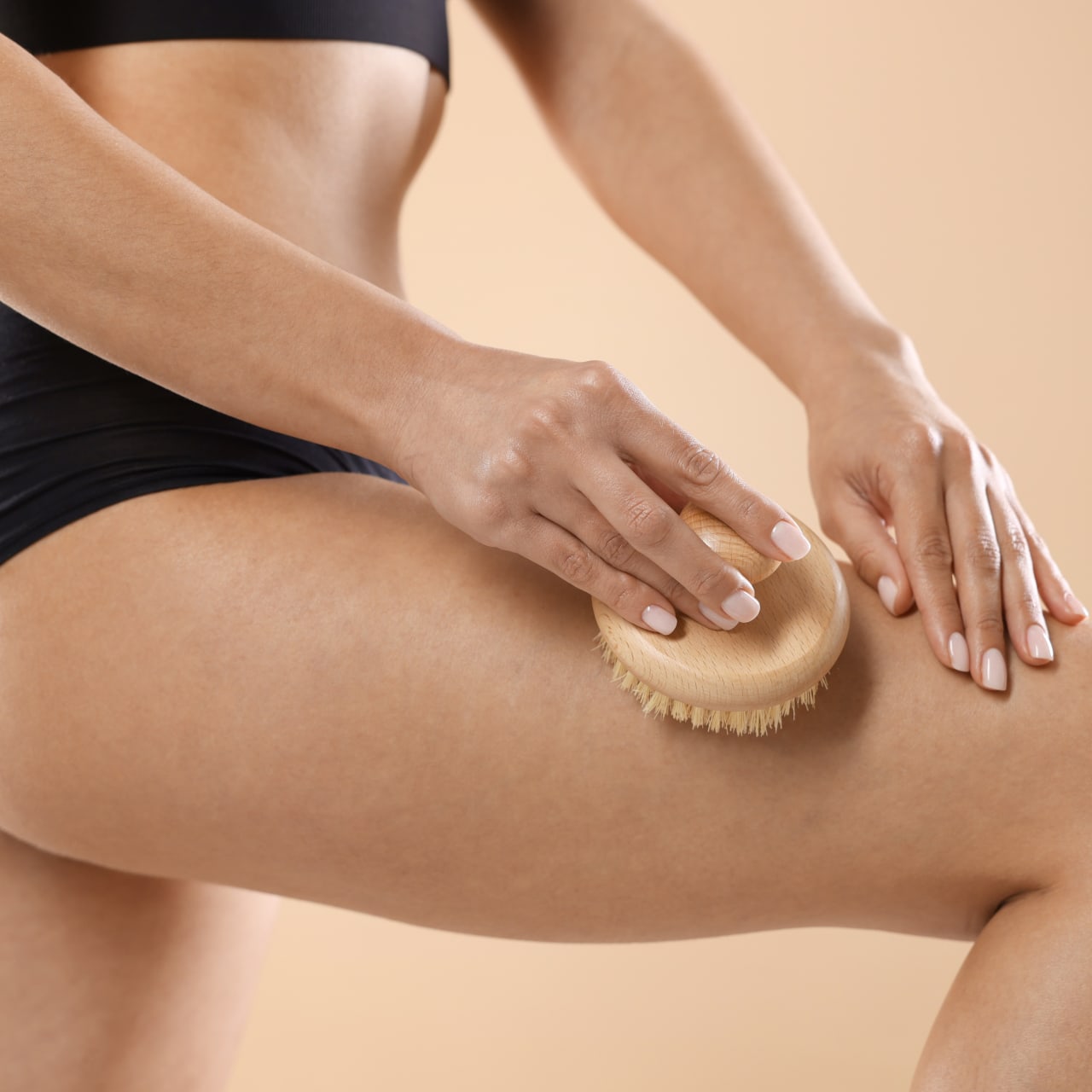
Massages of the kneading-and-rolling type (arguably the best known for combating ‘orange peel’ skin) can stimulate the connective tissue. This mechanical stimulation may help to improve blood circulation and temporarily support tissue drainage (1), resulting in a temporary improvement in the appearance of the skin’s surface.

Exfoliate your skin before applying your topical skincare products to the affected areas.

It can be assumed that exfoliation, by briefly increasing your skin’s permeability, could promote better penetration of your topical skincare products. However, no studies to date have shown a direct link between regular exfoliation and an improvement in cellulite.

Our 10 top-rated treatments for orange peel skin

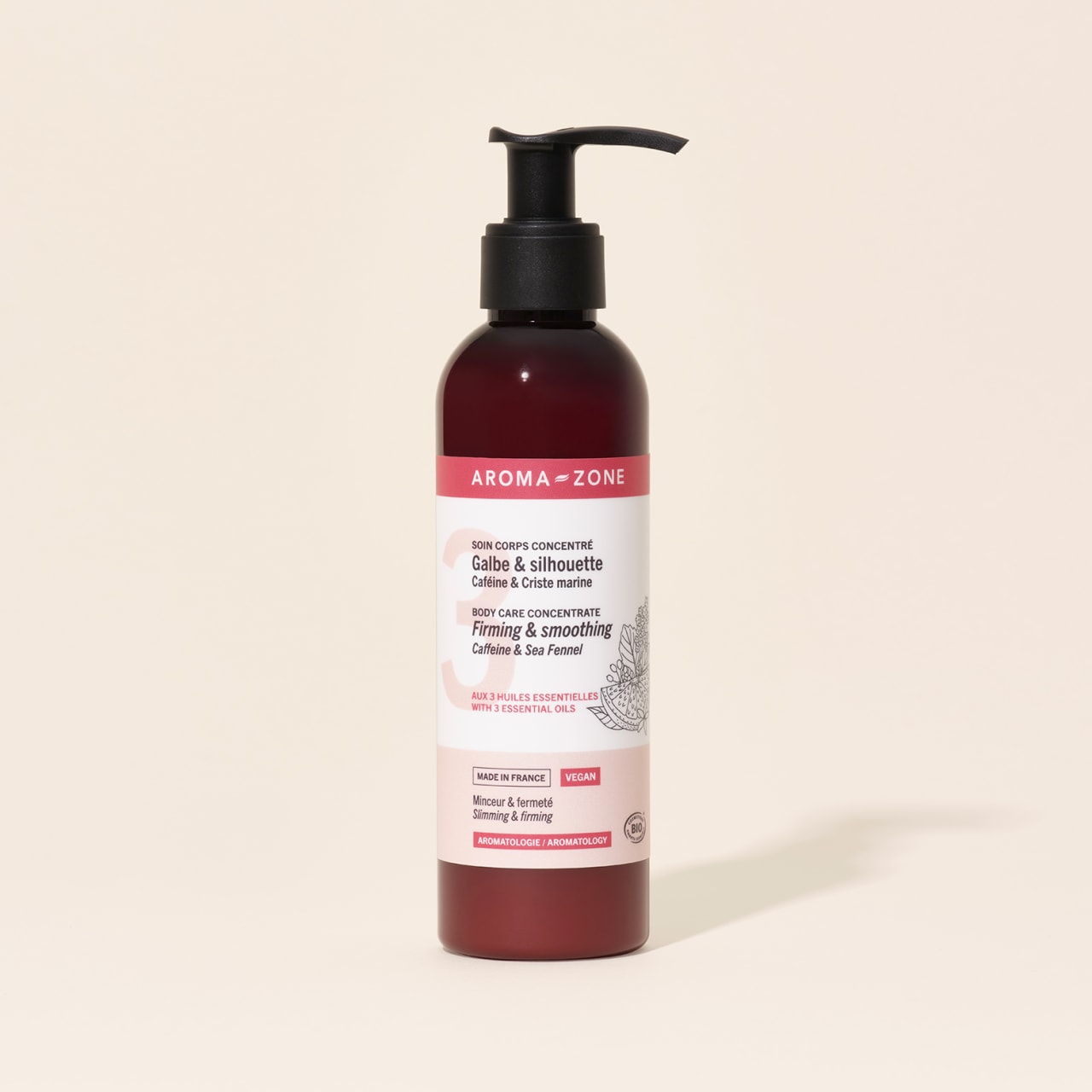
To tackle the appearance of cellulite and dimpled skin, you can opt for ready-to-use treatments or homemade remedies. In the first case, we recommend our Slimming Massage Oil and our Organic Contouring & Silhouette Concentrated Body Treatment. Both are among our top-rated anti-cellulite treatments and combine several natural active ingredients renowned for their benefits in reducing the appearance of orange peel skin. Alternatively, you’ll also find below active ingredients, hydrosols and a plant-based oil that are particularly popular with our community. You can use these to customise one of our neutral bases or to formulate your own body lotion or body oil.

Concentrated anti-cellulite active ingredient

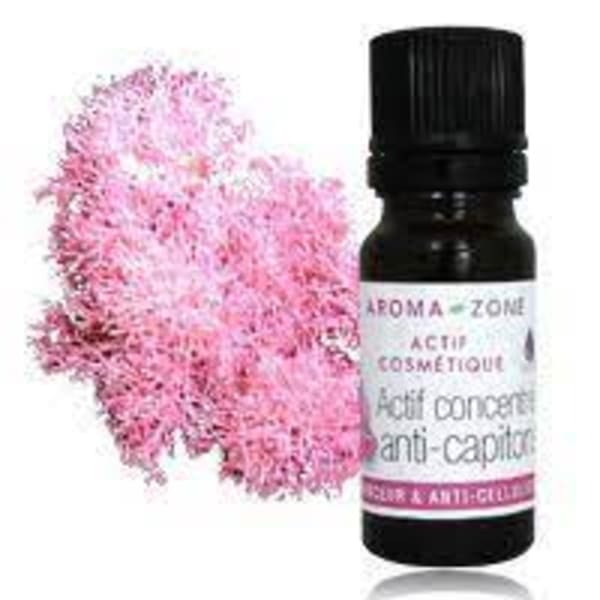
Concentrated anti-cellulite active ingredient: It helps reduce the appearance of orange peel skin by reactivating lipolysis in adipocytes and inhibiting their proliferation in the dermis. It also helps support collagen synthesis, which restores a firmer appearance to the skin. Recommended concentration: 2 per cent of the total weight of your formulation. 100 per cent natural, sourced in France.

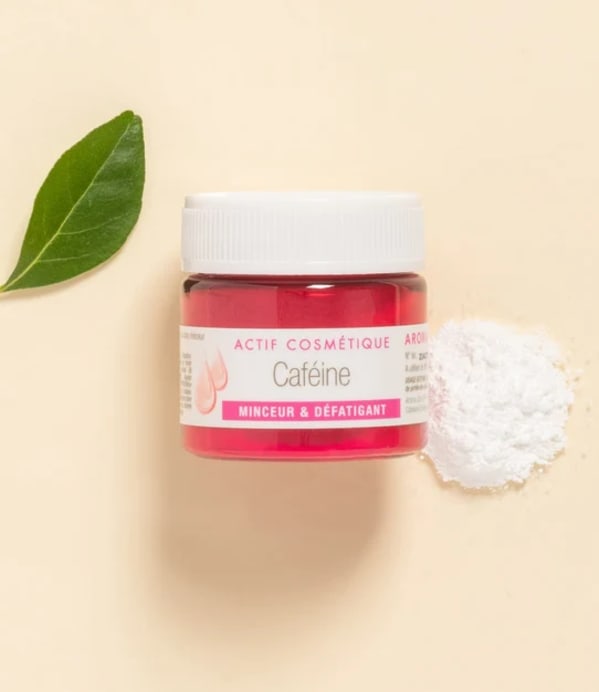
Natural caffeine: Its lipolytic properties make it an essential ingredient in anti-cellulite treatments. It promotes the release of triglycerides accumulated in fat cells, boosts metabolic activity and reduces the appearance of cellulite, whilst improving the overall appearance of the skin thanks to its complementary keratolytic effect. Recommended dosage: 0.5 to 2 per cent of the total weight of your formulation. 100 per cent plant-based.

Organic Ivy plant extract

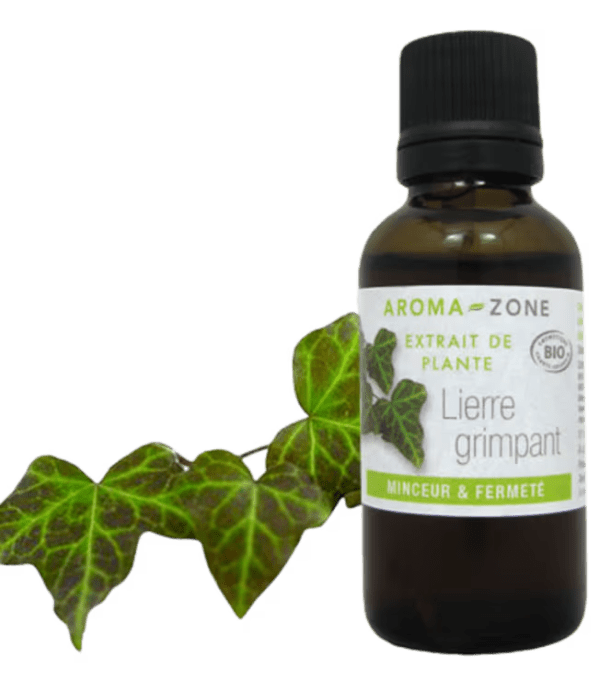
Organic Ivy Extract: Ivy naturally contains saponins, which are known to aid the elimination of lipids stored in fat cells. Its firming properties help to tighten the skin, thereby reducing the appearance of cellulite. It is also a well-known ally for soothing skin prone to redness and discomfort. Recommended dosage: 5 to 50 per cent of the total weight of your formulation. Certified organic, sourced in France.

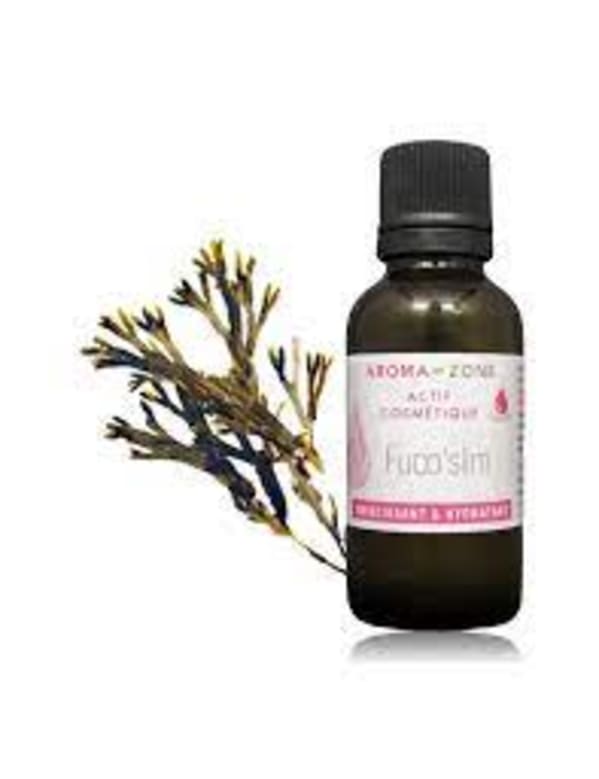
Fuco’slim BIO active ingredient: Ideal for ‘batwing’ arms, flabby thighs and areas of the body lacking tone. It is formulated with Fucus, a brown seaweed that has become a staple in slimming treatments offered at thalassotherapy centres. It tones the skin, helps to firm the appearance of the tissues and improves skin elasticity. Recommended dosage: 1–10 per cent of the total weight of your preparation. Certified organic, sourced in France.

Pineapple Powder

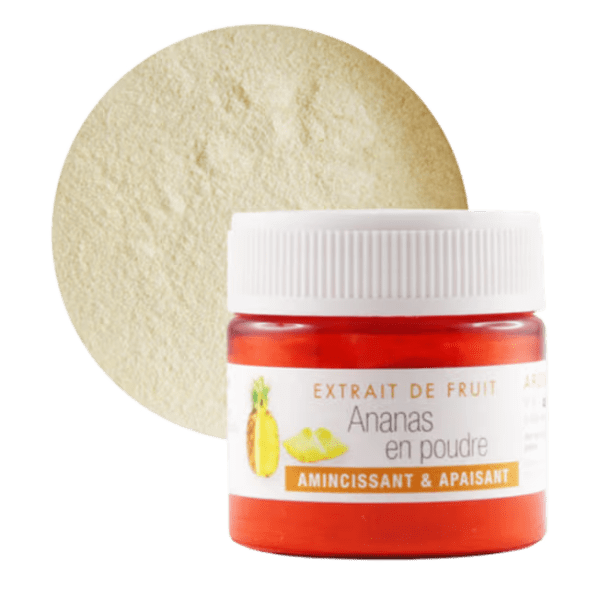
Pineapple Powder: Ideal for targeting the appearance of cellulite and small, localised areas of fat. A source of bromelain, it promotes skin firmness whilst smoothing the skin’s surface thanks to its gentle exfoliating effect. Recommended dosage: 1–10 per cent of the total weight of your formulation for a cream, gel or lotion. 100 per cent pure and natural product.

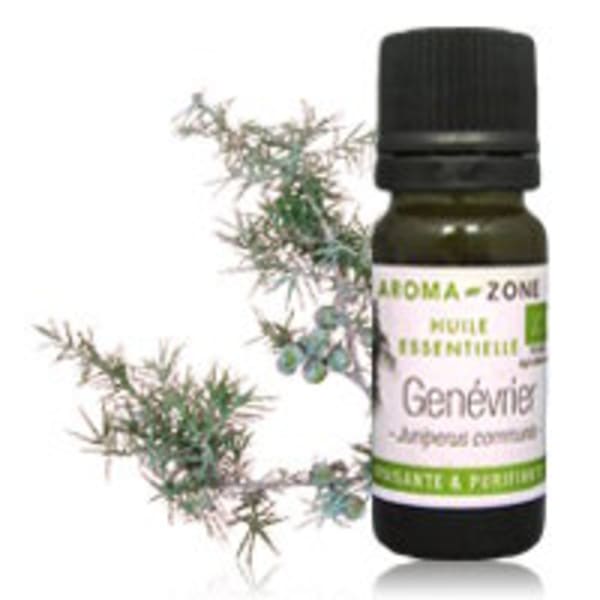
Organic Juniper Hydrosol: Ideal for formulating anti-cellulite treatments, as well as ‘light legs’ treatments for those prone to water retention. Examples of use: as an active ingredient in a smoothing and firming body cream, in a revitalising leg gel or in a tonic for foot baths. 100% pure and natural product, certified organic, sourced in France.

Organic Sweet Verbena Hydrosol

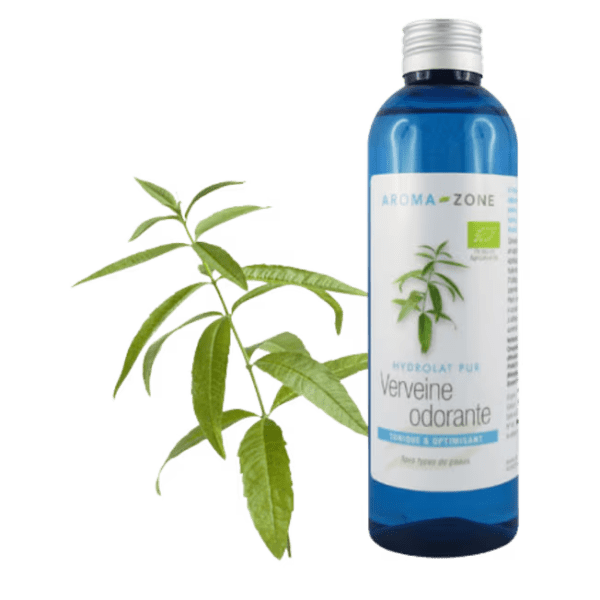
Organic Lemon Verbena Hydrosol: Known for its anti-cellulite properties, it helps to smooth the appearance of the skin by firming the connective tissue. It stands out for its natural lemony scent, which adds a refreshing fragrance to your formulations. You can use it as an ingredient, for example by incorporating it into the aqueous phase of a gel or massage lotion. A 100% pure and natural product, certified organic, sourced in France.

Chaulmoogra oil

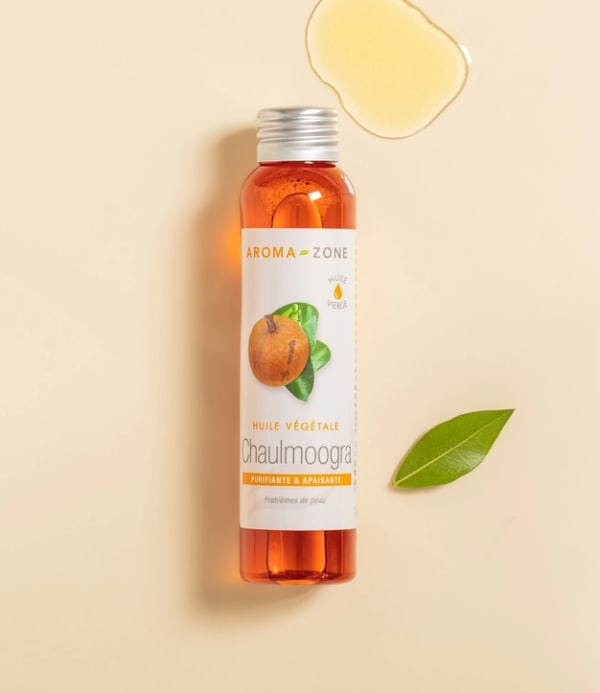
Chaulmoogra oil: Often described as a ‘wonder oil’, this all-purpose oil is renowned for its ability to combat the ‘orange peel’ effect whilst smoothing the appearance of dimples. It is also effective at soothing damaged skin, evening out skin tone and prolonging your tan. Recommended dosage: 1–70 per cent of your fluid oil base or as the oil phase in your anti-cellulite body creams. A 100 per cent pure and natural product, sourced from wild-harvested plants and cold-pressed.

Slimming Massage Oil

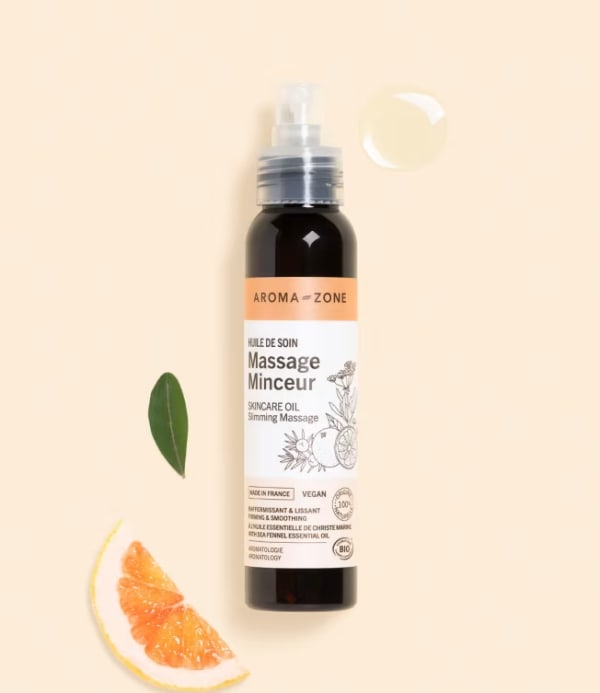
Slimming Massage Oil: Ideal for massaging the legs, buttocks, hips, tummy and all other areas affected by cellulite. Use it as a body massage oil to visibly smooth the appearance of orange peel skin and firm up your figure. Enriched with active essential oils, it gives off a fresh, invigorating fragrance and leaves the skin soft and supple. 100% naturally derived ingredients, free from synthetic fragrances, certified organic, made in France.

Organic Concentrated Body Care: Shape & Silhouette

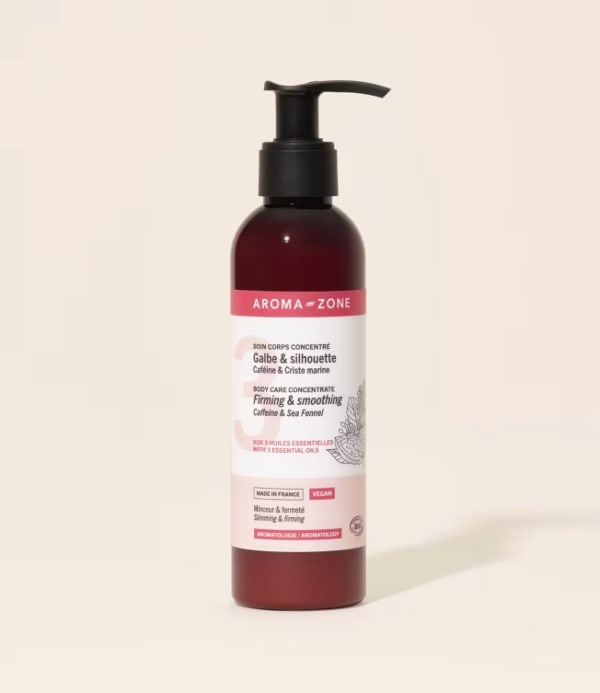
Organic Concentrated Body Treatment for Contouring & Silhouette: A creamy gel with a velvety feel that leaves no greasy or sticky residue, enhanced by a fruity scent of peach and pink grapefruit. Packed with natural active ingredients, this body treatment helps restore a beautiful shape, supports fat burning and reduces the appearance of cellulite. Its aloe vera base gives it a melt-in texture that’s easy to massage in. Certified organic, made in France.

What the community thinks

Although cosmetics have limited effectiveness on the appearance of cellulite, it is still entirely possible to expect noticeable benefits. This is illustrated by the reviews from our community, written by customers who have chosen to make Aroma-Zone firming products a staple of their body care routine. 

“It’s very good; it works well on orange peel skin. Even though I’m slim, I have a bit of dimpling on my tummy. I started using it not long ago and I can already see how effective it is. I recommend it for its effect on orange peel skin.” Carole, on the Concentrated Anti-Dimpling Active.

"This product always works really well on my cellulite. I notice a real improvement by the time I’ve finished the bottle. I use it twice a day." Justine, on the Organic Concentrated Body Care for Contour & Silhouette.

"I’ve been using this oil for a long time. My skin feels firmer. It’s a non-greasy oil that absorbs quite quickly, but I still prefer to use it in the evening. I love the scent." Annie, on the Slimming Massage Oil. 

Precautions

The active ingredients, ingredients and products mentioned in this guide may have specific precautions for use. We advise you to read these on their product information sheets before you start using them. Take the time to test a new formula or ingredient on the inside of your elbow before applying it for the first time elsewhere on your body or face. Wait 48 hours to check that there is no adverse reaction.

Our expert’s opinion

A word from the dermatologist

"Gynoid lipodystrophy, otherwise known as cellulite, is a very common skin condition among women over the age of 20. The mechanism is complex, involving a redistribution of subcutaneous fat combined with changes in microcirculation. Treatment is complex, time-consuming and often disappointing. It combines topical treatments that stimulate microcirculation, manual drainage techniques and instrumental methods (energy-based devices such as ultrasound). Cases of lipoedema may require surgical intervention.”

Dr Reyhan Amode, dermatologist and member of the Aroma-Zone College of Dermatologists 

Spotlight on our editor: Hélène Betoux

Hélène Betoux is a French beauty journalist specializing in online media. She writes daily tips, advice, and guides to help consumers choose the right beauty products. Passionate about natural, organic, and "clean" cosmetics, she always keeps an eye on industry trends and innovations, which she loves to analyze and share.

Bibliography

  1. Nürnberger F, Müller G. So-called cellulite: an invented disease.

    J Dermatol Surg Oncol. 1978 Mar;4(3):221-9. doi: 10.1111/j.1524-4725.1978.tb00416.x. PMID: 632386.

  2. Rossi AB, Vergnanini AL. Cellulite: a review. J Eur Acad Dermatol Venereol.

    July 2000;14(4):251–62. doi: 10.1046/j.1468-3083.2000.00016.x. PMID: 11204512.

  3. Smalls LK, Lee CY, Whitestone J, Kitzmiller WJ, Wickett RR, Visscher MO.

    Quantitative model of cellulite: three-dimensional skin surface topography, biophysical characterisation, and relationship to human perception. J Cosmet Sci. 2005 Mar–Apr;56(2):105–20. PMID: 15868063.

  4. Kruglikov I., The Pathophysiology of Cellulite: Can the Puzzle Eventually Be Solved?

    Journal of Cosmetics, Dermatological Sciences and Applications, 2012, 2, 1–7. doi:10.4236/jcdsa.2012.21001 Published online March 2012.

  5. Kligman, A., Pagnoni, A., & Stoudemayer, T. (1999).

    Topical retinol improves cellulite. Journal of Dermatological Treatment, 10(2), 119–125. https://doi.org/10.3109/09546639909056013.

  6. Byun SY, Kwon SH, Heo SH, Shim JS, Du MH, Na JI.

    Efficacy of a slimming cream containing 3.5% water-soluble caffeine and xanthenes for the treatment of cellulite: a clinical study and literature review. Ann Dermatol. June 2015;27(3):243–9. doi: 10.5021/ad.2015.27.3.243. Epub 29 May 2015. PMID: 26082579; PMCID: PMC4466275.

Frequently Asked Questions

Frequently Asked Questions