What natural remedies can help get rid of cellulite?

Cellulite can affect most people, regardless of age, gender, or body type. While it may be unsightly for some and a source of self-consciousness for others, it is by no means inevitable. In this article, learn about the causes and different forms of cellulite, as well as our various natural solutions to combat it. Enjoy smooth, firm, and healthy skin!

Reading time: 0 min.

What is cellulite?

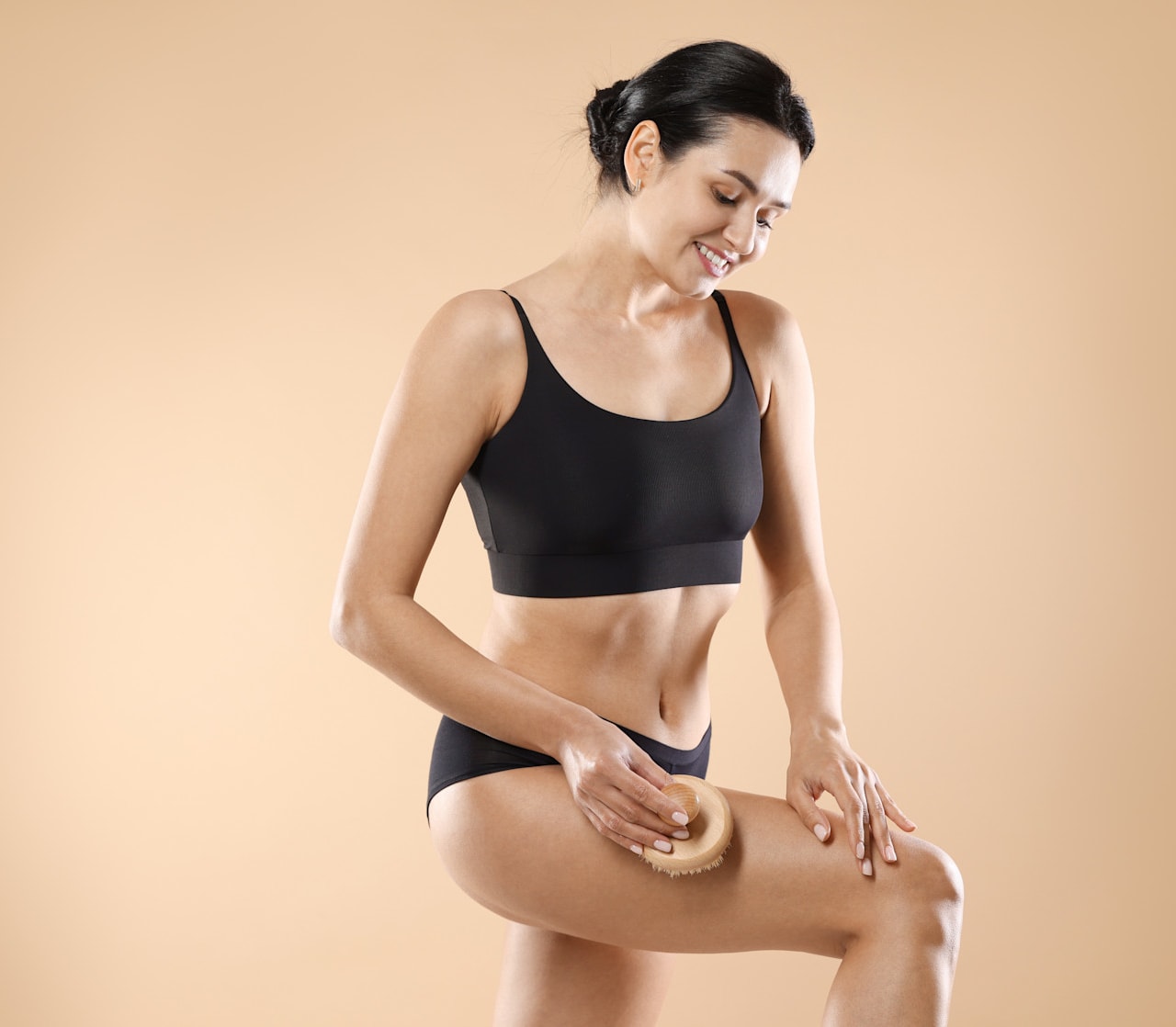
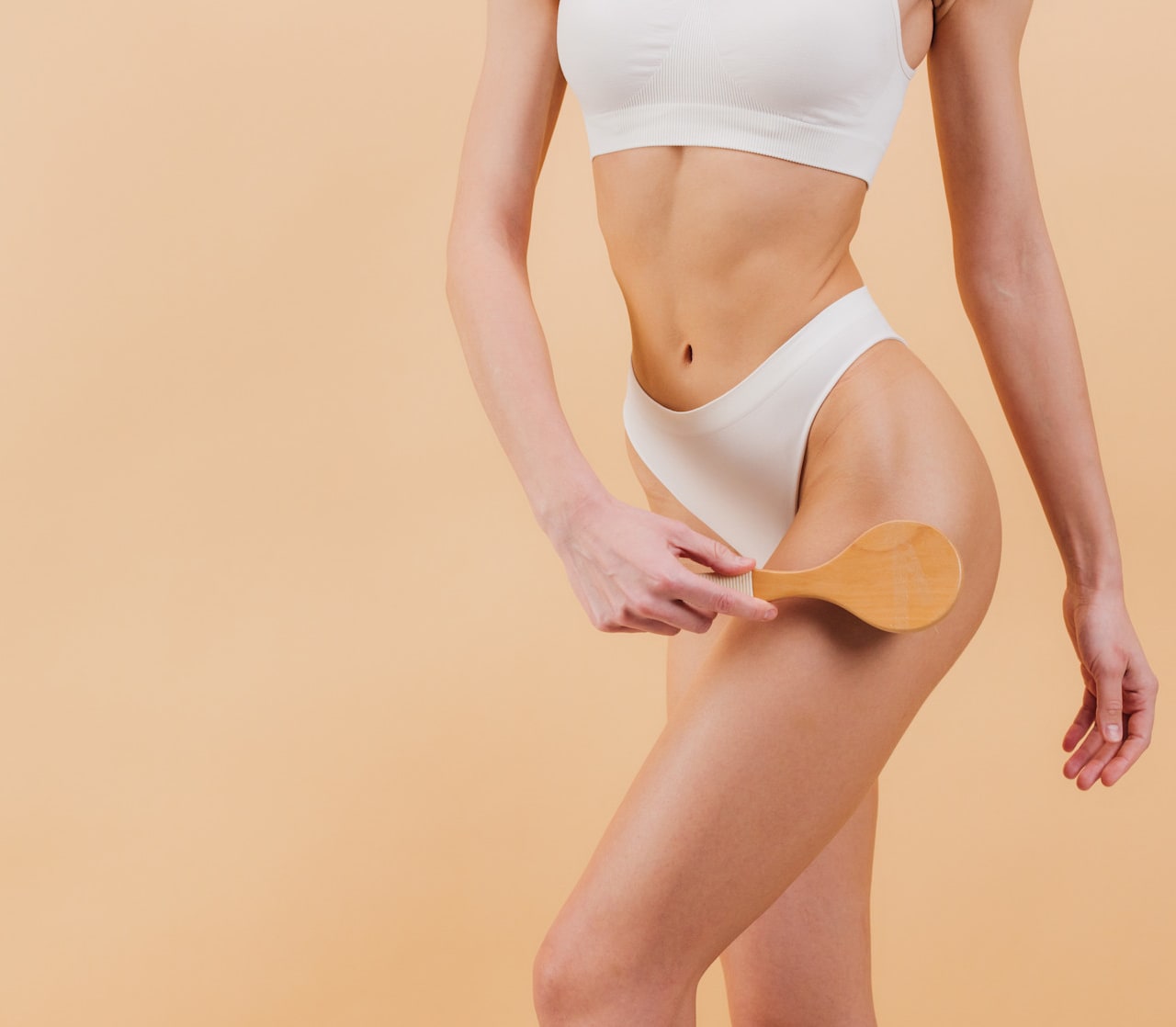
Cellulite is a normal physiological phenomenon resulting from an accumulation of subcutaneous fat cells trapped within fibrous compartments. These fat cells, by settling in the connective tissue, create pressure on the skin, thus causing bumps, irregularities, dimples, nodules, and pits. Along with this accumulation of fat, cellulite is also caused by the retention of fluids and toxins in the tissues. This retention disrupts blood and lymphatic circulation, exacerbating the swollen and dimpled appearance of the skin. Often compared to the texture of an orange peel, this skin condition is primarily visible on the thighs, buttocks, and abdomen.

The Different Types of Cellulite

There are mainly three types of cellulite:

  • Adipose cellulite: This type of cellulite is linked to localized excess fat. It is often associated with a sedentary lifestyle and a high-fat diet. The skin is soft, and the "orange peel" appearance is most noticeable when pinching the skin.

  • Aqueous cellulite: It is caused by poor blood and lymphatic circulation. This type of cellulite is often found in people with water retention issues. The skin is firmer, but the tissue is swollen and often painful to the touch.

  • Fibrous cellulite: Fibrous cellulite is considered the most difficult to treat because it has been present for a long time and is characterized by fibrosis of the connective tissue. The skin is hard, painful, and the dimpled appearance is very pronounced.
Why do we get cellulite?

Cellulite is the result of a combination of several factors, ranging from genetics to lifestyle habits. Here are the main factors:

Hormonal factors: Hormonal fluctuations, particularly those related to estrogen, play a key role in the formation of cellulite. They promote fat storage in certain areas of the body.

Heredity: Genetic predisposition also plays a role. If your relatives have cellulite, you’re more likely to develop it too.  

Diet: A diet high in saturated fats, refined sugars, and salt can contribute to the development of cellulite. These foods promote fat storage and water retention.

Lifestyle: A sedentary lifestyle, chronic stress, lack of sleep, smoking, and excessive alcohol consumption are aggravating factors. Poor blood and lymphatic circulation can also lead to cellulite.

Tight clothing: Wearing clothes that are too tight can impede blood and lymphatic circulation, thereby promoting the appearance of cellulite.

Weight gain: Weight gain, especially when rapid, can accentuate the appearance of cellulite by increasing the number of subcutaneous fat cells.

How can you naturally fight cellulite?

There are many natural solutions for fighting cellulite. Here is our selection of home remedies to help you:

Plant-based oils

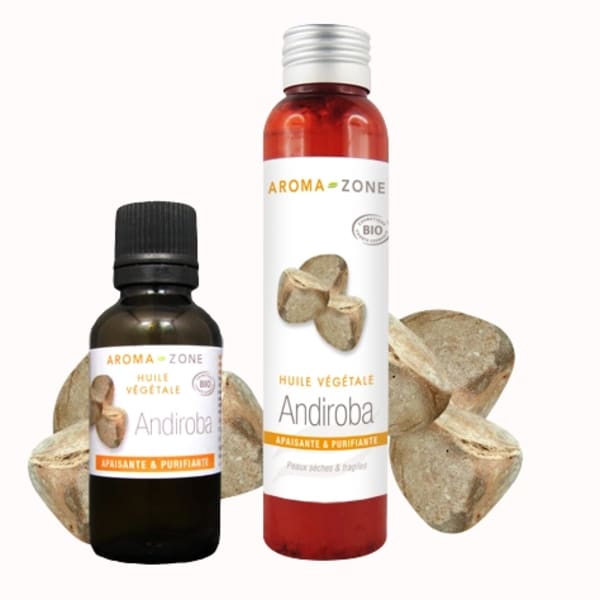
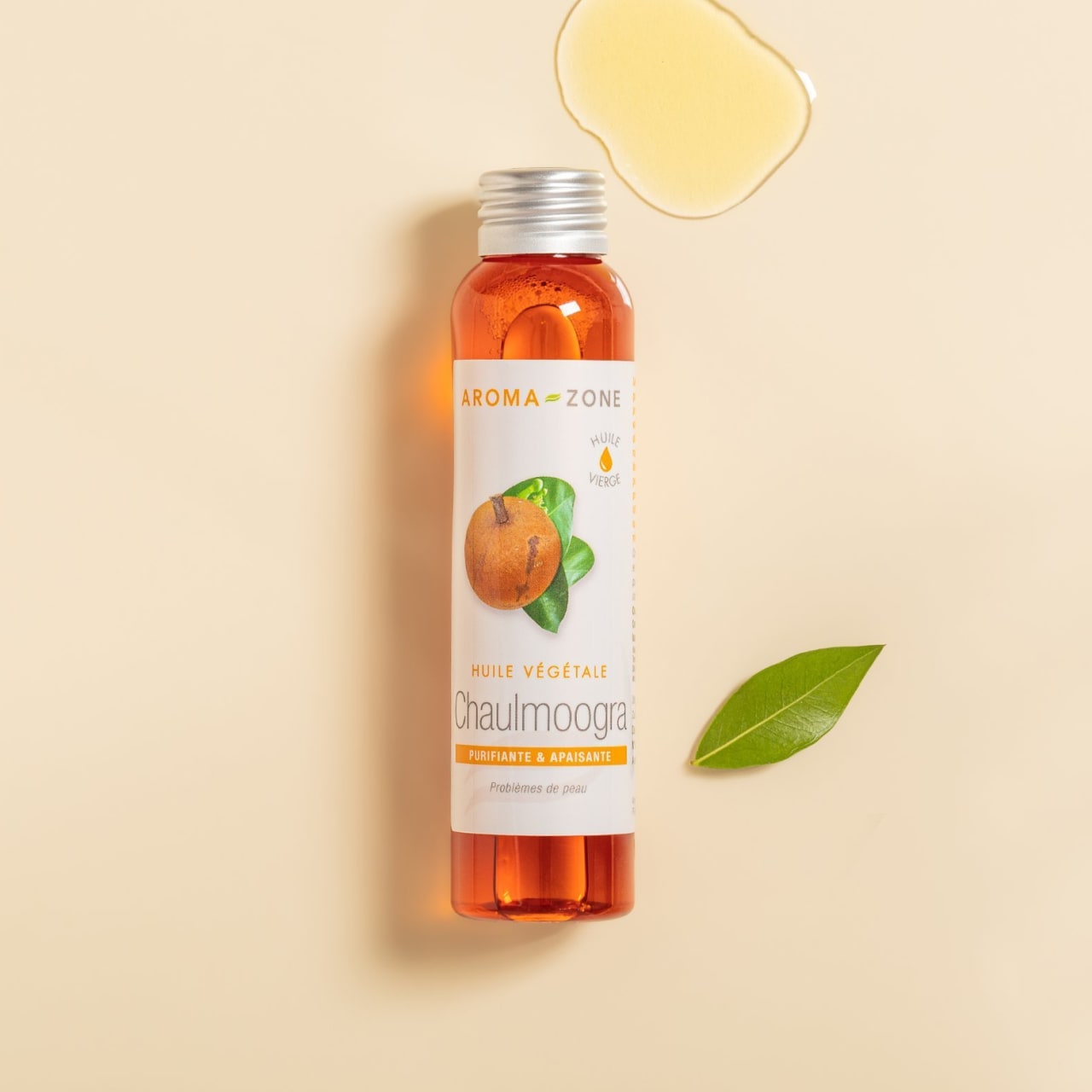
Andiroba Oil

Andiroba oil is rich in essential fatty acids and anti-inflammatory and antioxidant compounds that help regenerate the skin and reduce the appearance of cellulite. It also promotes blood and lymphatic circulation, which helps eliminate toxins and tone the tissues.

Apply a few drops of Andiroba oil to the affected areas and massage gently until fully absorbed. Use this oil regularly, preferably after a bath or shower, for visible results.

Discover our Andiroba Oil

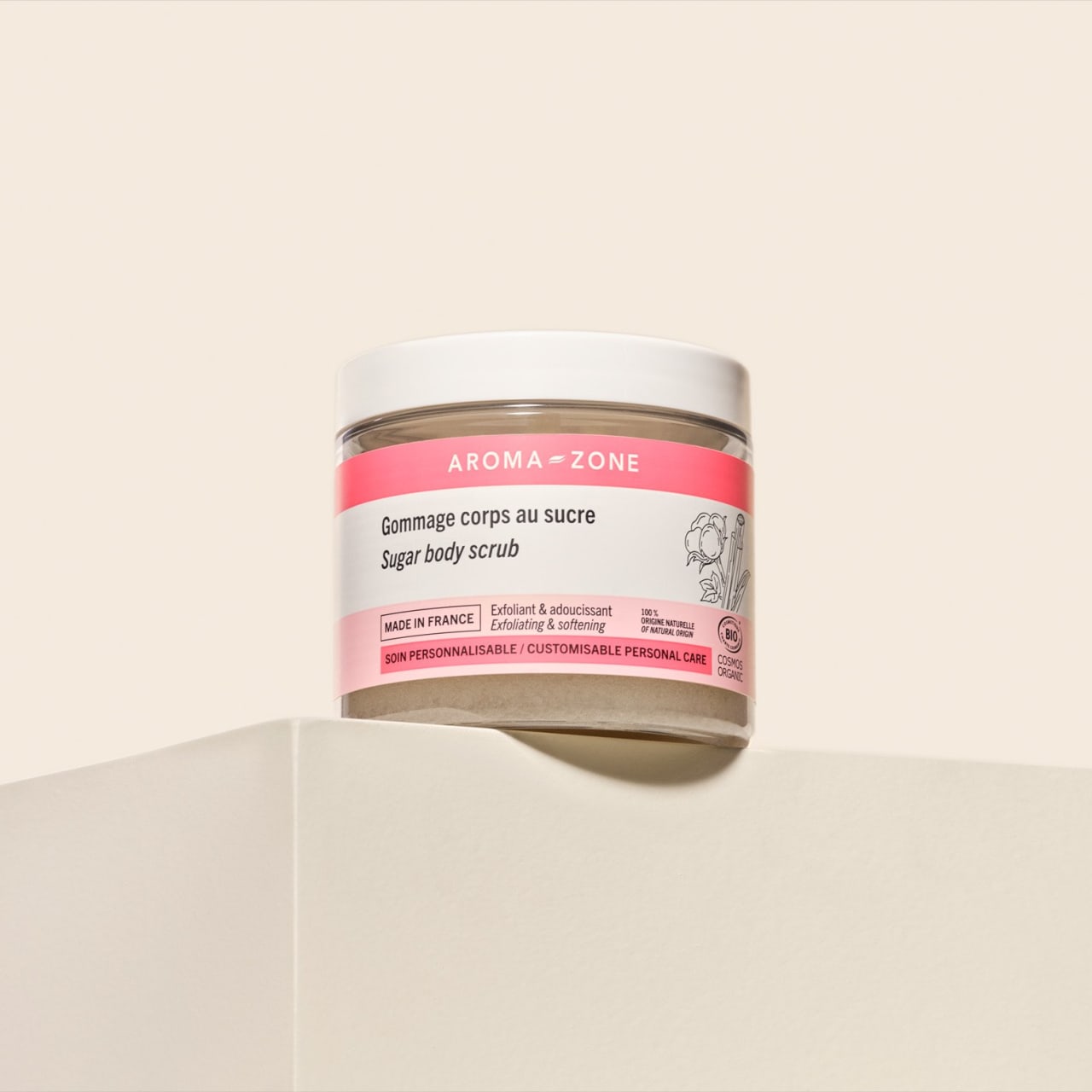
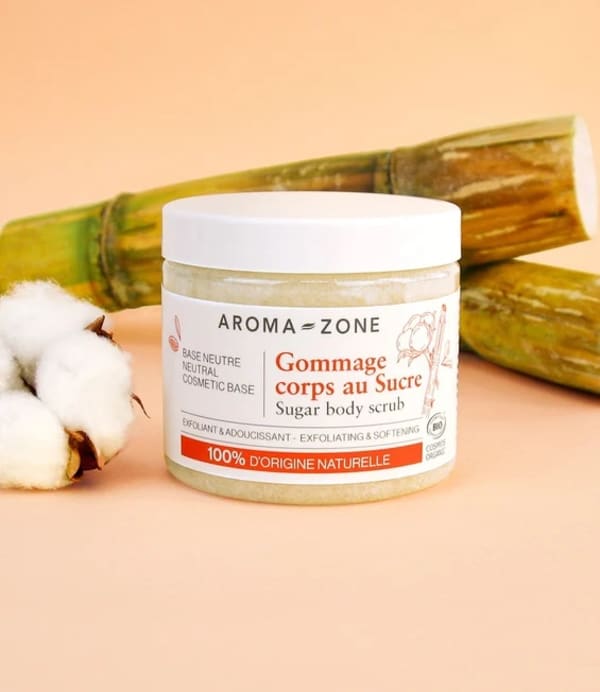
Body wraps and poultices

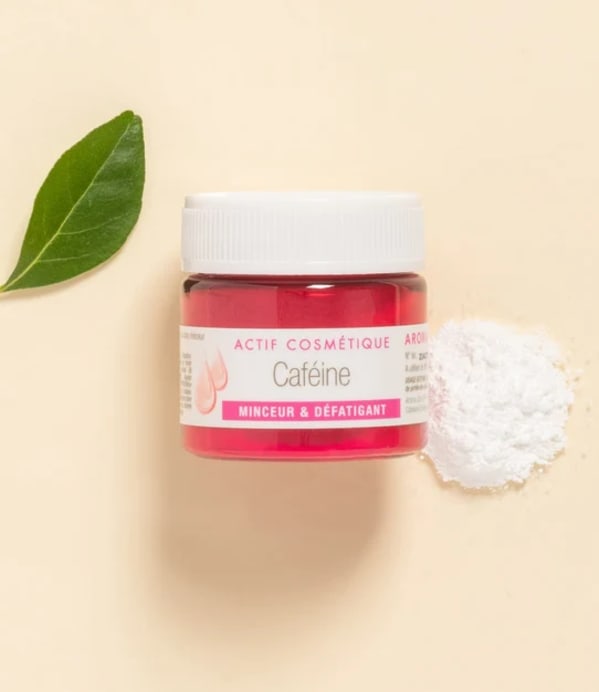
Coffee

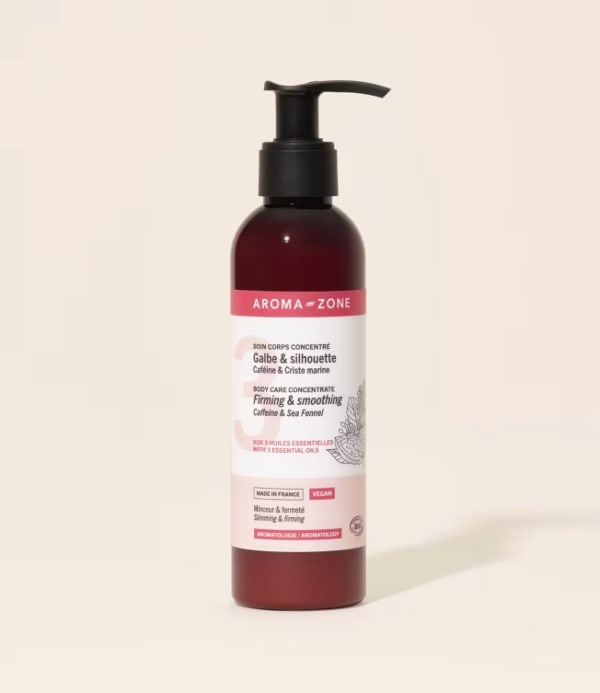
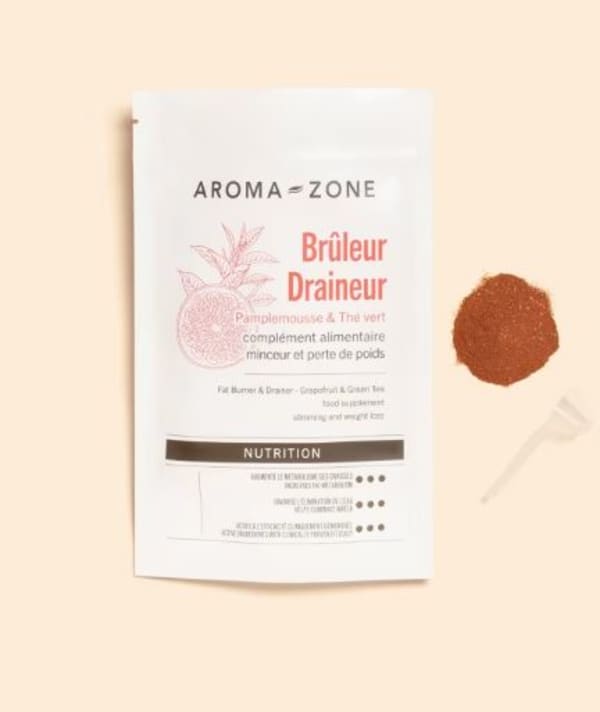
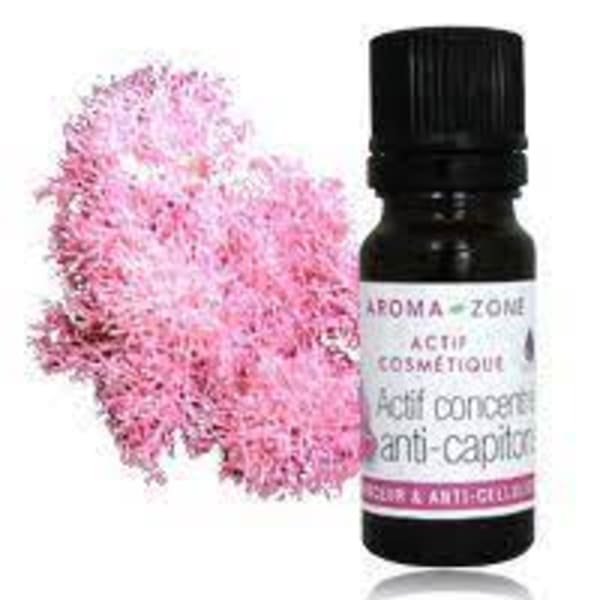
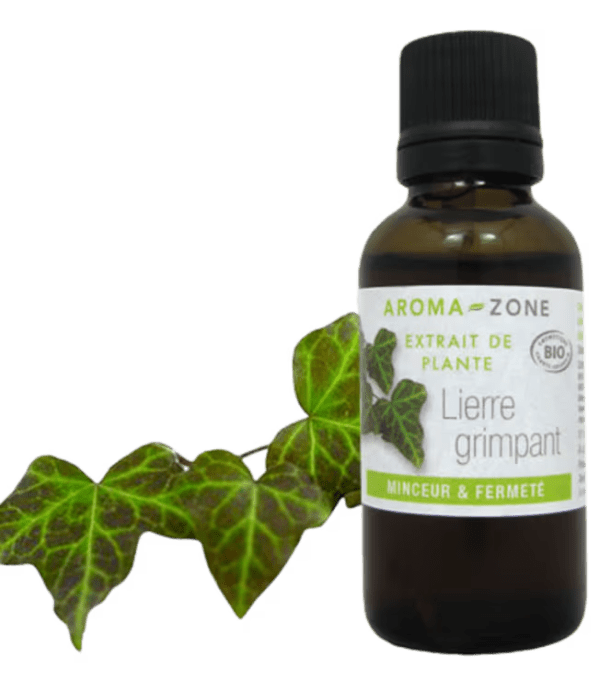
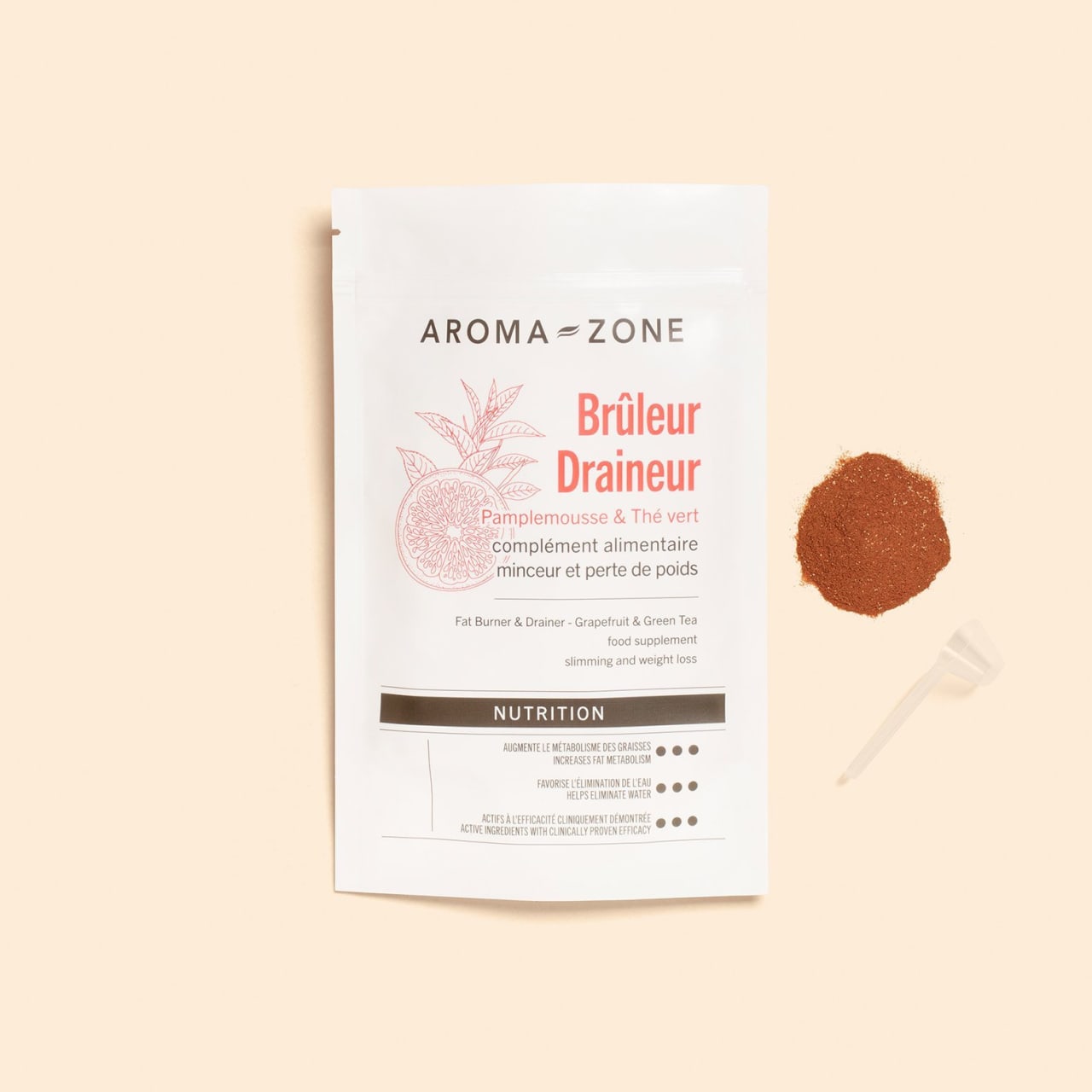
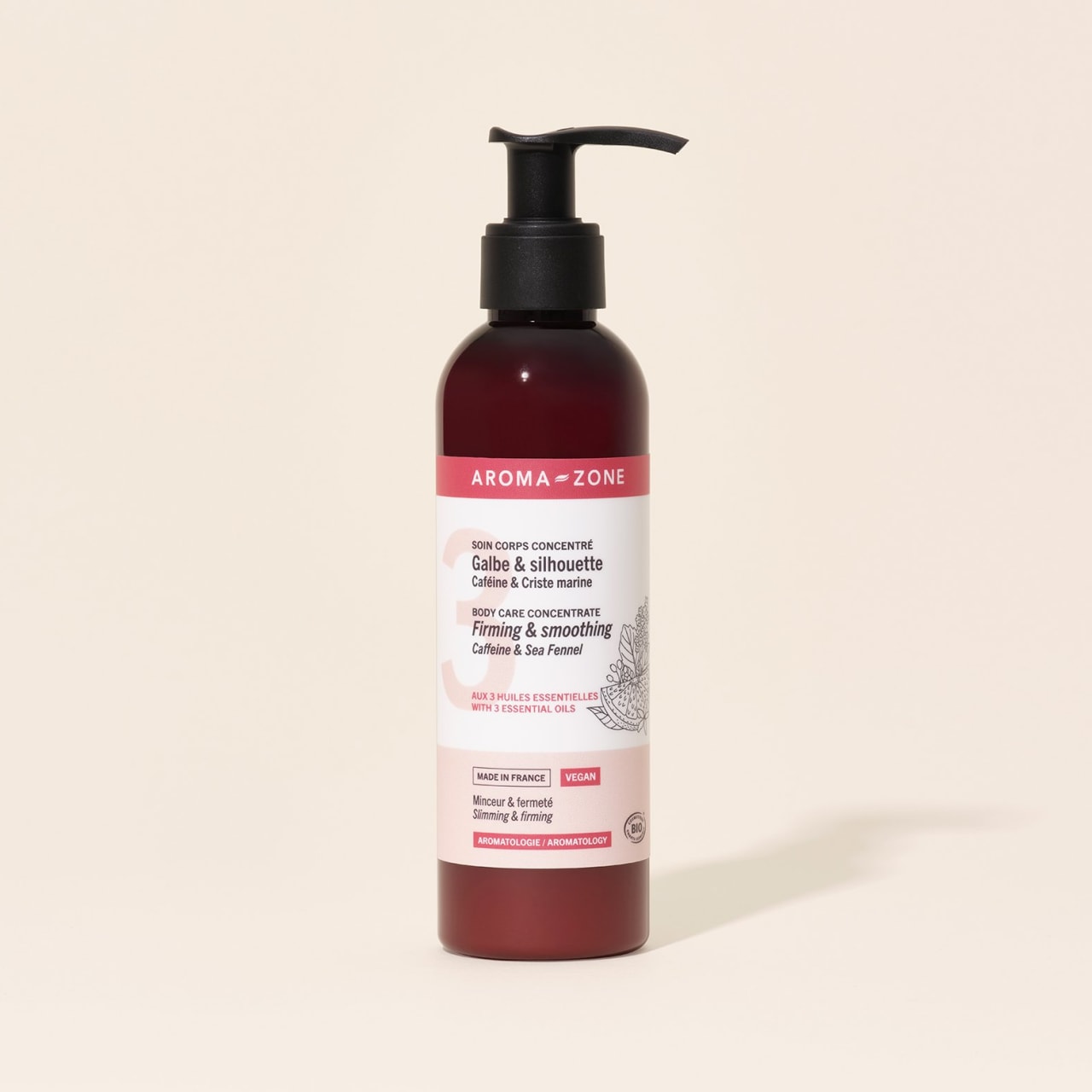
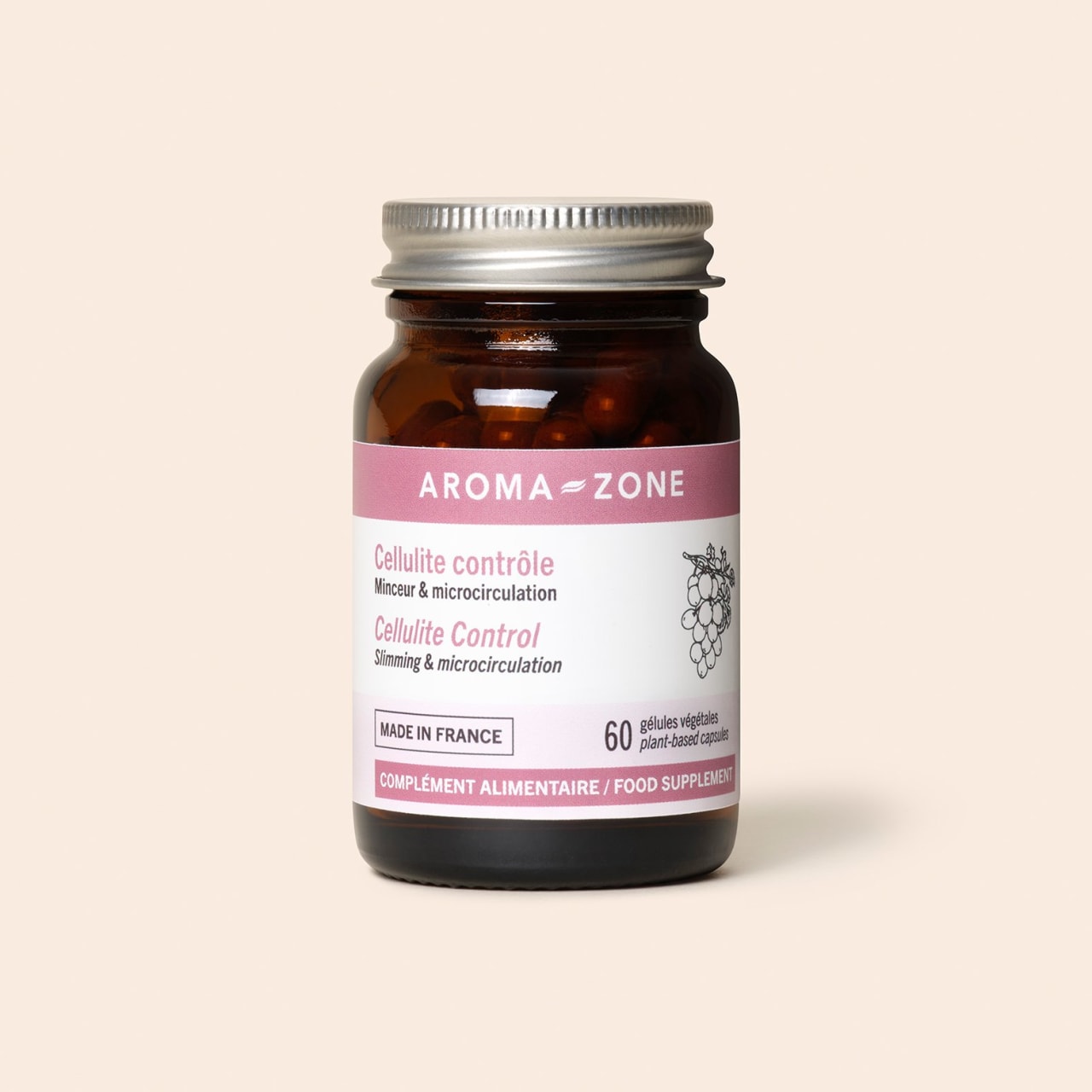
Aroma-Zone’s anti-cellulite active ingredients

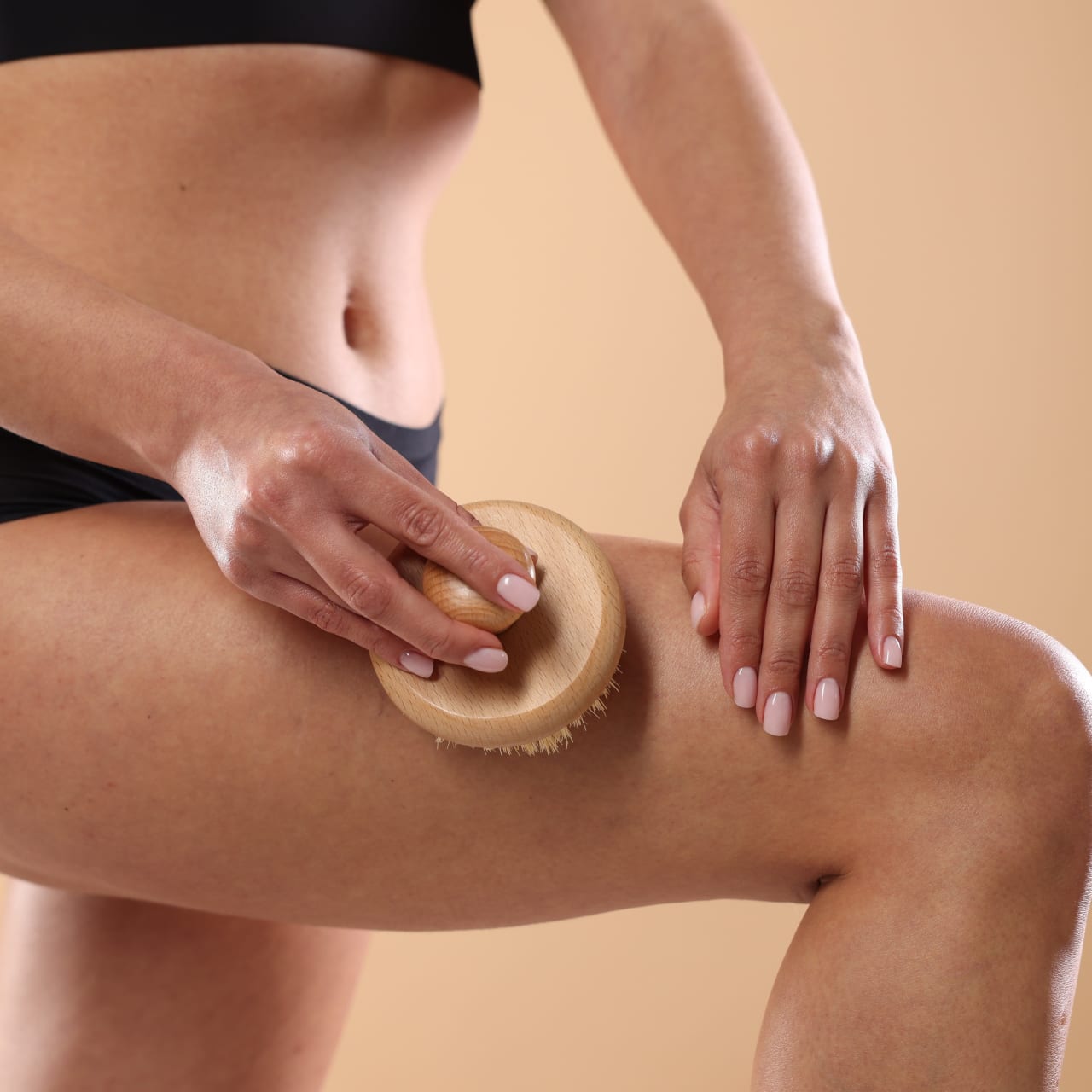
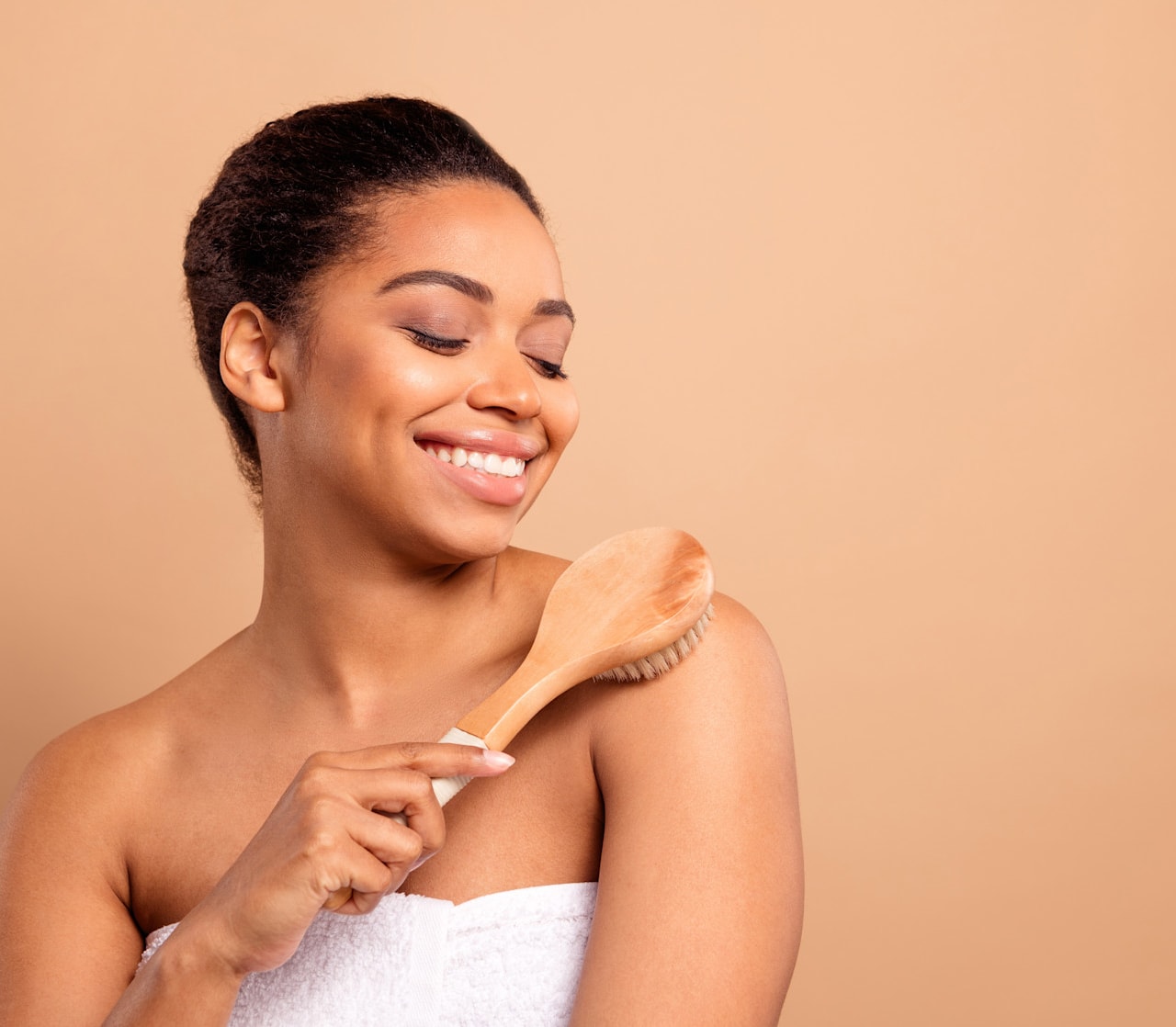
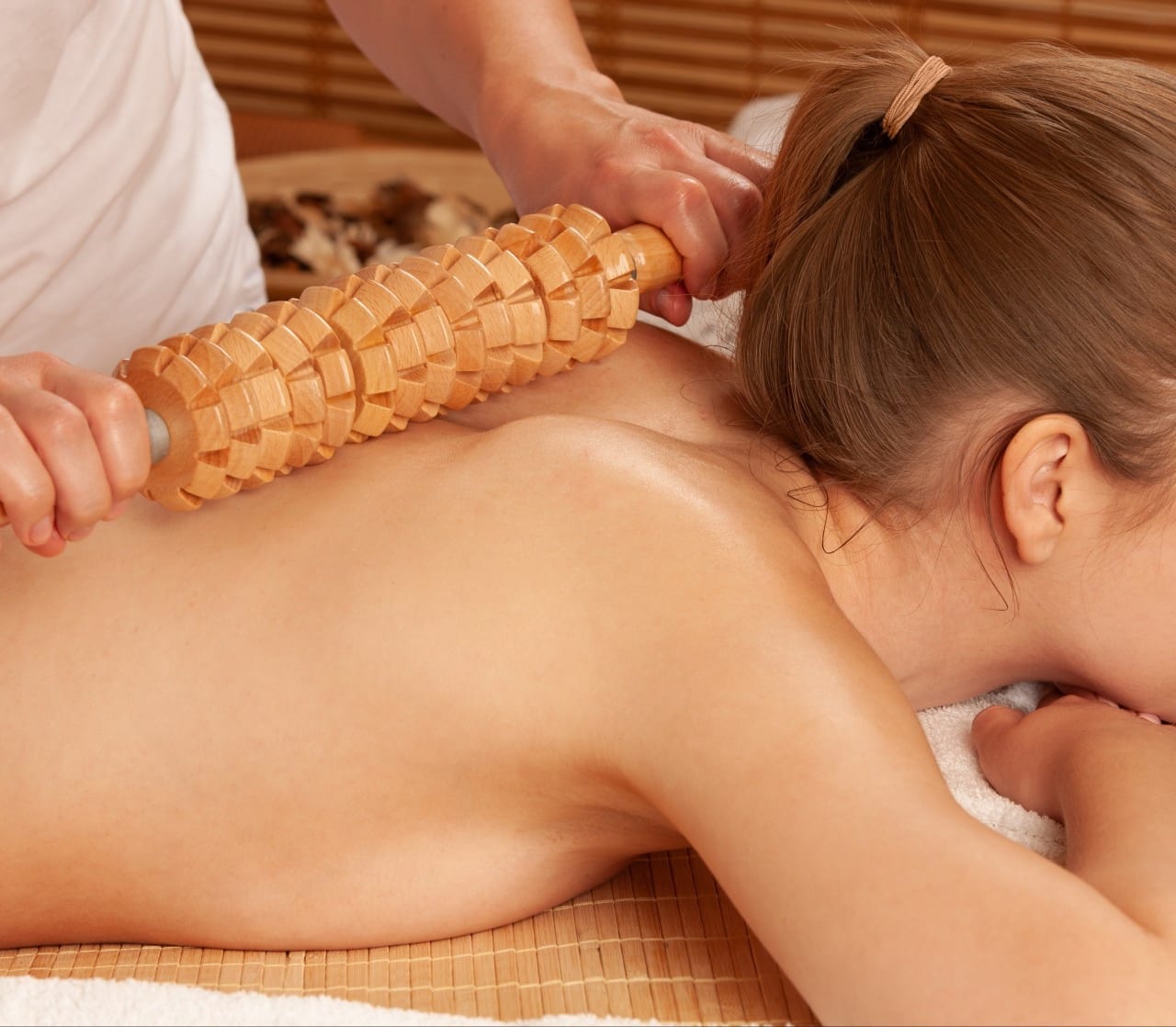
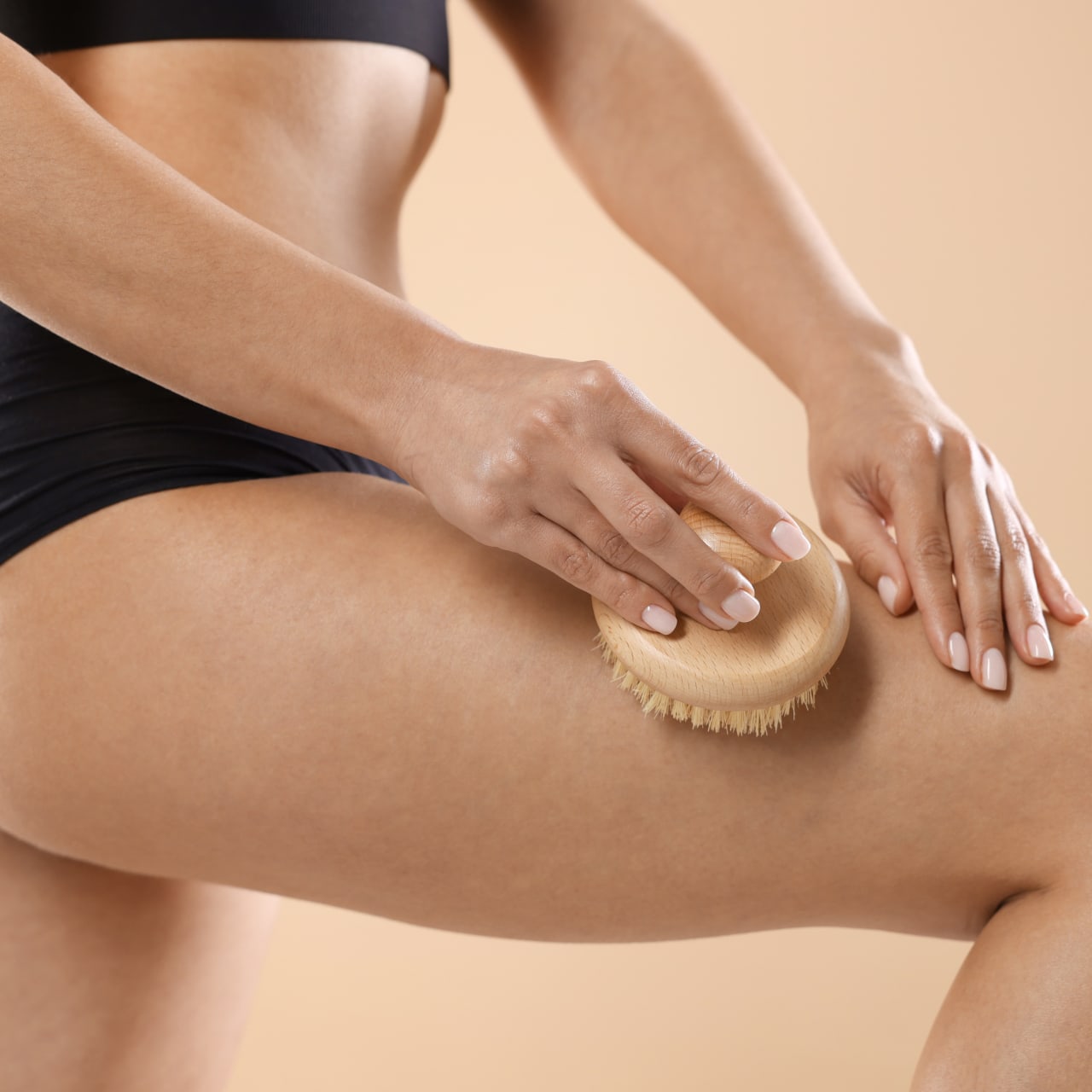
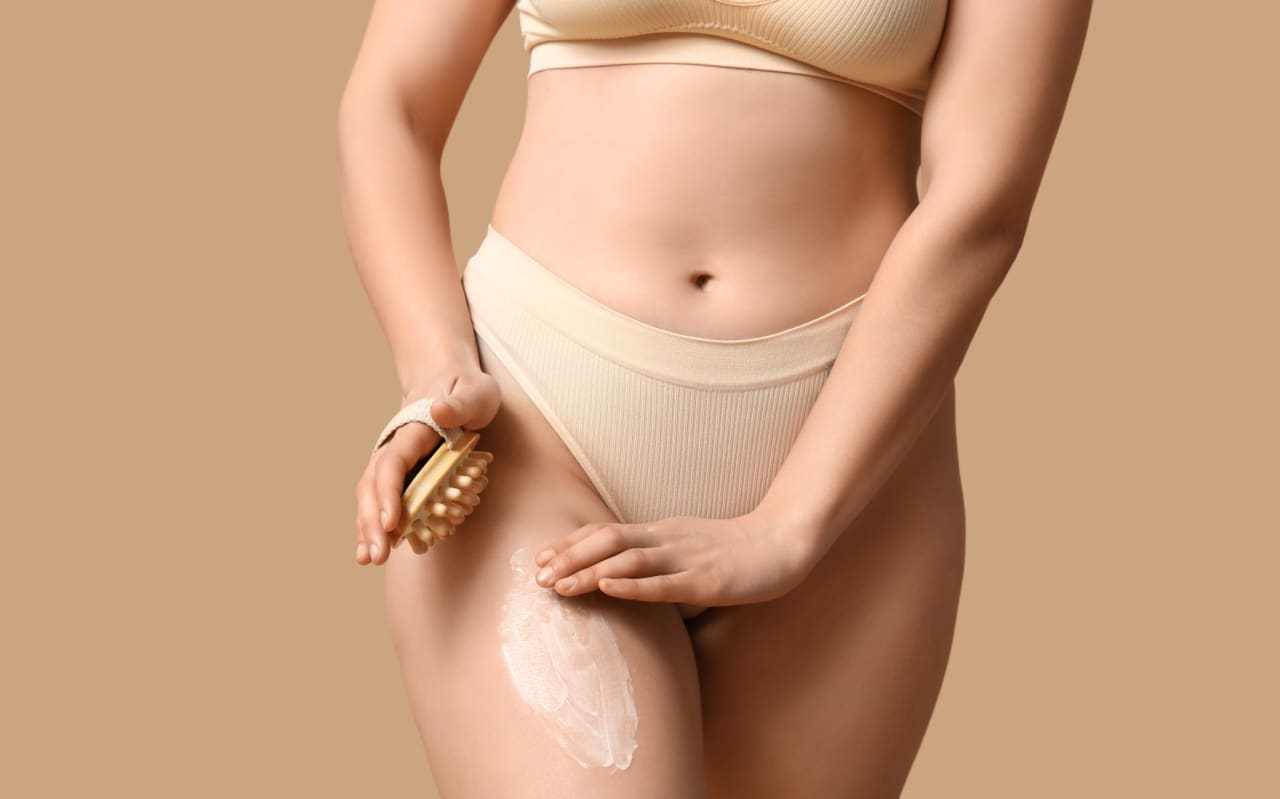
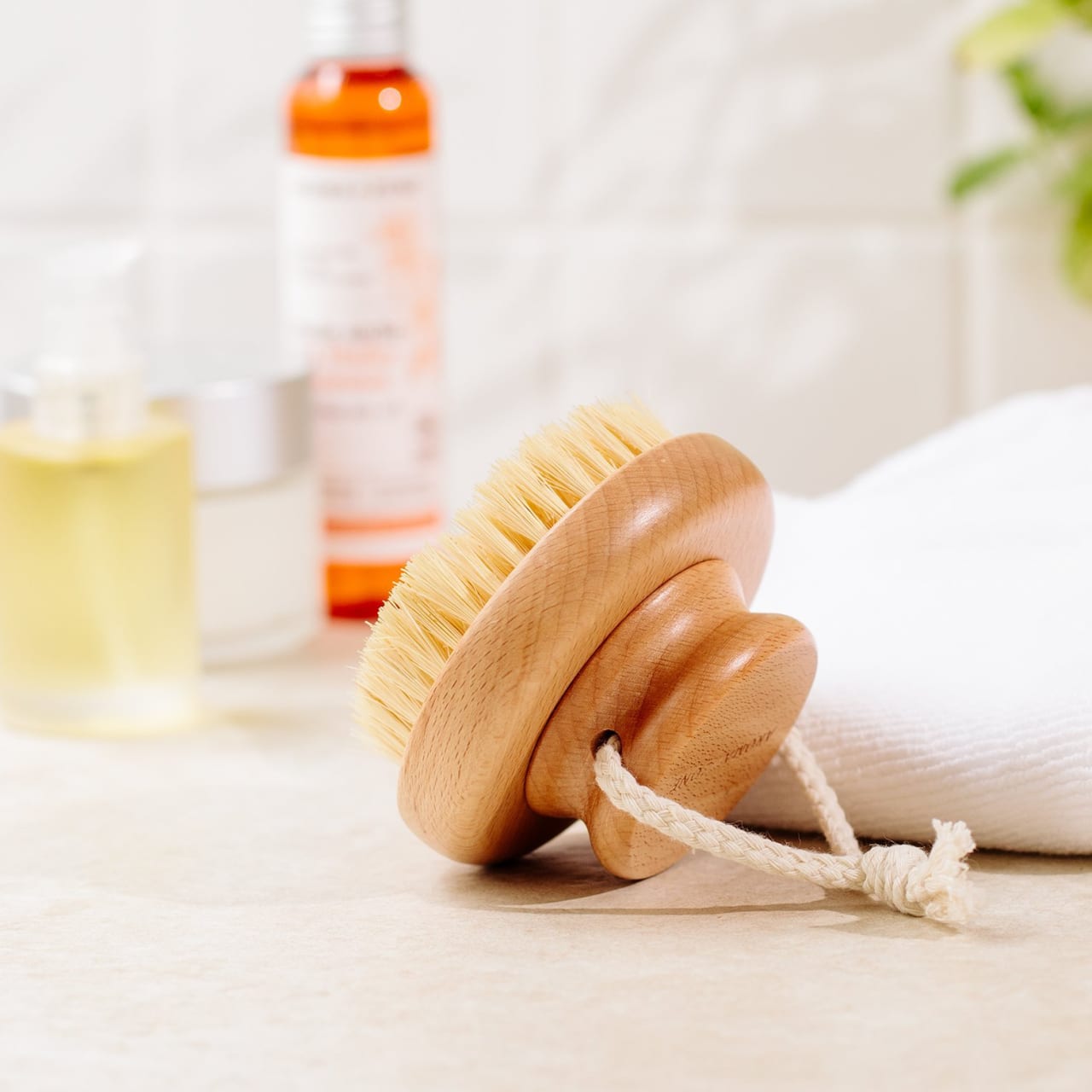
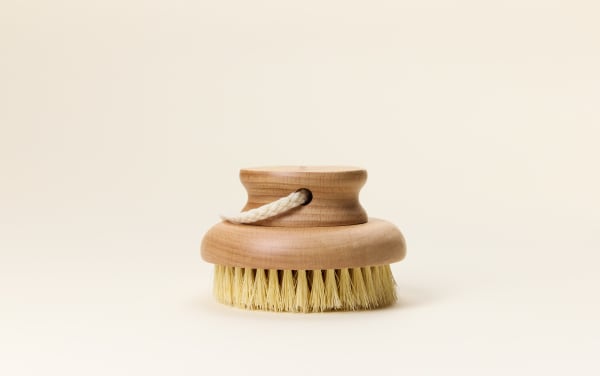
Massage techniques

Essential oils

Essential oils are known for their benefits for the skin and blood circulation. Here are some of the most effective ones against cellulite: Atlas Cedar essential oil (it promotes lymphatic drainage and helps break down fat), Grapefruit essential oil (known for its lipolytic properties, it helps burn fat), and Cypress essential oil (it improves blood circulation and reduces water retention).

What is the most effective natural treatment for cellulite?

The most effective treatment for cellulite combines a balanced diet, adequate hydration, regular physical activity, effective stress management, regular targeted massages, and the use of specific natural products to promote circulation, reduce inflammation, and stimulate fat breakdown.

Other aesthetic medicine methods that require specialized technologies may also be considered based on individual needs and the recommendations of a healthcare professional. These include cryolipolysis, pressotherapy, radiofrequency, microneedling, cold laser therapy, ultrasound, and liposuction.

We therefore recommend consulting a specialist to determine the approach best suited to your needs.

What routine should you adopt to get rid of cellulite?

Adopting a regular routine can help reduce the appearance of cellulite and improve skin texture. Here are our typical daily and weekly routines to effectively combat cellulite naturally in 10 steps:

Precautions

We remind you how important it is to test each product on a small area of your skin before applying it fully to areas affected by cellulite, to check for any allergic reactions.

If you have severe cellulite, a health condition, or if you are pregnant or breastfeeding, we recommend that you consult a healthcare professional before starting any new routine.

Expert Tip

Make time to relax and unwind every day, as chronic stress can worsen inflammation and promote fat storage, thereby affecting the appearance of cellulite.

Learn more

Can anyone get cellulite?

Yes, cellulite can affect anyone, regardless of age, gender, or weight.

Is it possible to completely get rid of cellulite?

Cellulite cannot always be completely eliminated, but it can be significantly reduced with a combination of skincare, nutrition, and exercise.

Can exercise reduce cellulite?

Yes, regular physical activity helps reduce cellulite by improving circulation and toning the muscles in the affected area.

Focus on our Naturopathic editor, Stéphanie Catrysse

Stéphanie Catrysse is a naturopath (certified by the FENA), a wellness massage and lymphatic drainage practitioner, and a personal development consultant. 

Passionate about alternative medicine, she practices a holistic approach to health.