What are the benefits of retinol ?

It’s found in countless cosmetic products and is one of the stars of anti-aging products. It’s retinal. However, its benefits for the skin aren’t limited to softening the signs of aging—even though that alone is reason enough to incorporate it into your routine! Discover in this article all the benefits retinal can offer your skin.

Marie Dehlinger, a cosmetic expert, breaks down the benefits of retinol for us.

Reading time: 0 min.

What is retinol?

Retinol is a form of vitamin A. It exists in our bodies as retinal (or retinaldehyde) and retinoic acid, the active form that binds to cell receptors.

When it is used for skincare products, it must be converted into retinal, and then into retinoic acid, in order for it to actively work. To sum up retinol's way of working, it stimulates skin cells to return to them optimal function. In other words, making the cells healthier and/or younger.

Benefit no. 1 of retinol: it boosts radiance

One of retinol's mechanisms is to stimulate cell renewal in the epidermis. This normally takes around 28 days, but slows down with age or certain external factors. Dead cells then accumulate on the skin's surface, altering the way light reflects off the epidermis and making the complexion look dull. These same dead cells can also detach poorly from the epidermis, dulling the complexion. By accelerating skin cell renewal, retinol encourages the skin's natural exfoliation process and restores radiance by promoting the detachment of keratinised cells. The skin looks finer and more radiant.

Benefit no. 2 of retinol: it reduces the signs of ageing

Retinol's smoothing action is partly explained by cell renewal stimulation. The epidermis is denser and more compact. This, combined with exfoliation, reduces fine lines and wrinkles and refines skin texture. Deeper down, retinol stimulates the synthesis of many elements supporting the architecture of the dermis (elastic fibres, collagen, etc.), restoring the skin's firmness and elasticity. It is particularly effective for skin ageing that has been accelerated by sun exposure.

Benefit no. 3 of retinol: it protects the skin from free radicals

By making the epidermis more compact and functional, retinol improves the skin's barrier function. Therefore, it combats dehydration and makes the skin more resistant to external damage. Its antioxidant activity also helps to counter the damaging effects of free radicals and reduce the damage caused by oxidative stress.

Benefit no. 4 of retinol: it combats blemishes

Vitamin A derivatives were originally developed to combat acne. Their anti-ageing effectiveness was discovered at the same time. That's why retinol is so helpful for reducing blemishes and clarifying the skin!

By accelerating cell renewal and exfoliating the skin, it unclogs pores and reduces comedones (blocked pores), blackheads (pores blocked by oxidised sebum) and pimples (blocked pores that are inflamed or even infected) from forming. It smooths the epidermis, refines skin texture and reduces the appearance of older blemishes more quickly. Its regulating effects on sebum production help to reduce the appearance of new blemishes.

Benefit n°5 of retinol: it reduces and prevents pigmentation spots

Pigmentation spots are caused when the normal process of synthesising the skin pigment, melanin, is disrupted. Melanogenesis can be disrupted by various factors, such as the sun, skin ageing, inflammation or hormones. Melanin is then produced in excess. The main problem is that it is not distributed evenly, which produces spots. Melanin accumulates, particularly in the most superficial cells of the epidermis, the corneocytes. Retinol's exfoliating effects make it easier to eliminate these pigment-laden cells, helping to reduce the spots already present. By regulating melanogenesis, it also prevents new spots from forming.

What is the earliest age at which retinol can be used?

Using retinol in as part of a skincare routine is generally recommended for people aged 25 and over. At this age, the skin begins to show the first signs of ageing, such as a loss of radiance and fine lines. Retinol can help to stimulate cell renewal and prevent the signs of ageing. However, it is essential to introduce it gradually into your skincare routine, so that your skin gets used to this powerful active ingredient.

Make retinol part of your skincare routine: our advice

Incorporating retinol into your skincare routine requires a few precautions. Start by applying it once or twice a week in the evening to allow your skin to get used to it. Gradually increase the frequency of use, depending on your skin's tolerance. It is essential to apply retinol to clean, dry skin, followed by a moisturiser to minimise any discomfort. Always use sun protection during the day, as retinol can make the skin more sensitive to UV rays.

How long does it take for the effects of retinol to become visible on the skin?

The effects of retinol on the skin vary from person to person, but as a general rule, the first results start to be visible after a few weeks of regular use. You can expect an improvement in skin radiance, a reduction in fine lines and a smoother skin texture.

However, more significant results, such as a noticeable reduction in wrinkles and improved skin firmness, may take several months. Be patient and use retinol regularly to reap the full benefits for your skin.

What other retinoids should I use?

Retinol is available in a wide variety of cosmetic product formulas and dosages, but it is sometimes worth turning to other retinoids. This is the name given to vitamin A derivatives, retinol and molecules in the same family.

Retinol esters, such as retinyl palmitate or retinyl acetate, are generally recommended for skin that does not yet tolerate retinol, or tolerates it poorly. These molecules have to be converted into retinol in the skin, which is itself converted twice to become retinoic acid. So, there is one more transformation needed to reach the active form. The skin has to get used to retinoids, and it's a marathon rather than a sprint! Therefore, these milder, less potent retinoids are a good introduction for skin new to retinol.

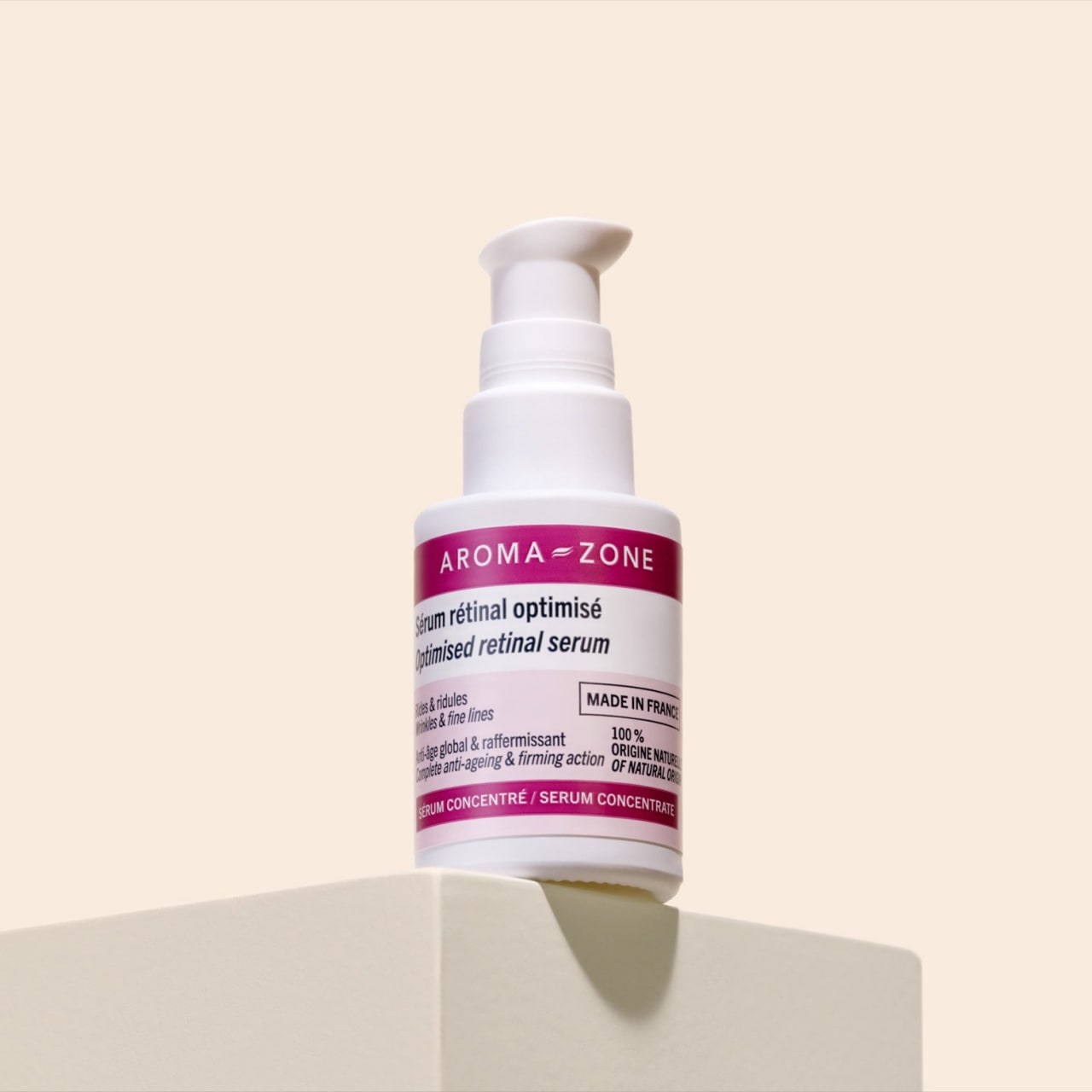
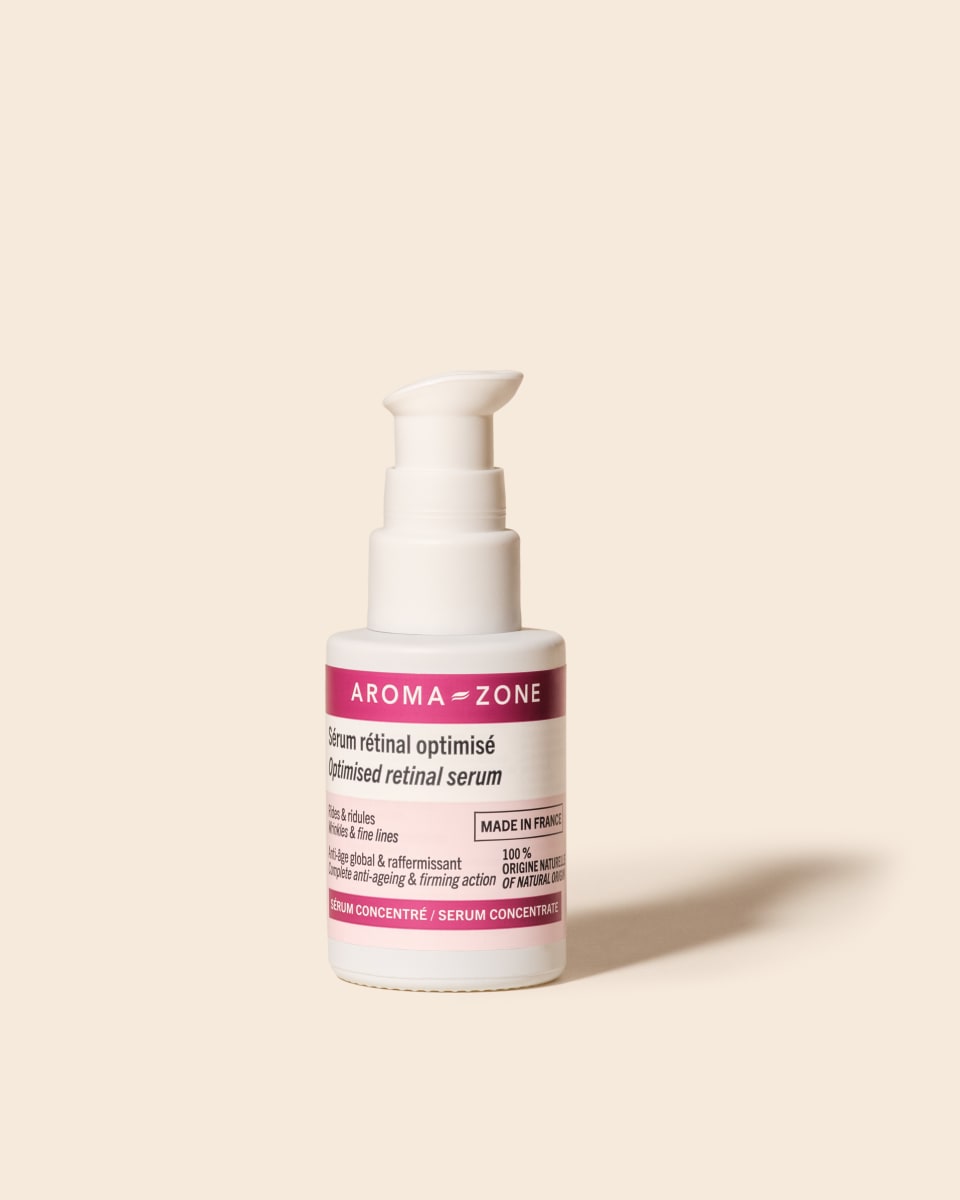
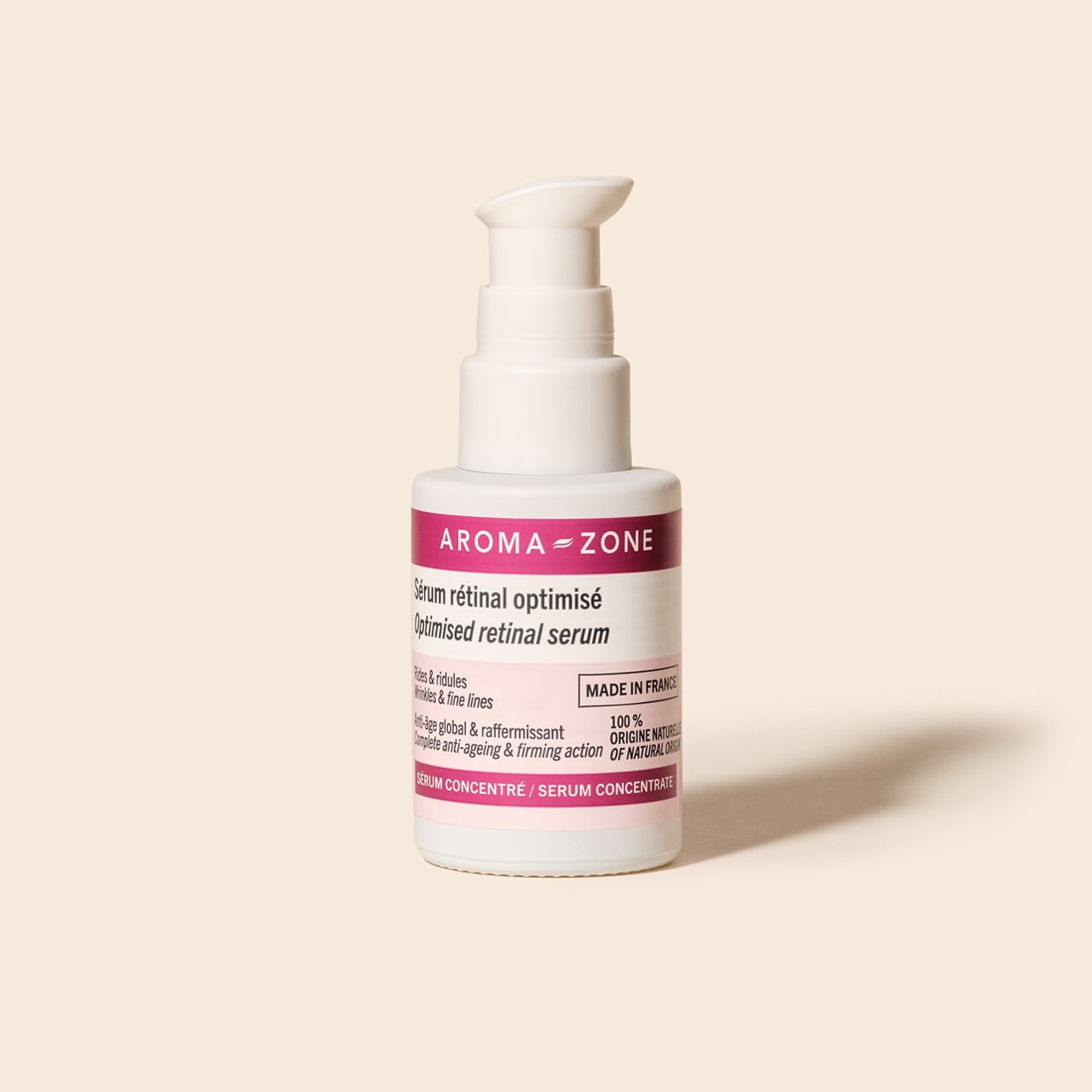
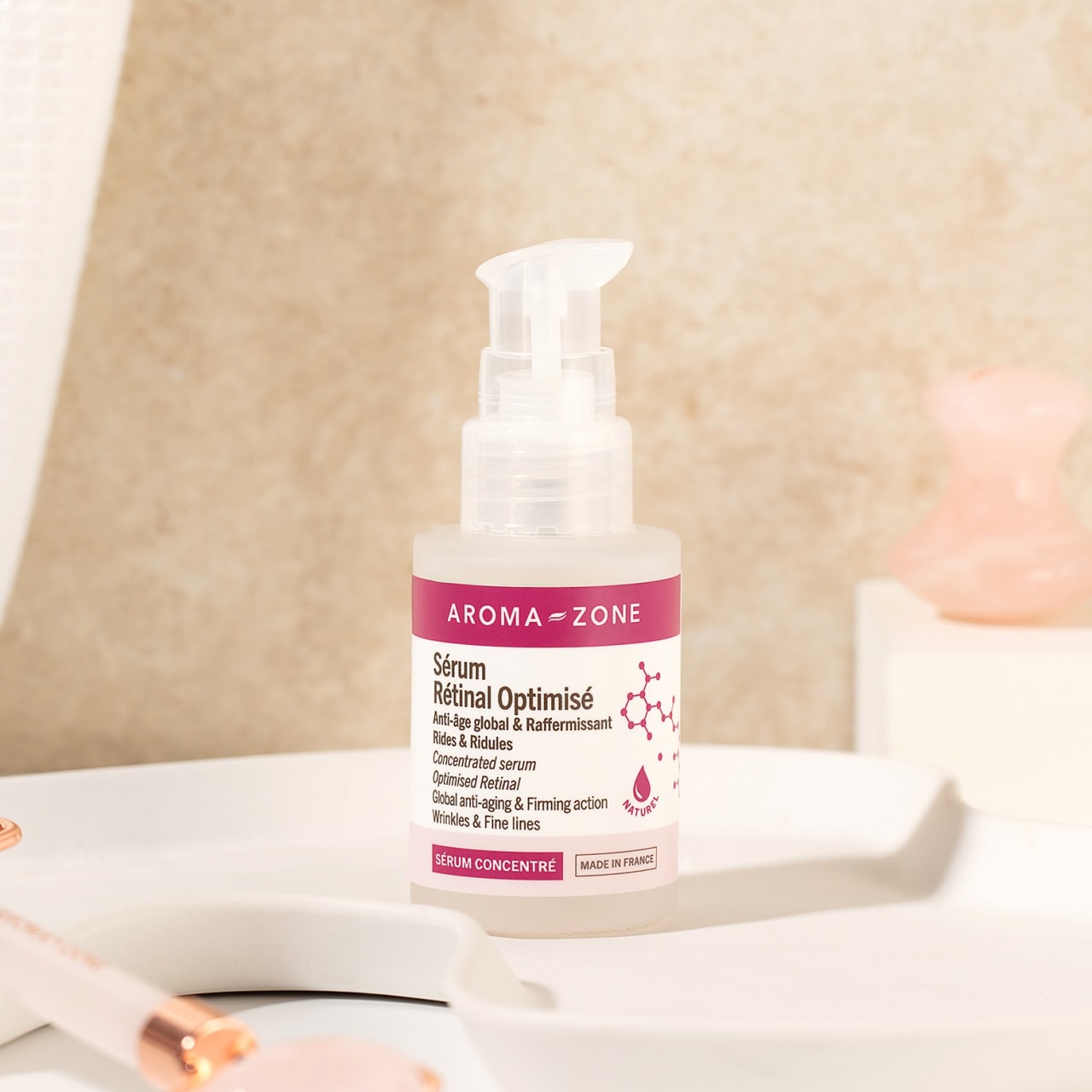
For retinal, as in our Retinal Serum, it's the other way round: it only needs one transformation in the skin (compared with two for retinol) to reach its active form. It is, therefore, considered to be more powerful than retinol, with results visible more quickly (if the skin tolerates it well. Remember, this is a marathon and a product that is too powerful from the outset risks irritating your skin). It is recommended for skin that is already used to retinol, or for resistant skin that is very marked, for example by sun-related ageing.

To find out more about alternatives to our retinal serum, read our guide.

Optimised Retinal Serum Concentrate

Natural alternatives to retinol

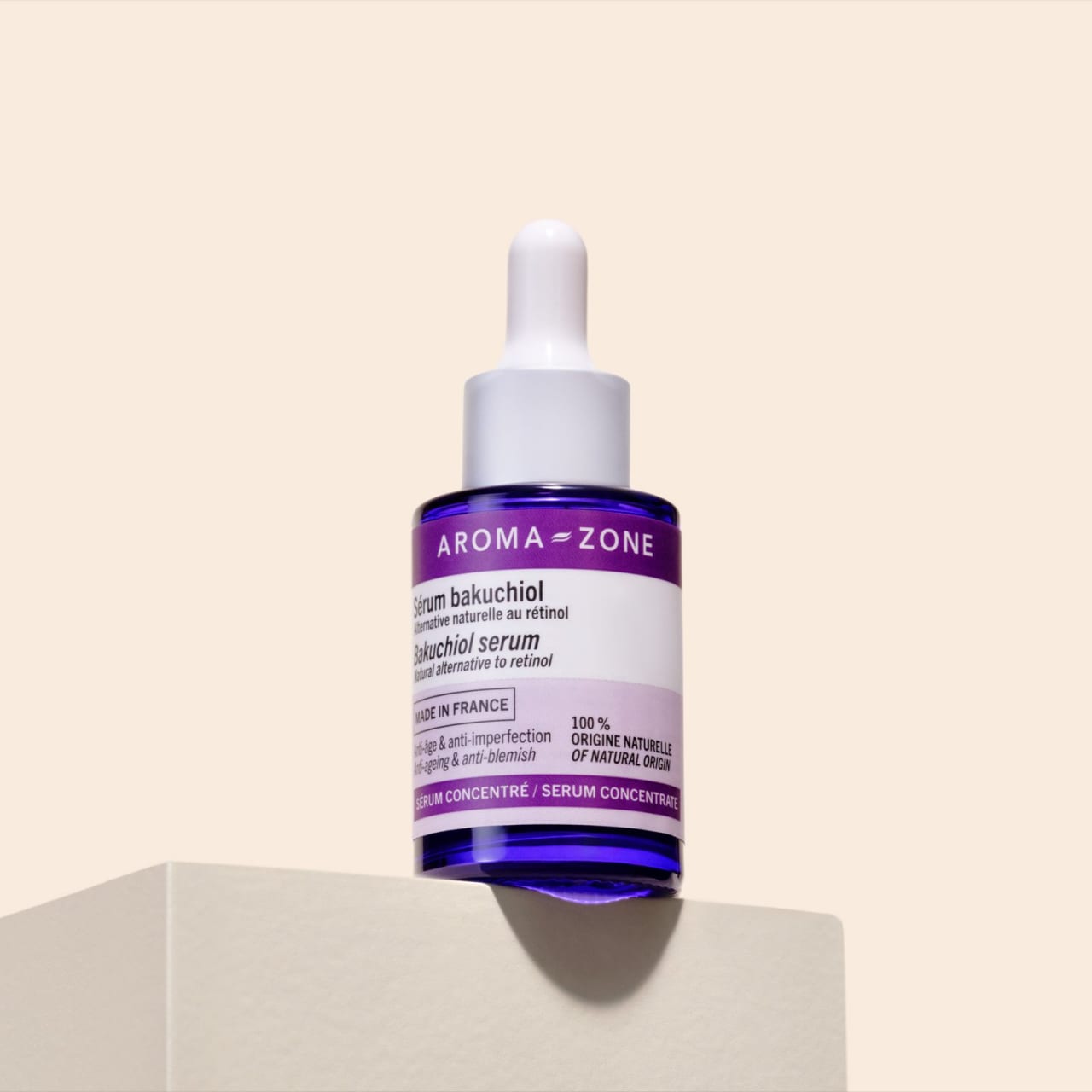
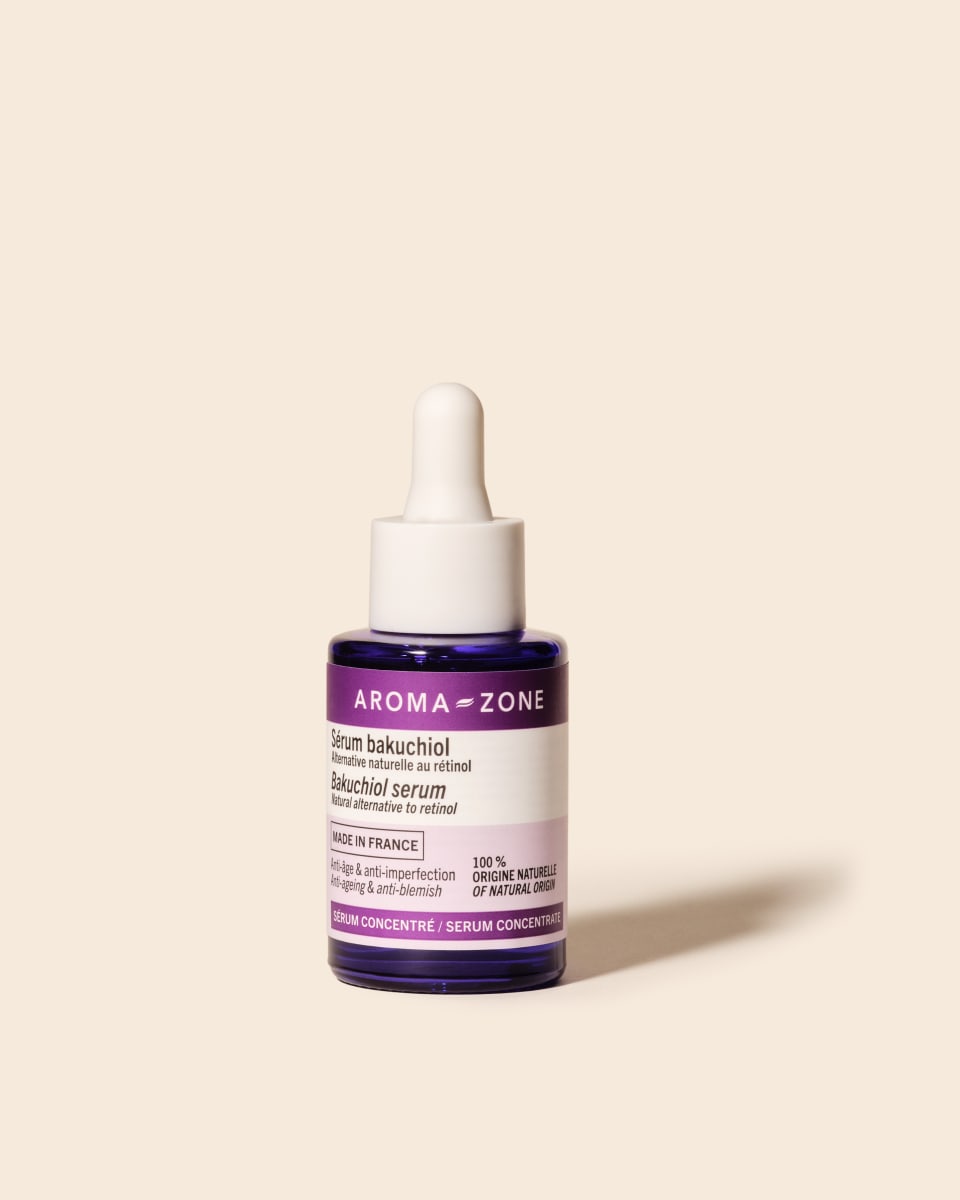
In recent years, the demand for ingredients of natural origin has enabled bakuchiol to carve out a place for itself among anti-ageing active ingredients. A study has shown that its benefits are comparable to those of retinol. In fact, it is often presented as a plant-based alternative to retinol, even though it is not a retinoid - it does not convert to retinoic acid or bind to retinoic acid receptors.

Extracted from the babchi flower (Psoralea corylifolia), this ayurvedic plant helps to reduce the signs of ageing and fades blemishes. It is also an excellent antioxidant, protecting the skin from free radicals and oxidative stress, which are factors in premature skin ageing. Unlike retinoids, the skin does not need to get used to bakuchiol. It is well tolerated and often recommended for sensitive skin that cannot tolerate retinoids.

Concentrated Bakuchiol Facial Serum 30 ml

Contraindications of retinol

The main contraindication to retinol, and retinoids in general, applies to pregnant and breast-feeding women. An excess of vitamin A can be harmful to the foetus or child. Even if the amount of retinol and retinoid derivatives from cosmetics is minimal compared to the amount in food or food supplements, it is preferable to avoid them during this period.

The other contraindications are more relative. Some skins, particularly the most sensitive, may not tolerate retinol, whatever the formula and precautions taken. In this case, it is better not to continue using it but to turn to other active ingredients, such as bakuchiol. Retinol is also not recommended when the skin is exposed to the sun without protection, as it makes the skin more sensitive to the sun.

Conclusion

Retinol is considered to be the golden standard in anti-ageing products. Its benefits for the skin (anti-ageing, radiance boosting, dark spot and blemish reduction) and its effectiveness are well established. There are a multitude of retinol formulations or derivatives, such as retinal, to suit every skin type. Making the most of the benefits of retinol or retinoids does require a few precautions to get your skin used to them, but it's well worth the effort.

Marie Dehlinger, our cosmetology expert

Marie Dehlinger, expert cosmetologist, explains the benefits of retinol.

As a trained scientist with a degree in cosmetics regulation, I love sharing and explaining the science behind cosmetic products. I've made a career out of it, with a particular focus on promoting science and explaining it to the general public.