Retinol: what are the alternatives?

In the family of anti-ageing active ingredients whose effectiveness has been proven for many years, retinol is a flagship ingredient. That's why it features so prominently in cosmetics and the media. Its anti-ageing, blemish-combating and radiance-enhancing benefits are well established. However, some skin types don't react well with it, while others need a more powerful active ingredient. Let's find out more about this active ingredient and its alternatives, to provide an anti-ageing solution for all skin types.

Reading time: 0 min.

What is retinol?

Retinol is a member of the retinoid family of vitamin A derivatives. Vitamin A is present in multiple forms in the body and in the skin: retinol, retinal and retinoic acid (the biologically active form). Our bodies have retinoic acid receptors in many tissues, but the ones we are interested in are located in the skin.

Directly active forms of retinoic acid (such as tretinoin, or vitamin A acid) are not authorised for use in cosmetics, and are only available on prescription. Retinoid derivatives, on the other hand, are authorised, the most common being retinol. To be used by the skin, it must be converted into retinal, which is then converted into retinoic acid, which is active on cells (and therefore on the skin).
The benefits of retinol

In the body, vitamin A and its derivatives are essential for the proper development and optimal functioning of tissues.

In the dermis and epidermis, retinoids reactivate the mechanisms that guarantee good cell renewal and healthier skin tissue. These mechanisms are disrupted by factors such as age (skin ageing), UV rays (sun-related ageing) and environmental damage (free radicals): the skin regenerates and repairs itself less effectively, and marks more easily.

In simple terms, retinol reminds skin cells to behave like healthier, younger cells, and speeds up cell renewal.

That's why it's one of the essential anti-ageing active ingredients: it acts on the signs of ageing (wrinkles, fine lines, sagging skin), and more particularly on those caused by the sun, which is the number one factor in premature skin ageing.

For more details, see our article on the benefits of retinol.

Is retinol dangerous?

Like many molecules, large doses ofretinol can present risks. There is a potentially harmful risk of vitamin A overdose, most often linked to taking too many vitamin A food supplements. This is why the concentration of retinol in skincare products is controlled as a precaution in Europe. Cosmetic products are not the only source of vitamin A; food is our main source.

In cosmetics, retinol has often been considered controversial because of its irritant potential. It is poorly tolerated by some skin types or if not used correctly. This active ingredient is so effective that it is considered the golden standard for anti-ageing, so improved formulas and better education have made it accessible to (almost) all skin types. In most cases, the skin has to acclimate to retinoids, and this is more of a marathon than a sprint. You have to build up your skin's tolerance (except for a few lucky skin types that tolerate everything). It's important to start gradually, slowly adapt your skincare routine and listen carefully to your skin.

Skin can go through a phase known as retinisation: this is the period during which it adapts to retinol and the acceleration of cell renewal. This can weaken the skin barrier, causing dryness, redness, and peeling.

The use of retinoids makes the skin more sensitive to the sun, so use sunscreen over your skin care product during the day.

Warning

The use of retinoids is not advised for pregnant and breastfeeding women.

What are the effects of retinol on the skin?

Whether you prefer a retinol serum or a retinol cream, the right retinol product will be one that you can use regularly and that your skin will tolerate well. Once your skin has adapted, you'll be able to enjoy the many benefits of retinol

By stimulating faster, more effective cell renewal, retinoids restore radiance by eliminating dead cells from the skin's surface. The epidermis is left stronger, redensified and smoother.

Retinoids also stimulate the synthesis of the building blocks of the dermis (collagen, elastic fibres, etc.), the skin's deepest layer, keeping it firm and elastic. The skin recovers its firmness, the oval of the face is redefined, and wrinkles and fine lines are reduced.

As well as eliminating dead cells, which are often loaded with the skin pigment melanin, retinol regulates melanogenesis (melanin synthesis), which reduces with age and exposure to the sun and/or pollution. It therefore reduces existing brown spots and reduces the appearance of new ones.

Blemished skin also responds well to retinol, as the accelerated cell renewal and exfoliating action unclogs pores and regulates sebum production. Skin is left clearer, with fewer blemishes that disappear more quickly. Retinoids were originally recommended to treat acne, with anti-ageing benefits also being observed.

Warning

These effects on the skin are not immediate, and require multiple weeks of regular application. It's a real long-distance race, and it's often a bad idea to try a product with too high a dose in the hope of getting faster results, at the risk of irritating the skin and having to stop using the product.

Alternatives to retinol

Retinal

As we saw earlier, retinal needs to be converted to be an active form in the skin. It is considered the most effective of the retinoids used in cosmetic products. The results obtained with retinal are often faster and more visible than with retinol.

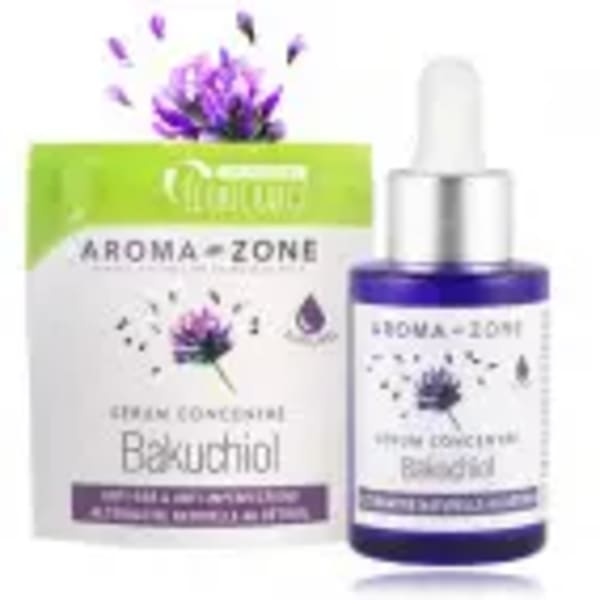
Bakuchiol

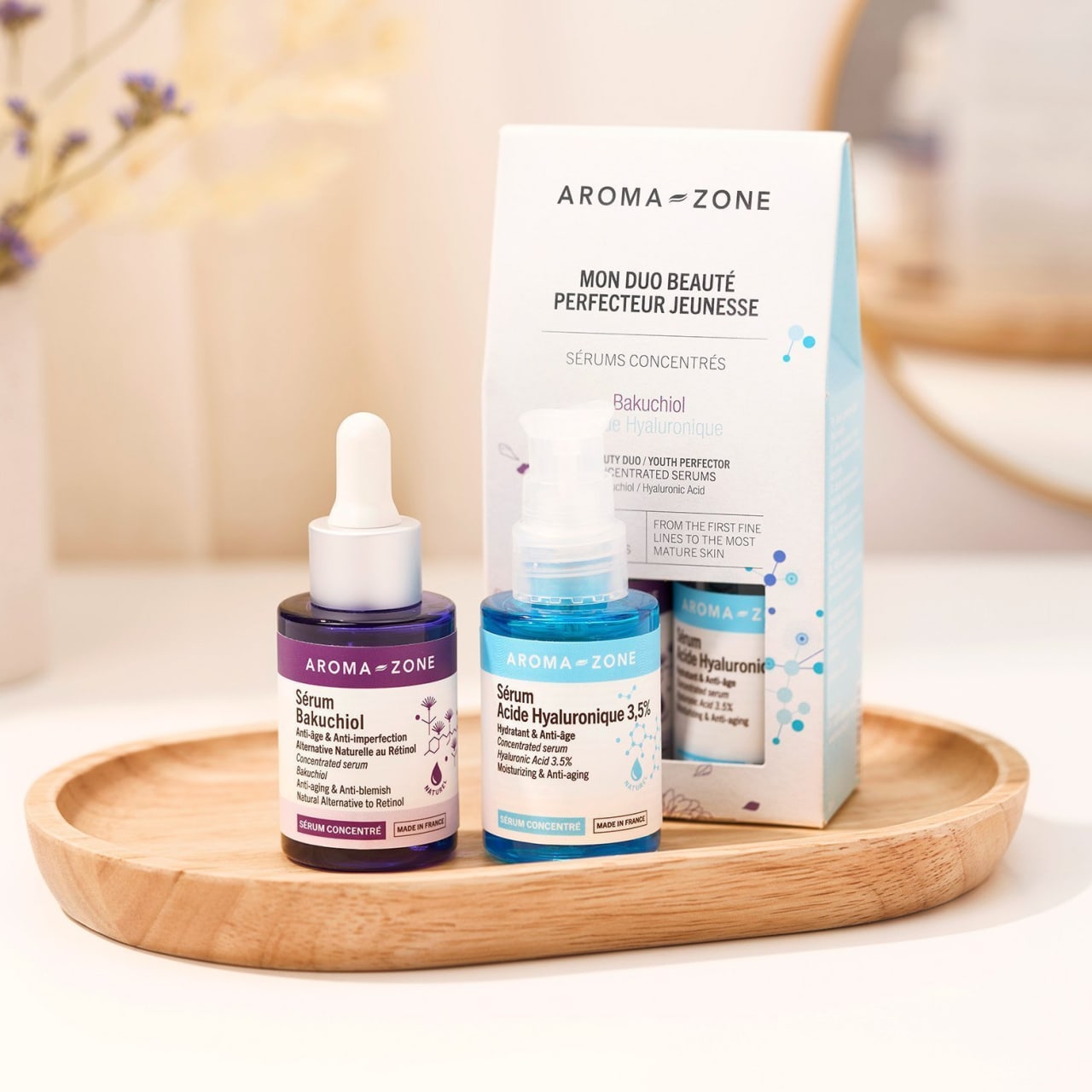
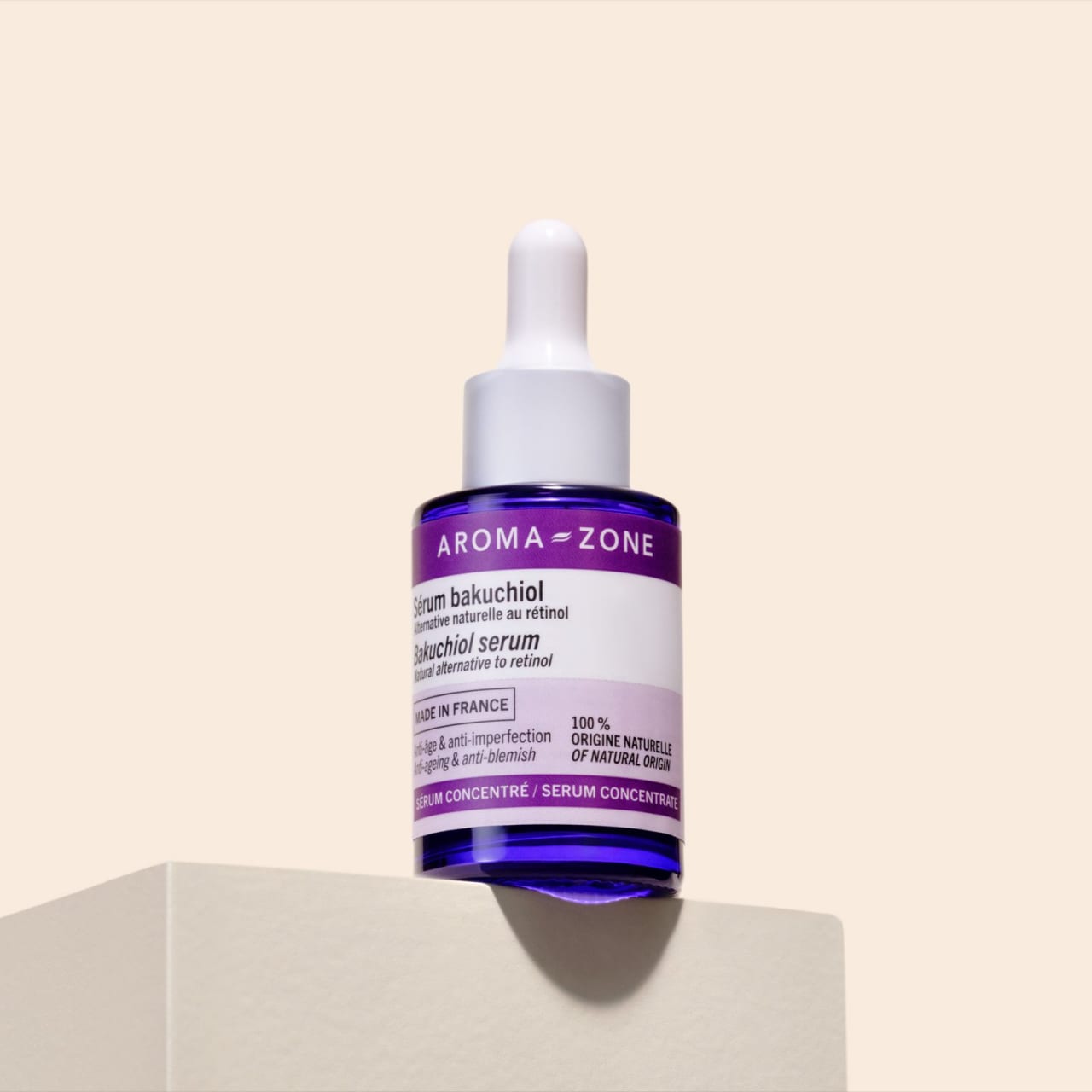
Over the last few years, bakuchiol has carved out a place for itself among the active ingredients that help to protect the skin, fade the signs of ageing and reduce blemishes. It is often presented as a plant-based alternative to retinol*, even though it is not a retinoid, as it does not convert to retinoic acid or bind to retinoic acid receptors.

Extracted from the babchi flower (Psoralea corylifolia), an ayurvedic plant, it is also an excellent antioxidant, protecting the skin from free radicals and oxidative stress, which are factors in premature skin ageing.

Worth noting

Retinoids are synthetic molecules used in cosmetics (which means they're not derived from petrochemicals), even though retinol and retinal exist in nature and the human body.

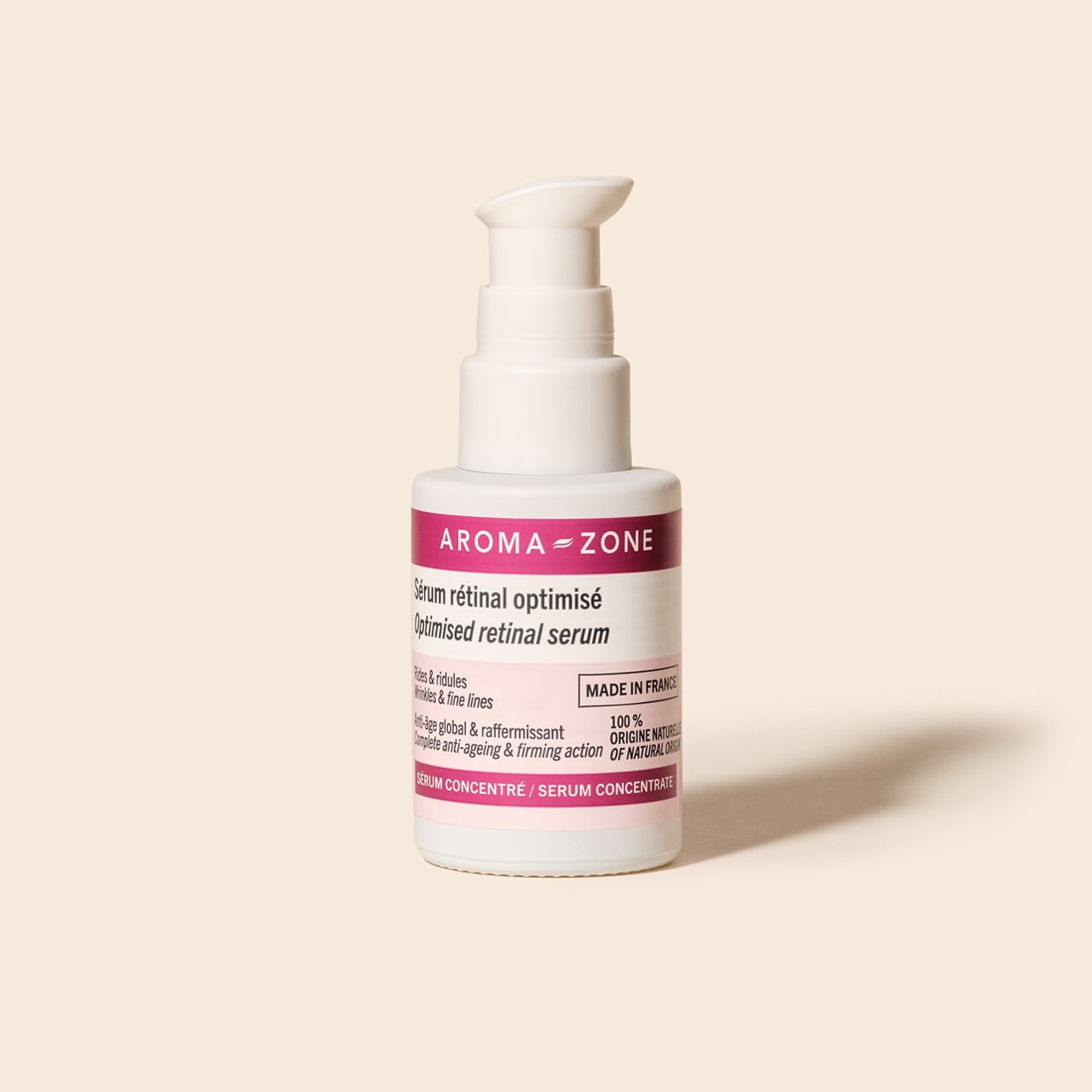
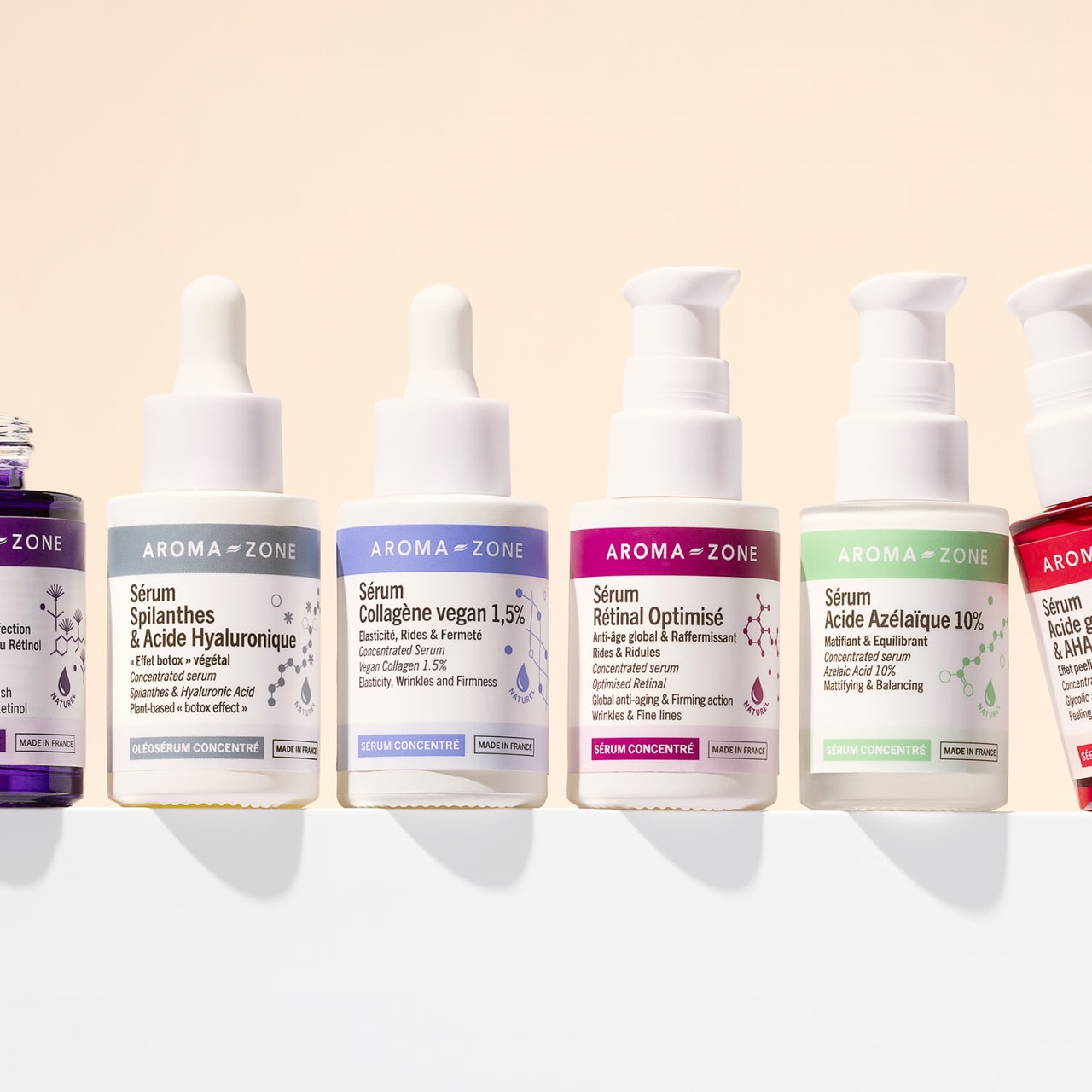
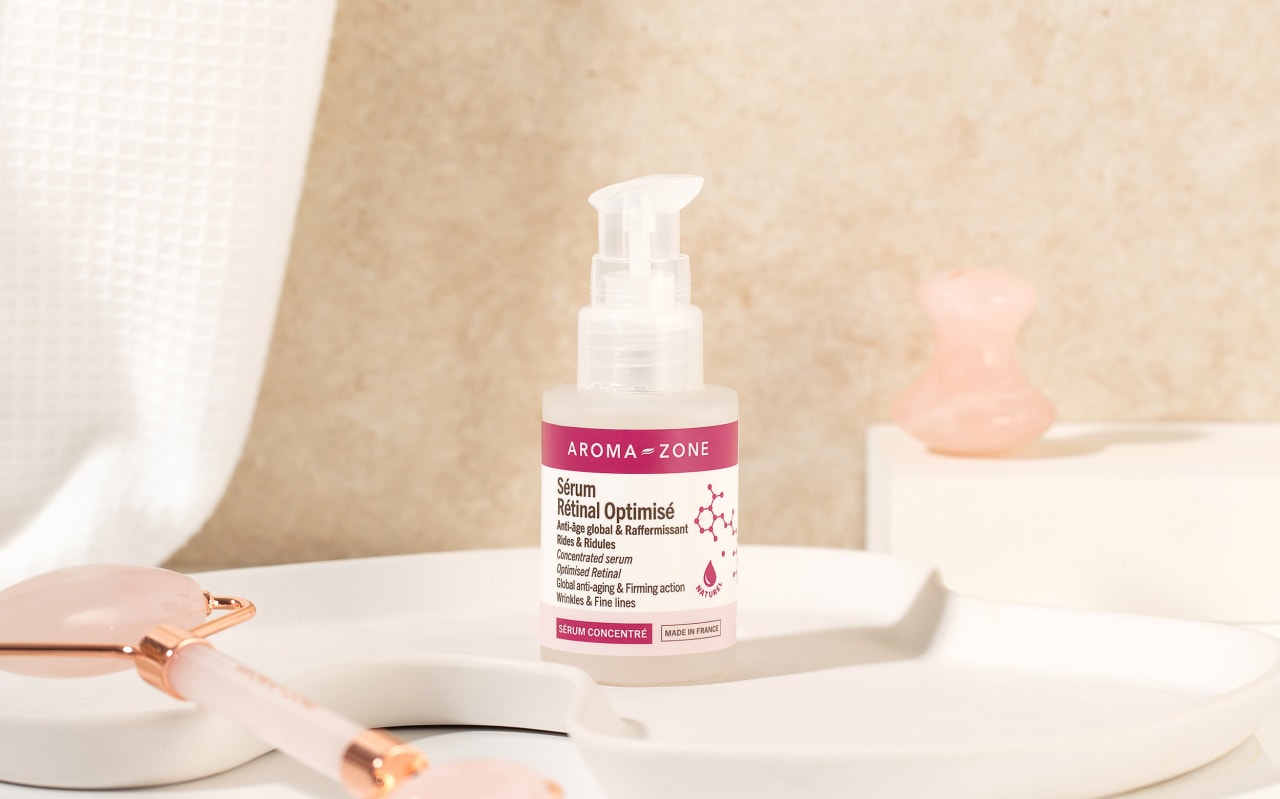
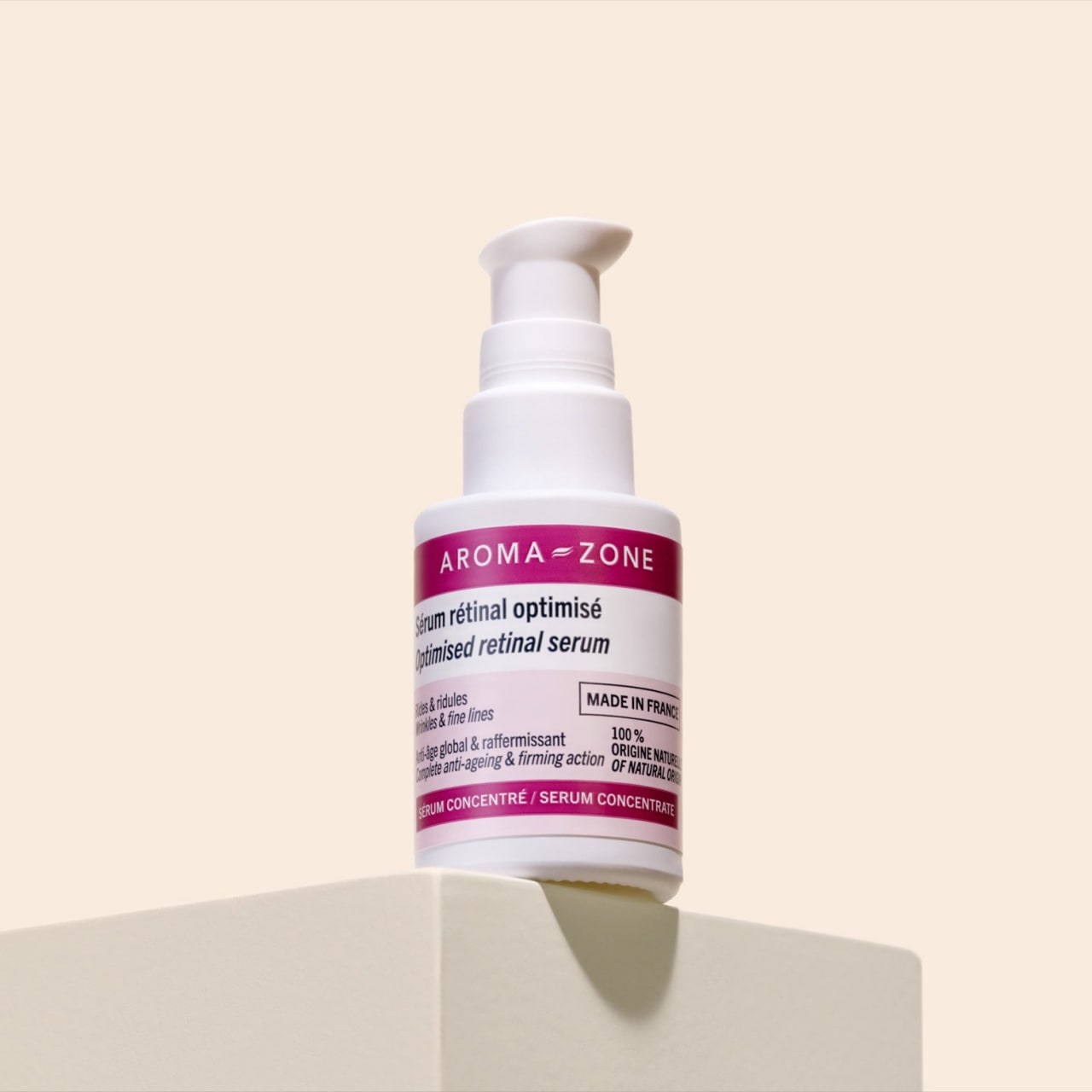
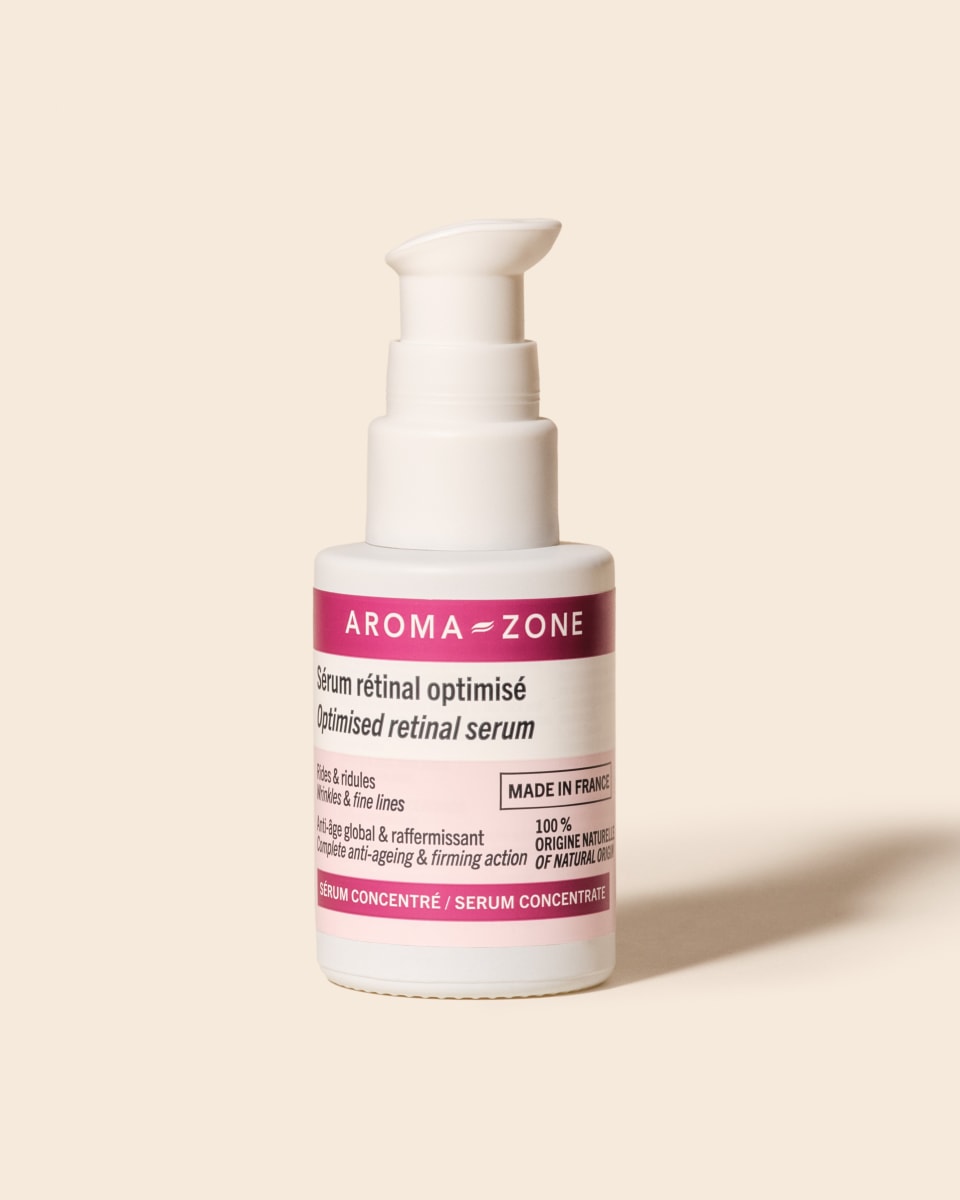
A closer look at our Retinal Serum

The composition of our Retinal Serum

What are the benefits of our Retinal Serum?

Once incorporated into your skincare routine, our Retinal Serum provides all the benefits of retinoids. For all skin types, it protects against free radicals, reducing the impact of environmental damage on the epidermis. It restores freshness to the complexion by improving skin vascularisation.

For skin showing signs of ageing, it helps to refine skin texture, smooth the epidermis, reduce wrinkles and fine lines and improve skin firmness and elasticity.

Our Retinal Serum eliminates spots and blemishes quickly and makes them less frequent.

How do I apply Retinal Serum?

As vitamin A derivatives are sensitive to light, it is customary to apply them in the evening.

It's best to introduce our retinal serum gradually unless your skin is used to high doses of retinol or retinal: use 1-3 times a week for 15 days, then increase the frequency. Remember, this is a marathon, not a sprint!

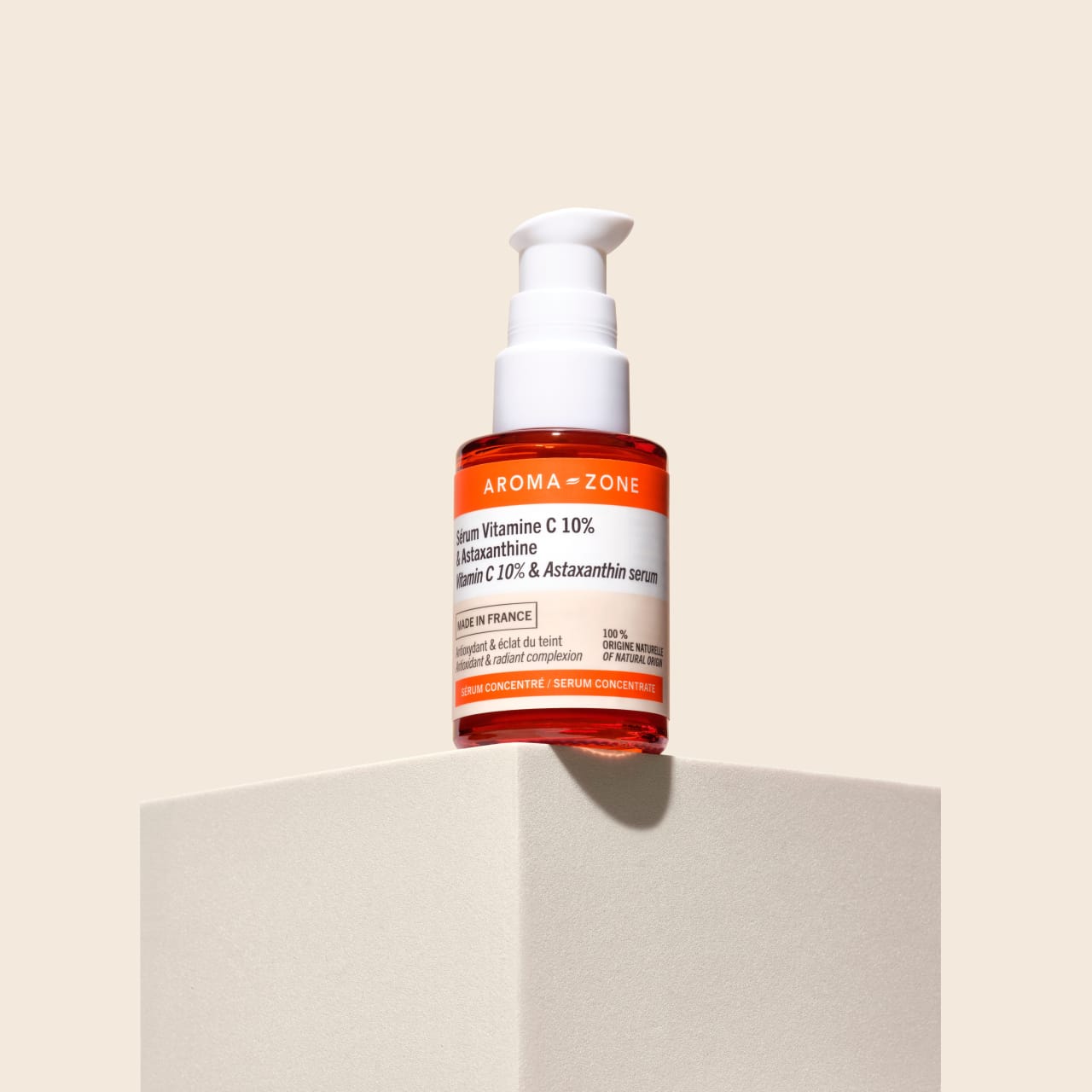
We recommend you reduce the use of active ingredients that could irritate while introducing the serum, such as exfoliants or products with high doses of vitamin C. We also recommend you apply the serum to dried skin, as damp skin increases absorption and potentially irritation.

When you first start using Retinal Serum, apply it before your evening moisturiser to let your skin get used to it gently.

Which active ingredients should you combine with our Retinal Serum?

Combine with retinal with other active ingredients to improve skin tolerance and reduce irritation, as they soothe the skin and strengthen its barrier function. You can add centella asiatica, liquorice, chamomile, nicotinamide, bisabolol, squalane, ceramides, and carrier oils (choose according to your skin type) to give your skin a helping hand with retinal.

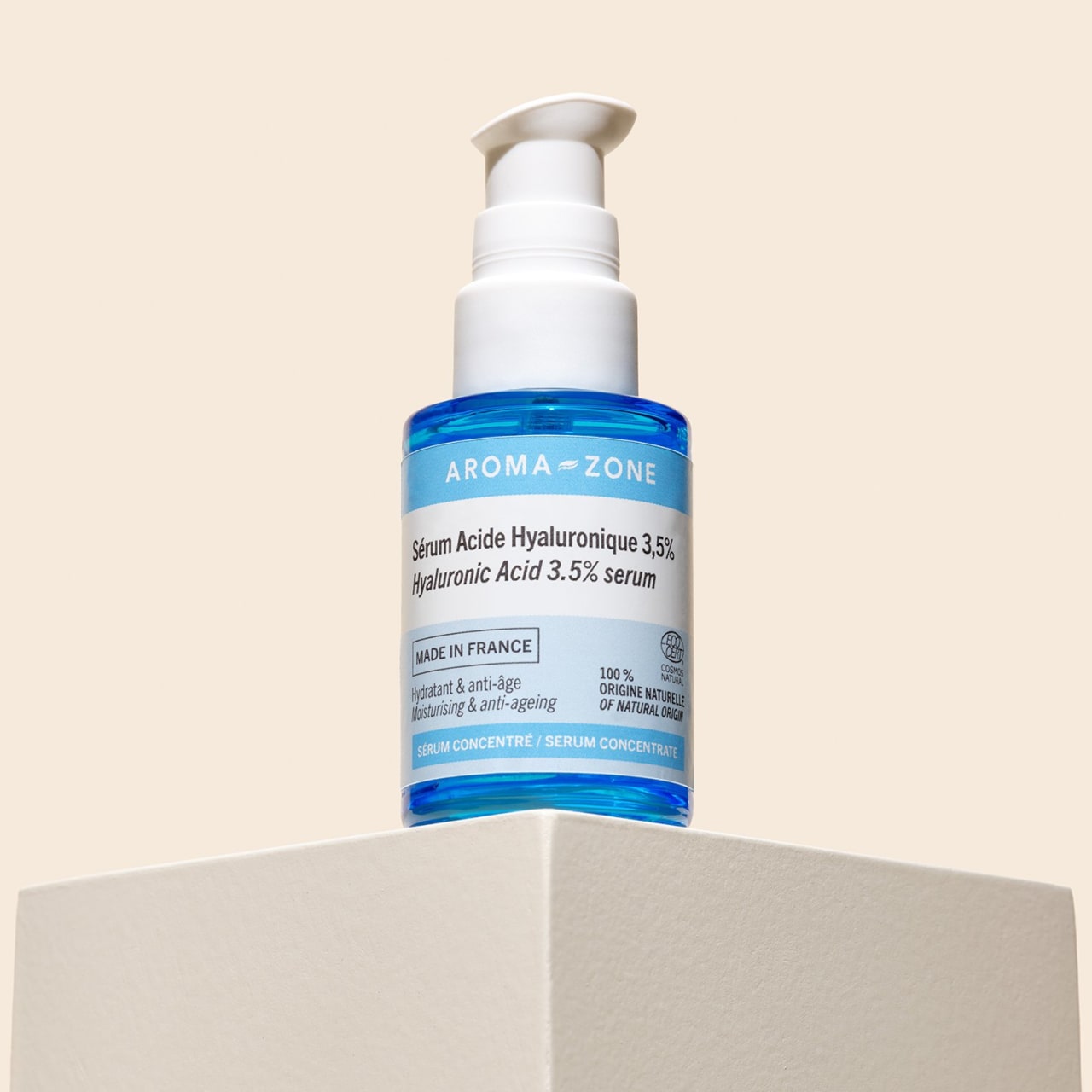
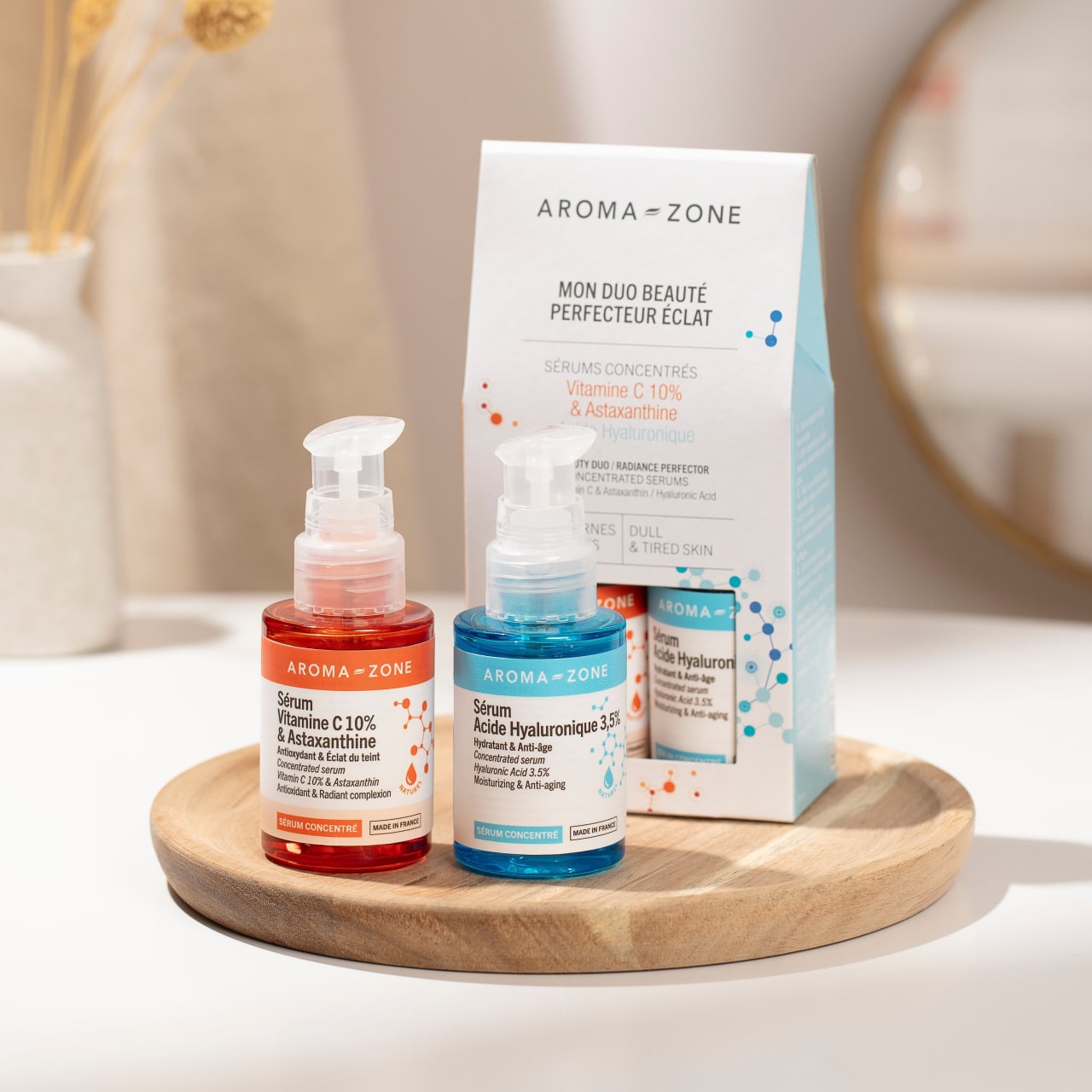
Our Retinal Serum can be used in combination with our Hyaluronic Acid Serum, to boost hydration and the barrier function. Read our guide to find out how to combine our different serums.

Retinol, retinal, and bakuchiol serum: what are the differences?

With so many retinoid products on the market, it's hard to know which active ingredient to choose. Retinol is often the easiest to start with, as it is the most widely used active ingredient. Retinol creams or retinol serums in varying doses are easy to find to get started.

Retinal, which works in the same way. It is less common, particularly in serum form, but it is also the most effective.

Bakuchiol has a different mode of action from retinoids, but its impact on the signs of ageing and its antioxidant protection make it ideal for all skin types, even those that don't need retinoids.

The choice between these three active ingredients will depend on your skin type and the required results.

Which serum for which skin type?

Retinal

Considered to be more "powerful" than retinol. It is recommended for skin that is mature, marked, has been overly exposed to the sun (causing sun-related ageing), or those already accustomed to retinol.

Discover retinal

Bakuchiol

This is the alternative for skin that cannot tolerate retinoids. Its preventive antioxidant action is beneficial for younger skin. It is also effective in combination with retinoids for overall anti-ageing action on the skin.

Discover bakuchiol

Retinol

Retinol is ideal to start with if you've never used retinoids or if you're beginning to see the signs of ageing. Sensitive skin also responds well to a low concentration and slowly building the amount applied.

The addition of Retinal Serum to our range offers an economical anti-ageing solution.

Article written by Marie Dehlinger, our cosmetology expert

As a trained scientist with a degree in cosmetics regulation, I love sharing and explaining the science behind cosmetic products. I've made a career out of it, with a particular focus on promoting and explaining science to the general public.