Everything you need to know about our food supplements

The use of food supplements, "foodstuffs whose purpose is to supplement a normal diet and which constitute a concentrated source of nutrients or other substances with a nutritional or physiological effect" (Ministry of Health and Prevention), has become much more widespread in recent years, raising a number of questions. With a plethora of products on offer today, choosing a food supplement for a specific problem (e.g. hair loss) can be a complex process.

But these are not the only questions that arise – there are lots of queries about how to use them. How should they be taken? At what time of day? What are the side effects?

By The Aroma-Zone editorial team

Reading time: 0 min.

What are food supplements?

In 2020, 68% of French people said they had taken one or more food supplements in the last twelve months, particularly natural products such as vitamins (37%) or bee-derived products (34%).*

Let's start by taking a look at the composition of food supplements, these increasingly attractive health 'boosts'.

Composition of food supplements

  • Nutrients (e.g. vitamins, minerals, fatty acids, etc.)

  • Plant extracts; traditional ingredients (e.g. royal jelly)

  • Substances with nutritional or physiological purposes (chemically defined substances, except pharmacological substances)

  • Additives, flavourings and additive carriers authorised for use in foodstuffs

Supplements may therefore consist of a raw superfood sourced directly from nature or contain a combination of substances created artificially for their nutritional value, rarely 100% natural.

What are food supplements used for?

If supplements are considered 'wellness' products, what's the point of consuming them? Two underlying trends combine, making them particularly beneficial for everyone:

  • The growing nutritional poverty of food, even organic food: the impoverishment of soils and the standardisation of seeds have the effect of lowering the vitamin and mineral content of food. A balanced diet is no longer enough to provide the body with what it needs. We know, for example, that to get the nutrients from a peach in 1950, we would have to eat 26 peaches today!

  • Oxidising lifestyles: at the same time, our bodies need more and more nutrients because of exposure to oxidative stress (pace of life) and various forms of pollution (e.g. electromagnetic, chemical).

This wide gap between needs and intake is increasing in all individuals, creating a risk of nutritional deficiencies. This risk logically increases in the event of chronic illness or a period of intense stress. But don't let it get you down – there are ways to complement your diet.

What are the benefits of food supplements?

Some of the core benefits of food supplements are now very popular in the field of nutri-cosmetics.

Their revitalising, fortifying, anti-inflammatory, draining and circulatory properties can have a major impact on the hair, skin and body.

Here's an overview of the best solution for each cosmetic issue.

Food supplements for hair

Nutrient deficiencies have a direct impact on hair: it becomes dull, dry, brittle and even falls out. Proteins, fatty acids and B-group vitamins are essential nutrients for healthy-looking hair, while antioxidants help it as you age.

1. Spirulina

Spirulina is the main food supplement for hair. Spirulina contains all the elements needed to synthesise keratin and maintain the hair fibre; after a few weeks of treatment, hair is less damaged, shinier and grows better.

To find out more: The benefits of spirulina for hair

2. Brewer's yeast

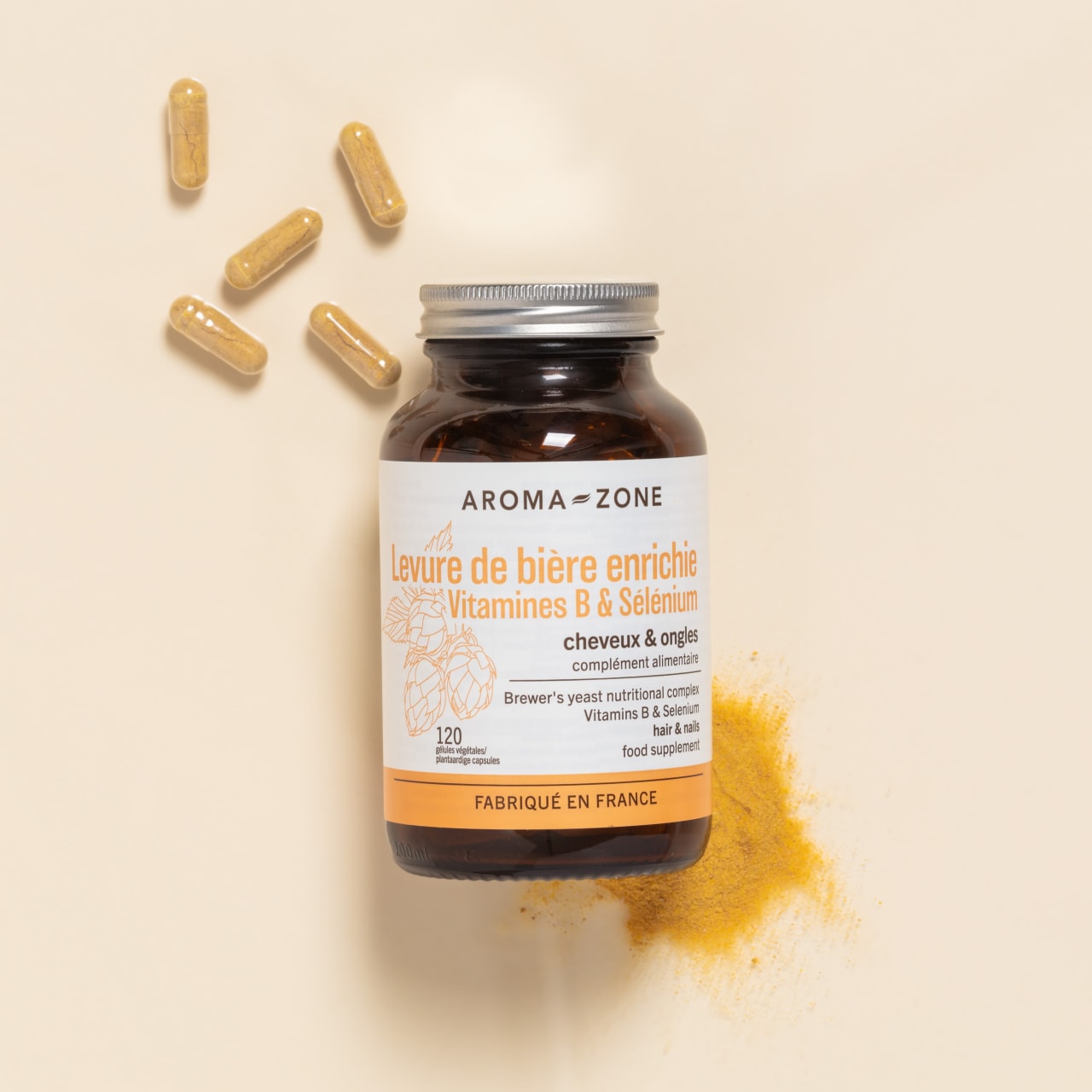
Don't forget the strengthening properties of brewer's yeast on our hair! Brewer's yeast contains amino acids, vitamins and minerals; these help to synthesise keratin (protein), which helps to prevent hair from becoming brittle, thin, limp and lifeless. Sulphur amino acids (other proteins), also found in brewer's yeast, help to boost hair health by stimulating keratinisation. Your hair fibre is cocooned, strengthened and protected.

The properties of brewer's yeast don't stop there. It also stimulates hair growth, slows hair loss, strengthens hair protection, enhances shine and radiance, and relieves scalp irritation. In short, brewer's yeast is an indispensable friend for your hair's health and wellbeing.

To find out more: The benefits of brewer's yeast for your hair.

3. Vitamin D

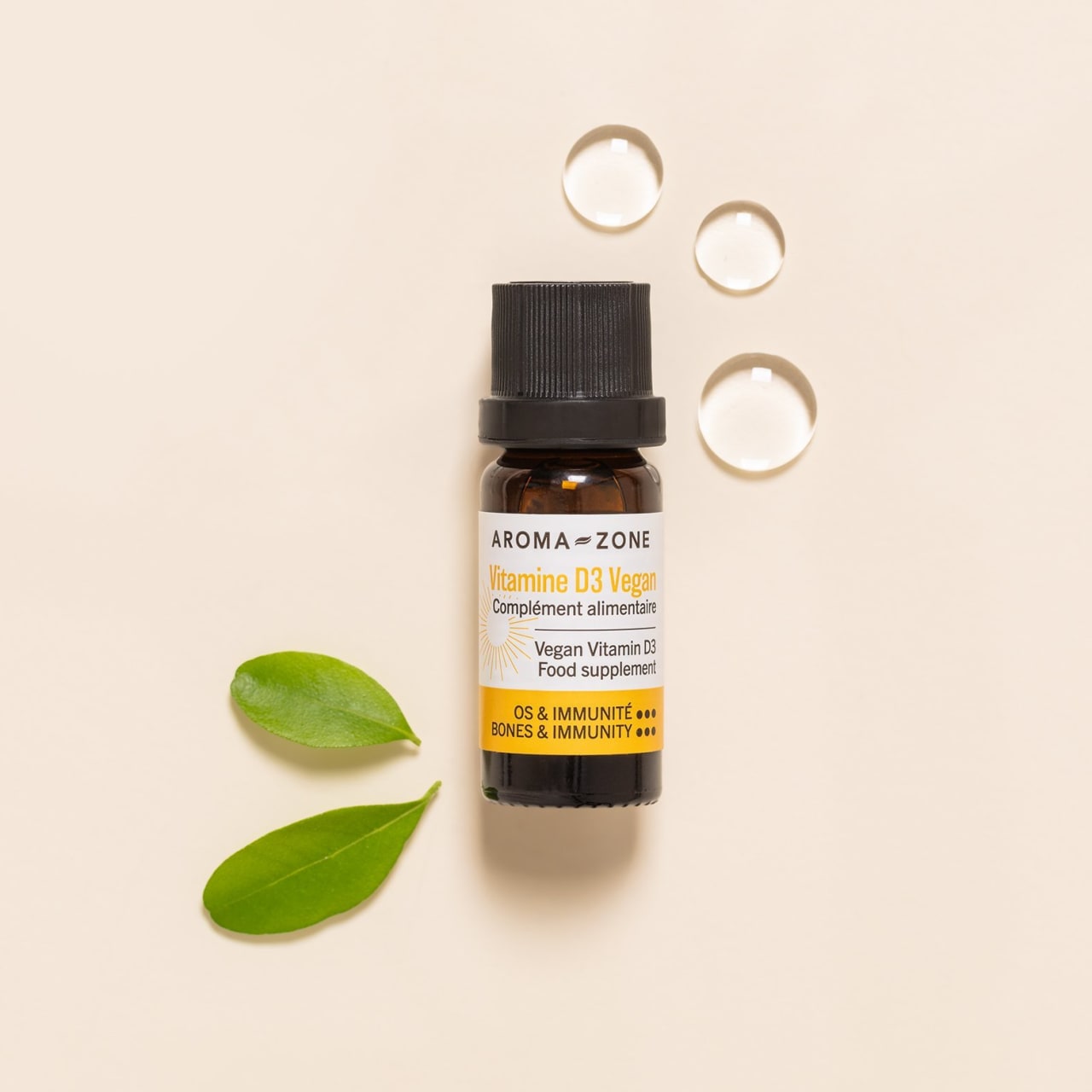
Vitamin D3 also helps to keep hair healthy. It is the receptors in the hair follicle that allow hair to grow during the anagen phase, and these receptors need vitamin D in order to function. Consequently, a lack of vitamin D in the body can slow down and weaken hair growth.

Food supplements for the skin

For healthy skin, everything counts! Vitamins, minerals, fatty acids, amino acids, antioxidants: all these nutrients enable skin cells to renew themselves more quickly so your complexion glows. Priorities should be identified according to skin type and problems.

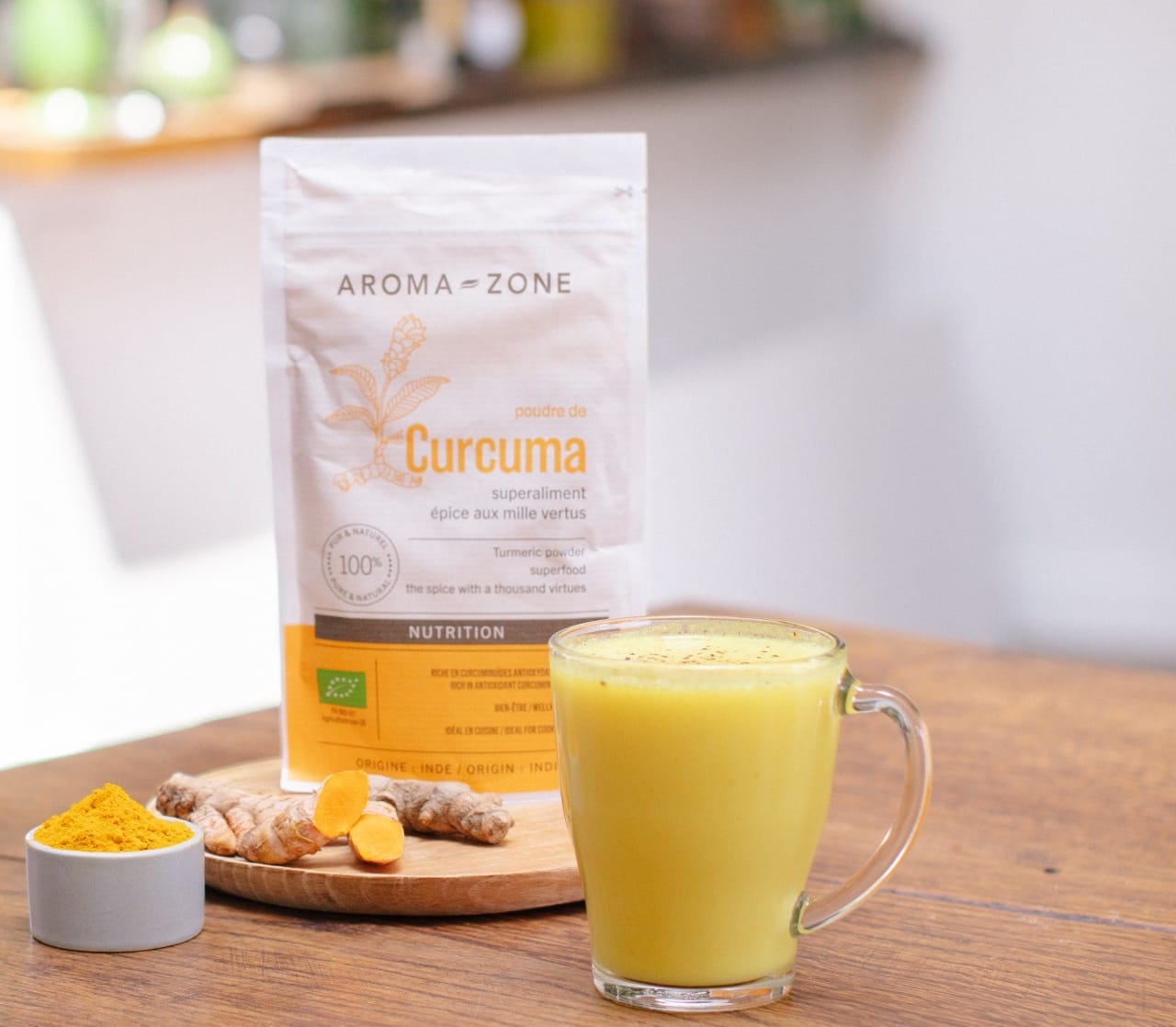
1. Curcumin

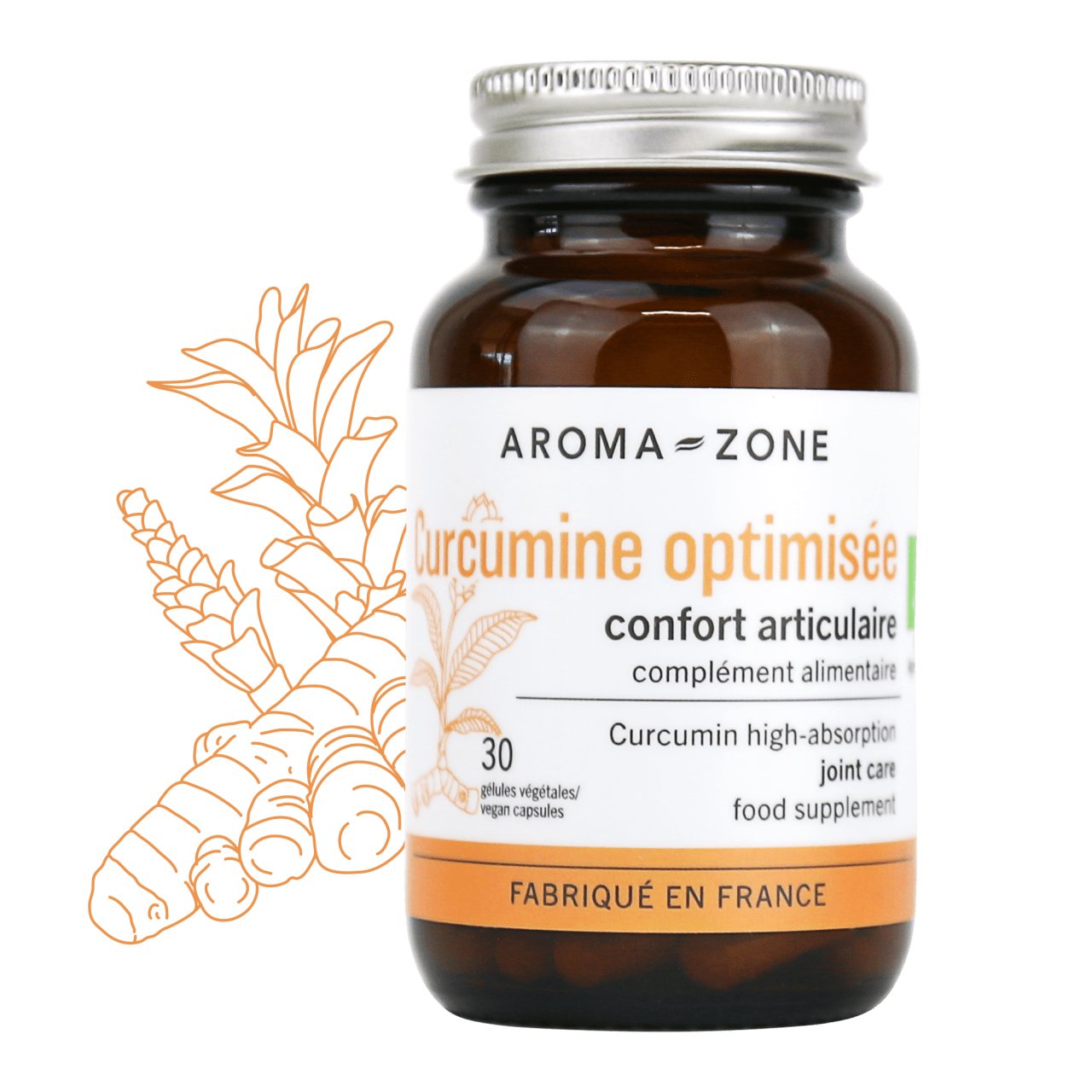
To combat all inflammatory skin conditions (acne, redness, blemishes) curcumin is an ideal solution. For mature skin (with dryness and signs of ageing), it is more essential than ever to take fatty acids.

Both borage and evening primrose, consumed in capsule form, are particularly suitable for post-menopausal skin care.

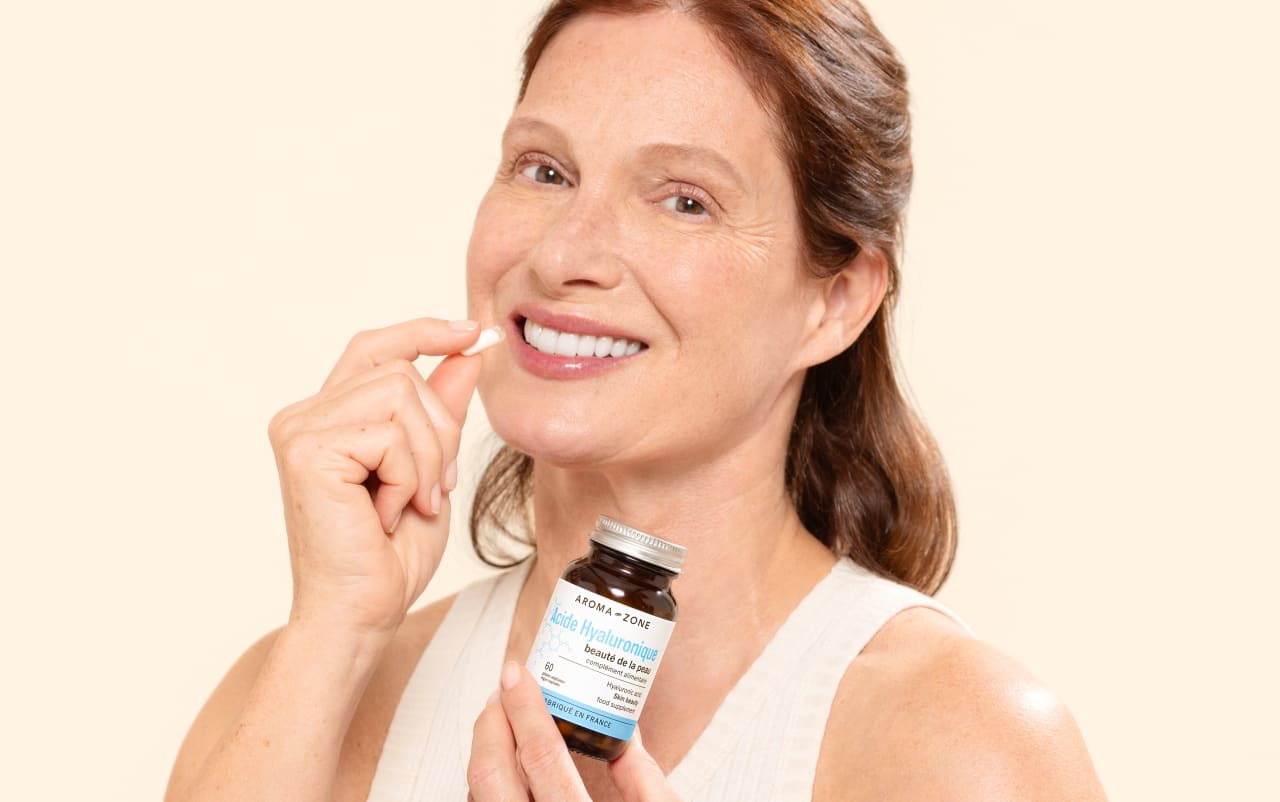
2. Hyaluronic acid

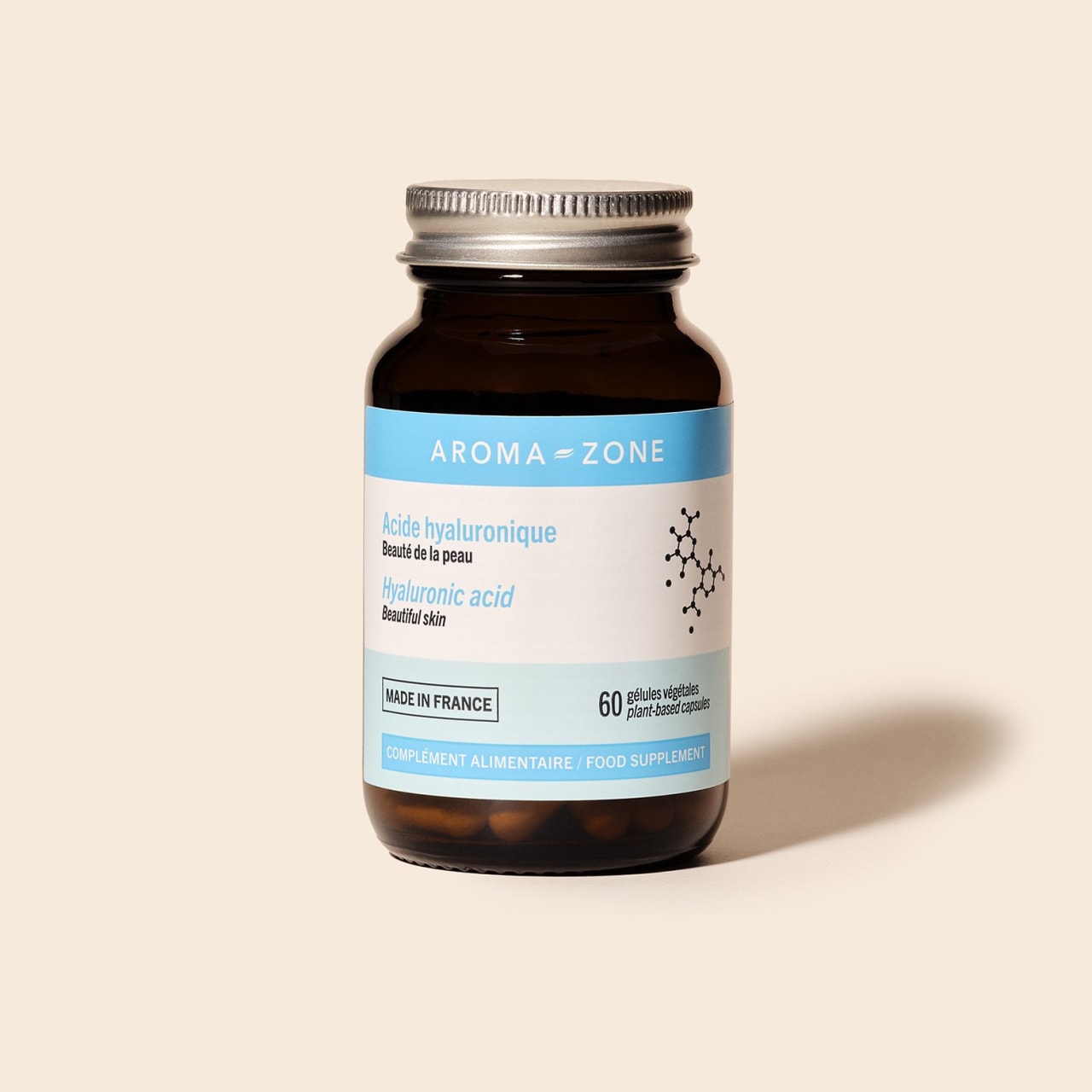
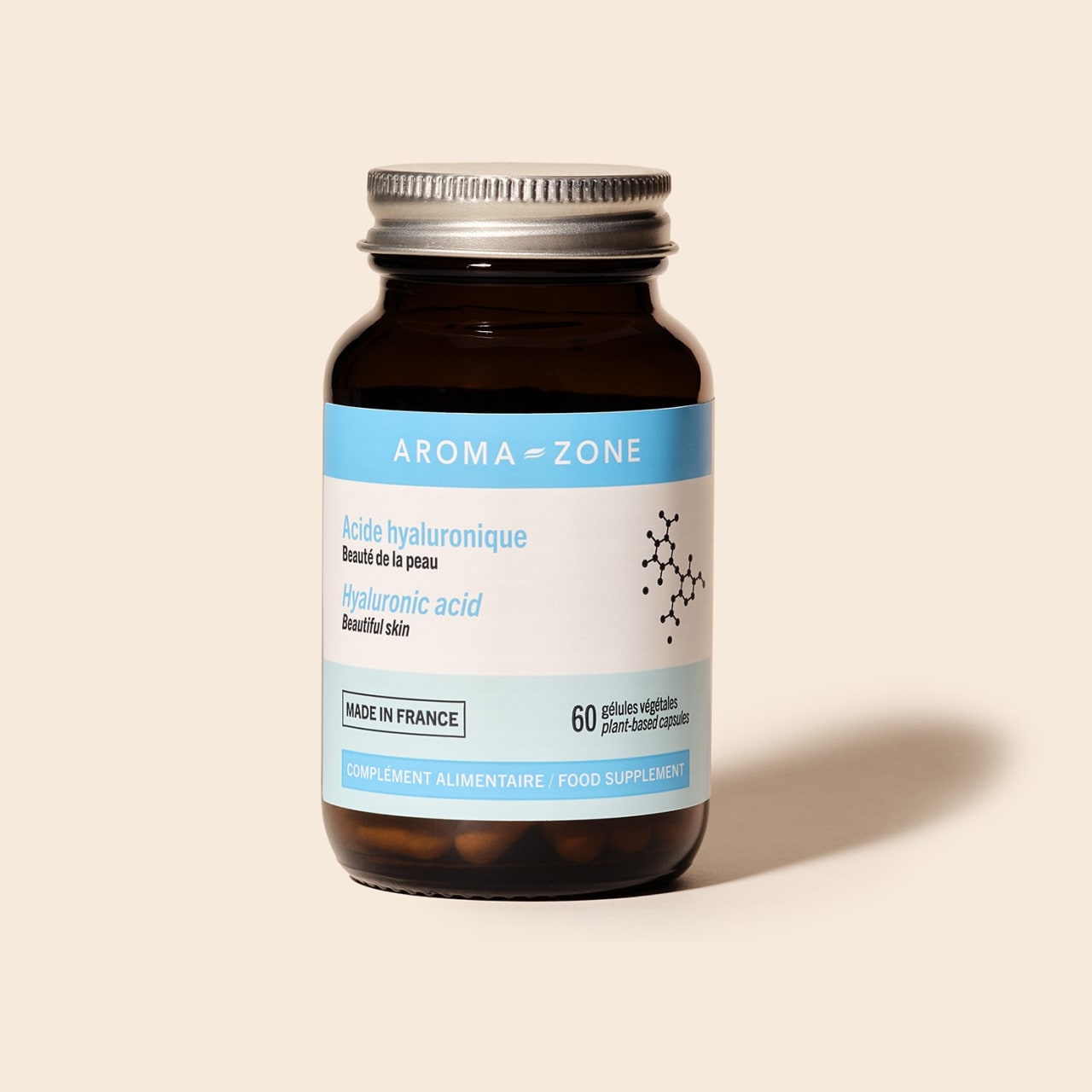
Hyaluronic acid is a top choice always! A course of hyaluronic acid capsules is ideal for helping to keep the skin supple and hydrated. A study has shown that taking 150 mg of this grade of hyaluronic acid a day (1 capsule) improves skin elasticity. This makes it an indispensable solution for wrinkles and fine lines, dry and dehydrated skin or mature skin lacking suppleness.

Food supplements for weight gain or slimming

Taking food supplements to gain weight or lose weight? Totally possible! However, we recommend that you do so under medical or paramedical supervision.

To gain weight, spirulina is a good option because it provides the body with all the essential nutrients it needs. It provides tissues with everything they require to develop, through for example sport or bodybuilding, which encourages muscle mass gain.

For slimming effects, depending on the cause of the problem, food supplements should be used:

  • From plants with draining properties (e.g. nettle, dandelion, birch) or circulatory properties (e.g. witch hazel, horse chestnut).

  • Promoting better digestion and therefore a flatter stomach (probiotics, but also artichoke, fennel, mint). For this, a natural charcoal food supplement is also an option.

  • At a pinch, fat burners to boost the metabolism if you're having trouble losing weight (e.g. green tea, mate).

Food supplements and tanning

Food supplements such as vitamin D3 can help you tan more quickly and prolong your summer glow. Aroma-Zone's moisturising and antioxidant carrier oils are an excellent way to prepare your skin for exposure to the sun. Discover all our tips for a perfect tan in our article on how to prolong your tan naturally.

Are there any side effects to taking food supplements?

Food supplements are theoretically formulated to optimise their effects while avoiding all forms of side effects. The natural elements they contain are measured out in just the right amounts for the least possible inconvenience, in the presence of essential cofactors.

Despite these precautions, some side-effects may persist, and these are mentioned in the product documentation. Example: slight laxative effect.

Also, taking multiple different food supplements at the same time is not recommended, as it is not always possible to predict the effect of combinations of active ingredients, a build-up of additives or the multiplication of additive carriers.

To avoid unpleasant surprises, opt for successive courses of treatment, focusing on one food supplement at a time, one after the other.

How should food supplements be taken?

As far as possible, you should choose natural and organic food supplements that can be assimilated by the body, which are sufficiently concentrated and contain as few unnecessary or harmful additives as possible. Once you've found a supplement that ticks all these boxes, there are two main points to bear in mind.

Avoid overdosing

The best way to take the right dose of food supplements every day is to follow the specific instructions for each product (sometimes generic, sometimes depending on factors such as the person's weight or the problem in question). We advise against playing around with supplement recommendations!

You should also be aware of the concept of therapeutic windows. This can take the form of a weekly break during a daily course of treatment, or a week's complete break after 3 to 6 weeks of continuous use.

It's important to take regular breaks from supplements in order to stimulate the body's response – in other words, to ensure that the food supplement does not become a long-term crutch for the body – but also to manage the fatigue caused by a particular food supplement, which needs to be digested and assimilated. These breaks also save you money!

Optimising the timing of your food supplement

Superfoods and food supplements may be more or less active depending on when they are ingested, and may not even have the same effects when taken at different times. Here again, it is essential to refer to the specific characteristics of each active ingredient. For example, fat-soluble vitamins such as vitamin D3 should be taken with meals, as they are better absorbed along with fat.

What different types of food supplements are there?

Food supplements are classified as follows:

Find out more

Iron deficiency: which food supplement should you choose?

The first thing to remember is that if you suspect an iron deficiency – and in theory this applies to all deficiencies – you should contact your doctor to get a blood test.

If the deficiency is confirmed, in addition to readjusting your diet to include more iron-rich plant or animal foods (e.g. green lentils, spinach, poultry, red meat), you might consider spirulina, whose iron bio-assimilation is over 6 times greater than that of red meat!

There's also vitamin C, which helps with iron assimilation, ginseng to combat fatigue, and nettle to support those who are anaemic.

To find out more about this, see our article: Iron deficiency and winter fatigue, natural solutions.

A closer look at food supplements and sleep

What food supplements should I choose during pregnancy?

During pregnancy, there are multiple factors to consider:

Nutritional needs increase: this is a period when you need a lot of vitamins, minerals, and trace elements to support the growth of the foetus and your own nutritional intake.

Safety is paramount: this is also a period when you must be careful not to take products that are toxic to the body, and to avoid incorrect combinations of supplements.

More and more gynaecologists are prescribing complexes specifically formulated to meet nutritional needs during pregnancy, in addition to the essential vitamin B9, also known as folic acid, which is recommended during the first trimester and for people who want to become pregnant.

As well as the major brands, it's worth looking for the most effective and natural complexes possible, which can be taken regularly without any issues (particularly for pregnancy-related nausea).

Don't forget that physical and emotional recovery after childbirth and breastfeeding are also very demanding in terms of nutrients! Some complexes can be adapted beyond pregnancy, to be taken throughout the postpartum period.

If you want to get pregnant, a naturopath can help you select the best food supplements to optimise fertility, based on your in-depth nutritional profile.