The benefits of spirulina for the hair
Among the many benefits of spirulina, most people are interested in its impact on the skin and hair.
Are you losing your hair? Have you noticed a change in texture, the sudden appearance of dandruff or grey hair? Do you find your hair fine, brittle or dull naturally?
Spirulina can have great results on all these hair problems, whether in tablet form as a food supplement or as a powder for localised application.
So don't wait any longer: find out how to use spirulina and explore the benefits for your hair.

Spirulina: everything you need to know
Spirulina is a microscopic cyanobacterium, often classified as a micro-algae because of its similar characteristics. It is one of the first photosynthetic organisms to appear on Earth, dating back over 3.5 billion years. Spirulina, as a source of nutrition, goes as far back as ancient times, and has been used traditionally by various different cultures.
Where does it come from?
Spirulina takes its name from its spiral shape. It belongs to the family of cyanobacteria, more specifically to the genera Arthrospira platensis and Arthrospira maxima. These organisms have thrived in extreme conditions thanks to their ability to photosynthesise.
Spirulina is found in alkaline lakes in Africa, Asia and Central and South America. Famous sites include Lake Texcoco in Mexico and Lake Chad in Africa.
The properties of spirulina for the hair
For starters, spirulina is suitable for all hair types: fine, thick, oily, dry, straight, wavy, curly, frizzy, whatever its initial nature and evolution over time.
It's a superfood, packed with nutrients in its raw, unprocessed state.
The benefits of spirulina for hair are primarily nutritional:
With a high concentration of proteins (and in particular the amino acids methionine and cysteine), it promotes the synthesis of keratin, the basic material that makes up your hair.
Rich in **B-group vitamins (**including B3, B6, B8 and B12), it also contains zinc and Iron, nutrients whose deficiencies make hair particularly dry, rough and brittle or prone to falling out.
Powerfully anti-oxidant thanks to its blue pigment phycocyanine, it combats the harmful effects of external damage and plays a protective role in the hair fibre.
What are the benefits of spirulina for hair?
Strengthens hair: spirulina is rich in proteins, which are essential for hair structure and strength. It helps strengthen hair fibres, reducing breakage and split ends.
Stimulates hair growth: the amino acids, vitamins (particularly B vitamins) and minerals present in spirulina promote hair growth by nourishing the hair follicles. Spirulina also contains tyrosine, which is known to slow hair ageing.
Reduces hair loss: thanks to its richness in iron and essential fatty acids, spirulina improves blood circulation to the scalp, which can reduce hair loss by stimulating the regeneration of hair cells.
Moisturises and nourishes: the vitamin E and antioxidants in spirulina help to moisturise the scalp and deeply nourish hair, leaving it softer and shinier.
Fights dandruff: spirulina's antimicrobial and anti-inflammatory properties can help reduce dandruff and soothe scalp irritation.
The benefits of our organic spirulina

A closer look at our organic spirulina from France
Spirulina contains micronutrients that are essential for healthy hair, and its benefits can be seen on three levels:
1. By boosting keratin production, spirulina fortifies hair and stimulates growth.
2. By helping to remedy any deficiencies in B-group vitamins and Iron, and to a lesser extent, zinc, spirulina provides real fuel for healthy, shiny, supple hair.
3. Spirulina for hair growth: by combating oxidative stress, spirulina has an effect on one of the main causes, whether it has been identified or not, hair loss, dandruff or the appearance of grey hair.
Take 3-10 tablets a day with a glass of water.
It is advisable to start the course of treatment by taking three spirulina tablets a day for a few days, then gradually increase the dose to 5-6 tablets a day, or up to 10 tablets if required urgently (e.g. athletes or people with iron deficiency).
Can spirulina help combat hair loss?
Spirulina is considered to be a hair growth promoter and acts on several levels to combat hair loss:
by strengthening the hair fibre, it helps to prevent hair loss;
in cases of established alopecia, it contains all the micro-nutrients essential for hair growth and strengthening (proteins, vitamins, minerals, antioxidants).
This makes it an ideal choice for periodic or long-term loss of hair mass.
To find out more about the benefits of spirulina, read our guide.
How can spirulina be used to strengthen hair?
Spirulina has the advantage of being available in several forms.
The most effective way of dealing with hair problems is to combine the two methods of use:
A course of tablets lasting at least 1 month;
Regular use of fortifying hair masks.
Strength and beauty for hair: spirulina course of treatment
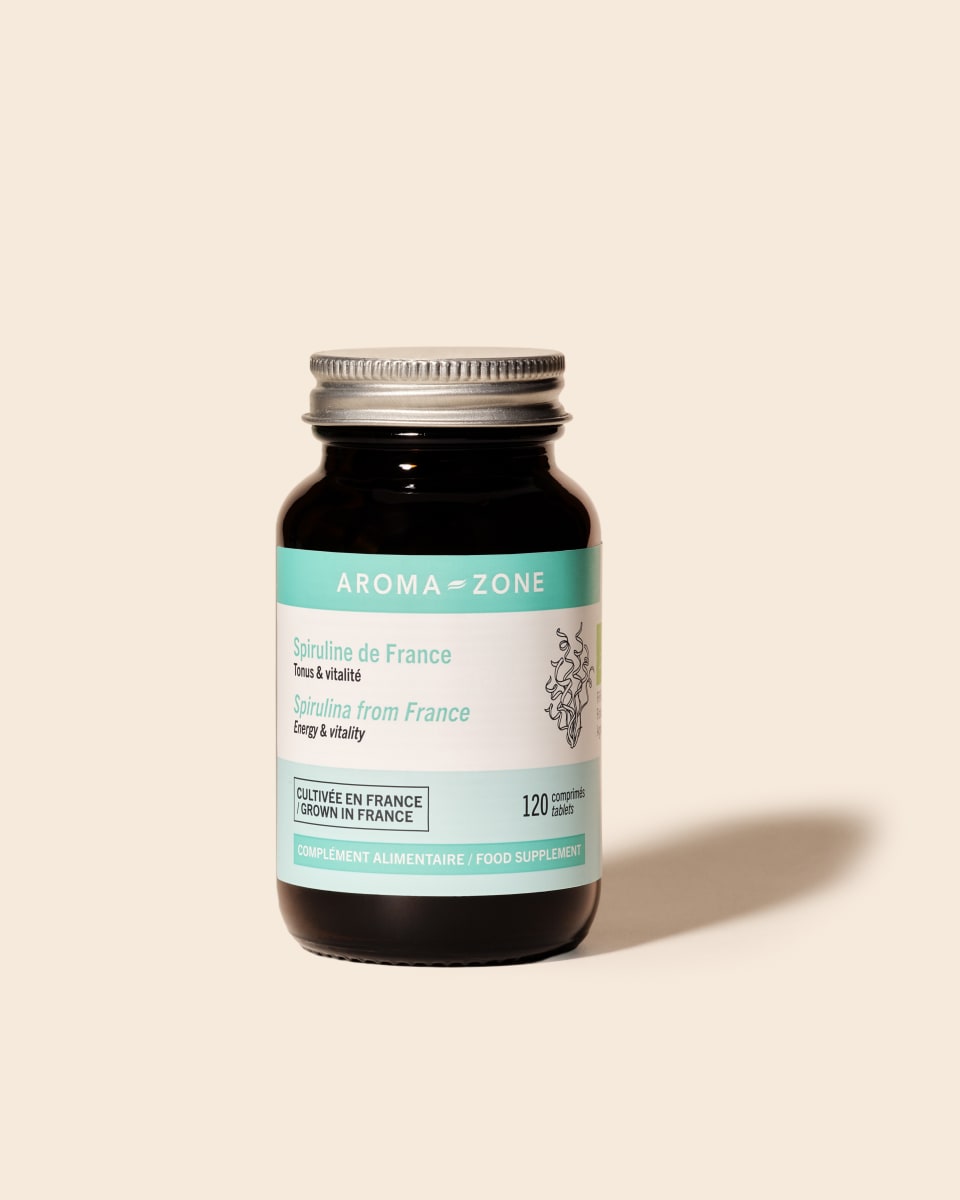
Take 2-6 organic French spirulina tablets a day with a glass of water.
We recommend starting the treatment with two tablets of Spirulina a day for a few days, then gradually increasing the dose to 4-6 tablets a day. 1 jar = 1 to 2 months of treatment.
This method of use is not suitable for people suffering from phenylketonuria, haemochromatosis or excess uric acid. For others, there are no contraindications.
Fortifying hair care: spirulina masks
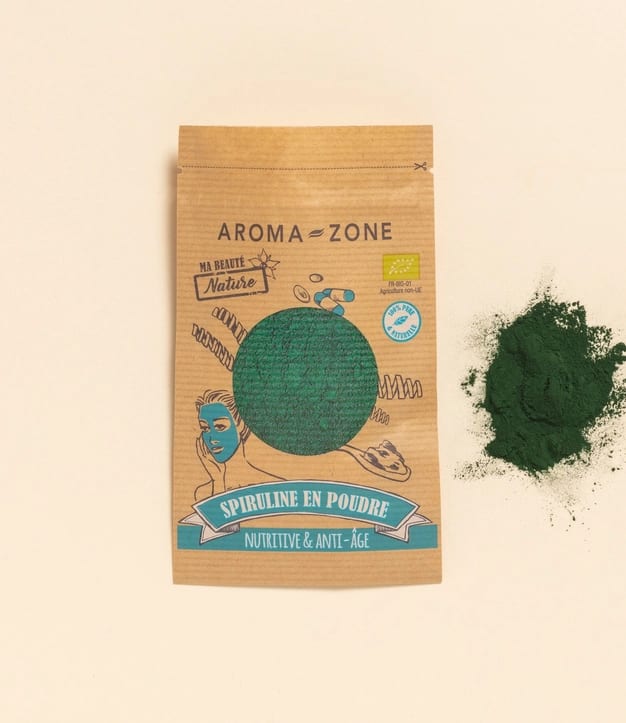
Organic spirulina powder can be used in poultices to create masks that repair and strengthen hair keratin, as well as nails and eyelashes.
It can also be used in gentle cleansing products for fine or devitalised hair, as in this recipe for Gentle no poo shampoo.
How do I make a spirulina mask for my hair?
Nothing could be simpler!
Mix a dose of organic spirulina powder with water until you reach the desired consistency.
Apply the resulting paste generously to the scalp and lengths to stimulate cell renewal and improve hair quality.
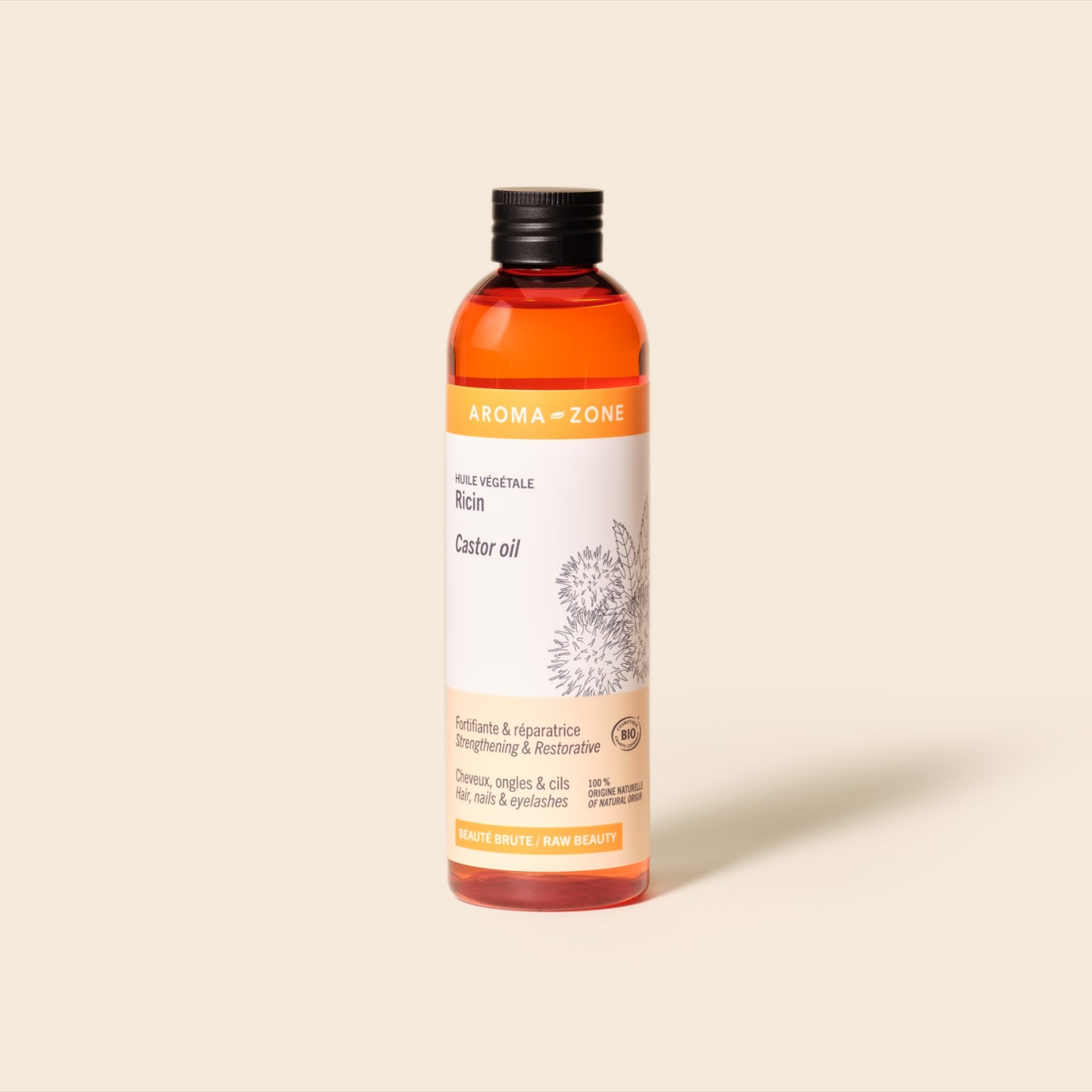
If you want a more nourishing consistency, you can also mix it with organic coconut oil or organic castor oil, which have hair-growth benefits.
Leave on for 10-20 minutes,
Rinse thoroughly and shampoo as usual.
You can repeat this treatment once or twice a week until your hair looks better, for soft, silky, revitalised hair.
Our recommendations for looking after your hair
Brewer's yeast and hair
Brewer's yeast is the richest natural source of B vitamins. It contains almost all of them. What's more, its richness in protein (35-40%), amino acids, trace elements and minerals gives it exceptional nutritional properties for the maintenance and beauty of our hair, skin and nails.

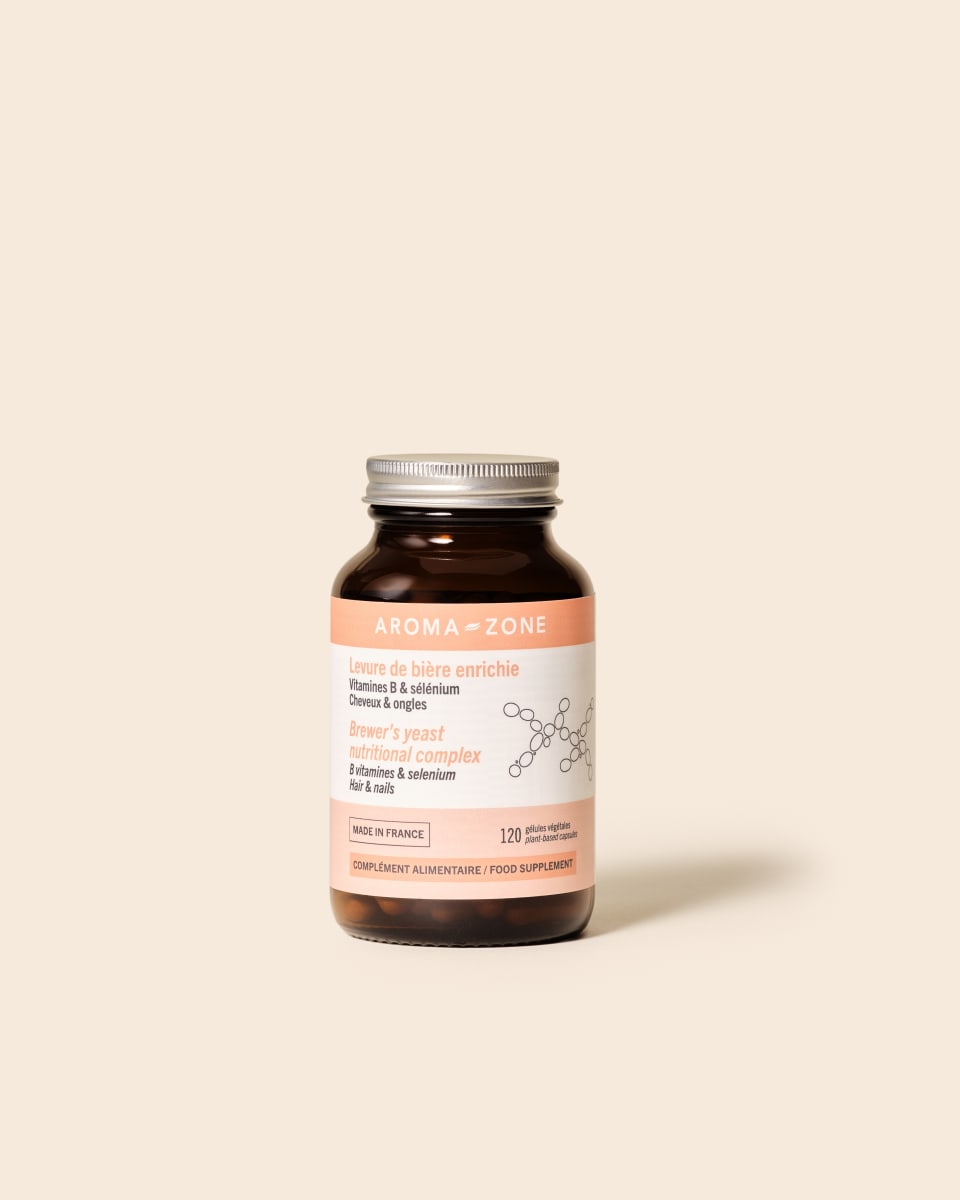
Enriched brewer's yeast
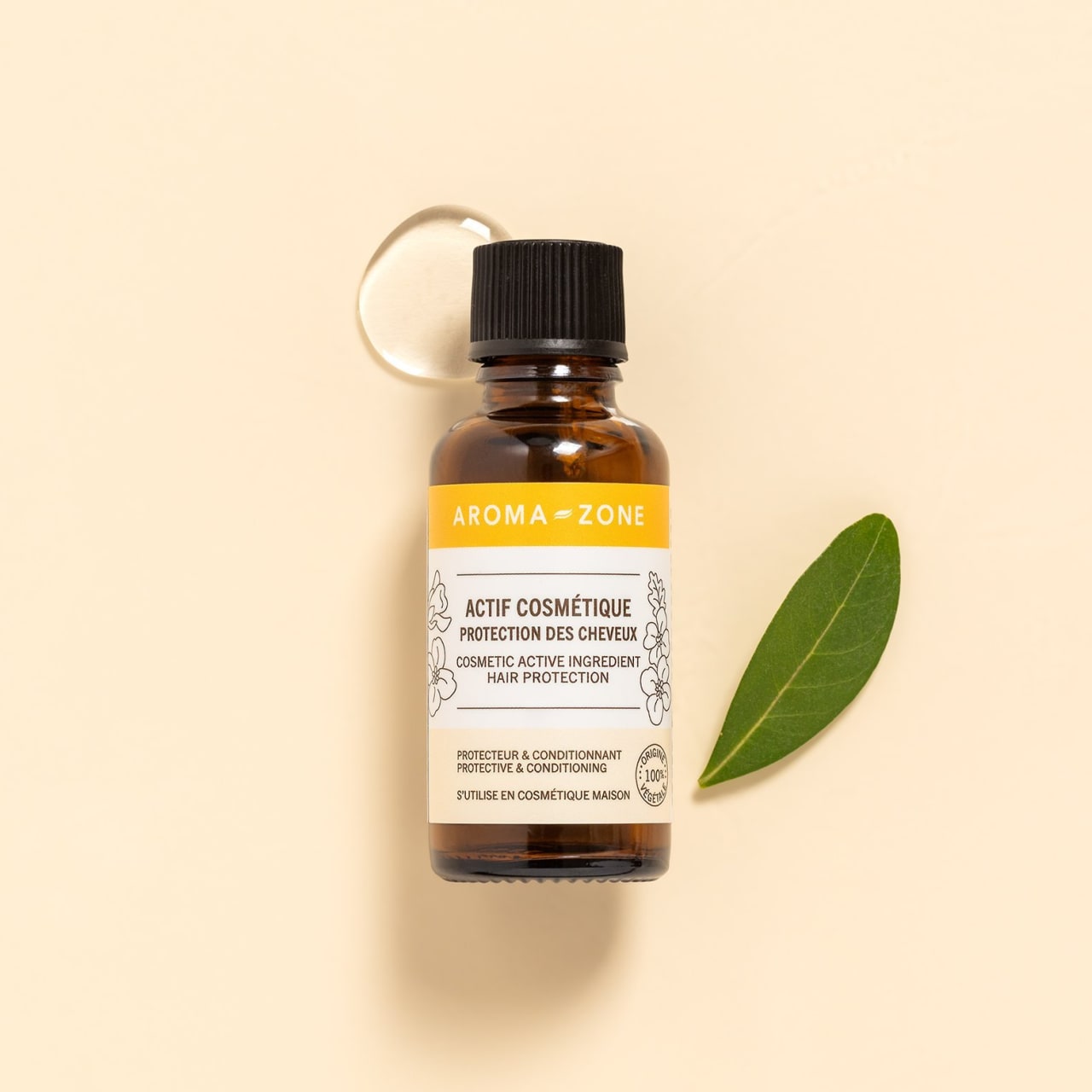
Our Aroma-Zone brewer's yeast is enriched with B vitamins and selenium. It is particularly beneficial for hair health. The vitamin B9 content oxygenates the hair follicle and reduces hair loss, while the vitamin B5 promotes hair regrowth. Damaged hair (brittle, split ends, etc.) regains its suppleness and vitality.
Brewer's yeast is recommended in doses of 1-2 capsules a day with a glass of water.
It should be taken as a course of treatment, lasting a maximum of two to three months, and it is possible to repeat the treatment three to six months after the end of the first course.
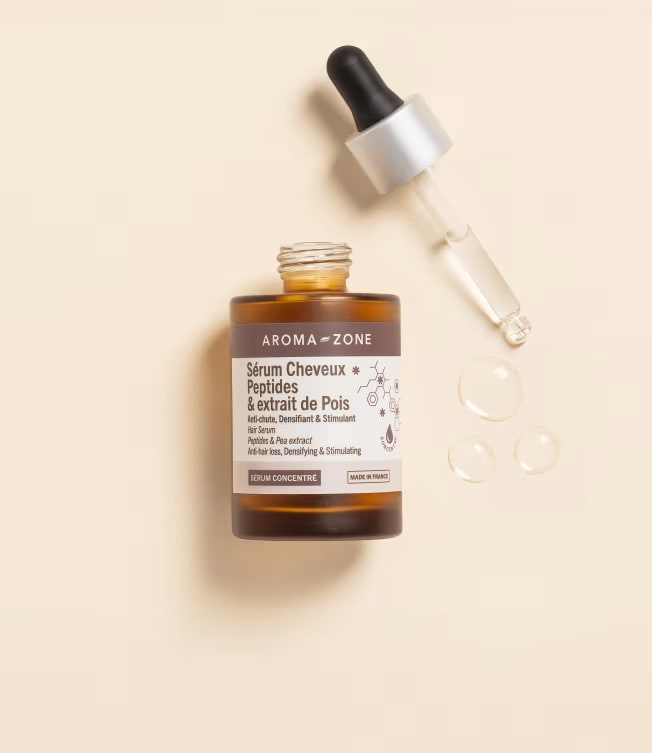
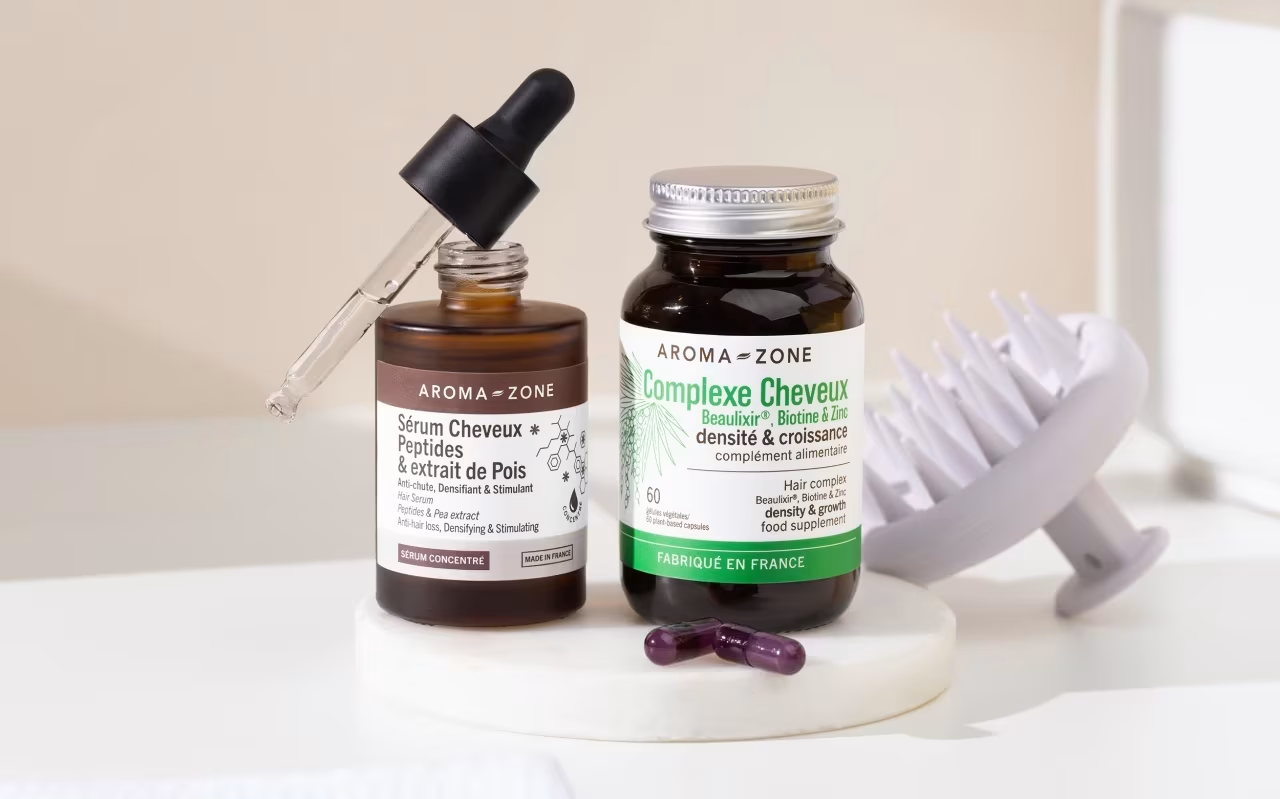
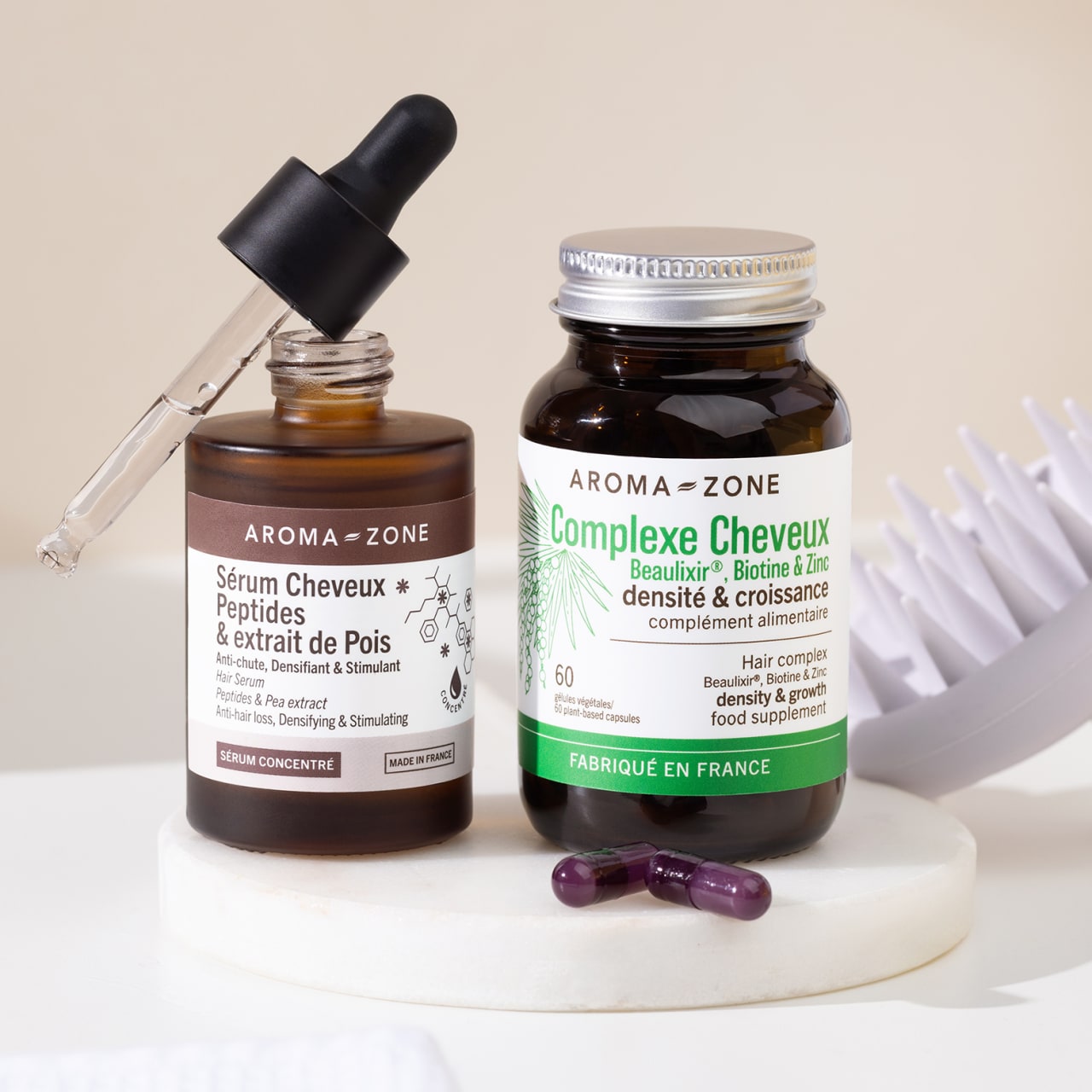
Peptides and Pea Extract Anti-Hair Loss Serum
This anti-hair loss serum is ideal both for chronic hair loss, or androgenetic alopecia, and for curbing occasional hair loss. This can be caused by stress, nutritional deficiencies, seasonal changes, pregnancy or hormonal upheaval.
Its light, no-rinse texture quickly penetrates the scalp without leaving an oily or sticky film. Fragrance-free, this serum respects the scalp and is suitable for all hair types.

Strengthening and densifying hair serum
Its cocktail of active ingredients with proven efficacy is targeted to rebalance the hair's life cycle by lengthening the growth phase and promoting hair anchorage for thicker, stronger, more resistant hair.
What precautions should be taken?
Keep out of reach of children.
Not a substitute for a varied and balanced diet and a healthy lifestyle. Do not exceed the recommended daily dose.
Only suitable for adults.
Pregnant and breastfeeding women should first seek medical advice.
Spirulina is not recommended for people suffering from phenylketonuria, haemochromatosis, excess uric acid or muscular or hepatic pathologies.
The presence of phycocyanine may cause an allergic reaction.