How can I combat seasonal hair loss?

At certain times of the year, we tend to lose more of our hair, often as spring or autumn approaches. Fortunately, this hair loss can be prevented with dedicated treatments. So how can you stop or prevent seasonal hair loss? What are the best anti-hair loss products? Follow the guide to find out more.

Reading time: +4 min.

What is seasonal hair loss?

There are 3 phases in the life cycle of hair: the anagen, catagen and telogen phases. During these 3 phases our hair grows, lives and eventually falls out.

  • The anagen phase: this is the longest phase in the cycle and corresponds to hair growth, lasting on average between 3 and 5 years.

  • The catagen phase: during this phase, the hair is at rest. Hair growth diminishes considerably and then stops. It lasts an average of 2 to 3 weeks.

  • The telogen phase: this corresponds to the "death" of the hair. It will gradually fall out to make way for new hair. This phase lasts an average of 3 months.

When the seasons change, these phases can be disrupted. Some people experience a temporary increase in hair loss. This type of loss is generally caused by changes in the hair growth cycle, does not necessarily indicate a health problem and is often temporary. In the long term, hair eventually grows back.

Causes of seasonal hair loss

With each change of season, hair loss can appear and become a source of anxiety for both women and men. Hair loss is actually normal and can be triggered by a number of factors. There is no miracle cure for hair loss, but it can be prevented.

In summer, we are much more exposed to the sun, which stimulates hair growth.

Less sunshine

When autumn comes, the reduction in sunlight leads to hormonal fluctuations, in particular a drop in melatonin production. When the days get shorter, particularly as autumn approaches, melatonin production decreases, which has an influence on the hair cycle. These hormonal variations disrupt the hair's natural balance, causing it to fall out more quickly (telogen phase).

Loss of tone

A drop in energy can also be responsible for hair loss. Stress and a return to a faster pace of work at this time of year can also lead to increased hair loss.

Vitamin deficiency

As the seasons change, particularly with falling temperatures and less sunshine, our intake of certain vitamins tends to fall. Vitamin D, for example, is mainly synthesised by the skin through exposure to the sun's UVB rays. In winter, the lack of sunlight reduces this synthesis, which can lead to a vitamin D deficiency. Similarly, during the cold seasons, our diet is generally less rich in colourful fruit and vegetables, which are sources of vitamins A and C.

All these vitamins play a crucial role in hair health, with vitamin A in particular acting on Wnt/β-catenin signalling, an essential pathway for the activation of hair follicle stem cells and the transition to the growth phase (anagen).

  • Vitamin C: As a powerful antioxidant, vitamin C acts against oxidative stress, which can accelerate hair loss. Studies show that this vitamin stimulates expression of the growth factor IGF-1, which promotes healthy hair growth (3).

  • Vitamin D: influences the hair growth cycle by regulating the transition between growth and rest phases. A lack of vitamin D affects the length of the growth phase, which can contribute to hair loss.

Diet and nutritional deficiencies

A diet lacking in protein, iron, zinc, or B vitamins weakens the hair fibre. These deficiencies often become apparent at the end of winter, making hair more vulnerable and therefore more prone to falling out.

External aggressions

UV rays, pollution, climatic variations, salt, and chlorine can weaken keratin. After the summer, for example, damaged hair falls out more quickly, which is why hair loss is often more pronounced in September and October.

Good to know: The scalp has an average of 100,000 to 150,000 hairs, of which 50 to 100 fall out naturally every day. During periods of seasonal hair loss, this number can temporarily double without indicating any abnormality.

Spotting seasonal hair loss: the first signs

  • Thinner, more fragile hair: During seasonal hair loss, hair can appear more fragile and break more easily, particularly in people subject to hormonal variations or stress.

  • Increased daily hair loss: On average, we lose 25 to 60 hairs a day. As its name suggests, seasonal hair loss occurs at the change of season, particularly in spring and especially when autumn arrives. During this period, the hair will fall out more than usual (around 100 hairs a day).

  • Limited duration: Unlike chronic or pathological hair loss problems, seasonal hair loss generally lasts between six and eight weeks. After this period, the hair cycle stabilises and hair loss diminishes naturally.

What are the natural solutions for preventing hair loss?

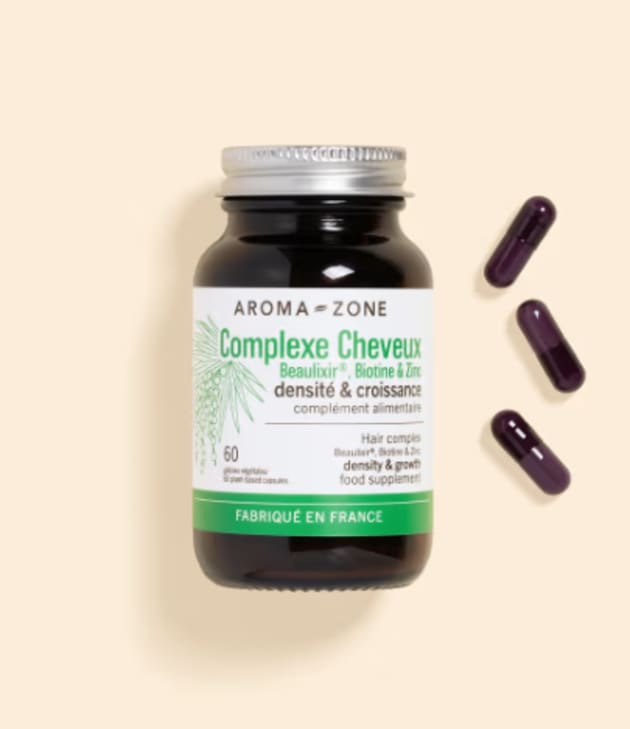
When hair loss intensifies in the fall or spring, there are natural solutions that can help slow it down. Dietary supplements, powders, and vegetable oils help strengthen the hair fibre, stimulate regrowth, and preserve hair health.

Food supplements

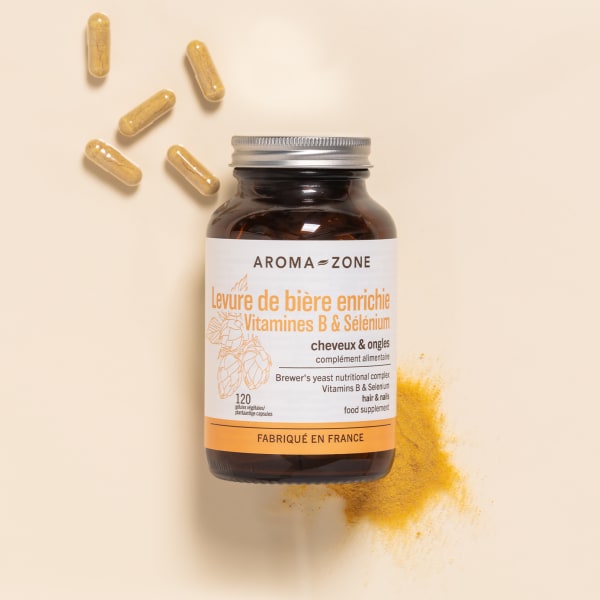
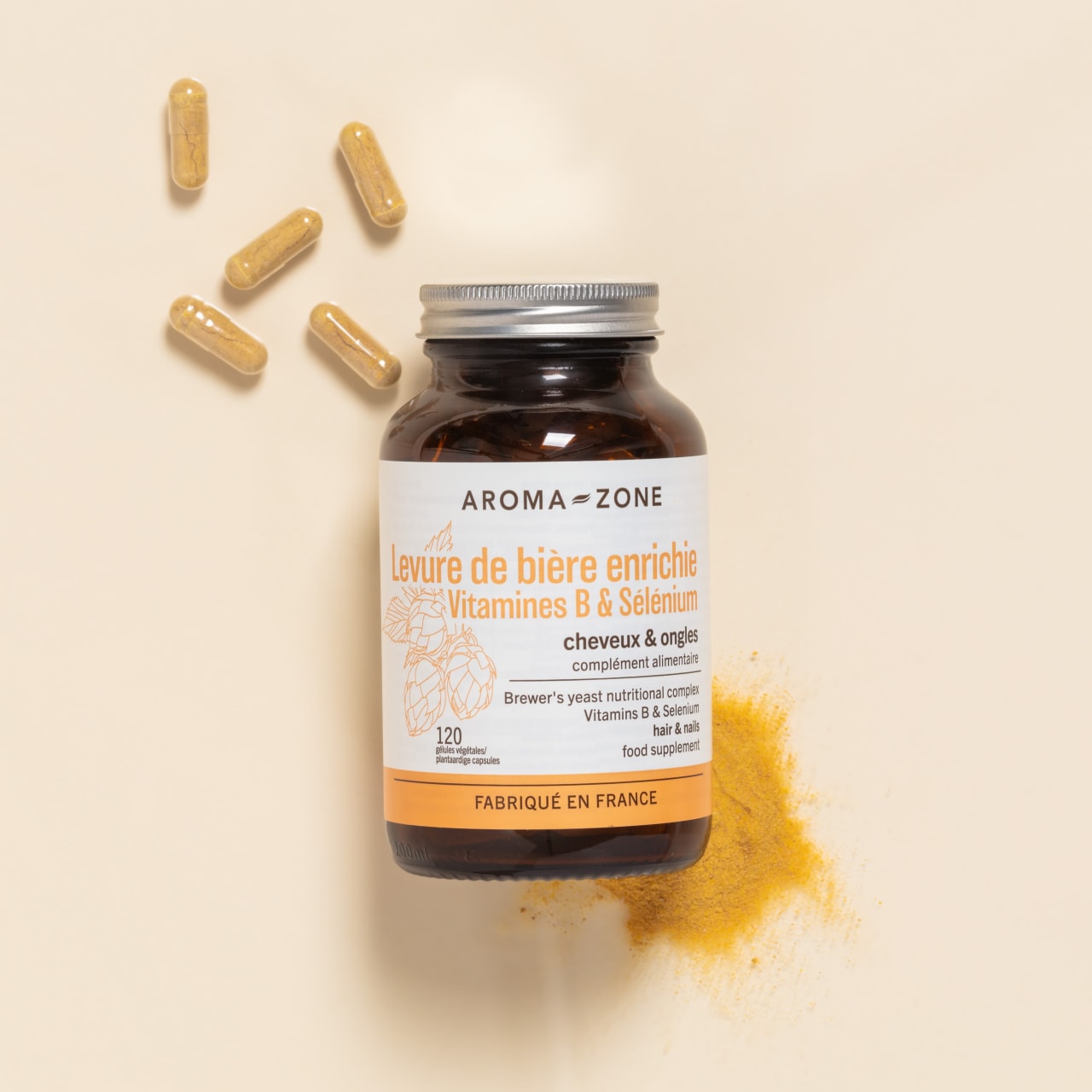
Brewer's yeast enriched with vitamin B and selenium

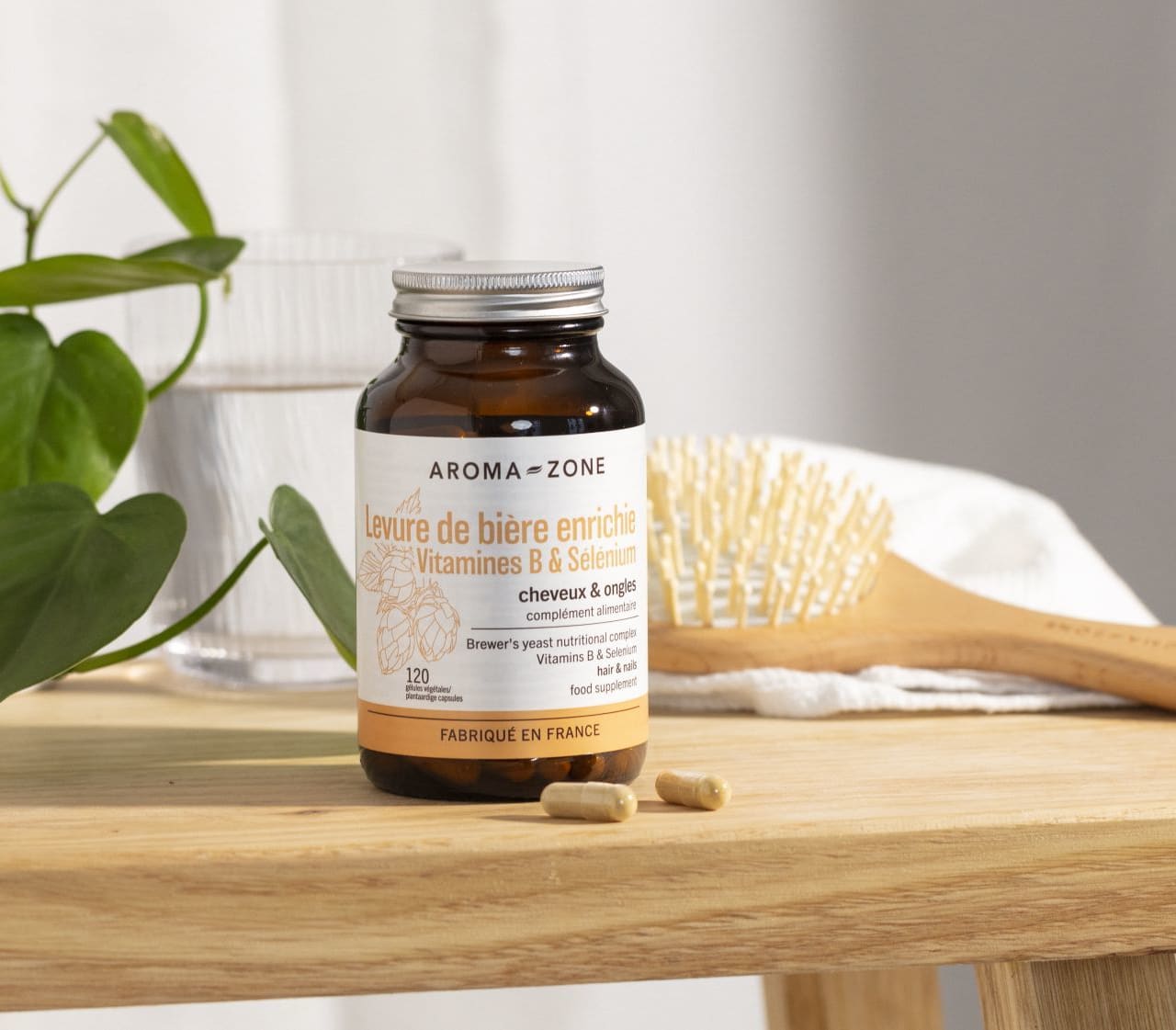
Ideal for strengthening and beautifying hair and nails, this food supplement is made from ORGANIC brewer's yeast enriched with B vitamins and selenium. In particular, it promotes healthy hair. It provides good oxygenation of the hair follicles, limits hair loss thanks to its vitamin B9 content and encourages regrowth thanks to vitamin B5. Damaged hair (brittle, split ends, etc.) regains its suppleness and vitality.

Discover Brewer's yeast enriched with Vitamin B and Selenium

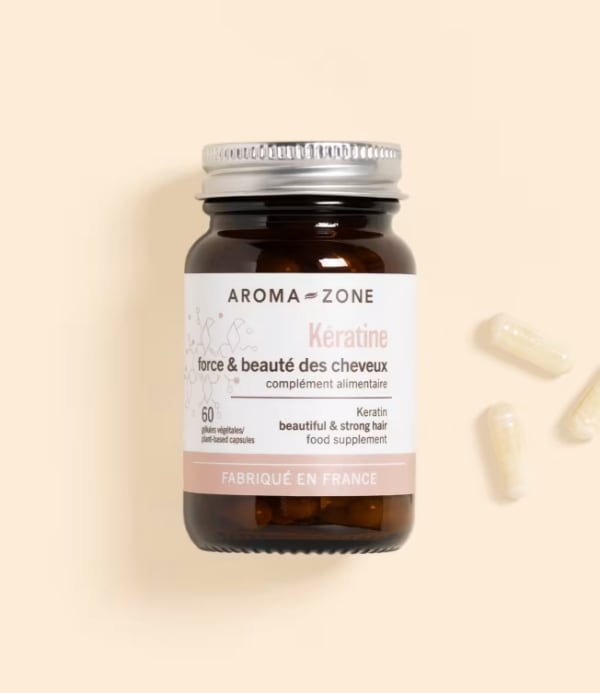
Keratin food supplement

Our Keratin food supplement contains HNS® Cynatine, a highly bioavailable form of keratin designed to preserve the integrity of the molecule and its constituent amino acids. It has been clinically proven to improve hair strength, resilience and shine. Keratin is also known to improve hair quality and reduce hair loss.

Discover our Keratin supplements

Plant powders

As well as food supplements, it's a good idea to incorporate anti-hair loss treatments into your hair routine on a regular basis.

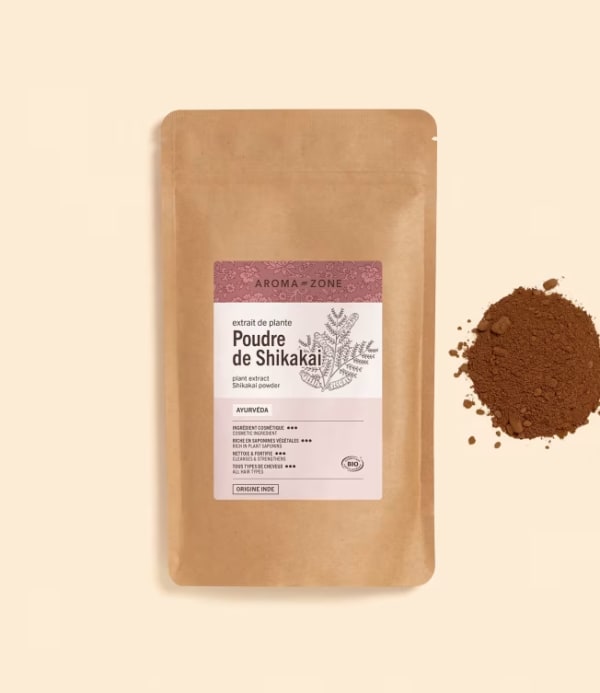
Using treatments based on Ayurvedic powders can reduce hair loss and help strengthen the hair.

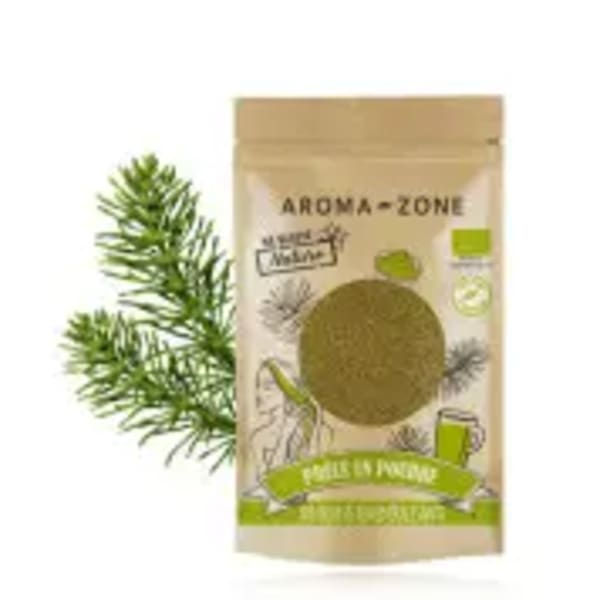
Horsetail powder

Its richness in plant silica, tannins and plant saponins has a toning action on the scalp. This activates blood circulation and slows hair loss.

Discover Horsetail powder

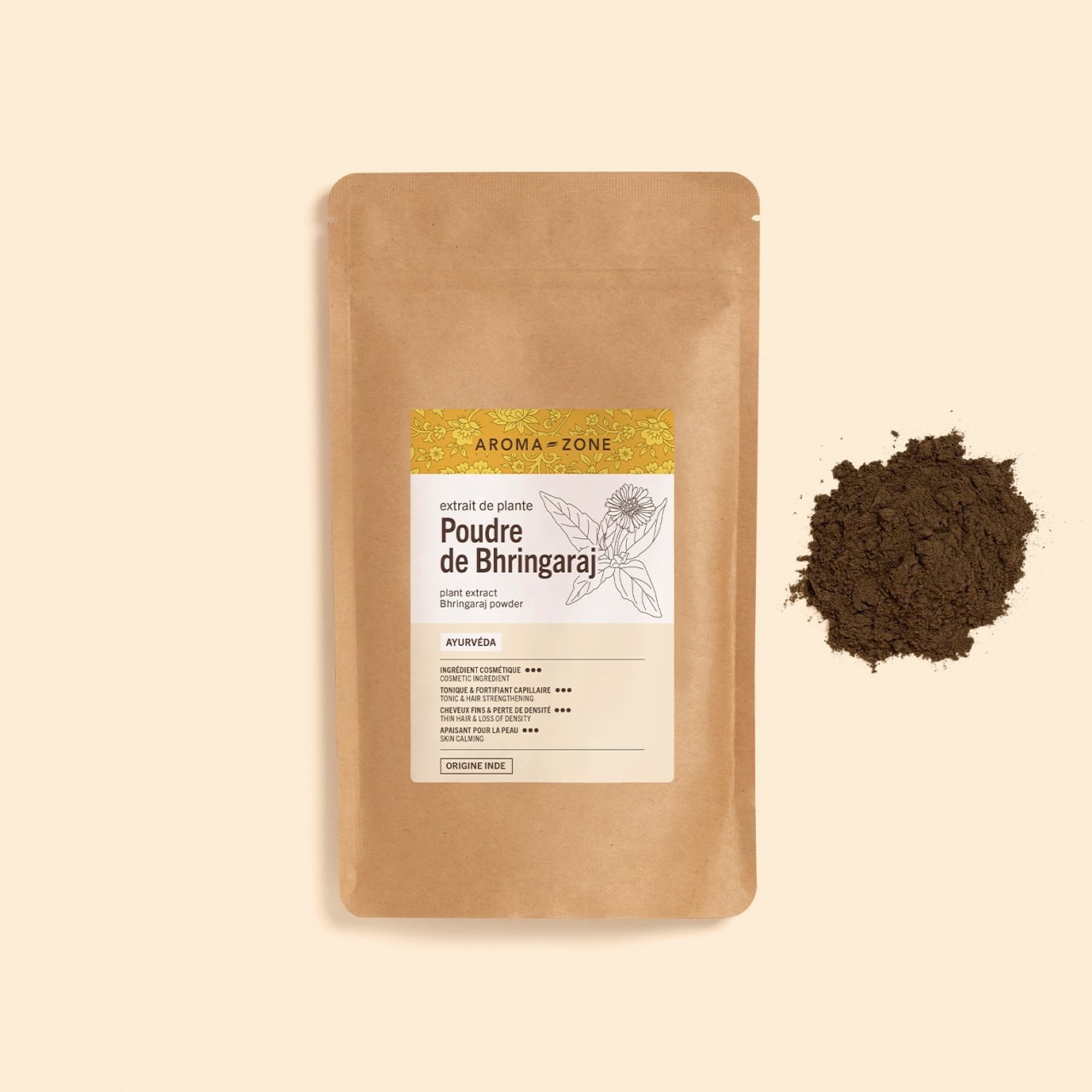
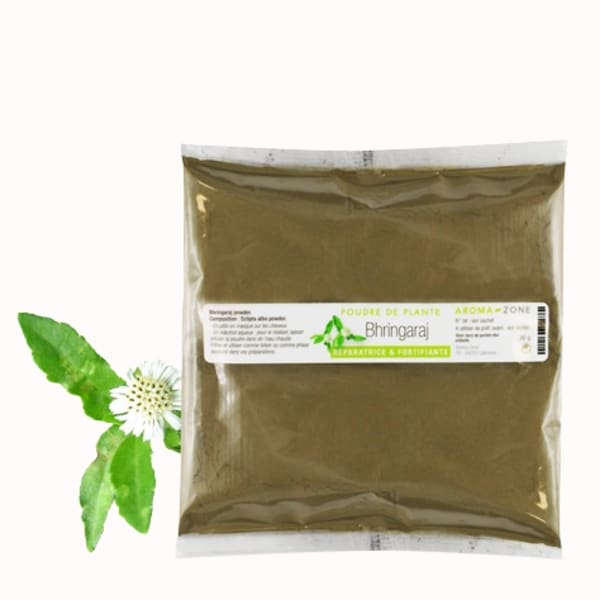
Bhringaraj powder

Its stimulating and strengthening properties make this powder indispensable for limiting hair loss.

Discover Bhringaraj powder

Kachur sugandhi powder

An excellent stimulant for the scalp, it helps to limit hair loss while making hair stronger and thicker.

Plant oils to stop hair loss

Plant oils are the perfect allies for stopping hair loss. It's a good idea to include them in your hair routine to strengthen and stimulate micro-circulation.

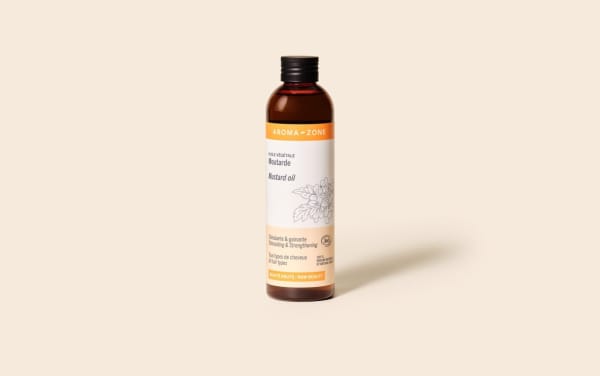
ORGANIC Mustard oil

Renowned for promoting hair growth and limiting hair loss, it also has a smoothing and strengthening action on the lengths, thanks to its high erucic acid content.

Discover Mustard oil

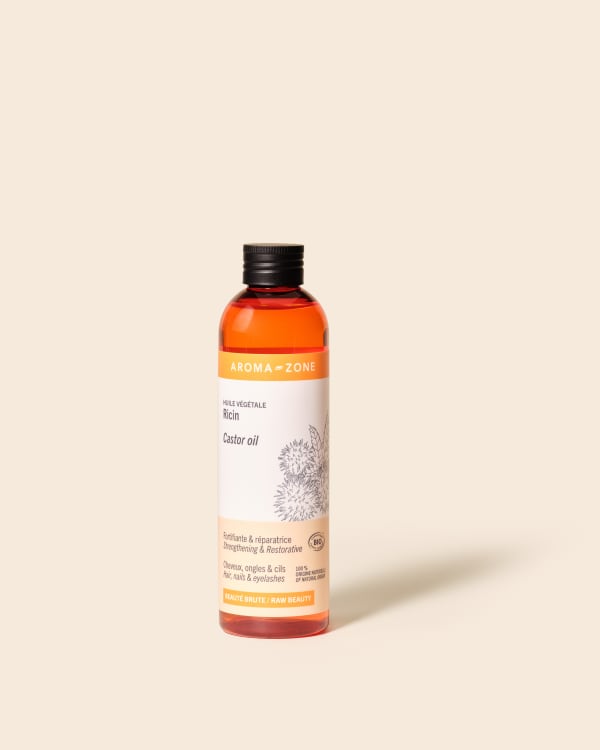
ORGANIC Castor oil

As well as limiting hair loss, it promotes hair growth, strengthening and coating the hair and nourishing it deep down. It can be used on its own or mixed with other plant oils for daily scalp massages.

Discover Castor oil

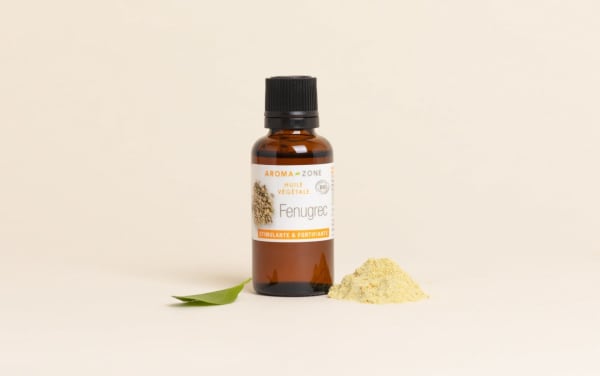
Organic Fenugreek Oil: Renowned in natural cosmetics for its fortifying action, this oil stimulates microcirculation in the scalp and supports regrowth. During periods of seasonal hair loss, it helps to limit loss, strengthens roots, and adds density to fine or fragile hair. Do not swallow. Not recommended for pregnant or breastfeeding women.

Discover Organic Fenugreek Oil

Take a closer look at our selection of essential oils to combat seasonal hair loss.

Anti-hair loss routine

During seasonal changes, a regular routine is often enough to reduce hair loss and restore hair density. It is based on both good nutrition and appropriate external care.

Make a Castor oil bath: Leave the Castor oil bath on for at least 1 hour. For an intensive treatment, you can leave it on overnight, wrapping your hair in a towel or cap.

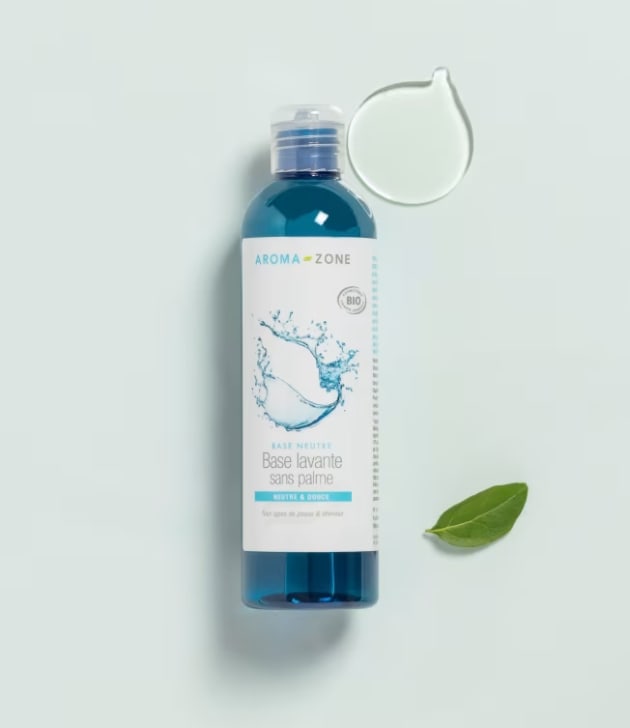
Wash your hair with Palm-Free Neutral Shampoo Base. Spread the product over the scalp and lengths in a circular motion. Once the oil has been removed, rinse with clean water. This neutral shampoo base gently washes your hair, leaving it strong, supple and shiny.

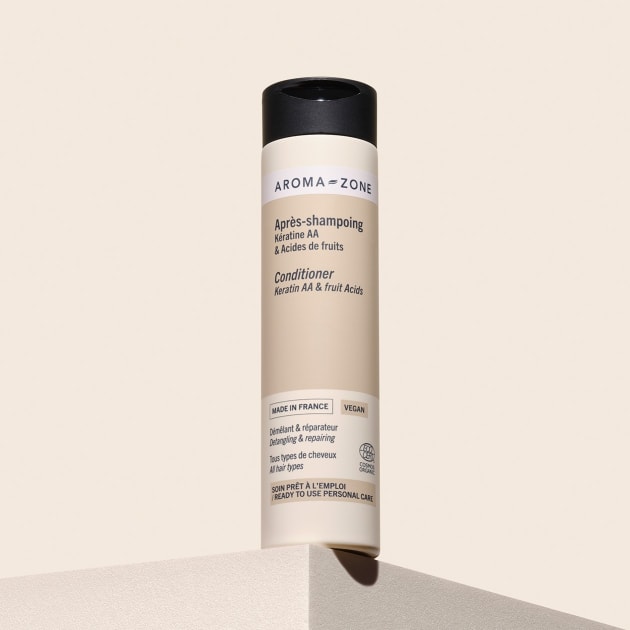
Use the nourishing hair mask to moisturise your lengths and make detangling and styling easier. The certified ORGANIC hair mask base, rich in Jojoba, Ricin and Shea butter oils, protects, smoothes and nourishes your hair. It makes detangling easier and adds shine, suppleness and softness to your lengths and ends.

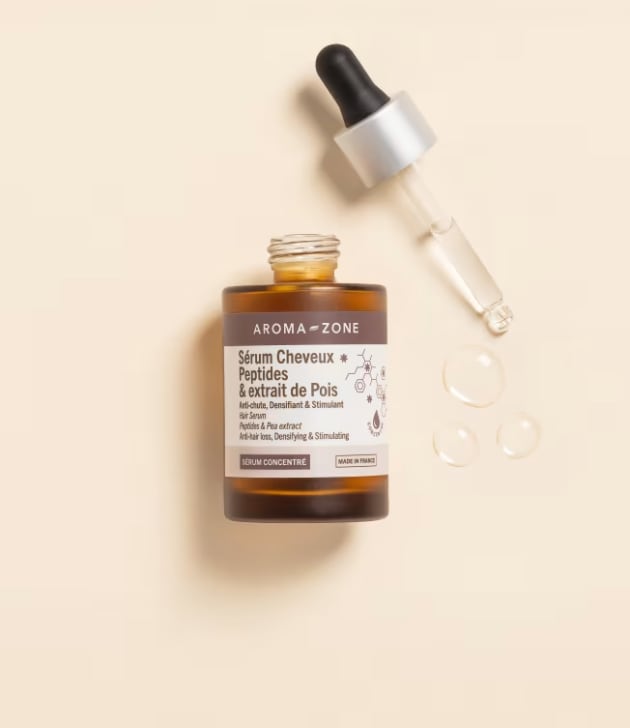
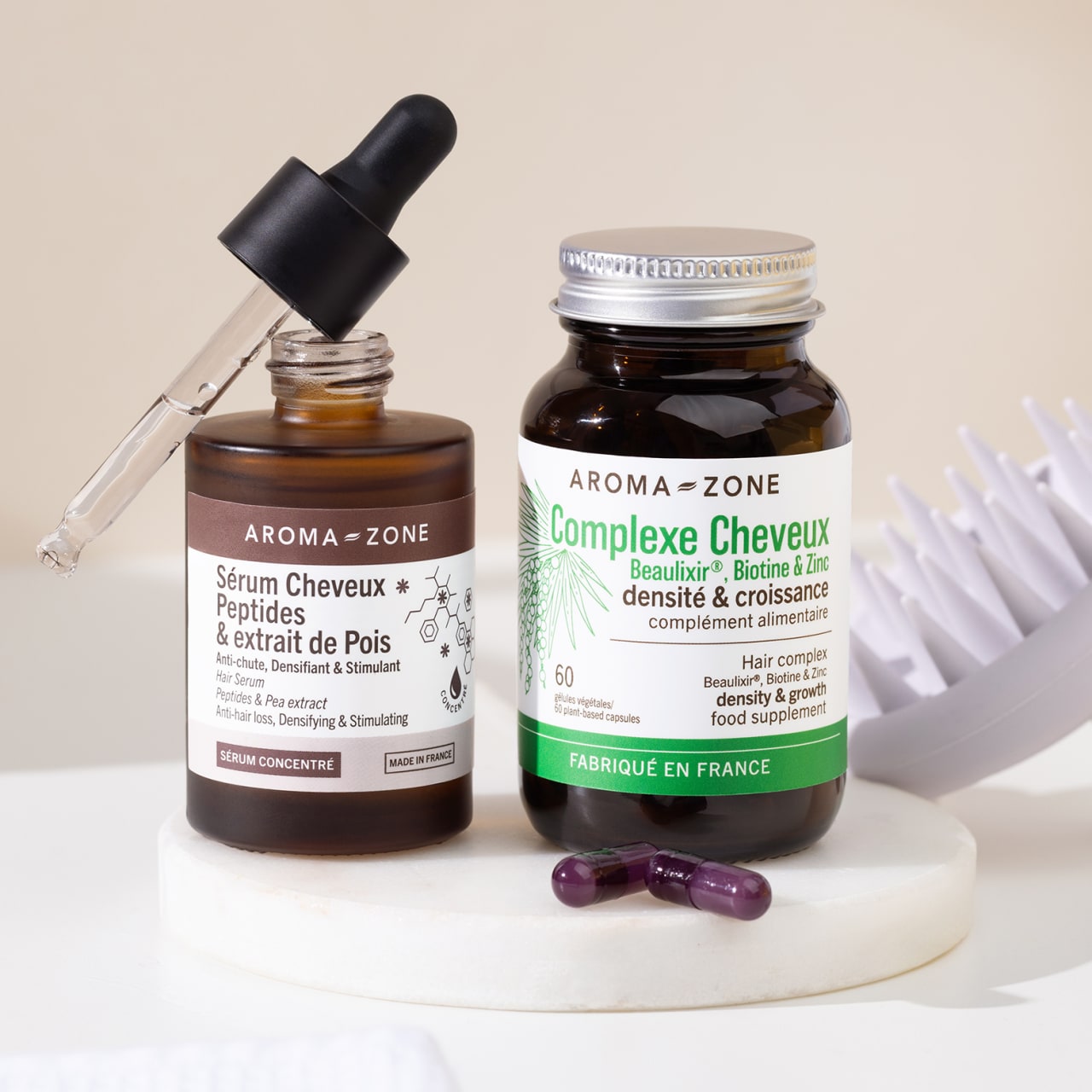
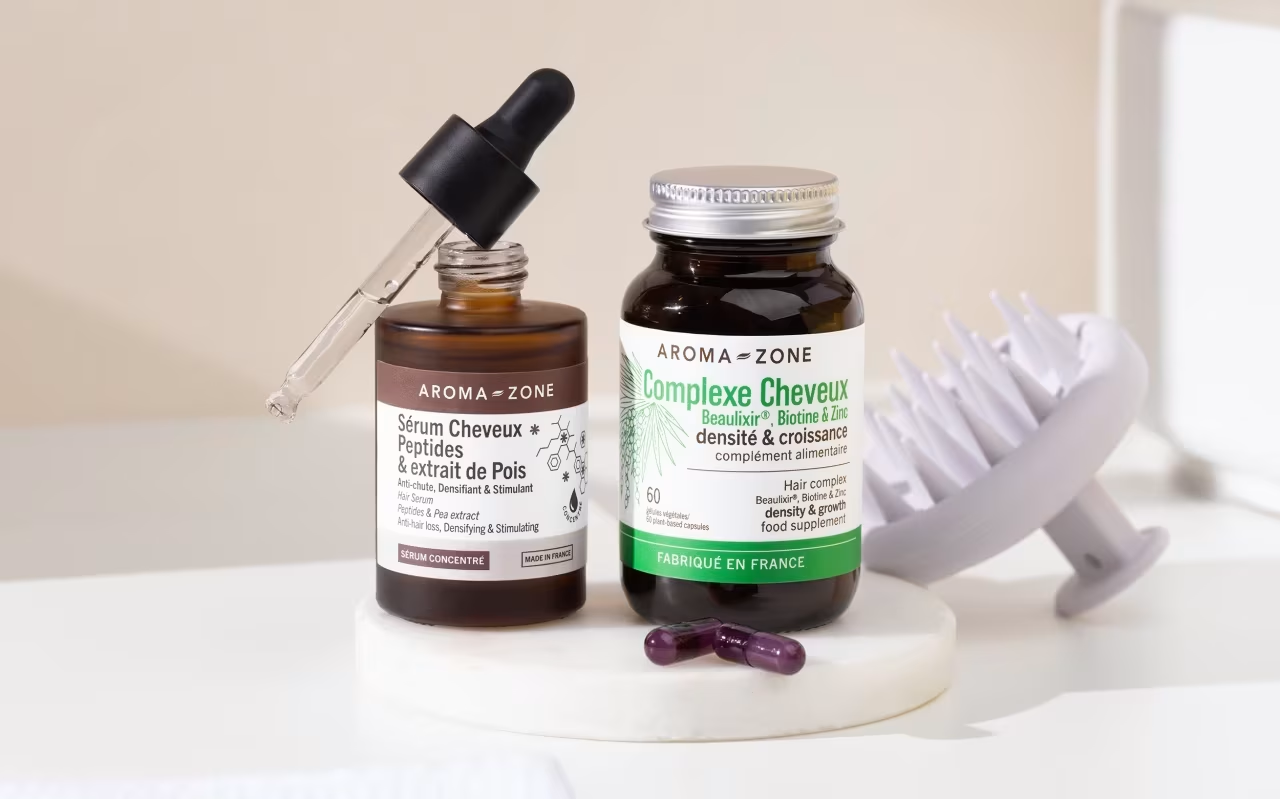
Apply Peptides & pea extract hair growth serum: Our hair growth Serum nourishes and strengthens hair, slows down hair loss and promotes hair growth. Its cocktail of active ingredients with proven efficacy is targeted to rebalance the hair's life cycle by lengthening the growth phase and promoting hair anchorage for thicker, stronger, more resistant hair. Massage gently with your fingers for around 5 minutes to stimulate blood circulation and promote absorption of the product.

How to prevent hair loss

  1. Adopt a balanced diet: Diet plays an essential role in the life cycle of hair. It's important to eat a healthy diet and include fruit and vegetables on a regular basis. It's also a good idea to choose protein-rich foods such as lentils, eggs, meat, soya, pulses and wholemeal wheat.

  2. Scrub your hair once or twice a month: Often neglected in your hair routine, scrubbing your hair is one of the most important ways to maintain a healthy scalp. It eliminates dead cells and deeply purifies the scalp. It also helps to slow hair loss by stimulating the scalp's microcirculation.

  3. Avoid excessive heat sources directed at the hair or scalp: Using heat sources such as hairdryers and straightening irons can weaken the hair fibre. We recommend that you avoid heat sources as much as possible and dry your hair in the open air or with a microfibre towel.

  4. Avoid tight hairstyles: Hairstyles such as chignons, high tails, braids and weaves that are too flat or too tight can cause inflammation of the scalp, destroy the hair bulb and lead to serious hair loss.

  5. Massage your scalp every day: massaging your scalp with plant and essential oils every day is an effective way of combating hair loss and encouraging hair growth.

  6. Learn to relax: through sport, meditation or yoga.

Our traditional recipes for combating hair loss

SOS Hair Loss Aromatic oil

Ingredients (without scales)

Preparation

1

Pour all the ingredients into a bottle.

2

Close the bottle and shake.

3

All set!


Store your bottle away from heat.

* Storage: When stored properly and manufactured under optimal hygiene conditions, your product will keep for at least 6 months.

Rinse lotion with toning and anti-hair loss plants

Preparation

1

Put all the ingredients in a spray bottle.

2

Close the bottle and shake.


Note: the pH of this preparation is approximately 4.0-5.0.

Store your bottle away from light and heat.

* Storage: When stored properly and manufactured under optimal hygienic conditions, your product will keep for at least 3 months.

Fortifying anti-hair loss shampoo with nettle

~150 ml

Ingredients (with scale)

Preparation

1

Part 1: Making a 2% nettle infusion

Put the nettle powder in a bowl, then pour the simmering water over it.

2

Mix for a few seconds, then leave to infuse for 10 to 15 minutes.

3

Filter (using a coffee filter, for example) to remove the powder.

4

Use your infusion right away in the shampoo recipe below.

1

Part Two: Making the shampoo

Melt phase B (gentle base surfactant + coconut surfactant) in a bowl in a double boiler, then remove from the heat.

2

Add phase C (rosemary essential oil) and mix vigorously for 30 seconds.

3

Gently incorporate phase D (nettle infusion made in the first part + Cosgard preservative).

4

Transfer the preparation to a bottle, then let it settle for about 12 hours before use.


Note: the pH of this preparation is approximately 5.5-6.5.

Avoid contact with the eyes; if contact occurs, rinse.

Store your bottle of fortifying anti-hair loss shampoo away from light and heat.

*Storage: When stored properly and manufactured under optimal hygiene conditions, your product will keep for at least 1 month.


For more information, visit

This anti-hair loss shampoo recipe combines the best ingredients to slow hair loss, strengthen the scalp, limit breakage, and boost growth.

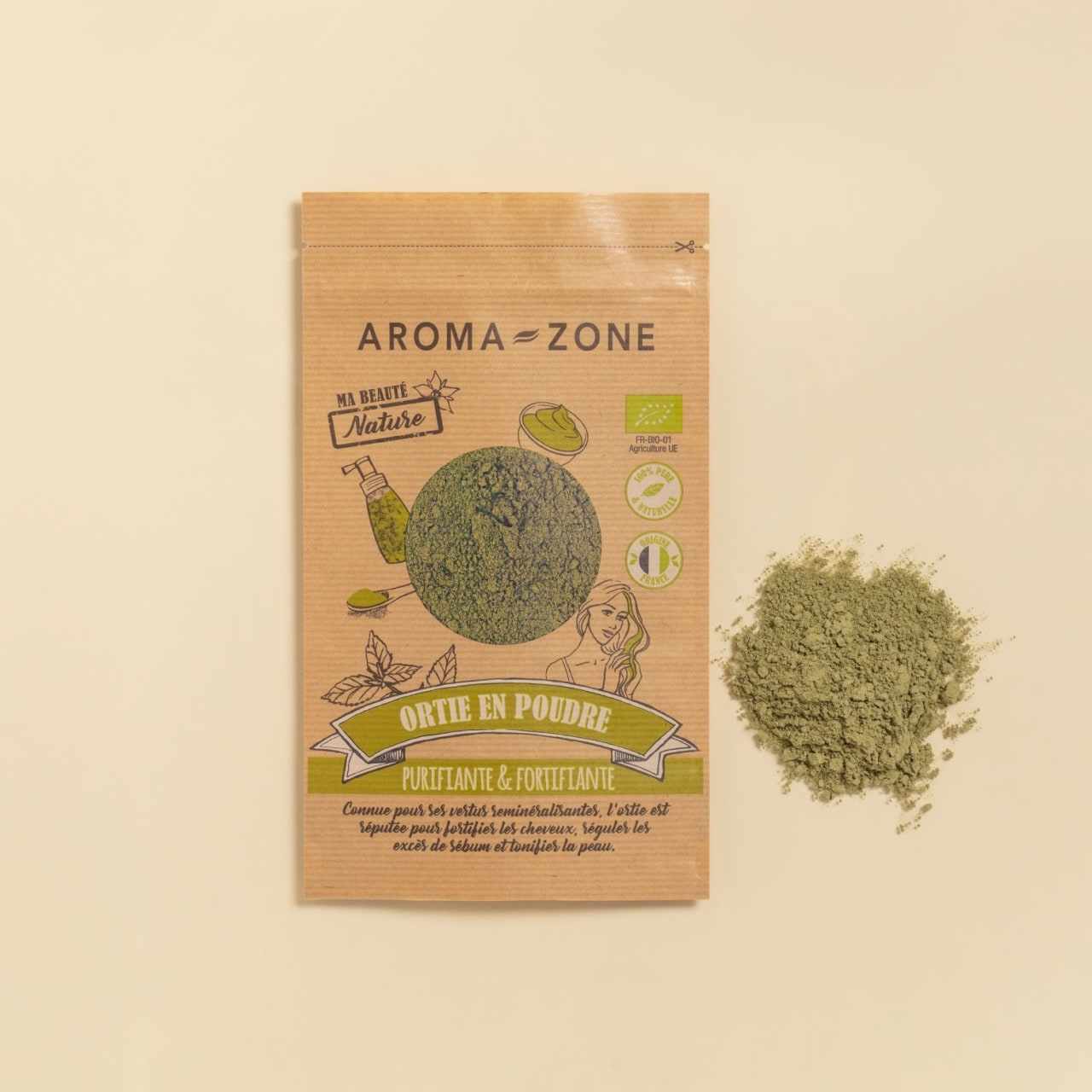
  • Organic nettle powder provides the minerals and vitamins needed to strengthen hair and restore its natural beauty.

  • Organic rosemary verbenone essential oil is an excellent hair fortifier that prevents hair loss.

  • Coconut-based surfactants and gentle base, two products that are perfect for making shampoos that are easy and effective for all scalp types, even sensitive ones.

The hair fiber is strengthened, the hair is beautified... Whether for men or women, this anti-hair loss shampoo will easily become part of your daily routine.

Precautions to be taken

If symptoms persist after the change of season, if you notice that hair loss is more abundant than usual, and if it is accompanied by other symptoms such as bald patches, general thinning or unusual fragility of the hair, it is recommended that you consult a healthcare professional for diagnosis and appropriate treatment.

Expert advice

Perform a cranial massage to stimulate blood circulation and hair growth. By applying your anti-hair loss serum and massaging gently with your fingertips for 5 to 10 minutes every day, you stimulate the hair follicles and strengthen the roots, which helps to anchor the hair.

To find out more

How long does seasonal hair loss last?

It generally lasts from a few weeks to a few months, often during the transition between summer and autumn.

Can stress make seasonal hair loss worse?

Yes, stress can worsen hair loss by disrupting the hair growth cycle and lengthening the telogen phase.

Is it possible to prevent seasonal hair loss?

It's difficult to prevent seasonal hair loss altogether, but maintaining a healthy diet, reducing stress and avoiding aggressive hair treatments can help minimise loss.

Spotlight on Marine and Clémence, our experts and founders of Chap Chap

Marine Toualy and Clémence Vanié, founders of the Chap Chap application , have been going natural for several years and are both big fans of natural products and their benefits.

Thanks to natural products, they have been able to rediscover the true nature of their hair and learn how to make it look good simply and effectively.

They believe that looking after your hair should be a pleasure and not a chore, so they want to use the Chap Chap application to share their expertise by offering people natural solutions that are accessible to everyone.

https://www.instagram.com/chapchap.app/

Bibliography

1

Reygagne, P. Cheveu, vieillissement et environnement : aspects cliniques épidémiologiques / Hair, aging, and environment: clinical and epidemiological aspects." International Journal of Cosmetic Science, 2009. DOI: 10.1016/S0151-9638(09)72393-2.

2

Babadjouni, A., Reddy, M., Zhang, R., Raffi, J., Phong, C., & Mesinkovska, N.(2023). Melatonin and the Human Hair Follicle. Journal of Drugs in Dermatology, 22(3), 36877877.

3

Pérez-Mora, S., Salgado-Hernández, S. V., Solorio-Cendejas, Y. D., Pérez-Gómez, A., Pérez-Gómez, R., Gómez-García, C., & Pérez-Ishiwara, D. G. Vitamins as Key Modulators in Hair Growth Dynamics. Molecular Biomedicine Laboratory 1, ENMH, Instituto Politécnico Nacional, Mexico; School of Medicine and Health Sciences, Instituto Tecnológico de Estudios Superiores Monterrey, Mexico; Faculty of Medicine, Universidad Panamericana, Mexico.