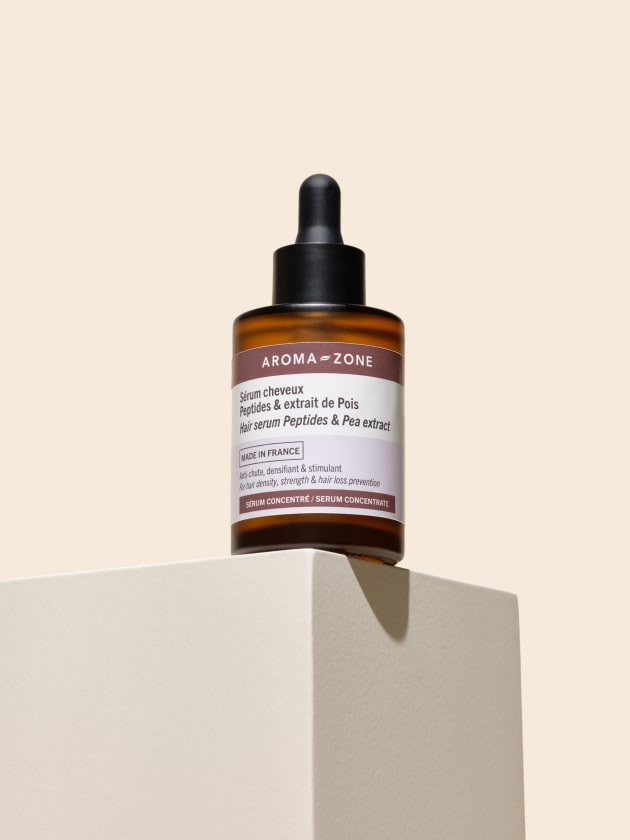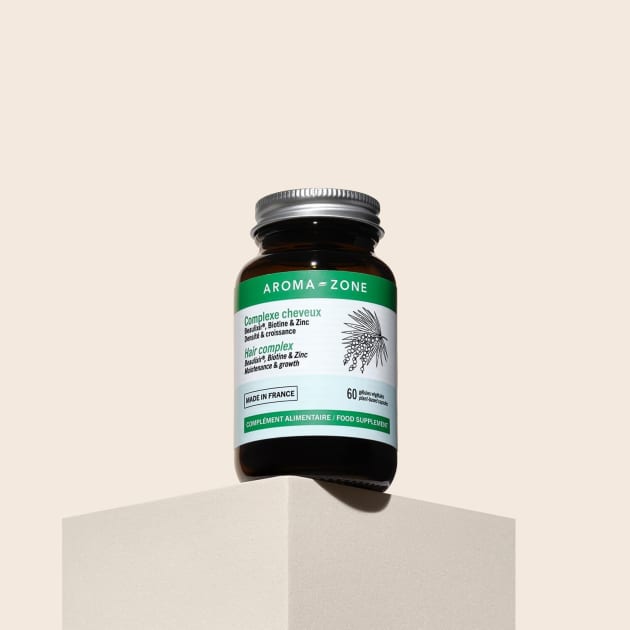
Hair loss, alopecia: looking after yourself with essential oils
Discover natural solutions for treating hair loss and alopecia in our specialist guide. Explore natural tips based on essential oils to promote hair growth and strengthen your hair, and immerse yourself in a world of beneficial hair care products to restore dense, healthy hair.

Hair loss: everything you need to know
Hair loss, or alopecia, is a common phenomenon that can affect both men and women. It is characterised by excessive hair loss, often faster than the rate of regrowth. Although it is normal to lose between 50 and 100 hairs a day, more extensive hair loss can lead to a loss of hair mass and sometimes to bald patches.
Why does hair fall out?
Genetic: This is the most common cause of hair loss, caused by genetics and hormones. It generally manifests itself as a receding hairline in men and diffuse thinning in women.
Hormonal imbalances: Hormonal changes caused by pregnancy, the menopause or thyroid disorders can cause temporary or permanent hair loss. Polycystic ovary syndrome (PCOS) can also contribute to hair loss in women.
Deficiencies: A lack of essential vitamins and minerals such as iron, zinc, and vitamins D and B, can weaken hair follicles and cause hair loss.
Stress and emotions: Physical or emotional stress can trigger diffuse hair loss, known as telogen effluvium, where hair prematurely enters a resting phase and falls out in large quantities.
Certain autoimmune diseases: Conditions such as alopecia areata, where the immune system attacks the hair follicles, can cause patchy hair loss.
Hair trauma: Too-tight hairstyles, excessive use of chemicals and heated appliances can damage hair and cause it to fall out.
Ageing: With age, the hair growth cycle slows down, which can lead to more pronounced hair loss.
How can I prevent hair loss?
Naturally, we all lose a certain amount of hair every day. When this hair loss becomes excessive, it's called alopecia.
Androgenetic alopecia mainly affects men and is due to a hormonal factor: testosterone. The male hormone is transformed in the body into another hormone, dihydrotestosterone or DHT. When this DHT attaches itself to the hair follicles, it triggers the hair production process, which renews itself faster and faster, exhausting the hair follicle. In women, this type of baldness is rarer and sometimes occurs in menopause. Unlike men, who often lose their hair in whole areas, women lose their hair more sparsely: this is known as diffuse female androgenetic alopecia.
How can essential oils be used to stimulate hair growth?
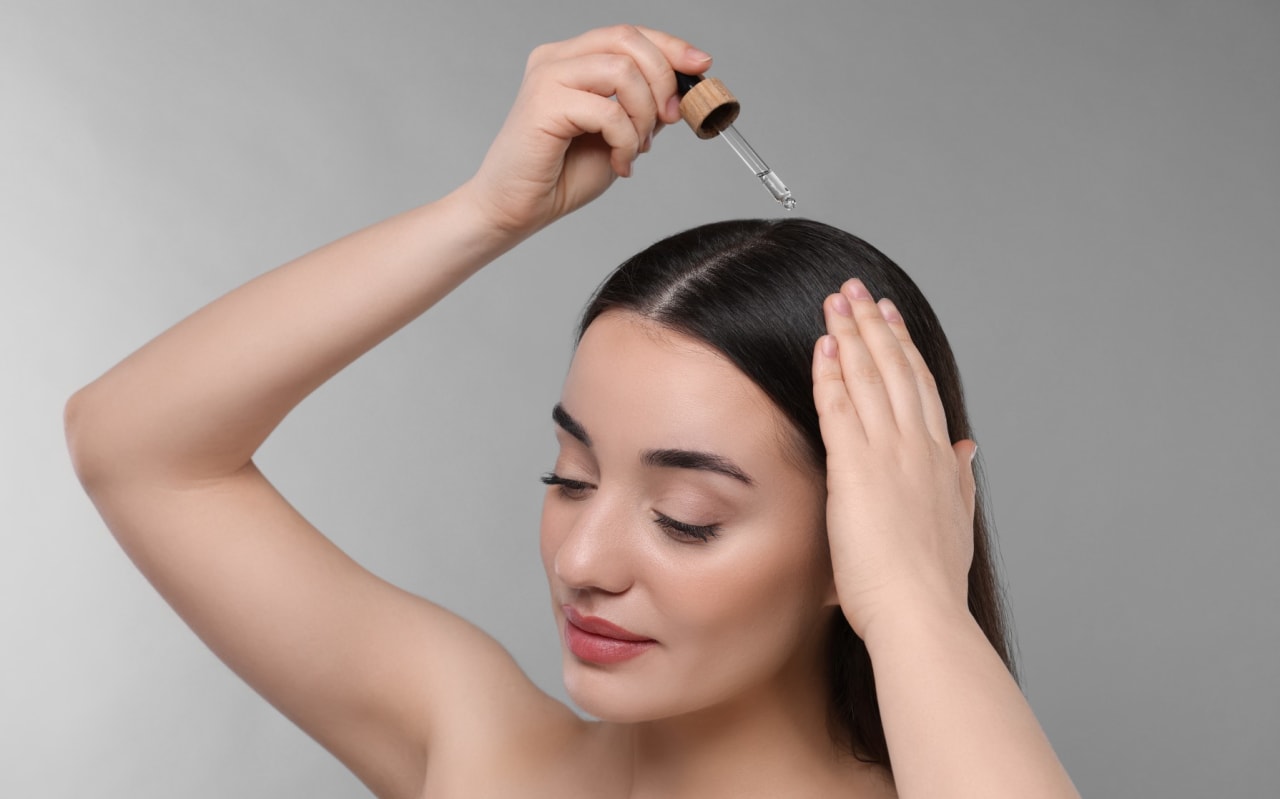
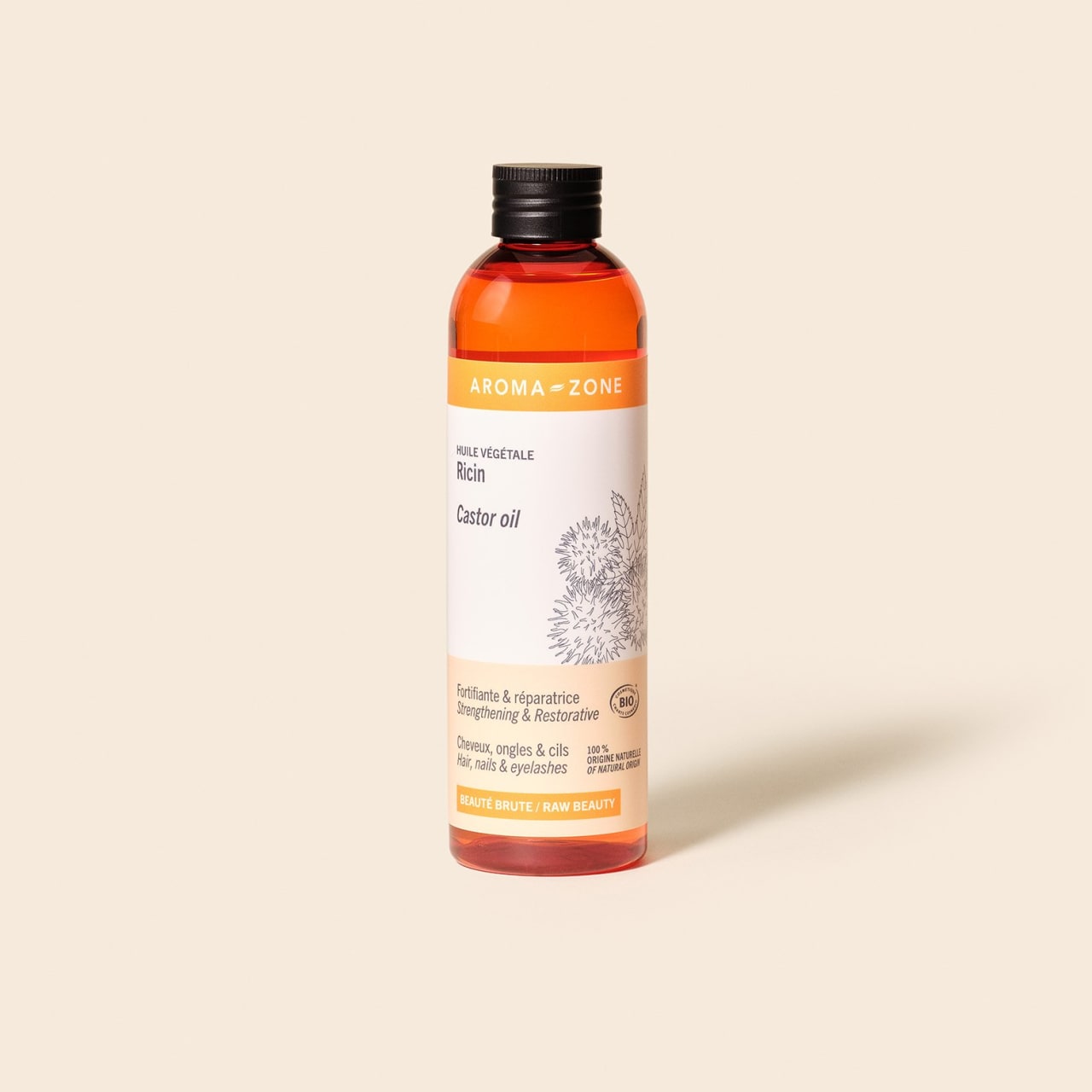
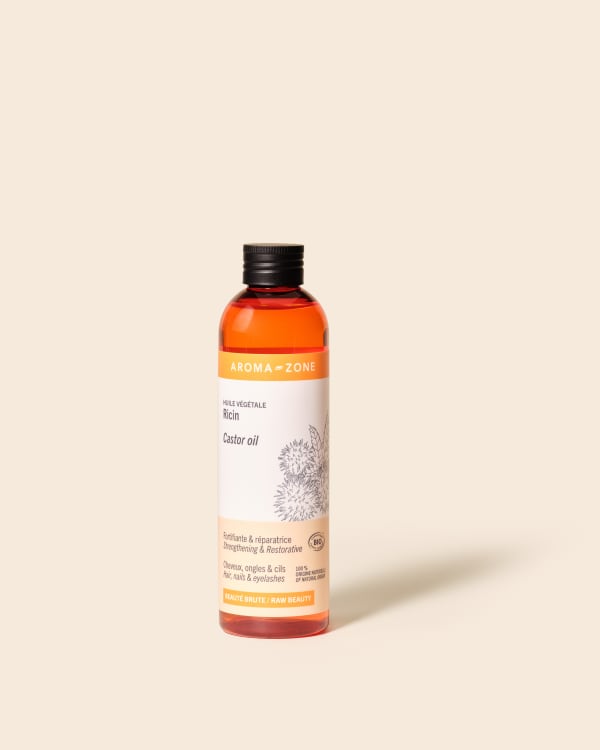
Essential oils are ideal for stimulating hair growth: with their warming, stimulating or circulatory effects, they actively boost microcirculation in the scalp, making it easier to supply nutrients to the hair bulb. Use them diluted in a carrier oil or massaged in before shampooing. Mustard carrier oil is naturally warming, and is very popular for stimulating hair growth and combatting hair loss. It is powerful and can be combined with castor oil, coconut oil or avocado oil to make serums and oil masks.

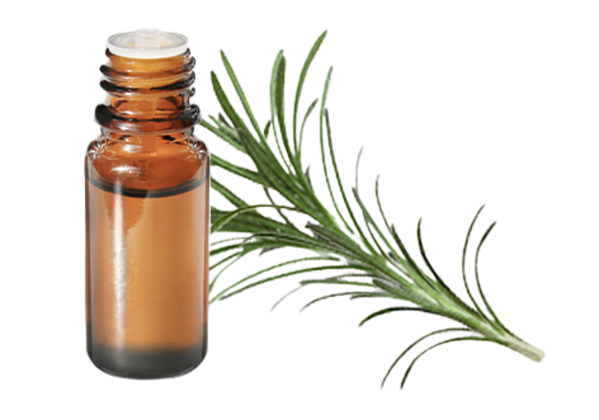
Rosemary cineole essential oil
Revitalising rosemary cineole essential oil is used for hair care.

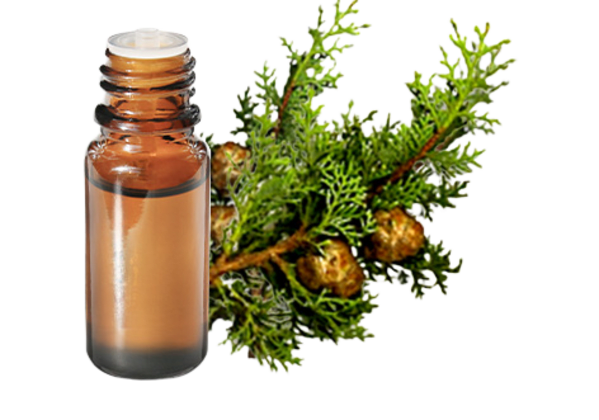
Provençal Cypress essential oil
Provençal Cypress essential oil has long been known for its exceptional stimulating and circulatory qualities.

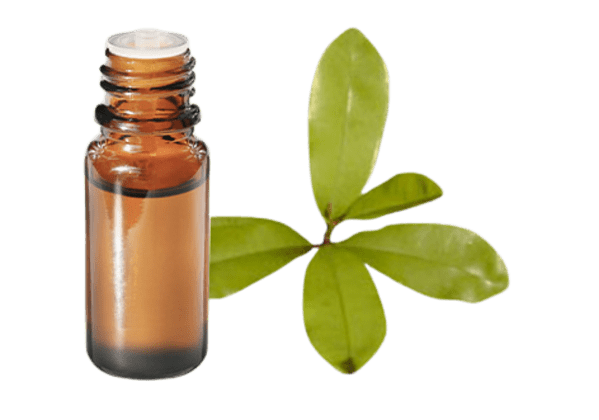
Bay rum tree essential oil
Bay rum tree is a naturally warming oil and is traditionally known for slowing hair loss. Bay rum tree essential oil, with its health boosting properties, is also reputed to reduce the appearance of dandruff. With it's stimulating qualities, it is renowned for promoting hair growth.
Warning
The properties, information and methods of use below are quotes from reference books or websites on aromatherapy, hydrolatherapy and phytotherapy. This general information is provided for informative purposes only and in no way constitutes medical guidance. Under no circumstances can this information be used as a substitute for a medical diagnosis, consultation or follow-up, nor can it incur our liability. We recommend that you consult the guide to essential oils before using them, so that you are aware of any precautions that need to be taken. If in doubt, consult a doctor before using essential oils.
Find out more about hair problems