How can you combat anxiety and stress with essential oils?
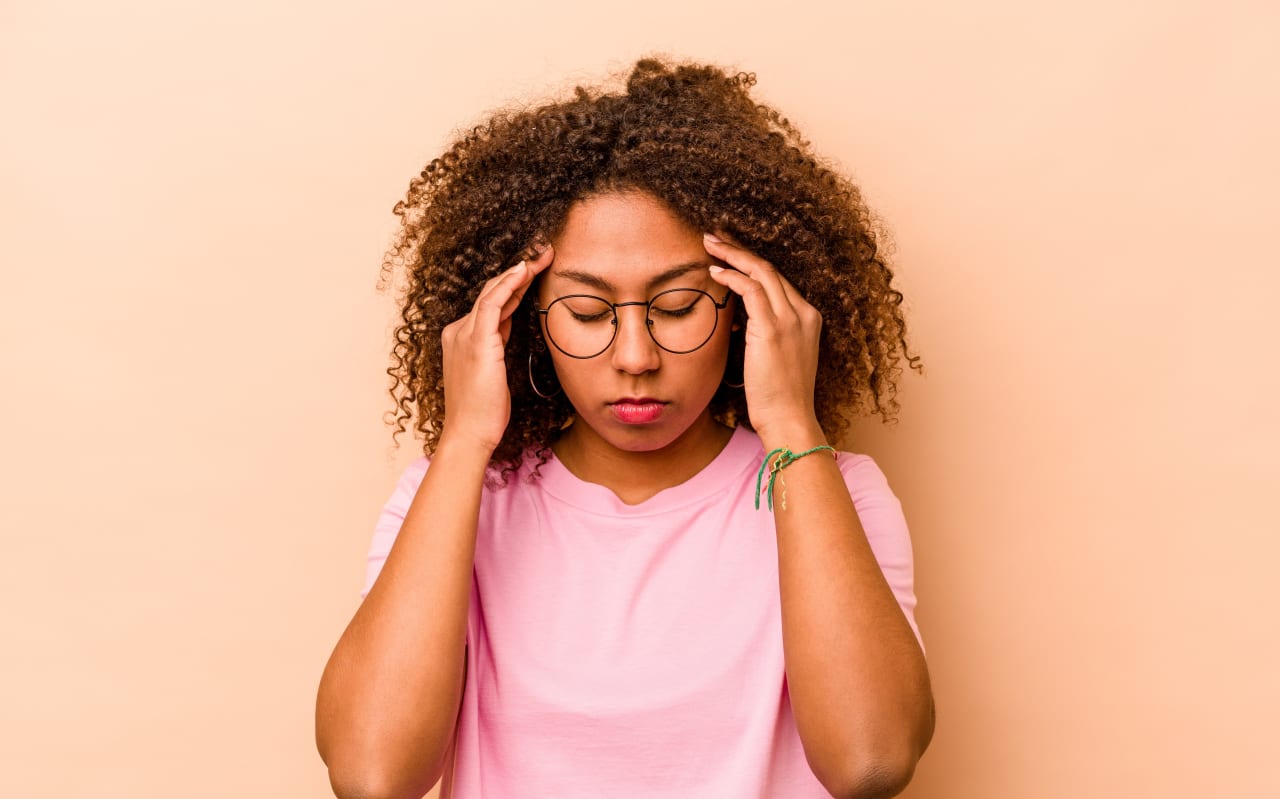
Distress, anxiety, panic… there are many words to describe the body’s reaction to fear. While a normal emotion experienced in response to stress, anxiety can become a real source of suffering when it leads to constant distress and disrupts daily life.
Difficulty concentrating, insomnia, bouts of anxiety, panic attacks, feelings of unease… when anxiety rises and its symptoms become too disruptive in daily life, there are natural ways to restore calm and peace of mind.
Discover our experts’ tips and natural solutions for combating anxiety and stress with essential oils.

Anxiety is a distressing worry, an emotion that manifests as a vague sense of fear—often without a specific cause—and through unpleasant symptoms of stress: muscle tension, irritability, difficulty concentrating, a lump in the throat, insomnia....
Distress, on the other hand, occurs sporadically but very intensely, in the form of distress or panic attacks. These panic attacks, which may be associated with a state of anxiety, occur suddenly and unpredictably. One then experiences intense fear with the feeling of losing control or even dying, a sense of immediate danger, and very unpleasant physical sensations (palpitations, a feeling of suffocation, sweating, trembling, general malaise…), which only heighten the panic. When they occur repeatedly, these attacks may be part of a panic disorder, in which the person is also very afraid of having another panic attack.
Breathing is a valuable tool for calming anxiety attacks. During anxious states, breathing tends to remain confined to the upper body, meaning that breathing is shallow and does not fully fill the lungs. Furthermore, during a panic attack, breathing tends to speed up, causing hyperventilation , which exacerbates the state of stress.
At the first signs of anxiety, it is helpful to focus on your breathing and make an effort to slow down your breathing. Various breathing methods can be used, aimed at breathing consciously, deeply, and slowly. For example, abdominal breathing is an effective technique for calming anxiety attacks: inhale through your nose, allowing your belly to expand (placing your hand on your belly can help you feel this), then exhale slowly as your belly deflates.
Breathing techniques pair perfectly with aromatherapy, as essential oils work in tandem to influence emotions through the sense of smell.
Generalized anxiety: how to cope? When should you seek help?
While it is normal to feel anxiety from time to time, it becomes pathological when it manifests excessively in relation to the actual threat or when it persists over time and disrupts daily life on a long-term basis. This is referred to as anxiety disorders, which include, among others, generalized anxiety and panic attacks (also known as anxiety attacks) Generalized anxiety, also known as "generalized anxiety disorder," is a chronic condition characterized by a constant state of worry that is difficult to control and lacks a specific cause. It causes difficulty in thinking clearly and managing one’s worries, as well as symptoms such as restlessness, irritability, difficulty concentrating, memory and sleep problems, and muscle tension.
Behavioral therapies can be helpful for generalized anxiety. If you experience a sense of distress, or if anxiety becomes persistent and prevents you from functioning normally in your daily life, it is important to consult a doctor or psychotherapist, who can provide guidance.
The Top 6 Essential Oils for Combating Anxiety and Managing Anxiety Attacks
Where does anxiety come from?
While the exact causes of anxiety disorders are not fully understood, certain factors appear to contribute to their onset: stressful or traumatic events, disruptions in certain neurotransmitters in the brain, hormonal imbalance, family history of anxiety disorders…
Anxiety can also arise during periods of uncertainty, in cases of information overloadthat one cannot process, or when one feels powerless or has lost control in the face of life events.
Expert advice
If you are prone to anxiety or panic attacks, adopting a healthy lifestyle is strongly recommended: quitting alcohol and tobacco, reducing coffee consumption, exercising regularly, and getting enough sleep. Breathing exercises, sophrology, relaxation, and meditation are also useful techniques for managing anxiety disorders and stopping panic attacks.