
Our natural tips for combating baldness
By Lou Dumas
Published on: Thursday, November 23, 2023, Updated on: Thursday, October 08, 2026
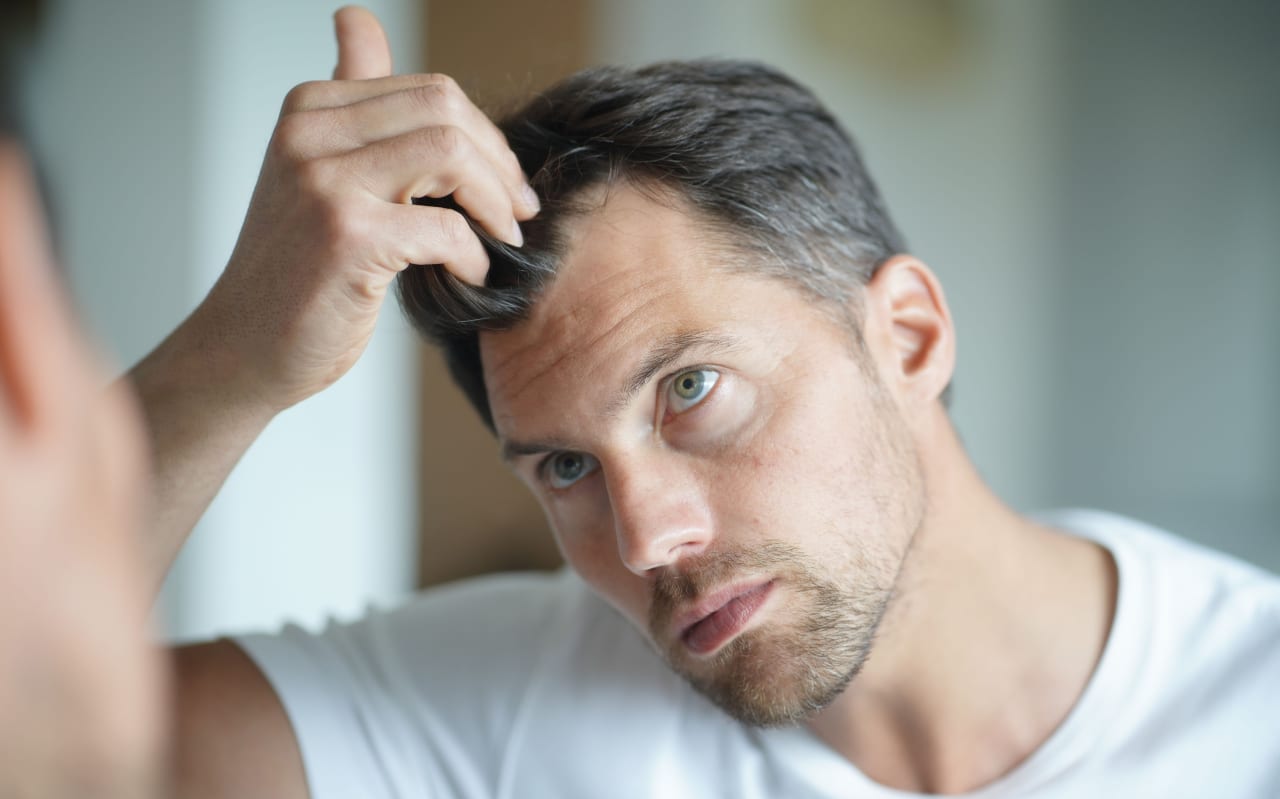
Baldness is defined as the total or partial absence of hair. It results from progressive hair loss, which often manifests as a receding hairline at the temples and/or hair loss at the crown of the head. About 13% of French people currently report suffering from baldness, a figure that has remained relatively stable since the 1990s. While aesthetically bothersome, it can nevertheless be effectively slowed down using natural remedies. Maintain your self-confidence by following our Aroma-Zone guide.
Contents
Related products
Repairing
Hair strengthening
£11.00
250 ml
Hair strengthening
£5.00
1 article
Anti-hair loss
£12.50
50 ml
2 options
Hair strengthening
£4.20
£6.00
10 ml
£5.50
250 ml
Anti-hair loss
Hair strengthening
£10.00
30 ml
2 options
Anti-hair loss
£18.00
33.5 g
Repairing
Detangling
£9.00
200 ml
In brief
In short:
Baldness, or androgenetic alopecia, is primarily linked to genetic and hormonal factors.
While it cannot be completely stopped, early intervention can often slow its progression.
A balanced diet, addressing any nutritional deficiencies, managing stress, and using targeted scalp care products can help maintain hair density.
The earlier treatment begins, the greater the chance that still-active hair follicles can be preserved.
What is baldness?
Baldness is both a genetic and hormonal phenomenon. Although it is generally considered to be a sign of ageing, it can appear as early as adulthood.
The hormone dihydrotestosterone (DHT) plays a key role in baldness. The sensitivity of hair follicles to DHT, which is also genetically determined, leads to a shortening of the hair life cycle and atrophy of these follicles. Under this dual influence, hair becomes both thinner and less numerous. This process is sometimes referred to medically asandrogenetic alopecia.
It is a natural process, not a disease in the strict sense of the term, but its impact on self-image can be significant for some people. This is borne out by the meteoric growth of the global hair transplant market in recent years (+30% in just 2 years, between 2019 and 2021). Allopathic products (drugs, dim light) are also available to slow hair loss or stimulate regrowth, but their effectiveness varies from one individual to another.
Moreover, baldness affects men more than women: 25% of men suffer from baldness, compared with only 2% of women. Although less likely to suffer from baldness, did you know that women are more prone than men to hair loss in general? If you suffer from any other type of alopecia, don't hesitate to consult our dossier: Hair loss - The most effective natural solutions.
The hormone dihydrotestosterone (DHT) plays a key role in baldness. The sensitivity of hair follicles (the small cavities where hair grows) to DHT—which is genetically determined—leads to a shortened hair growth cycle and the atrophy of these follicles. Under this dual influence, hair becomes both finer and less abundant. This process is sometimes referred to by the medical term androgenetic alopecia.
This is a natural process and not a disease per se, but its impact on self-image can be significant for some people. This is evidenced by the rapid growth of the global hair transplant market in recent years (+30% in just 2 years, between 2019 and 2021). Allopathic treatments (medications, low-level light therapy) are also available to slow hair loss or stimulate regrowth, but their effectiveness varies from person to person.
Furthermore, baldness affects men more: 25% of men suffer from it, compared to only 2% of women. Although women are less likely to experience baldness, did you know that they are more prone to hair loss in general than men? If you are concerned about another type of alopecia, feel free to check out our article: Hair Loss: The Most Effective Natural Solutions.
What causes baldness? What causes it?
When baldness begins, several factors can be the culprits:
Hereditary factors: were your parents themselves affected?
Hormonal causes: androgens, particularly dihydrotestosterone (DHT), can cause hair follicles to shrink, leading to hair becoming smaller or even disappearing;
Age-related risks: the likelihood of developing baldness increases with age;
Nutritional deficiencies: an unbalanced diet, and even more so long-term nutritional deficiencies (B vitamins, proteins, vitamin A, vitamin D, omega-3s, iron, zinc, etc.), significantly reinforce the phenomenon;
High levels of stress: stress contributes to hair loss in the broadest sense, and is therefore an integral part of the multifactorial causes of baldness. See also our special article: Everything you need to know about stress-related hair loss;
Underlying health conditionss: certain illnesses can be linked to premature baldness, so talk to your doctor.
What should you do on a daily basis?
Consequently, lifestyle changes yield good results in slowing down the process. A healthy diet, the use of targeted dietary supplements, and daily stress management can greatly help maintain hair health.
Adopt a balanced diet: opt for unprocessed, organic products; ensure you get enough protein (animal and/or plant-based); and stock up on vitamins and minerals with daily raw vegetables, fresh vegetable juices, or Quinton plasma, stay properly hydrated throughout the day with high-quality water (spring water, filtered tap water), and avoid refined sugars, stimulants, alcohol, and tobacco.
Engage in regular physical activity: any form of exercise improves blood circulation throughout the body, including the scalp, which can promote healthy hair follicles.
Establish a daily stress management routine: a simple breathing exercise such as cardiac coherence practiced for 5 minutes a day is sufficient. A short meditation session can also help you de-stress at regular intervals. The key here is really consistency...
What are the symptoms of baldness?
In men, baldness can be identified by the following signs:
A receding hairline at the temples: the hairline forms a characteristic M shape;
Decrease in hair density at the crown of the head: at this stage of baldness, the phenomenon progressively extends to the top of the skull and may even form a crown of hair or tonsure on the sides and back of the head;
Weak, fine, brittle hair.
In women, baldness results in a general thinning of the hair, that is even more marked at the top of the head, rather than a receding hairline.
It is normal to lose around 100 hairs a day. If you notice abnormal hair loss, apart from seasonal hair loss or periods of intense stress, this could also indicate the onset of baldness.
At what age can baldness start?
To put it simply and to the point: baldness can begin at any age, from early adulthood onwards, since it is the sensitivity of hair follicles to dihydrotestosterone (DHT) and genetics that determine the age at which baldness occurs.
In men, it is not uncommon for baldness to begin in their twenties, but it is more common in older age groups. In women, it is generally more common after the menopause, although it may appear earlier.
In men, it is not uncommon for hair loss to begin in their twenties, but it is more common in older age groups.
In women, it is generally more common after menopause, although it can appear earlier.
The earlier treatment begins, the more likely it is to preserve hair follicles that are still active. Once a follicle is completely atrophied, the chances of regrowth become much more limited.
Is it possible to stop baldness?
Baldness or androgenetic alopecia cannot be radically stopped, as it is mainly caused by genetic and hormonal factors.
However, there are products and interventions that can slow its progression, improve the appearance of remaining hair and, in some cases, stimulate hair regrowth: medication, low-light therapies, hair transplants, hair prostheses, etc. For more details on these conventional solutions, talk to your doctor or dermatologist.
You should also be aware that lifestyle changes have a positive effect on slowing down the phenomenon. A healthy diet, the use of targeted food supplements and daily stress management can go a long way towards maintaining healthy hair.
However, there are treatments and procedures capable of slowing its progression, improving the appearance of remaining hair, and, in some cases, stimulating hair regrowth: medications, low-level light therapies, hair transplants, hair prostheses... For more details on these solutions, don’t hesitate to speak with your doctor or dermatologist.
Which remedies for baldness actually work, according to science?
Several natural approaches can support the management of hair loss, provided you maintain realistic expectations.
Supporting the nutritional needs of hair follicles
The hair follicle is one of the body’s most active tissues. Its function depends on sufficient intake of protein, iron, zinc, B vitamins, and vitamin D. A scientific review published in Dermatology and Therapy in 2019 highlights that correcting identified nutritional deficiencies can help improve hair quality and limit certain forms of hair loss.
Regularly massage the scalp
Baldness: our natural solutions to prevent it
To prevent baldness or to help slow its progress, we've put together a list of effective Aroma-Zone tips and natural solutions.
Eat a balanced diet: Choose unprocessed and organic products, make sure you get enough protein (animal and/or vegetable), stock up on vitamins and minerals with raw vegetables every day, fresh vegetable juices or Quinton plasma, hydrate properly throughout the day with quality water (spring water, filtered tap water), avoid refined sugars, stimulants, alcohol and tobacco. Last but not least, add carrier oils that are rich in omega-3 to your seasonings(camelina, hemp, etc.).
Get regular exercise: Physical exercise of any kind improves blood circulation throughout the body, including the scalp, which can promote healthy hair follicles.
Start a daily stress management routine: A simple breathing exercise such as cardiac coherence for 5 minutes a day is enough. A mini meditation session can also help to bring the pressure down at regular intervals. The important thing here is to do it regularly...
Choose 1 to 2 courses of targeted food supplements from this list:
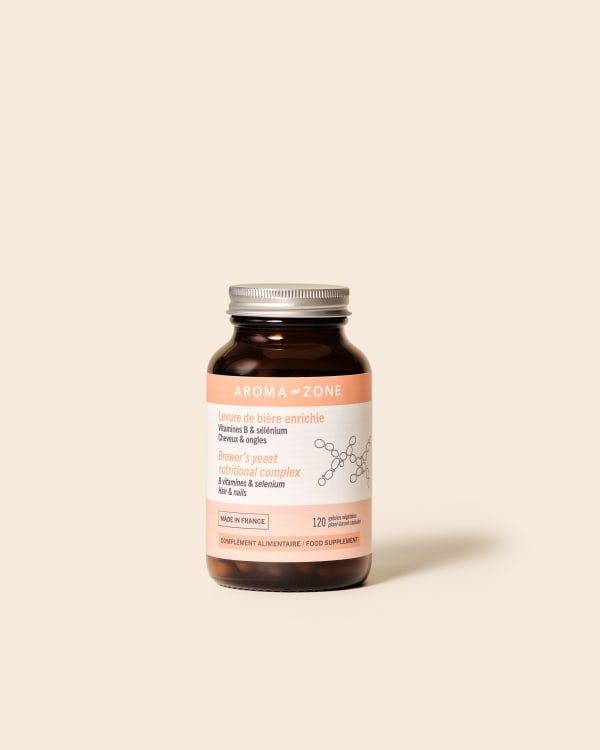
Ideal for strengthening and improving the health and appearance of hair and nails, this food supplement is made from organic brewer's yeast, vitamin B-enriched yeast and selenium-enriched yeast, with no unnecessary additives. Taking 2 capsules a day is enough to cover the recommended daily intake of B vitamins and selenium for enhanced effectiveness. These nutrients are particularly important for healthy skin and hair, and combining them with brewer's yeast optimises their uptake by the body. Give your hair the micro-nutrients it needs for vitality!
For adults only. Not recommended for pregnant or breast-feeding women. This food supplement contains biotin (vitamin B8). Biotin may interfere with thyroid hormone levels, so check with your doctor.
Enriched Brewer’s Yeast
Ideal for strengthening and beautifying hair and nails, this dietary supplement is made with organic brewer’s yeast, yeast enriched with B vitamins, and selenium-enriched yeast, with no unnecessary additives. Taking 2 capsules a day is enough to meet the recommended daily intake of B vitamins and selenium for enhanced effectiveness. These nutrients are particularly important for the health of the skin and hair, and combining them with brewer’s yeast helps the body absorb them more effectively. For adults only; not recommended for pregnant or breastfeeding women. This dietary supplement contains biotin (vitamin B8), which may interfere with thyroid hormone tests; please consult your doctor.
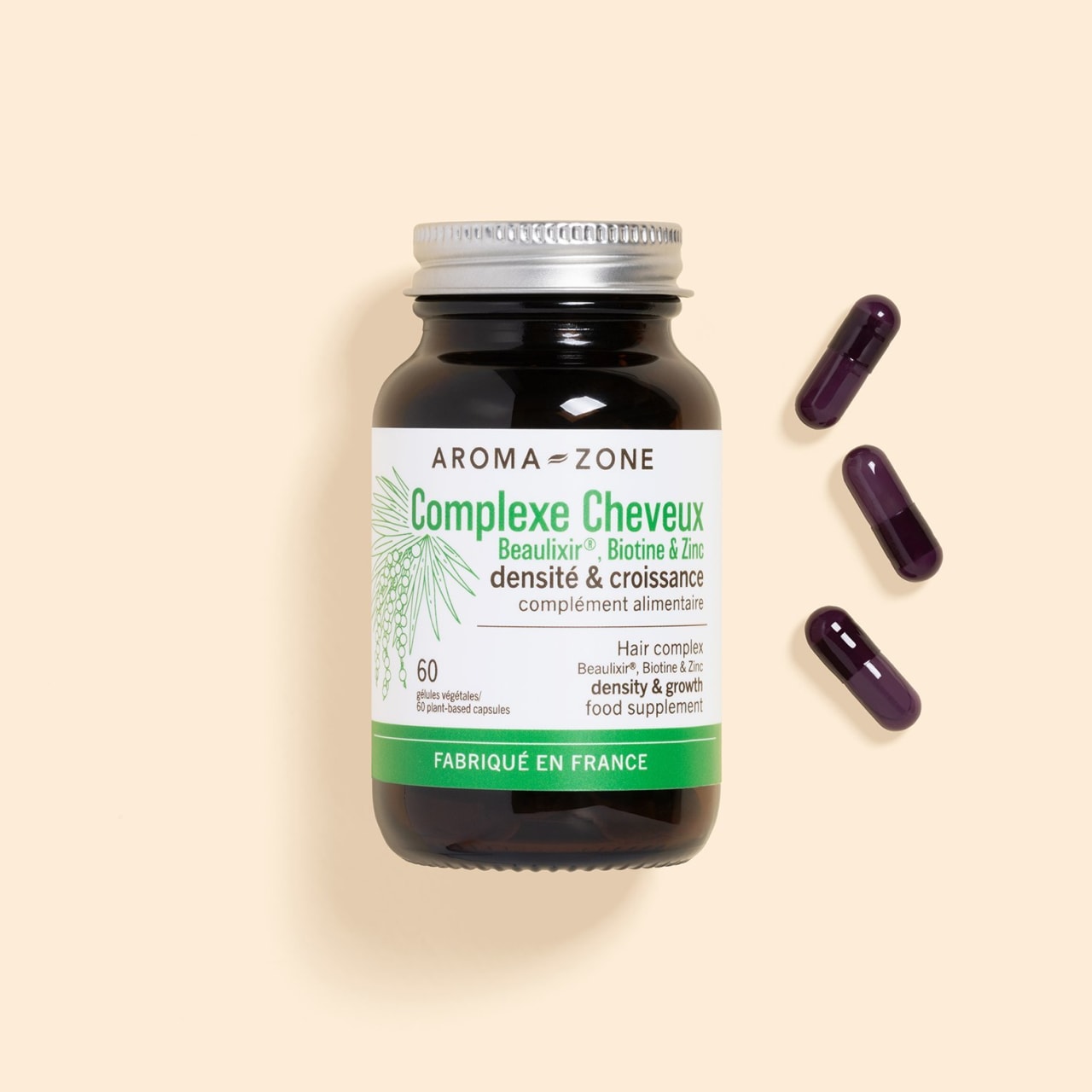
Hair Complex
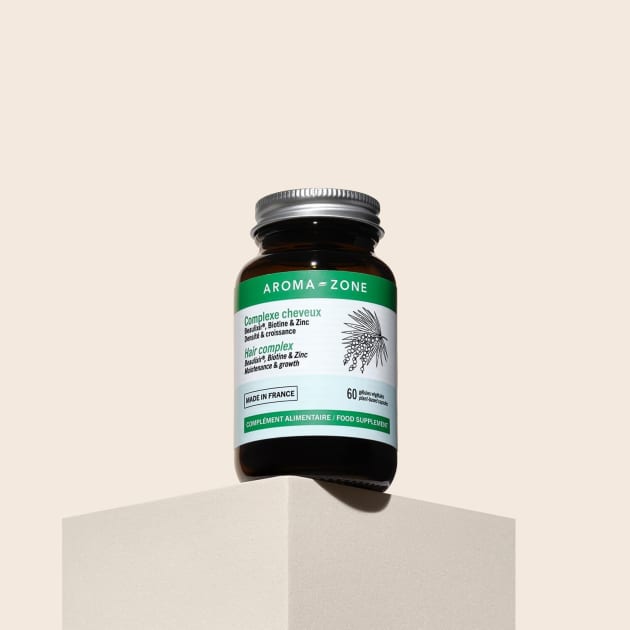
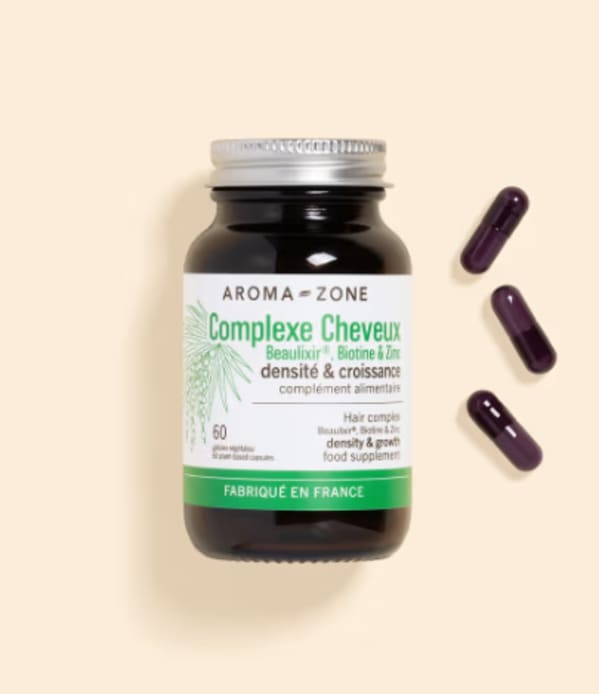
Formulated with the active ingredient Beaulixir®, clinically proven to reduce hair loss and improve the appearance of hair, it consists of oily extracts of Saw Palmetto, Borage, Flax, Wheat, and Rye, as well as pine bark phytosterols, which work synergistically with Zinc and natural Biotin (vitamin B8) to strengthen the hair fiber. Take 2 capsules daily, with a glass of water. Not recommended for pregnant or breastfeeding women, or those with a personal or family history of breast cancer. Should be used in conjunction with regular consumption of fruits and vegetables to maintain carotenoid levels. Take at least 60 minutes apart from medication; do not take if concurrently using anticoagulant therapy. Avoid consuming more than 3 grams of added plant sterols/stanols per day. Patients undergoing cholesterol-lowering treatment should only consume this product under medical supervision.
Grown in France and cold-compressed without additives, this high-quality organic spirulina stands out for its nutritional richness and exceptional phycocyanin content (a powerful antioxidant). It comes in easy-to-swallow tablets for daily use as a food supplement. Spirulina is ideal for temporary fatigue or for supplementing the nutritional intake of vegetarians, and is also renowned for its beneficial effects on hair skincare. A valuable go-to for good vitality and skincare!
Take 2 to 6 tablets a day, to be swallowed with a glass of water.
For adults only. For pregnant and breast-feeding women, ask your doctor's advice. Spirulina is not recommended for people suffering from phenylketonuria, haemochromatosis or excess uric acid.
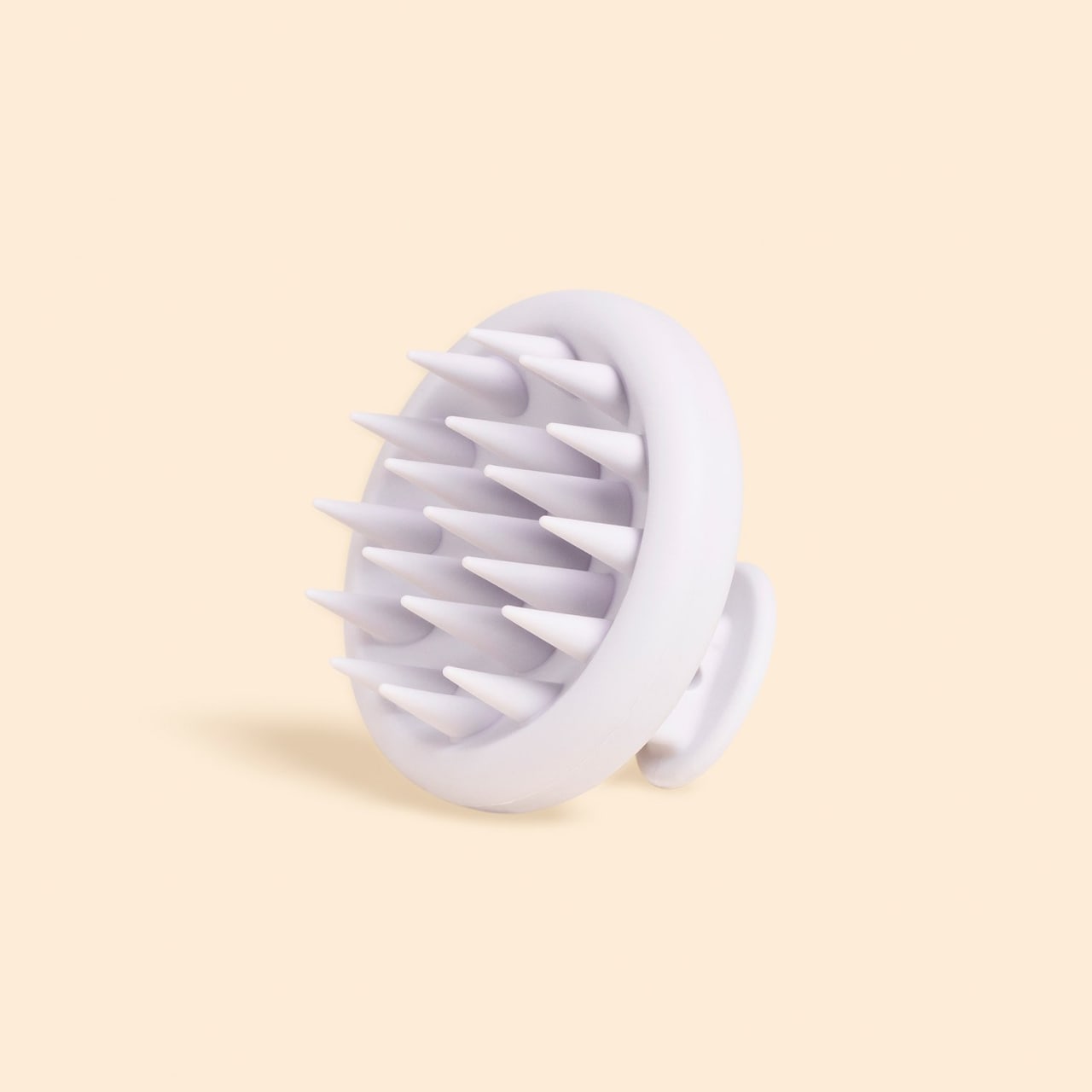
Scalp Massage Brush
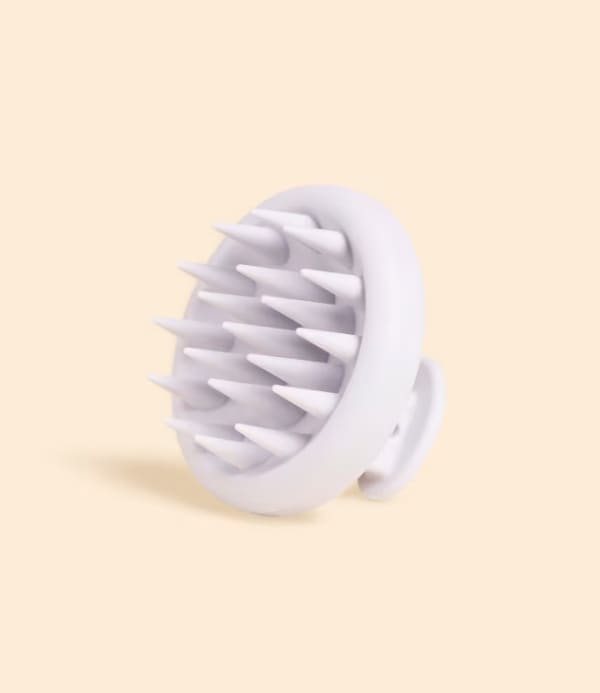
Its soft bristles stimulate the scalp, promote microcirculation, exfoliate, and optimize the application of hair care products for healthy hair. Ideal for creating a rich lather with your shampoo. Made of velvety silicone, it can be used in the shower on wet hair or on dry hair for a deeply soothing massage.
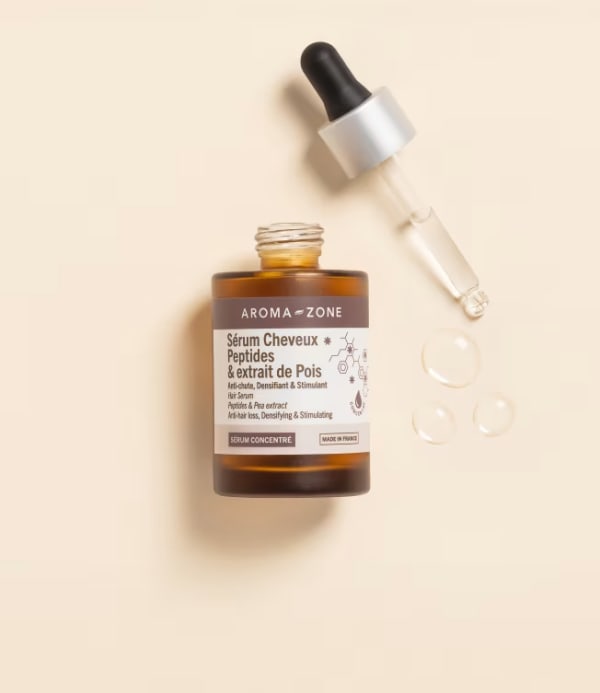
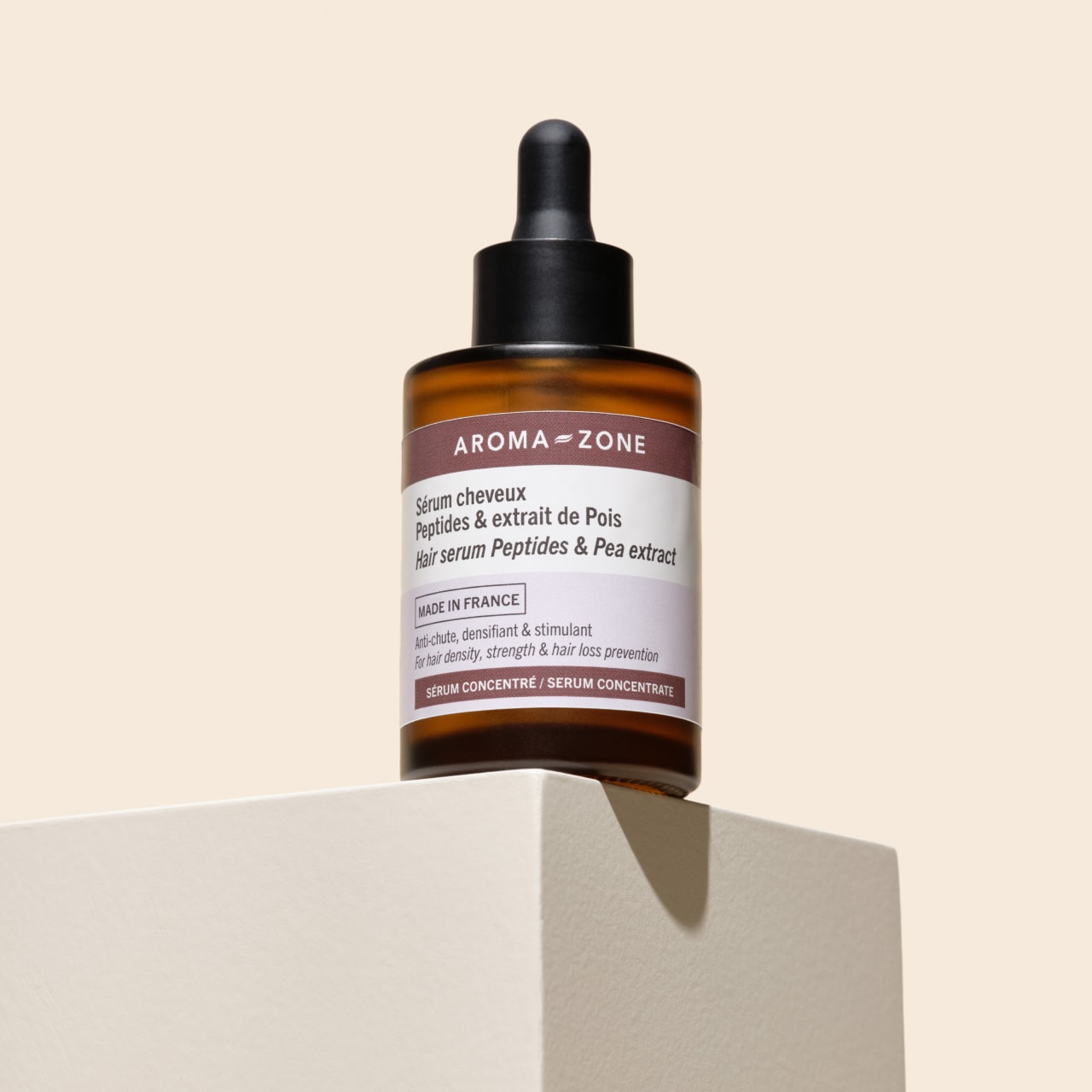
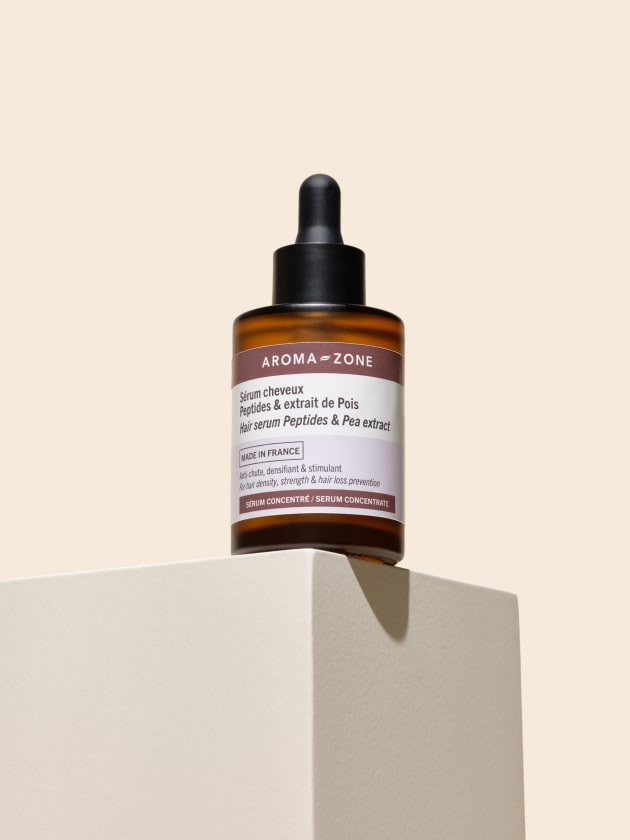
Anti-Hair Loss Serum with Peptides and Pea Extract
Effective for both androgenetic alopecia and for slowing occasional hair loss caused by stress, nutritional deficiencies, seasonal changes, pregnancy, or hormonal fluctuations, this leave-in hair serum combines peptides, pea extract, and red clover extract to thicken and strengthen hair right from the root.
Discover the Anti-Hair Loss Serum with Peptides and Pea Extract
Nettle is beneficial for blemished skin and brittle hair and nails, thanks to its high vitamin and mineral content. It is used in many cosmetic products, particularly hair care products (lotions, shampoos, etc.) to tone the scalp and combat hair loss and dandruff.
Use it as indicated in the hair strengthener recipe.
Opt for a hair care routine that is both specific to baldness and 100% natural:
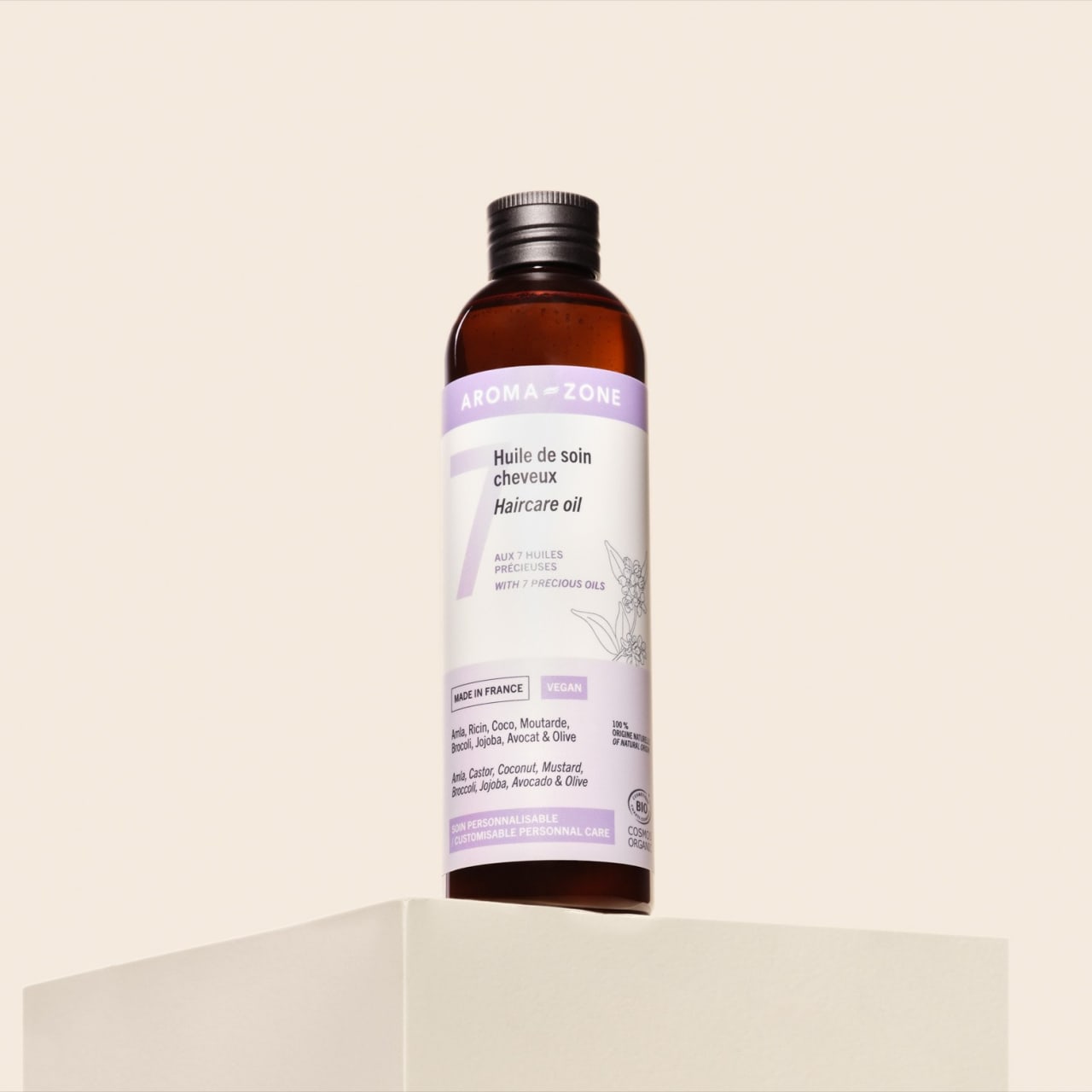
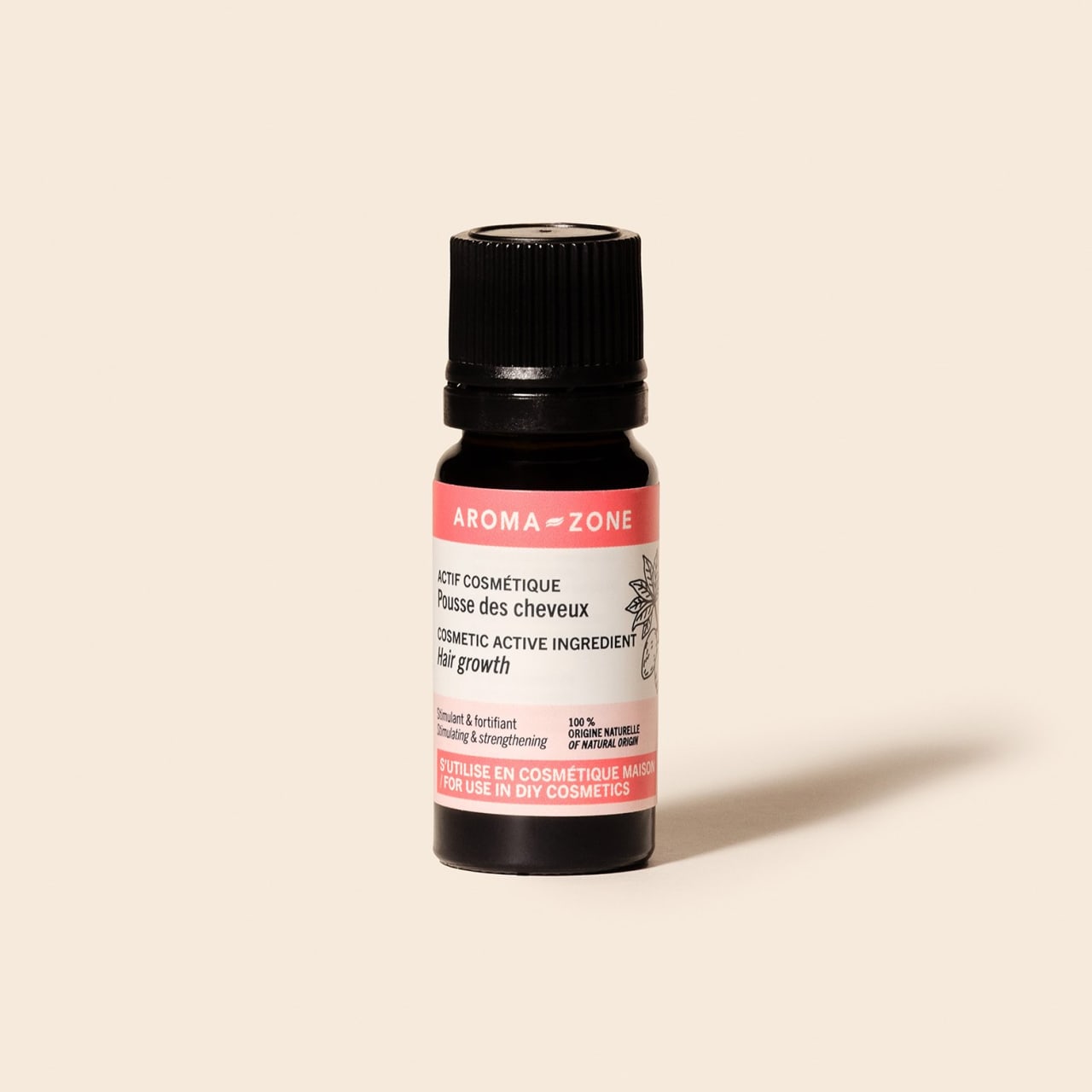
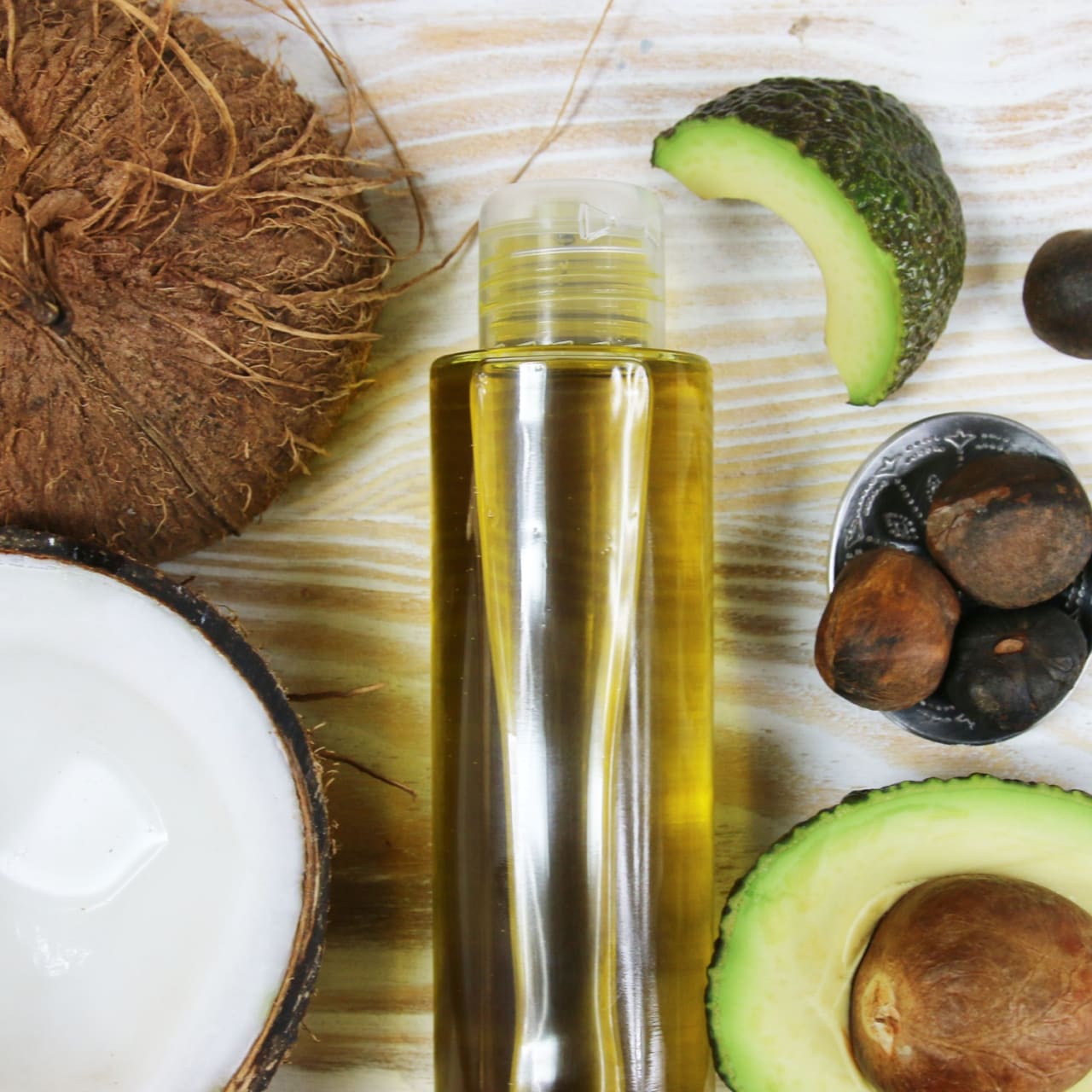
Use a growth-activating oil mask before each shampoo: 5 ml ofhair growth active ingredient; 35 drops of organic Atlas cedar essential oil. Not for use by pregnant or breast-feeding women, children, epileptics or the very elderly. This exceptional plant-based treatment combines castor, coconut, amla, avocado, olive, broccoli, jojoba and mustard and is customised with powerful stimulating active ingredients to fortify, nourish, repair, restore shine and discipline hair naturally and easily. Massage this mixture into the scalp using circular movements to boost local microcirculation, then leave on for 15 minutes before each shampoo.
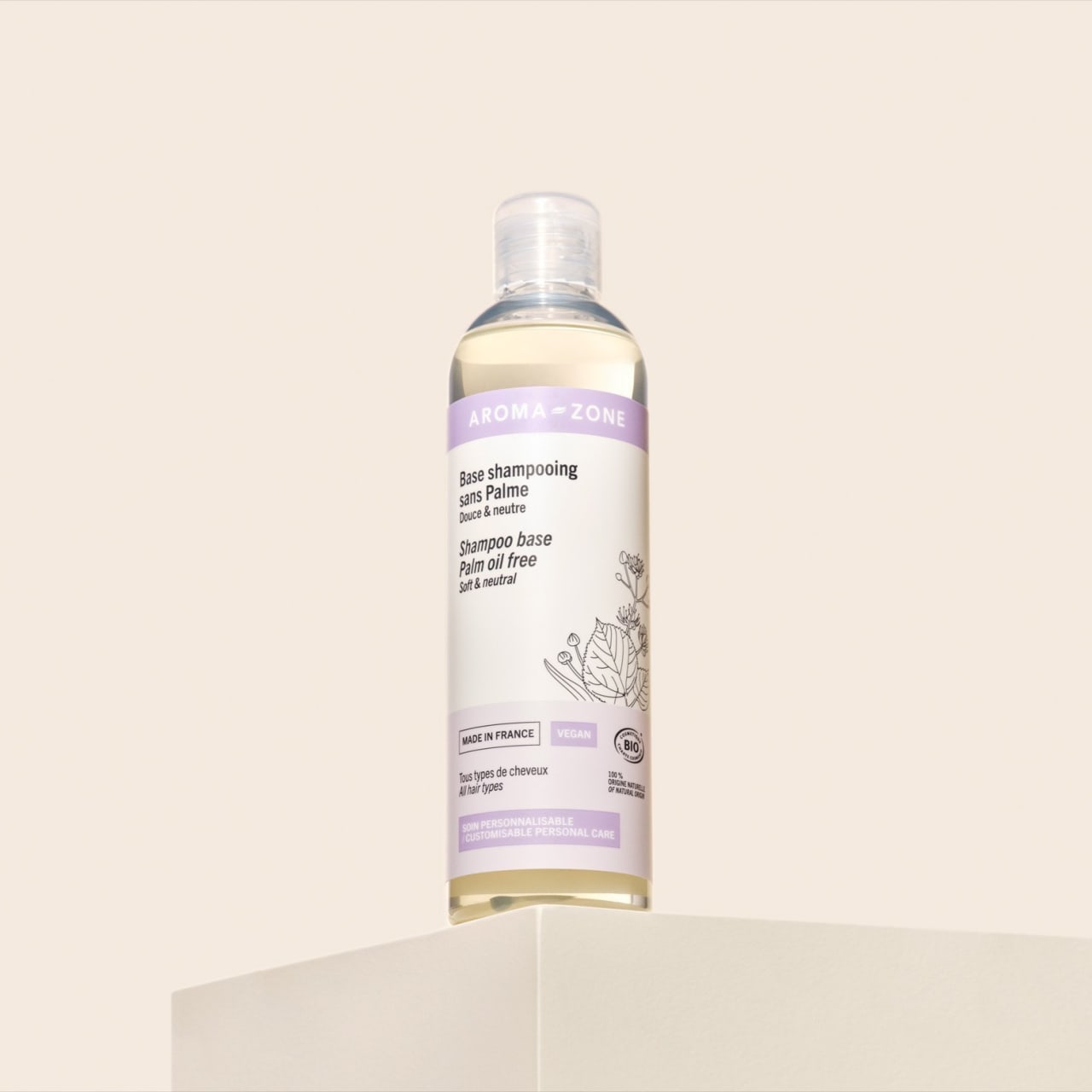
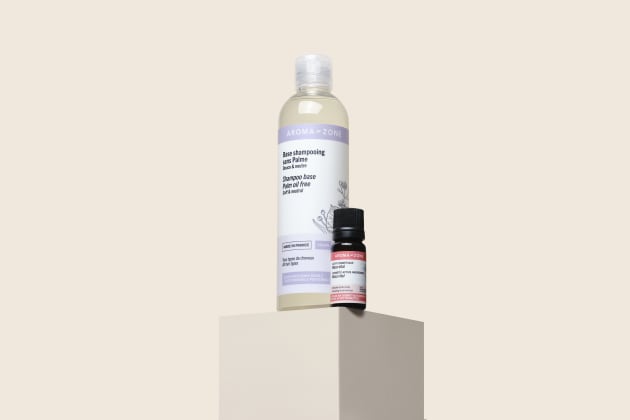
Use a gentle shampoo: to prevent or treat baldness, you should also avoid overly aggressive hair care products and frequent washing. Once or twice a week, after your stimulating oil mask, you can opt for a Neutral Palm-Derivative-Free Cleansing Base. Use it pure or add 35 drops of organic Atlas cedar essential oil, which stimulates hair growth, per 200 ml of Neutral Base.
Apply Aroma-Zone Anti-Hair Loss Serum daily before styling: Aroma-Zone Anti-Hair Loss Serum is ideal for both androgenetic alopecia and occasional hair loss caused by stress, nutritional deficiencies, seasonal changes, pregnancy or hormonal upheaval. It has been specifically designed to reduce the production of DHT (dihydrotestosterone), the main factor responsible for baldness. Its light, leave-in texture quickly penetrates the scalp without leaving a greasy, sticky film.
Using a comb or your fingers, separate the hair into 4 to 6 sections and apply a few drops of serum directly to the entire scalp. The equivalent of 1 to 2 pipettes is enough for one application to the entire scalp. For fine hair, we recommend the equivalent of one pipette. For thick hair, we recommend the equivalent of 2 pipettes.
Massage the entire scalp in circular movements for a few minutes until the serum is fully absorbed. This also activates microcirculation in that area. Do not rinse.
Precautions
Hair loss can have multiple causes: sudden, diffuse, or unusual hair loss requires medical advice. The advice presented in this article is not a substitute for a diagnosis by a healthcare professional.
Expert Advice
When faced with early-stage baldness, the most common mistake is waiting several years before taking action. Hair follicles sensitive to DHT gradually miniaturize. The more this miniaturization progresses, the harder it becomes to maintain hair density. In practice, it is advisable to combine several complementary approaches on a regular basis: monitoring for potential deficiencies, a diet rich in essential nutrients, stress management, and consistent use of scalp-specific care products.
Article written by Lou Dumas, Naturopath

Lou graduated from HEC in 2012. She gained ten years of experience in marketing for cosmetics and perfumes before becoming an independent consultant in this field. She recently completed a three-year naturopathy program at the European College of Holistic Naturopathy (CENATHO, Paris) with the goal of supporting the physical and mental health of the people she works with through a holistic approach to lifestyle.
Bibliography
Almohanna H.M. et al. (2019). The Role of Vitamins and Minerals in Hair Loss: A Review. Dermatology and Therapy
https://doi.org/10.1007/s13555-018-0278-6
Koyama T. et al. (2016). Standardized Scalp Massage Results in Increased Hair Thickness by Inducing Stretching Forces to Dermal Papilla Cells in the Subcutaneous Tissue. Eplasty
https://pubmed.ncbi.nlm.nih.gov/26904154/
Choi S. et al. (2021). Corticosterone inhibits GAS6 to govern hair follicle stem-cell quiescence. Nature.
https://doi.org/10.1038/s41586-021-03417-2
Gupta A.K., Talukder M., Williams G. (2022). Comparison of oral minoxidil, finasteride, and dutasteride for treating androgenetic alopecia. Journal of Dermatological Treatment
https://doi.org/10.1080/09546634.2022.2109567
French Society of Dermatology / dermato-info.fr. Everything you need to know about androgenetic alopecia. Updated on April 10, 2026.
https://dermato-info.fr/tout-savoir-sur-lalopecie-androgenetique
Frequently Asked Questions
Associated recipe
Associated tips
Hair care tips
Hair care tips

Hair care tips


