Androgenetic alopecia: natural remedies

Androgenetic alopecia (AGA): a complicated and often misused term to describe a common condition, frequently associated with men but which affects many women and can have a huge impact on their self-confidence and psychological well-being…

But what exactly are we talking about, what are the causes, and what natural treatments might be available?

Reading time: 0 min.

Androgenetic alopecia: what is it?

A combination of “andro” for androgen and “genetic” for its hereditary nature, this common condition is believed to be caused by a genetic predisposition that increases the sensitivity of our hair follicles to androgen hormones—commonly known as male hormones—even though women produce them naturally, albeit in smaller quantities.

Among androgen hormones, it is the action of DHT that is of particular interest to us—or, in reality, poses a problem. The action of DHT, or dihydrotestosterone, is considered to be about 5 to 10 times more potent than that of testosterone, from which it is derived. 

If it is secreted in excessive amounts or if there is a genetic predisposition making hair follicles more sensitive to this hormone (in about 80% of cases), then the size and lifespan of the follicles will decrease, gradually leading to thinning hair and reduced regrowth.
What causes androgenetic alopecia in women?

Androgenetic alopecia in women is a complex, multifactorial phenomenon that has not yet been fully elucidated.

While it is primarily caused by the predisposition described above, genetics is not the only factor. We now know that our genetic program is malleable. The same gene can be expressed very differently from one individual to another due to so-called epigenetic factors. These factors, which are mainly environmental and behavioral, can promote gene expression or, conversely, silence it.

Regarding AAG, specific epigenetic factors have been identified, such as oxidative stress, inflammation, and lifestyle factors like smoking, alcoholism, and obesity. And the good news is, we have control over these factors! 

Furthermore, other hormones can influence the progression of androgenetic alopecia in women, such as estrogens—which protect against androgens at the hair follicle level—as well as thyroid hormones and insulin. Yet these hormones are far too often overlooked in the management of this condition, even though regulating them can have a decisive impact on the progression of hair loss.

What are the symptoms of androgenetic alopecia?

While the name is the same, the manifestation of AAG differs between the two sexes.

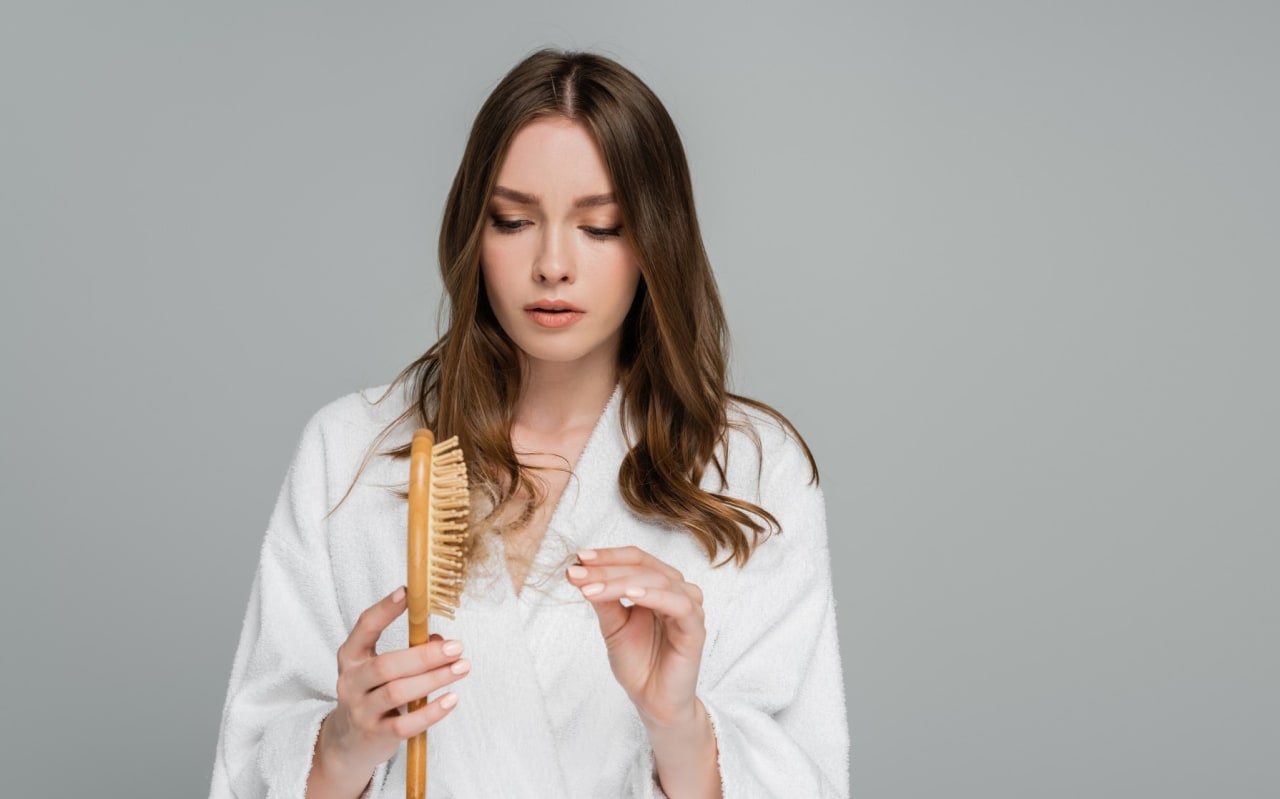
In women, the gradual loss of density tends to concentrate along the central part of the hairline. The hair becomes finer, miniaturizes, and thins out. In some cases, female AAG may follow the same pattern as in men, with the temporal area primarily affected—a sign generally associated with hormonal imbalance.

Beyond the phenomenon of miniaturization, other clinical signs may appear, such as lightening of hair color, increased sebum production causing the hair to become oily more quickly, and inflammation with redness, irritation, or pain.

This is why a thorough examination of the scalp by a specialized dermatologist, equipped with the appropriate tools, is essential for diagnosing the condition. The dermatologist can then perform a trichoscopy or a trichogram to make the most reliable diagnosis possible.

How can androgenetic alopecia be managed?

There is no cure for androgenetic alopecia—at least, not yet. But the good news is that its progression can be slowed.

To combat androgenetic alopecia, the first step is to get the right diagnosis. As you can see, we recommend starting by consulting a dermatologist who specializes in the scalp. They can recommend a treatment that slows hair loss by blocking the symptoms of the condition. 

What are the natural solutions to relieve androgenetic alopecia in women?

If you are affected by androgenetic alopecia (AGA), we encourage you not to settle for a simple allopathic treatment of the symptoms, which is merely a temporary solution whose effects fade once treatment is stopped. It’s important to stop hair loss quickly, but understanding the cause—what might be affecting your hormones or your DHT receptors—is the only way to achieve lasting, fundamental results.

Adopting an anti-inflammatory lifestyle, including dietary changes, emotional management, and improving sleep quality, is essential. Ensuring a balance of female hormones through thyroid and insulin regulation can also be a real turning point. Even more so in women than in men, androgenetic alopecia is multifactorial, and focusing solely on symptoms—on what’s happening on the surface—can cause you to miss the root of the problem.

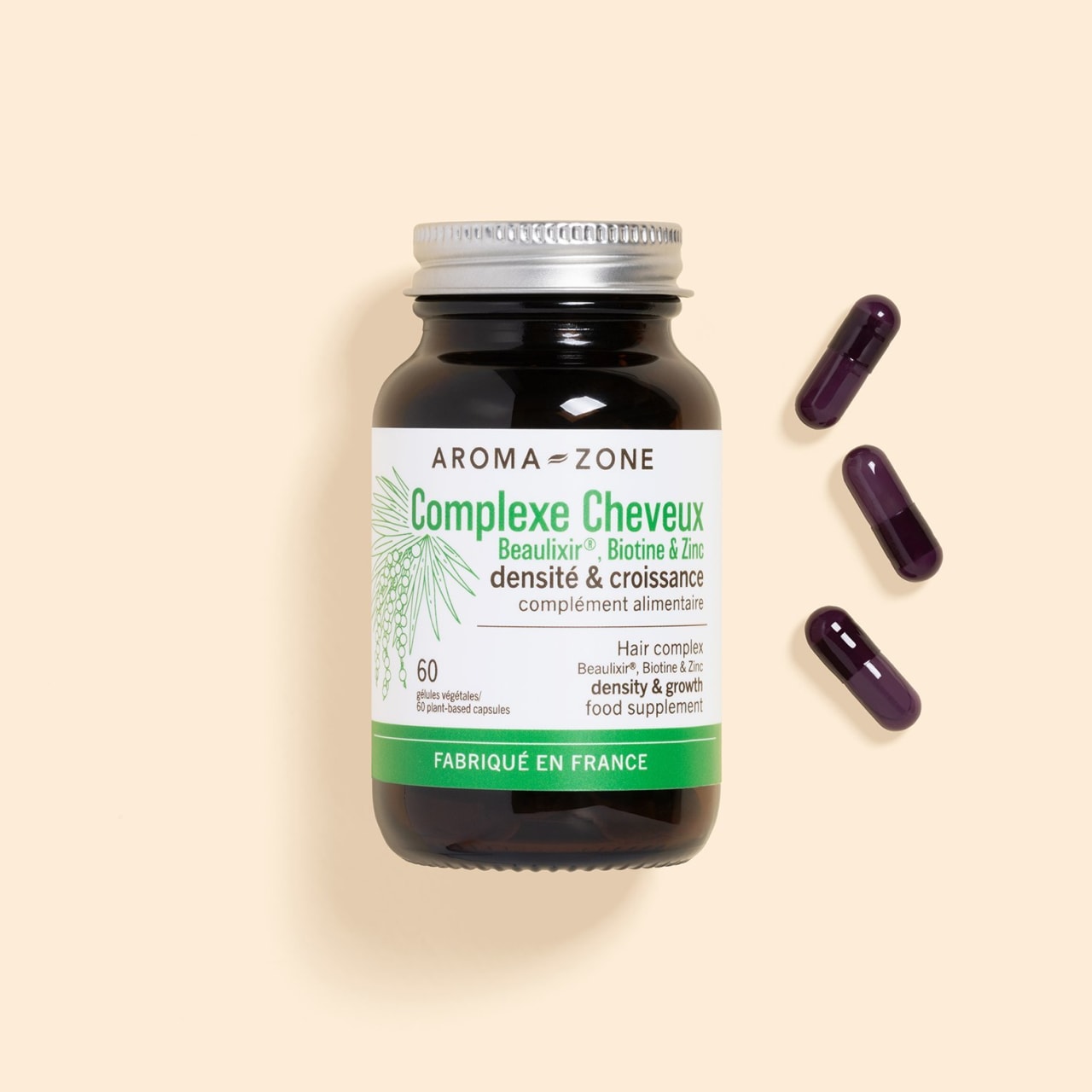
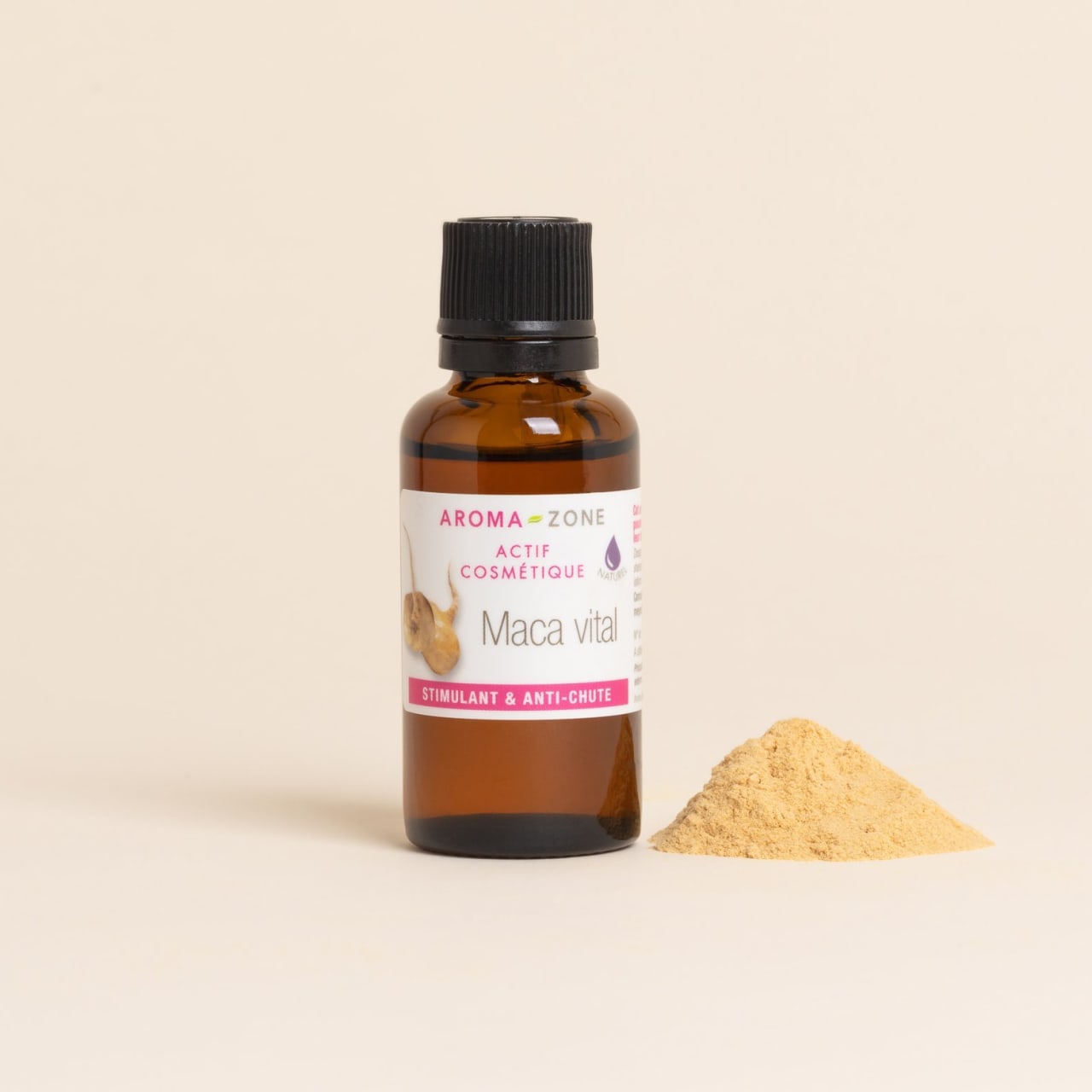
Furthermore, if you cannot tolerate pharmaceutical treatments or as a complement to them, certain natural ingredients can also be of great help, such as essential oils, for example. 

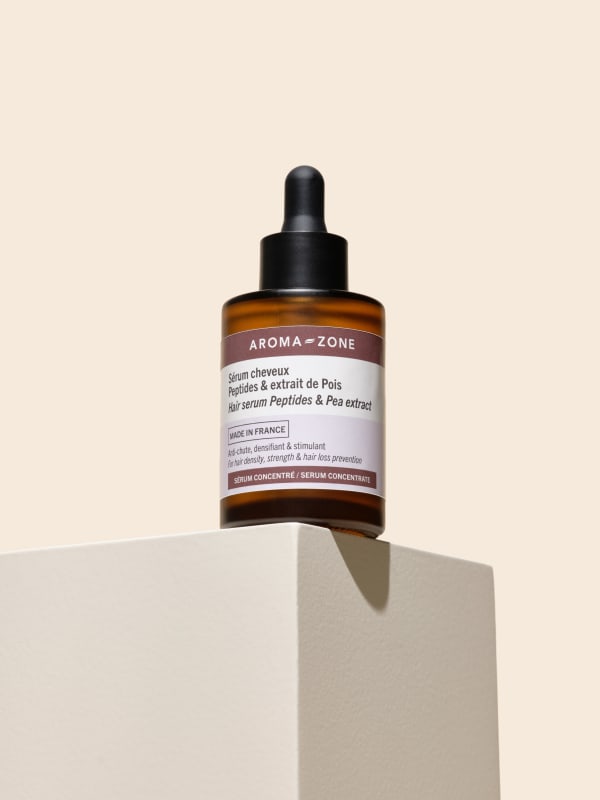
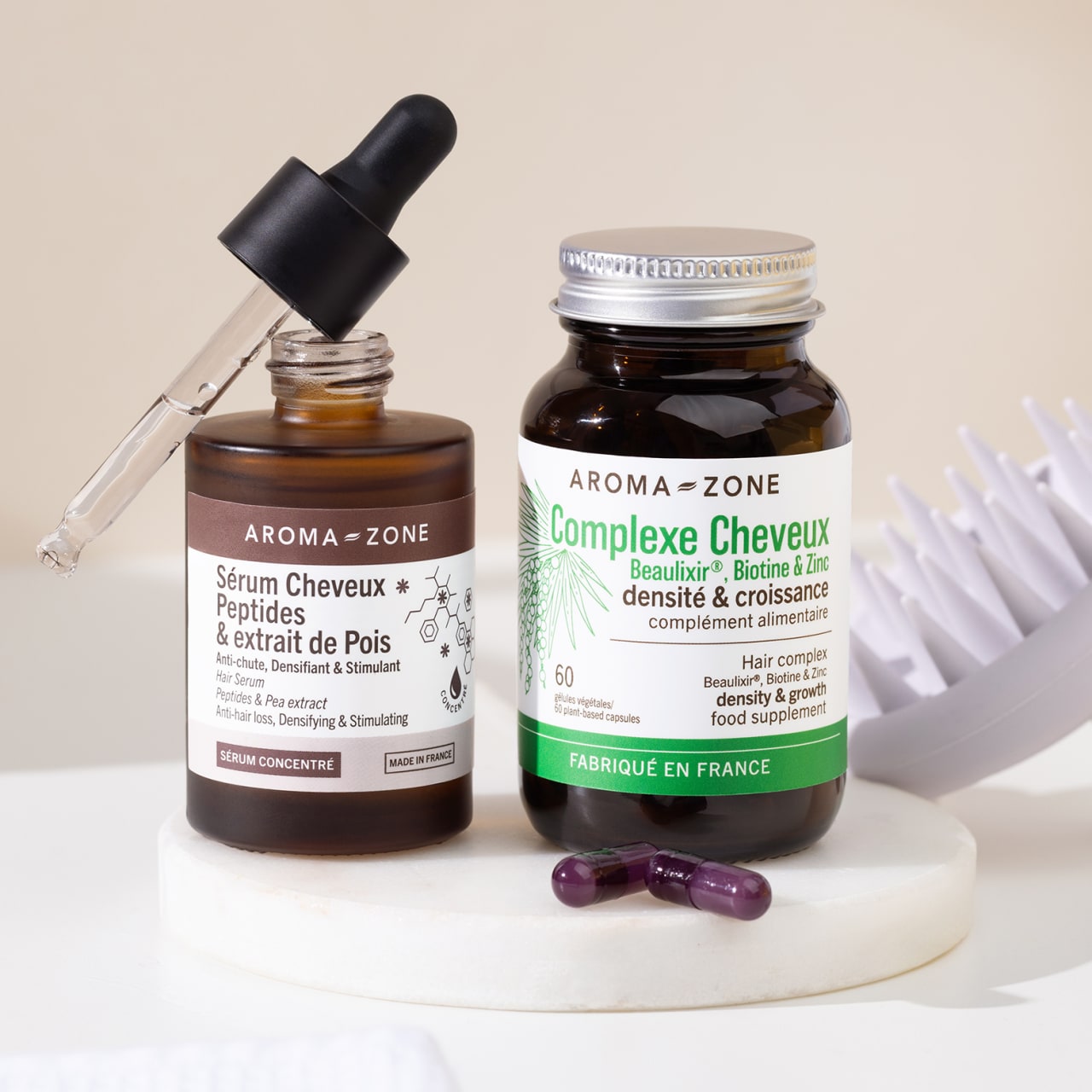
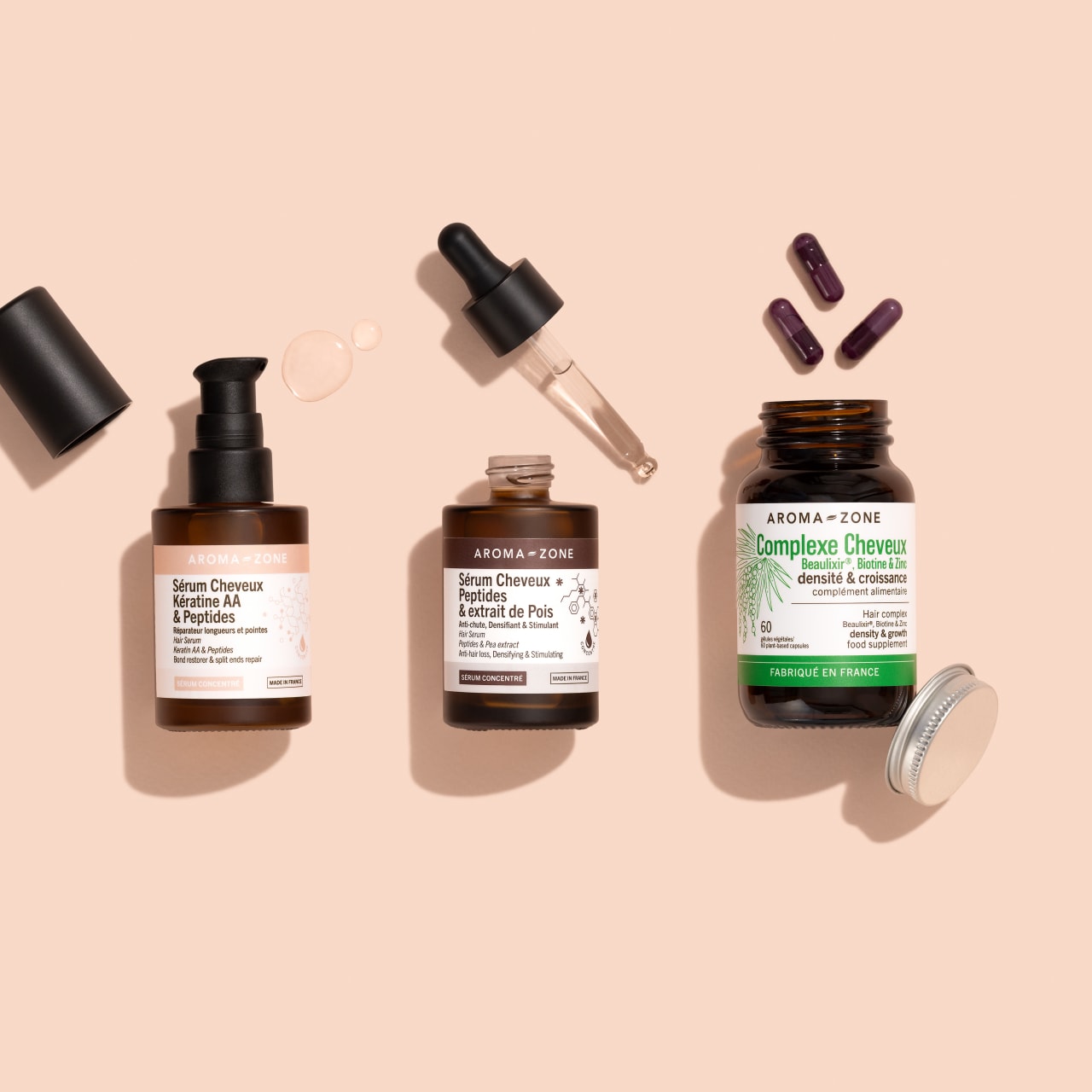
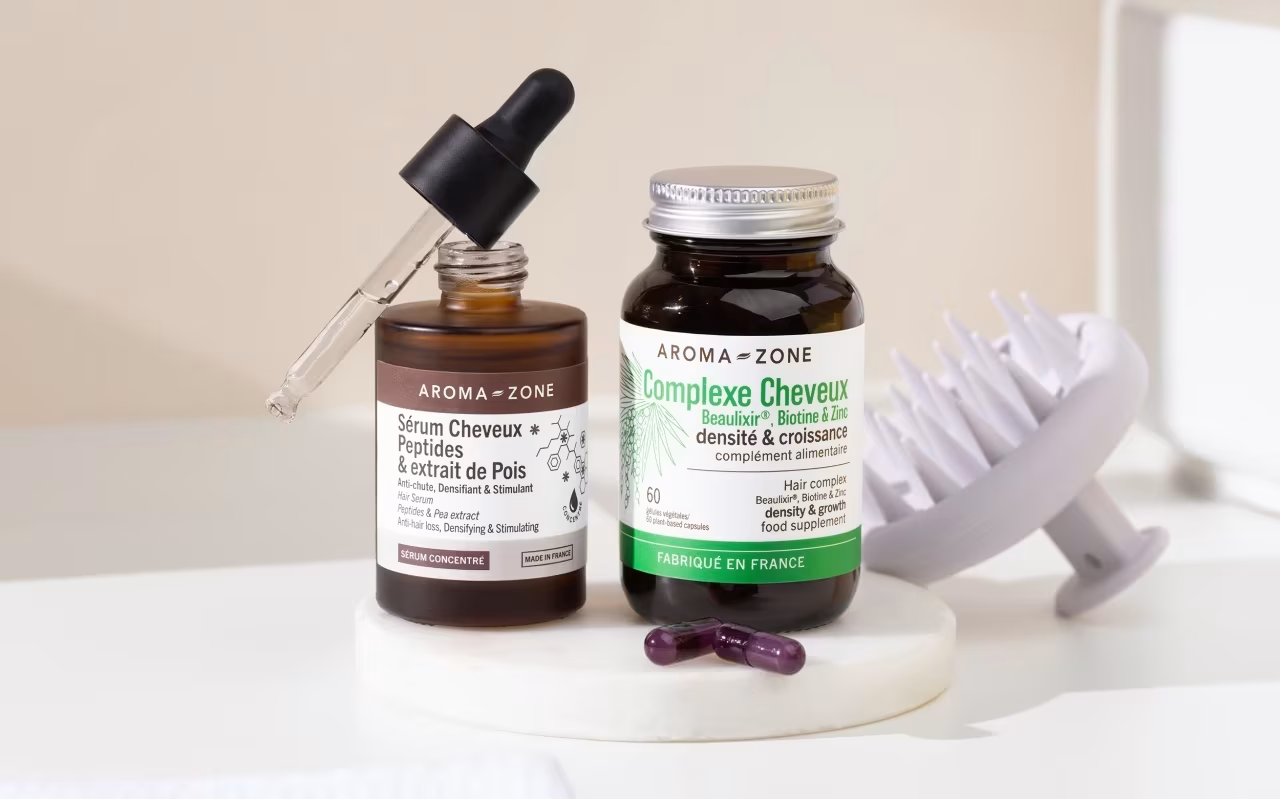
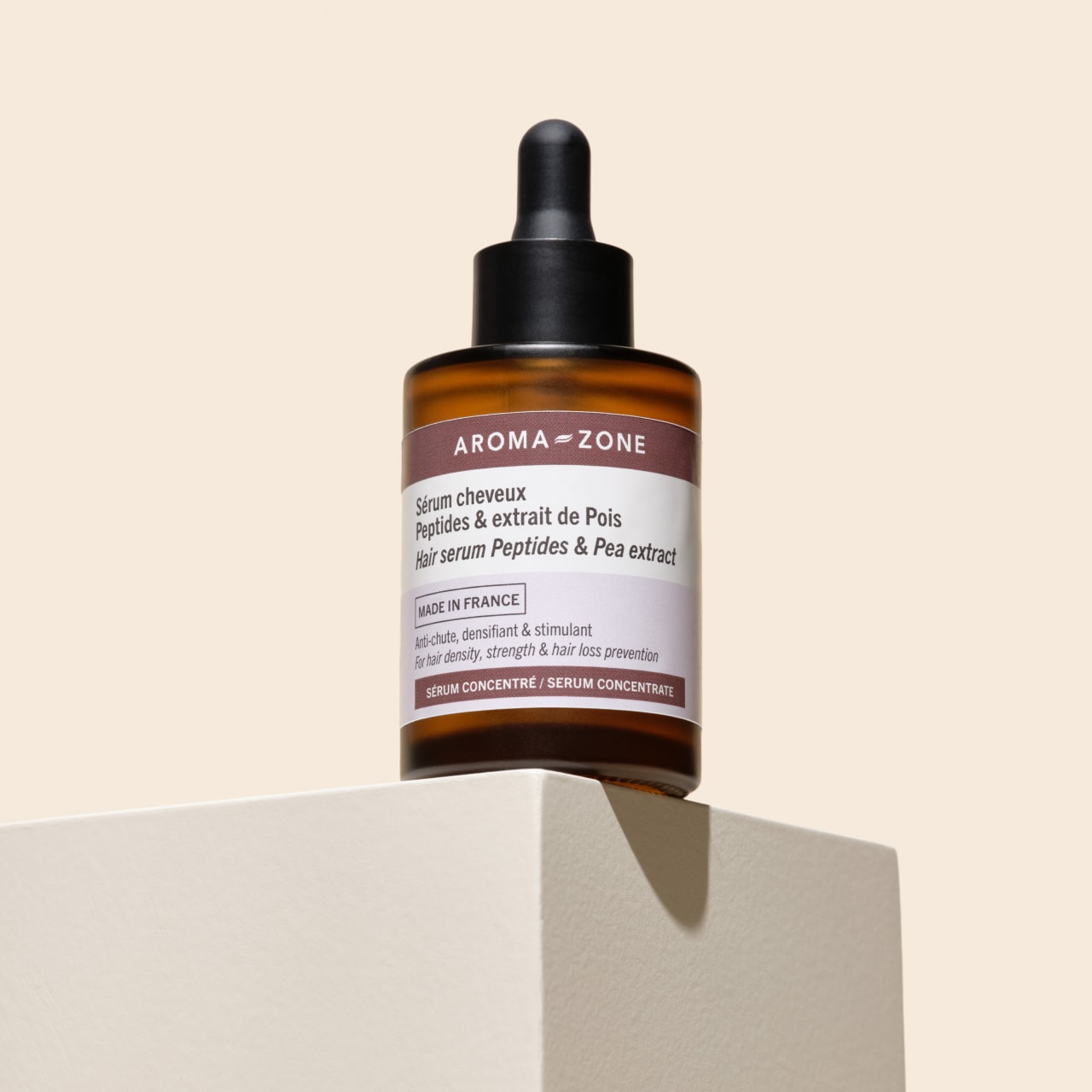
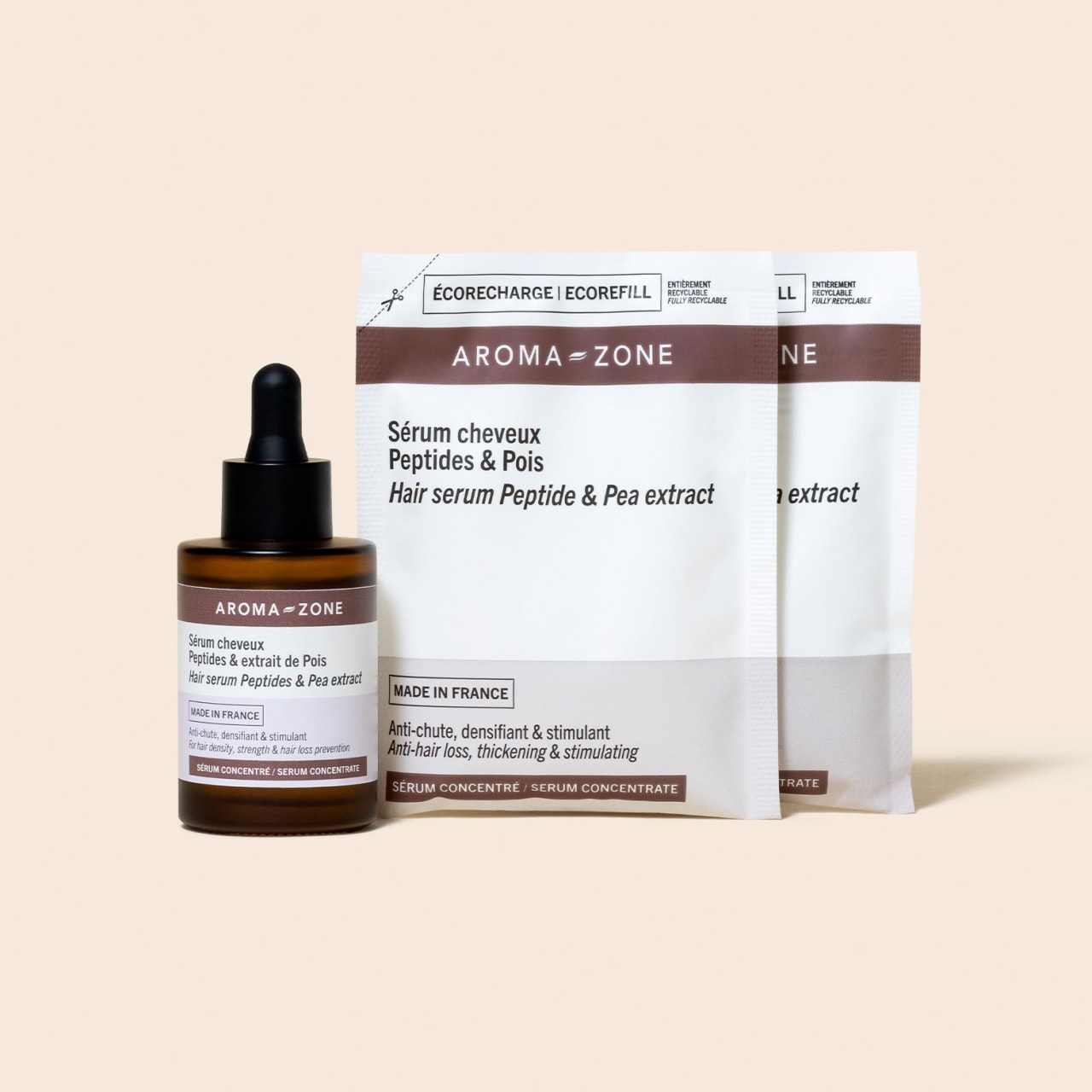
Spotlight on the Peptides & Pea Extract Anti-Hair Loss Serum

Other conditions and factors responsible for hair loss

Hair loss doesn’t necessarily mean androgenetic alopecia, even if the symptoms can sometimes resemble it.

Polycystic Ovary Syndrome (PCOS), often associated with elevated levels of circulating androgen hormones, can cause androgenetic alopecia. In this case, it is not the receptors that are particularly hypersensitive to DHT, but rather DHT itself, which is secreted in excessive amounts. The issue is also multifactorial and requires a comprehensive approach involving conventional medicine in partnership with a holistic therapist.

Hair loss may also be due to chronic telogen effluvium or postpartum hair loss. Hair loss will be more rapid with diffuse thinning across the entire scalp. If this excessive hair loss continues for more than 6 weeks, do not hesitate to consult your primary care physician.

Learn more

Does hair grow back after alopecia?

Every case is different, and the success rate isn’t 100%, but with the combined use of dermatology and a holistic approach like naturopathy, we can hope to stop hair loss or promote regrowth. If AAG has been active for decades, it would be unrealistic to expect to regain the hair of your teenage years; however, regaining density is possible!

And what exactly is androgenetic alopecia in men?

While the underlying cause is the same, the manifestation of AAG differs between the two sexes. In men, hair density and thickness gradually decrease at the temples, then at the crown of the head (receding hairline), potentially extending to the forehead and leaving a “crown of hair.”

Less of a taboo among men, male pattern baldness is more readily accepted but also viewed with greater fatalism, as a poisoned gift from our ancestors. Men therefore visit dermatologists less frequently to seek treatment, and even less often see naturopaths…

Is androgenetic alopecia common?

Androgenetic alopecia is the most commonly diagnosed form of hair loss. According to various sources, it affects between 30 and 50% of men and about 30% of middle-aged women.

Hair Loss and Age

As with men, the prevalence of androgenetic alopecia in women generally increases with age and can reach 90% among Caucasian women aged 80 and older (Rossi et al., 2016). 

While the condition is typically diagnosed in women aged 30 to 50, it may develop gradually before that age, making diagnosis more challenging. Furthermore, androgenetic alopecia may occur later in a woman’s life, around the onset of menopause, as the hormonal changes involved can influence the activity of androgen hormones.

Focus on our Naturopathic editor, Suzie Desmet

Suzie Desmet is a naturopath (ISUPNAT, FENA certified) specialising in natural hair health.

A sufferer of androgenetic alopecia herself, she helps women deal with the different types of hair loss (androgenetic, effluvium, post-partum) with a natural approach that addresses the root of the problem, not the symptoms.

Bibliography

1

Physiopathology and current treatments of androgenetic alopecia: Going beyond androgens and anti-androgens. Katzer T, Leite Junior A, Beck R, da Silva C.

2

“Rosemary oil vs. minoxidil 2% for the treatment of androgenetic alopecia: a randomized comparative trial.” Panahi, Yunes et al.

3

“Herbal preparations for the treatment of hair loss.” Zgonc Škulj, Ana et al.

4

Essential Oils: Warnings and Precautions for Use