
Lavender and peppermint essential oils are often cited for their potential to repel or eliminate head lice. However, their direct effectiveness on head lice is not well established. Although some studies suggest that these essential oils may have lice-repellent properties, there is not enough scientific evidence to confirm that they are effective in killing lice.
Preventing and Combating Head Lice Naturally
Every back-to-school season brings new routines, new teachers, and, all too often, the return of head lice and nits. Common in children's hair, these tiny parasites spread quickly through close contact and can be notoriously difficult to get rid of once they take hold. Since a female louse can lay up to 10 eggs a day, with those eggs hatching within just 7 days, early action is essential to prevent an infestation from escalating.
Discover our gentle yet effective solutions, along with simple and affordable tips to help prevent and tackle head lice naturally, soothe the scalp, and keep the whole family comfortable throughout the school year.

Understanding Head Lice
There are several reasons why using essential oils to combat head lice is a natural and effective approach. Firstly, you're opting for a natural method that respects your children's health. Unlike some harsh chemicals, essential oils have no harmful side-effects and can be used safely.
What's more, some essential oils are particularly effective because they have repellent, antiseptic and healing properties. This is the case with lavandin, tea tree, true lavender, Egyptian geranium and Atlas cedar essential oils. They emit fragrances that lice hate, which helps to keep them away from your hair. By using these essential oils as a preventive measure, you create a natural shield against head lice infestations.
What's more, these essential oils have antiseptic and antiparasitic properties that alter the cell membranes of lice, helping to eliminate them. At the same time, they purify the scalp and help small wounds caused by lice to heal, offering welcome relief.
A natural, safe alternative for protecting your children's hair from these unwanted little invaders.
Known anti-lice carrier oils
Applied as a hair mask or as an oil mask before showering, certain carrier oils are formidable lice killers.
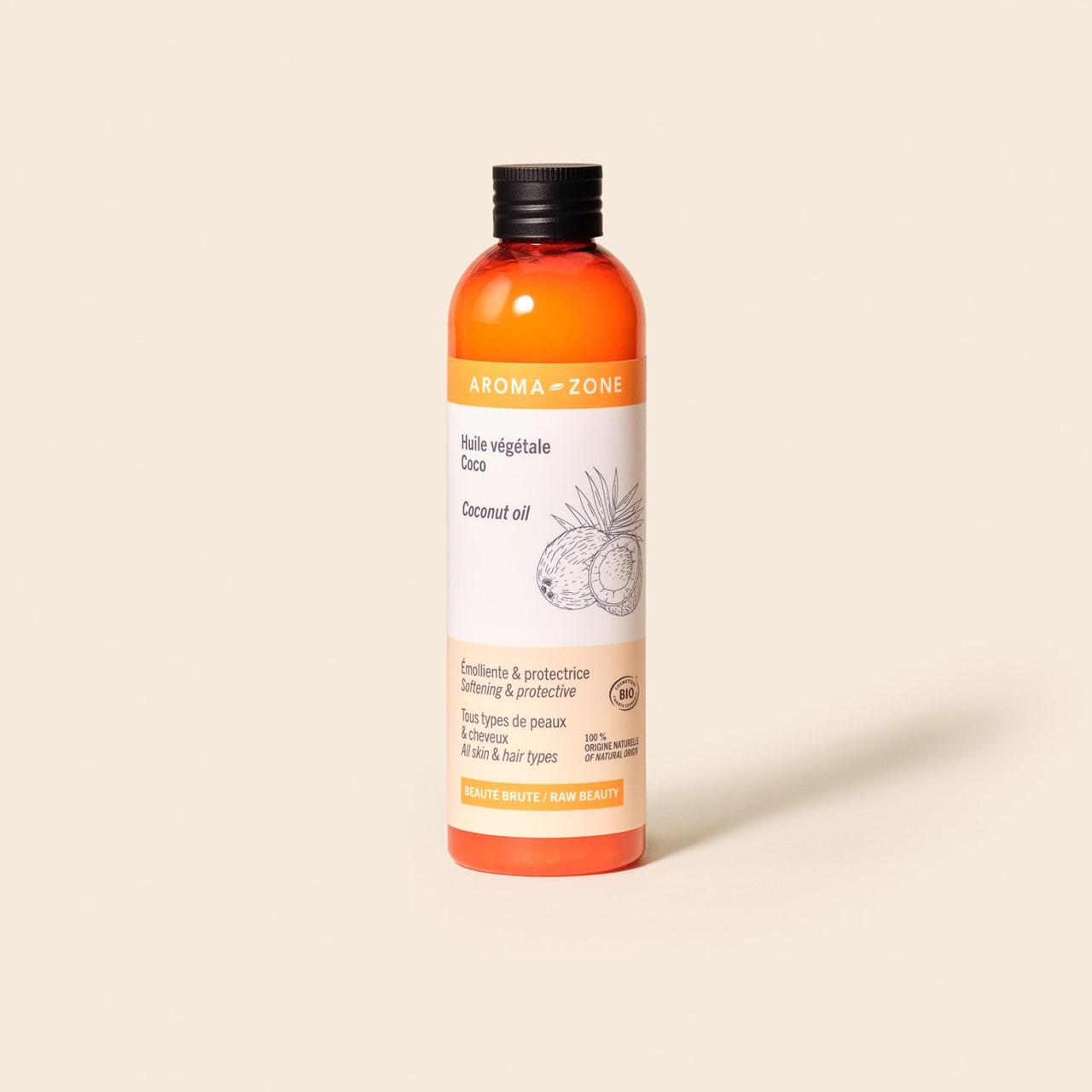
Coconut carrier oil (melt beforehand if necessary), applied evenly all over the hair, penetrates the lice's respiratory tract. It acts as a natural anti-lice agent, coating the lice and eventually suffocating them. It treats the problem while respecting the scalp. Tip: you can apply coconut oil to damp hair and leave on for 10 to 30 minutes before rinsing again. You can also make a mask and leave it on overnight in a towel.
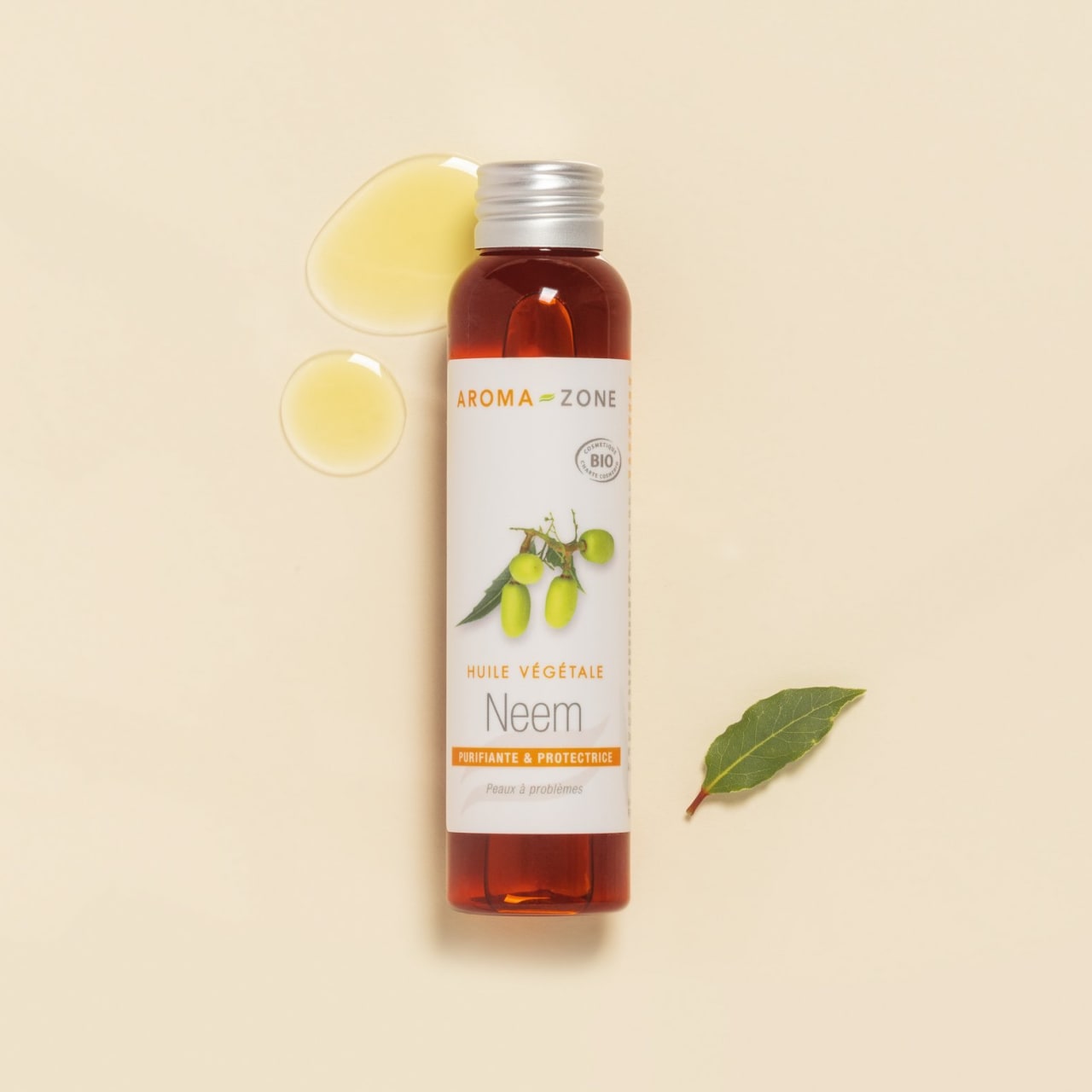
A formidable natural insecticide, neem carrier oil is commonly used to treat skin infections such as fungal infections, eczema, psoriasis and acne. It is also an antibacterial and antifungal oil that is effective against lice and nymphs, and even inhibits the development of nits thanks to its azadirachtin content. As well as gently moisturising the scalp, it relieves the itching caused by these parasites biting the scalp. Its scent is powerful and plant-based, making it ideal for use in combination with coconut, tamanu or safflower oils, for example. Tip: as with coconut oil, apply it as a mask all over your hair and leave on for a few minutes or overnight before rinsing.
As a general rule, for both oils, we recommend leaving the oil mask on for 30 minutes to 1 hour, then shampooing your hair with an anti-lice shampoo containing essential oils.
A few examples of recipes
Using a Fine-Toothed Comb on Wet Hair
Methodically combing wet hair with a lice comb is an effective alternative for combating lice and nits without using chemicals:
Wash the hair, apply a small amount of conditioner to help immobilise the lice and make it easier to use a lice comb, then detangle the hair with a regular comb.
Next, use a very fine lice comb, with less than 0.3 mm between the teeth, and comb the hair strand by strand, from root to tip.
Wipe the comb on a white handkerchief or towel after each pass to check for lice or nits.
Rinse the hair thoroughly at the end of the procedure.
Repeat this combing process every 2 days for about 10 to 14 days. During an outbreak, you can use the comb on wet hair once a week for early detection, often even before the child starts scratching.
This natural, insecticide-free method is suitable for young children, pregnant women, and people with allergies. However, it requires time, patience, and great care. If done incorrectly or too infrequently, it may not be enough to completely eliminate lice, especially if the head is heavily infested or if those around the child are not treated at the same time.
Frequently asked questions
How do you know if you have head lice?
Precautions and contraindications for using essential oils against head lice
Certain precautions must be taken when using essential oils to combat head lice:
Never apply pure essential oils directly to the skin, especially to children, as this can cause irritation.
Always dilute essential oils in a carrier oil before application.
Perform a skin tolerance test on a small area of skin before use.
Avoid contact with eyes and mucous membranes.
Do not use essential oils on pregnant women, children under the age of 3, people with asthma or allergies without prior medical advice.
By following these precautions, essential oils can be used safely and effectively to prevent and treat head lice infestations.
Expert advice
Expert advice
Head lice are parasites: repeated infestation can be a sign of a weakened immune system. It is strongly recommended that the child or teenager concerned should be offered regular courses of royal jelly, vitamins and/or trace elements to boost immunity.
Find out more

Do lavender and peppermint kill lice?

Do lavender and peppermint kill lice?

What scent scares off lice?

What scent scares off lice?
Certain smells are reputed to repel head lice. These include
Lavender: its sweet, floral scent is often cited as a natural head lice repellent.
Peppermint: its refreshing scent is also reputed to deter head lice.
Tea tree: the strong, pungent scent of tea tree essential oil is known to repel head lice.
White vinegar: its acidic, pungent smell is also reputed to be a natural head lice repellent.