
How to Neutralise the Smell of Cigarette Smoke?
Published on: Thursday, June 20, 2024, Updated on: Thursday, October 29, 2026
The smell of cigarette smoke can linger everywhere, such as in your home, on your clothes, in your hair, and even on your skin. It is full of compounds that impact air quality and affect our health. The smell of cigarette smoke is persistent and can linger for several weeks, depending on ventilation and the surfaces it has permeated. The good news is that there are natural solutions to neutralise the smell of cigarette smoke for good. Discover our tips for a healthier home below.
Contents
Related products

Moisturising
£10.00
100 ml
£7.00
250 ml
What Is Cigarette Smoke Made Up Of?
The smell of cigarette smoke is the result of the combustion of tobacco and the numerous additives found in cigarettes. These include, for example:
Nicotine: This sticks to surfaces and oxidises, giving off an unpleasant odour
Tar: Which leaves a pungent, lingering odour
Volatile Organic Compounds (VOCs): Such as benzene and formaldehyde, which are released into the air
Aldehydes: Molecules with a strong odour that irritate the respiratory tract
These particles do not simply float in the air and dissipate with the smoke. They cling to everything around them: fabrics, hair, skin, and even furniture. This explains why our hair or even a jumper can still smell of tobacco several hours after being in a smoky environment.
Why and How Does the Smell of Tobacco Linger?
Third-Hand Smoke
This is still a relatively little-known phenomenon, yet researchers at Harvard have been exploring this concept since the 2000s: ‘third-hand smoke (THS)’ (6). It refers to exposure to chemical residues from smoke that have settled on surfaces, textiles, hair, and skin when a cigarette is smoked, and which continue to be released into the air for days or even weeks afterwards (2).
Why Do These Substances Cling so Easily?
Nicotine and tar released during combustion adhere very easily to porous surfaces. A study published in the journal Tobacco Control (1) measured this deposition in a laboratory: after airing a room, 72% of the nicotine present in the smoke was found to have settled on surfaces, and 80% of the other substances remained deposited in the environment.
On cotton fabric, the experiment shows that the residues are 10 times higher than those present in the air (1). It is this deposition mechanism that explains why the smell lingers long after the cigarette has been put out.
Why Is Simply Airing the Room Not Enough?
You might think that opening the windows helps to refresh the air in the room, and it can, but it doesn’t remove the residues that have settled on surfaces (2). To get rid of them, you need to treat the affected items (fabrics, furniture, hair) and not rely solely on ventilation.
Why Do Hair and Fabrics Retain Odours More Than Other Surfaces?
Textile fibres are porous. Whether they’re fabrics, carpets, or even hair fibres, they act like sponges for particles. Their large surface area allows odour-causing compounds to adhere easily, making the smell of tobacco particularly difficult to remove without a deep clean or a thorough shampoo. The same applies, for example, to the smell of fried food.
Cigarette Odours: What Are the Risks to Your Health and Your Home?
The smell of tobacco isn’t pleasant, but it’s not just a matter of odour. It can have many tangible consequences:
On Respiratory Health: Inhaling smoke, even residual smoke, can aggravate conditions such as asthma or chronic bronchitis, particularly in young children, who are more exposed due to their close contact with surfaces in the home
On Walls and Furniture: Tar residues can cause gradual discolouration of paintwork and upholstery
On Clothes and Textiles: Fibres absorb the particles deep within, which explains why an item of clothing can still smell of tobacco long after being exposed to cigarette smoke
On Skin and Hair: Direct contact with smoke deposits particles which are then transferred to everything you touch, such as bed linen, other people, etc. These substances also contribute to skin ageing
What’s the Difference Between an Air Freshener and an Odour Neutraliser?
Before choosing a solution to neutralise cigarette odours, it’s important to distinguish between odour neutralisers, odour absorbers, and air fresheners as these products do not work in the same way.
| How They Work | Examples | Duration of Effectiveness |
Deodoriser | Masks odours with other fragrances | Scented candles, traditional room sprays | Temporary; the odour returns once the fragrance has faded |
Odour Absorber | Captures odour molecules without destroying them | Activated carbon, bicarbonate of soda | Variable; depends on the saturation of the absorbent |
Neutraliser | Acts on the molecules responsible for the odour | Longer-lasting; treats the source rather than simply masking it |
With these differences in mind, you can choose the product that best suits your needs. To help you decide, here's our selection:
Which Cigarette Odour Neutraliser Should You Choose for Real Results?
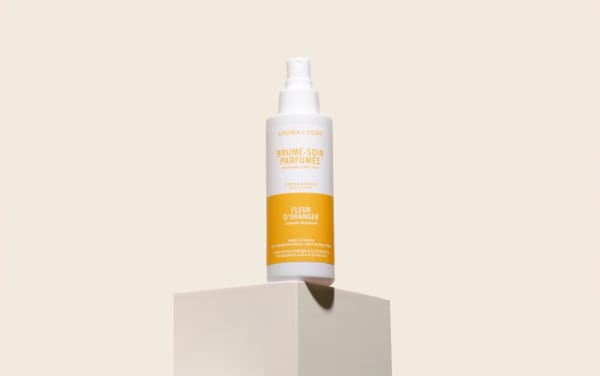
Orange Blossom Scented Body and Hair Care Mist: Formulated without alcohol and enriched with naturally derived moisturising active ingredients, this mist envelops your body and hair in a gentle orange blossom scent while caring for your skin. It is suitable for most skin types and all hair types, including textured hair, but it is not recommended for sensitive or atopic skin. Spray from a distance of about 20cm onto the hair or body.
Precautions: For ages 12 and over. Do not use on the face. Avoid contact with the eyes. Do not use on pregnant or breastfeeding women.
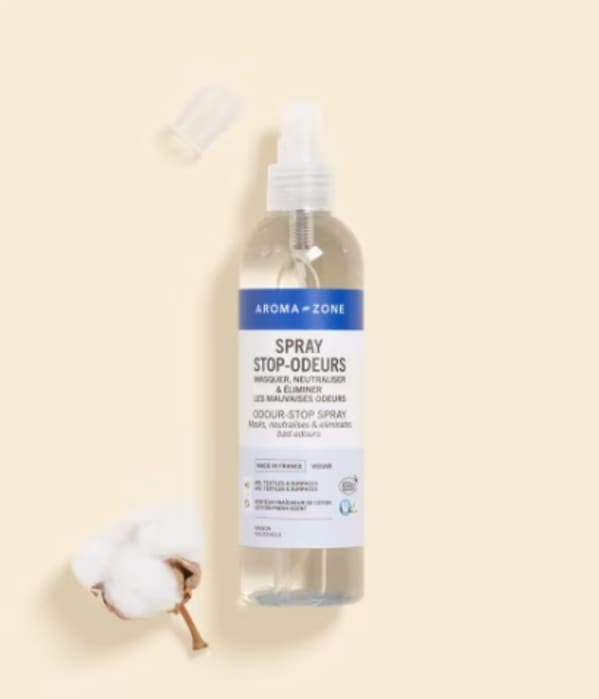
Odour-Neutralising Spray: Eliminate unpleasant odours from your rooms and fabrics with this Ecocert-certified spray, which has a floral, fresh-laundry scent and is 100% natural. Its patented, biodegradable technology quickly and effectively neutralises all types of unwanted and stubborn everyday odours, such as tobacco, rubbish bins, and toilets. Certified Air Label Score A+, this spray guarantees very low emissions into indoor air.
Precautions: Store at room temperature and away from heat, ensuring the bottle is tightly closed after use. Avoid contact with the eyes.
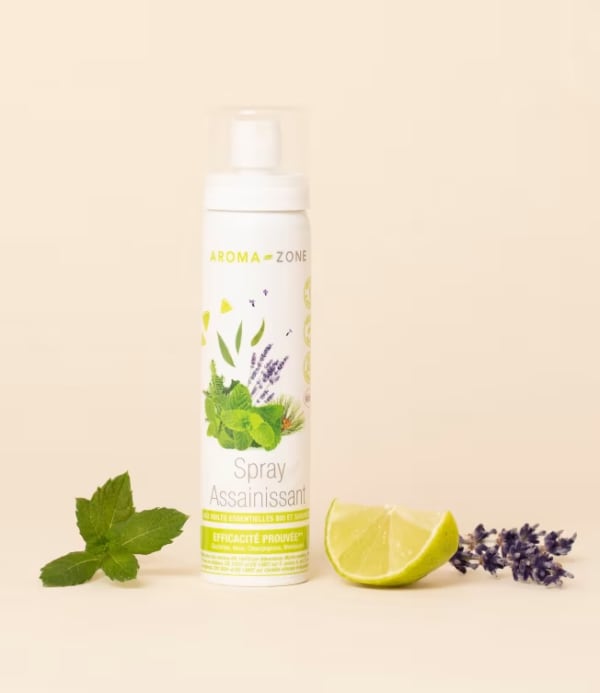
Purifying Sanitising Spray With Essential Oils: Sanitise your home with this plant-based purifying spray with proven effectiveness! Highly concentrated in organic essential oils, this sanitising spray eliminates bacteria, viruses, fungi and mould. It can be sprayed in any room of the house to sanitise the air and purify surfaces. Propellant-free and certified by Ecocert, this powerful sanitising spray with essential oils leaves a fresh, pleasant scent throughout the home.
Precautions: Keep out of reach of children. Do not use in bedrooms or in the presence of children under 3 years of age. Allow the room to air for 1 hour after use. Do not use in the presence of pregnant or breastfeeding women, or people with epilepsy.
How Can You Get Rid of Cigarette Smell Quickly?
There are other steps you can take to neutralise the smell of cigarette smoke in your home.
How Can I Get Rid of the Smell of Cigarette Smoke in My Home?
Invest in Closed Ashtrays: Using closed ashtrays is recommended as this reduces the spread of odours from cigarette ends and ash. Remember to empty them regularly to prevent the build-up of cigarette ends, which can give off a lingering smell of cold tobacco and contribute to the accumulation of volatile organic compounds
Place Coffee Grounds Next to the Ashtray: Whether you smoke indoors or outdoors, on a windowsill or on a balcony, coffee grounds act as a neutraliser for cigarette odours. They have the ability to trap these odours. It’s a quick, simple and economical solution that’s very easy to come by
Wash Your Hands After Smoking: If you don’t wash your hands after smoking a cigarette, the smell of tobacco on your skin will transfer to all the surfaces and fabrics you touch afterwards. By minimising contact and odours on yourself, you’ll limit the spread of odours around your home, on your clothes, or in your hair
Open Doors and Windows: The first thing to do to prevent odours from building up indoors is to open doors and windows. As the air circulates, it will be refreshed and the tobacco particles will disperse. This helps to reduce particle residue and limit the lingering of odours
Boil Citrus Fruits and Cinnamon: If you have them to hand, boil orange, lemon, or grapefruit peel with spices such as cinnamon and cloves. The aroma released by this infusion will help you quickly neutralise smoke odours
Light a Candle: You can make your own to personalise it, or buy some from a shop. These candles contain molecules that are released during combustion and trap tobacco microparticles
Wash Textiles: Wash curtains, sofa covers, and cushions regularly using mild detergents. This will help remove residual molecules from the fabrics
Our Old-Fashioned Tips for Removing Tobacco Odours
There are other solutions that fall more into the category of ‘old wives’ tales’ than good habits, but they can be just as effective.
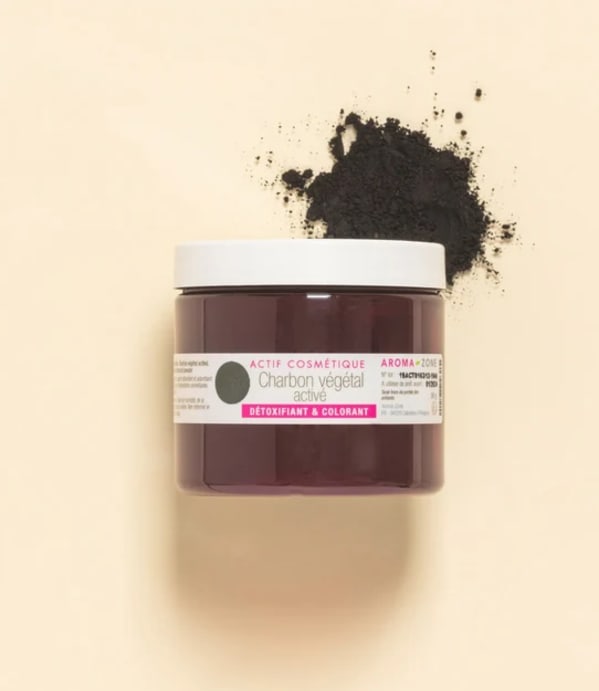
Powdered Charcoal: Activated Charcoal has a large absorbent surface, which allows it to neutralise odours and toxins effectively. Place it in small dishes in different rooms around the house to make the most of its absorbent power.
Precautions: This is a powdery product; do not use near a ventilation source and do not inhale. Keep out of reach of children. For any therapeutic use, seek medical advice.
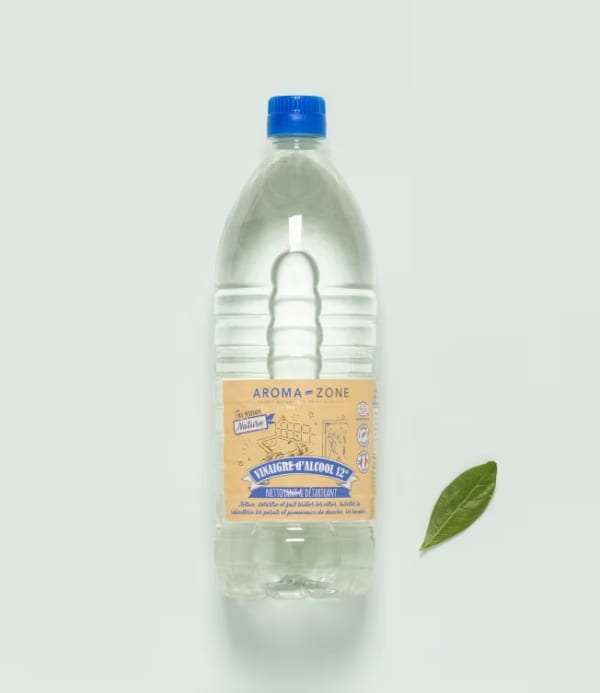
White Vinegar: White vinegar is a powerful natural odour neutraliser. To use it, fill several bowls with white vinegar and place them in the affected rooms, or spray a solution of diluted vinegar (half water, half vinegar) onto surfaces and into the air.
Precautions: Keep out of reach of children. Avoid contact with the eyes and skin. Take care not to spray the product into your eyes when using it from a spray bottle.
Please note that vinegar can damage certain surfaces (marble, stone, etc.). Make sure to test on an inconspicuous area first. Do not use at the same time as products containing chlorine (bleach, etc.).
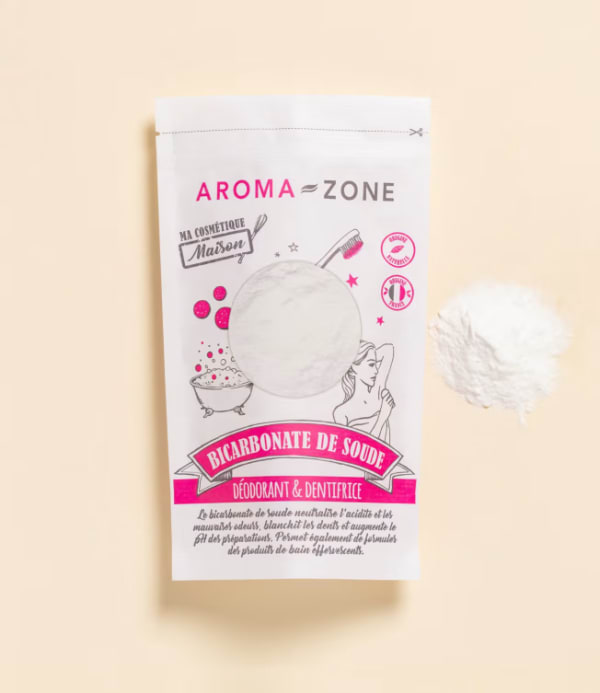
Bicarbonate of Soda: Sprinkle some bicarbonate of soda onto carpets, upholstery and other textiles, then leave it to work for a few hours before vacuuming. Bicarbonate of soda effectively neutralises odours.
Precautions: Keep out of reach of children. Avoid contact with the eyes. Do not mix with acids in a sealed container (gas release).
Essential Oils: Use a diffuser to disperse essential oils such as eucalyptus, lavender, or teatree into the air. You can also apply a few drops to cloths or cotton pads and place them in the areas where the smell of cigarette smoke is strongest. For more information, please refer to our guide to essential oils.
Precautions: Do not use in the presence of children, pregnant or breastfeeding women, or people with epilepsy or asthma. Do not use undiluted; dilute according to the instructions for use. Avoid contact with the eyes. We strongly recommend that you refer to the specific precautions.
How Can You Get Rid of Cigarette Smell on Yourself as Quickly as Possible?
This is the big question after being exposed to a smoky environment. How can you get rid of the lingering smell on your skin, hair, or clothes?
Washing your hands is essential: without doing so, the smell of tobacco will linger on your skin and then transfer to any surfaces and fabrics you touch.
Between washes, a simple step is sometimes all it takes: spray the Orange Blossom Scented Body and Hair Care Mist onto your clothes or hair from a distance of 20cm to leave with a fresh trail of orange blossom. It’s no substitute for a thorough shampoo, but it’s a handy solution before an appointment.
Are There Any Other Natural Ways to Neutralise the Smell of Cigarette Smoke?
Add Some Plants: Certain houseplants are known to help improve air quality. They absorb some of the chemical compounds present in the air. These include English ivy (Hedera helix), known for its ability to absorb benzene, formaldehyde and xylene. Spider plant (Chlorophytum comosum), which is effective at removing carbon monoxide and VOCs, and the weeping fig (Ficus benjamina), which absorbs formaldehyde and other volatile organic compounds
Spray a Solution: A mixture of lemon juice and water, sprayed onto surfaces, will bring a touch of freshness to your space. Test it on a small area first
Clean Regularly: Cooker hood filters, skirting boards, and worktops are common locations where smoke residue build up and can leave marks and odours for a long time. Regular cleaning is essential
Precautions for Use
Essential oils are powerful natural concentrates. Please refer carefully to the intended uses and precautions for use on each product information sheet. Store them in a suitable glass bottle, away from light and air. Keep out of reach of children. Do not use on pregnant or breastfeeding women, or on children under 6 years of age. Avoid contact with the eyes and mucous membranes. Please consult the general safety information sheet for essential oils as well as the specific safety information sheet for each essential oil.
Expert Advice
Neutralising a cigarette smell isn’t something you can do in a single step. It involves a combination of good ventilation, regular cleaning of textiles and a few natural tips to achieve long-lasting results.
And if the smell follows you outside too – on your clothes or in your hair – a quick spritz with our care mist, or a dry shampoo before meeting up with friends, family or colleagues can make all the difference.
Spotlight on Our Writer, Laura Almeras

Laura is a health, beauty and lifestyle writer. Passionate about travel and gastronomy, she shares all her nutritional advice on how to combine pleasure with well-being. Through her articles, she is committed to providing you with meaningful information and practical advice to nourish your body and mind.
Bibliography
Schick SF, Farraro KF, Perrino C, et al. (2013) – Third-hand cigarette smoke in an experimental chamber: evidence of surface deposition of nicotine, nitrosamines and polycyclic aromatic hydrocarbons and de novo formation of NNK. Tobacco Control
https://doi.org/10.1136/tobaccocontrol-2012-050915
A smoke-free generation – Tertiary smoking, even less well-known than second-hand smoke
https://www.generationsanstabac.org
Theratabac (n.d.) – Old-fashioned remedies for removing tobacco odours
https://www.theratabac.com/dossiers/des-astuces-de-grand-mere-pour-enlever-les-odeurs-de-tabac
Cy-Clope (2025) – Third-hand smoking or third-hand smoke: definition and dangers
https://www.cy-clope.com/tabagisme-tertiaire/

Frequently Asked Questions
Associated tips

Stress and anxiety

Aromatherapy advice


