Giving Up Smoking: A First Step Towards Healthier Skin

Giving Up Smoking: A First Step Towards Healthier Skin


By Martin Grignoux

Published on: Monday, October 30, 2023, Updated on: Wednesday, October 28, 2026

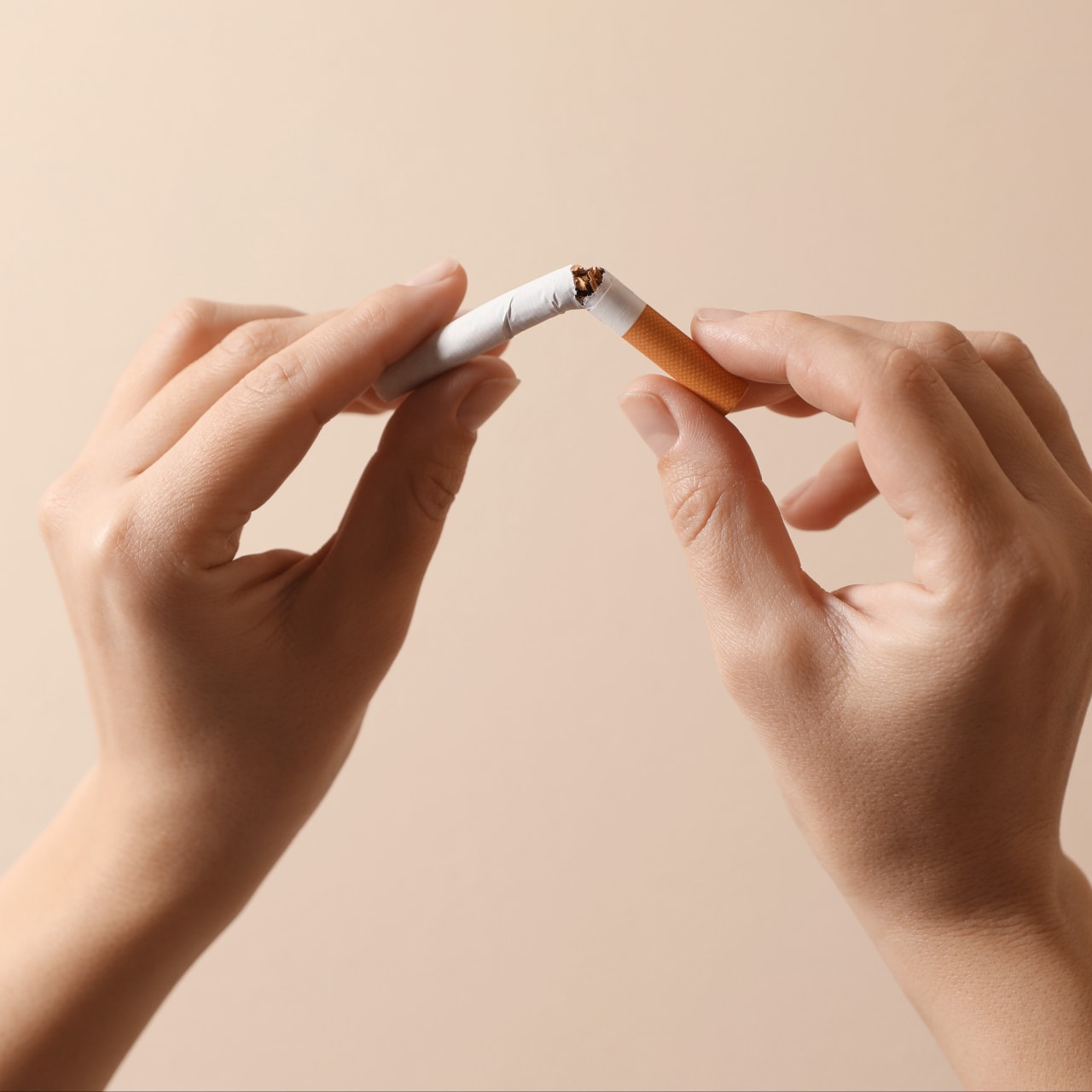
For many people, giving up smoking means protecting themselves against possible chronic conditions caused by excessive tobacco use. Learn how quitting smoking can benefit your skin. In this article, we cover a suitable routine and how long it takes to see results.

Contents

Related products

The Impact of Smoking on the Skin

Dull Complexion

Cigarette smoke causes a narrowing of the blood vessels (vasoconstriction). Blood, which carries oxygen to organs (including the skin), therefore has a harder time circulating. This reduced circulation deprives the skin of some of the oxygen it needs, resulting in a dull or even greyish complexion. 

Skin Ageing

Burning tobacco leaves releases several toxic compounds, such as carbon monoxide, tar, and benzopyrenes. All these compounds inhibit the synthesis of the main forms of collagen (types I and III), whilst stimulating their breakdown. This process is particularly promoted by the overproduction of metalloproteinases (MMP-1 and MMP-3), enzymes that break down collagen fibres. As a result, the skin loses density and elasticity, and wrinkles develop more quickly. Similarly, cigarette smoke generates a large quantity of free radicals. These unstable molecules cause intense oxidative stress, which weakens skin cells, accelerates the breakdown of the extracellular matrix and exacerbates skin ageing. well before

Loss of Hydration

Tobacco smoke damages the skin’s outermost layer. This promotes trans-epidermal water loss (TEWL), making the skin drier, rougher and uncomfortable. Furthermore, tobacco causes blood vessels to constrict, reducing blood flow and the skin’s ability to maintain proper hydration. Furthermore, tobacco reduces oestrogen activity, which decreases aromatase enzyme activity and disrupts the synthesis of substances such as glycosaminoglycans and ceramides.

Skin Problems

Chronic smoking is recognised as a risk factor for numerous skin conditions. For example, several studies show a clear link between smoking and psoriasis. Cigarette smoke promotes overactivation of the immune system, leading to the overproduction of inflammatory cytokines (IL-1β, TNFα, TGFβ). This inflammatory response worsens lesion severity. Similarly, it would appear that smoking may aggravate flare-ups of eczema. 
The Benefits of Giving Up Smoking for the Skin

So let’s take a look at the benefits of giving up smoking for your skin: 

  • Your skin will regain its natural glow: Quitting smoking will allow your skin to rehydrate properly, which is essential for maintaining a fresh complexion. Don’t forget to follow doctors’ recommendations, which advise 1.5l to 2l of water per day for each adult.

  • Improves elasticity: Former smokers often notice a marked improvement in the appearance and texture of their facial skin, even after just a few weeks of giving up. You’ll regain a more natural complexion, which is much more aesthetically pleasing for you and your loved ones.

  • Better wound healing: There’s a good reason why doctors recommend giving up smoking completely before invasive surgery. This is because smoking, by reducing blood flow to your body and face, prevents your skin from regenerating properly. The result is less visible scarring and easier healing.

  • Slower ageing: Nicotine causes premature ageing, particularly in women, due to a slowdown in the production of oestrogen-producing cells. These cells indirectly affect the appearance of wrinkles or marks on the face and must therefore be treated with care. 

How to Look After Your Skin During or After Giving Up Smoking

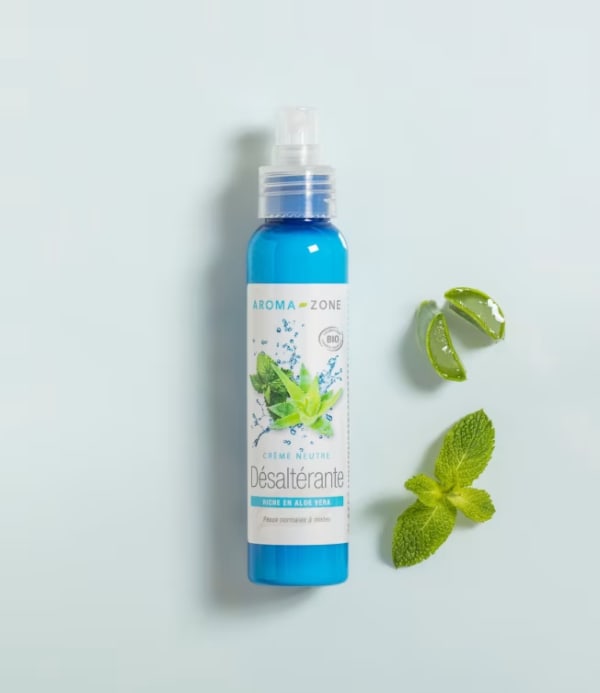
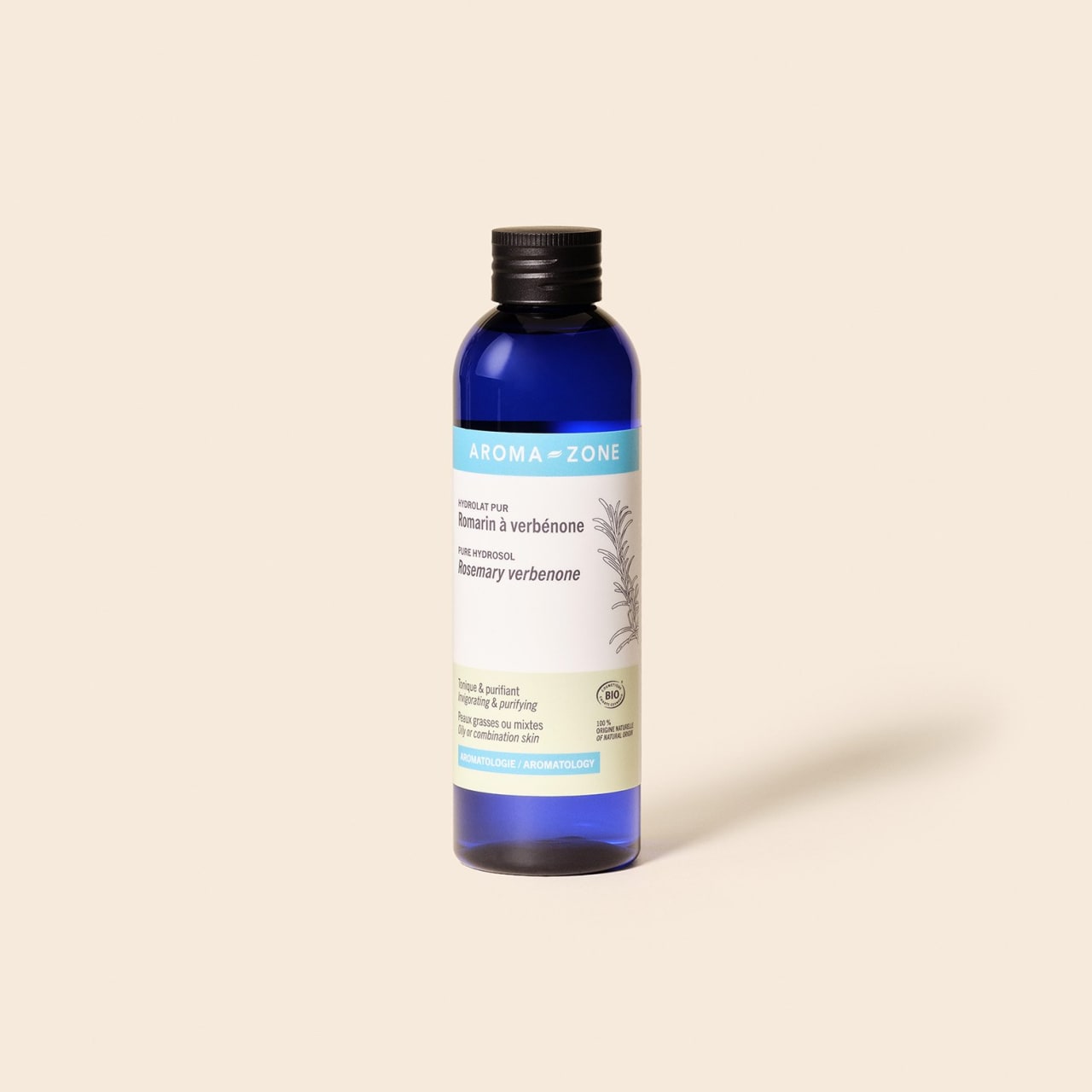
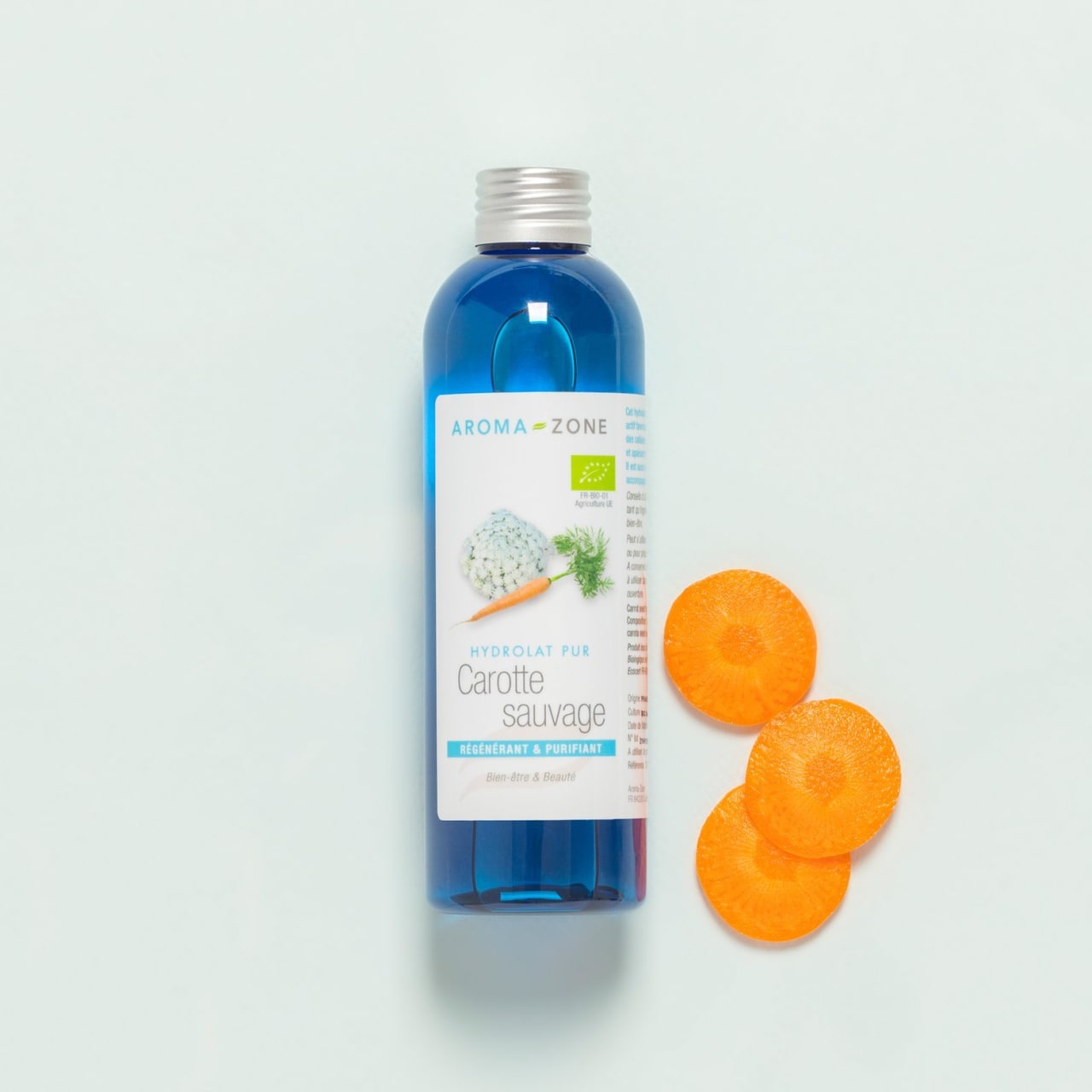
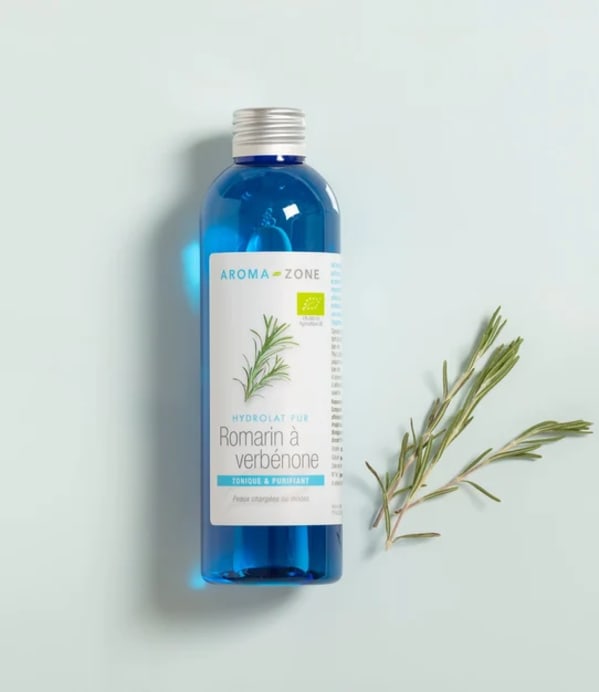
1. Use a hydrosol: Refresh your skin and prepare it for the rest of your skincare routine; spray directly onto your entire face or apply using a reusable cotton pad. We recommend Rosemary Verbenone Hydrosol for dull, tired skin or skin prone to blemishes, or Carrot Hydrosol to restore radiance and promote cell regeneration.

004-pack-aromazone-0112

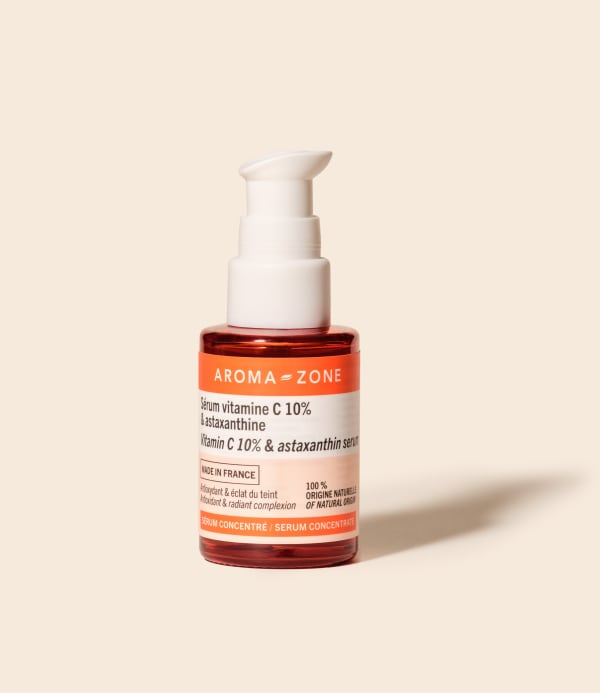
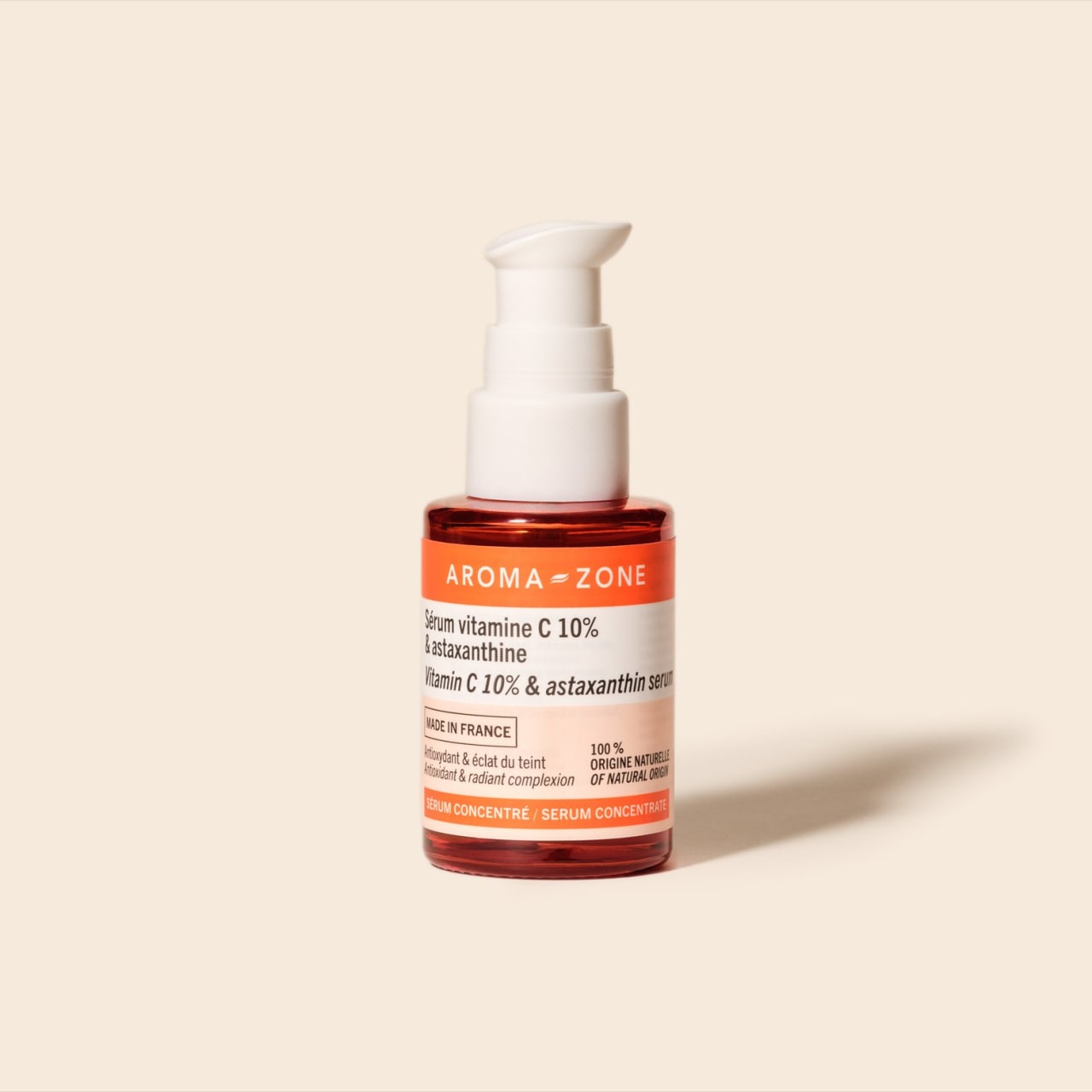
2. Apply a serum tailored to your skin’s needs: Three of the negative effects of smoking on the skin are a dull complexion, impaired hydration and accelerated skin ageing. Depending on your specific concern, apply one of our serums: the Vitamin C Serum is ideal for boosting radiance and protecting the skin from external aggressors. Apply 3 to 4 drops to your face and neck after cleansing and drying.

3. Hydration: Skin exposed to tobacco is often dehydrated. It is therefore essential to strengthen the skin barrier with a moisturiser suited to your skin type. Take a small amount of cream and gently massage it into your face and neck, working from the centre outwards in circular motions.

024-pack-aromazone-0233 1

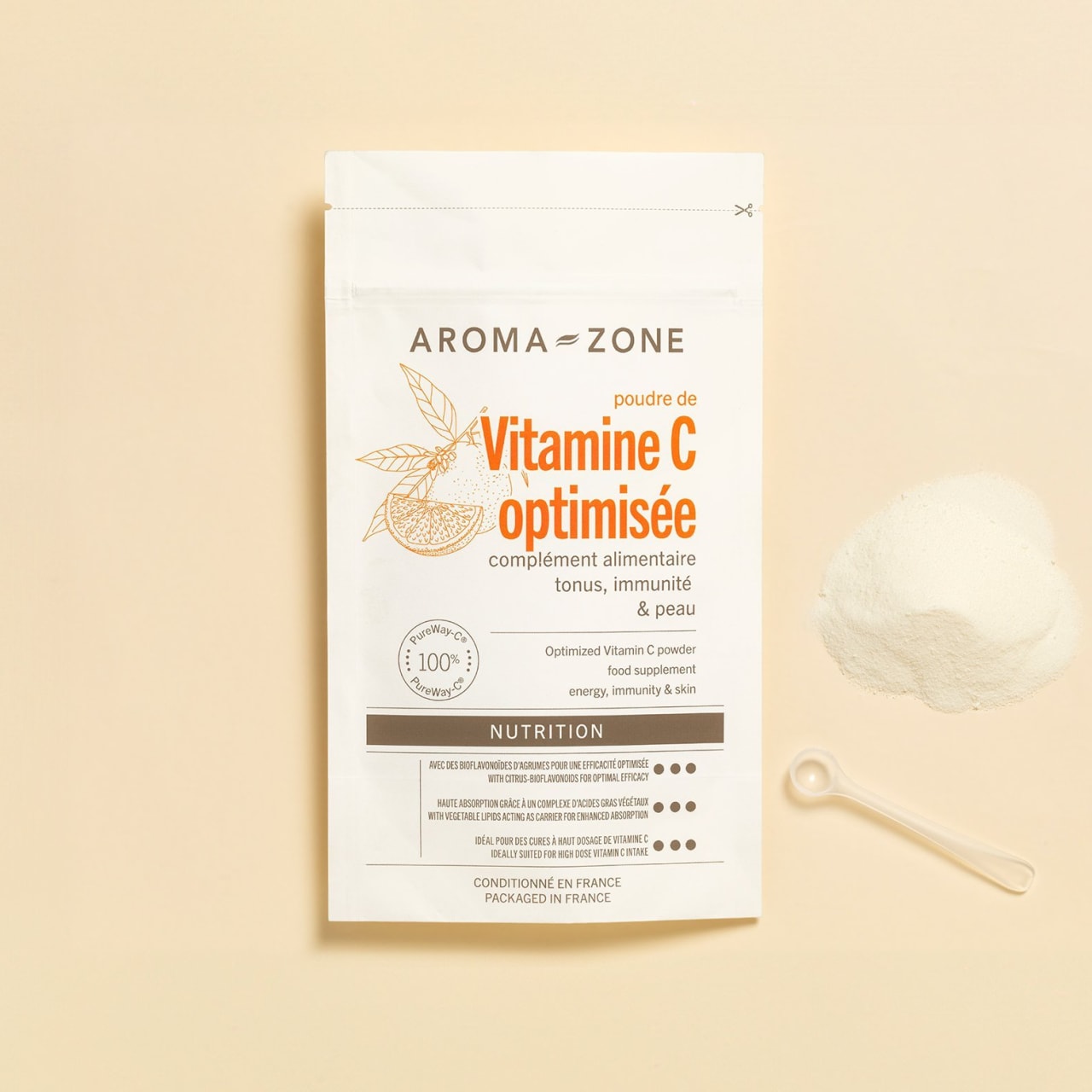
4. Supporting your skin with dietary supplements: Smoking has a negative impact on skin quality by increasing the production of free radicals and reducing the body’s natural production of collagen. A course of dietary supplements – such as collagen or vitamin C, for example – helps to maintain healthy skin. Take the recommended dose on an empty stomach in the morning, with a large glass of water.

How Long Does It Take to See the Effects of Giving Up Smoking on the Skin?

After you quit smoking, your skin starts to improve within the first few days because tissues get better oxygenation. Your complexion gradually becomes less dull as microcirculation improves. Skin hydration also improves. However, visible effects depend on many factors, such as age, years spent smoking, skin type, and the skincare routine you follow. But in all cases, giving up smoking remains beneficial for the skin, with long-lasting results.  

Does the skin look younger when you stop smoking?

It is important to emphasise that certain effects, particularly the breakdown of existing collagen, are largely irreversible. What has been destroyed cannot be fully regenerated, even if the skin regains a greater capacity for renewal. It is difficult to estimate how long it takes for the skin to improve after giving up smoking. Someone who has smoked for several years will still have compromised skin. Even after giving up smoking, the signs of ageing may appear more quickly than in someone who has never smoked. More pronounced wrinkles, loss of firmness or uneven skin tone are all signs that may persist; hence the importance of adopting a targeted skincare routine to complement this. 

Precautions

After you quit smoking, your skin is often more sensitive and repairing itself. Avoid harsh or overly stripping skincare products that could irritate the skin. Opt for gentle, moisturising products rich in soothing active ingredients.

Expert Advice

Smoking and sun exposure are the two main factors responsible for the effects of skin ageing. Smoking increases oxidative stress in the skin, while sun exposure amplifies damage to collagen and elastin fibres. Together, they accelerate the formation of wrinkles, loss of firmness, pigmentation spots and a dull complexion. To minimise these effects, stop smoking and use sun protection every day, whilst limiting exposure when the UV index is too high. 

Spotlight on our writer: Martin Grignoux

Martin Grignoux

Martin is a web editor specialising in natural health and wellbeing solutions. Passionate about health, wellbeing and aromatherapy, his area of expertise covers a wide range of topics. His experience in content creation enables him to produce engaging and interesting articles to help you look after your body and mind!

Bibliography

  1. Biver-Dalle, C., & Humbert, P. (2010). Smoking and the skin. Annales de Dermatologie et de Vénéréologie, 137(7–8), 568–572. DOI: 10.1016/j.annder.2010.05.005

Frequently Asked Questions

Frequently Asked Questions