
hyperpigmentation is a term used to describe all brown patches that are darker than a person’s normal skin colour. These pigmented patches can affect both the face and the body, and may be acute, temporary or chronic, or even permanent. They may be localised or, conversely, affect the entire skin. They result from an increase in the production of melanin, but there are different types of pigmented patches.
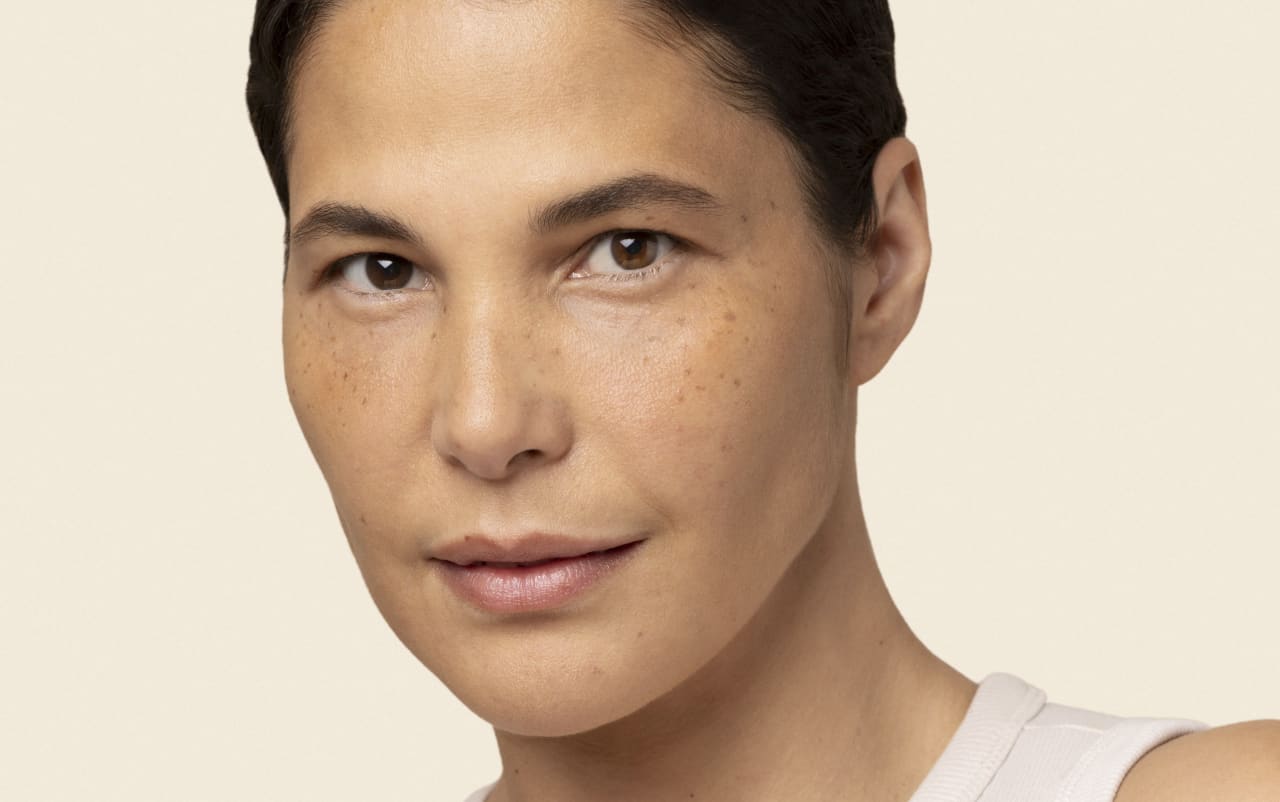
What are the best active ingredients for treating dark spots?
By The Aroma-Zone editorial team
Published on: Friday, May 24, 2024, Updated on: Tuesday, October 13, 2026
Do you have pigmentation spots on your face and want to get rid of them? You’ve come to the right place: in this article, we’ll look at the various causes of dark spots, and, most importantly, we’ll give you the keys to minimising them as effectively as possible, using targeted active ingredients tailored to your specific concerns!
Contents
Related products
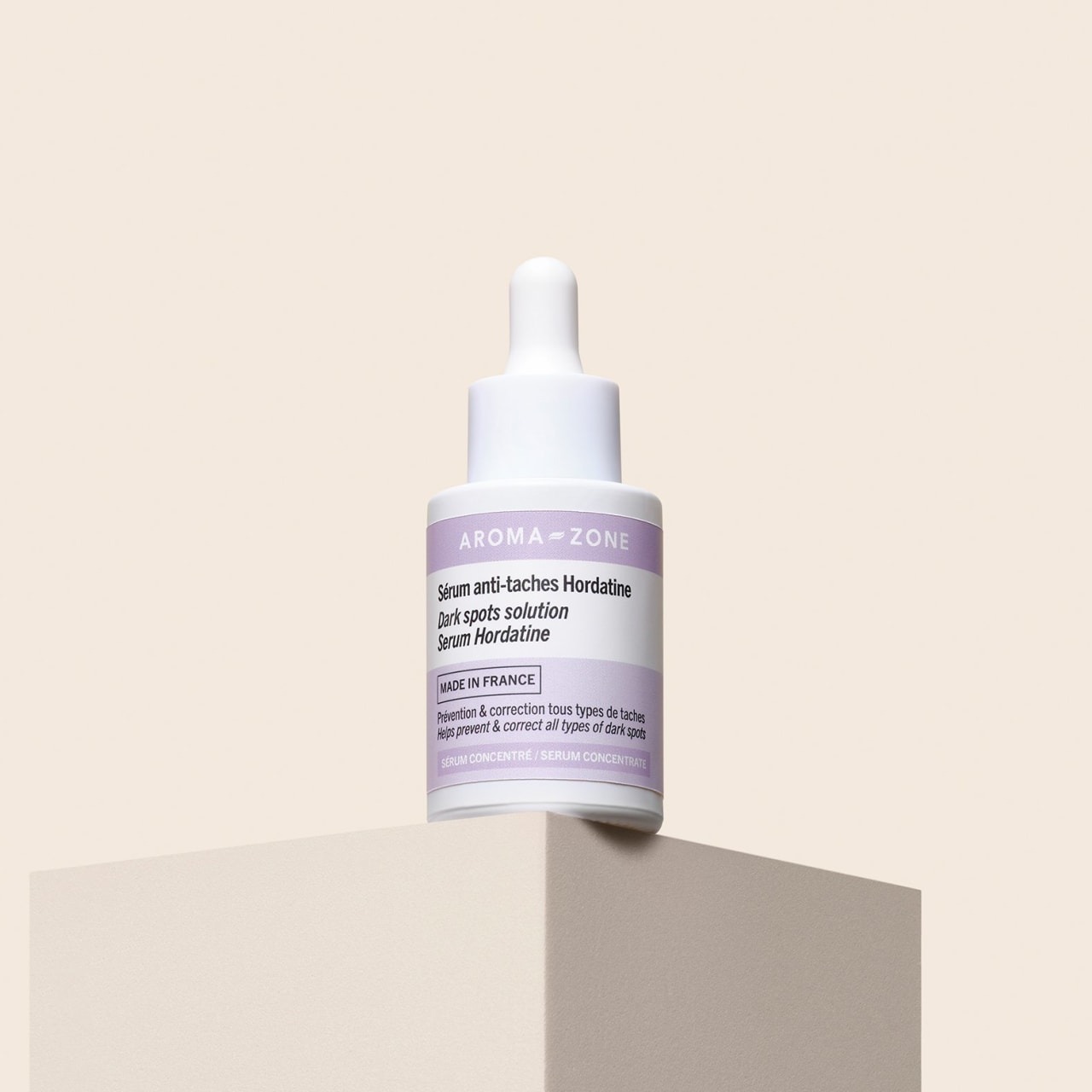
Hordatine & Liquorice Extract Serum
Anti-dark spots
Unifying
£11.00
30 ml
2 options
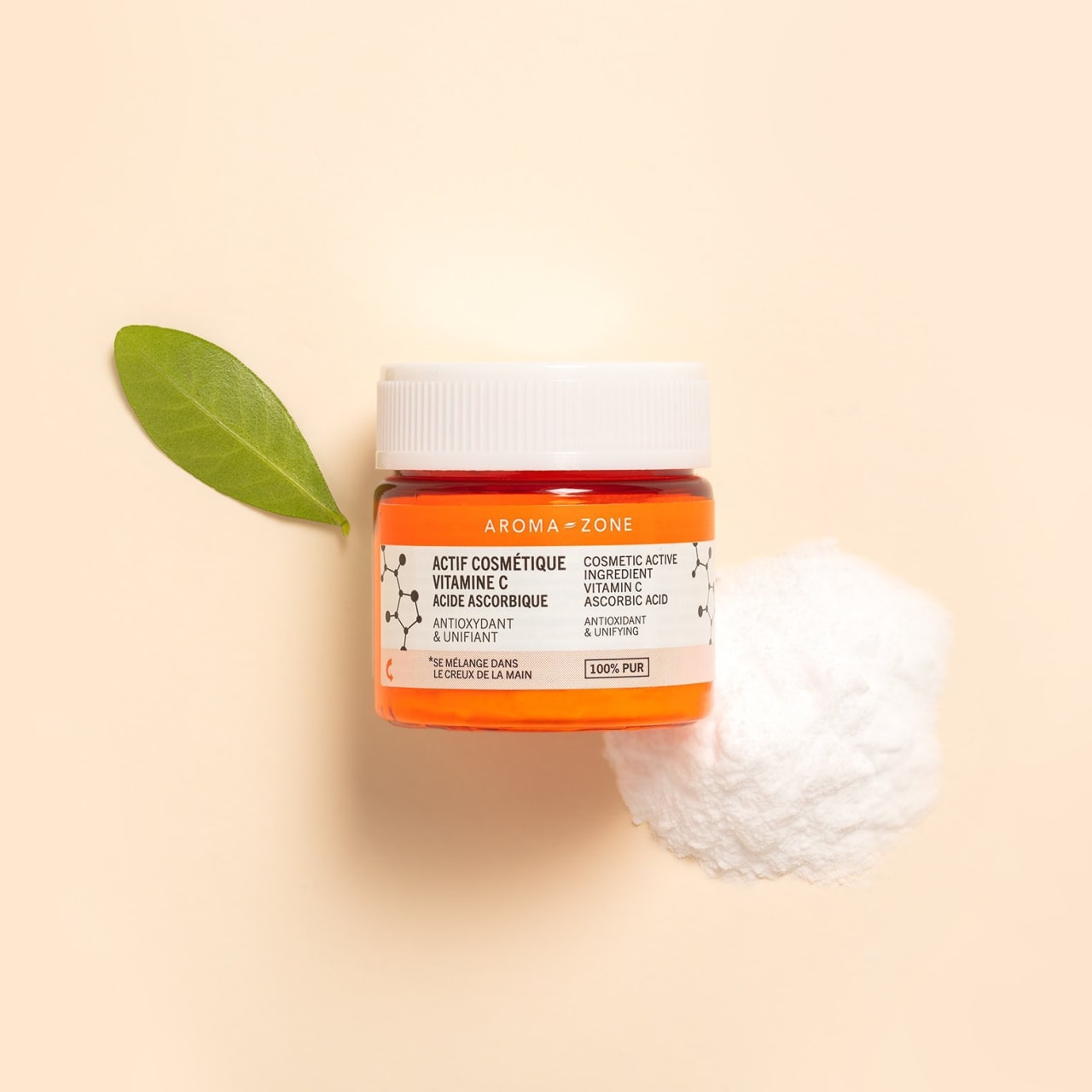
Ascorbic Acid Pure Vitamin C Active Ingredient
Radiant complexion
Antioxidant
£4.00
10 g
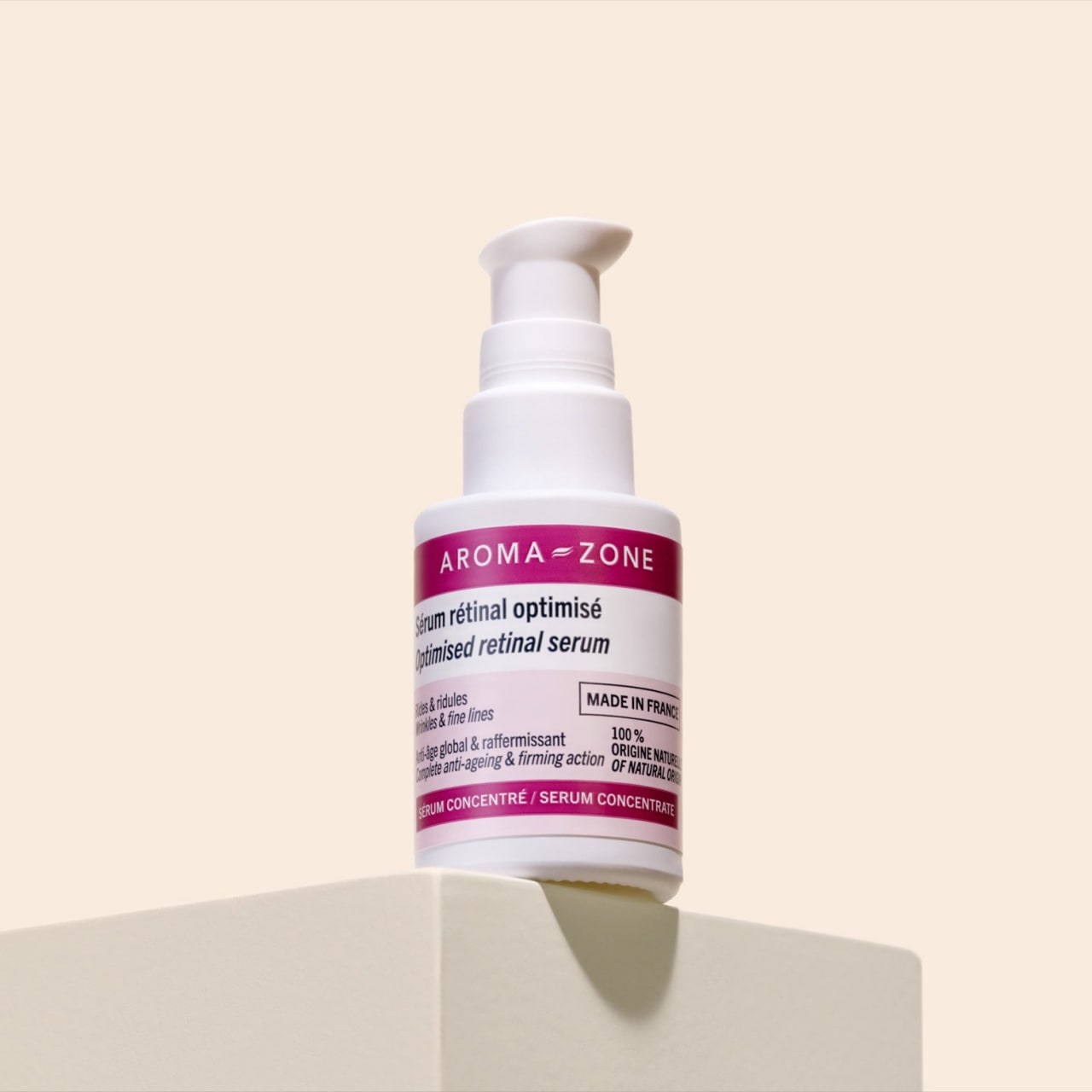
Optimised Retinal Serum
Anti-ageing
Anti-wrinkle
£9.00
30 ml
2 options
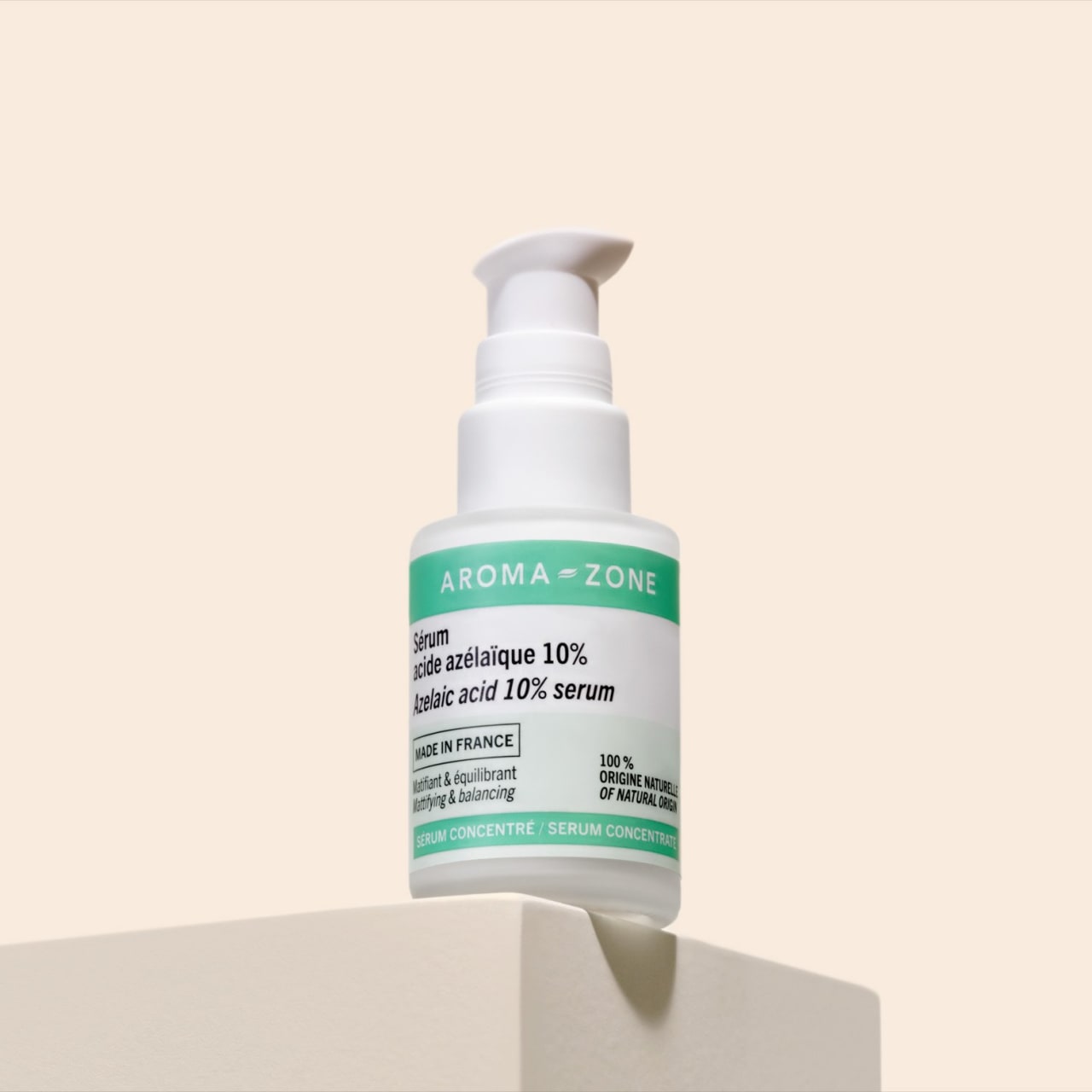
Azelaic Acid 10% Serum
Sebum-regulating
Anti-blemishes
£8.00
30 ml
2 options
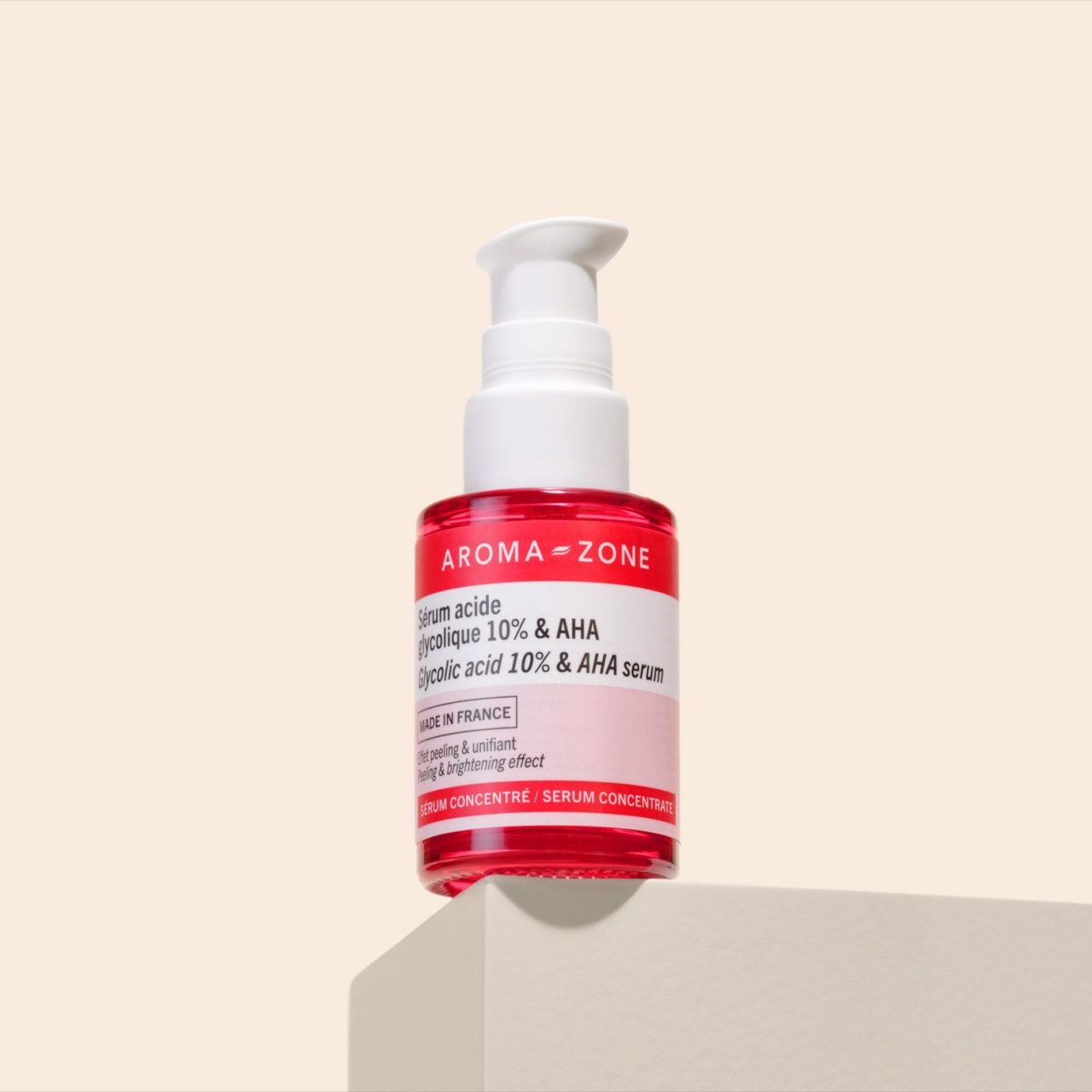
Glycolic Acid 10% & AHA Serum
Exfoliating
Peeling effect
£8.00
30 ml
4 options
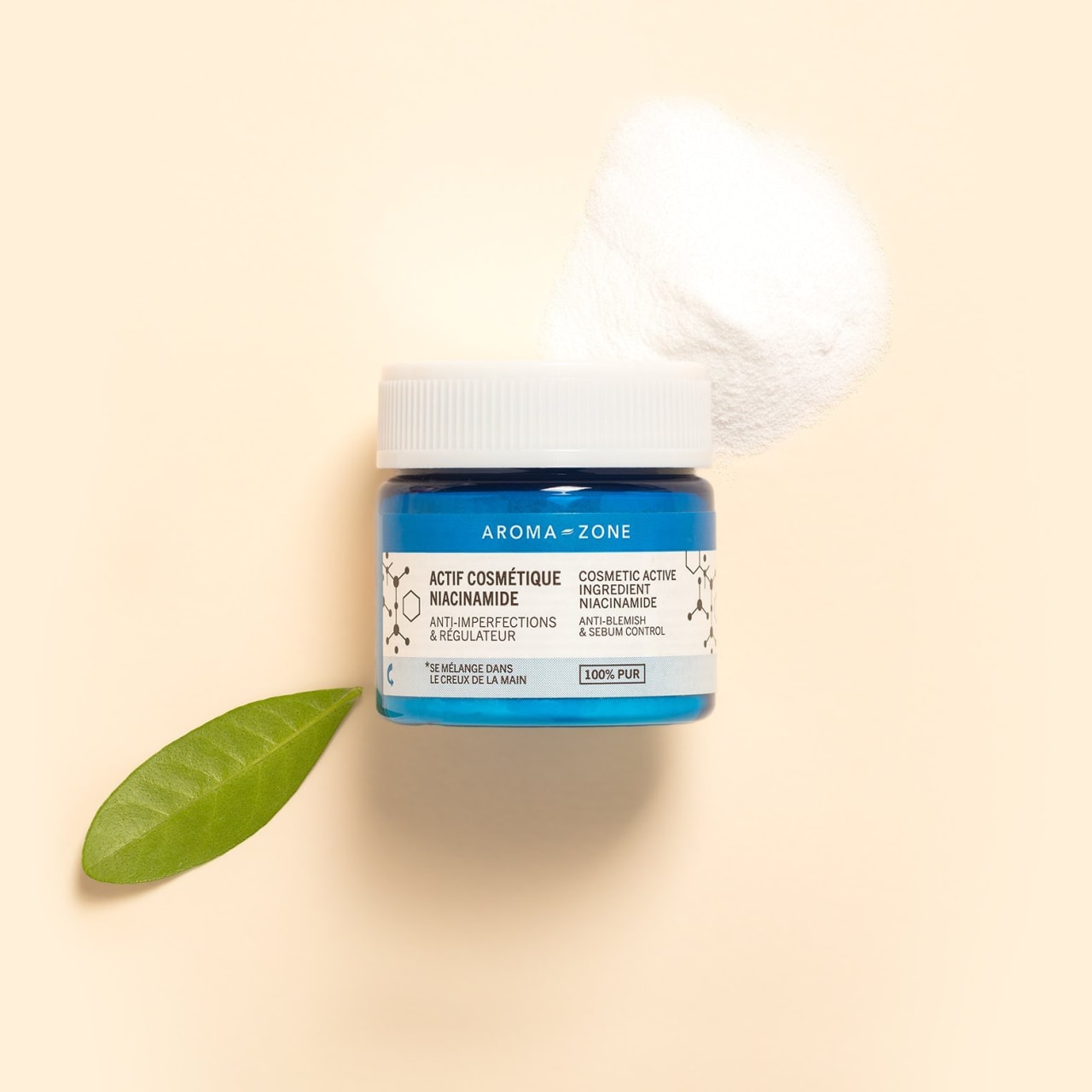
Niacinamide Active Ingredient
Anti-blemishes
Sebum-regulating
£4.00
20 g
In brief
Active ingredients for treating dark spots should be chosen according to the cause of the hyperpigmentation: solar lentigines, melasma or post-inflammatory hyperpigmentation. The most effective approach combines skin lightening, skin renewal, antioxidant protection and sun protection, using ingredients such as kojic acid, azelaic acid, vitamin C, niacinamide or retinoids.
A precise treatment protocol relies on identifying the type of dark spot, followed by a multi-mechanism strategy rather than a single active ingredient. The combination of a retinoid, a depigmenting agent and an antioxidant, as discussed in a 2015 study, may be particularly beneficial for solar lentigines. The methods of combination and the choice of active ingredients according to each situation are detailed in the article.
The indiscriminate layering of depigmenting ingredients can irritate the skin and exacerbate the problem: gentleness and tolerability remain priorities. The article specifies the active ingredients to prioritise for each type of pigmentation, as well as the importance of sun protection and the prevention of inflammation.
What are brown spots or pigmentation marks?
What are the different types of dark spots?
Type of dark spot | Characteristics and Causes | Supporting solutions |
Melasma (or ‘pregnancy mask’) | Flat, brownish patches of varying sizes, usually appearing symmetrically on the face, shoulders, arms or décolletage. Its onset is linked to hormonal changes. This condition is long-lasting and progresses in successive phases over an average of ten years. | Conventional treatments involve targeted applications, chemical peels or, as a last resort, specific technologies. |
Post-inflammatory hyperpigmentation (PIH) | Pigment marks resulting from skin damage or blemishes (residual marks, scrapes). This is the most common concern for mixed-race and dark skin types. | Skin care focuses primarily on soothing the initially affected area. |
Solar lentigo (or “age spots”) | Marks associated with prolonged sun exposure, age and genetics. They are mainly found on the face, the backs of the hands and the forearms – areas that are heavily exposed to the sun throughout a person’s life. | These marks are benign and do not require any specific treatment, except where there is a desire to even out the skin tone (specific treatments carried out by a specialist). |
What is the best active ingredient for treating dark spots?
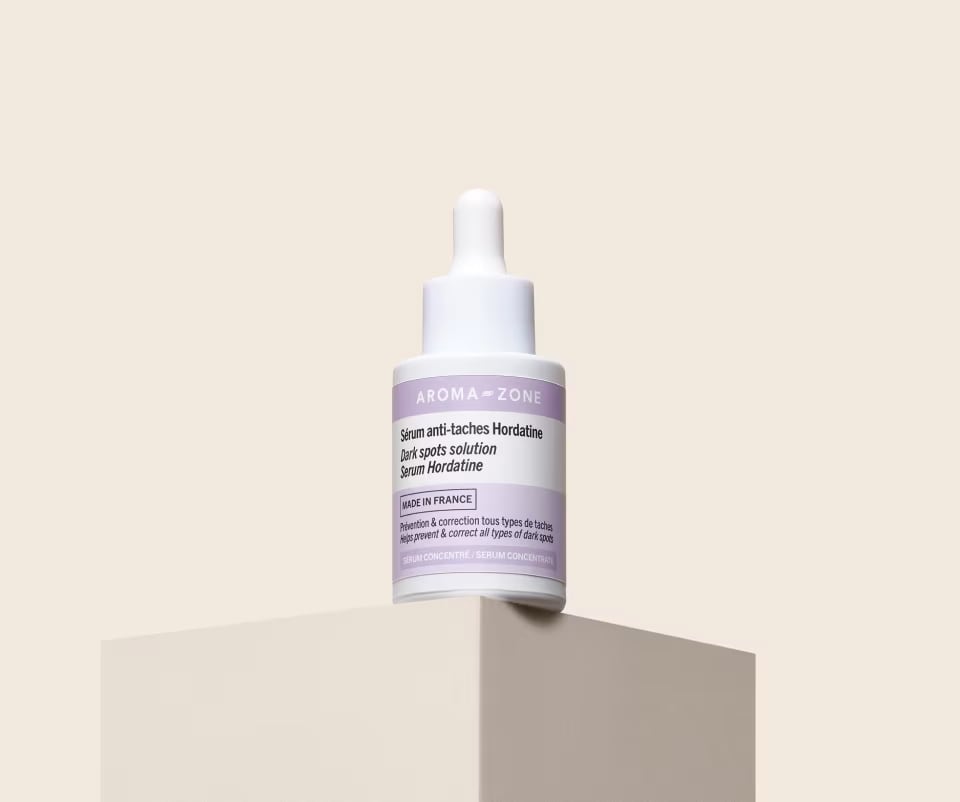
Spotlight on the Hordatine & Liquorice Extract Concentrated Face Serum
For skin with mild to moderate dark spots, Hordatine is a leading natural solution. This active ingredient stands out as an exceptional natural solution for reducing pigmentation marks and restoring an even complexion.
With a 90% reduction in dark spots and visibly lighter skin*: this proven-effective serum, specially formulated for all skin tones, offers a triple action: anti-dark spot, anti-ageing and radiance-boosting. Its formula combines Hordatine, Niacinamide and Liquorice Extract to target dark spots on all skin types. For a luminous, even complexion.
*effect observed in 42 volunteers after 56 days’ use.
What are the active ingredients for treating hyperpigmentation?
Choosing the right solution depends on the cause of the dark spots. The table below sets out the recommended skincare products according to the type of dark spot:
Type of pigmentation mark | Recommended skincare products | Benefits for the skin |
Melasma (Pregnancy mask) | Concentrated serum Hordatin & Liquorice extract Concentrated serum Vitamin C 10% Concentrated serum Niacinamide 10% Serum Optimised Retinal | Provides comprehensive action to lighten dark areas, protect the skin from external aggressors and promote a long-lasting, radiant complexion. |
Sun-induced lentigo (Age spots) | Concentrated serum Vitamin C 10% Serum Optimised Retinal Concentrated serum Niacinamide 10% | Helps protect the skin from sun-induced oxidative stress, promotes cell renewal and evens out skin tone. |
Post-inflammatory hyperpigmentation (Blemish marks) | Serum Optimised Retinal Concentrated Serum 10% Niacinamide Serum 10% Glycolic Acid & AHA Concentrated serum 10% Azelaic Acid | Provides a micro-exfoliating effect to smooth the skin’s texture, soothe sensitive areas and fade residual marks. |
What is a natural anti-dark spot routine?
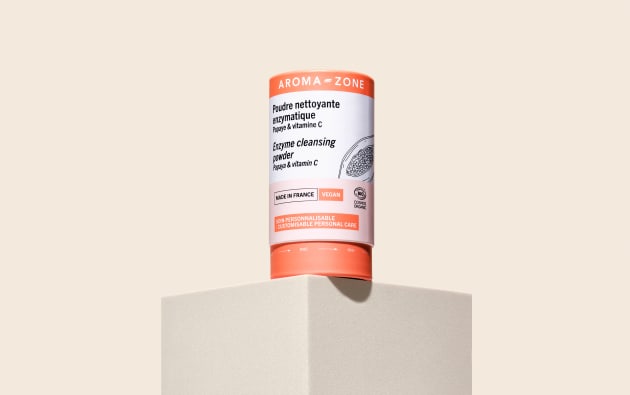
Step 1 – Cleanse my skin
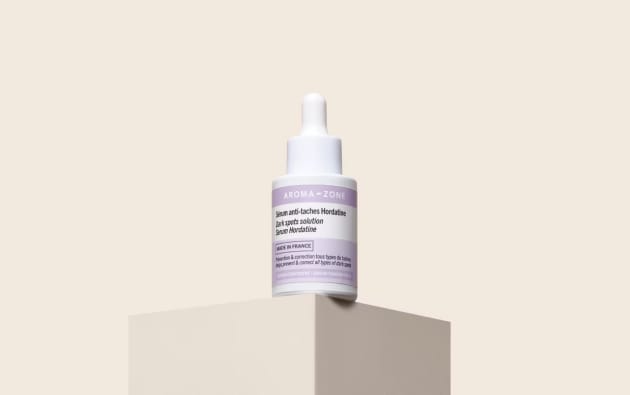
Step 2 – Identifying my skin concern
Discover the Hordatine and Liquorice Extract Dark Spot Serum.
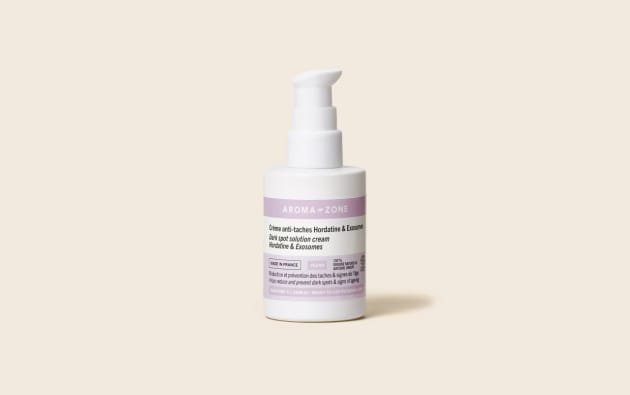
Step 3 – Moisturising my skin
Organic anti-dark spot face cream: Hordatine & Exosomes – Aroma-Zone
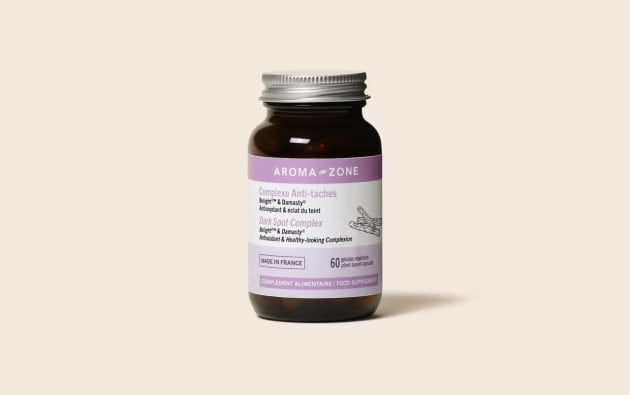
Step 4 – Treating the problem from within
Discover the Belight³™ & Damasty® Dark Spot Complex – Antioxidant & radiant complexion.
To find out more, discover our experts’ anti-dark spot routine
Our products featuring the best active ingredients for treating dark spots
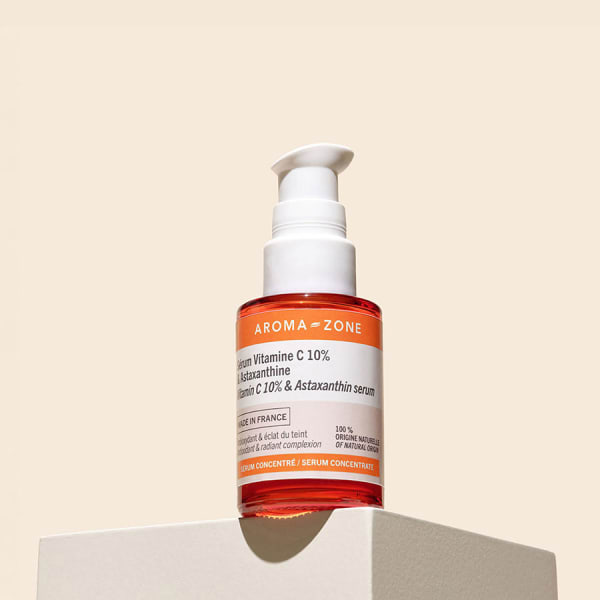
10% Vitamin C & Astaxanthin Concentrated Serum
This facial serum, containing 10% stabilised Vitamin C, brightens the complexion, stimulates collagen synthesis and reduces dark spots and the signs of photo-ageing. It combines astaxanthin, a powerful antioxidant extracted from microalgae, with hyaluronic acid, which has moisturising and anti-wrinkle properties, for smooth, firm and radiant skin. Suitable for all skin types; fragrance-free and allergen-free.
Recommended use : apply morning and/or evening to the entire face and neck before your day or night cream.
Contraindications: If you experience any discomfort, use less frequently. Avoid the eye area. Keep out of reach of children.
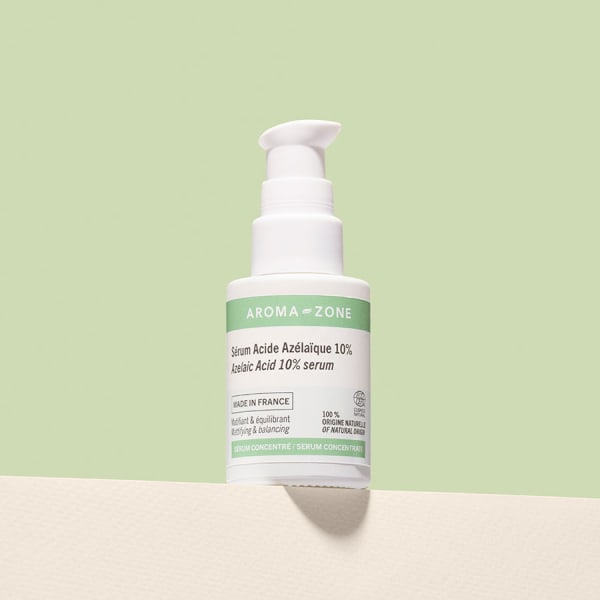
10% Azelaic Acid Concentrated Serum
This concentrated serum, containing 10% azelaic acid of 100% natural origin, is designed for combination, oily and acne-prone skin. It unclogs pores, regulates sebum production and reduces blackheads and redness. Enriched with hyaluronic acid and silica, it hydrates whilst absorbing excess sebum. As it is highly concentrated, introduce it gradually (2 to 3 times a week to begin with).
Recommended use : apply in the morning and/or evening to the entire face and neck before your day or night cream.
Contraindications: As this serum is highly concentrated, it is best used in conjunction with gentle skincare products (cleansers, moisturisers). To allow your skin to adapt gently, gradually introduce the serum into your skincare routine, starting with one application every 2–3 days or even twice a week. After that, limit use to once a day. Avoid the eye area. If irritation occurs, space out applications. If discomfort persists, stop using the product immediately.
How can you prevent dark spots?
Generally speaking, prevention should be part of your daily routine, as it is easier to prevent the appearance of pigmentation marks than to reduce them once they have set in. Adopting protective habits is essential:
Daily sun protection: Apply a protective product (cream or foam) offering protection against UVA and UVB rays. Reapplication during the day is necessary depending on your activities; ideally every two hours in the event of prolonged exposure
Choose a high SPF: Use a suncare product with an SPF of at least 30; ideally, an SPF of 50 for optimal protection
Use an antioxidant serum: Apply a product such as the 10% Vitamin C & Astaxanthin Concentrated Serum to help protect the skin from external aggressors and improve the radiance of an uneven complexion
Optimising skincare: A selection of skincare products with active ingredients tailored to precisely meet the skin’s needs and maintain an even complexion.
Precautions
For skin with multiple needs, it is best not to use too many products at once to avoid problems such as skin irritation. Serums containing Vitamin C or Azelaic Acid should be applied away from the eye area. Azelaic Acid requires gradual introduction (once or twice a week to begin with) to allow the skin to adapt gently, ideally alongside mild cleansing and moisturising products. In the event of discomfort or particular sensitivity – particularly with Niacinamide on skin prone to redness or Azelaic Acid on reactive areas – applications should be spaced out or suspended immediately. Finally, dietary supplements are intended for adults only and are contraindicated for pregnant or breastfeeding women, or for those with kidney or heart conditions. Their use alongside any other treatment must be discussed with a doctor to avoid any adverse effects resulting from the combination of ingredients.
Expert advice
If you are experiencing several skin problems, a consultation with a dermatologist is recommended to pinpoint the exact cause of the problem.
Bibliography
Enescu, C. D., Bedford, L. M., Potts, G., & Fahs, F. (2022). A review of topical vitamin C derivatives and their efficacy. Journal of Cosmetic Dermatology, 21(6), 2349–2359. DOI: 10.1111/jocd.14465
He, M., Chen, X., Jin, S., & Zhang, C. (2025). Visible light protection: An updated review of tinted sunscreens. Photodermatology, Photoimmunology & Photomedicine, 41(4), Article e70033. DOI: 10.1111/phpp.70033
Jo, J. Y., Chae, S. J., & Ryu, H. J. (2024). Update on melasma treatments. Annals of Dermatology, 36(3), 125–134. DOI: 10.5021/ad.23.133
Kaufman, B. P., Aman, T., & Alexis, A. F. (2018). Post-inflammatory hyperpigmentation: Epidemiology, clinical presentation, pathogenesis and treatment. American Journal of Clinical Dermatology, 19(4), 489–503. DOI: 10.1007/s40257-017-0333-6
Neagu, N., Conforti, C., Agozzino, M., Marangi, G. F., Morariu, S. H., Pellacani, G., et al. (2022). Melasma treatment: A systematic review. Journal of Dermatological Treatment, 33(4), 1816–1837. DOI: 10.1080/09546634.2021.1914313


Frequently Asked Questions
Associated recipe
Associated tips
Face care tips


