

Underarm Hyperpigmentation (Dark Underarms): Causes and Natural Remedies

Hyperpigmentation of the underarms, often characterised by darker skin under the arms, can be caused by various factors. This condition, also known as dark underarms, is not a health hasard but can be embarrassing for some people. Fortunately for them, there are natural methods to alleviate this problem.

Reading time: 0 min.

Underarm hyperpigmentation: what causes it?

Underarm hyperpigmentation, often referred to as "dark underarms," can be attributed to several factors. Constant friction from tight clothing or aggressive hair removal methods, such as frequent shaving, can irritate the delicate skin in this area of the body. This repeated irritation can lead to an inflammatory reaction, causing an accumulation of melanin, the pigment responsible for skin colour.

In addition, the use of deodorants or products containing irritating or harsh ingredients can also contribute to hyperpigmentation. Some of these products can clearly trigger skin reactions and cause irritation, even altering the skin’s colour in this sensitive area.

Hormonal factors, such as changes during pregnancy or natural hormonal fluctuations (menstrual cycle), are also major contributors to underarm hyperpigmentation. These hormonal changes can influence melanin production, leading to darker patches of pigmentation under the arms.

In addition, past inflammation, such as scars or previous skin reactions in the underarm area, can also contribute to post-inflammatory hyperpigmentation. These areas may retain darker pigmentation even after the initial injury has healed, creating a noticeable difference in colour.

How can you treat underarm hyperpigmentation naturally?

To reduce underarm hyperpigmentation naturally, here are some effective approaches:

Gentle exfoliation:

Use a gentle exfoliator once or twice a week to remove dead skin cells and promote cell renewal. This can help reduce the appearance of hyperpigmentation.

Lemon juice:

Apply diluted fresh lemon juice to your underarms. Lemon’s lightening properties, thanks to citric acid, can help reduce pigmentation. However, be sure to dilute it to avoid irritation, as lemon can be irritating to some sensitive skin types.

Apple cider vinegar:

Apple cider vinegar has mild exfoliating and lightening properties. Dilute it in water and apply it to your underarms to help reduce hyperpigmentation.

Aloe vera:

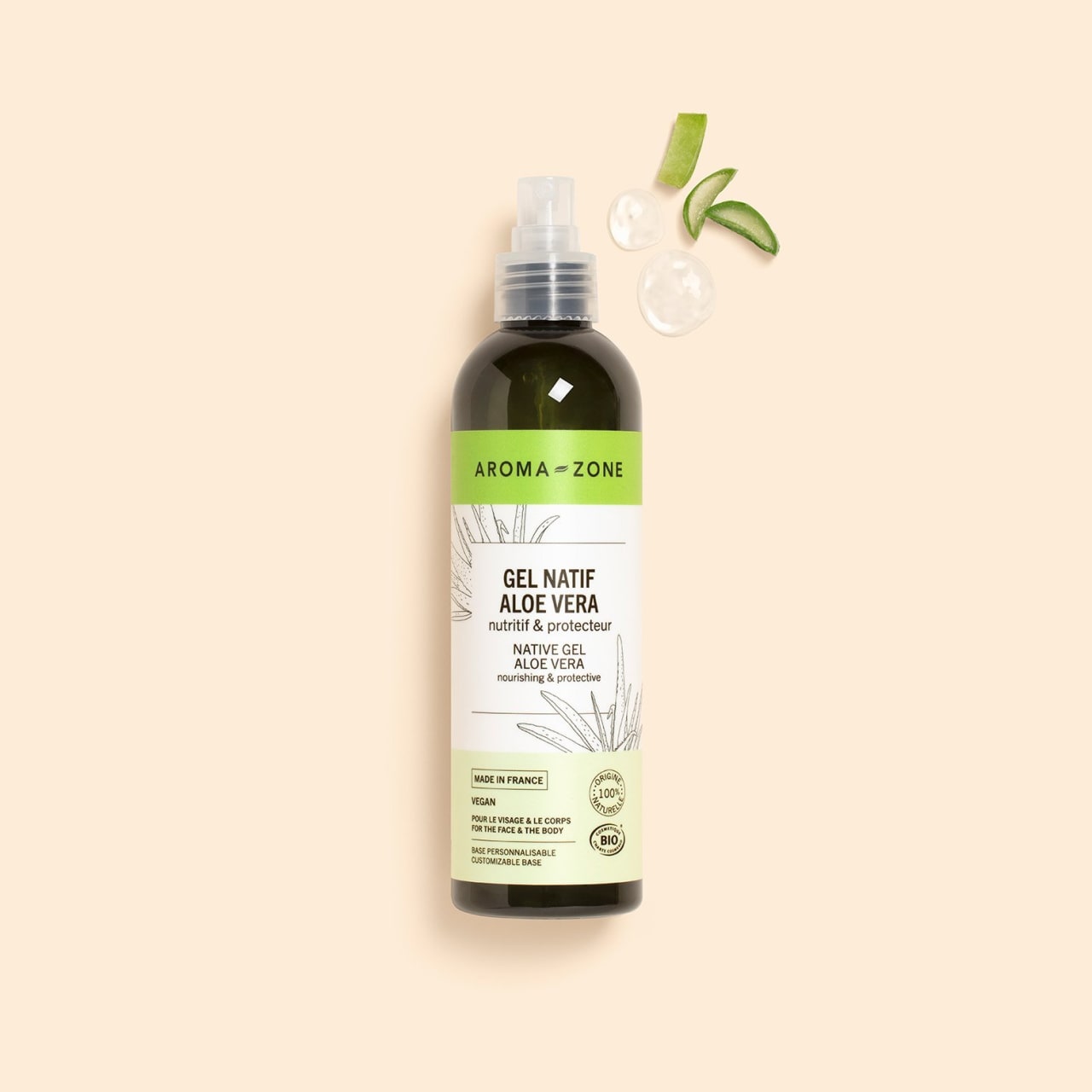
Aloe vera gel, known for its soothing and regenerative properties, can be applied to the underarms to calm the skin and help reduce hyperpigmentation.

Natural oils:

Coconut oil or sweet almond oil can be used to moisturise and soften the skin in the underarms. They can also help reduce pigmentation.

Natural masks:

Use homemade masks made with natural ingredients such as turmeric, honey, or yoghurt, known for their brightening and soothing properties.

Prevention:

To prevent hyperpigmentation from worsening, avoid frequent shaving and opt for less irritating hair removal methods. Wear loose-fitting clothing to reduce friction and avoid deodorants or irritating products.

Professional Consultation:

If you experience persistent or severe hyperpigmentation, consult a dermatologist for specific advice and professional treatment options tailored to your skin.

It is important to note that the effectiveness of natural remedies may vary from person to person. It is also essential to perform a patch test on a small area of skin first to avoid any allergic reactions or irritation.


Can underarm hyperpigmentation be (effectively) prevented?

It is entirely possible to prevent the onset of underarm hyperpigmentation. If you already know you are prone to this cosmetic issue, here’s what you should do: 

Avoid irritants:

  • Choose loose-fitting clothing to limit excessive friction in the underarms.

  • Use less irritating hair removal methods, such as waxing or laser hair removal, instead of frequent shaving.

Opt for appropriate skincare:

  • Use gentle deodorants that are alcohol-free and free of harsh fragrances to reduce the risk of irritation.

  • Choose skincare products suited to your skin type and avoid those containing harsh ingredients.

Exfoliate the area regularly:

  • Gently exfoliate once or twice a week to remove dead skin cells and prevent the buildup of pigmentation. A quick tip: avoid doing this right after shaving or waxing...

Don’t neglect moisturising:

  • Just like with the rest of your body, keep your underarm skin properly moisturised by using light, non-greasy moisturisers.

Avoid post-hair removal irritation:

  • After hair removal, avoid applying products or vigorously rubbing the underarm area to prevent irritation and post-inflammatory hyperpigmentation.

Balance Hair Removal Methods:

  • Alternate hair removal methods to avoid excessive skin irritation.

Monitor your skin’s reaction:

  • Regularly monitor your skin’s reaction to the products you use and adjust your routine if you notice signs of irritation or sensitivity.

Use sunscreen:

  • It may seem counterintuitive, but applying sunscreen to sun-exposed underarms can help prevent sun-induced pigmentation.

By taking these precautions, you can significantly reduce the risk of underarm hyperpigmentation. However, keep in mind that everyone reacts differently, and it’s important to tailor these measures to your own experience and skin sensitivity. If, despite these precautions, hyperpigmentation persists or worsens, consult a skin care professional for specific advice and treatment options.

Spotlight on our writer: Coralie Técher

Coralie Técher has spent seven years working as a journalist specialising in women’s issues. With a particular passion for beauty and wellbeing, she is committed to highlighting nature’s self-care solutions. Always staying up to date with the latest research and trends, she enjoys sharing the most relevant and trustworthy insights with her readers.

Article published on December 9, 2023

Bibliography

1

Pandya, A. G., & Guevara, I. L. (2000). Disorders of hyperpigmentation. Dermatologic clinics, 18(1), 91-98.

2

Chevalier, S. (2018). What is hyperpigmentation?

3

Nonni, J. (November 2012). Medical Makeup: Correcting Hyperpigmentation Disorders. In Annals of Dermatology and Venereology (Vol. 139, No. 3, p. S119).

4

Massaoudi, C., Amal, C., Anissa, Z., Hammami, H., & Fenniche, S. (2023). Generalized skin hyperpigmentation as an early sign of vitamin B12 deficiency. The Journal of Internal Medicine, 44, A245-A246.