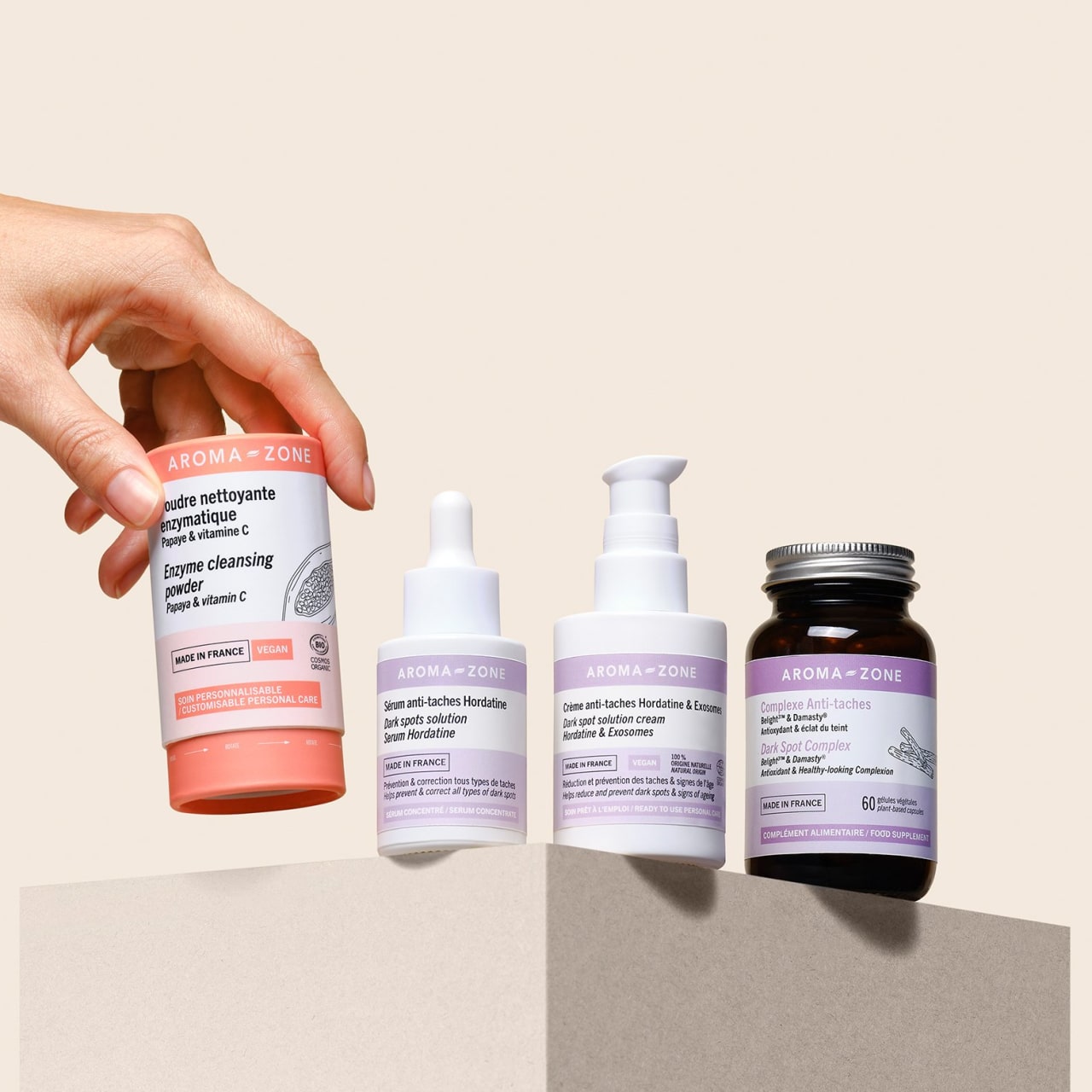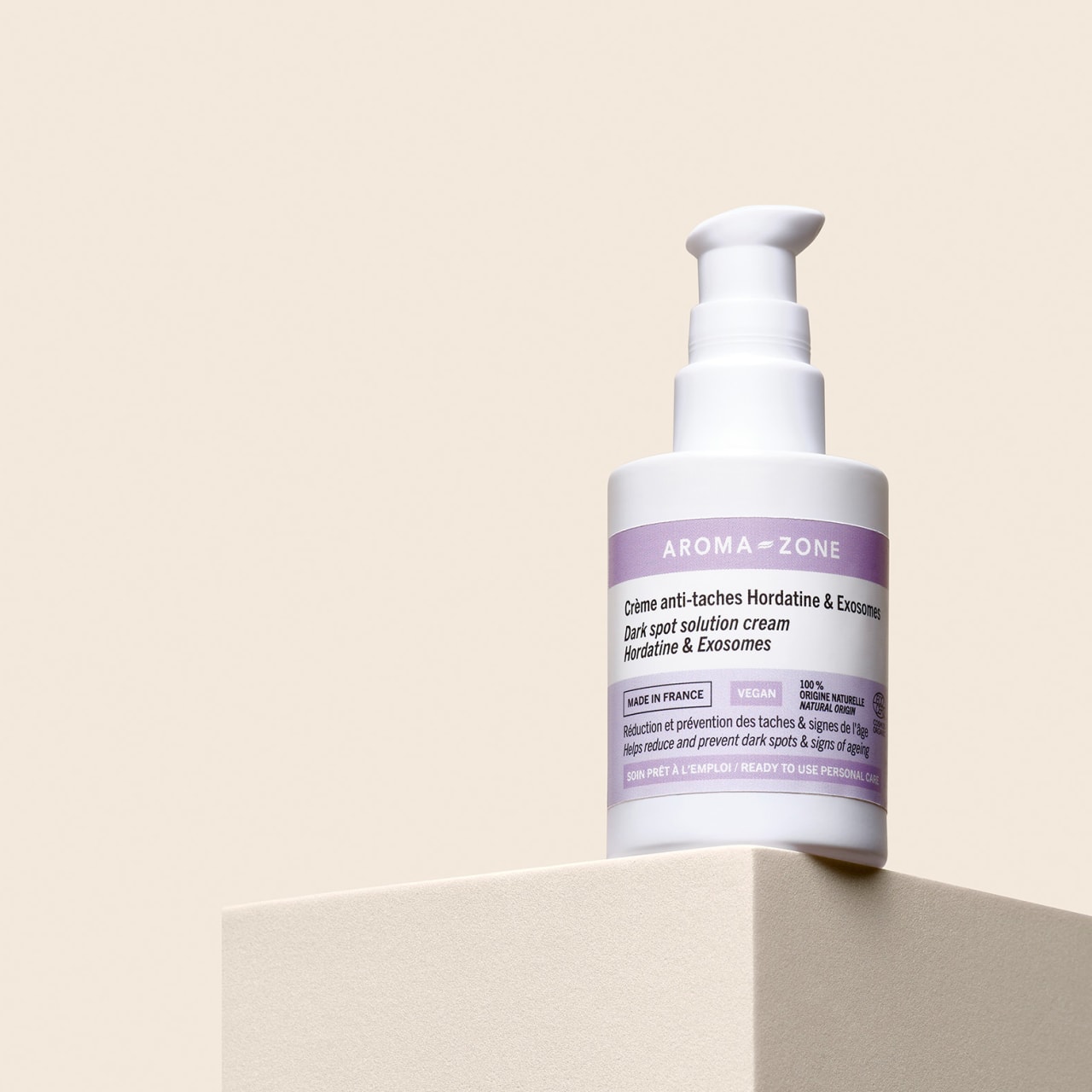
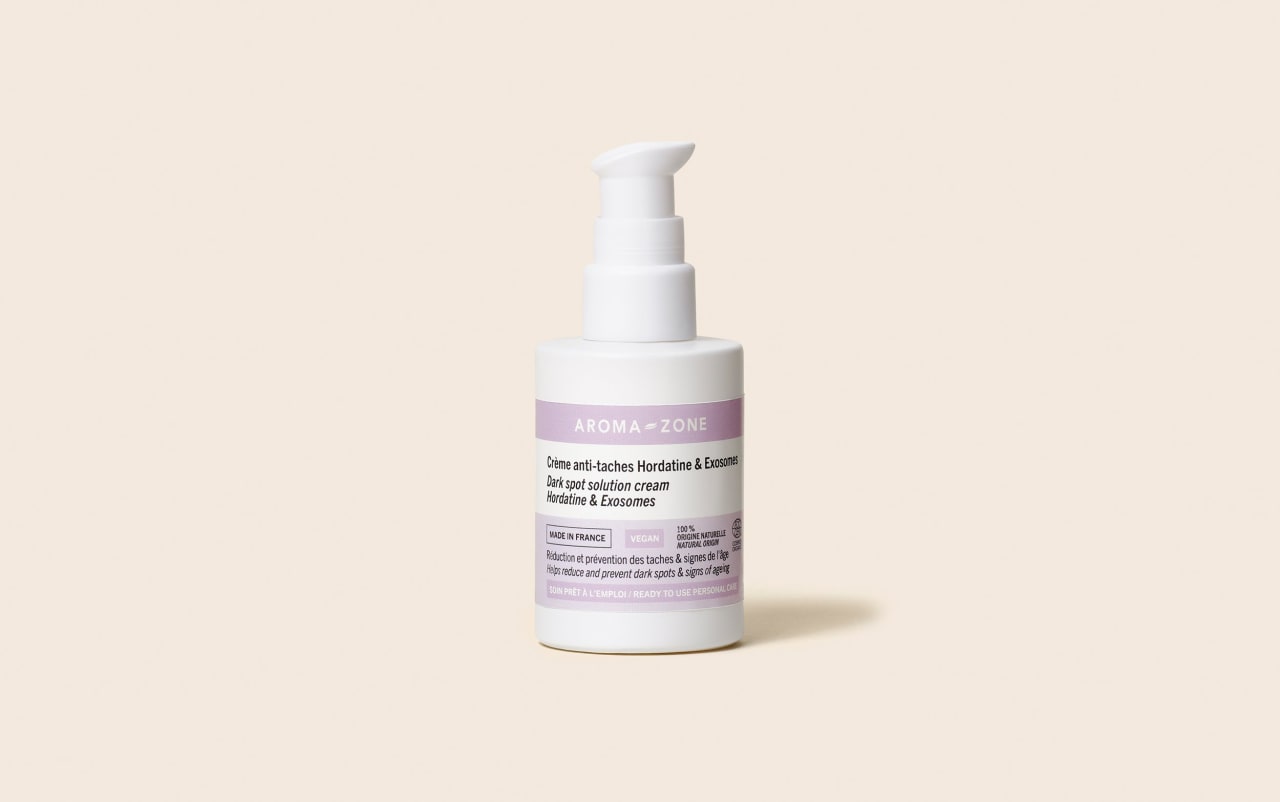
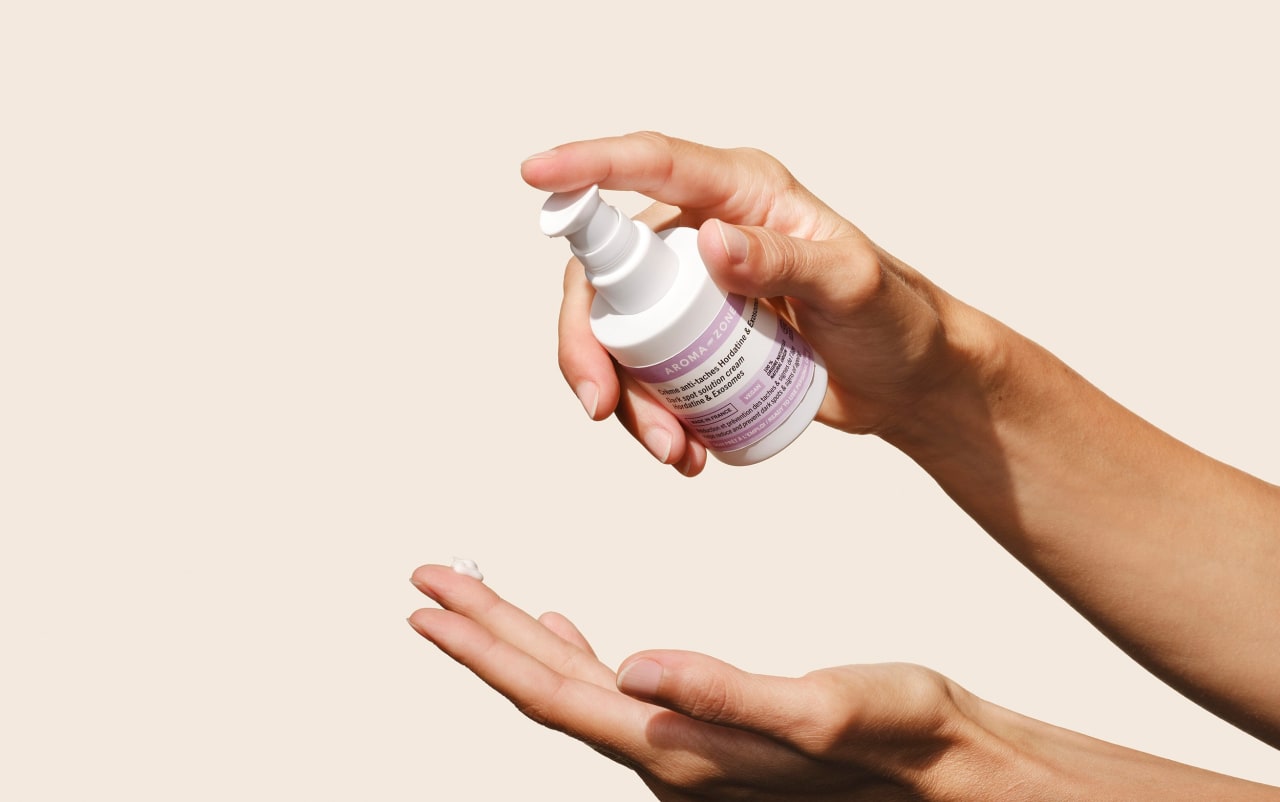
Hordatine & Exosomes Anti-Dark Spot Face Cream
Anti-ageing
Anti-dark spots
£13.00
1 article = 50 ml
Price per L = £260.00
free delivery up to £25 in United Kingdom
100% secure payment CB, Visa, Mastercard, Paypal, Apple Pay, Google Pay
Hordatine & Exosomes Anti-Dark Spot Face Cream
50 ml

100% natural origin

Made in France

Vegan

Proven Efficacy

Ecocert Cosmos Organic
Why we love it
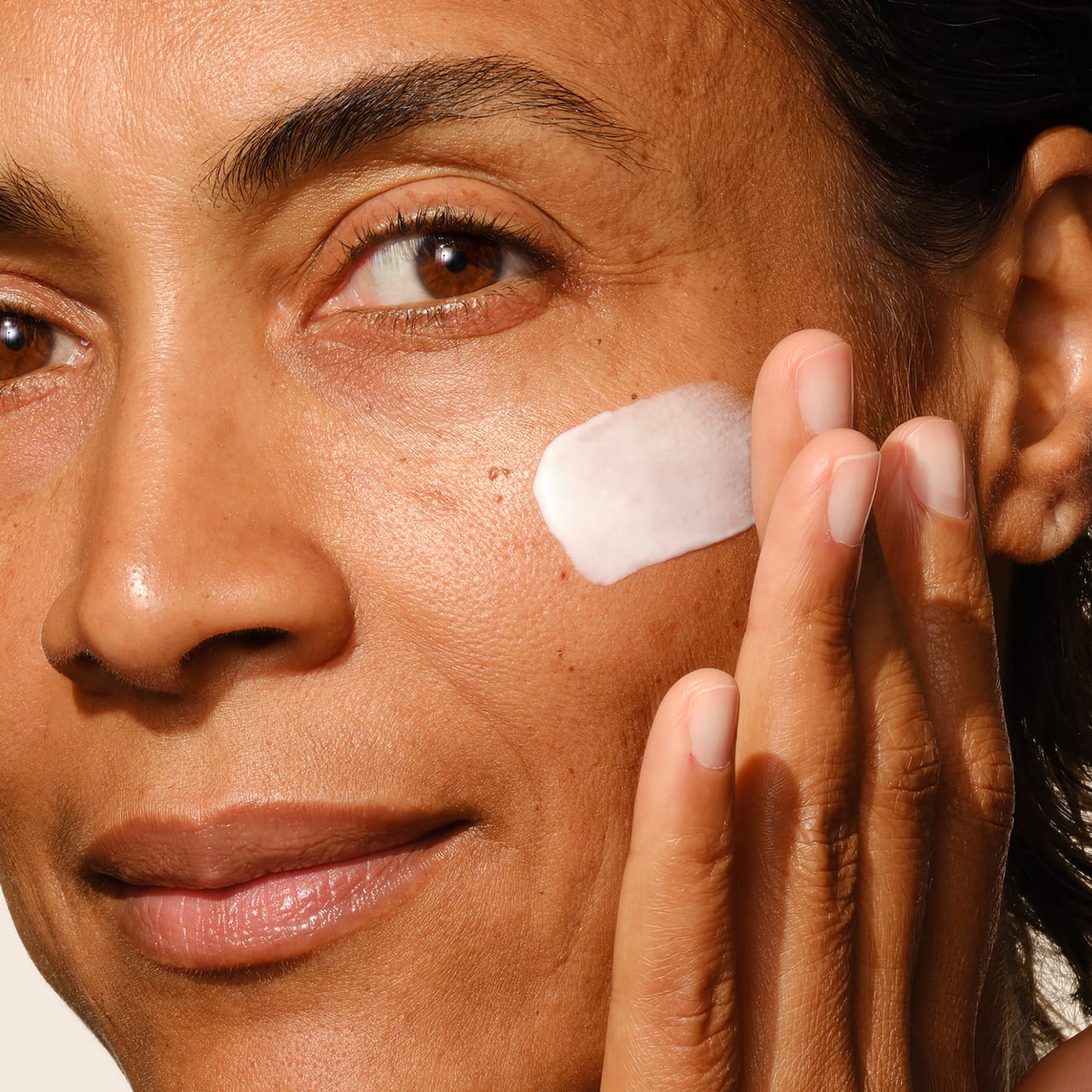
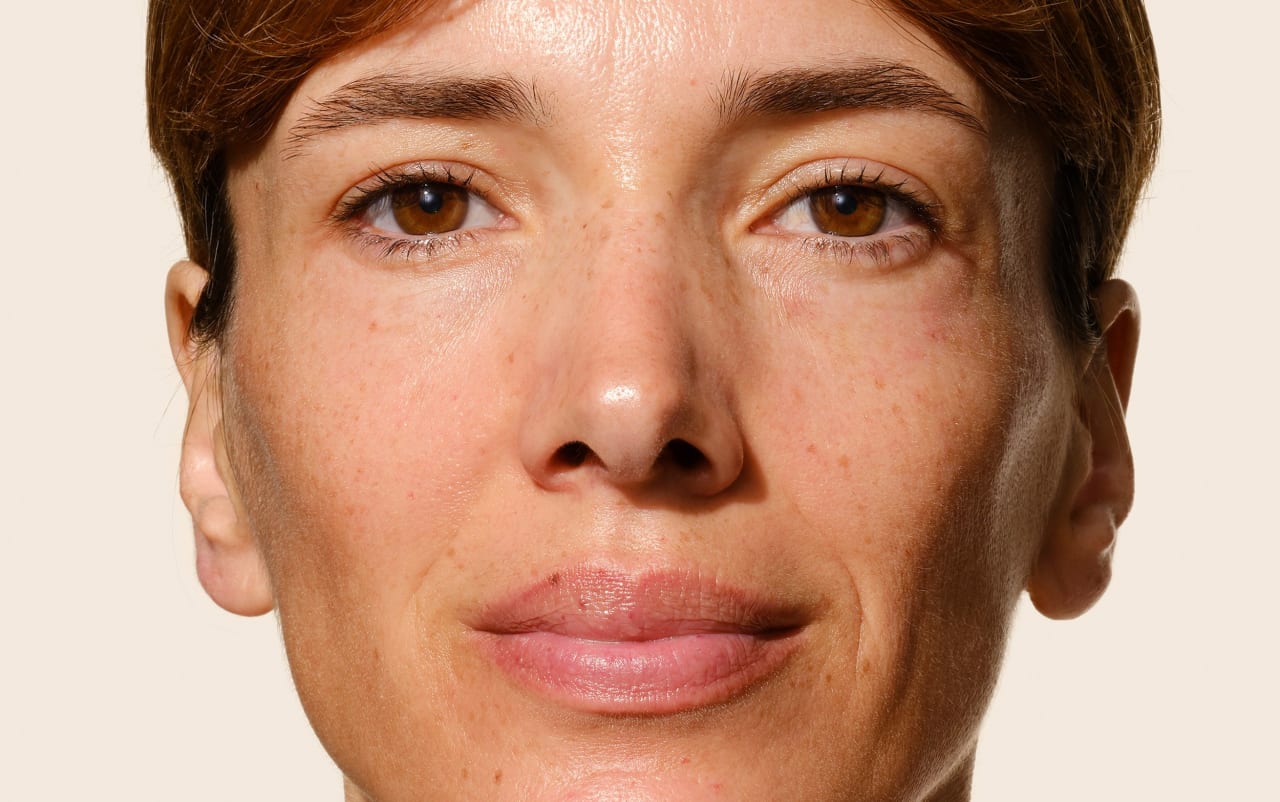
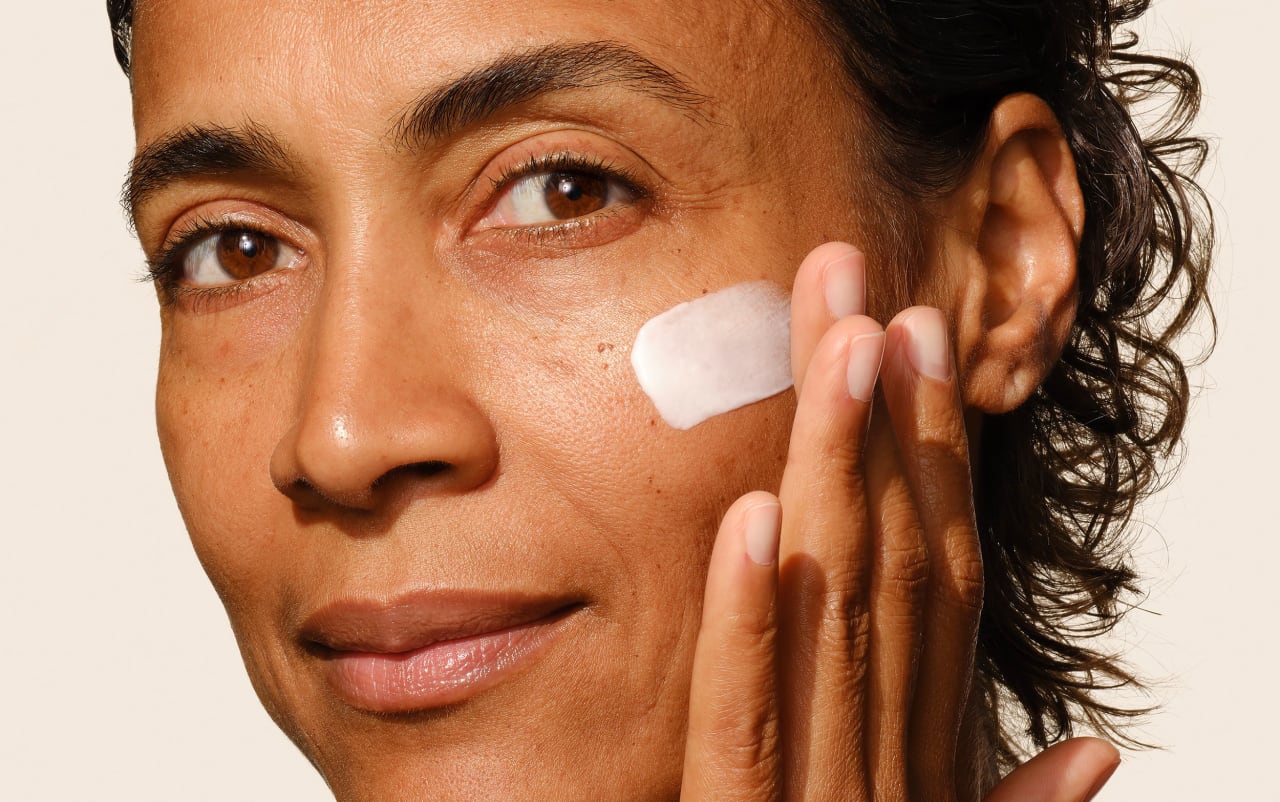
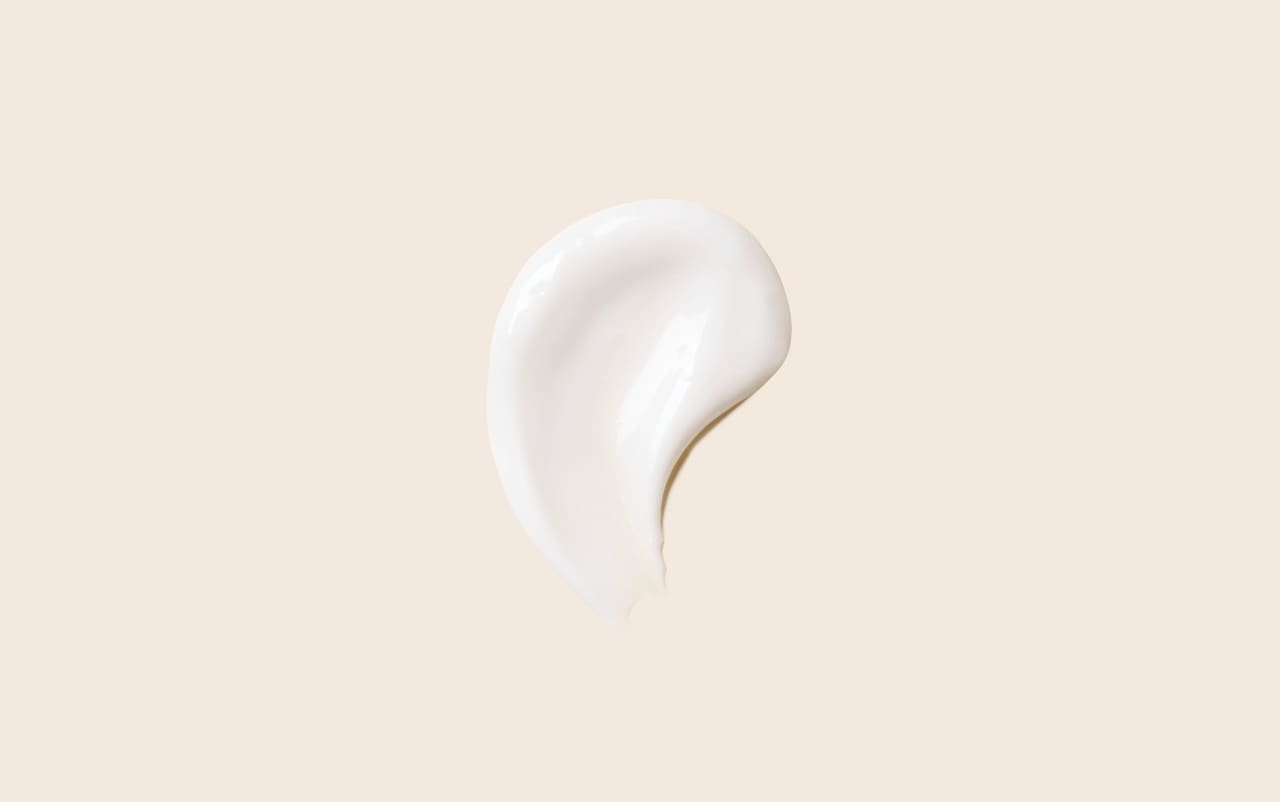
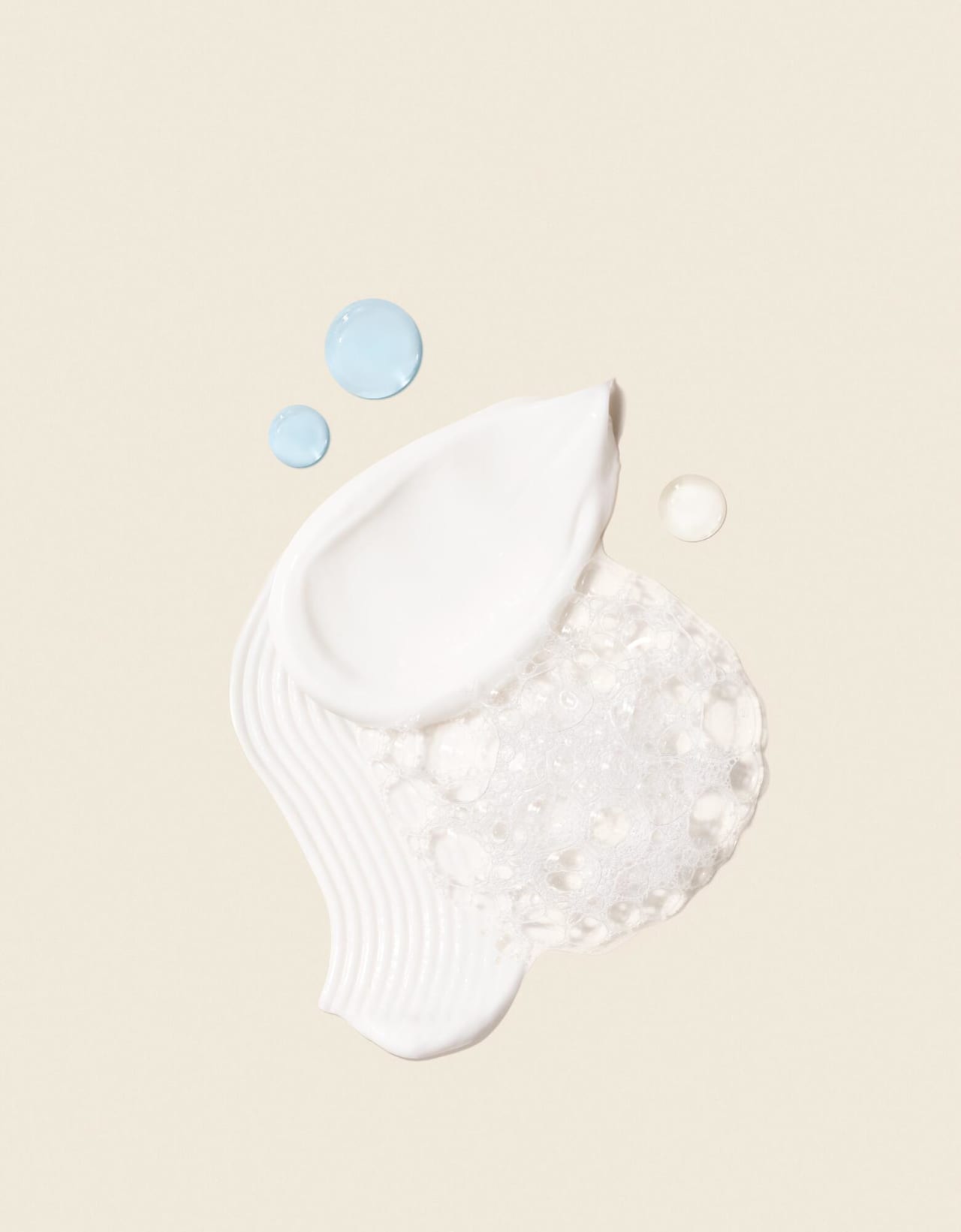
Innovation*: the face cream that visibly reduces dark spots from as early as 7 days, evens out the complexion and reveals younger-looking skin day after day. Its complex of active ingredients acts on the skin’s biological mechanisms to provide a dual preventive and corrective action against dark spots and the signs of ageing.
Key ingredients: a new technology combining hordatine and floridoside, which target two types of pigment responsible for dark spots. Marine exosomes, which act as cellular messengers, protect the skin from photo-ageing whilst supporting the production of collagen and elastin, as well as the skin’s natural hydration mechanisms.
Proven efficacy by an independent laboratory on women and men: 28 per cent reduction in the colour intensity of dark spots², 48 per cent increase in complexion radiance³, 31 per cent reduction in the overall appearance of wrinkles², 24-hour hydration⁴, proven antioxidant power⁵.
Your health, our priority: 100% natural origin, Cosmos Organic certified, formulated without silicone or fragrance. Suitable for pregnant and breastfeeding women.
*Innovation at Aroma-Zone

Marie Claire Award of Excellence
Aroma-Zone was honoured with the Marie Claire Prix d'Excellence de la Beauté 2026 award in the Innovation category.

Frequently Asked Questions
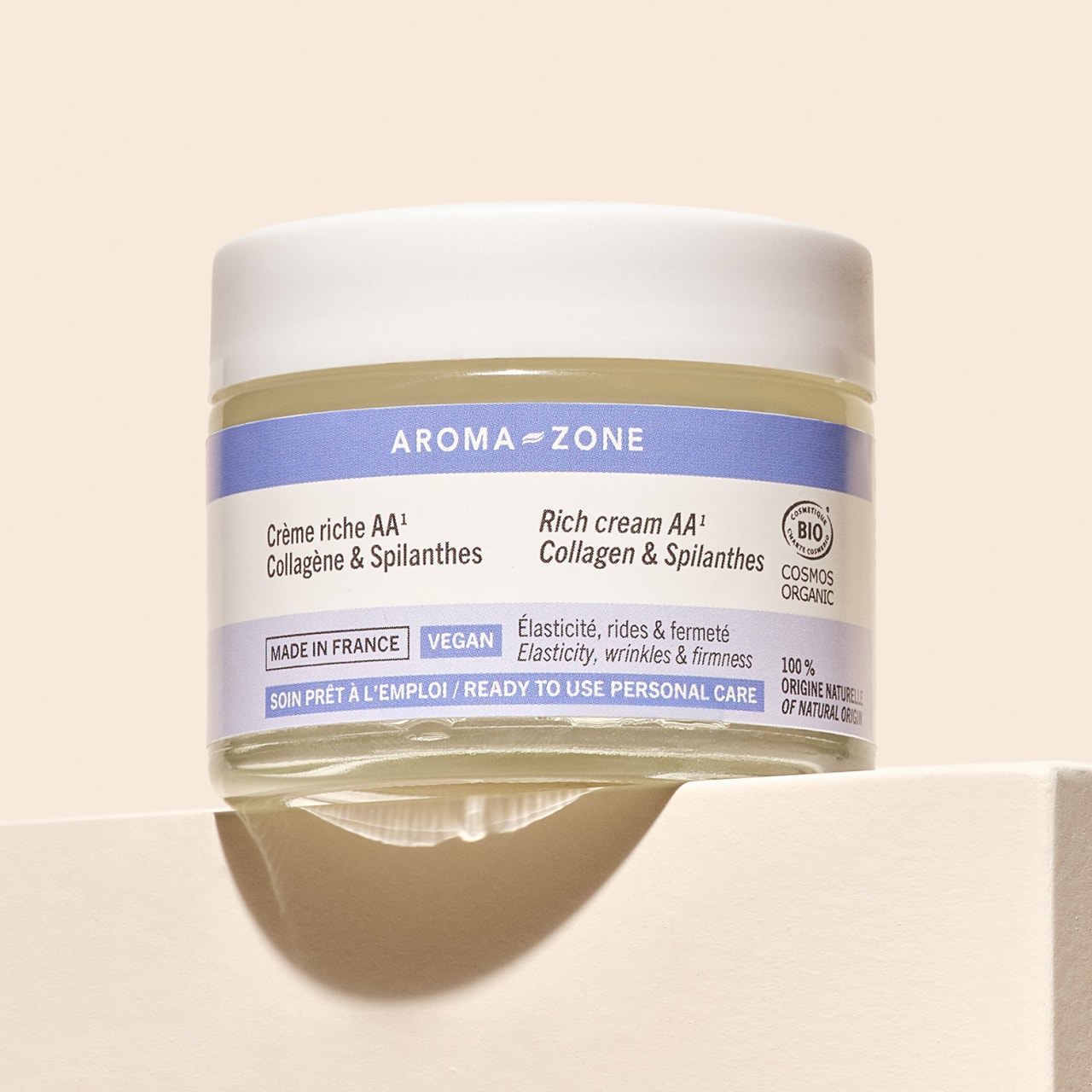
Associated products
Anti-wrinkle
Firming
£13.00
30 ml
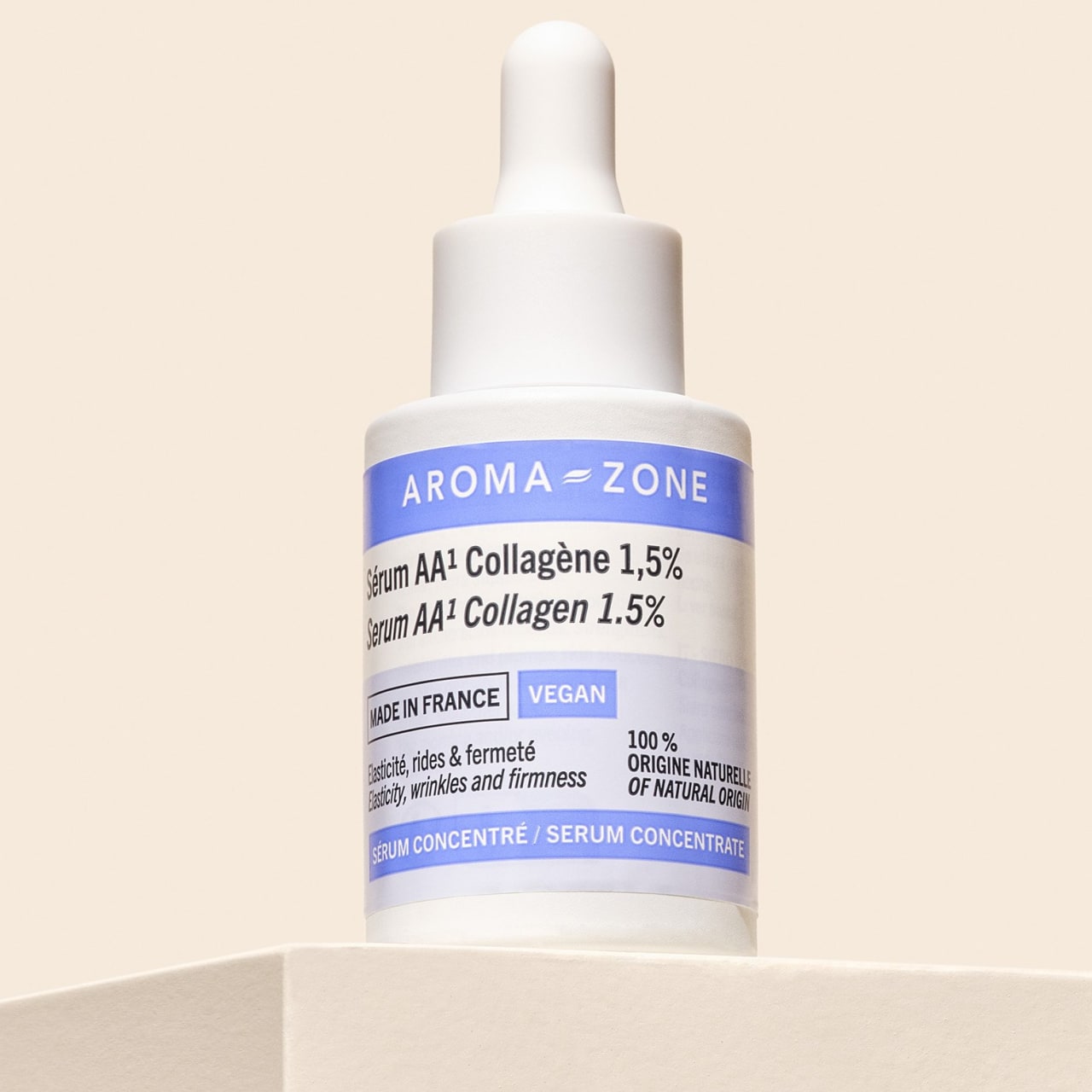
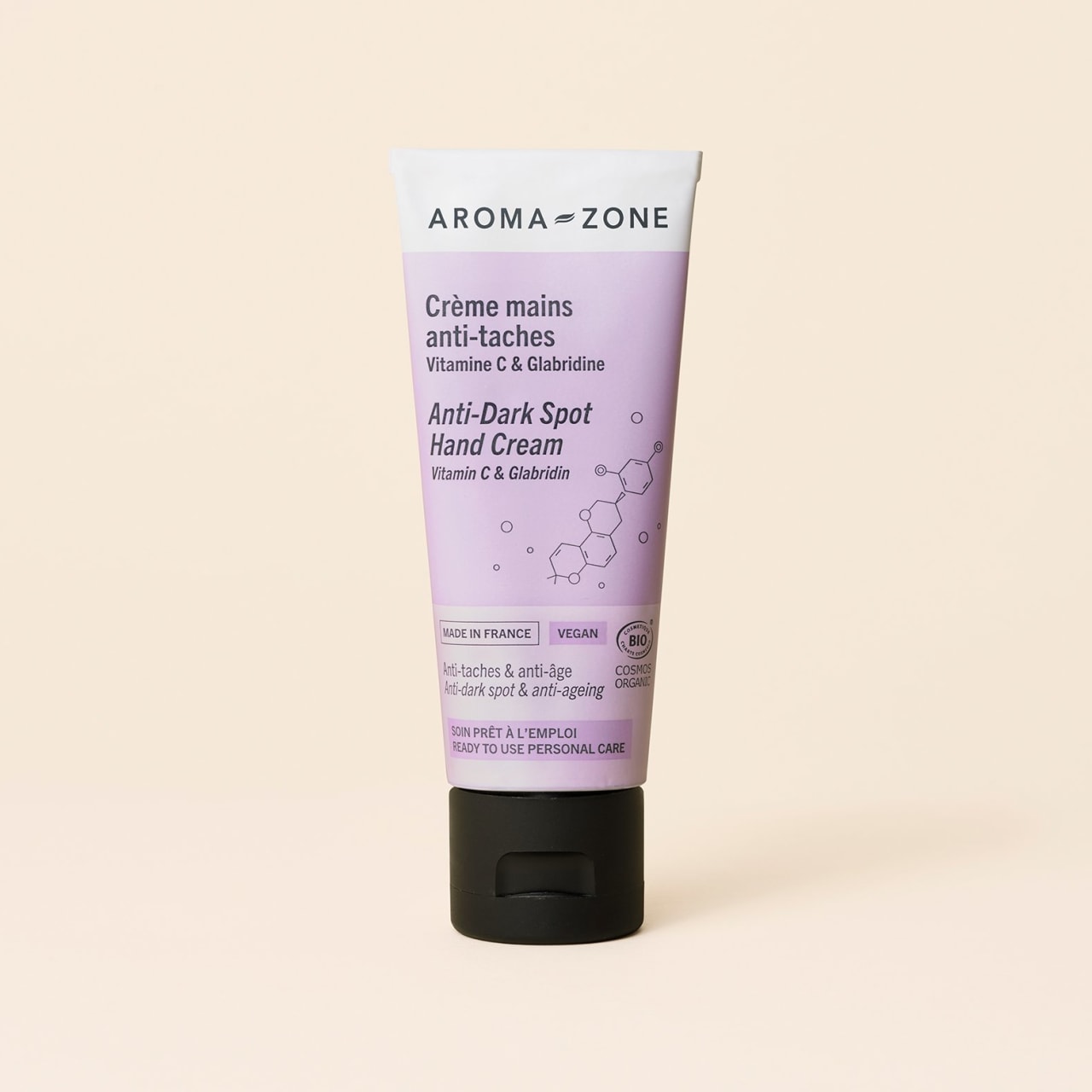
Anti-dark spots
Anti-ageing
£6.00
50 ml
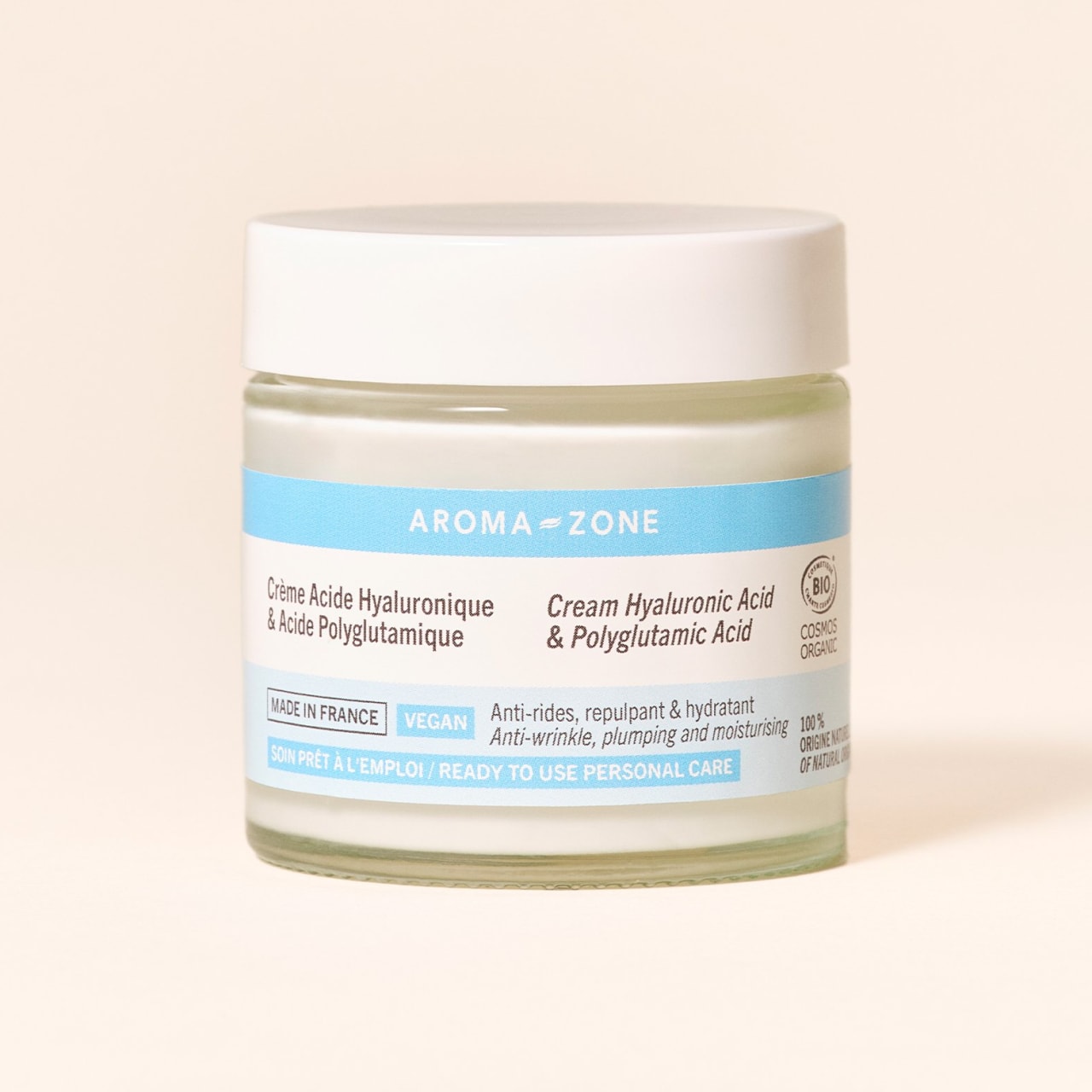
Plumping
Moisturising
£10.00
50 ml