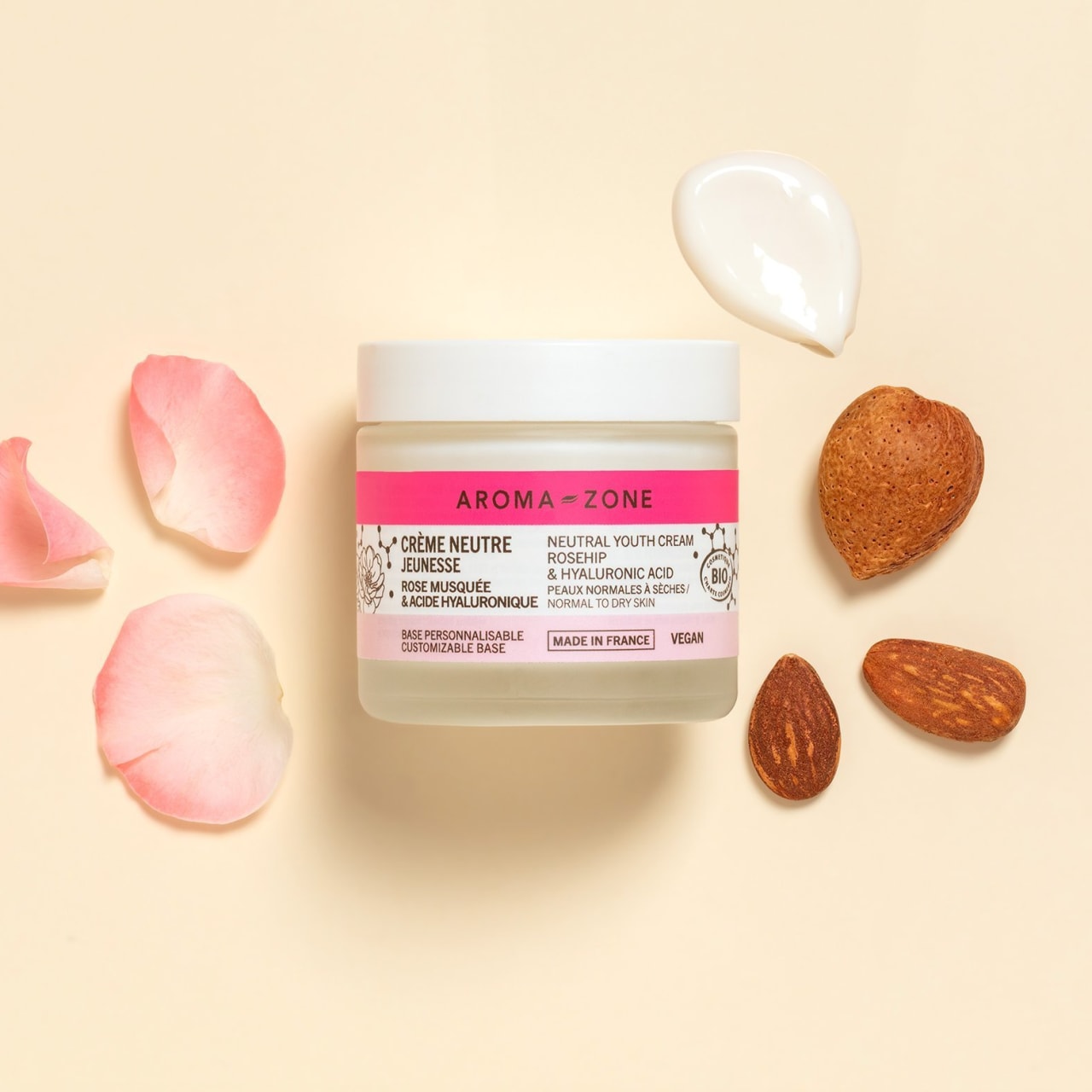
What Is a Moisturiser?
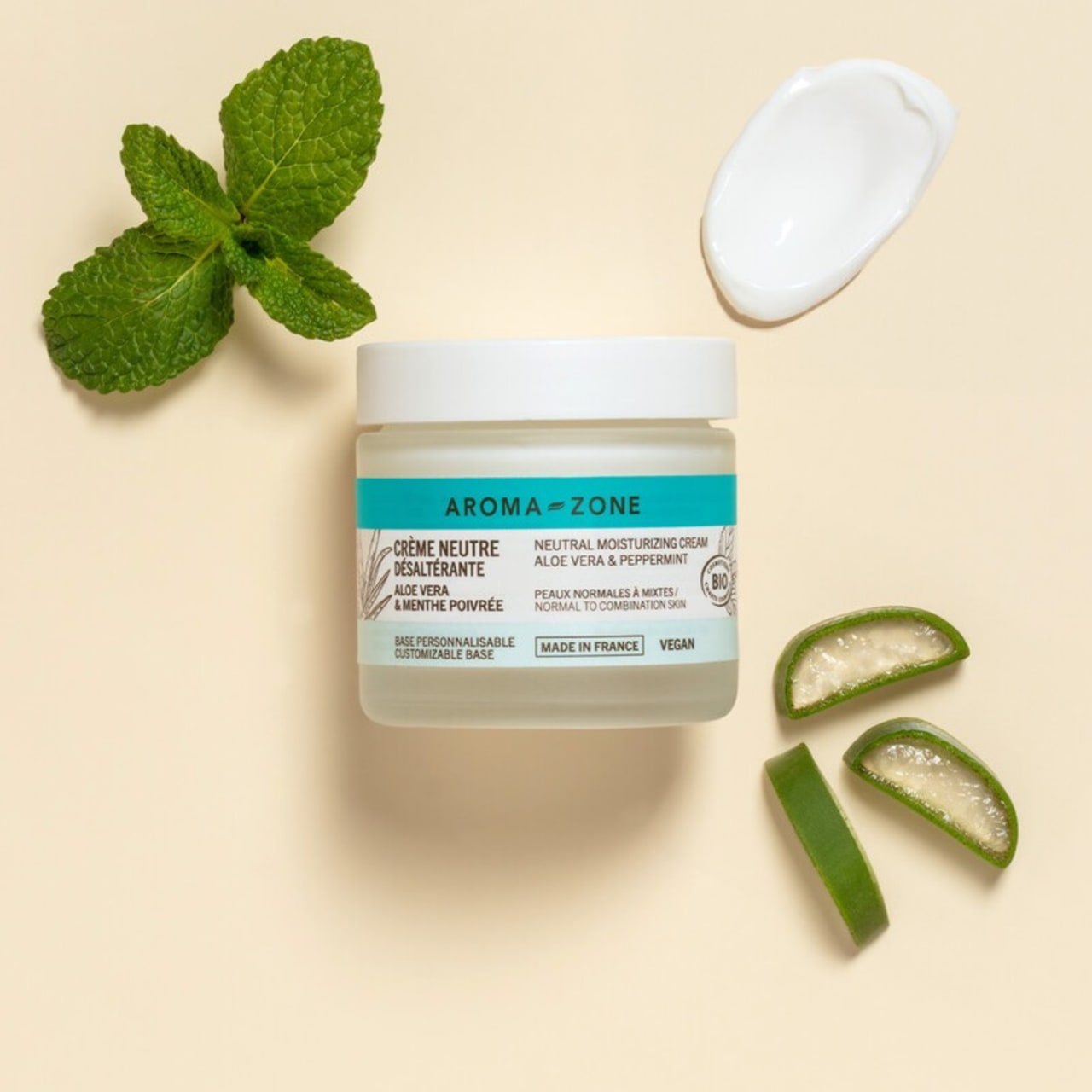
A moisturiser is generally an emulsion combining an aqueous phase and an oily phase. Its formulation may therefore include moisturising ingredients, such as hyaluronic acid or glycerine, and lipid components, such as oils, plant butters, or certain biomimetic lipids.
This combination allows the product to act on several levels. Humectants help retain water in the stratum corneum, while the oil-phase components support skin barrier comfort and protection. Depending on its formulation, a cream may also contain targeted active ingredients to address a specific need.
A cream’s texture depends on the balance between its aqueous and oil phases. It can therefore take the form of a light fluid, a more enveloping emulsion or a rich cream.
What Are the Benefits of a Moisturiser?
A moisturiser provides hydration, comfort and suppleness to the skin. Depending on its formulation, it can also address specific skin needs thanks to the active ingredients it contains.
It can therefore be chosen to:
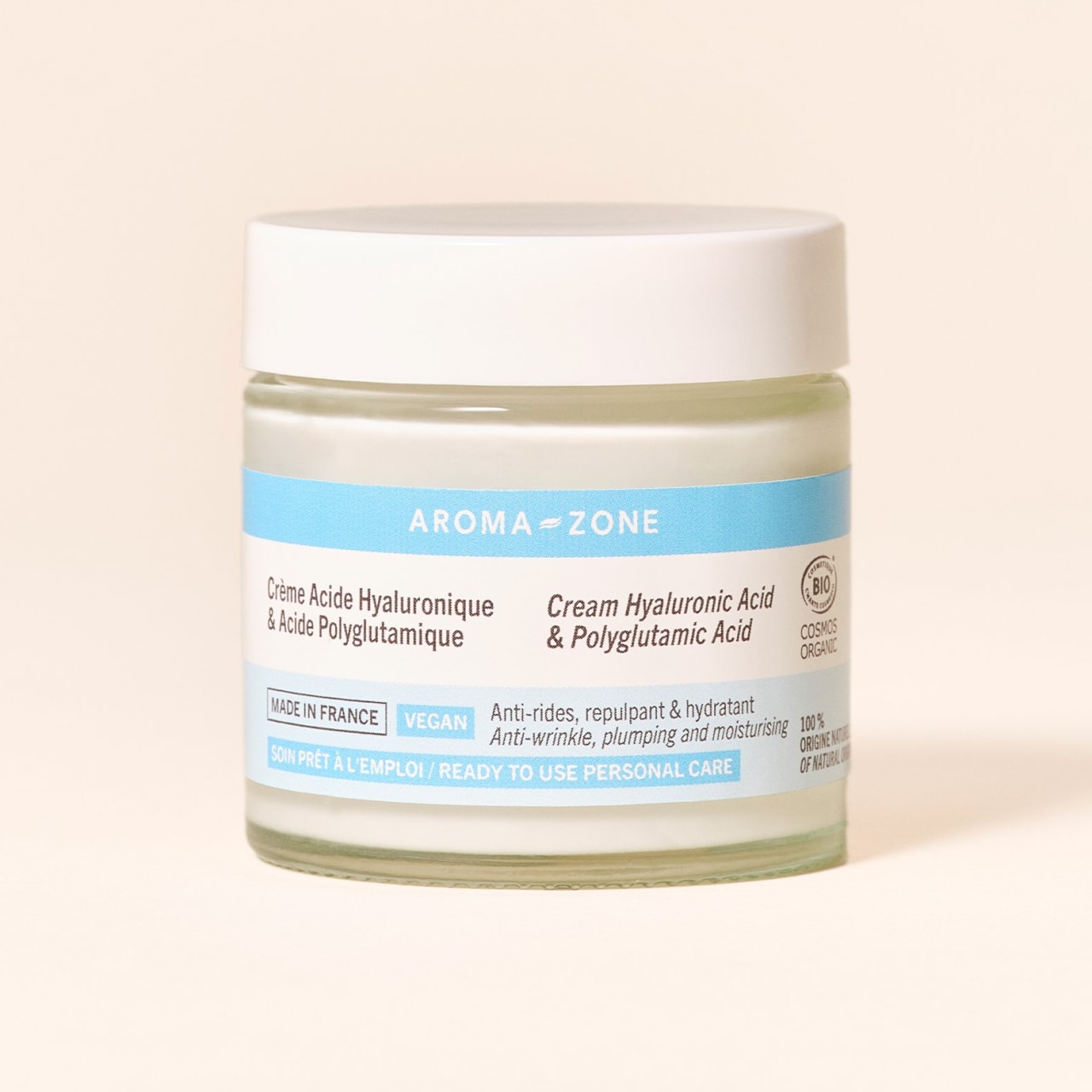
Maintain hydration and reduce feelings of tightness in dehydrated skin
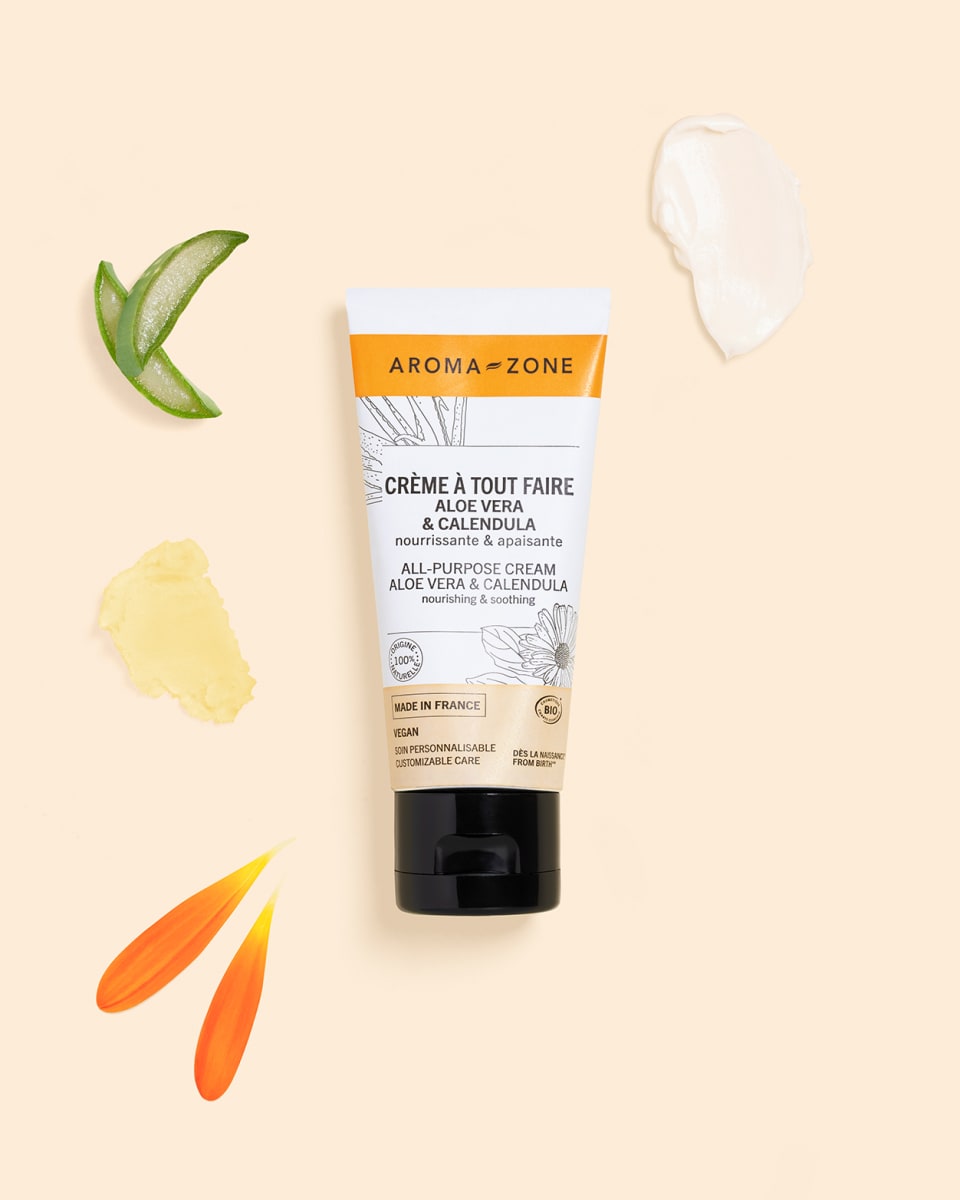
Provide comfort to dry or sensitive skin
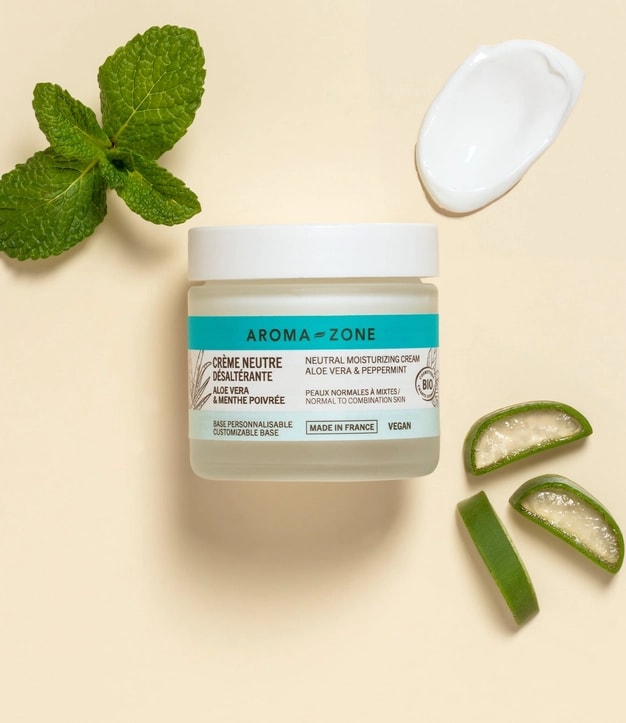
Mattify combination to oily skin
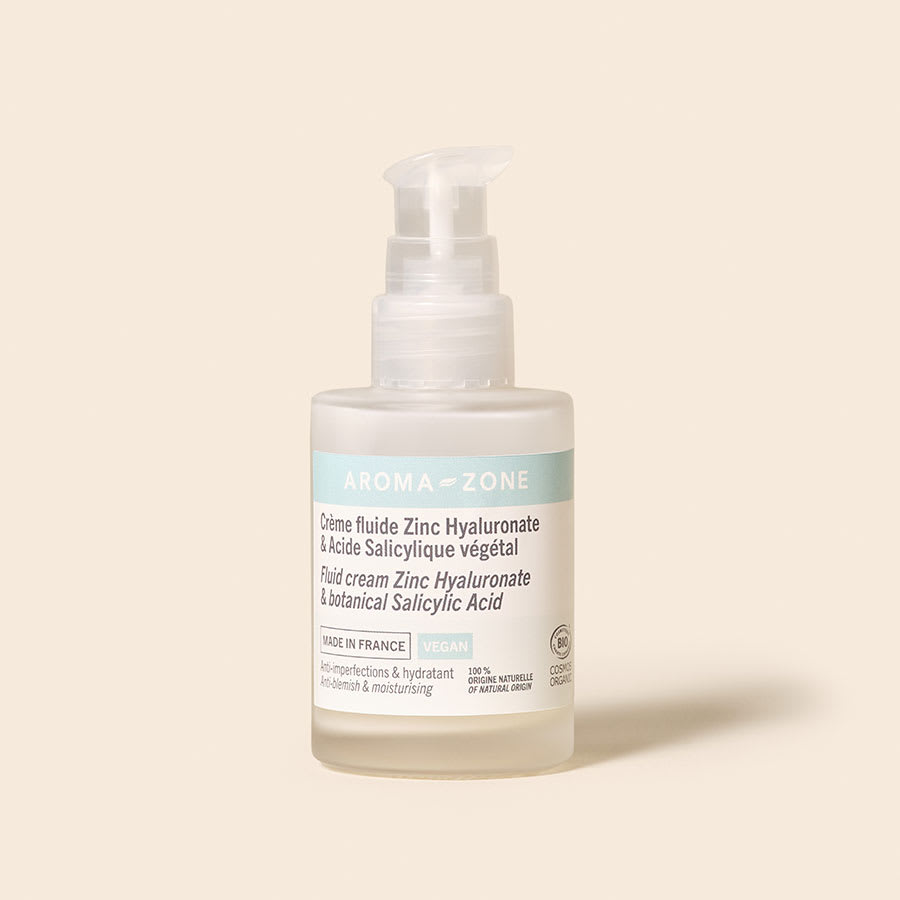
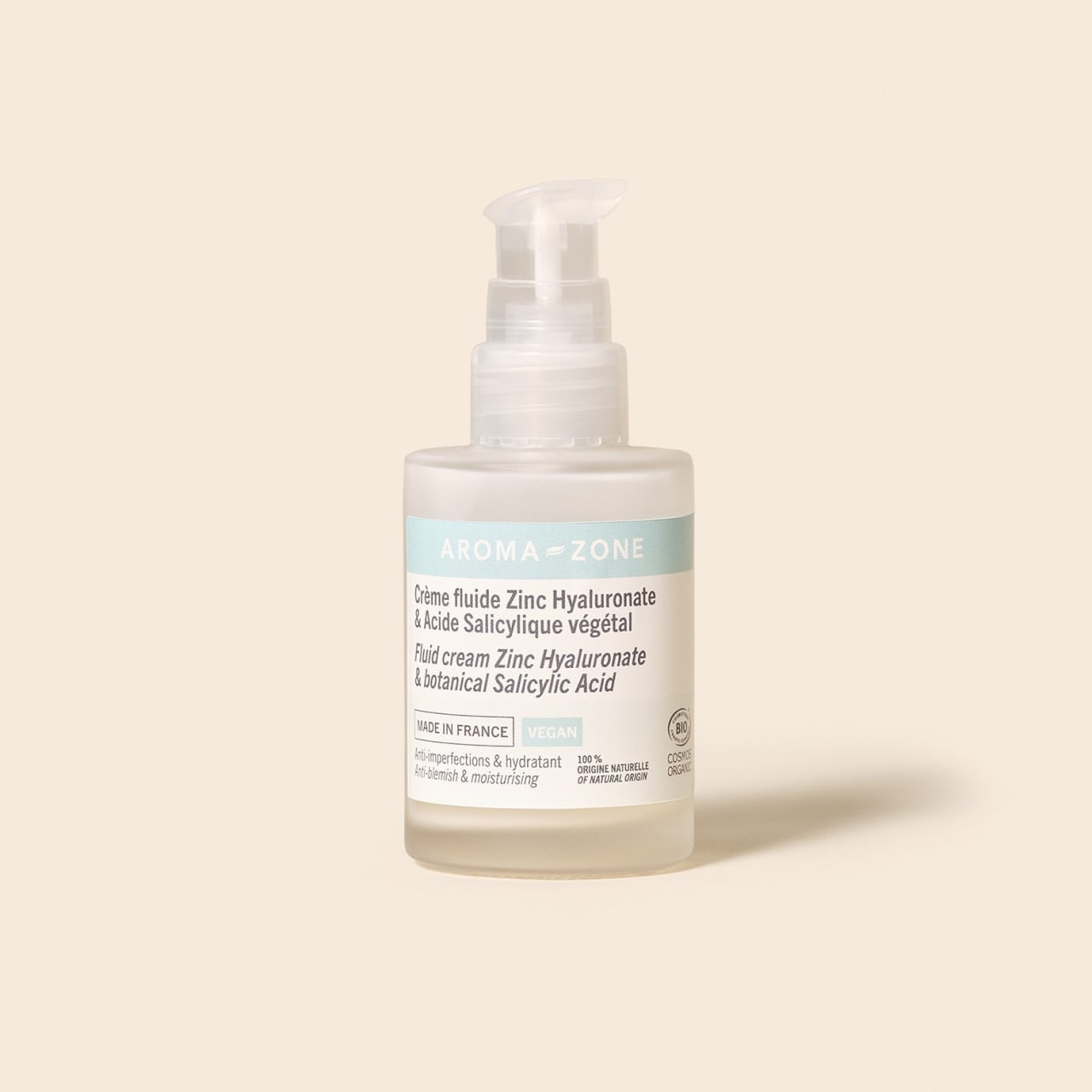
Target blemishes with suitable active ingredients
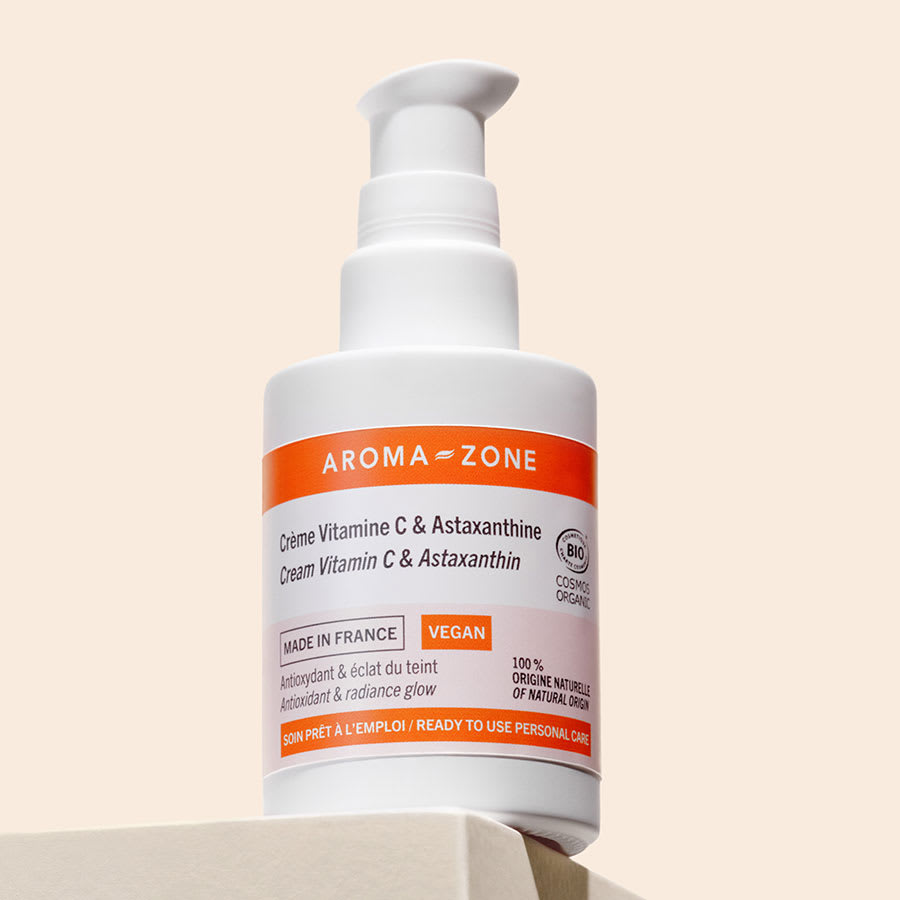
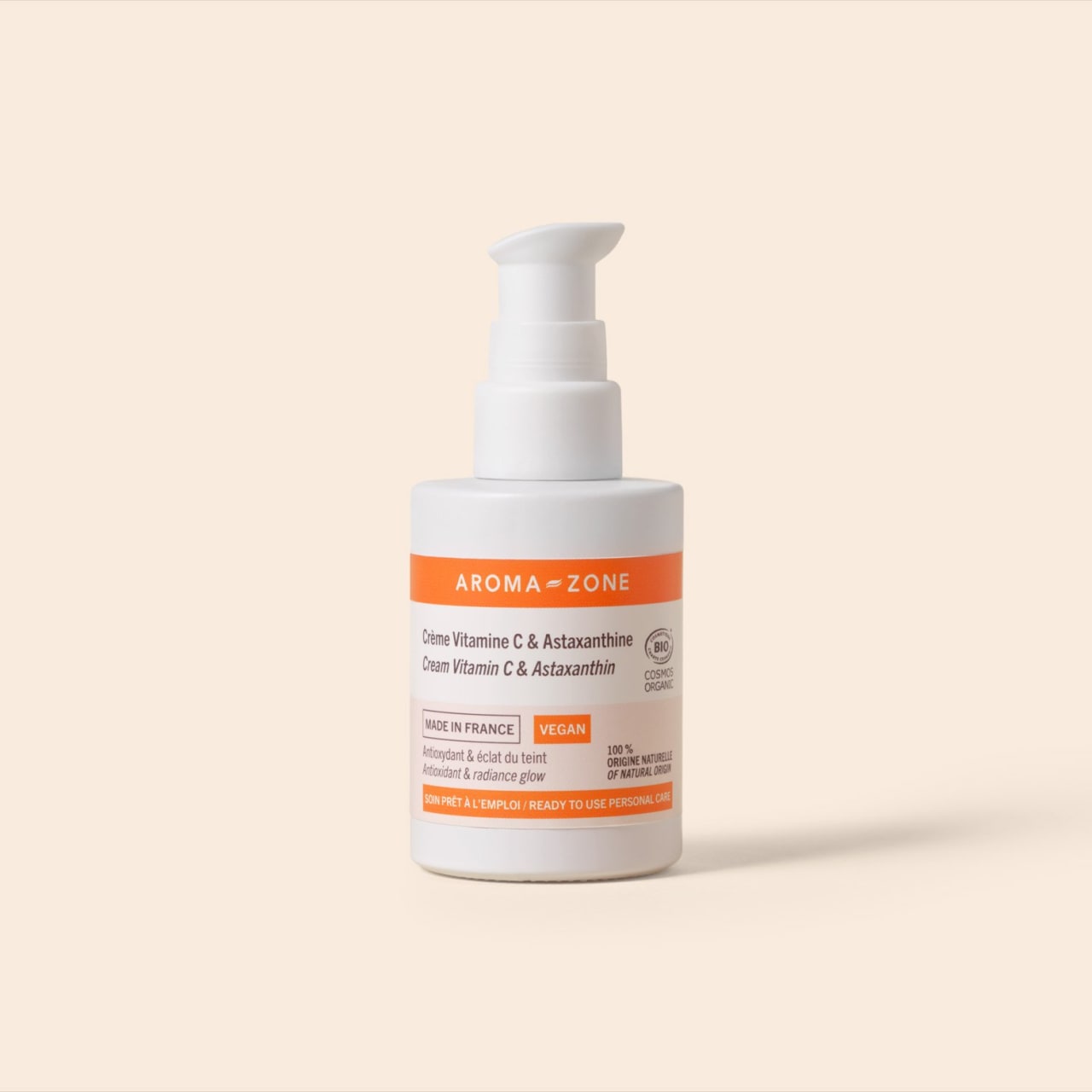
Restore radiance to a dull complexion
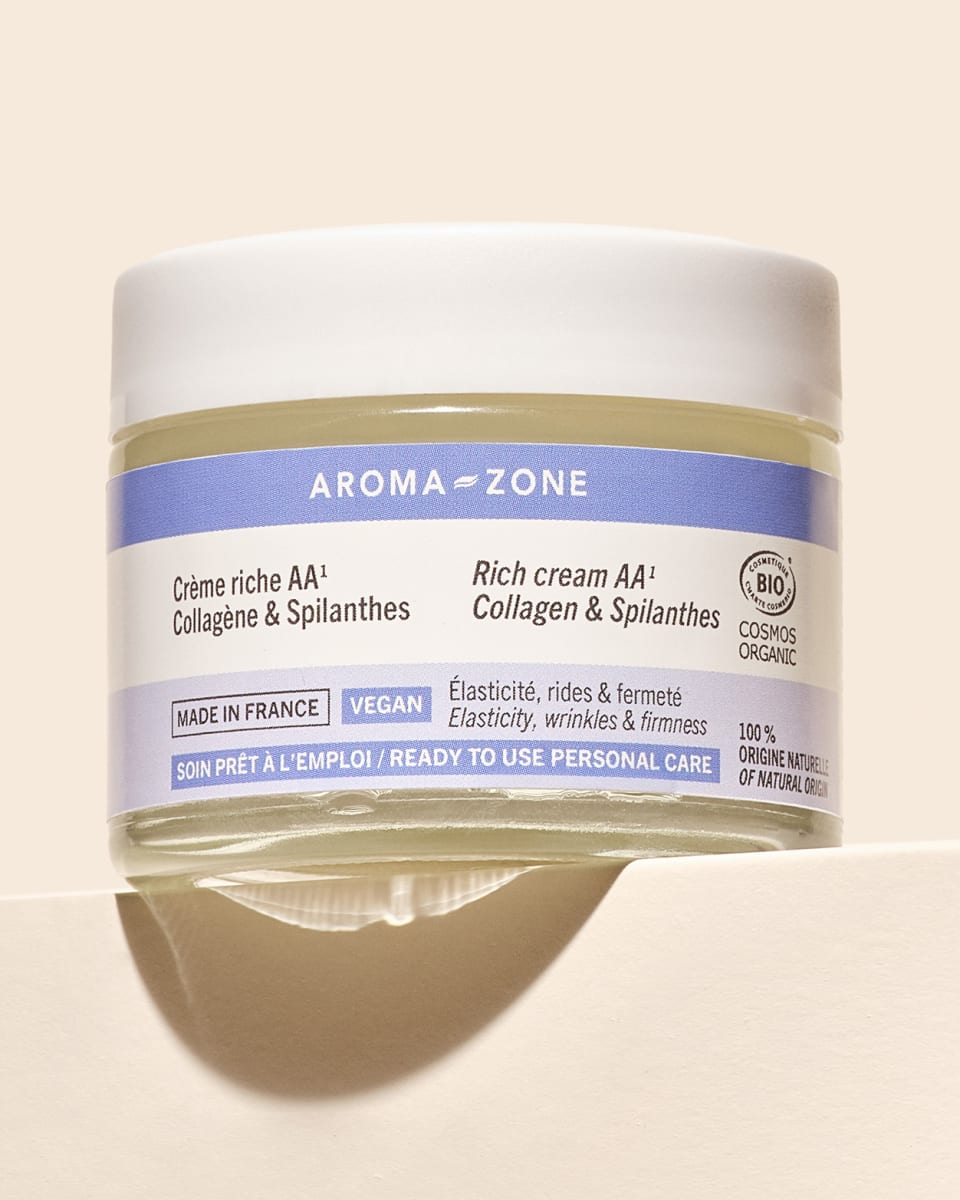
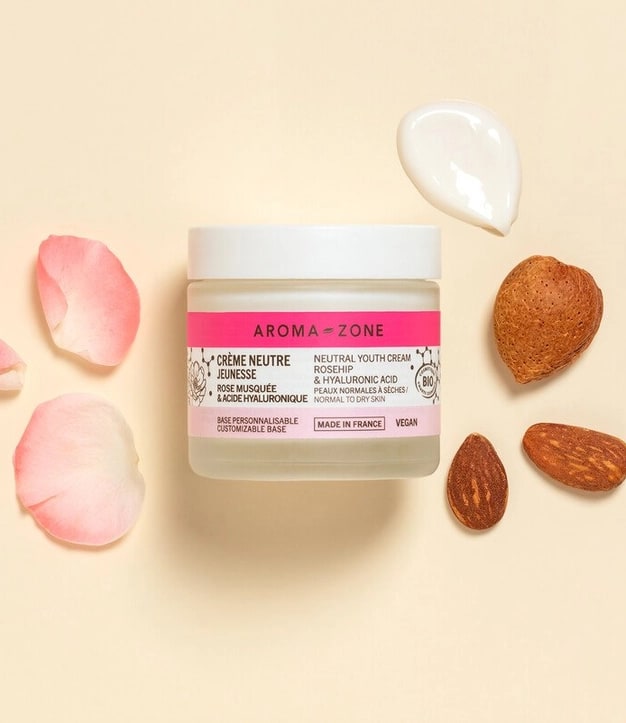
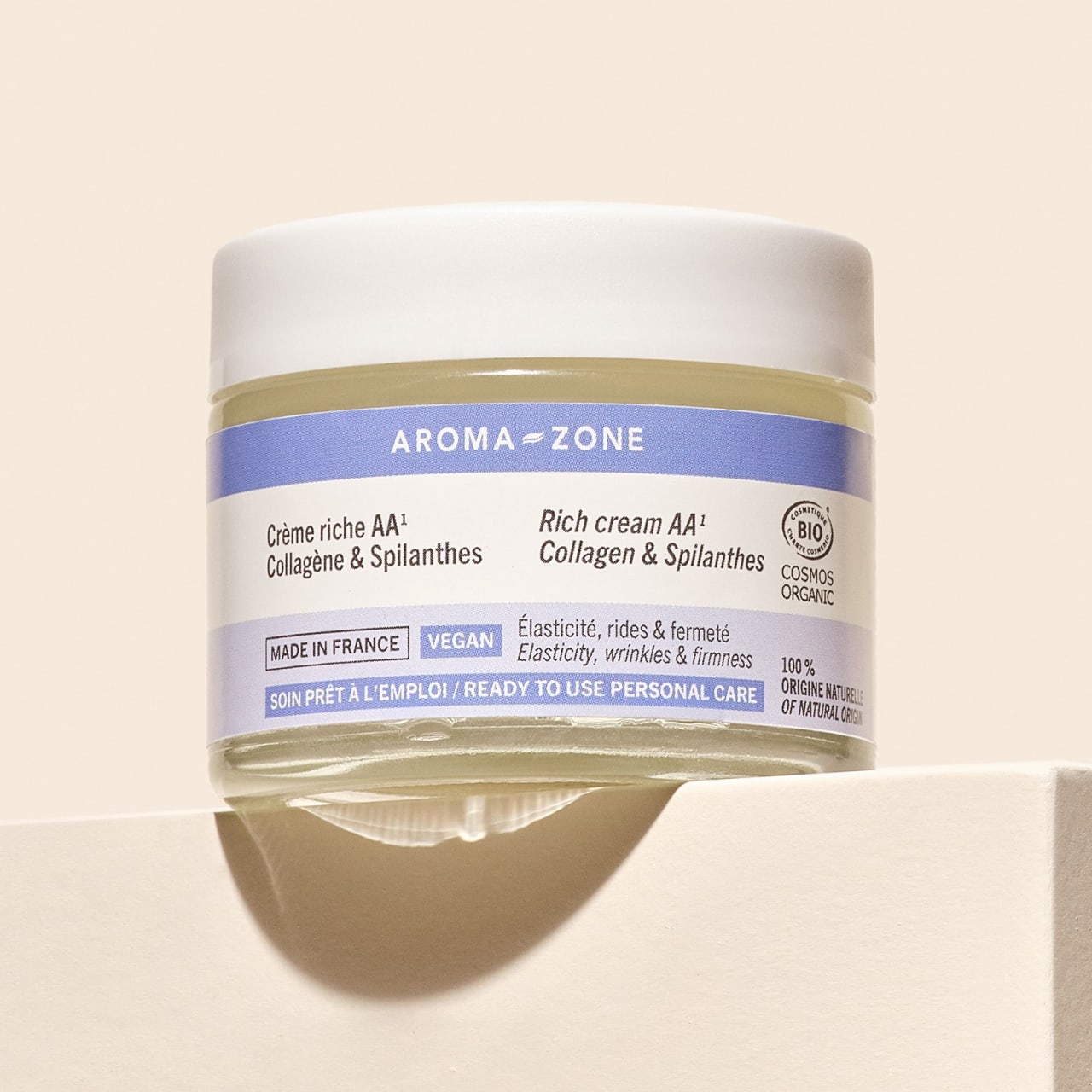
Address the signs of ageing with anti-ageing active ingredients
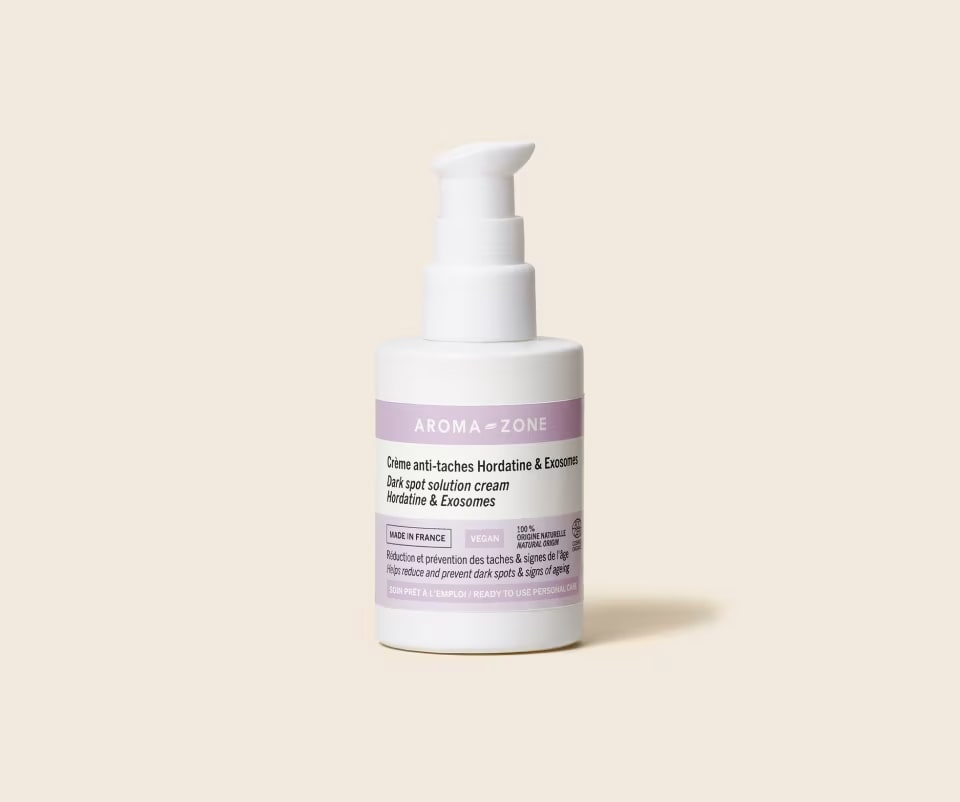
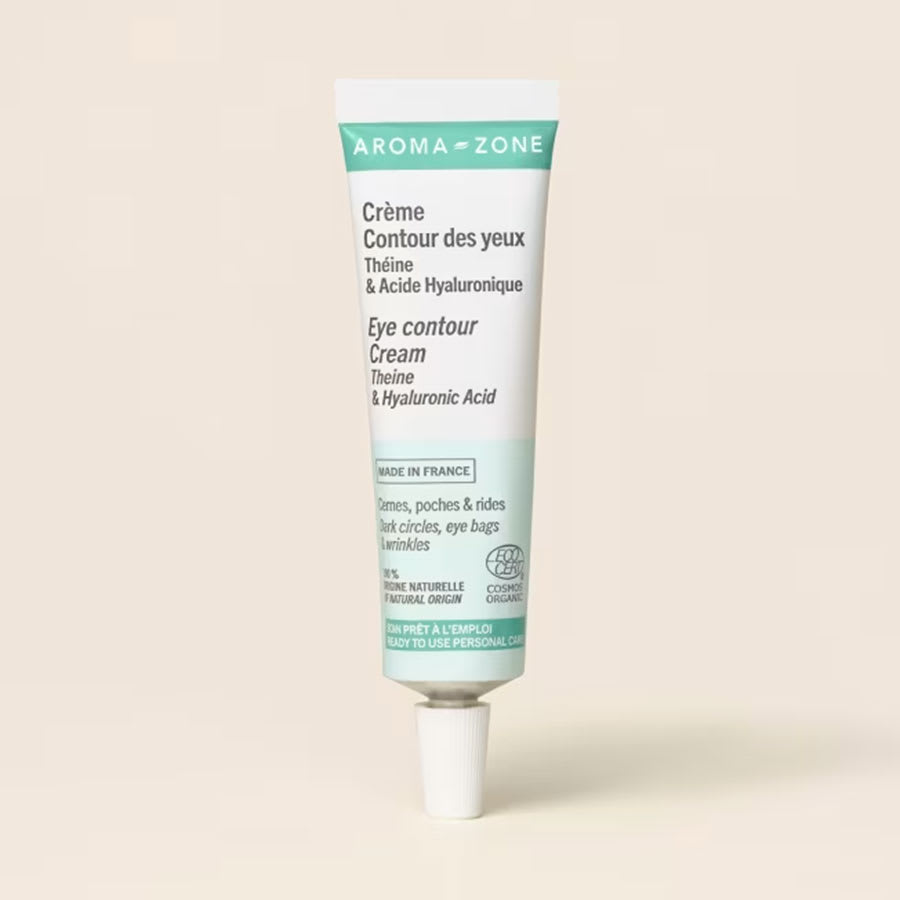
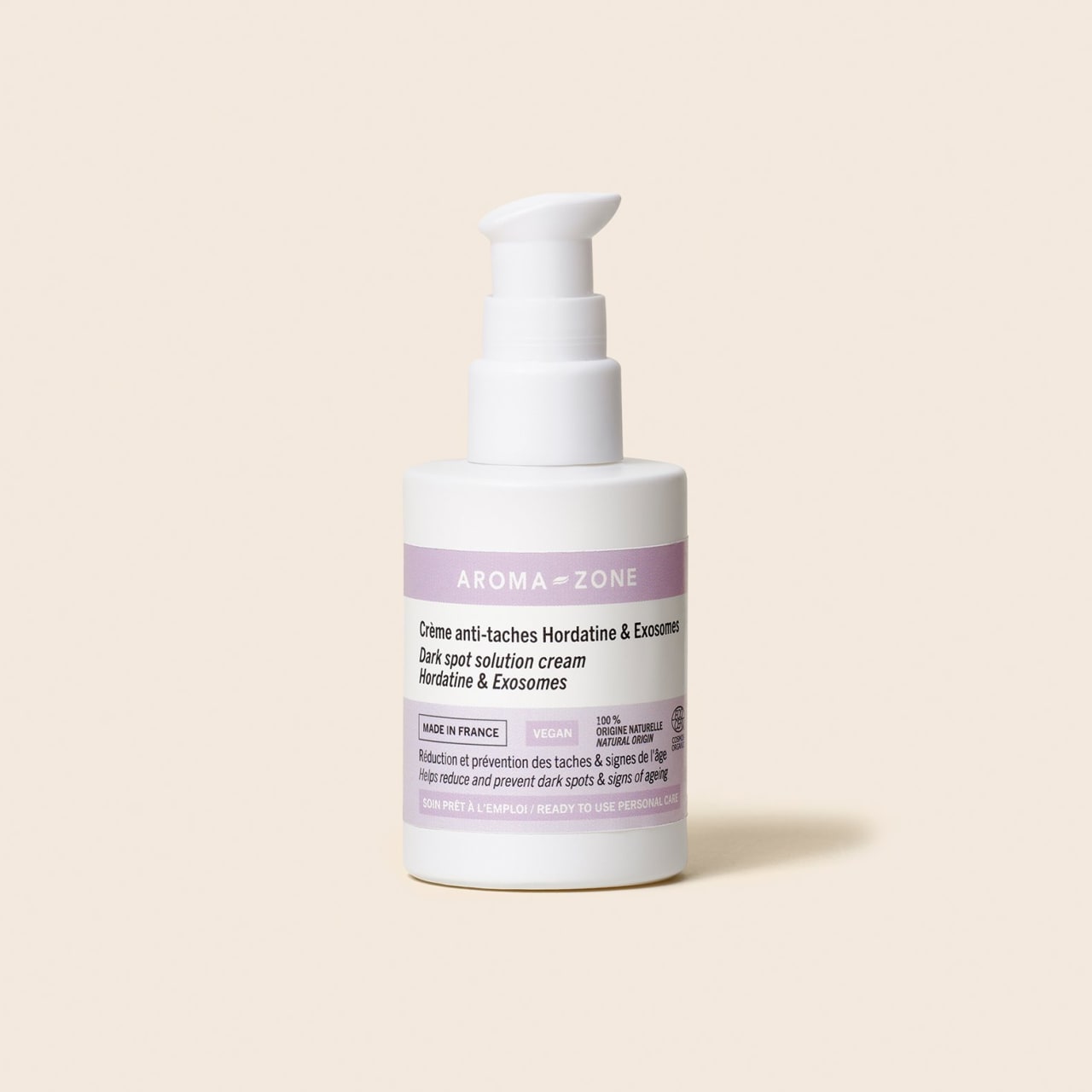
Target the appearance of pigmentation spots and even out the complexion
A moisturiser can therefore serve a dual purpose: deliver the expected benefits of a moisturising treatment while also targeting a specific skin concern.
You can choose a moisturiser based on both your skin type and your specific skin concern. For example, someone may have oily skin and want a product that targets blemishes, or dry skin that lacks radiance and shows signs of ageing. The choice of moisturiser must therefore consider both skin type and specific needs.